Deutsch
 Türkçe
 Italiano
 Nederlands
 Français
 Español
 Polski
 Čeština
 Svenska
 Português PT
 Русский
 اللغة العربية
 中文
 日本語
 Tiếng Việt
 ภาษาไทย
 Română
 ελληνικά
 Magyar
 Dansk
 Suomi
 Hrvatski
 български език
 Eesti keel
 Latviešu valoda
 Slovenčina
 Slovenščina
 Bosanski
 עברית
 हिन्दी
 Bahasa melayu
 Kiswahili
 Bahasa Indonesia
 Papiamento
 Bokmål
 Lietuvių kalba
 Українська
 српски
 Shqip


 ›
 ›
 ›
 ›
 ›
 ›
 ›
 ›
 ›
 ›
 ›
 ›
 ›
 ›
 ›

In short: Anyone planning to open a restaurant in Europe must expect widely varying costs, as there is no flat rate. The decisive factors are location, size, concept and local regulations. The core cost items include the business plan, legal advice, premises and fit-out, kitchen and dining room equipment, staff, initial stock and marketing.
Opening a Restaurant: What Founders Need to Budget For
Running your own restaurant is a dream for many founders. At the same time, budget planning is often the biggest hurdle. Costs in Europe differ considerably depending on country, city and concept.
In major cities such as London, Paris or Berlin, rents and ancillary costs are generally much higher than in rural areas. This guide shows which cost items you should plan for and how to set a realistic budget for your project.
Factors That Influence the Cost of Opening a Restaurant
Before you calculate individual items, you should understand the four biggest cost drivers.
Location
The location has a significant impact on opening costs. Rents, property taxes and ancillary costs vary greatly between cities and neighbourhoods. A location with high foot traffic is more expensive, but it can reduce the marketing effort required.
Size
The larger the restaurant, the more equipment, furniture and staff you will need. This increases the initial investment. Running costs also rise with floor area and the number of seats.
Concept
The type of restaurant determines the effort involved. Fine dining venues, for example, need higher-quality ingredients and more elaborate interiors than casual dining restaurants. The kitchen concept also determines which appliances you really need.
Regulations
European countries have different regulations and licensing requirements for food service businesses. These have a direct effect on your costs. Find out early on about the rules at your location from the responsible authorities and professionals.
Cost Items When Opening a Restaurant
A fixed minimum sum cannot be stated responsibly. However, the following items should appear in every budget.
Business Plan
A detailed business plan describes the concept, target market, competition, pricing strategy and financial forecast. It supports financing and serves as a guide for your decisions. The more careful it is, the easier it is to convince lenders and investors.
Legal Advice and Permits
Legal advice supports you with company registration, permits and licences, as well as health and safety regulations. Clarify the specific requirements that apply to you case by case with a lawyer and the authorities.
Premises: Renting or Buying Space
The premises are usually one of the largest expense items. Take into account rent or purchase price, ancillary costs, property taxes and necessary renovations. Conversions for the kitchen, ventilation and guest area in particular are often underestimated.
Equipment
To operate, you need kitchen equipment, furniture, crockery, cutlery and other consumables. Typical equipment groups in the kitchen and service area include:
- Refrigerators and cold storage
- Ovens
- Cooking appliances and ranges
- Grills
- Coffee machines
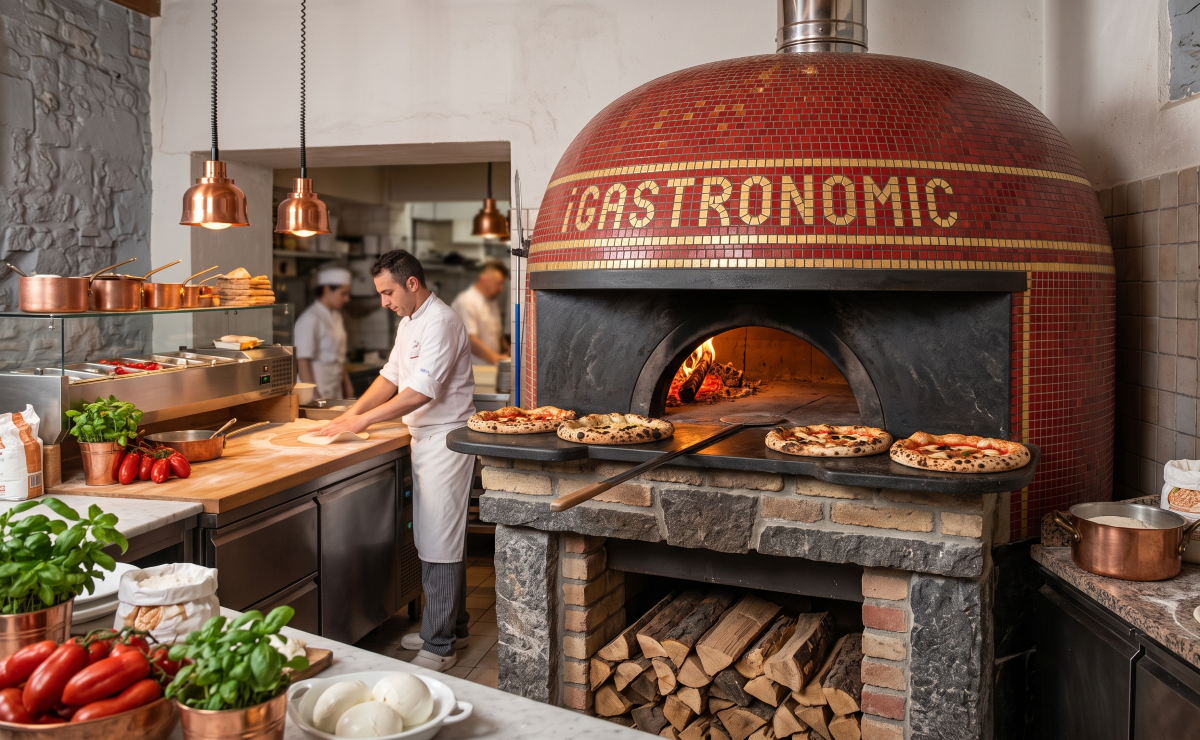
For beverages and the guest area, a glass-door beverage cooler is a good option. If you offer coffee, include a two-group espresso machine in your calculations. The free 3D kitchen planner from iGastroNomic helps you plan appliances and work routes realistically in advance.
Staff
You need to recruit and train staff, such as cooks, service staff, bartenders, dishwashers and a manager. Plan for salaries, social security contributions and training costs. Staff usually represent one of the largest ongoing costs.
Inventory and Initial Stock
For your first guests, you will need food, beverages, spices, napkins and other consumables. This initial stock ties up capital before the first revenue comes in.
Marketing
To attract guests, you need a website, social media accounts, printed materials and, if applicable, advertising campaigns. Plan a launch budget so that your opening gets noticed.
One-Off and Ongoing Costs at a Glance
| Cost item | Mainly one-off | Mainly ongoing |
|---|---|---|
| Business plan and consulting | Preparation, start-up advice | Tax advice, ongoing support |
| Premises | Deposit, conversion, renovation | Rent, ancillary costs, property taxes |
| Equipment | Kitchen appliances, furniture, crockery | Maintenance, spare parts, energy |
| Staff | Onboarding, training | Salaries, social security contributions |
| Goods | Initial stock | Purchasing, consumables |
| Marketing | Website, logo, opening campaign | Social media, advertising |
Tips for Effective Budgeting
Research Costs Thoroughly
Take the time to research costs at your preferred location. Talk to other restaurant operators, suppliers and industry experts. This gives you a realistic picture of what to expect.
Create a Detailed Budget with a Buffer
Record all expected expenses, both one-off and ongoing. Allow for contingencies and unexpected costs so that you do not run out of funds. The energy cost calculator for commercial appliances helps you estimate the ongoing costs of your equipment.
Secure Financing
Once your costs are clear, secure your financing. Options include loans, grants, investors or your own savings. A solid financial plan convinces lenders and investors.
Start Small
A smaller restaurant or a pop-up concept reduces the initial investment. This lets you test your concept, build a loyal customer base and generate revenue before you expand into larger premises.
Negotiate with Suppliers
Talk to suppliers and negotiate terms. Working with local farmers, producers and wholesalers can also help you source high-quality ingredients on more favourable terms.
Monitor Expenses Continuously
Keep an regular eye on sales, costs and profits, and adjust your budget as needed. This way you will spot early whether your restaurant is reaching its financial goals.
Conclusion
What it costs to open a restaurant in Europe depends on location, size, concept and regulations. With a business plan, a detailed budget including a reserve and careful equipment planning, you can keep costs under control. The personal consultation from iGastroNomic supports you in selecting and planning your kitchen equipment.
FAQ – Frequently Asked Questions
How much start-up capital do you need to open a restaurant in Europe?
There is no flat sum, because start-up capital depends on location, floor area, concept and the condition of the premises. In major cities such as London, Paris or Berlin, the requirement is usually considerably higher than in rural areas. Plan for all one-off costs and several months of ongoing costs as a reserve, and have your business plan reviewed by a specialist.
Which costs are often underestimated when opening a restaurant?
Conversion and renovation, permits and conditions, initial stock, and start-up losses in the first months are frequently underestimated. Energy and ancillary costs of kitchen equipment also often turn out higher than expected. A budget buffer for unforeseen expenses and a realistic timeline until the first revenue help you avoid liquidity shortfalls.
Can you save on kitchen equipment without compromising quality?
Yes, if you determine what your concept actually requires and only buy equipment you will use to capacity. Compare purchase price, energy consumption, build quality and spare parts availability rather than focusing on price alone. Commercial appliances are built for continuous operation; kitchen planning in advance prevents wrong purchases and unnecessary conversions.
Is a small concept or pop-up worthwhile as a start?
Yes, a smaller restaurant or a pop-up concept reduces the initial investment and lets you test your idea, menu and prices on the market. You build a customer base and generate revenue before investing in larger premises. However, also check which permits and hygiene requirements apply at your location.