Electric Cooking Kettles – 700 Series for Commercial Kitchens
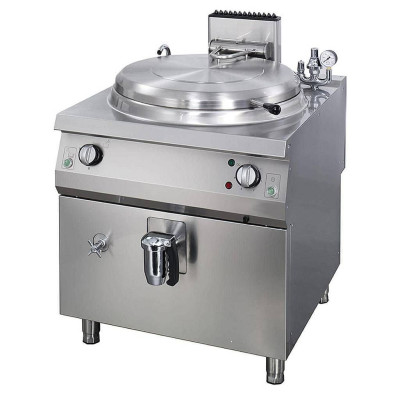
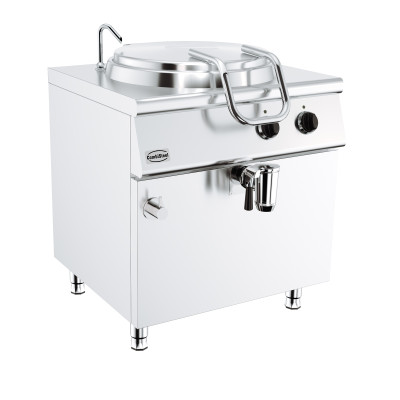
An electric cooking kettle is the workhorse for dishes that require large volumes of liquid: soups, sauces, stews, stocks and side dishes. The 700 Series currently includes two models for restaurants, snack bars and large-scale kitchens. Your choice depends on daily requirements, available floor space and the existing power supply. The following notes will help you make the decision.
Applications in Restaurants and Large-Scale Kitchens
Electric cooking kettles are used wherever large quantities need to be cooked evenly: in restaurants with daily set menus, in staff canteens, with contract caterers, in hotel kitchens and in snack bars offering soups or sauces. Bakeries also use kettles of this type for creams and fillings. Compared with cooking on a stove, they offer greater capacity and a more consistent temperature over longer periods.
Indirect Heating as the Core Feature of the 700 Series
Both models in the series are indirectly heated. The heat is transferred to the cooking chamber through a jacket, not directly from a heating element in the food. This reduces the risk of sticking and scorching and supports gentle cooking of delicate dishes such as milk-based sauces or cream soups. You can compare the design and equipment of the two items directly in the product list above.
What Professionals Look for When Buying
Before purchasing, you should clarify the most important selection criteria:
- Usable capacity, matched to portion volume and peak times
- Heating method: indirect for delicate dishes, direct only if you use it deliberately
- Connection: have output and power supply checked in advance by a qualified electrician
- Draining, if larger quantities are transferred or portioned
- Operation of the temperature control during daily service
- Space requirements and accessibility for cleaning and maintenance
Cleaning, Care and Safe Operation
Stainless steel kettles are easy to clean after use, provided food residue does not dry on. Clean the interior and jacket regularly, remove limescale deposits with suitable agents and check seals and fittings for wear. During operation, ensure the kettle stands on a stable surface and never leave it running unattended if it would otherwise run empty or without liquid.
Why Trade Customers Buy from iGastroNomic
iGastroNomic is a wholesaler and manufacturer of foodservice and commercial kitchen equipment based in Nackenheim. Trade customers receive B2B net pricing and benefit from a wide selection of cooking kettles. Our personal advice by phone and WhatsApp helps you find the right model. We deliver across Europe and combine wholesale with our own manufacturing.
Frequently asked questions
What is an electric cooking kettle and what is it used for in foodservice?
An electric cooking kettle is an electrically heated large vessel for cooking and heating bigger quantities. Typical uses include soups, sauces, stews, stocks and side dishes in restaurants, staff canteens, catering operations and snack bars.
What does indirect heating mean for a cooking kettle?
With indirect heating, the heating system transfers heat through a jacket to the cooking chamber rather than directly to the food. This allows dishes to be heated more gently and reduces the risk of scorching. It is especially beneficial for milk-based sauces and cream soups.
Which capacity is suitable for my business?
The right capacity depends on the quantity you prepare on a typical day and during peak times. If you often cook larger batches, it is advisable to allow some reserve capacity. Exact specifications for each model can be found in the product list above.
Do I need to plan a special connection for an electric cooking kettle?
Yes, the power supply should be clarified before purchase, as electric kettles require a suitable connection. Have the output and installation checked by a qualified electrician. This helps you avoid problems during commissioning.
How do I clean a cooking kettle properly?
Drain and clean the kettle after every use, before food residue dries on. Remove limescale deposits regularly with suitable cleaning agents and check seals and fittings for wear. Make sure the kettle is never operated dry.

 Deutsch
 Türkçe
 Italiano
 Nederlands
 Français
 Español
 Polski
 Čeština
 Svenska
 Português PT
 Русский
 اللغة العربية
 中文
 日本語
 Tiếng Việt
 ภาษาไทย
 Română
 ελληνικά
 Magyar
 Dansk
 Suomi
 Hrvatski
 български език
 Eesti keel
 Latviešu valoda
 Slovenčina
 Slovenščina
 Bosanski
 עברית
 हिन्दी
 Bahasa melayu
 Kiswahili
 Bahasa Indonesia
 Papiamento
 Bokmål
 Lietuvių kalba
 Українська
 српски
 Shqip


 ›
 ›
 ›
 ›
 ›
 ›
 ›
 ›
 ›
 ›
 ›
 ›
 ›
 ›
 ›