Blast Chillers for Foodservice: Cool Fast, Store Safely
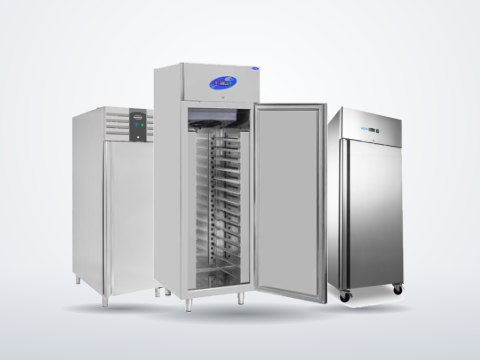
A blast chiller brings cooked food quickly from cooking temperature to a safe storage temperature. In restaurants, takeaways, hotels, canteens, catering companies and bakeries, it separates production from storage: cooked components can be prepared in advance, chilled gently and used portion by portion as needed. At iGastroNomic you will find a commercial blast chiller in several models for businesses of all sizes.
Applications in the Commercial Kitchen
A blast chiller for foodservice pays off wherever larger quantities are prepared and processed later:
Batch preparation of sauces, soups, stews and stocks
Chilling cooked meat and fish dishes before slicing or further processing
Production of desserts, creams and pâtés in large quantities
Freezing bakery products and doughs in bakeries and patisseries
Mise en place for caterers and event kitchens with changing menus
Types: Blast Chillers, Rapid Chillers and Impulse Chillers
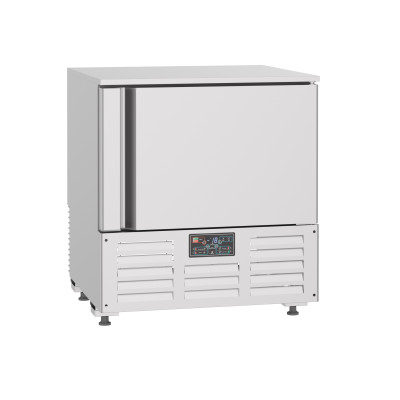
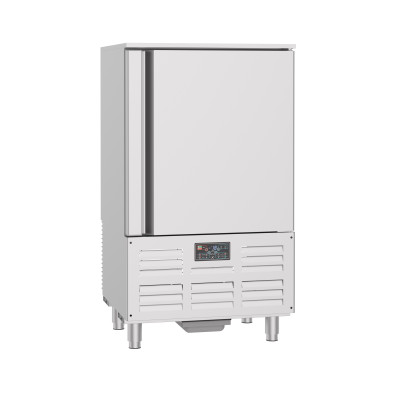
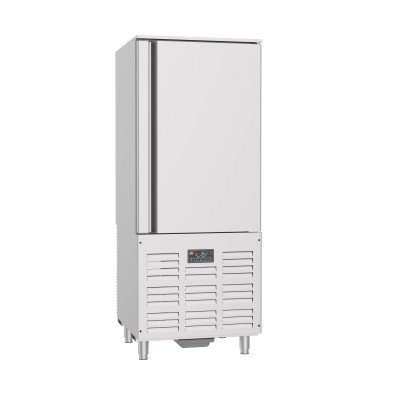
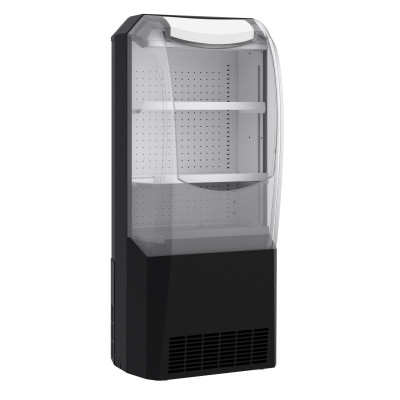
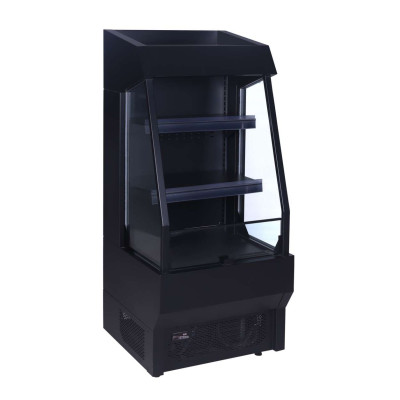
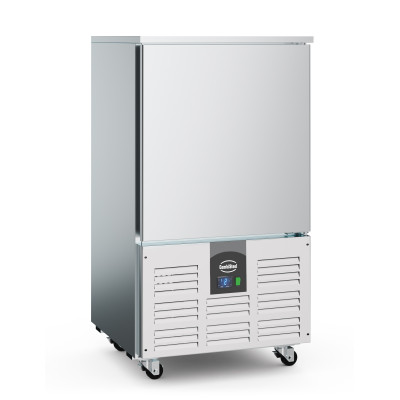
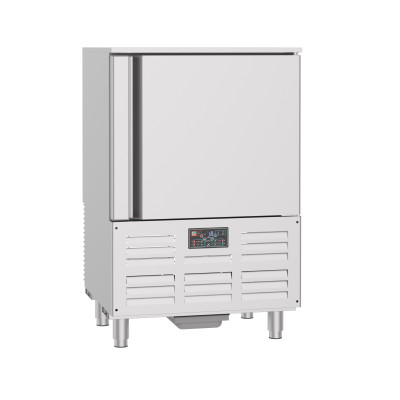
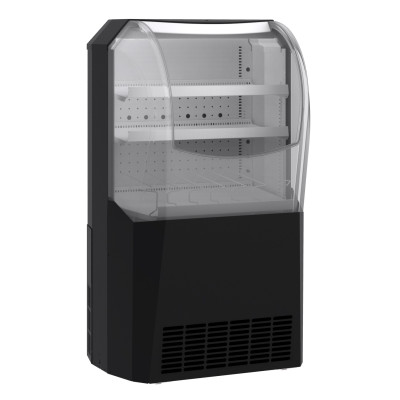
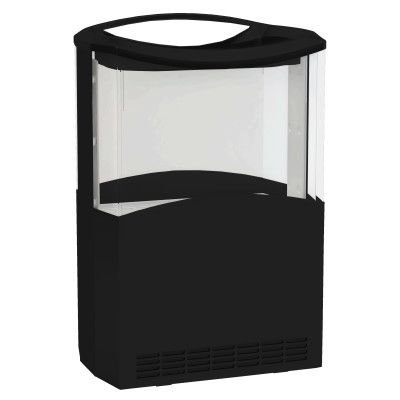
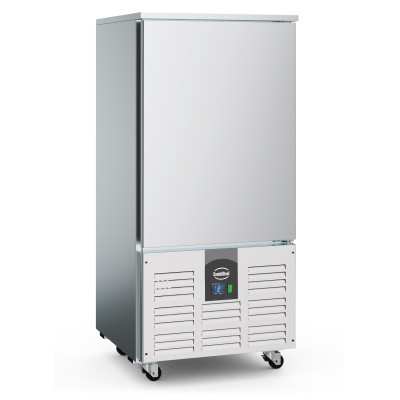
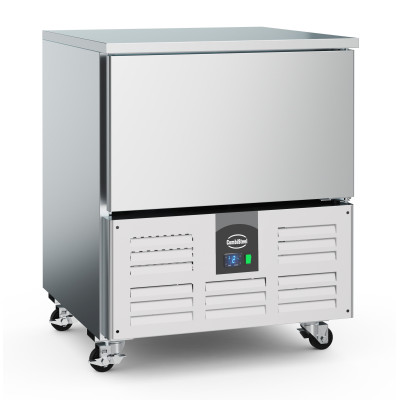
Our range includes blast chillers, rapid chillers and impulse chillers in various sizes. In practice, these terms are not used consistently. The decisive factors are therefore the operating mode (chilling or freezing), the number of GN containers that fit inside and the design. Models for a few GN containers suit small kitchens, while large units are designed for central kitchens and production facilities. The housings are available in stainless steel and in black lacquer.
What Professionals Look For When Buying
Capacity: Plan according to the quantity per production cycle and the number of GN containers required.
Container size: Check whether your GN containers (e.g. 1/1, 2/3 or 1/2) fit.
Floor space and installation: Consider the space required, accessibility and clearance from walls.
Material: Stainless steel is robust and easy to clean; lacquered versions are an option for areas where appearance matters more.
Usage profile: Frequent use with changing batches calls for a different unit than occasional pre-cooling.
Cleaning, Maintenance and Safe Operation
Clean the interior, door seals and evaporator area regularly to maintain hygiene and performance. Use mild, food-safe cleaning agents and rinse thoroughly. Do not overload the unit, so that air can circulate evenly. Label containers with date and contents, and document your operational hygiene requirements in writing.
Why Buy from iGastroNomic
iGastroNomic is a wholesaler and manufacturer of foodservice and commercial kitchen equipment, based in Nackenheim. Business customers receive B2B net prices and a broad selection of blast chillers and rapid chillers. We support you personally by phone and WhatsApp in choosing the right unit. We deliver throughout Europe and manufacture part of our range ourselves, so you buy directly from the manufacturer and wholesaler.
Frequently asked questions
What is the difference between a blast chiller and a rapid chiller?
A blast chiller brings food down to freezing temperature, while a rapid chiller is mainly used to cool food quickly to refrigerator temperature. Since these terms are not used consistently in the trade, you should check the operating mode in the product description. The intended use and storage duration are decisive for your choice.
What size of blast chiller do I need for my business?
Base your decision on the quantity you want to chill or freeze per production cycle. It is also important how many GN containers you want to load at the same time. If you are unsure, the iGastroNomic team will advise you personally by phone or WhatsApp.
Can I buy a blast chiller from iGastroNomic as a business customer?
Yes, iGastroNomic serves business customers such as restaurants, hotels, canteens, caterers and bakeries. Business customers receive B2B net prices. We deliver throughout Europe.
Does a blast chiller fit my GN containers?
Make sure that the shelf spacing and container size match your GN containers, for example 1/1, 2/3 or 1/2. Also check the number of shelf levels so that you can run your production efficiently. For questions about compatibility, the iGastroNomic team is happy to help.
How do I clean a blast chiller properly?
Regularly clean the interior, door seals and condensate drain with mild, food-safe cleaning agents. Rinse thoroughly afterwards and dry the surfaces. Record cleaning intervals and checks in your operational hygiene plan.
Buy Blast Chillers & Shock Freezers for Catering
A shock freezer rapidly chills or freezes freshly cooked and raw foods, preserving quality, texture and hygiene. It is designed for restaurants, hotels, central kitchens, bakeries and butcher shops. When buying, the most important factors are the GN capacity, the design and the cooling performance. At iGastroNomic you will find shock freezers, blast chillers and impulse chillers for every operation size.
Blast chillers in catering: typical applications
A shock freezer for catering is used wherever larger quantities are pre-cooked, portioned and stored safely. Kitchens use it for sauces, soups, roasts, side dishes and desserts. Food is cooled directly after cooking and can later be regenerated with consistent quality. This saves working time and reduces food waste.
In hotels, catering and canteen operations, a blast chiller is also a key piece of equipment in the production kitchen. Bakeries can shock freeze dough pieces and baked goods, while the butcher shop can gently freeze meat and sausage products. If you are looking for professional catering equipment for a HACCP-compliant cooling process, this equipment group is essential.
Shock freezer, blast chiller or impulse chiller: the differences
A shock freezer lowers the core temperature of the product so quickly that only small ice crystals form. Cell structures are preserved, as are flavor and bite. A blast chiller cools cooked dishes rapidly to storage temperature, shortening the critical zone in which bacteria multiply. Many units in this category combine both functions.
The impulse chiller works with powerful air currents and is suitable for businesses that mainly want fast and even cooling. It is often available as a floor-standing unit with a capacity stated in liters. Shock freezers and blast chillers, on the other hand, are usually distinguished by their GN shelf configuration, for example for 3, 5, 10 or 15 containers in the GN 1/1 format.
Variant
Capacity
Typical use
Shock freezer, compact
3 x GN 1/1 or 3 x GN 2/3
Restaurant, snack bar, small kitchen
Shock freezer, medium
5 x GN 1/1
Restaurant, bakery, butcher shop
Shock freezer, large
10 x GN 1/1
Hotel, catering, canteen
Blast chiller, large capacity
up to 15 x GN 1/1
Central kitchen, production kitchen
Blast chiller, mixed
2 x GN 2/3 and 1 x GN 1/2
Flexible loading for small batches
Impulse chiller, floor-standing unit
165 or 274 liters
Fast cooling, preparation
Buying advice: choosing size, capacity and design
The most important question when you buy a shock freezer is: how much product should be processed per batch? Base your decision on your gastronorm containers. A unit for 3 x GN 1/1 suits small kitchens and is usually designed as an under-counter solution. For 5 x GN 1/1 or 10 x GN 1/1, plan for more floor space and height, as these units are built as floor-standing models.
Also check the dimensions in width, depth and height and compare them with your installation site. Make sure there is room for air circulation and maintenance access. The shelf format is also important: GN 1/1 is suitable for large batches, GN 2/3 for smaller quantities and variable loading. The equipment with a core temperature probe and the choice between time-based and probe-controlled operation determine process reliability.
Material and hygiene: stainless steel for continuous use
In everyday kitchen operation, stainless steel housings and a stainless steel interior are the standard. The material is robust, easy to clean and food-safe. Some units are alternatively finished in black, blending visually into open kitchens or front cooking areas. Rounded interior corners and removable shelf grids make hygiene easier and reduce cleaning effort.
For continuous commercial use, good insulation, tight doors and a powerful compressor are essential. Only then does the blast chiller reliably reach the required cooling performance without wasting energy. Observe the requirements of your HACCP concept and consistently document the cooling times of your batches.
Care and maintenance for a long service life
Clean the interior regularly with a mild detergent and dry it thoroughly afterwards. Check the door seals for cracks and deformation, as leaks reduce cooling performance. The condenser must be kept free of dust and grease so that the unit can release heat adequately.
The core temperature probe should be cleaned after every use and checked occasionally. For heavily used units, plan an annual service by a refrigeration specialist. This keeps your shock freezer performing reliably over the long term and helps you avoid costly breakdowns during operation.
Delivery across Germany, Austria, Switzerland and Europe
iGastroNomic delivers shock freezers, blast chillers and impulse chillers quickly and reliably throughout Germany, to Austria, Switzerland and other European countries. For operators who want to source their entire catering supplies from one place, we complement the units with matching GN containers, refrigerated tables and accessories. If you have questions about the right size, we are happy to help you with your selection.

 Deutsch
 Türkçe
 Italiano
 Nederlands
 Français
 Español
 Polski
 Čeština
 Svenska
 Português PT
 Русский
 اللغة العربية
 中文
 日本語
 Tiếng Việt
 ภาษาไทย
 Română
 ελληνικά
 Magyar
 Dansk
 Suomi
 Hrvatski
 български език
 Eesti keel
 Latviešu valoda
 Slovenčina
 Slovenščina
 Bosanski
 עברית
 हिन्दी
 Bahasa melayu
 Kiswahili
 Bahasa Indonesia
 Papiamento
 Bokmål
 Lietuvių kalba
 Українська
 српски
 Shqip









 ›
 ›
 ›
 ›
 ›
 ›
 ›
 ›
 ›
 ›
 ›
 ›
 ›
 ›
 ›