Heated Food Bridges for Restaurants and Commercial Kitchens
Heated food bridges keep cooked dishes warm after cooking until they are served. At iGastroNomic you will find 27 models for restaurants, snack bars, hotel kitchens, canteens and caterers. Mounted as overshelves directly on the work surface or serving counter, they create a continuous hot-holding zone.
Applications in Foodservice
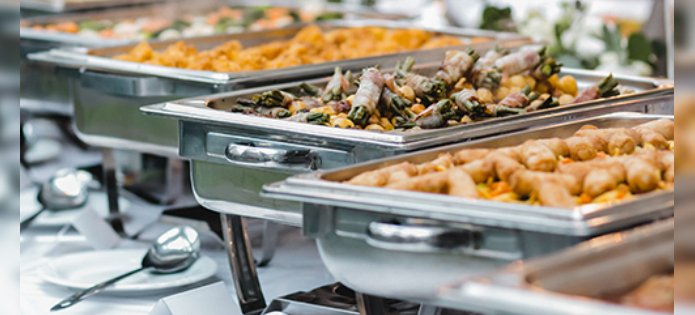
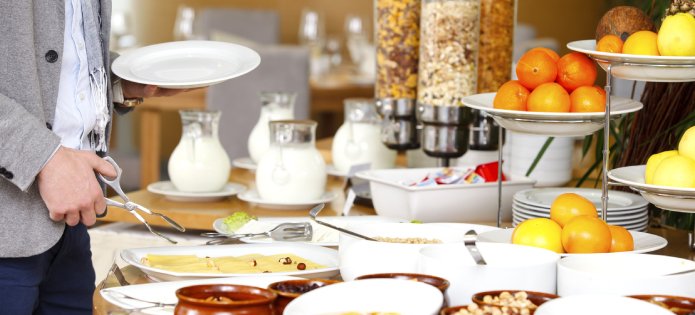
Food bridges are useful wherever dishes are served with a time delay: serving lines in canteens, hotel buffets, pass stations in restaurant kitchens or hot-holding spots in snack bars. They shorten the distance between the cooking line and the guest and prevent components from cooling down during service.
Types: Ceramic or Halogen, Single or Double Tier
The heated food bridge category mainly includes two heating technologies and two designs:
- Ceramic-heated food bridges: Ceramic heating elements release heat evenly and are the standard solution for continuous daily operation.
- Halogen food bridges: They use radiant heat and are partly available as a self-installation version.
- Single-tier models: One heating level, suitable for a manageable serving line with a few containers.
- Double-tier models: Two levels, useful when plates, side dishes and main courses need to be kept warm at the same time.
What Professionals Look for When Buying
The key factors are the length of the serving line, the quantity of food to be held at the same time and the number of levels required. Also plan the type of installation: fitting by a specialist contractor or self-installation. Before purchasing, check whether the connection to your power supply is feasible, and have the electrical installation carried out by a qualified electrician.
Cleaning, Care and Operation
Switch off the food bridge before cleaning and let it cool down completely. Clean stainless steel surfaces with a mild detergent and wipe along the grain with a soft cloth. Avoid harsh abrasive cleaners and steel wool. Ceramic heating elements and halogen heaters should not come into contact with water. Additionally, follow the manufacturer's instructions on care and operation.
Why Buy from iGastroNomic?
As a manufacturer and wholesaler, iGastroNomic offers a wide selection of food bridges for foodservice and commercial kitchens. Commercial customers receive B2B net prices. We support you personally by phone or WhatsApp in making your selection, and we deliver throughout Europe. Our company headquarters is in Nackenheim.
Frequently asked questions
What is the difference between ceramic-heated and halogen food bridges?
Ceramic-heated food bridges release heat evenly and are particularly suited to continuous daily operation in commercial kitchens. Halogen food bridges use radiant heat and are partly available as a self-installation version. The choice depends on operating duration, serving format and installation preference.
When is a double-tier food bridge worthwhile?
A double-tier food bridge is worthwhile if you want to keep several levels warm at the same time, for example plates on the bottom and food on top. It is ideal for buffets, serving lines in canteens and hotel kitchens with multiple components. For smaller serving lines with only a few containers, a single-tier version is usually sufficient.
Can I install a heated food bridge myself?
Some halogen models are designed for self-installation. However, the electrical connection should always be carried out by a qualified electrician. Before purchasing, check the type of installation and whether your power connection matches the unit.
How do I choose the right size for my serving line?
Measure the available length of the work surface or counter and plan for the number of containers needed at the same time. The food bridge should cover the entire serving line so that no cold zones develop. If you are unsure, the iGastroNomic team will advise you personally by phone or WhatsApp.
How do I clean a stainless steel food bridge correctly?
Switch off the unit and let it cool down completely before cleaning. Use a mild detergent and a soft cloth, and wipe along the grain. Harsh abrasive cleaners and steel wool are unsuitable, and the heating elements should not get wet.

 Deutsch
 Türkçe
 Italiano
 Nederlands
 Français
 Español
 Polski
 Čeština
 Svenska
 Português PT
 Русский
 اللغة العربية
 中文
 日本語
 Tiếng Việt
 ภาษาไทย
 Română
 ελληνικά
 Magyar
 Dansk
 Suomi
 Hrvatski
 български език
 Eesti keel
 Latviešu valoda
 Slovenčina
 Slovenščina
 Bosanski
 עברית
 हिन्दी
 Bahasa melayu
 Kiswahili
 Bahasa Indonesia
 Papiamento
 Bokmål
 Lietuvių kalba
 Українська
 српски
 Shqip









 ›
 ›
 ›
 ›
 ›
 ›
 ›
 ›
 ›
 ›
 ›
 ›
 ›
 ›
 ›


