Service Robots: Autonomous Helpers in the Dining Room
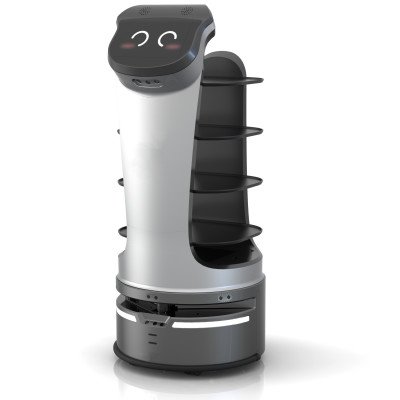
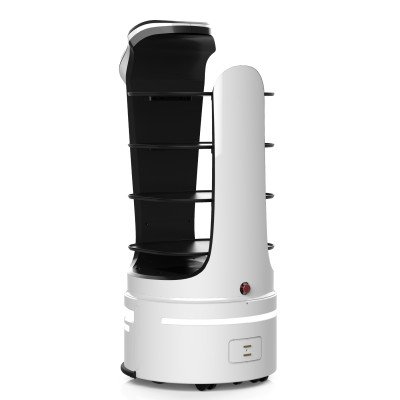
A service robot (waiter robot, delivery robot) travels autonomously between kitchen and table. With three to four trays it brings food and drinks to guests, collects empty dishes or welcomes guests at the entrance. Sensors and cameras detect obstacles and people; the route is selected via tablet or table number. Especially in large restaurants, buffet concepts, conveyor-belt sushi, hotels and event catering, the restaurant robot saves thousands of steps every day.
What service robots do
Deliver food to several tables in one trip, with an announcement at the table.
Clear tables: guests or staff put dishes on the trays and the robot drives to the wash-up area.
Reception and promotion with display, voice output and greeting.
Automatic charging at the docking station, several hours of running time per charge.
Requirements in the business
The dining room needs sufficiently wide aisles (usually at least 70–80 cm), level floors without steps or thresholds and a set-up phase in which the robot maps the room. Payload is 30–40 kg spread over the trays, depending on the model. The robot complements staff – serving at the table and guest contact remain with the team.
What operators look for
Number and size of trays, payload
Running time, charging time, docking station
Aisle width, floors, inclines
Operation via tablet, voice output in your language
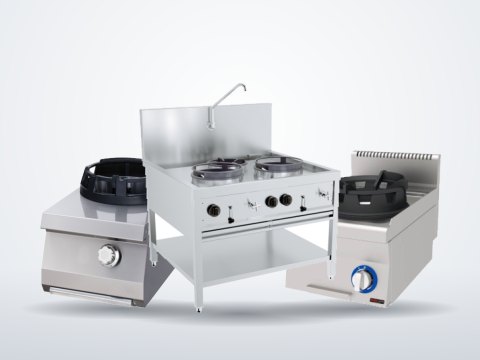
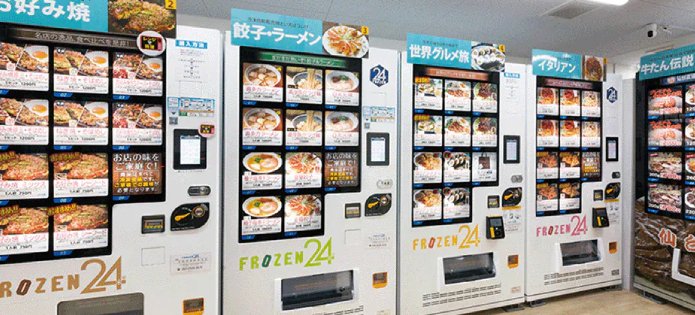
More smart catering solutions: vending machines and e-bikes for delivery; for the kitchen see cooking equipment. iGastroNomic delivers at trade prices throughout Europe and advises you personally by phone and WhatsApp.
Frequently asked questions
Does the service robot replace waiting staff?
No, it complements them. The robot takes over carrying and walking; the team stays with the guest for advice, serving and payment.
How does the robot find the table?
During set-up the dining room is mapped and each table is assigned a number. Staff select the table number and the robot drives there autonomously, avoiding obstacles.
How wide do the aisles need to be?
Depending on the model, about 70–80 cm. The floor should be level; the robot cannot handle steps, thresholds or steep inclines.
How long does the battery last?
Depending on model and use, several hours up to a full service. When the charge is low, the robot drives to the docking station on its own.
Service Robots for Restaurants and Hotels
A service robot is an autonomous mobile robot that independently transports food, drinks and tableware between the kitchen, the table and the dishwashing area. It is designed for catering businesses, hotels, canteens and event venues that want to reduce walking distances and relieve their staff. When buying, the most important factors are load capacity, number of serving trays, navigation quality, battery life and suitability for your room layout.
Service Robots in Catering: Areas of Use
A service robot for catering takes over the physically demanding trips between the pass and the table. Service staff stay with the guests and focus on advice, recommendations and upselling instead of carrying heavy trays. Use is particularly worthwhile in restaurants with long walking distances, large dining rooms, multi-level concepts with a lift, and buffet or self-service areas.
Also canteens, staff restaurants and event venues benefit, as peak times can be handled without additional temporary staff. Modern tray service robots with several serving levels deliver food and drinks to several tables at the same time. This shortens waiting times and ensures a consistent service. A bussing robot that returns dirty dishes to the dishwashing area is also a common solution.
Service Robots for Hotels and the Hospitality Industry
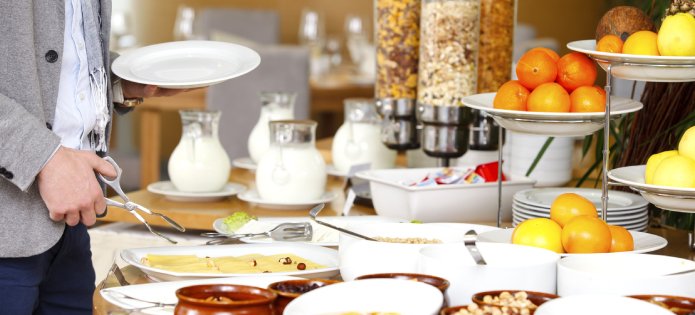
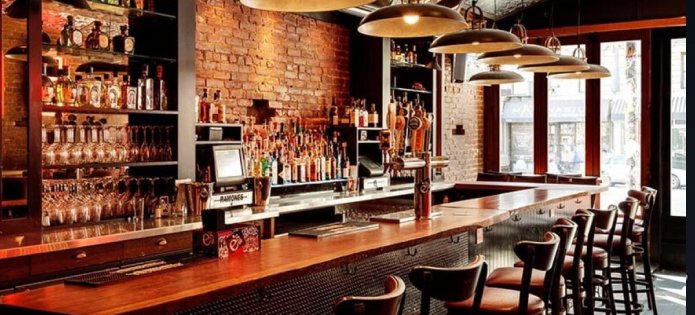
In the hospitality industry, businesses use service robots in the breakfast restaurant, in the bar, in the spa area and for floor service. A service robot in the hotel returns breakfast tableware, delivers drinks to tables or transports small items to guest rooms. Guests perceive this as modern service, and your team gains time for personal care at reception and in the restaurant.
Design
Typical Use
Special Feature
Tray service robot with several levels
Food and drinks from the pass to the table
Autonomous navigation, several tables per trip
Bussing and return robot
Dishes back to the dishwashing area
Relieves staff during peak times
Delivery robot for hotels
Floor service, breakfast area, bar
Suitable for longer distances and lift use
Reception and greeting robot
Escorting guests to their table
Looks modern and supports the brand image
Buy a Service Robot: What You Should Look Out For
Before you buy a service robot, first check your premises. Key factors are aisle widths, door thresholds, carpet edges and whether steps or lifts are in the way. Good devices detect obstacles using sensors and cameras, slow down near people and steer around chairs and guests. The map of your establishment is taught once, after which the robot drives to stored table numbers in a targeted way.
Further criteria are the load capacity per level, the number of trays, battery life and charging strategy. Also ask about noise level, the display operating interface and connection to Wi-Fi or ordering systems. Depending on the concept, a pure service mode is sufficient. A model with additional functions such as greeting, birthday mode or advertising messages can also be worthwhile.
Service Robot Price and Costs: What Determines Profitability
The service robot costs depend on equipment, load capacity, number of levels and additional functions. In addition, installation, training of the team and, where applicable, software or service packages add to the total. The service robot price should not be considered in isolation. What matters is how many walking distances are eliminated per shift and how much your staff are relieved during peak times.
Use is particularly economical where there is a shortage of skilled workers, high guest volumes and fixed opening hours with consistent utilisation. It is also not to be underestimated as a marketing factor, as many guests share their experience with a robot on social media. Please request an individual quote from us if you want to expand your catering supplies range with automation.
Material, Hygiene and Care
In catering, robust plastic housings and easy-to-clean serving surfaces are essential. Trays should be quick to wipe down and disinfect, as they come into contact with food and tableware. Wipe the serving levels damp after every shift, and make sure no liquid gets into sensors, wheels or charging contacts.
Regular maintenance includes clean sensors and camera lenses, freely running drive wheels and a well-maintained battery. Charge the robot outside peak times and store it in a fixed, easily accessible place. With this routine, navigation and availability remain reliable in continuous operation.
Introduction in Your Business: How to Get Started
Define walking routes in advance and remove bottlenecks
Store table numbers and kitchen pick-up point in the system
Briefly train the team so guests use the robot correctly
Test routes during peak times in the first few weeks and adjust them
A service robot for restaurant, hotel or canteen does not replace service staff but supplements them. Those who involve the team early and clearly allocate tasks quickly achieve noticeable relief.
Delivery in Germany, Austria, Switzerland and Europe
iGastroNomic delivers service robots quickly and reliably throughout Germany, Austria, Switzerland and across Europe. You receive professional catering supply solutions for restaurants, hotels, canteens and commercial businesses from a single source. If you have questions about model selection, room suitability or application scenarios, we are happy to advise you before purchase.

 Deutsch
 Türkçe
 Italiano
 Nederlands
 Français
 Español
 Polski
 Čeština
 Svenska
 Português PT
 Русский
 اللغة العربية
 中文
 日本語
 Tiếng Việt
 ภาษาไทย
 Română
 ελληνικά
 Magyar
 Dansk
 Suomi
 Hrvatski
 български език
 Eesti keel
 Latviešu valoda
 Slovenčina
 Slovenščina
 Bosanski
 עברית
 हिन्दी
 Bahasa melayu
 Kiswahili
 Bahasa Indonesia
 Papiamento
 Bokmål
 Lietuvių kalba
 Українська
 српски
 Shqip









 ›
 ›
 ›
 ›
 ›
 ›
 ›
 ›
 ›
 ›
 ›
 ›
 ›
 ›
 ›