Deutsch
 Türkçe
 Italiano
 Nederlands
 Français
 Español
 Polski
 Čeština
 Svenska
 Português PT
 Русский
 اللغة العربية
 中文
 日本語
 Tiếng Việt
 ภาษาไทย
 Română
 ελληνικά
 Magyar
 Dansk
 Suomi
 Hrvatski
 български език
 Eesti keel
 Latviešu valoda
 Slovenčina
 Slovenščina
 Bosanski
 עברית
 हिन्दी
 Bahasa melayu
 Kiswahili
 Bahasa Indonesia
 Papiamento
 Bokmål
 Lietuvių kalba
 Українська
 српски
 Shqip


 ›
 ›
 ›
 ›
 ›
 ›
 ›
 ›
 ›
 ›
 ›
 ›
 ›
 ›
 ›
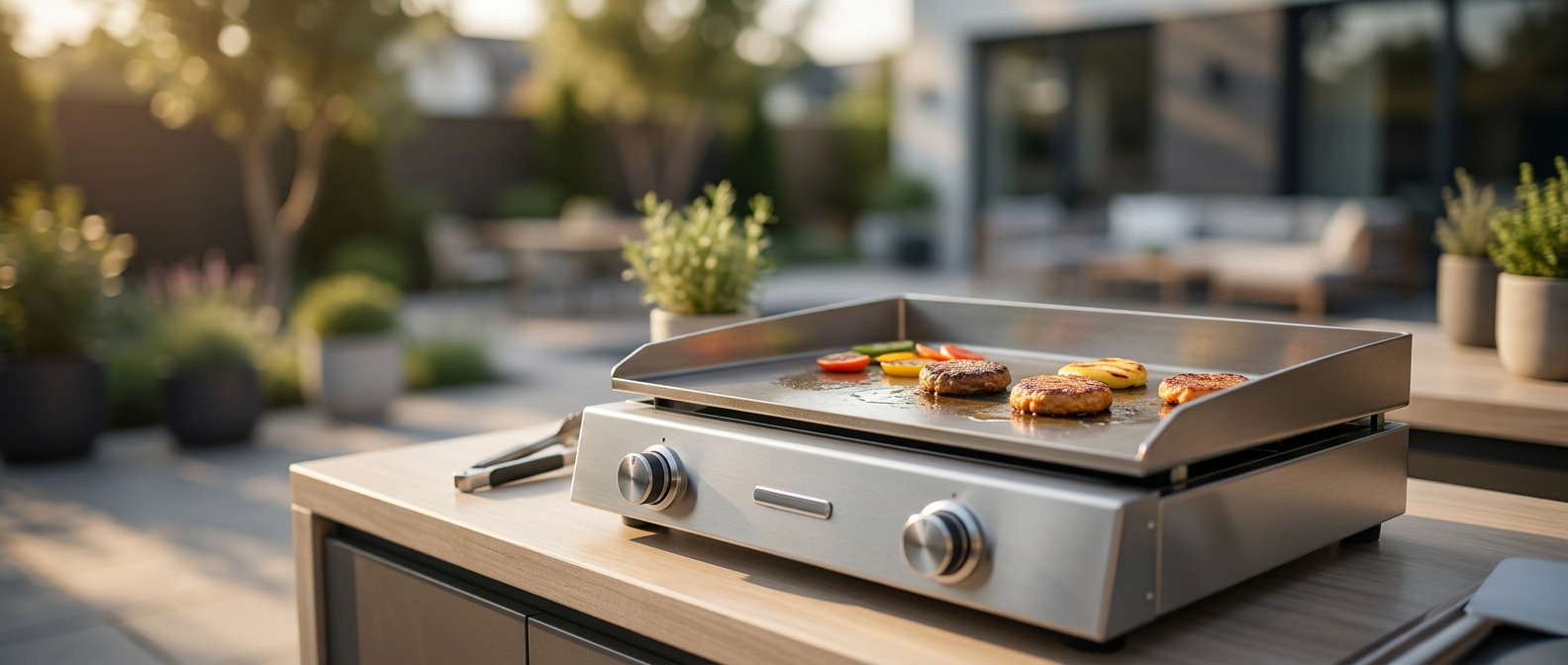
In short: The best electric hob for small kitchens is usually an induction hob if you want fast, efficient and safe cooking and own induction-compatible cookware. Standard hot plates are the affordable and sturdy entry-level option, while ceramic glass hobs score with easy cleaning and a modern look. What matters most is size, power output (typically 1,000 to 2,000 watts), operation, cleaning and safety.
Why an electric hob for small spaces?
In small apartments, student accommodation, holiday flats, tiny houses, office kitchens or staff kitchenettes, space is limited. Large ranges or extensive cooktops often don't fit. An electric hob is compact, flexible and easy to operate.
The main advantage is its compact design: the hob needs little space, is portable and can be placed on any level, heat-resistant surface. Electric hobs are also often less expensive than complete ranges while still offering enough cooking power for everyday use.
They are easy to clean and do not require a gas connection. This increases safety, especially in small, poorly ventilated rooms.
Types of electric hobs at a glance
Before you make a purchase decision, you should know the three common types:
- Standard hot plate: The classic cast iron or steel hotplate is heated electrically. It is sturdy but takes a little longer to heat up and cool down.
- Ceramic glass hob: It has a smooth glass-ceramic surface, heats up faster than a standard plate, is easier to clean and looks more modern.
- Induction hob: It heats only the cookware, not the hob surface itself. This is energy-efficient, fast and safe. The prerequisite is cookware made of ferromagnetic material.
Comparison: standard, ceramic glass and induction
| Feature | Standard hot plate | Ceramic glass | Induction |
|---|---|---|---|
| Heating up | Slow | Faster | Very fast |
| Cleaning | More demanding | Easy | Easy |
| Energy efficiency | Lower | Medium | High |
| Cookware | No special requirements | Preferably flat base | Ferromagnetic required |
| Purchase price | Affordable | Somewhat more expensive | Higher purchase cost |
| Special feature | Robust, but heavier | Surface is fragile | Hob surface stays cooler |
Key criteria for selection
When buying an electric hob for small spaces, pay attention to these aspects:
Size and weight
Since space is limited, the hob should be as compact as possible. Check the dimensions so that it fits on your worktop or a small table. Weight matters if you often transport or store the appliance.
Power output (wattage)
The power output determines how quickly the hob heats up and how intense the heat is. For simple dishes, 1,000 to 1,500 watts are often sufficient. If you regularly prepare larger quantities or more demanding dishes, 2,000 watts or more is the better choice. Check whether the power socket and circuit protection match the connected load.
Operation and functions
With small appliances, simplicity is often the key. Look for intuitive controls such as rotary knobs or touch panels. Some models also offer temperature settings, timers or safety shut-off functions.
Cleaning and material
Ceramic glass is especially easy to clean thanks to its smooth surface. Standard hot plates require a little more effort. Also look for heat-resistant materials and non-slip feet for a stable stance.
Safety
Safety is especially important in small rooms. Recommended features include automatic shut-off in case of overheating, a child lock and a residual heat indicator.
Advantages and disadvantages of the hob types
Standard hot plates
- Advantages: Affordable, sturdy, no special requirements for cookware.
- Disadvantages: Slow heating and cooling, heavier, more difficult to clean.
Ceramic glass hobs
- Advantages: Fast heating, easy cleaning, modern design.
- Disadvantages: Somewhat more expensive, fragile surface.
Induction hobs
- Advantages: Very fast, energy-efficient, safe, easy to clean.
- Disadvantages: Require special cookware, higher purchase costs.
Recommendations based on your needs
Depending on your requirements and budget, different models are particularly well suited for small spaces.
For beginners and budget-conscious buyers
Standard hot plates are a cost-effective solution. They are sturdy and simple to use. They suit you if you only cook occasionally and do not have high demands for speed and design.
For design and comfort enthusiasts
Ceramic glass hobs offer a good balance of performance and aesthetics. They are easy to clean and visually fit into modern kitchens. They are a good choice if comfort matters to you and you are willing to invest a little more.
For frequent cooks and energy efficiency
Induction hobs are the best choice if you want to cook quickly and efficiently. They are safe and save energy. However, they require induction-compatible cookware.
For commercial use
In snack bars, cafés, catering operations or staff kitchenettes, continuous operation, performance and connected loads matter as much as size. You can estimate how much electricity a device consumes in operation with the energy cost calculator for commercial appliances. If a gas connection is available, a four-burner gas countertop cooker for larger pots may be an alternative.
Tips for optimal use in small spaces
- Multifunctional appliances: Some electric hobs offer additional functions such as grilling or baking. This saves space and increases flexibility.
- Foldable or stackable models: If you do not need the hob all the time, choose a model that can be stored easily.
- Creating additional work surface: Foldable tables or wall shelves help you position the hob optimally.
- Suitable cookware: Pay attention to the size and material of your pots and pans so they fit well on the hob.
- Plan your kitchen in advance: With the free 3D kitchen planner you can see how appliances and work surfaces fit together in a small space.
You will find more appliances for compact kitchens in our category Kitchen equipment for food service. If you have questions about choosing, our personal consultation is happy to help.
Conclusion
For small spaces, an electric hob is a practical and space-saving solution. The choice depends on your needs, the available space and your budget. Standard hot plates are affordable and sturdy, ceramic glass hobs offer comfort and modern design, and induction hobs excel in efficiency and safety.
Before buying, consider how often and what you cook, how much space you actually have and which features are important to you. This is how you find the right electric hob for your small space. For commercial requirements, iGastroNomic supports you with free consultation and kitchen planning.
FAQ – Frequently Asked Questions
Which electric hob is best suited for small kitchens?
For small kitchens, an induction hob is usually the best choice because it heats quickly, works energy-efficiently and is safe. If you have a limited budget, a standard hot plate is a good option. Ceramic glass is a good middle ground if easy cleaning and modern design are important to you.
How many watts should a hob have?
For simple dishes, 1,000 to 1,500 watts are usually sufficient. If you regularly prepare larger quantities or more demanding dishes, you should choose models from around 2,000 watts. The higher the power, the faster the hob heats up. Before buying, check whether the power socket and circuit protection match the connected load.
Do I need special cookware for an induction hob?
Yes, induction only works with cookware made of ferromagnetic material, because only the base of the pot is heated, not the hob. You can often tell whether a pot is suitable by the induction symbol or by whether a magnet sticks to the base. Standard hot plates have no such restrictions.
Is a ceramic glass hob easier to clean than a standard hot plate?
Yes, the smooth surface of ceramic glass can usually be wiped clean easily, because there are no edges or recesses where dirt can collect. Standard hot plates made of cast iron or steel generally require more effort. However, they are more robust, while the ceramic glass surface is more sensitive to impacts.
Can I use a small hob in a commercial food service business?
For occasional use, such as in a staff kitchenette, an office or as an additional cooking station, this may be sufficient. For continuous commercial operation, appliances designed for food service use and matching your connected loads make more sense. Please clarify hygiene and fire safety requirements with the responsible authority.