Deutsch
 Türkçe
 Italiano
 Nederlands
 Français
 Español
 Polski
 Čeština
 Svenska
 Português PT
 Русский
 اللغة العربية
 中文
 日本語
 Tiếng Việt
 ภาษาไทย
 Română
 ελληνικά
 Magyar
 Dansk
 Suomi
 Hrvatski
 български език
 Eesti keel
 Latviešu valoda
 Slovenčina
 Slovenščina
 Bosanski
 עברית
 हिन्दी
 Bahasa melayu
 Kiswahili
 Bahasa Indonesia
 Papiamento
 Bokmål
 Lietuvių kalba
 Українська
 српски
 Shqip


 ›
 ›
 ›
 ›
 ›
 ›
 ›
 ›
 ›
 ›
 ›
 ›
 ›
 ›
 ›
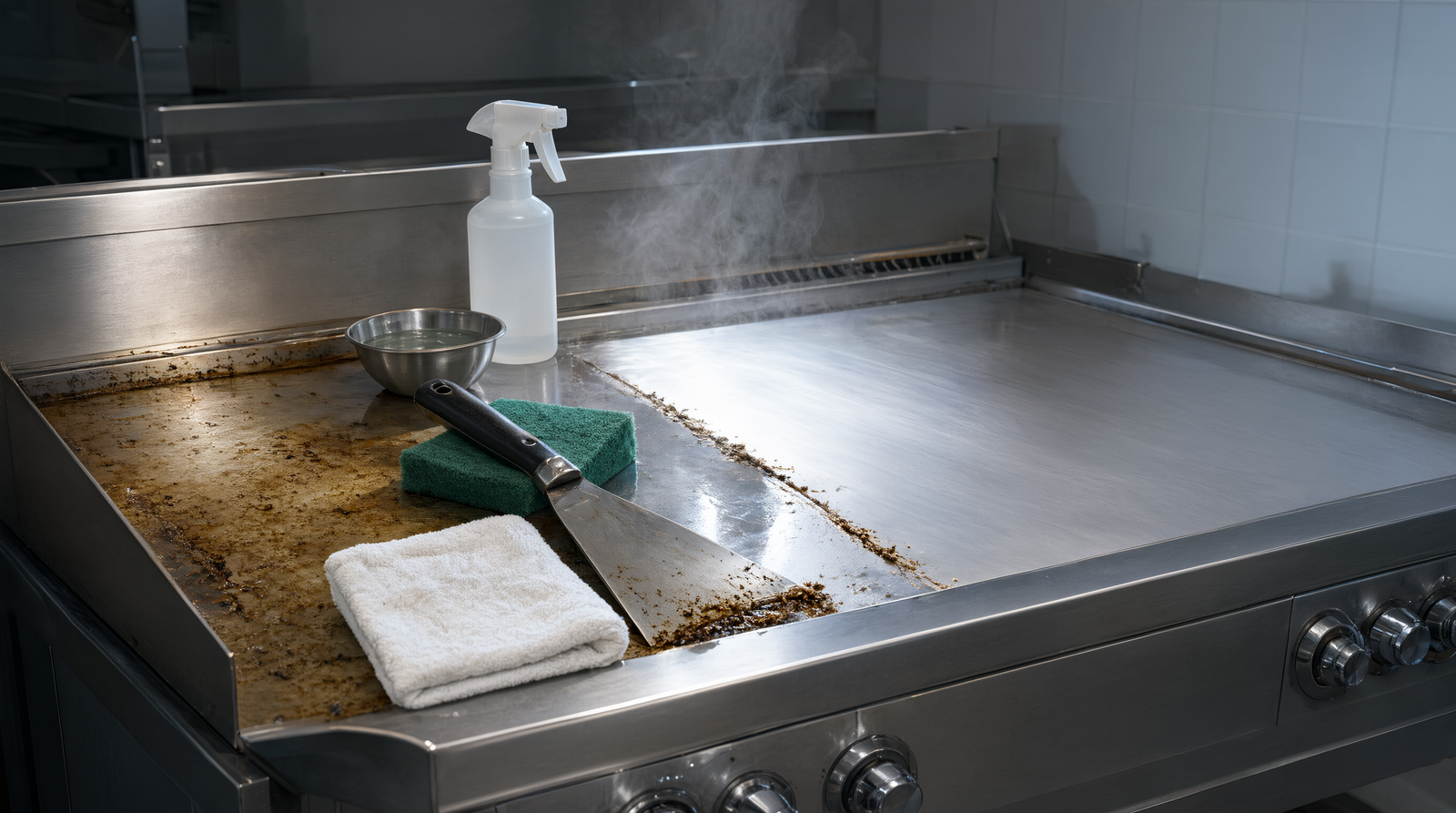
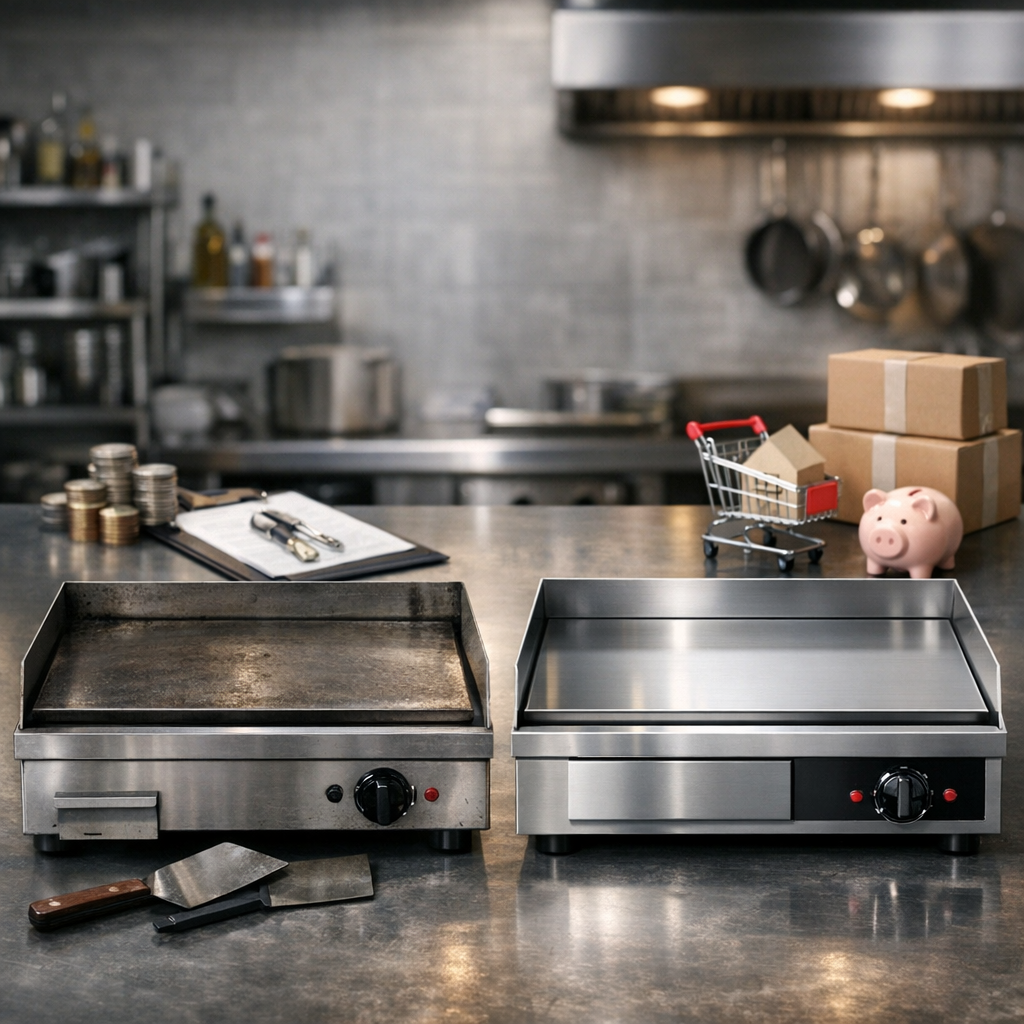
In short: To clean a fry top thoroughly, follow five steps: remove coarse residue with a scraper and brush, rinse with hot water and dish soap, loosen stubborn burnt-on deposits with a degreaser or household remedies, rinse clean and dry, and then season the surface with a thin layer of oil. This keeps the cooking surface hygienic, heat distribution even and the plate protected against rust.
What is a fry top?
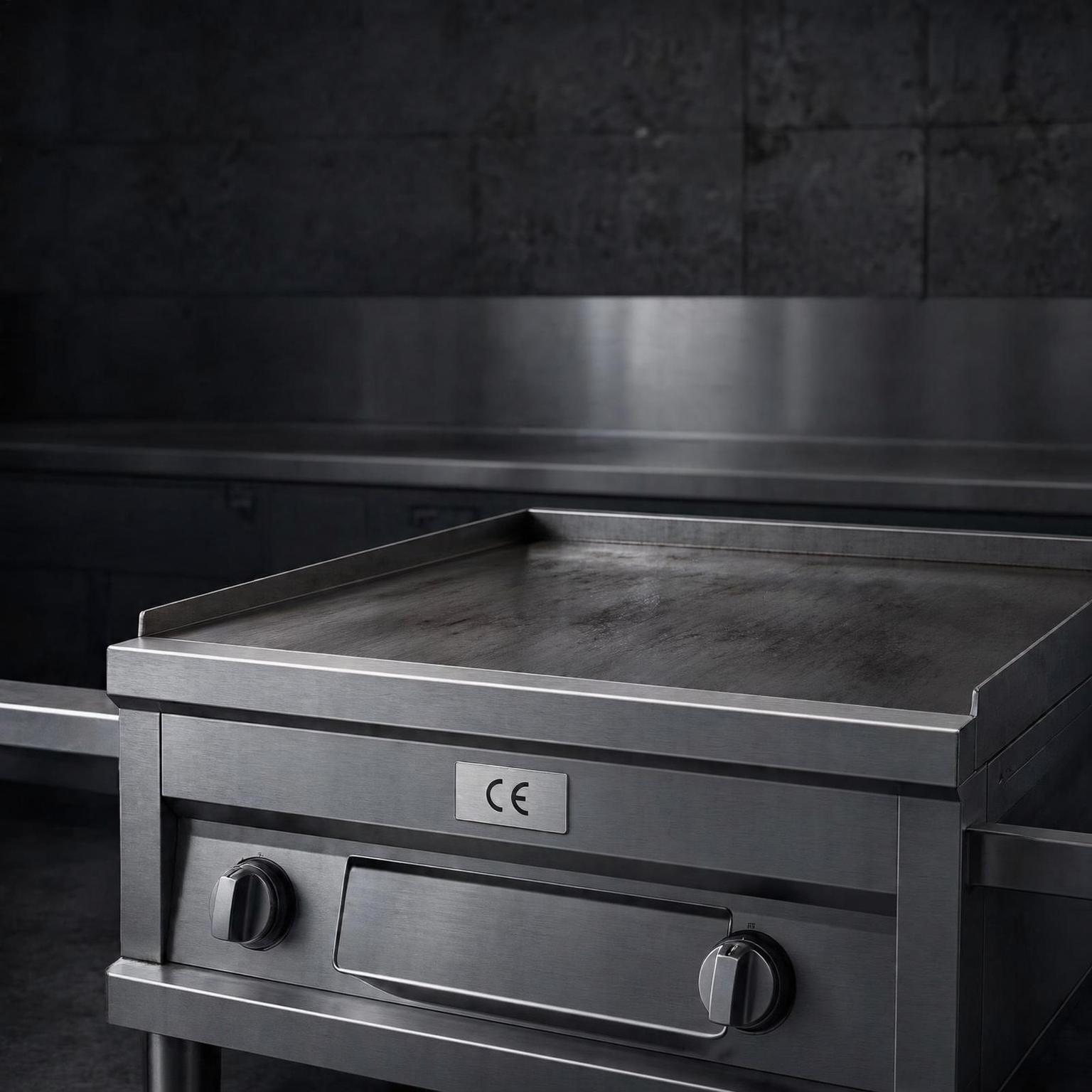
The term “fry top” comes from French and refers to a flat griddle plate that is operated on a gas or electric range or as a standalone appliance. In commercial kitchens, it is used to prepare meat, fish, vegetables or pancakes simultaneously on a large surface.
The plate is usually made of steel or cast iron. This provides high thermal conductivity and durability, but also requires consistent care.
Why is deep cleaning the fry top important?
Heat, grease, food residue and smoke place heavy stress on the surface. Without regular and thorough cleaning, residues build up, which can affect the taste of food and compromise hygiene.
Neglected plates are also prone to rust formation, which significantly shortens their service life. Deep cleaning removes not only surface dirt but also stubborn crusts and grease deposits. The surface stays smooth and hygienic, and heat distribution remains optimal.
Preparation: What to consider before cleaning
- Let it cool down: Allow the cooking plate to cool to a warm-to-touch temperature to avoid burns.
- Prepare your workspace: Make sure the area is well ventilated and have all cleaning agents and tools ready.
- Protective measures: Wear gloves to protect your skin from aggressive cleaning agents.
Cleaning a fry top: recommended methods at a glance
Mechanical cleaning with a scraper and brush
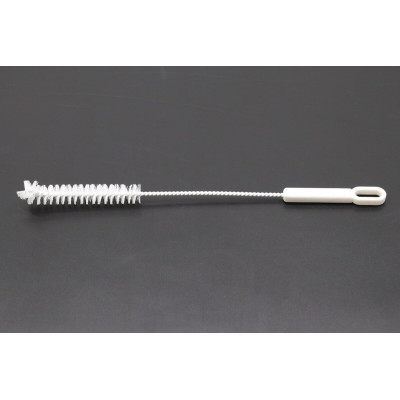
Mechanical cleaning is one of the most effective ways to remove heavy soiling and burnt-on residues. Keep suitable kitchen accessories such as scrapers and brushes within reach.
- Tools: A metal or plastic scraper, a stiff brush or a scouring pad.
- Procedure: Once the plate has cooled, carefully scrape the surface without scratching it. Then remove remaining residues with a brush or pad.
- Note: On a cast iron plate, use the scraper gently so the protective layer is not damaged.
Cleaning with hot water and dish soap
After mechanical cleaning, wet cleaning dissolves grease and remaining dirt.
- Procedure: Heat a little water on the fry top until it steams, then add a few drops of dish soap. Wipe the surface thoroughly with a sponge or cloth.
- Advantage: Hot water dissolves grease effectively without attacking the surface.
- Rinsing: Rinse the plate with clean water and then dry it thoroughly.
Special cleaning agents for stubborn burnt-on residue
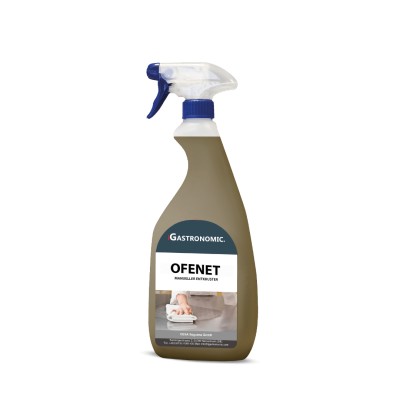
For heavy soiling, there are products formulated for the materials used in fry tops. You will find a selection in the category cleaning agents and hygiene.
- Degreasers: These help dissolve burnt-on grease.
- Descalers: For limescale deposits, a descaler can be useful.
- Application: Apply the product according to the manufacturer’s instructions, let it work, and then remove it with a sponge or cloth. Rinse thoroughly with clean water afterwards.
Cleaning with household remedies
Proven household remedies allow gentle cleaning for light to moderate soiling:
- Vinegar: Works as a degreaser and descaler. Leave a soaked cloth on the surface briefly, then wipe off.
- Baking soda (bicarbonate of soda): Acts as a mild abrasive. Sprinkle onto the damp surface and scrub with a sponge.
- Lemon juice: Citric acid works similarly to vinegar against grease and limescale.
Do not let acids act for too long, and observe the care instructions provided by your appliance manufacturer.
Seasoning the protective layer
After cleaning, the surface of a steel or cast iron fry top should be seasoned regularly. This builds a protective patina:
- Clean the plate thoroughly and dry it.
- Heat the plate to a high temperature.
- Apply a thin layer of heat-resistant oil (e.g., linseed oil or a special fry top oil) and let it bake on. Use only oils that are suitable for food preparation.
- Repeat the process several times to build a durable protective layer.
Which cleaning method is right when?
| Method | Suitable for | Important to note |
|---|---|---|
| Scraper and brush | Coarse residue, burnt-on deposits | Do not scratch; work carefully on cast iron |
| Hot water with dish soap | Grease film, residue after use | Rinse thoroughly and dry completely |
| Degreaser and descaler | Burnt-on grease, limescale deposits | Follow manufacturer’s instructions, rinse well |
| Vinegar, baking soda, lemon juice | Light to moderate soiling | Do not let acids act for too long |
| Seasoning with oil | Rust protection, building up patina | Apply thinly, repeat several times |
Tips for regular maintenance
- After every use: Remove food residues and wipe the surface with a damp cloth.
- Avoid aggressive cleaning agents: They can attack the surface and destroy the protective layer.
- Oil regularly: This keeps the surface protected against rust.
- No sharp metal brushes: They cause scratches in which dirt and grease collect.
Conclusion
Deep cleaning is a central part of caring for your fry top. With the right methods and regular maintenance, the cooking surface remains hygienic, functional and long-lasting. Whether mechanical cleaning, household remedies or special cleaning agents: choose the method according to the degree of soiling and always protect the plate against rust after cleaning.
If you are looking for a fry top for your kitchen or are planning your cleaning routines, iGastroNomic offers personal consultation.
FAQ – Frequently Asked Questions
How often does a fry top need to be cleaned?
Coarse residue and grease should be removed after every use or shift, ideally while the plate is still warm. A deep clean with a degreaser or household remedies makes sense weekly, depending on usage, or whenever visible crusts form. In professional kitchens, the operational cleaning schedule defines the exact intervals.
Which household remedies are suitable for cleaning a fry top?
Vinegar and lemon juice dissolve grease and limescale, while baking soda acts as a mild abrasive on the damp surface. Acids should not be left to act for long and must be rinsed off thoroughly so the plate is not damaged. Check the manufacturer’s instructions beforehand; for stubborn burnt-on residue, special degreasers are usually more effective.
How do I season a fry top correctly?
Clean and dry the plate thoroughly, heat it to a high temperature, and apply a thin layer of heat-resistant oil that can be baked on. Repeat the process several times until a durable protective layer (patina) has formed. It reliably protects steel and cast iron plates from rust.
Can I use a metal scraper when cleaning a fry top?
Yes, a metal or plastic scraper is standard, but it should be used carefully and at a shallow angle. Avoid sharp metal brushes, as they cause scratches in which dirt and rust can collect. On cast iron, working gently protects the seasoned layer.