Specialty Plates for Foodservice: Special Shapes for Service and Presentation
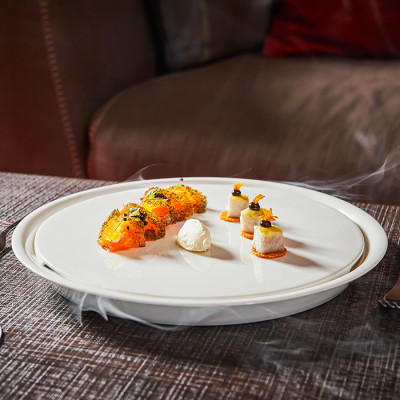
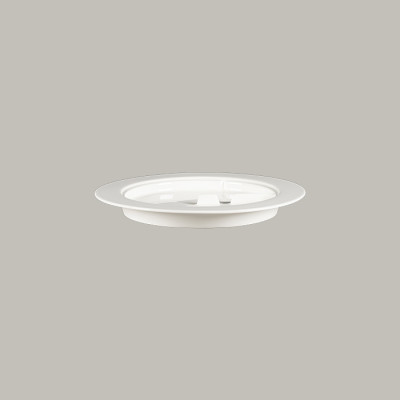
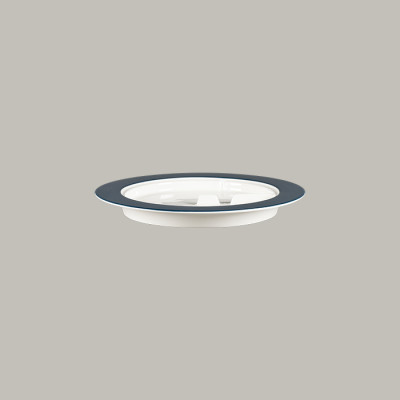
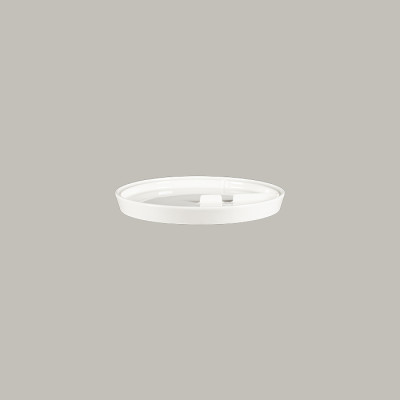
Specialty plates complement standard tableware wherever shape, rim or well serves a function. At iGastroNomic you will find specialty plates for foodservice in 15 models for restaurants, hotels, caterers and large-scale kitchens. They are suitable for the targeted presentation of dishes and for serving guests with limited mobility. In commercial use, what matters is shape, material suitability and how well the plates match your menu.
Applications in Restaurants and Large-Scale Kitchens
Specialty plates are used wherever standard shapes reach their limits. Typical applications include:
- Fine dining and restaurants focusing on fish and seafood dishes
- Caterers and banquets where food is plated individually
- Care homes, hospital canteens and facilities serving guests with limited mobility
- Hotels and buffets presenting starters or desserts in individual portions
Variants and Types at a Glance
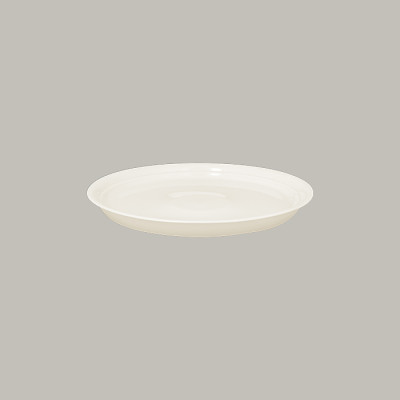
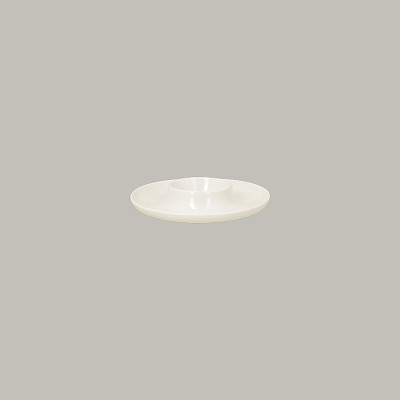
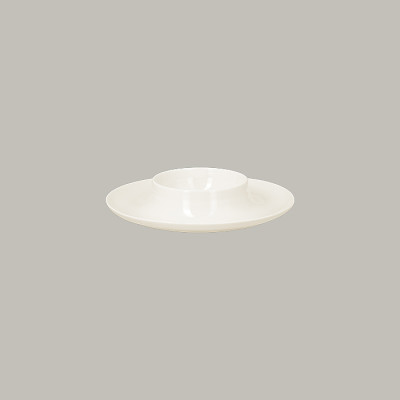
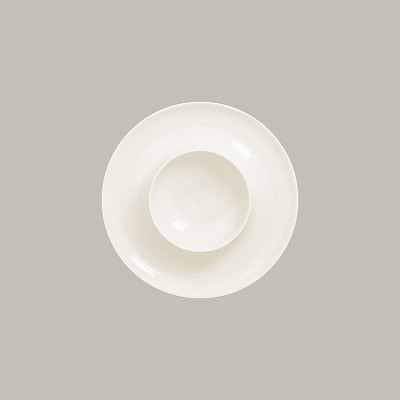
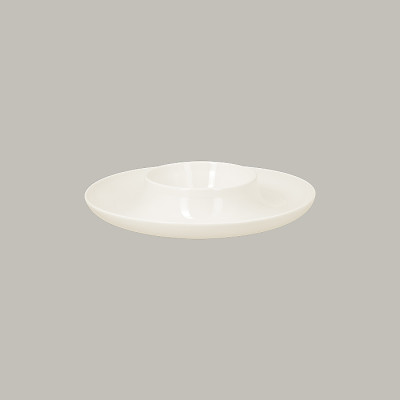
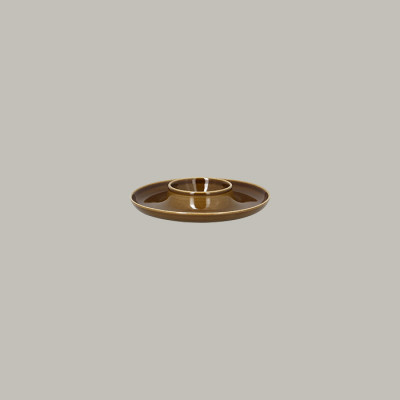
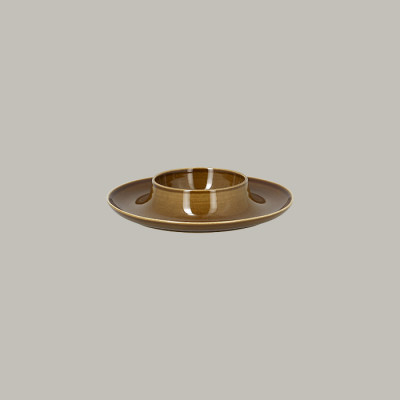
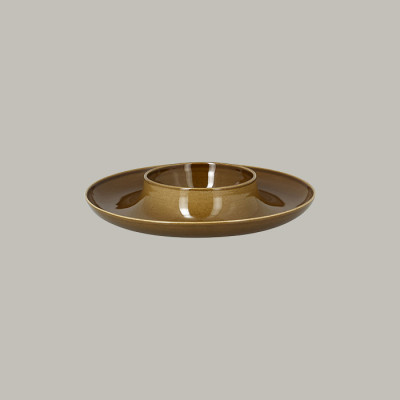
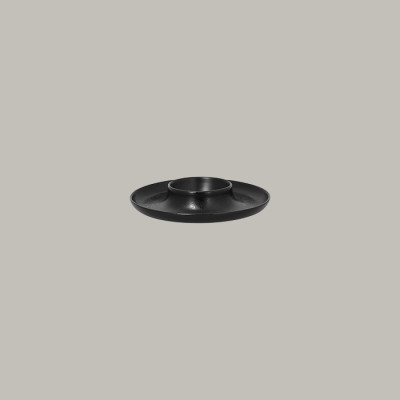
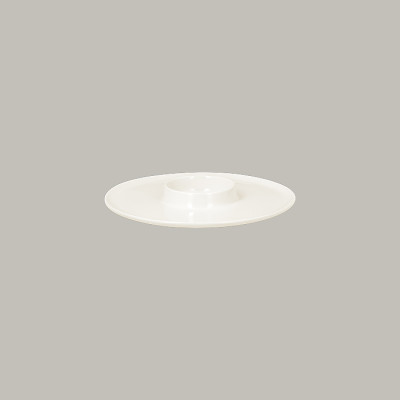
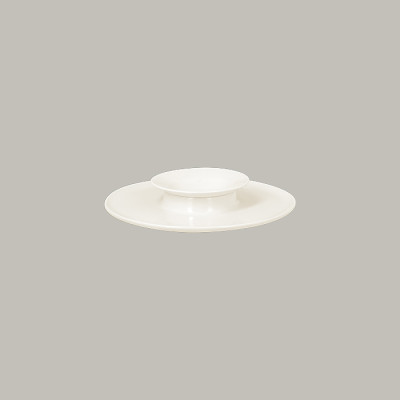
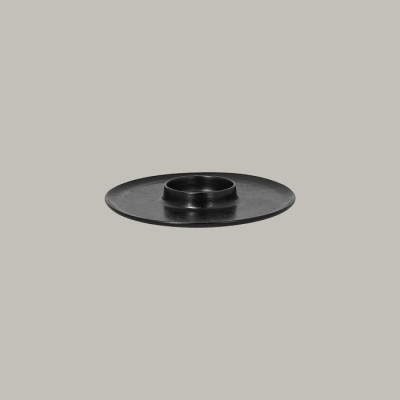
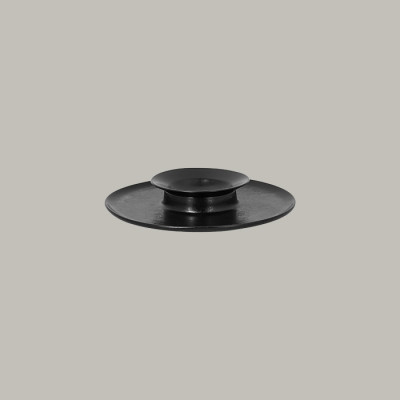
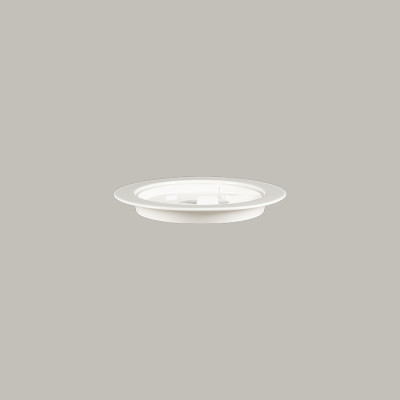
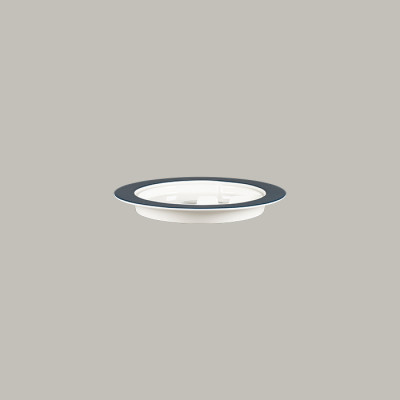
The range is organized by function. Flat plates with straight rim are suited to main courses. The rim helps keep food on the plate when picking it up, which makes them particularly suitable for guests with limited dexterity. Plates with a small well are intended for caviar, seafood and starters where sauce or garnish should be contained. Deep rimmed plates made of porcelain allow creative plating, for example for soups, risottos or layered dishes. The double-bottom plate for seafood uses the second level to visually separate food from the base of the plate.
What Professionals Look for When Buying
Key factors are the intended use, dishwasher suitability, stackability for storage and service, and compatibility with existing tableware. Also check whether the depth suits your portion size: a plate that is too deep changes the plating, while one that is too shallow lets sauce run off. For businesses with a changing menu, it pays to choose a range that covers several functions rather than buying individual pieces for each purpose.
Cleaning, Care and Operation
Porcelain should be checked regularly for chipped rims and hairline cracks. Damaged plates are difficult to clean and pose a hygiene risk. Wells and double bottoms require thorough wash cycles so that no residues accumulate. Consistent dishwashing programs and adequate drying protect the glaze. Replace damaged plates in good time, before service suffers.
Why Buy from iGastroNomic
iGastroNomic combines in-house manufacturing and wholesale. Commercial customers benefit from a wide selection at B2B net prices. We support you personally in choosing the right plate by phone and WhatsApp. We deliver throughout Europe from our company headquarters in Nackenheim.
Frequently asked questions
What are specialty plates in foodservice?
Specialty plates are special shapes that go beyond standard tableware, such as plates with a straight rim, plates with a well, deep plates or double-bottom plates. They are used to present dishes deliberately or to meet specific requirements in service. The selection depends on the menu and the guest profile.
Which plate is suitable for seafood and caviar?
For caviar and seafood, plates with a small well or double-bottom plates are usually used. The well contains sauce, ice or garnish without compromising the presentation. Make sure the shape suits the portion size and plating style of your business.
What are flat plates with a straight rim used for when guests have limited mobility?
Plates with a straight, raised rim help guests with limited dexterity pick up food independently. They are often used in care homes, clinics and canteens. The flat shape also allows the meal to be arranged clearly.
Can I order specialty plates for commercial use at net prices?
Yes, iGastroNomic supplies specialty plates to commercial customers at B2B net prices. Restaurants, hotels, caterers and large-scale kitchens also receive personal advice by phone and WhatsApp. Delivery is available throughout Europe.
What should I watch for with porcelain plates in a large-scale kitchen?
Check plates regularly for rim damage and hairline cracks, as damaged porcelain is hard to clean and poses hygiene risks. Pay attention to dishwasher suitability and good stackability for storage and service. Consistent wash programs and adequate drying extend the service life.

 Deutsch
 Türkçe
 Italiano
 Nederlands
 Français
 Español
 Polski
 Čeština
 Svenska
 Português PT
 Русский
 اللغة العربية
 中文
 日本語
 Tiếng Việt
 ภาษาไทย
 Română
 ελληνικά
 Magyar
 Dansk
 Suomi
 Hrvatski
 български език
 Eesti keel
 Latviešu valoda
 Slovenčina
 Slovenščina
 Bosanski
 עברית
 हिन्दी
 Bahasa melayu
 Kiswahili
 Bahasa Indonesia
 Papiamento
 Bokmål
 Lietuvių kalba
 Українська
 српски
 Shqip
















 ›
 ›
 ›
 ›
 ›
 ›
 ›
 ›
 ›
 ›
 ›
 ›
 ›
 ›
 ›