When you visit any website, it may store or retrieve information on your
browser, mostly in the form of 'cookies'. This information, which might be about you, your preferences,
or your internet device (computer, tablet or mobile), is mostly used to make the site work as you expect
it to.
More info
Preferences
Statistics
Marketing
Hide detailsShow details
Preferences
Preference cookies enable a website to remember information that
changes the way the website behaves or looks, like your preferred language or the region that you are in.
Name
Provider
What it does
Expiry
Allow
(Check all)
Currency Selection
PrestaShop
Cookie which makes possible to choose the currency you would like. If disabled the store default currency will be shown.Cookie which makes possible to choose the currency you would like. If disabled the store default currency will be shown.
30 days
Language Selector
PrestaShop
Cookie we use to offer you the possibility to switch the language of our contents. If cookie is disabled you'll see the site in the original language.Cookie we use to offer you the possibility to switch the language of our contents. If cookie is disabled you'll see the site in the original language.
30 days
Statistics
Statistic cookies help website owners to understand how visitors interact
with websites by collecting and reporting information anonymously.
Name
Provider
What it does
Expiry
Allow
(Check all)
Marketing
Marketing cookies are used to track visitors across websites.
The intention is to display ads that are relevant and engaging for the individual user and thereby more
valuable for publishers and third party advertisers.
Name
Provider
What it does
Expiry
Allow
(Check all)
ad_storage
Google
Enables storage, such as cookies (web) or device identifiers (apps), related to advertising.Enables storage, such as cookies (web) or device identifiers (apps), related to advertising.
30 days
ad_user_data
Google
Sets consent for sending user data to Google for advertising purposes.Sets consent for sending user data to Google for advertising purposes.
30 days
ad_personalization
Google
Sets consent for personalized advertising.Sets consent for personalized advertising.
30 days
analytics_storage
Google
Enables storage, such as cookies (web) or app identifiers (apps), related to analytics, e.g. visit duration.Enables storage, such as cookies (web) or app identifiers (apps), related to analytics, e.g. visit duration.
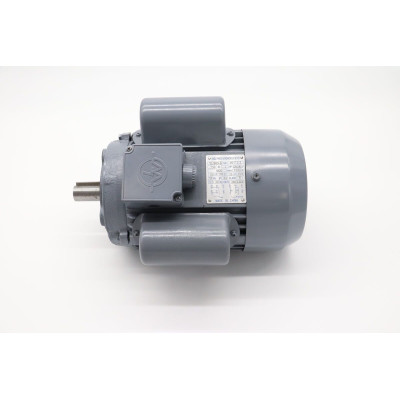
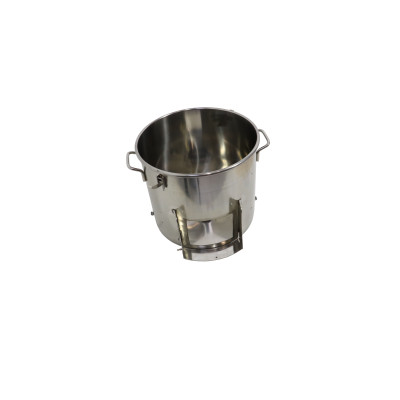
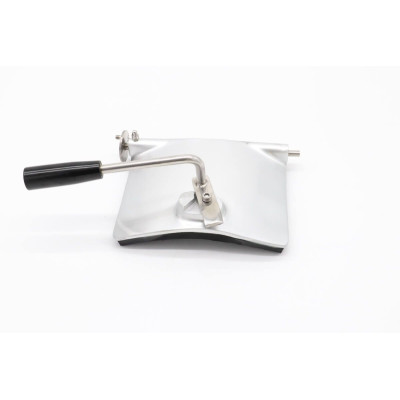
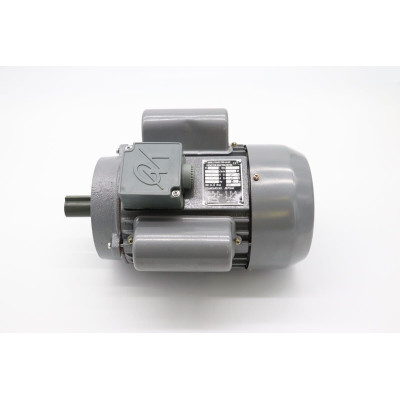
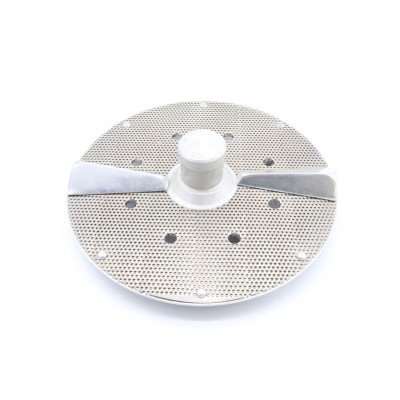
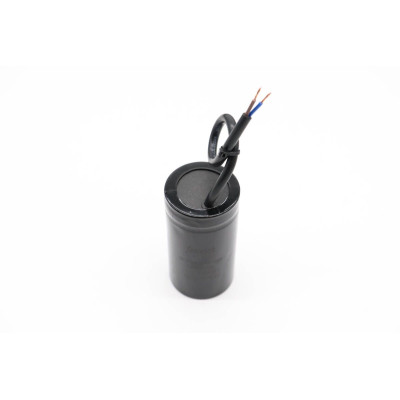
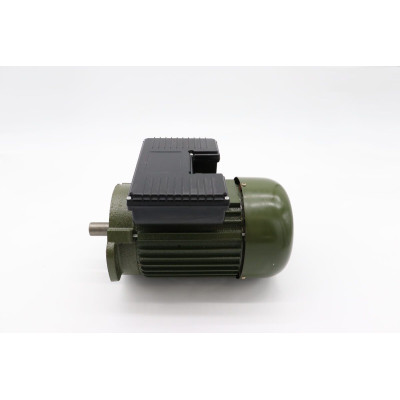
Key facts: W × D × H 20.4 × 33 × 21.6 cm · 19.58 kg · Spare part
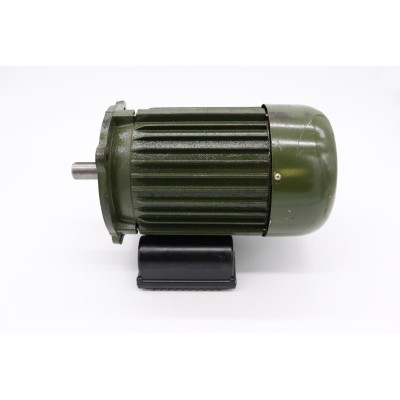
Drive motor: for the MPP30 potato peeler, enables repair in the event of drive failure
Targeted repair: replacement of the drive instead of buying a new appliance
Fit guaranteed: please compare the model or item number of your appliance
Spare Parts for Meat & Food Processing Equipment for Commercial Use
A failed component can bring production, service and kitchen operations to a standstill immediately. If you need spare parts for meat and food processing equipment, you need the right parts quickly and clearly identified. At iGastroNomic you will find an extensive range of food processing equipment spare parts, from wear parts to housing components, for professional operation.
Areas of Use
Spare parts in this category are required in butcher shops, restaurants, canteens, bakeries and catering companies. They relate to equipment for grinding, mixing, slicing and portioning. Commercial operators should therefore keep an eye not only on the machines but also on the matching spare parts for commercial kitchens.
Typical Spare Parts and Variants
The range covers the most common assemblies of professional food processing equipment:
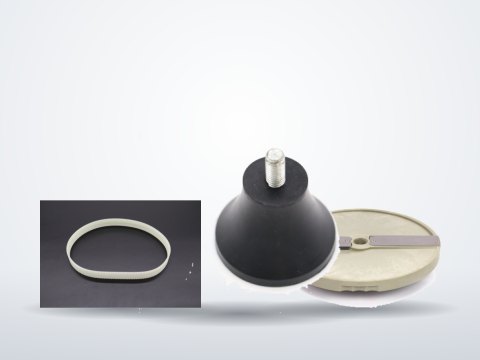
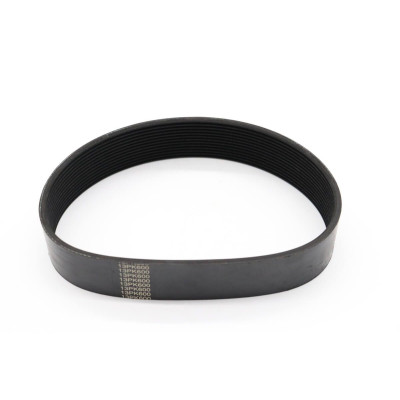
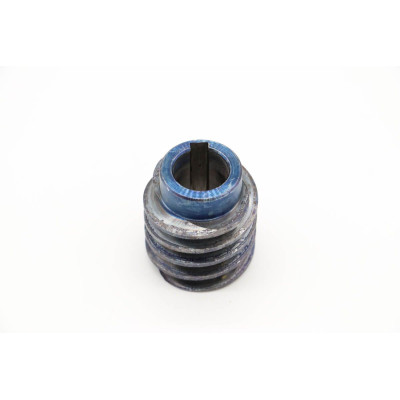
Drive components such as motor shafts, belt pulleys, keys and V-ribbed belts (poly-V belts)
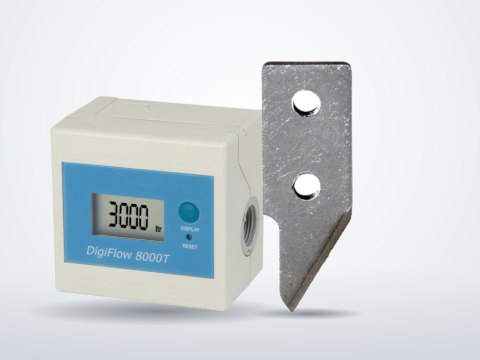
Cutting parts such as replacement blades and knives, for example for cutting systems on french fry cutters
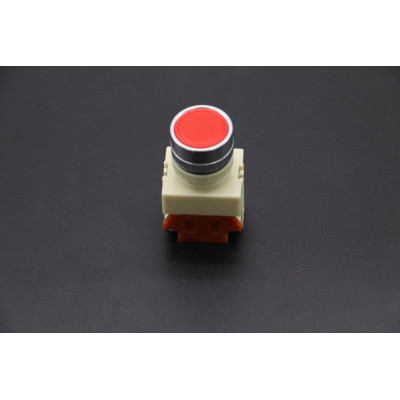
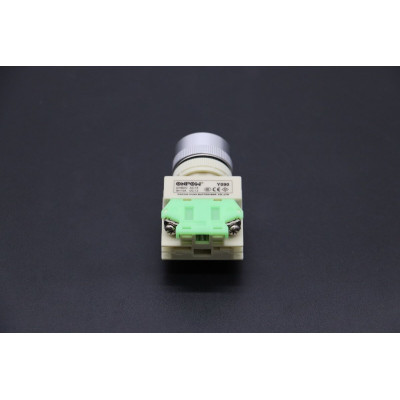
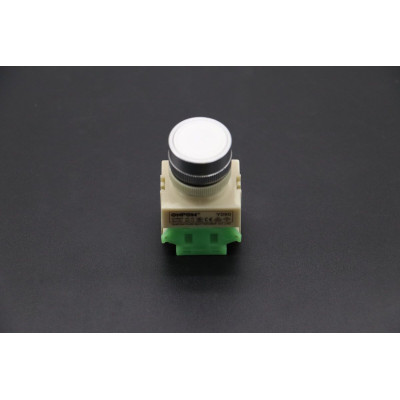
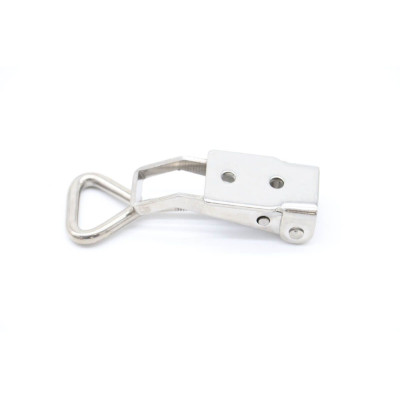
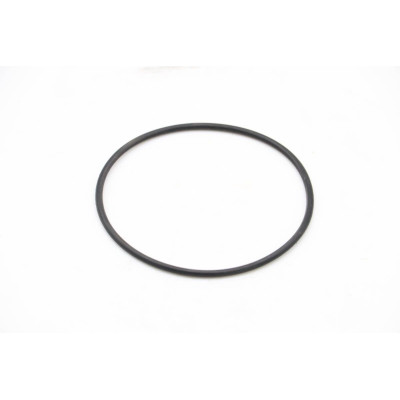
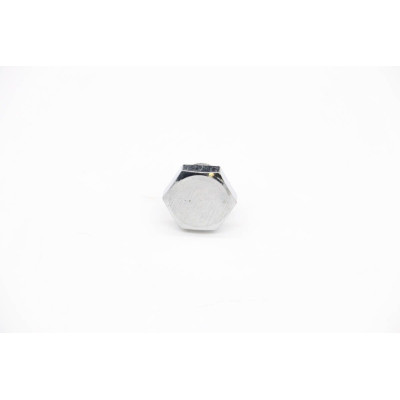
Seals, nuts and small parts such as microswitch holders
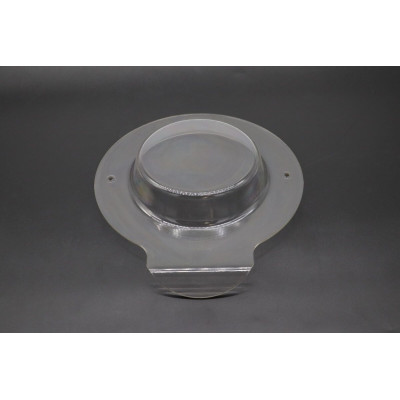
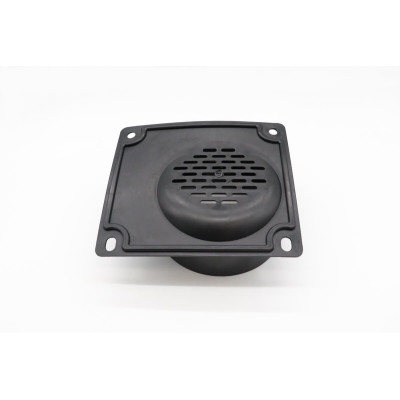
Housing and cover parts such as housing bases, air outlets and decorative rings for mixing bowls
Functional parts such as water flow meters for filter systems, pressure plates and heating insulation
What Professionals Look For When Buying
Clearly define the appliance type and model series before ordering
Compare the part designation with the exploded view or operating manual
Consider the operating conditions: humidity, temperature and food contact
Order wear parts early for heavily used equipment to avoid downtime
Photograph the component before removal, which makes identification easier
Maintenance, Care and Operation
Regular visual inspections extend service life. Check belts for cracks and stretching, check cutting parts for sharpness and inspect seals for porosity after every cleaning. Disconnect the appliance from the power supply before maintenance and cleaning work. Water-carrying components should be checked regularly for limescale deposits. Record replacement intervals in a maintenance log so that failures can be planned.
Why Buy from iGastroNomic
iGastroNomic is both manufacturer and wholesaler. Trade customers benefit from B2B net prices, a wide selection and personal advice by phone and WhatsApp when it comes to identifying a part. Delivery is available throughout Europe. If you want to buy spare parts for commercial kitchen equipment, you gain a reliable partner for your operation.
Frequently asked questions
How do I find the right spare part for my processing machine?
Note the appliance name, type and serial number from the rating plate and compare the part designation with the exploded view in the operating manual. A photo of the defective component helps with identification. If you are unsure, the iGastroNomic team can advise you by phone or WhatsApp.
Can I order replacement knives for meat grinders and slicers as a trade customer?
Yes, the range is specifically aimed at trade customers such as butchers, snack bars and caterers. Select the knife according to appliance type and cutting system, as hole plates and knives must be matched to each other. B2B net prices apply to trade customers.
Which spare parts wear out most often on food processing equipment?
The most commonly affected parts are V-ribbed belts, seals, cutting knives and blades, as well as bearings on heavily loaded drives. Small parts such as nuts or brackets can also loosen due to vibration. Regular visual inspections detect wear early.
How often should spare parts on commercial kitchen mixers be replaced?
There is no universal replacement interval; it depends on service life, load and care. The details in the operating manual and the condition of the part during visual inspection are decisive. Belts, seals and knives should be replaced immediately at the first sign of damage.
Does iGastroNomic also deliver food processing spare parts abroad?
Yes, iGastroNomic delivers spare parts throughout Europe. The company headquarters is in Nackenheim, and trade customers receive personal support by phone or WhatsApp. For orders abroad, it is best to clarify the details directly with the team in advance.
Spare Parts for Meat & Food Processing
Spare parts for meat and food processing are wear parts such as replacement blades, graters and dicing blades, which keep your cutting and processing machines in kitchens, butcher shops or canteens permanently ready for use. They are aimed at businesses that slice, dice or grate large quantities every day. When buying, the most important factors are the correct machine assignment, the required cut size and the material quality.
Applications: Where Replacement Blades and Graters Are Needed
Slicing and grating inserts are used in restaurants, hotel kitchens, commercial kitchens, canteens, catering businesses and the butcher shop. They process vegetables, fruit, cheese, bread and meat products with consistent quality. If you regularly prepare ingredients for salads, soups, stews or fillings, your cutting tools wear out quickly. A set of replacement blades in stock prevents downtime during peak hours.
For everyday foodservice supplies, the rule is: the machine is only as good as its cutting tool. Blunt blades crush the product, increase waste and put strain on the motor. Replacing parts in good time saves time, food and energy.
Standard Blades and Standard Graters: Cut Sizes at a Glance
The standard blades are available in various slice thicknesses, including 2 mm, 4 mm, 8 mm and 10 mm in our range. Fine cuts are suitable for salads and garnishes, coarser cuts for stews, pan dishes and side dishes. The standard graters with 3 mm, 4 mm and 7 mm produce fine to coarse shreds depending on the size, for example for cheese, carrots, potatoes or cabbage.
Choose the thickness according to the dish and the cooking behaviour. Thin slices cook faster, thick ones retain more bite. If you prepare several recipes, it is advisable to keep two to three sizes on hand.
Special Blades and Dicing Blades for Consistent Results
The special blades with 1 mm, 2 mm and 5 mm cover very fine cuts, for example for thin slices or precise strips. With dicing blades in the sizes 8 x 8 mm, 10 x 10 mm, 12 x 12 mm and 20 x 20 mm, you obtain uniform dice for soup garnishes, vegetable pans, salads, sauces or fillings. Equal dice size cooks evenly and looks high-quality on the plate.
Type
Available Sizes
Typical Use
Standard blades
2, 4, 8 and 10 mm
Slices and strips of vegetables and fruit
Standard graters
3, 4 and 7 mm
Shredding cheese, carrots, potatoes
Special blades
1, 2 and 5 mm
Very fine, precise cuts
Dicing blades
8x8, 10x10, 12x12 and 20x20 mm
Uniform dice for soups, salads, pans
Buying Guide: How to Find the Right Spare Part
Slicing and grating inserts are machine-specific. Therefore, check the machine type and model series before ordering, which you will find on the rating plate. Then define the required cut size. The quantity per day and whether you need a replacement for a worn part or additional variants for new recipes are also decisive. This way you build up your catering supplies stock in a targeted manner instead of ordering on speculation.
Check machine type and model series in advance
Choose the cut size according to the dish and cooking time
Keep wear parts in frequently used sizes in stock
Replace blades and graters in sets so that the cutting result remains consistent
Meat Mincer, Cooling and Meat Tenderiser: How Do They Relate?
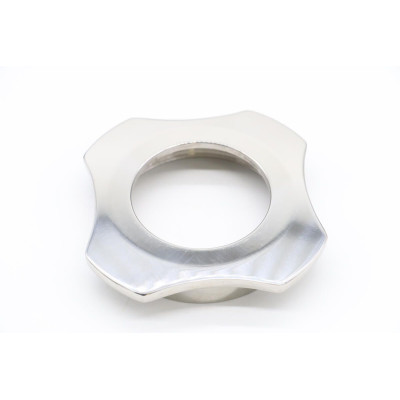
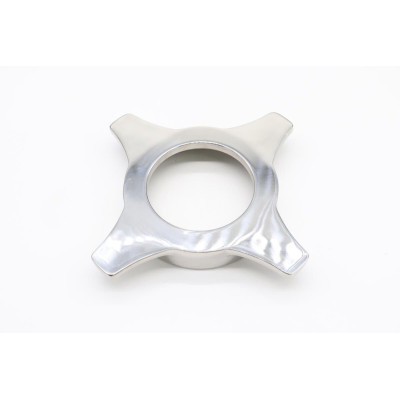
If you are looking for a catering meat mincer, a meat mincer with cooling or a commercial meat tenderiser, you usually have the same requirement: clean, efficient processing with high food safety. In meat mincers, the blades and the perforated plate are the key wear parts. They must be sharp and match the machine exactly so that the meat is cut rather than crushed. Cooling keeps the temperature low, but it does not replace sharp tools. Check the insert and the assignment of spare parts carefully for every machine.
Material, Hygiene and Care
Cutting tools for food processing are usually made of stainless steel, because it is corrosion-resistant and easy to clean. Clean blades and graters after every use, dry them thoroughly and store them dry and protected. Handle sharp blades with care and wear protective gloves if necessary. If you notice nicks, deformation or a ragged cutting result, replace the part. This ensures hygiene and extends the service life of the machine.
Delivery in Germany, Austria, Switzerland and Europe
iGastroNomic delivers spare parts quickly and reliably throughout Germany, to Austria, to Switzerland and to other European countries. This way, foodservice, hotels, butcher shops, bakeries, canteens and trade businesses receive the blades, graters and dicing blades they need without long downtime. Order your catering supplies range directly online and secure replacements before the machine fails.

 Deutsch
 Türkçe
 Italiano
 Nederlands
 Français
 Español
 Polski
 Čeština
 Svenska
 Português PT
 Русский
 اللغة العربية
 中文
 日本語
 Tiếng Việt
 ภาษาไทย
 Română
 ελληνικά
 Magyar
 Dansk
 Suomi
 Hrvatski
 български език
 Eesti keel
 Latviešu valoda
 Slovenčina
 Slovenščina
 Bosanski
 עברית
 हिन्दी
 Bahasa melayu
 Kiswahili
 Bahasa Indonesia
 Papiamento
 Bokmål
 Lietuvių kalba
 Українська
 српски
 Shqip













 ›
 ›
 ›
 ›
 ›
 ›
 ›
 ›
 ›
 ›
 ›
 ›
 ›
 ›
 ›