Deutsch
 Türkçe
 Italiano
 Nederlands
 Français
 Español
 Polski
 Čeština
 Svenska
 Português PT
 Русский
 اللغة العربية
 中文
 日本語
 Tiếng Việt
 ภาษาไทย
 Română
 ελληνικά
 Magyar
 Dansk
 Suomi
 Hrvatski
 български език
 Eesti keel
 Latviešu valoda
 Slovenčina
 Slovenščina
 Bosanski
 עברית
 हिन्दी
 Bahasa melayu
 Kiswahili
 Bahasa Indonesia
 Papiamento
 Bokmål
 Lietuvių kalba
 Українська
 српски
 Shqip


 ›
 ›
 ›
 ›
 ›
 ›
 ›
 ›
 ›
 ›
 ›
 ›
 ›
 ›
 ›
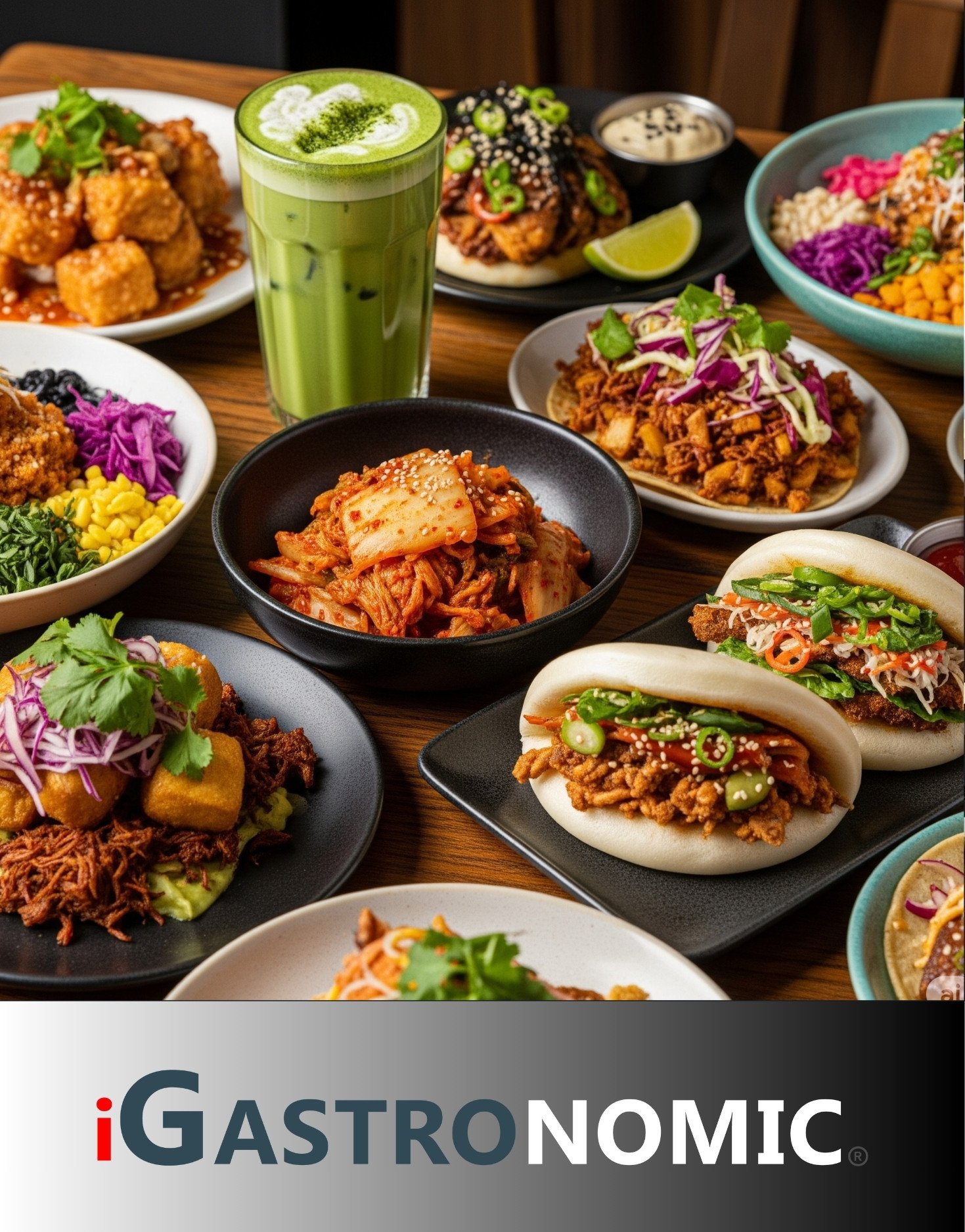
In short: The most important food trends 2026 for restaurants are fermented foods, air frying, simple plant-based cooking, matcha and global street food. They can usually be added to existing menus with manageable effort, provided that kitchen equipment, storage and workflows are suitable. This guide explains what lies behind the trends and what restaurateurs should watch out for in practice.
The Top 5 Food Trends 2026 at a Glance
The culinary landscape is changing: guests are looking for new flavors, more sustainable ingredients and dishes with an experiential character. For restaurants, cafés, snack bars and caterers, it pays to review trends early and select deliberately what fits their own concept.
| Trend | Typical dishes and products | Important for the kitchen |
|---|---|---|
| Fermented foods | Kimchi, kombucha, kefir, fermented vegetables | Cooling, clean containers, space for fermentation times |
| Air frying | Fries, chicken wings, roasted vegetables, baked goods | Equipment output, capacity, power supply |
| Simple plant-based cuisine | Root vegetables, lentils, ancient grains, herbs | Fresh produce, prep, cooking and roasting equipment |
| Matcha | Lattes, pancakes, tiramisu, mochi donuts, soba | Dry storage, barista accessories, dessert production |
| Global street food | Tacos, bao buns, chaat, banh mi, falafel wraps | Griddle, steamer, fryer, fast service |
Trend 1: Fermented Foods – Kimchi, Kombucha, Kefir
Why fermented foods are more than a passing fad
Fermented foods are considered an established part of conscious eating and continue to gain importance. They stand out with complex, savory and sour flavors that enhance dishes. Many guests also associate them with a gut-friendly diet and a desire for well-being.
New varieties and creative applications
In 2026, it is about more than classic yogurt: from homemade kimchi with a spicy bite, through craft kombucha in unusual flavors, to creamy and versatile kefir. In addition, there are fermented vegetables beyond cabbage, innovative fruit ferments and fermented seasonings that refine dishes.
Practice in the restaurant
Fermented foods work well as a side, topping, dressing base or non-alcoholic drink. Clean workflows, suitable containers and sufficient cold storage are essential. Clarify hygiene requirements and labeling with your responsible authority.
Trend 2: Air Frying – the Air Fryer Remains Strong
Crispy with significantly less oil
The air fryer remains a favorite because it achieves crispy results with significantly less oil than conventional deep frying. Its popularity rests on the combination of health, convenience and a satisfying crunch. Even in 2026, an even wider range of accessories and cookbooks is to be expected.
More than fries
Suitable applications include golden, juicy chicken wings, roasted vegetables with a robust crust and even baked goods. For restaurants, this means small snack and side offerings can be added flexibly without fully occupying the classic fryer.
What professionals should consider
Household appliances are usually not designed for continuous operation, so capacity, power and robustness matter. Check the running costs in advance with the energy cost calculator for commercial equipment before investing in additional technology.
Trend 3: Plant-Based Everything – Simpler, Without Fake Meat
Whole foods instead of heavily processed products
The plant-based movement continues to evolve: the trend is moving toward simple, wholesome options and away from heavily processed meat substitutes. The focus is on the natural flavors and textures of vegetables, grains, legumes and fruit.
Ingredients and dishes
- Roasted root vegetables with a robust crust
- Hearty lentil dishes
- Ancient grains as a filling base
- Fresh herbs as flavor carriers
Plant-based proteins from mushrooms, nuts, seeds and legumes make cooking more accessible, enjoyable and sustainable for many guests. It is not about imitation, but about culinary creativity.
Trend 4: Matcha – Green, Photogenic and Versatile
From lattes to savory dishes
Matcha is not new, but it remains popular. This finely ground Japanese green tea powder is by no means limited to lattes; it is now used in sweet and savory dishes.
- Fluffy matcha pancakes with cream and fruit
- Creamy matcha tiramisu with a fine tea note
- Smoothie bowls with banana, spinach and almond milk
- Chewy matcha mochi donuts
- Cold matcha soba noodles with sesame dressing
Why matcha appeals to guests
Besides its earthy flavor, matcha contains antioxidants and caffeine, which is why it is popular with wellness fans and chefs alike. For cafés, it is also an eye-catching highlight that is easy to photograph for social media.
Trend 5: Global Street Food – Traveling Through the Plate
Guests want to experience international flavors and already know many dishes from online recipes, meal kits and social media tutorials. Restaurants can respond to this interest with authentic flavors and street-style presentation.
Popular classics
- Mexican tacos
- Chinese bao buns
- Korean corn dogs
- Indian chaat
- Vietnamese banh mi
- Middle Eastern falafel wraps
Experience rather than taste alone
Street food convinces through color, freshness and the feeling of discovering other cultures. For businesses, this means compact dishes, fast service and a clear presentation that suits the concept.
Putting Trends into Practice in the Kitchen: Equipment and Planning
Not every trend suits every business. First check which dishes match your target group, kitchen space and staff, and start with one or two dishes as a test run.
New dishes often change workflows: more cold storage for fermented products, additional cooking equipment for snacks, or a steamer and grill station for street food. With the free 3D kitchen planner, you can visualize layout and work paths in advance. For questions about equipment and fit-out, personal consultation is available.
Conclusion
The food trends 2026 combine enjoyment, sustainability and experience: fermented foods for complex flavors, air frying for crispy results, simple plant-based cuisine, versatile matcha and global street food. Those who focus on one or two suitable trends and align kitchen equipment and workflows accordingly can deliberately expand their menu. Food today is also an expression of creativity and cultural connection – a good reason to test a new dish this very week.
FAQ – Frequently Asked Questions
Which food trends are especially relevant for restaurants in 2026?
Particularly relevant are fermented foods such as kimchi, kombucha and kefir, air frying, simple plant-based dishes without heavily processed meat substitutes, matcha in sweet and savory variations, and global street food such as tacos, bao buns or falafel wraps. Which of these fit depends on concept, target group and kitchen equipment.
Is an air fryer worthwhile in a professional kitchen?
That depends on the concept. Air fryers deliver crispy results with less oil and are suitable for snacks, vegetables or chicken wings. For high volumes, capacity and continuous operation are decisive, so you should check commercial equipment and calculate energy costs in advance. As a complement to the classic fryer, it can make sense.
How do I integrate fermented foods into the menu?
Fermented foods can be offered as a side, topping, dressing base or drink, for example kimchi with bowls and burgers, or kefir in dips and desserts. Plan sufficient cold storage, clean containers and fermentation times. It is best to clarify hygiene and labeling requirements with the responsible authority.
What kitchen equipment do I need for street food dishes?
Depending on the offering, a griddle or grill plate, a steamer for bao buns, a fryer for falafel or corn dogs, and sufficient cold storage and work surfaces are useful. Short paths and fast service are important. A kitchen planning consultation helps you select equipment that fits the menu and the available space.