Deutsch
 Türkçe
 Italiano
 Nederlands
 Français
 Español
 Polski
 Čeština
 Svenska
 Português PT
 Русский
 اللغة العربية
 中文
 日本語
 Tiếng Việt
 ภาษาไทย
 Română
 ελληνικά
 Magyar
 Dansk
 Suomi
 Hrvatski
 български език
 Eesti keel
 Latviešu valoda
 Slovenčina
 Slovenščina
 Bosanski
 עברית
 हिन्दी
 Bahasa melayu
 Kiswahili
 Bahasa Indonesia
 Papiamento
 Bokmål
 Lietuvių kalba
 Українська
 српски
 Shqip


 ›
 ›
 ›
 ›
 ›
 ›
 ›
 ›
 ›
 ›
 ›
 ›
 ›
 ›
 ›
In short: During the holiday season in foodservice, it is not the kitchen's average performance that counts, but its peak load on a few evenings. Check the capacity, maintenance condition and workflows of your equipment now and define an emergency plan. This way you avoid breakdowns and long waiting times when your kitchen is under the most pressure.
Holiday Season Foodservice: Why the Kitchen Reaches Its Limits in December
In December, guests arrive in groups, often at the same time and with similar orders. For the kitchen, this means many plates in a short time, with the same staffing and the same equipment as the rest of the year. If you check your kitchen for this situation now, you will avoid improvising later.
Peak Load Instead of Average
Do not plan based on the daily average, but on the busiest hour. A piece of equipment that never stands out in everyday operation can become the bottleneck on a full Friday evening. What matters is how many portions each station must produce per hour and how long the equipment has to run continuously at full load to do so.
The Typical Bottlenecks
It is usually not the whole kitchen that is affected, but individual stations. The table shows common bottlenecks and possible countermeasures.
| Bottleneck | How You Recognise It | Possible Measure |
|---|---|---|
| Cooking stations | Pots wait for free burners, stocks and side dishes clash | Additional cooking station, pre-cooking in large pots |
| Hot holding | Dishes stand too long on the pass, plates cool down | Holding cabinet, better coordination of cooking steps |
| Cold storage | Doors are constantly open, temperatures fluctuate | Better organisation, additional refrigeration, staggered stock |
| Dishwashing | Crockery and pots run short in the middle of service | Plan washing cycles, build up a crockery reserve |
| Staff and routes | Colleagues cross paths, walking distances are long | Reassign stations, shorten routes |
Equipment Check Before the First Advent Weekend
A breakdown in December hits twice: sales are lost, and replacement or repair takes time. Set aside half a day and systematically check every core piece of equipment.
Ranges, Burners and Cooking Stations
Check that all burners ignite evenly and show a steady, blue flame. Dirty nozzles, wobbling grates or leaking connections should be fixed before the busy period. Gas work must be carried out exclusively by a licensed specialist company.
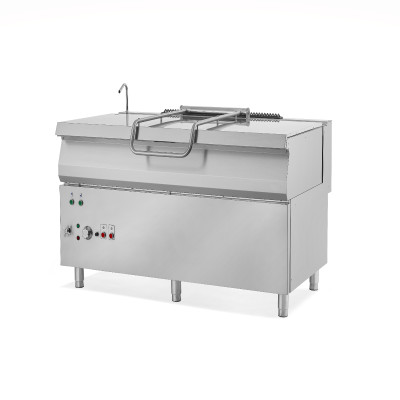
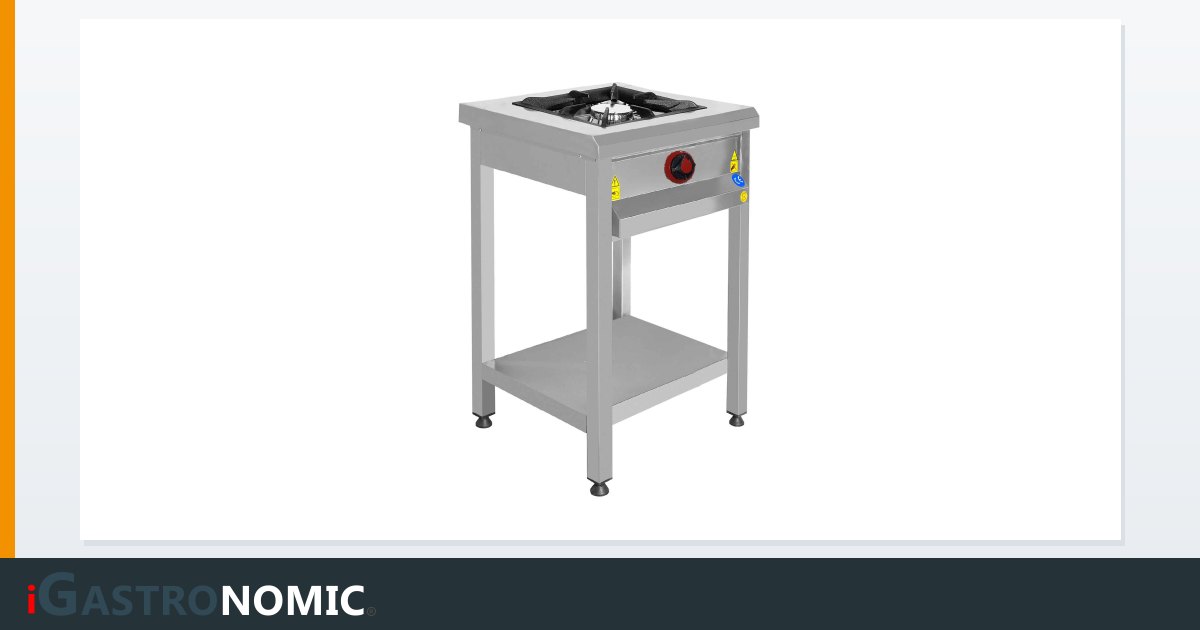
If the cooking capacity is not sufficient, it is worth looking at ranges for professional kitchens. For large pots with stocks, soups or side dishes, an additional gas countertop burner with 7.17 kW is a flexible addition. It stands on the floor, carries heavy pots safely and can be repositioned as needed. Pay attention to the installation location, ventilation and clearance from combustible materials.
Refrigeration and Storage
In December, more is stored than usual: meat, side dishes, desserts, sauces. Check door seals, evaporators and condensers for dirt, and let the units reach the set temperature before loading them. An overfilled refrigerator with blocked air circulation cools less effectively, even if the thermostat shows normal values.
Hot Holding and Pass
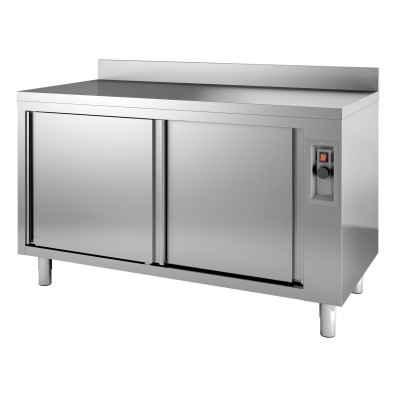
When many plates are finished at the same time, food needs a safe interim place. A holding cabinet with upstand keeps plates and finished components ready without them cooling down on the pass. It is important that the holding temperature is consistently correct and that the cabinet is not used as a permanent store for food. How long food may stay warm is determined by your HACCP concept and the responsible food safety authority.
Fryers, Grills and Dishwashing
Before the busy period, fryers need fresh or filtered oil and clean heating elements. For grills and plancha surfaces, clean surfaces and a working grease drainage system are essential. For the dishwasher, check nozzles, filters and dosing, as poor washing results become obvious immediately when the kitchen is full.
Calculating Capacity Realistically
A simple calculation helps you spot gaps early. You do not need any special software, only honest figures from your kitchen.
- Estimate the number of guests in your busiest hour, for example based on your December reservations.
- Multiply this by the average number of dishes per guest.
- Assign the dishes to the stations (range, grill, fryer, oven, cold kitchen).
- Compare the portions per station with what the equipment can realistically produce in one hour.
- Mark any stations that would have to operate permanently above 80 percent of their capacity. This is a rough guideline, not a fixed limit.
If you want to relocate or add equipment, the free 3D kitchen planner can help. There you can see whether walking routes, clearances and floor space fit together before you move anything.
Workflows Instead of Technology: What Relieves the Kitchen in December
Not every bottleneck requires new equipment. Often it is enough to distribute the work differently.
Streamline the Menu
A smaller holiday menu with fewer cooking methods shortens routes and coordination. Dishes that occupy the same station should not all be orderable at the same time. Check which dishes can be prepared in advance and which must be finished à la minute.
Stagger Mise en Place
Sauces, stocks, side dishes and garnishes can be prepared before service and held in portions. Plan fixed time slots in the morning and make sure you have enough containers. Label each batch with the date so that cooling and usage remain traceable.
Deploy Staff Purposefully
Decide who takes over which station and who steps in if someone is absent. Short briefings on rarely used equipment prevent incorrect operation. This applies especially to temporary staff who only join in December.
Energy, Hygiene and Documentation
Equipment runs longer and more often at full load in December. This noticeably increases energy consumption, especially when ranges and ovens are preheated for hours before service. Preheat only as needed, switch off unused stations and do not leave refrigeration units open longer than necessary.
Mandatory documentation is also easily neglected during busy periods. Temperature logs, cleaning schedules and goods receipt checks should be maintained even under pressure. Which records are specifically required is determined by the local responsible authority.
Emergency Plan for a Breakdown During Peak Service
Even well-maintained equipment can fail. A short emergency plan helps you react calmly and quickly.
- Display the phone numbers of the service technician, gas specialist company and refrigeration engineer within easy reach
- Determine which dishes can be removed from the menu if a station fails
- Plan a backup solution for cooking and hot holding, such as a mobile additional unit
- In case of refrigeration failure, move chilled goods to other units and document temperatures
- Keep spare parts for wear items such as seals or ignition elements on hand, where this makes sense
Delivery Times and Advice
Shortly before December, supply chains and appointments are often tight, so do not postpone orders. iGastroNomic supplies foodservice equipment throughout Europe and offers free kitchen planning advice. For any questions, our personal consultation is available to you.
Conclusion
The holiday season in foodservice places short but intense peak loads on the kitchen. If you identify bottlenecks early, check your equipment and relieve your workflows, you will have more reserves in December. Often small measures are enough: an additional cooking station, a reliable hot holding system, a tighter menu and a clear emergency plan. Start with your busiest hour and work through the kitchen station by station.
FAQ – Frequently Asked Questions
When should I prepare my kitchen for the holiday season?
Ideally, you should start six to eight weeks before December. If you are running late, first check the core areas such as range, refrigeration, hot holding and dishwasher. Plan for possible delivery times for replacement or additional equipment, as appointments with dealers and service companies become scarce shortly before the holidays.
Which equipment fails most often in December?
Equipment in continuous operation is particularly stressed: refrigeration units, fryers, ranges and dishwashers. The causes are usually dirt, worn seals or overloaded refrigeration units. A visual inspection and cleaning before the busy period reduces the risk, but it does not replace professional maintenance by a service company.
Is an additional countertop burner worth it for December?
An additional countertop burner is worthwhile if you use large pots for stocks, soups or side dishes and the existing cooking stations are fully utilised. It can be positioned flexibly, but it requires a gas connection, ventilation and space. Clarify the installation location and connection in advance with a specialist company.
How do I keep food safely warm when the restaurant is full?
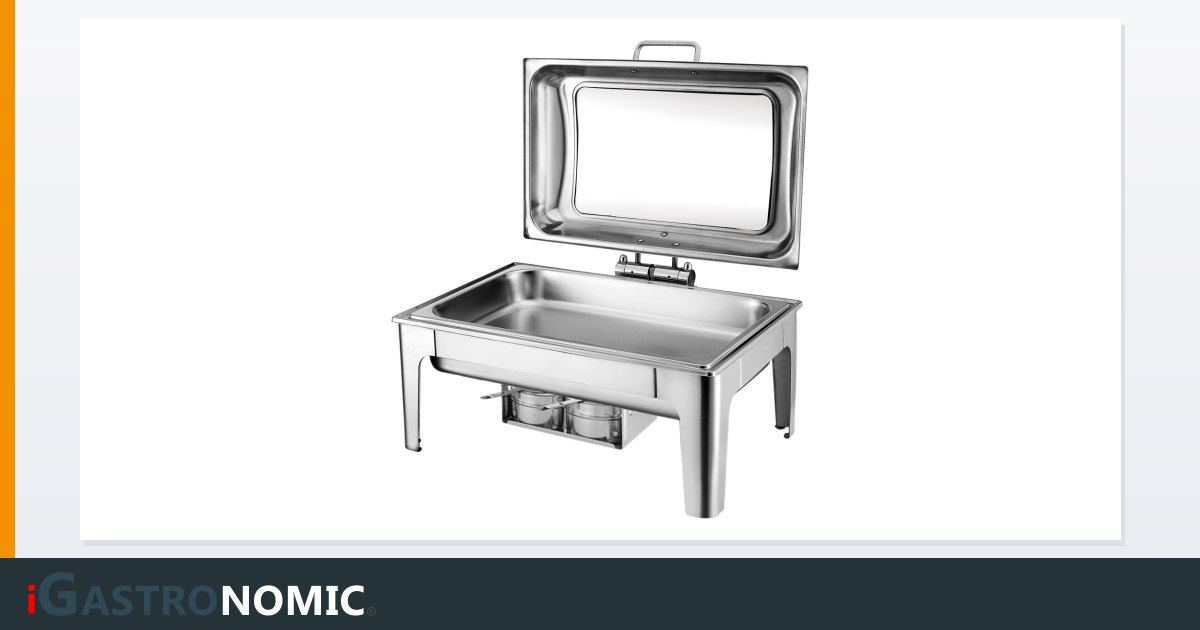
Use equipment that holds temperature reliably, such as a holding cabinet or a bain-marie. Check the temperature regularly and document it. Which holding temperatures and times apply to your operation is determined by your HACCP concept and the responsible food safety authority.
How much additional capacity do I need during the holiday season?
This depends on your busiest hour and your menu, not on fixed standard values. Calculate the portions per hour for each station and compare them with the actual equipment capacity. Stations that would have to run permanently at their limit are candidates for relief through preparation, menu changes or additional equipment.