Deutsch
 Türkçe
 Italiano
 Nederlands
 Français
 Español
 Polski
 Čeština
 Svenska
 Português PT
 Русский
 اللغة العربية
 中文
 日本語
 Tiếng Việt
 ภาษาไทย
 Română
 ελληνικά
 Magyar
 Dansk
 Suomi
 Hrvatski
 български език
 Eesti keel
 Latviešu valoda
 Slovenčina
 Slovenščina
 Bosanski
 עברית
 हिन्दी
 Bahasa melayu
 Kiswahili
 Bahasa Indonesia
 Papiamento
 Bokmål
 Lietuvių kalba
 Українська
 српски
 Shqip


 ›
 ›
 ›
 ›
 ›
 ›
 ›
 ›
 ›
 ›
 ›
 ›
 ›
 ›
 ›
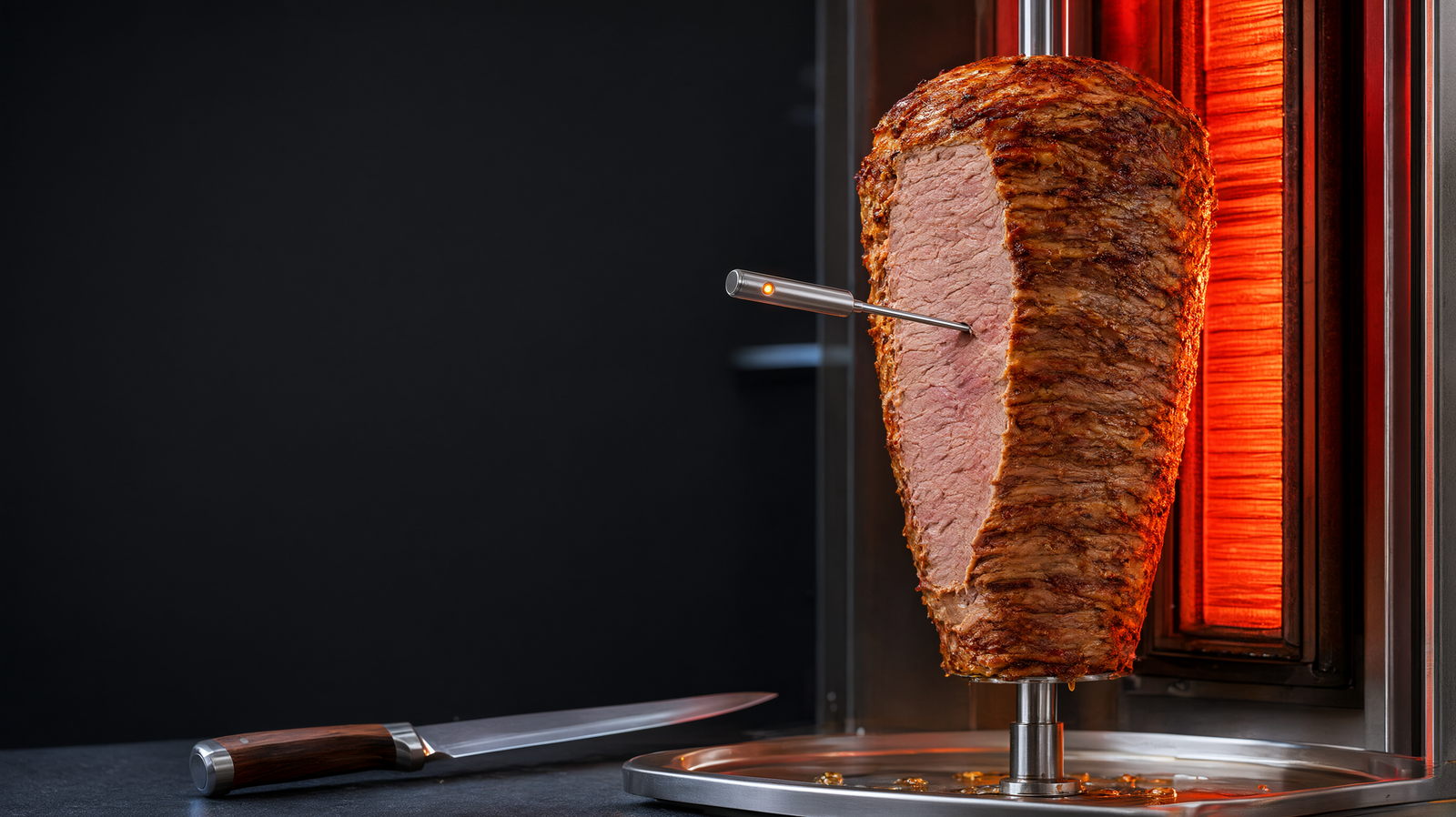
In short: The holding time of a doner spit on the grill is typically around 6 to 8 hours, provided meat quality, grill temperature and hygiene are right. Guideline core temperatures are at least 74 °C for chicken, 70 °C for lamb and 63 °C for beef. With well-planned restocking, the doner stays juicy, safe and available at all times.
The doner spit is the heart of many kebab shops and restaurants serving Turkish or Mediterranean cuisine. A perfectly cooked spit keeps guests happy and operations efficient. This guide answers three questions: how long can a spit stay on the grill, which core temperatures matter, and how do you plan restocking without bottlenecks or food waste?
Basics: Doner spit and the grilling process
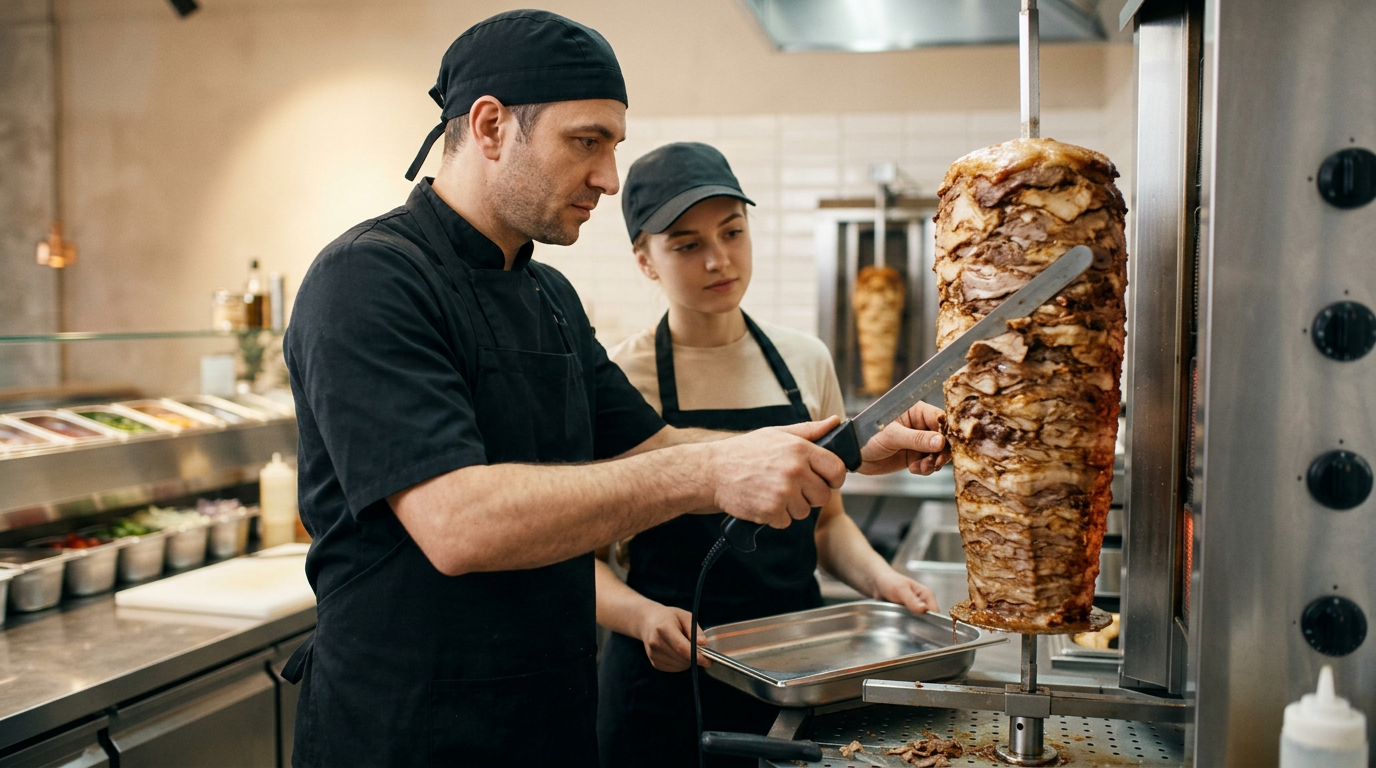
A doner spit consists of marinated meat, usually lamb, beef or chicken, cooked on a vertically rotating spit. The rotation and the heat source at the back cook the meat evenly. A crispy outer layer forms while the inside stays juicy.
The grilling process depends on the interplay of temperature control, meat quality and time management. Only when these three factors are aligned do you get the typical flavor and the desired texture.
Holding time: How long can a doner spit stay on the grill?
Holding time describes the period a doner spit can remain on the grill without a noticeable loss of quality or health risks. It depends on several factors:
- Type and quality of the meat: Fresh, high-quality meat stays fresh longer and loses less flavor.
- Grill temperature: Constant heat ensures even cooking and prevents the meat from drying out.
- Ambient temperature and humidity: Both affect shelf life and the risk of bacterial growth.
- Hygiene standards: Clean equipment and hygienic workflows support a long, safe holding time.
A typical guideline is around 6 to 8 hours. Within this period, the meat stays juicy, flavorful and safe to eat when temperature and hygiene are right. Afterwards, the spit should be used up or replaced.
Binding requirements come from your own-checks concept (HACCP), the manufacturer's information on the meat product and the guidance of your local food safety authority.
Why not longer?
If the spit stays on the grill too long, the meat dries out, becomes tough or develops an unpleasant taste. The risk of microbial growth also increases if the temperature is not kept consistently high enough.
The right core temperature: Safety and flavor
The core temperature shows how hot the inside of the meat is and whether it has been cooked sufficiently. It is therefore a central factor for food safety and quality.
Recommended core temperatures at a glance
| Meat type | Minimum core temperature (guideline value) | Note |
|---|---|---|
| Chicken | 74 °C | Cook thoroughly, check at several points |
| Lamb | 70 °C | Even heat prevents drying out |
| Beef | 63 °C | Higher depending on the desired degree of doneness |
These temperatures are intended to ensure that pathogens such as Salmonella or E. coli are killed without the meat becoming unnecessarily dry.
How is the core temperature measured?
In professional kitchens, digital probe thermometers are recommended, as they measure the temperature inside the meat quickly and precisely. Ideally, check at several points to confirm even cooking.
Temperature control during grilling
The grill should be set so that the surface temperature stays constant in the typical range of 250 to 300 °C. Rotating the spit distributes the heat evenly. The core temperature rises slowly during this process and should always be checked before serving.
Restocking planning in the business: Ensuring efficiency and quality
Good restocking planning keeps operations flowing and safeguards quality. The following aspects play a role:
Demand analysis and sales planning
If you know your average daily sales and peak times, you can prepare the right number of spits. This avoids overproduction and food waste as well as bottlenecks that upset guests.
Preparation and storage
The marinade should be prepared fresh where possible, and marinated meat should be kept refrigerated at all times. Refrigerated prep counters under the grill are practical here, keeping spits and ingredients within easy reach at the workstation. Pre-assembled spits can be placed on the grill as needed, which increases flexibility.
Rotation principle and freshness control
The ‘First In, First Out’ (FIFO) principle ensures that older spits are used first. Regular quality checks ensure that only fresh and hygienically flawless meat is processed.
Team communication
Clear agreements between kitchen, service and purchasing ensure that restocking is ordered and prepared on time. This allows the business to respond quickly, even during high guest volumes.
Tips for handling the doner spit optimally
- Regular cleaning: Clean the grill and accessories regularly to prevent grease build-up and bacterial growth.
- Temperature control: Use thermometers and check temperatures at least every hour.
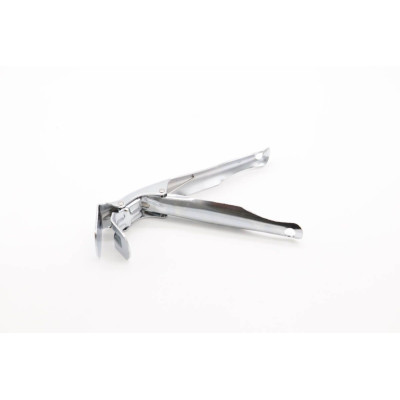
- Spit changeover: Plan changeovers so that fresh meat is always available and holding times do not get too long. A kebab lift for doner spits makes handling heavy spits easier.
- Protection from environmental influences: Avoid direct draft and temperature fluctuations at the spit.
- Staff training: A trained team spots quality issues early and keeps operations running smoothly.
- Plan your workspace: With a free 3D kitchen planner, you can arrange walkways, grill station and refrigeration sensibly.
Conclusion
The holding time of a doner spit on the grill is usually 6 to 8 hours, depending on meat quality, grill temperature and hygiene conditions. The correct core temperature is crucial for flavor and food safety. Well-planned restocking keeps operations efficient and quality consistently high.
If you follow these points, you increase guest satisfaction and operate economically and sustainably. For questions about equipping your doner kitchen, personal advice from iGastroNomic is happy to help.
FAQ – Frequently Asked Questions
How long can a doner spit stay on the grill?
As a typical guideline, a holding time of around 6 to 8 hours on the grill applies, provided temperature and hygiene are right. Afterwards, the spit should be used up or replaced. Meat quality, constant grill heat and clean workflows are decisive. Binding requirements come from your HACCP concept and the guidance of the food safety authority.
What core temperature must a doner spit reach?
Guideline values are at least 74 °C for chicken, 70 °C for lamb and 63 °C for beef. Ideally, measure with a digital probe thermometer at several points. Check the temperature before serving and document the measurements as part of your own-checks concept.
How do I plan restocking of doner spits?
Determine daily sales and peak times, store prepared spits refrigerated and place them on the grill as needed. Work according to the FIFO principle, plan spit changeovers ahead of peak times and coordinate kitchen, service and purchasing. This helps you avoid bottlenecks and food waste.
How do I know when a doner spit should be replaced?
Warning signs include dry, tough meat, a burnt or heavily hardened outer layer, an unpleasant smell or taste, and a holding time beyond the guideline of 6 to 8 hours. Strongly fluctuating grill temperatures are also a reason to change the spit. When in doubt, replace it early rather than risk quality and safety.