Deutsch
 Türkçe
 Italiano
 Nederlands
 Français
 Español
 Polski
 Čeština
 Svenska
 Português PT
 Русский
 اللغة العربية
 中文
 日本語
 Tiếng Việt
 ภาษาไทย
 Română
 ελληνικά
 Magyar
 Dansk
 Suomi
 Hrvatski
 български език
 Eesti keel
 Latviešu valoda
 Slovenčina
 Slovenščina
 Bosanski
 עברית
 हिन्दी
 Bahasa melayu
 Kiswahili
 Bahasa Indonesia
 Papiamento
 Bokmål
 Lietuvių kalba
 Українська
 српски
 Shqip


 ›
 ›
 ›
 ›
 ›
 ›
 ›
 ›
 ›
 ›
 ›
 ›
 ›
 ›
 ›
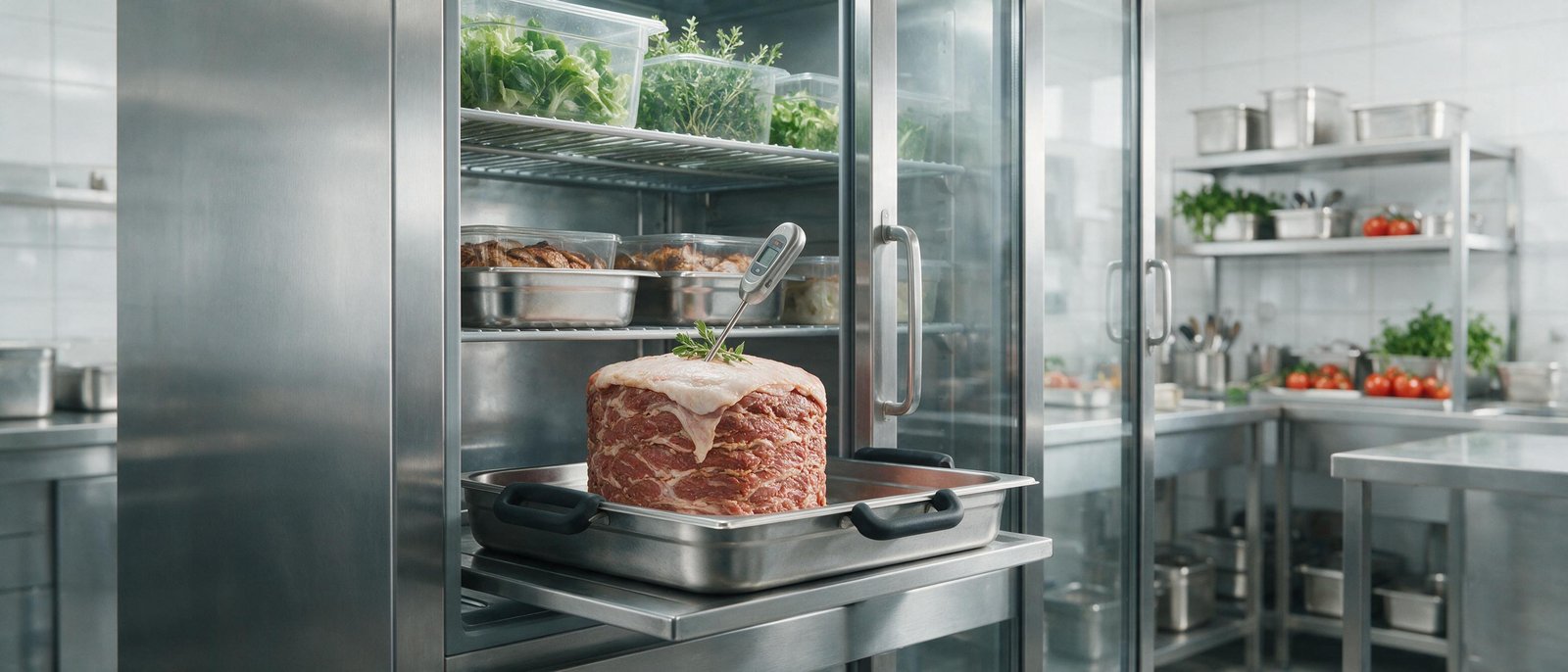
In short: Storing döner meat correctly means: fresh at no more than +4 °C, frozen at -18 °C or colder, kept separate from ready-to-eat food and fully documented under HACCP. The basis is European food hygiene law, the German Food Hygiene Ordinance (LMHV, Lebensmittelhygieneverordnung) and your operation's HACCP concept. Fresh meat is usually processed within 2 to 3 days; the manufacturer's instructions and the requirements of your local food inspection authority always take priority.
Why is correct storage of döner meat so important?
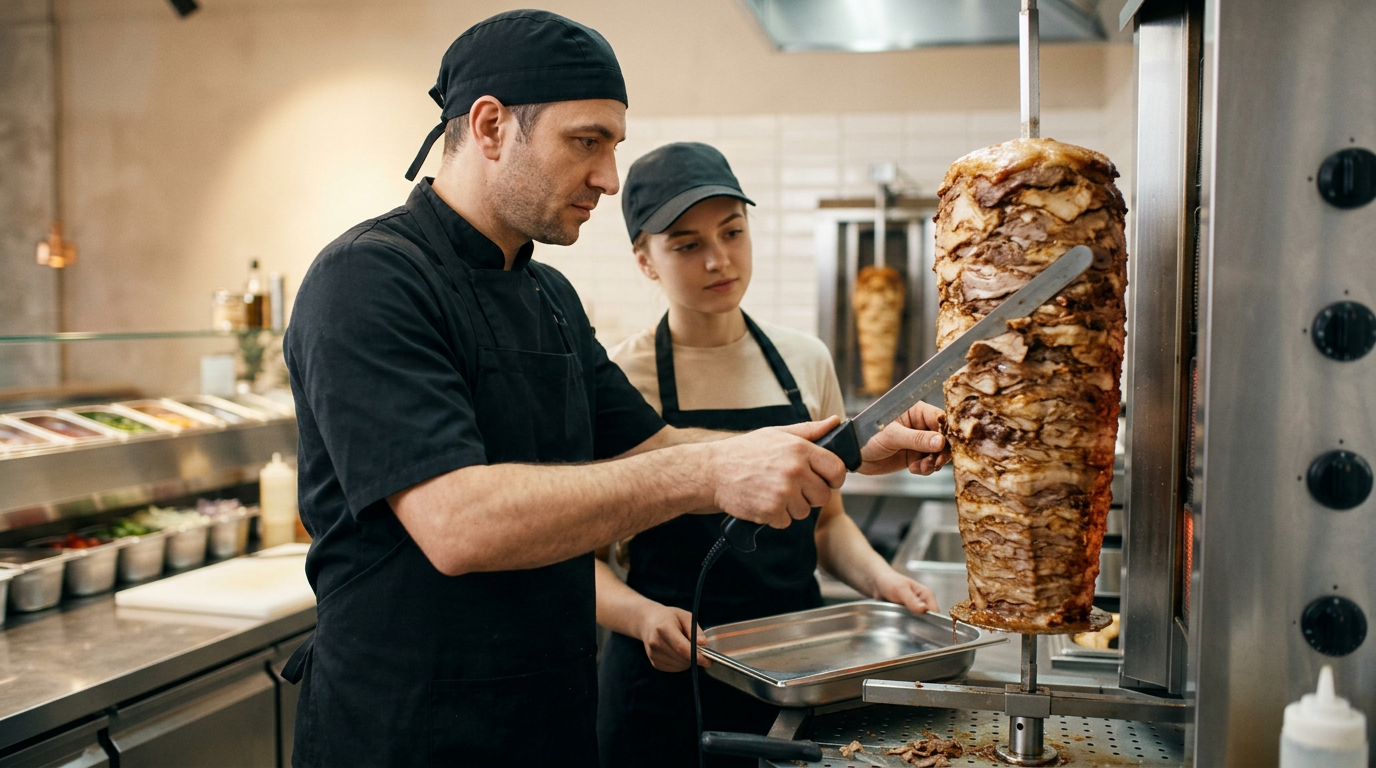
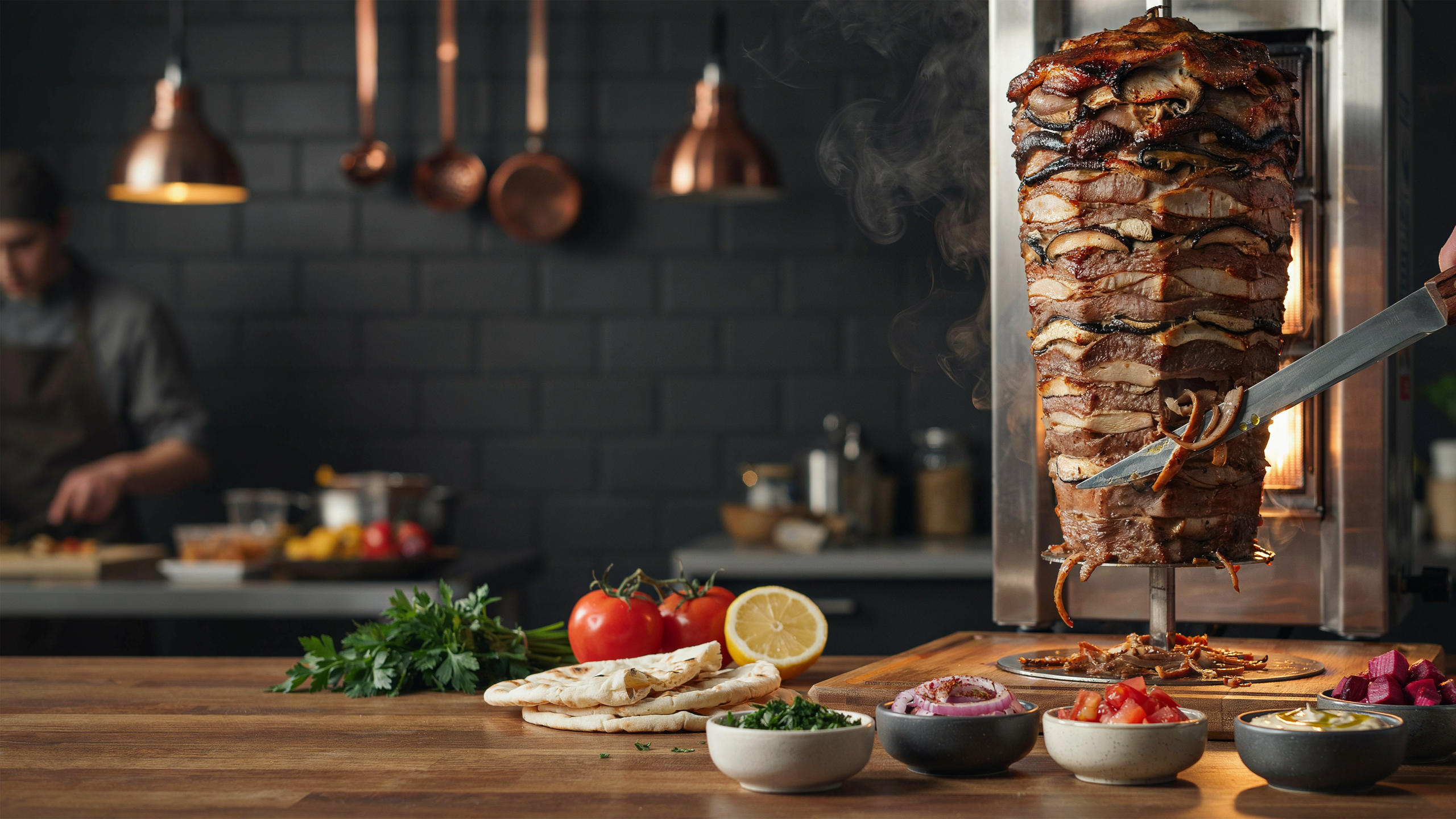
The döner kebab is one of the most popular fast food dishes in Germany. Döner meat usually consists of marinated poultry, beef or lamb cooked on a vertical rotisserie. As a perishable food, it requires strict hygiene and storage standards.
If stored incorrectly, pathogens such as Salmonella, Listeria or, in poultry, Campylobacter can multiply and cause foodborne illness. Improper storage also affects taste and quality.
Risks of improper storage
- Growth of harmful microorganisms
- Formation of toxins
- Sensory changes such as off-odours and off-flavours
- Shorter shelf life and spoilage
Food hygiene basics and HACCP
The German Food Hygiene Ordinance (LMHV) supplements European hygiene law and governs the requirements for the production, handling and placing on the market of food. Food business operators must also establish a self-monitoring system based on the principles of the HACCP concept (Hazard Analysis and Critical Control Points).
What is HACCP?
HACCP is a preventive system that identifies, assesses and controls hazards in food processing. It is based on seven principles:
- Hazard analysis
- Identification of critical control points (CCPs)
- Setting of critical limits
- Monitoring of CCPs
- Corrective actions in the event of deviations
- Verification of effectiveness
- Documentation and records
For döner meat, this means that delivery, storage and preparation are monitored and documented so that risks are detected early.
Regulations and guideline values for storing döner meat
The hygiene requirements apply to all businesses that store, process or sell döner meat. The exact temperatures depend on the type of product, such as poultry, minced meat content or a frozen spit. The following overview lists typical guideline values used in practice.
Temperature requirements at a glance
| Condition | Typical guideline value | Note |
|---|---|---|
| Fresh döner meat | max. +4 °C | Stricter requirements may apply if minced meat is included; follow the manufacturer's instructions |
| Frozen döner meat | -18 °C or colder | For safe long-term storage |
| Thawed döner meat | below +4 °C | Process promptly; as a rule, do not refreeze |
| Storage duration (fresh) | 2 to 3 days | Use-by or best-before date takes precedence |
Hygiene requirements
- Storage areas are clean, dry and well ventilated.
- Packaging is intact and food-safe to prevent contamination.
- Staff are trained in hygiene and wear suitable protective clothing.
Separation from other foods
Raw döner meat must be stored separately from ready-to-eat foods to prevent cross-contamination. Separate cold rooms are ideal. Alternatively, clearly marked separate areas are sufficient, with raw meat stored on the lowest shelves.
Further sources of information
Current information on food safety and HACCP is available from, among others, the Federal Office of Consumer Protection and Food Safety (BVL, Bundesamt für Verbraucherschutz und Lebensmittelsicherheit), the Federal Institute for Risk Assessment (BfR, Bundesinstitut für Risikobewertung) and the German Food Association (Lebensmittelverband Deutschland). Binding advice for your business is provided by your local food inspection authority.
Storing döner meat under HACCP: step by step
Delivery and incoming goods inspection
When goods arrive, check the temperature of the döner meat and the delivery documents. Only accept products that meet the required temperatures and look fresh. Record the readings in your incoming goods log.
Storage in the cold room
Check the temperature in the cold room regularly. Modern refrigeration units often feature temperature recording, which simplifies documentation. Do not overload shelves, so that cold air can circulate.
Packaging, protection and labelling
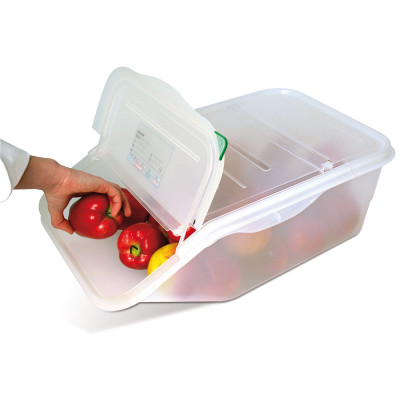
Pack döner meat airtight or cover it with cling film to prevent drying out and contamination. Label each batch with the delivery and use-by dates to ensure traceability. Closed storage containers and transport boxes make it easier to keep items cleanly separated.
Observe storage duration
Fresh döner meat should not be kept refrigerated for longer than 2 to 3 days. For longer periods, freezing is the better option, provided the manufacturer permits it.
Thawing and further processing
Thaw döner meat in the refrigerator at below +4 °C to limit bacterial growth. Process the meat promptly after thawing. Thawed meat generally should not be refrozen.
Cleaning and disinfection
Clean and disinfect storage areas and refrigeration units regularly. Use products suitable for food areas and observe the contact times. Record cleaning intervals in a schedule.
Common mistakes in storing döner meat
Temperature fluctuations
Exceeding storage temperatures is one of the most common causes of spoilage. Service refrigeration units regularly, avoid leaving doors open for long periods and check the temperature every day.
Cross-contamination
Raw meat stored next to ready-to-eat foods can lead to dangerous contamination. Consistently separate and label areas. Colour-coded HACCP cutting board sets help keep raw and ready-to-eat products apart during daily work.
Insufficient documentation
Under HACCP, documenting all relevant steps is part of self-monitoring. Missing or incomplete records can lead to complaints during food inspections.
Suitable equipment for storage and preparation
The right equipment makes it easier to keep temperatures stable and to separate processes cleanly. Typical components include:
- Cold room or cold cell with appropriately sized refrigeration units for cold rooms
- Freezer capacity for spits at -18 °C or colder
- Storage containers and colour-coded cutting boards to separate raw and ready-to-eat products
- Temperature loggers or measuring devices for documentation
- A high-performance grill from the gyros and döner grills range for preparation
If you are reorganising your storage, refrigeration and grill station, the free 3D kitchen planner can help you plan short, hygienic work routes.
Conclusion
Correct storage of döner meat is a central element of food safety. If you consistently monitor temperatures, avoid cross-contamination and document every step, you keep döner meat fresh, tasty and safe. The manufacturer's instructions and the requirements of the responsible authority always apply.
For questions about refrigeration and storage equipment, iGastroNomic offers free advice at +49 (0) 6135 7040 450. For guests, the rule is simple: when buying a döner, look for freshness, proper refrigeration and a clean environment.
FAQ – Frequently Asked Questions
At what temperature must döner meat be stored?
In foodservice, fresh döner meat is usually stored at no more than +4 °C, and frozen spits at -18 °C or colder. Products containing minced meat may be subject to stricter requirements. The information on the label and the requirements of your local food inspection authority always apply. Check the temperature daily and document it.
How long does fresh döner meat keep in the refrigerator?
As a guideline, 2 to 3 days at no more than +4 °C apply, unless the manufacturer's use-by or best-before date states otherwise. A use-by date must not be exceeded. If the meat cannot be processed in time, freezing is usually the better choice, provided the manufacturer permits it. Label each batch with the date.
May thawed döner meat be refrozen?
Thawed döner meat should generally not be refrozen, because microorganisms can multiply during thawing and quality suffers. Thaw spits in the refrigerator at below +4 °C and process them promptly. It is best to plan thawed quantities according to actual demand and to follow the manufacturer's instructions.
How do I document the storage of döner meat under HACCP?
Document incoming goods temperatures, daily refrigerator and freezer temperatures, cleaning and disinfection measures, delivery and batch data, and corrective actions in the event of deviations. Records can be kept on paper or digitally, for example via temperature loggers. They show during inspections that your self-monitoring system is working. Clarify the exact requirements with your local food inspection authority.
How do I prevent cross-contamination with döner meat?
Always store raw döner meat separately from ready-to-eat foods, ideally on the lowest shelf or in a dedicated cold area, so that nothing can drip onto other products. Use closed, labelled containers as well as separate knives and cutting boards, and wash your hands between work steps. Colour-coded cutting boards make separation easier in daily operations.