Deutsch
 Türkçe
 Italiano
 Nederlands
 Français
 Español
 Polski
 Čeština
 Svenska
 Português PT
 Русский
 اللغة العربية
 中文
 日本語
 Tiếng Việt
 ภาษาไทย
 Română
 ελληνικά
 Magyar
 Dansk
 Suomi
 Hrvatski
 български език
 Eesti keel
 Latviešu valoda
 Slovenčina
 Slovenščina
 Bosanski
 עברית
 हिन्दी
 Bahasa melayu
 Kiswahili
 Bahasa Indonesia
 Papiamento
 Bokmål
 Lietuvių kalba
 Українська
 српски
 Shqip


 ›
 ›
 ›
 ›
 ›
 ›
 ›
 ›
 ›
 ›
 ›
 ›
 ›
 ›
 ›
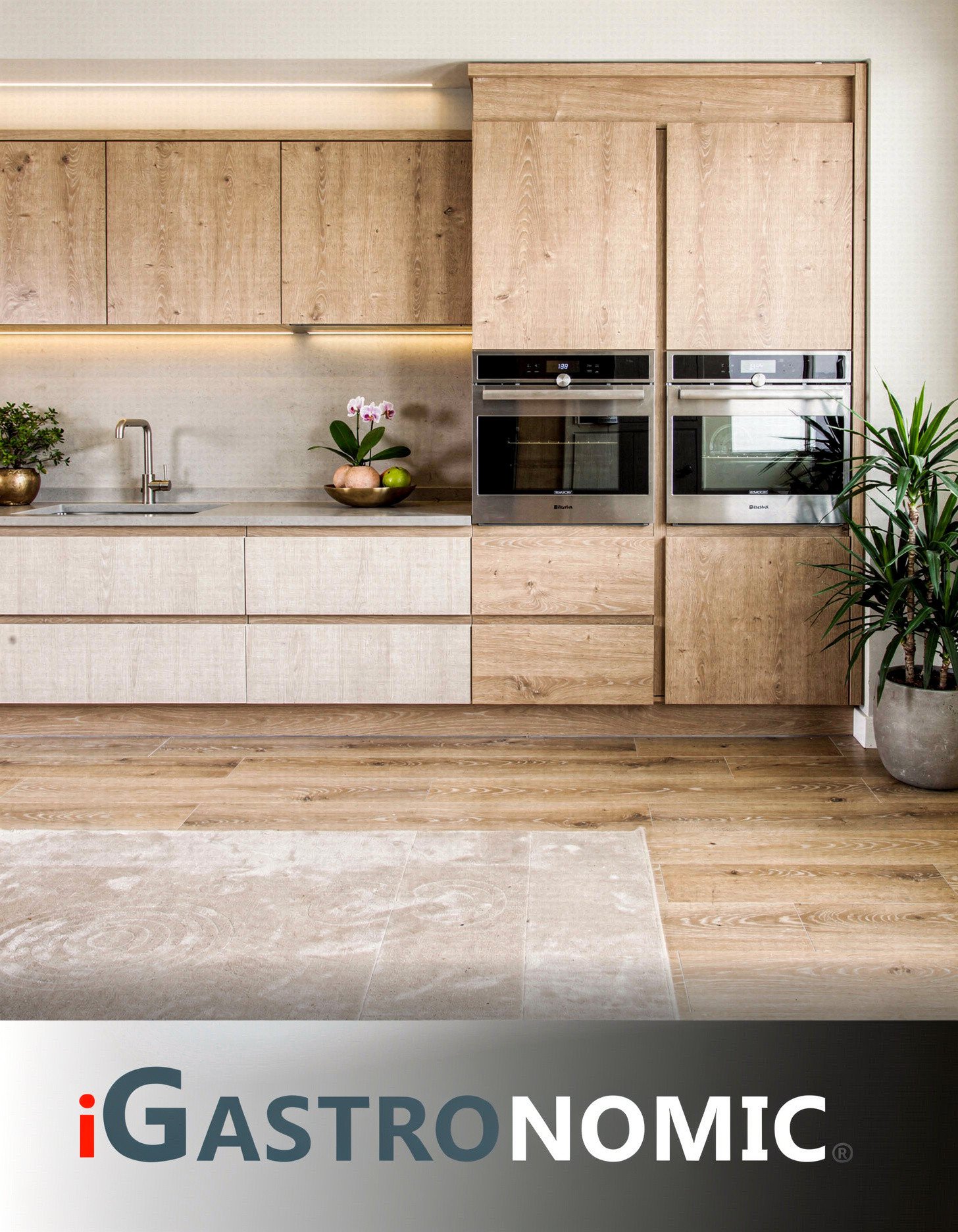
In short: An eco-friendly kitchen in foodservice mainly reduces energy, water and waste consumption – through suitable equipment, durable materials and clean workflows. The biggest impact usually comes from efficient cooking technology, demand-based operation and less food waste. This protects the environment and can also lower ongoing operating costs.
Why an eco-friendly kitchen?
Commercial kitchens consume resources every day: water, electricity or gas, and of course food. In a professional kitchen these quickly add up, because equipment often runs for many hours.
Those who plan consciously can reduce consumption and waste and contribute to environmental protection. Sustainability means more than organic ingredients: materials, equipment, processes and waste prevention are part of it too. In the long run, this can lower operating costs and improve the guest perception of your business.
Sustainable materials for kitchen fittings
The choice of materials for furniture, worktops and fittings has a significant impact on the environmental footprint. The following options are considered sustainable:
- Wood from sustainable forestry: Furniture and worktops made from FSC- or PEFC-certified wood come from responsibly managed forests. Wood is durable, recyclable and biodegradable.
- Recycled materials: Worktops made from recycled glass or metal are an alternative to conventional materials. They reduce the consumption of raw materials.
- Bamboo: Bamboo grows very quickly and requires little water. It is therefore a sustainable material for utensils and furniture.
- Natural stone from regional sources: If natural stone is used, it should ideally come from the region in order to minimize transport distances.
Materials at a glance
| Material | Sustainability benefit | What to consider |
|---|---|---|
| Certified wood (FSC/PEFC) | Responsible forestry, recyclable, biodegradable | Observe hygiene requirements and maintenance effort in professional kitchens |
| Recycled glass or metal | Lower raw material consumption | Check load capacity and cleanability under continuous operation |
| Bamboo | Fast-growing renewable resource, low water requirement | Suitable for utensils and furniture; consider processing and care |
| Regional natural stone | Short transport distances | Ask about origin; the surface must be easy to clean |
| Stainless steel | Very durable, easy to clean, recyclable | Look for solid workmanship and an appropriate grade |
Energy-efficient kitchen equipment
Energy-efficient equipment is a central building block of an eco-friendly kitchen. It consumes less electricity or gas and helps reduce CO2 emissions.
Reading energy labels correctly
For household appliances in the EU, the newly scaled energy efficiency classes from A to G have applied since 2021. Earlier classes such as A+++ no longer exist there. Commercial equipment often has no such label. In that case, compare the consumption data in kW or kWh and calculate with your actual operating hours, for example with the energy cost calculator for commercial equipment.
Cooking technology
- Induction hobs: They are generally more efficient than conventional electric or gas ranges, because the heat is generated directly in the base of the pot and less energy is lost.
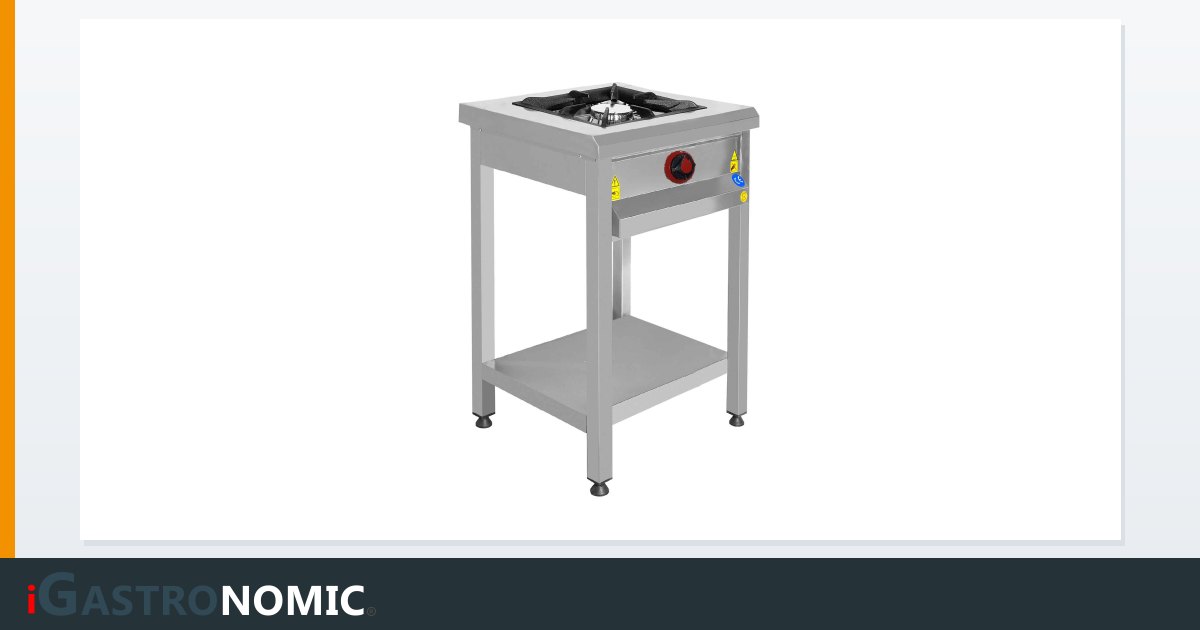
- Gas appliances: They remain popular for direct flame control and quick regulation. Choose the burner size to match the pot and cook with lids on. A high-pressure gas range with one burner is suitable, for example, for large pots and kettles with high power requirements.
Refrigeration and small appliances
- Refrigerators and freezers: Look for good insulation and intelligent temperature control that minimizes power consumption.
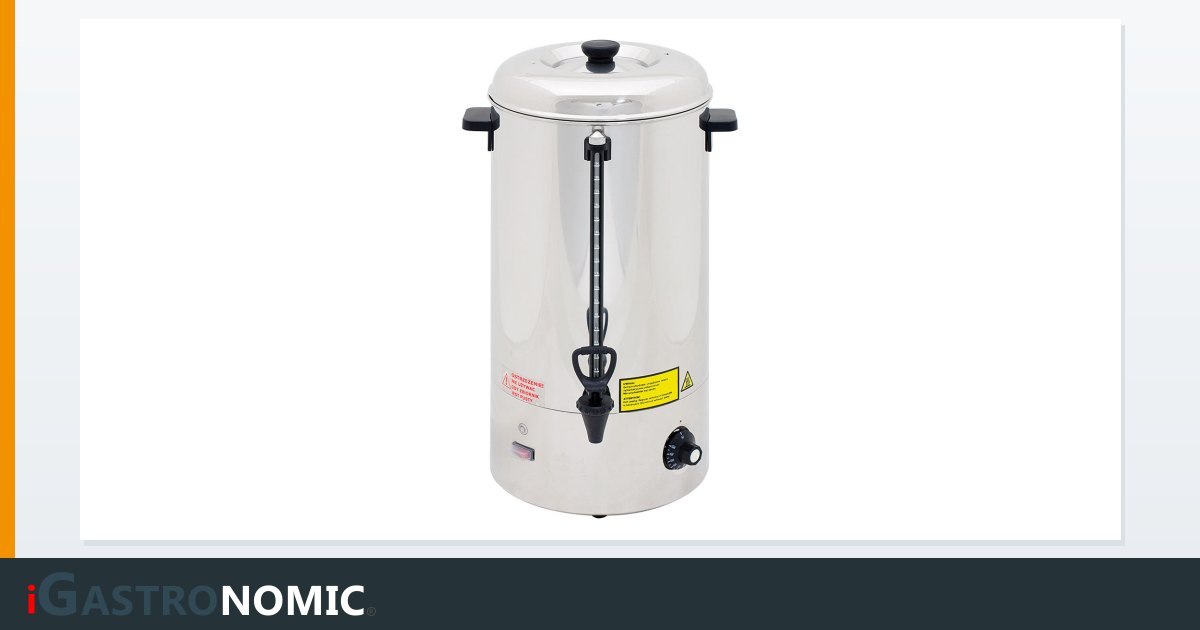
- Water boilers and coffee machines: Small appliances should also be energy-efficient and only run when needed.
Saving water in the kitchen
Water is a precious resource that is often wasted in kitchens. Simple measures can significantly reduce consumption:
- Taps with flow restrictors: They reduce the amount of water without compromising comfort.
- Dishwasher instead of hand washing: Modern machines often use less water than washing by hand, provided they are fully loaded.
- Washing vegetables in a bowl or basin: Instead of letting the tap run, clean food in a filled container. In a home or staff kitchen, the water can then be used to water plants.
In foodservice, hygiene and HACCP requirements always take priority. If in doubt, check any changes to washing and dishwashing processes with the responsible authority.
Waste prevention and recycling
Waste prevention is an important part of sustainability in the kitchen. The following measures help:
- Avoid single-use products: Instead of plastic wrap or aluminium foil, reusable beeswax wraps, silicone lids or containers with lids can be used.
- Composting or separate collection of organic waste: Vegetable and fruit peelings can become valuable humus. In foodservice, municipal regulations apply to organic waste disposal.
- Correct waste separation: Consistently separating paper, plastic, organic waste and residual waste makes recycling easier.
- Use reusable packaging: When purchasing, look for reusable bottles and containers. For takeaway packaging, Germany has rules on reusable offerings; check the current requirements for your business.
Sustainable cooking and storage practices
A lot can also be achieved in cooking and food storage:
- Buy regional and seasonal: Regional products have shorter transport routes and are often fresher.
- Prefer organic products: Organic farming avoids chemical-synthetic pesticides and promotes soil quality.
- Use leftovers creatively: Trimmings and leftovers can become stocks, soups or daily specials, for example. This avoids food waste.
- Use refrigerators and freezers correctly: Proper storage extends shelf life. Following the “First In, First Out” principle, goods that were stored first are used first.
Eco-friendly kitchen utensils
There are also sustainable alternatives for kitchen tools:
- Utensils made of wood or bamboo: Wooden spoons, cutting boards and spatulas replace plastic. In professional kitchens, hygiene requirements and cleaning should be taken into account.
- Stainless steel and glass: These materials are durable, easy to clean and recyclable. Suitable cooking equipment made of stainless steel is designed for continuous professional use.
- Reusable instead of disposable: Reusable sponges, cloths and containers reduce waste.
Lighting and ventilation in the sustainable kitchen
Light and air also affect the environmental footprint:
- LED lighting: LEDs consume significantly less electricity than conventional light sources and have a long service life.
- Natural ventilation: In a home, regularly airing through windows saves energy and ensures a healthy indoor climate. In professional kitchens, window ventilation does not replace an extraction system. Here, demand-based ventilation control helps.
For new builds or refurbishments, careful planning with short distances and correctly sized equipment is worthwhile. With the free 3D kitchen planner, you can visualize your kitchen in advance.
Conclusion
An eco-friendly kitchen is no magic trick. Sustainable materials, energy-efficient equipment, a conscious approach to water and food, and consistent waste prevention are the keys. Even small changes in daily routines and equipment can make a big difference.
Proceed step by step: first record your largest consumers, then optimize them in a targeted way. For choosing equipment, a personal consultation with iGastroNomic can help.
FAQ – Frequently Asked Questions
How can a commercial kitchen become more eco-friendly?
The three most effective levers are efficient cooking technology with demand-based operation, economical water use, and consistent waste prevention and separation. Regional, seasonal purchasing, durable stainless steel equipment and LED lighting also help. Start with an inventory of your largest consumers and implement measures step by step.
Which kitchen appliances save the most energy?
This depends on the kitchen concept. Induction usually works very efficiently because the heat is generated directly in the base of the pot. Gas remains popular for direct flame control but requires matching burner sizes and lids. Insulation, preheating times and capacity utilization are also decisive. Compare consumption data in kW and kWh and calculate with your actual operating hours.
How can water be saved in the kitchen?
Flow restrictors on fittings, fully loaded dishwashers and filled basins instead of a running tap when washing are the simplest measures. It is also worthwhile to repair dripping taps and train your team. Hygiene and HACCP requirements always take priority.
How can food waste be avoided in foodservice?
Plan purchasing and portion sizes based on real sales figures, store goods according to the First In, First Out principle, and cool food correctly. Use leftovers and trimmings creatively, for example for stocks, soups or daily specials, and record waste to identify weak points. Collect organic waste separately, in line with your municipality’s requirements.