Deutsch
 Türkçe
 Italiano
 Nederlands
 Français
 Español
 Polski
 Čeština
 Svenska
 Português PT
 Русский
 اللغة العربية
 中文
 日本語
 Tiếng Việt
 ภาษาไทย
 Română
 ελληνικά
 Magyar
 Dansk
 Suomi
 Hrvatski
 български език
 Eesti keel
 Latviešu valoda
 Slovenčina
 Slovenščina
 Bosanski
 עברית
 हिन्दी
 Bahasa melayu
 Kiswahili
 Bahasa Indonesia
 Papiamento
 Bokmål
 Lietuvių kalba
 Українська
 српски
 Shqip


 ›
 ›
 ›
 ›
 ›
 ›
 ›
 ›
 ›
 ›
 ›
 ›
 ›
 ›
 ›
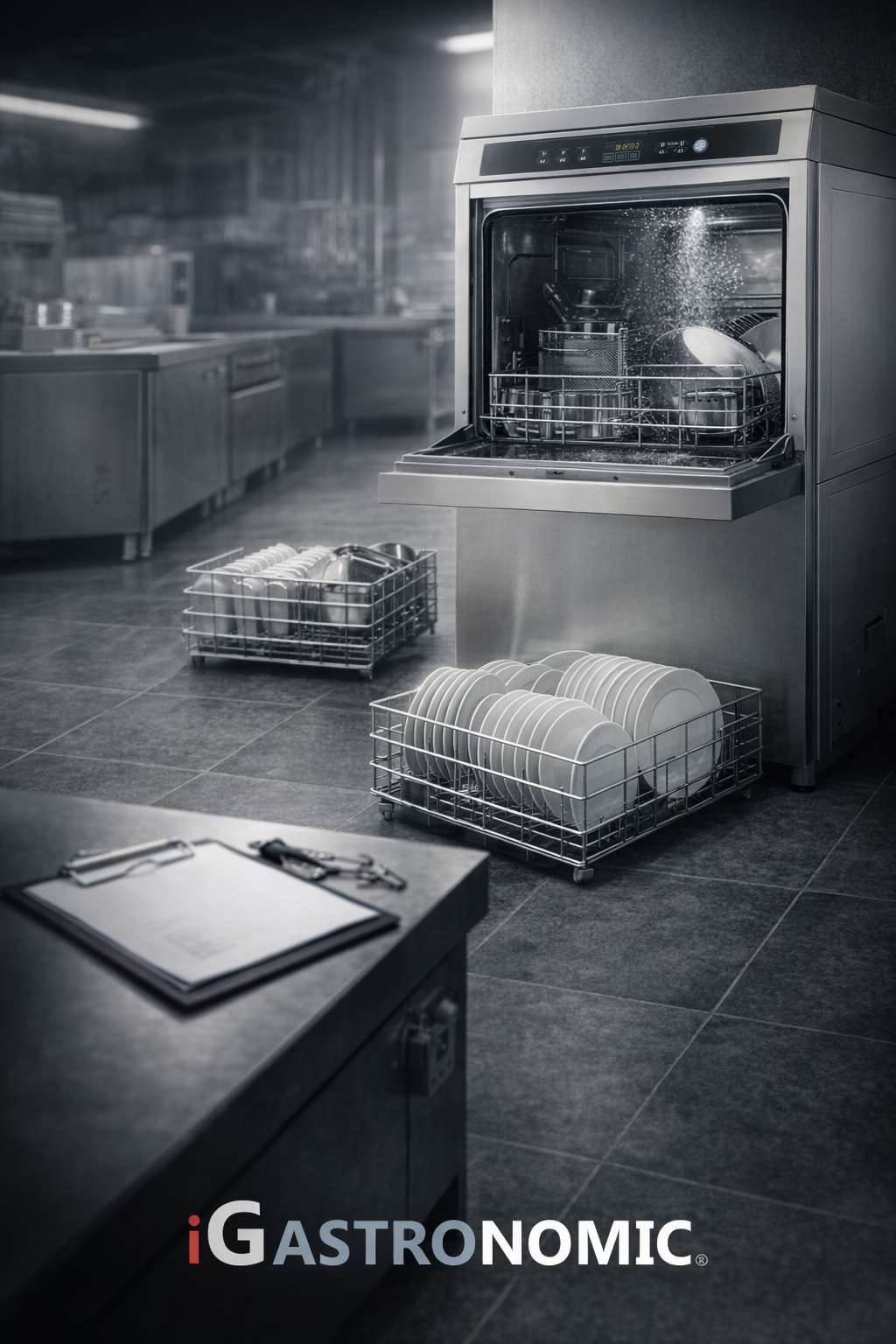
In short: When you buy a commercial dishwasher, the most important factors are the machine type, racks cleaned per hour, energy and water consumption, hygiene performance and the available connections. Small businesses and bars usually manage with an undercounter dishwasher, restaurants and hotels tend to choose hood-type or pass-through dishwashers, and large commercial kitchens rely on conveyor dishwashers. Also check service, spare parts availability and accessories, because downtime quickly becomes expensive in everyday foodservice operations.
Why a commercial dishwasher?
A commercial dishwasher is indispensable in restaurants, cafés, hotels, canteens and bars. It cleans dishes, cutlery and glasses quickly, hygienically and consistently. The range of models is wide, the requirements vary and the investment is often considerable. That is why careful planning pays off.
Unlike household appliances, commercial models are built for continuous use and heavy loads. They run in short cycles, are more robust and support the hygiene requirements that apply in the food service and food industry. A correctly chosen machine saves time, water and energy and keeps operations running smoothly.
What types of commercial dishwashers are there?
Depending on the application and the space available, several types are suitable:
- Undercounter dishwashers: Compact units that fit under the worktop. Ideal for small businesses, cafés or bars with limited space.
- Hood-type dishwashers: Larger machines with a lifting hood. They offer more capacity and are standard in many restaurants.
- Pass-through dishwashers: Suitable for high washing volumes. Racks are pushed through the machine, which automates the process and makes it more ergonomic.
- Conveyor dishwashers: For large kitchens with extreme demands. The dishes are transported through the machine on a conveyor belt.
The choice depends on the volume of dishes, the available space and the budget.
Comparison of machine types
The following table shows rough guideline values. Actual performance depends on the model, programme and load, and is listed in the technical data sheet of each unit.
| Type | Typical output (guide value) | Suitable for | Space required |
|---|---|---|---|
| Undercounter dishwasher | approx. 20–40 racks per hour | Café, bar, small restaurant | small |
| Hood-type dishwasher | approx. 40–80 racks per hour | Restaurant, hotel, catering | medium |
| Pass-through dishwasher | high output with rack throughput | Restaurants and hotels with high washing volumes | medium to large |
| Conveyor dishwasher | very high continuous output | Large kitchen, canteen, hospital | large |
For a starting point, our undercounter dishwashers are a good choice. For higher washing volumes, a digitally controlled pass-through dishwasher is a suitable option.
Assessing capacity and cleaning output correctly
Capacity is usually stated in racks per hour. Consider how many dishes accumulate during peak times, not just the daily average. A small café needs far less capacity than a hotel serving several hundred guests.
The programme duration is also important. Commercial dishwashers often work in cycles of about 1 to 3 minutes. The shorter the cycle, the sooner clean dishes are available again. Cleaning quality must not suffer as a result.
Also plan enough crockery and racks so that a full set is always ready while others are being washed. This prevents bottlenecks during peak periods.
Energy and water consumption
Because commercial dishwashers are often in continuous use, their energy and water consumption has a direct impact on your operating costs. Modern units offer features such as heat recovery, eco programmes or standby power reduction.
Compare the consumption figures in the data sheet, i.e. water consumption per wash cycle and connected load in kW. Water consumption per cycle in particular is a good indicator of efficiency. With our energy cost calculator for foodservice equipment, you can estimate the running costs for your business.
Hygiene and cleaning results
Strict hygiene requirements apply in foodservice. The dishwasher must remove soiling reliably and reduce microorganisms effectively. Pay attention to the following features:
- High wash temperatures: Typical values are about 55–65 °C in the wash cycle and around 80–85 °C during the final rinse. Many units reach at least 60 °C in the main wash cycle.
- Thermal disinfection: Some units offer special programmes or reach these temperatures in the final rinse cycle.
- Filter and cleaning systems: Automatic filter cleaning, tank drainage and descaling programmes make maintenance easier.
- Good drying: Hot final rinse water and suitable rinse aid ensure that dishes dry quickly and without residue.
The specific requirements for your business depend, among other things, on your HACCP concept. If in doubt, clarify the details with your local food safety authority. You will find suitable detergents and rinse aids in our dishwashing detergents for foodservice.
Ease of use and controls
Intuitive operation makes everyday work easier, especially with changing staff. Modern machines have digital displays, several programmes and, in some cases, diagnostic functions or remote maintenance.
Also look for easy cleaning and maintenance. Easily accessible filters, removable spray arms and components that are simple to reach save time and money.
Size and space requirements
The space available in your kitchen is the main factor in deciding which machine is suitable. Measure precisely and take into account water supply, power, drainage, extraction and the areas for soiled and clean dishes.
Undercounter dishwashers are compact but offer less capacity. Hood-type dishwashers and pass-through units need more room but are more powerful. Our free 3D kitchen planner can help with planning.
Connections and technical requirements
Check the technical requirements on site before you order:
- Water connection: Cold or hot water supply? If the water is hard, a water softener is advisable.
- Power supply: Which voltage (230 V or 400 V) and fuse rating is required?
- Drainage and extraction: Some units, especially hood-type dishwashers, release steam and need an extraction solution or heat recovery.
Professional installation is essential for the function and service life of the machine.
Accessories and extras
Depending on your needs, various accessories can be useful:
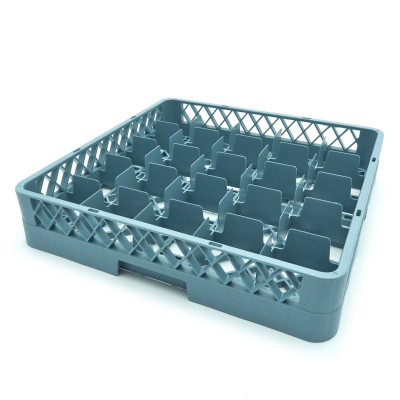
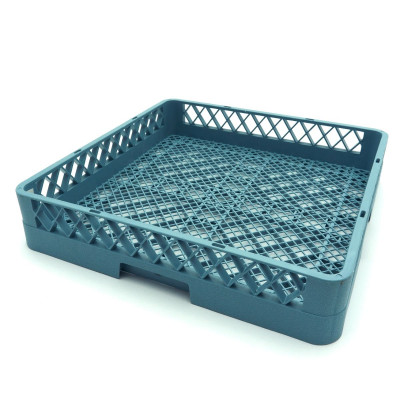
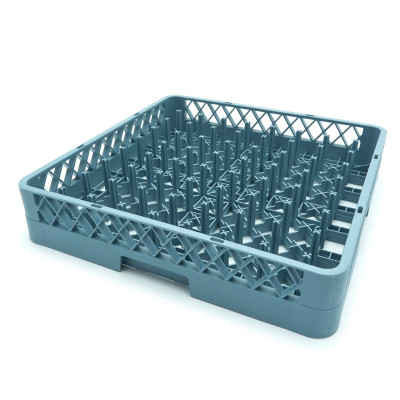
- Additional racks for different types of dishes, cutlery and glasses
- Dosing systems for detergents and rinse aids
- Heat recovery systems
- Automatic water softening
- Programmes for delicate glassware or heavily soiled cookware
For bars and cafés with many glasses, special undercounter glasswashers are a good option.
Price, warranty and service
A commercial dishwasher is an investment that should pay off in the long term. For this reason, do not compare offers on purchase price alone. Also consider consumption, warranty, customer service and spare parts availability.
Good service and fast repair options are especially important, as downtime is costly for a business. If you have questions about the right machine, the advisory team at iGastroNomic can be reached at +49 (0) 6135 7040 450.
Environmental aspects and sustainability
More and more businesses value sustainability. Look for machines that save water and energy and can be operated with environmentally friendly cleaning products. Certificates and eco labels can provide guidance, but they do not replace checking the consumption figures in the data sheet.
Further tips for daily operation
- Regular maintenance and descaling extend the service life of your dishwasher.
- Staff training ensures correct handling of the machine, racks and chemicals.
- High-quality detergents and correct dosing improve results and protect the equipment.
- Scraping off coarse food residues keeps filters clean and reduces water changes.
Conclusion
Buying a commercial dishwasher should be well planned. Consider your individual requirements, the size of your business, peak loads and the technical conditions on site. A correctly sized machine saves costs, time and stress in the long run.
Compare different models and seek advice. This is how you find the best solution for your business.
FAQ – Frequently Asked Questions
Which commercial dishwasher is suitable for a small café or bar?
For small cafés and bars, an undercounter dishwasher is usually the best choice. It needs little space, is easy to operate and handles a moderate washing volume. For large numbers of glasses, a dedicated glasswasher is worthwhile. Peak times are what matter most: if a lot of dishes accumulate at busy times, plan for greater capacity.
How many racks per hour does my business need?
Estimate how many dishes accumulate in your busiest hour and convert that into racks. Undercounter models typically deliver roughly 20–40 racks per hour, hood-type dishwashers about 40–80. Allow a buffer so that there are no backlogs during peak times. These are guide values; exact figures are listed in the data sheet.
What wash temperature is common in foodservice?
Typical values are about 55–65 °C in the wash cycle and around 80–85 °C during the final rinse. These temperatures support cleaning and quick drying. The specific requirements for your business depend on your hygiene concept. If in doubt, ask your local food safety authority.
What connections do I need to check before buying?
Check the water connection (cold or hot), water hardness, drainage, power supply (230 V or 400 V) including fuse rating, and extraction. Also measure the footprint together with the areas needed for loading and unloading racks. Clarifying connections in advance avoids delays during installation. We are happy to advise you personally on this.