Deutsch
 Türkçe
 Italiano
 Nederlands
 Français
 Español
 Polski
 Čeština
 Svenska
 Português PT
 Русский
 اللغة العربية
 中文
 日本語
 Tiếng Việt
 ภาษาไทย
 Română
 ελληνικά
 Magyar
 Dansk
 Suomi
 Hrvatski
 български език
 Eesti keel
 Latviešu valoda
 Slovenčina
 Slovenščina
 Bosanski
 עברית
 हिन्दी
 Bahasa melayu
 Kiswahili
 Bahasa Indonesia
 Papiamento
 Bokmål
 Lietuvių kalba
 Українська
 српски
 Shqip


 ›
 ›
 ›
 ›
 ›
 ›
 ›
 ›
 ›
 ›
 ›
 ›
 ›
 ›
 ›
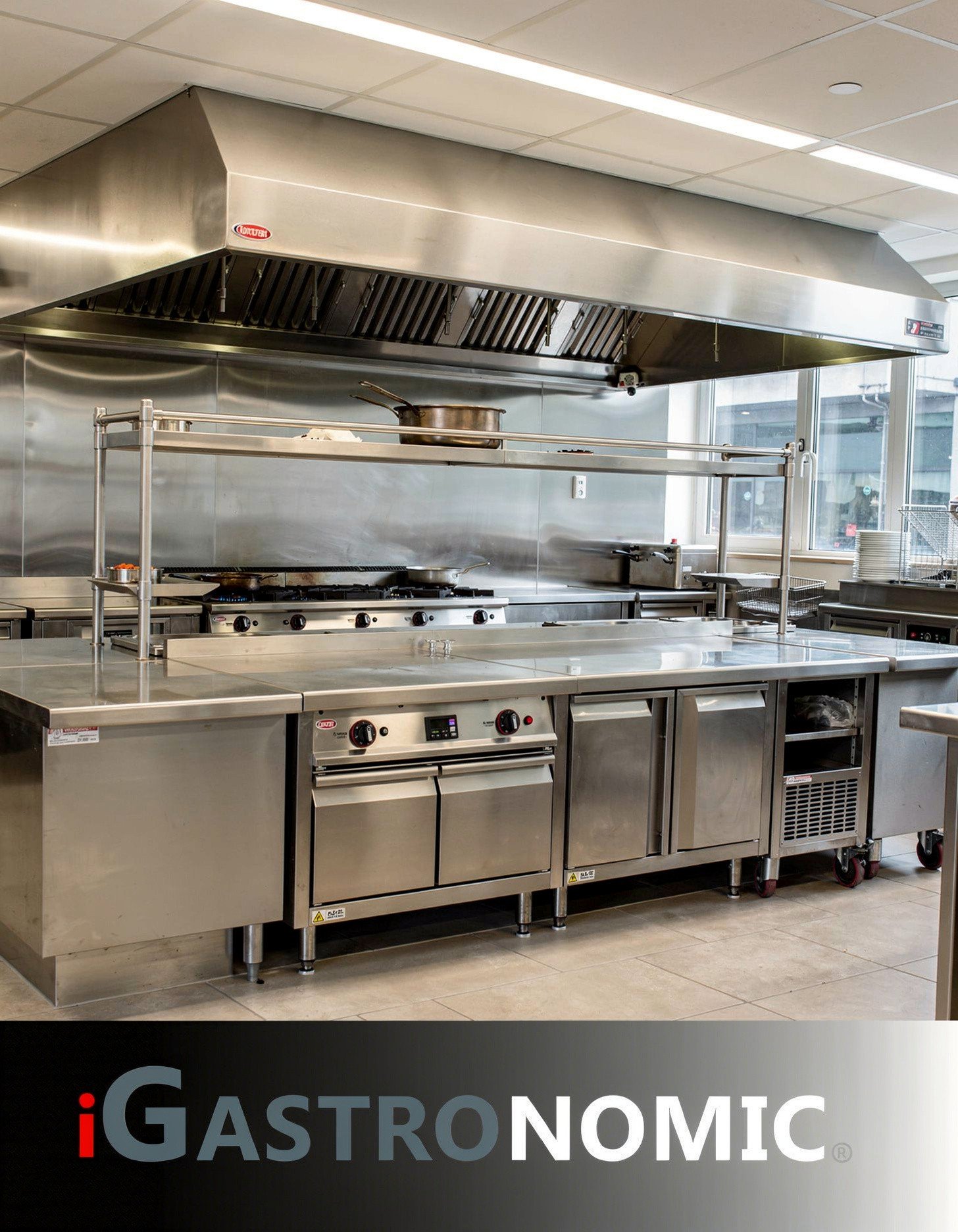
In short: Commercial kitchen equipment includes all appliances built for continuous use in restaurants, cafés, canteens or catering: cooking and heating appliances, refrigeration, dishwashers, preparation equipment, stainless steel worktops and ventilation. Which equipment you need depends on your concept, menu and number of guests. Key selection criteria are quality, energy efficiency, ease of use, the right size and service.
What is commercial kitchen equipment?
Commercial kitchen equipment refers to all appliances, machines and tools used in professional kitchens. They differ significantly from household appliances because they are designed for continuous operation, large quantities and heavy daily use.
Equipment typically includes:
- Commercial cooking appliances such as ranges, ovens and grills
- Refrigeration and freezing equipment
- Dishwashers and cleaning equipment
- Preparation equipment such as slicers, blenders and food processors
- Worktops and storage solutions
- Ventilation and extraction systems
The most important equipment in a commercial kitchen
The selection depends heavily on the foodservice concept. Nevertheless, there is a basic setup found in almost every professional kitchen.
Ranges and ovens
Ranges and ovens are the heart of every kitchen. They need to be robust, powerful and versatile. You can find an overview of suitable cooking equipment for foodservice in our range.
| Equipment type | Typical features | Suitable for |
|---|---|---|
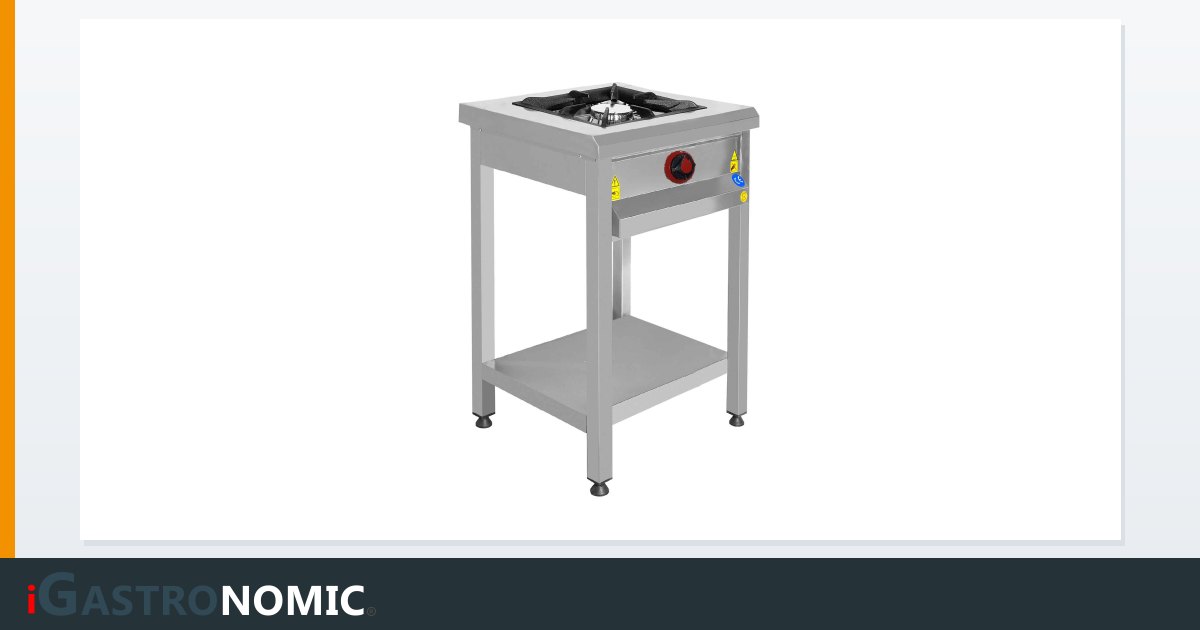
| Gas range | Fast, directly adjustable heat; requires gas connection | Searing, boiling, kitchens with gas supply |
| Electric range | Easy to operate and clean, even heat | Kitchens with sufficient power supply |
| Convection oven | Forced air for even cooking | Baking, roasting, larger quantities |
| Combi oven and steamer | Combines several cooking methods in one unit | Versatile kitchens with changing menus |
Refrigeration and freezing
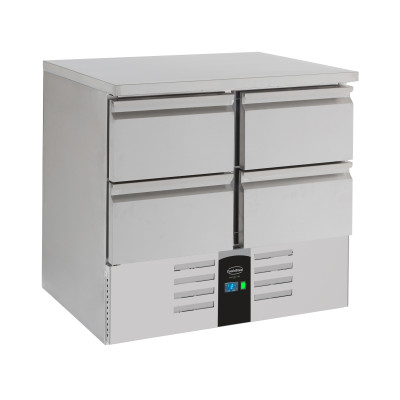
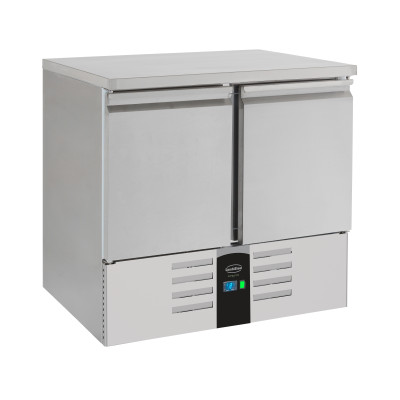
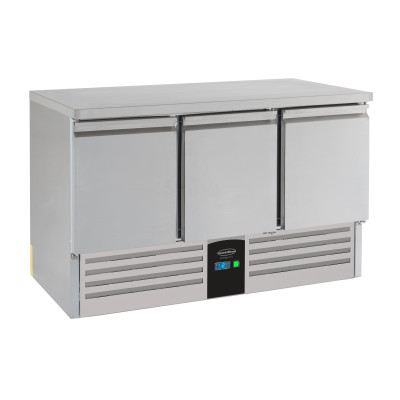
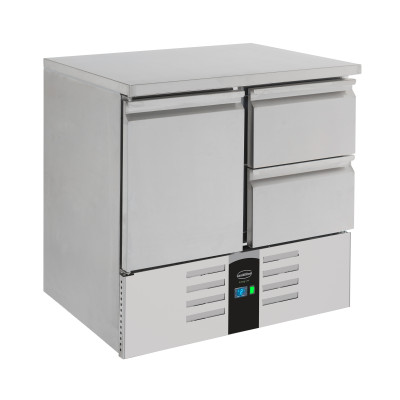
Freshness and hygiene are crucial in foodservice. Powerful refrigerators, refrigerated prep tables and freezers are therefore indispensable. Commercial units offer large capacities, precise temperature control and often energy-saving technology.
As a rule of thumb, refrigeration is usually kept at low single-digit positive temperatures, and freezing at around −18 °C. However, your hygiene concept and the requirements of the responsible authority are decisive.
Dishwashers
Fast and hygienic cleaning of tableware and cooking utensils is essential in every professional kitchen. Commercial dishwashers are designed for high throughput and save time and water. For businesses with high dish volumes, for example, a conveyor dishwasher for foodservice is a suitable option.
Preparation equipment
Slicers, blenders, food processors and other units make preparation considerably easier. They are often multifunctional and help optimise workflows.
Worktops and storage
Robust stainless steel worktops are hygienic and durable. Adequate storage space and shelving are equally important so that ingredients and equipment are kept in order.
Ventilation and extraction systems
Good air circulation removes vapours, odours and heat. Professional extractor hoods and ventilation systems ensure a comfortable working environment and help you comply with legal requirements.
What should you consider when choosing commercial kitchen equipment?
Investing in kitchen equipment is often expensive. Plan carefully and check the following criteria.
Quality and durability
Professional equipment must withstand daily demands. Look for high-quality materials such as stainless steel and clean workmanship.
Energy efficiency
Appliances with energy-saving functions reduce operating costs and are better for the environment. Check consumption figures and modern technologies. The energy cost calculator for foodservice equipment can help you estimate ongoing costs more accurately.
Ease of use and safety
Intuitive operation and safety features such as automatic shut-off or overheating protection help prevent accidents and make workflows easier.
Size and capacity
Equipment should match the size of the kitchen and the planned menu. Oversized units waste space, while undersized units cause bottlenecks.
Maintenance and service
Before buying, find out about maintenance intervals, spare parts availability and customer service. Good service extends the service life of your equipment.
The importance of hygiene and cleaning in a professional kitchen
Hygiene is non-negotiable in foodservice. Commercial kitchen equipment is therefore designed for easy cleaning. Stainless steel surfaces, removable parts and smooth surfaces prevent dirt and germs from accumulating.
Regular cleaning and maintenance are mandatory to ensure food safety and comply with regulations. Professional dishwashers and cleaning equipment support you in this. For the specific requirements that apply to your business, it is best to check with the responsible authority.
Innovations and trends in commercial kitchen equipment
The foodservice industry is constantly evolving. Modern equipment helps make processes more efficient and sustainable. Current trends include:
- Smart kitchens: Networked appliances that can be controlled and monitored via app.
- Sustainability: Equipment with low energy and water consumption and environmentally friendly materials.
- Multifunctionality: Combi units that combine several functions in one appliance.
- Automation: Robots and automated systems that support food preparation.
Where can you buy high-quality commercial kitchen equipment?
iGastroNomic is a partner for professional kitchen equipment. The company offers equipment and accessories for foodservice businesses of all sizes, manufactures its own equipment in Turkey and delivers worldwide, including complete containers on request. In addition, there is a low price guarantee.
Alongside the product range, consulting and planning play an important role. With the free 3D kitchen planner, you can visualise your kitchen in advance. If you have questions, our personal consultation is available, or you can call +49 (0) 6135 7040 450.
Conclusion
The right commercial kitchen equipment is a key foundation for the success of a foodservice business. High-quality, efficient equipment tailored to your needs makes daily work easier, supports the quality of your dishes and helps keep guests satisfied.
Plan your equipment carefully and pay attention to quality, energy efficiency, ease of use and service. Get advice before you buy so that your kitchen matches your concept and the current state of technology.
FAQ – Frequently Asked Questions
Which equipment is part of the basic setup of a commercial kitchen?
The basic setup includes cooking and heating appliances (range, oven or combi steamer), refrigeration and freezing units, a commercial dishwasher, preparation equipment such as a food processor and slicer, stainless steel worktables and shelving, and ventilation with an extractor hood. The exact equipment you need depends on your concept, menu and number of guests.
What distinguishes commercial equipment from household appliances?
Commercial equipment is built for continuous operation, high volumes and short cleaning cycles. It uses robust materials such as stainless steel, offers more power and larger capacities, and is usually easier to clean. Household appliances are generally not designed for commercial use; warranty and hygiene requirements may also play a role.
Gas or electric: what is better for a professional kitchen?
Gas offers fast, directly adjustable heat and is often preferred for searing and boiling. Electric appliances are easy to clean and deliver even heat, but require a sufficient power supply. The decisive factors are existing connections, kitchen ventilation, operating costs and your way of working. Advice before purchase helps you choose the right energy source.
How do I plan the equipment for my kitchen?
Start with your menu, number of guests and workflows, then consider the floor plan, connection ratings and space requirements. A 3D kitchen planner helps you check walking routes and equipment positions. iGastroNomic offers free consultation and kitchen planning, which can help avoid wrong purchases and operational bottlenecks and make cost calculations more realistic.
How often should commercial equipment be serviced?
This depends on the appliance, its use and the manufacturer's instructions. Daily cleaning and visual checks are standard, and regular descaling as well as checks of seals and filters are also needed. Many businesses additionally have refrigeration, gas and electrical equipment inspected by qualified technicians at fixed intervals, often once a year. Binding deadlines can be found in the operating instructions and the applicable regulations.