Deutsch
 Türkçe
 Italiano
 Nederlands
 Français
 Español
 Polski
 Čeština
 Svenska
 Português PT
 Русский
 اللغة العربية
 中文
 日本語
 Tiếng Việt
 ภาษาไทย
 Română
 ελληνικά
 Magyar
 Dansk
 Suomi
 Hrvatski
 български език
 Eesti keel
 Latviešu valoda
 Slovenčina
 Slovenščina
 Bosanski
 עברית
 हिन्दी
 Bahasa melayu
 Kiswahili
 Bahasa Indonesia
 Papiamento
 Bokmål
 Lietuvių kalba
 Українська
 српски
 Shqip


 ›
 ›
 ›
 ›
 ›
 ›
 ›
 ›
 ›
 ›
 ›
 ›
 ›
 ›
 ›
In short: Foodservice equipment includes all the appliances, tools and materials that a restaurant, café, snack bar or catering business needs in daily operation – from kitchen appliances and tableware to furniture and hygiene and packaging products. Quality, functionality, hygiene and energy efficiency are what matter most. Those who analyse their needs carefully in advance and seek advice avoid bad purchases.
What is meant by foodservice equipment?
The term foodservice equipment refers to all the fittings, appliances, tools and materials used in the hospitality industry. They are specifically designed for the demands of professional kitchens and dining areas. These include, among others:
- Kitchen appliances and machines
- Crockery and cutlery
- Glassware and bar accessories
- Workwear and hygiene materials
- Furniture and interior fittings
- Packaging materials for takeaway and delivery services
- Cleaning and care products
The right selection ensures smooth processes in the kitchen and service, safeguards the quality of the food and increases guest satisfaction.
The main categories of foodservice equipment
The following table provides a quick overview. Details on each category can be found below.
| Category | Typical products | What matters |
|---|---|---|
| Kitchen appliances | Cookers, ovens, refrigerators, dishwashers, blenders | Performance, reliability, energy efficiency, ease of use |
| Crockery, cutlery, glassware | Porcelain, stainless steel cutlery, wine and beer glasses, serving platters | Durability, appearance, fit with the concept |
| Hygiene and workwear | Chef jackets, aprons, gloves, disinfectants, dispensers | Cleanliness, protection of staff and guests |
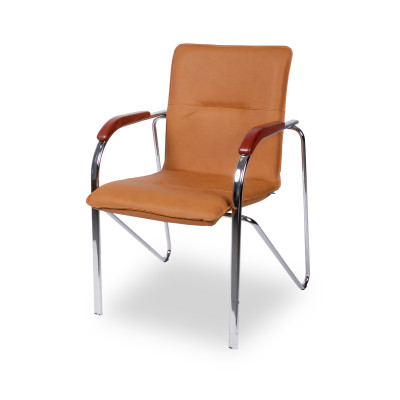
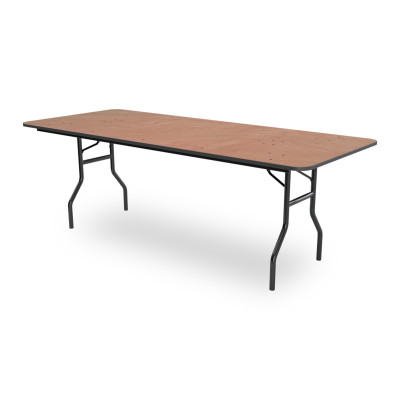
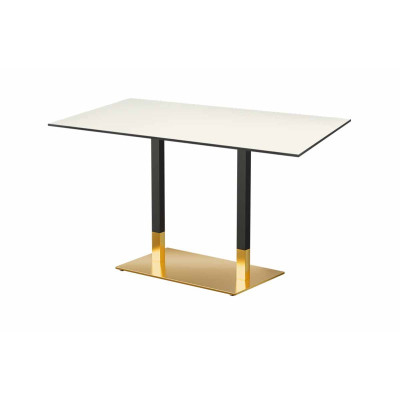
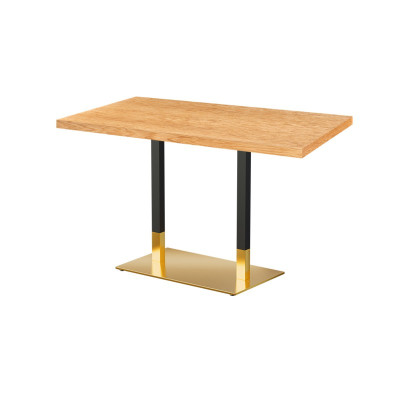
| Furniture and interior | Tables, chairs, bar stools, outdoor furniture, shelving | Stability, comfort, design, ease of cleaning |
| Packaging | To-go cups, boxes, carrier bags, napkins | Practicality, safety, sustainability |
Kitchen appliances and machines
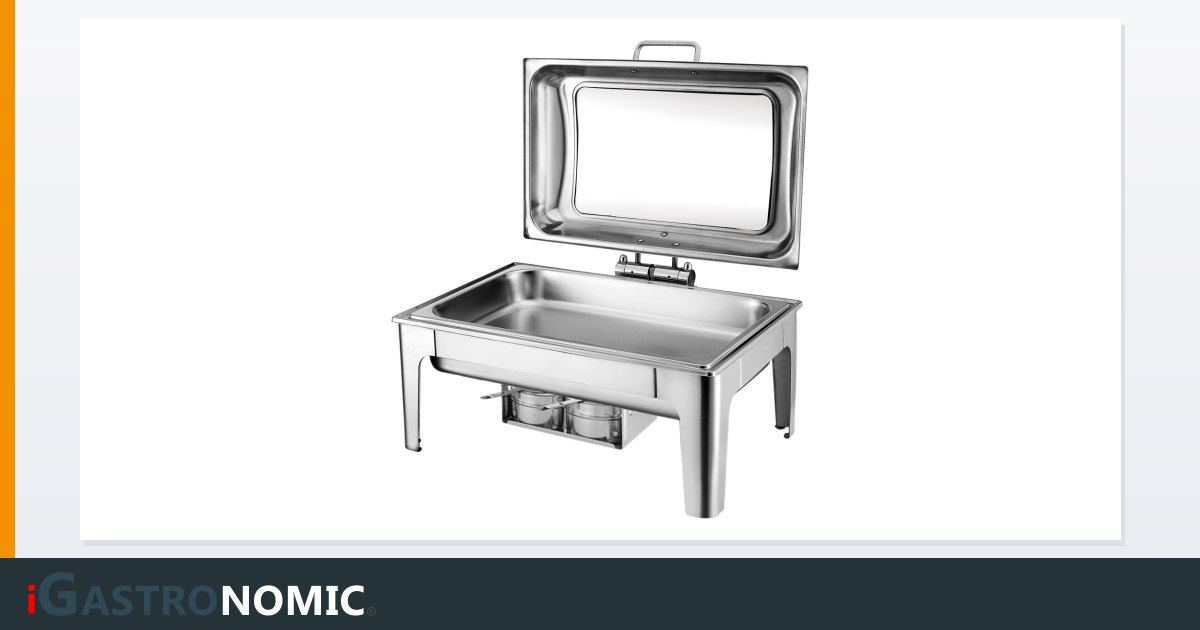
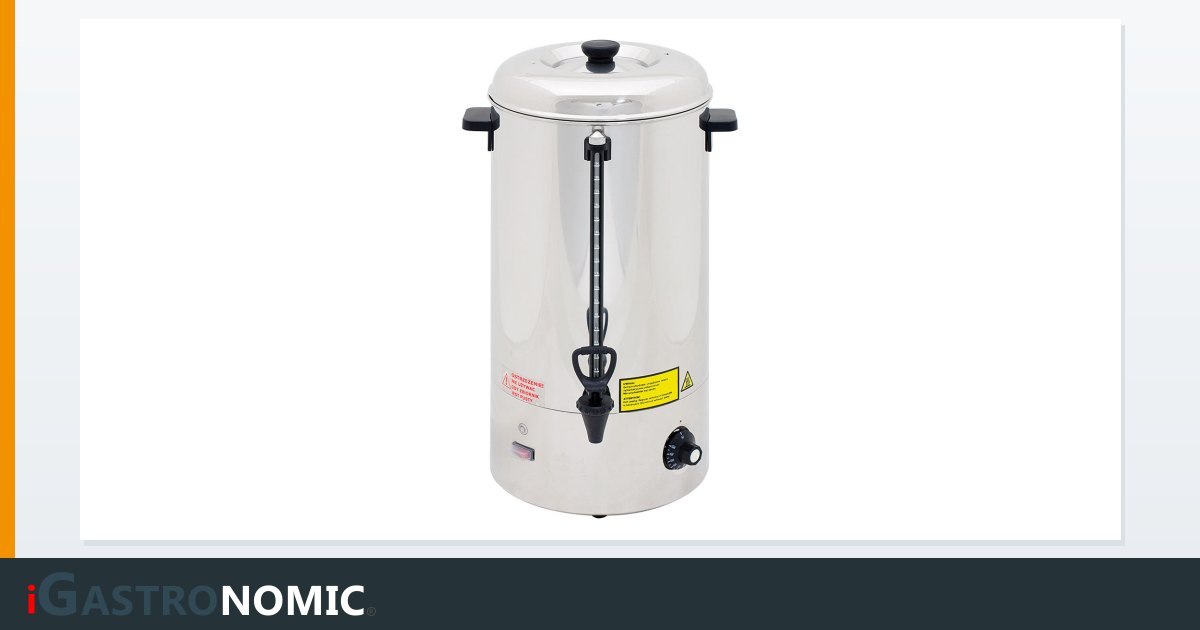
In professional catering, powerful and reliable kitchen appliances are indispensable. You will find a wide selection in the category kitchen equipment for the foodservice industry. Typical appliances include:
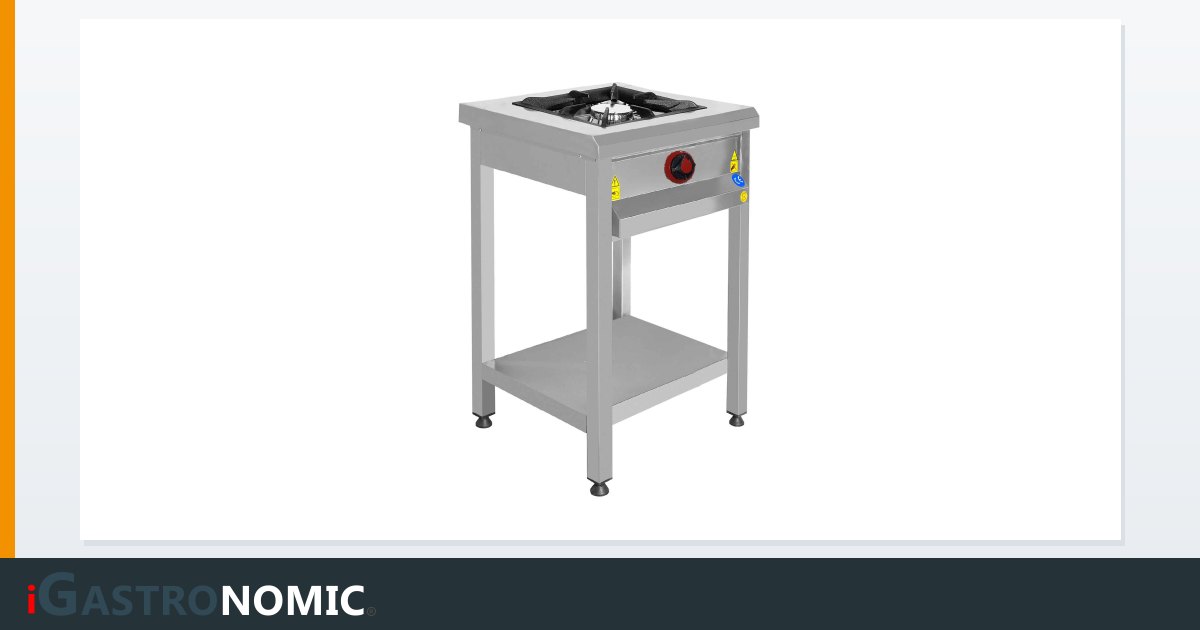
- Cookers, ovens and grills: for preparing a wide variety of dishes.
- Refrigerators and freezers: for storing fresh ingredients and finished dishes.
- Dishwashers: for fast and hygienic cleaning of crockery and cutlery.
- Blenders and food processors: for processing ingredients, for example mixers, cutters and meat grinders.
- Steamers and sous-vide appliances: for modern and gentle cooking methods.
When choosing, quality, energy efficiency and ease of use are the main factors. You can estimate how much electricity consumption affects running costs with the energy cost calculator for commercial appliances.
Crockery, cutlery and glassware
The right crockery and cutlery contribute significantly to the overall guest experience. This area includes:
- Durable and attractive porcelain
- High-quality stainless steel cutlery
- Various types of glassware, for example wine glasses, beer glasses and water glasses
- Serving platters and bowls
The selection should be matched to the concept of the business so that a coherent ambience is created. For everyday use, sturdy flat porcelain plates in a 12-piece set are a good choice, for example.
Workwear and hygiene materials
In the hospitality industry, hygiene is an absolute priority. Foodservice equipment therefore also includes:
- Professional clothing such as chef jackets, aprons, hairnets and gloves
- Cleaning agents and disinfectant products
- Hygiene dispensers and disposable gloves
- Waste bins and rubbish bags
These products ensure cleanliness and protect staff as well as guests.
Furniture and interior fittings
The interior shapes the ambience and affects guest comfort. Foodservice furniture here includes:
- Tables and chairs
- Bar stools and bar counters
- Outdoor furniture for terraces and beer gardens
- Shelving and storage systems
Robust materials and an appealing design are particularly important. For outdoor areas, weather-resistant and stackable models such as a weatherproof beer garden chair are practical, because they can be set up and cleared away quickly.
Packaging materials for takeaway and delivery services
With the trend towards takeaway and delivery services, demand for suitable packaging is growing. This includes:
- Environmentally friendly packaging made of paper or biodegradable materials
- To-go cups and lids
- Cutlery and napkins for on the go
- Carrier bags and boxes
These products must be practical, safe and sustainable.
What should you look for when buying foodservice equipment?
Buying foodservice equipment is an investment that deserves careful consideration. The following criteria will help with the decision:
Quality and durability
Professional equipment is subject to heavy daily use and must therefore be robust and long-lasting. High-quality materials and good workmanship pay off in the long run.
Functionality and ease of use
Appliances and tools should be easy to operate and suited to your workflows. An ergonomic design makes work easier and increases efficiency.
Hygiene requirements
All products must meet the applicable hygiene regulations. Materials that are easy to clean and offer no foothold for germs are especially important. The best way to clarify which specific requirements apply to your business is to check with the responsible authority.
Energy efficiency and sustainability
Modern foodservice appliances should operate energy-efficiently in order to reduce operating costs and protect the environment. Sustainable materials and packaging are also increasingly in demand.
Value for money
Low-priced offers are tempting, but quality should take priority. Value for money exists when a product justifies its price through durability and functionality.
Finding the right supplier for foodservice equipment
There are numerous manufacturers, wholesalers and specialist dealers on the market that focus on foodservice equipment. They differ in their range, advice and service. Many also offer complete solutions for entire businesses.
When comparing, pay attention to the following points:
- Range of products: kitchen equipment, tableware, furniture and consumables from one source save effort.
- Advice and planning: expert kitchen planning helps to size space and equipment appropriately.
- Warranty and customer service: spare parts and support are crucial during ongoing operation.
- Delivery: delivery times and shipping options should match your opening date.
iGastroNomic is a manufacturer and wholesaler of foodservice equipment with its own production, worldwide delivery and free advice. You can reach the team personally via the contact page for your consultation.
Trends in foodservice equipment
The hospitality industry is constantly evolving, and foodservice equipment is developing further as well. The following trends are emerging at present:
Digitalisation and smart appliances
Modern kitchen appliances are increasingly networked and offer digital controls. They make work easier and help to optimise processes.
Sustainability
Environmentally friendly materials, energy-saving appliances and sustainable packaging are gaining ever more importance.
Modular and flexible solutions
Flexible furniture and multifunctional appliances make it possible to adapt the business quickly to changing requirements.
Design and individuality
An appealing design that matches the concept of the business is becoming more important in order to delight guests.
Tips for buying foodservice equipment
When buying, you should consider the following points:
- Analyse your needs precisely: Determine which products you really need and in what quantities. For a new fit-out, the free 3D kitchen planner can help.
- Compare offers: Obtain several quotes and compare prices and performance.
- Make use of advice: Let experts advise you to avoid bad purchases.
- Focus on quality: Invest in high-quality products that last a long time.
- Consider sustainability: Look for environmentally friendly products and energy efficiency.
- Warranty and service: Check the warranty terms and the supplier's customer service.
Conclusion
Foodservice equipment is the backbone of every hospitality business. From kitchen fittings through crockery to furniture and hygiene products, the right selection ensures efficient operations, high quality and satisfied guests.
Invest in high-quality, functional and sustainable products, make use of the opportunities offered by digitalisation and keep an eye on current trends. This way, your business stays modern, economically sound and attractive to guests in the long term.
FAQ – Frequently Asked Questions
What belongs to foodservice equipment?
Foodservice equipment includes all the appliances, tools and materials of a business: kitchen appliances and machines, crockery, cutlery and glassware, furniture and interior fittings, workwear, hygiene and cleaning products, as well as packaging for takeaway and delivery services. Which items you specifically need depends on the concept, the number of seats and the menu of your business.
What should I look out for when buying commercial appliances?
Pay attention to robust workmanship, simple operation, easy cleaning and energy efficiency. Also check connection ratings, space requirements, warranty and customer service. Compare not only the purchase price but also operating and maintenance costs over the service life. A consultation or kitchen planning helps to avoid bad purchases before you place an order.
Which trends are shaping foodservice equipment in 2026?
In demand are networked appliances with digital controls, energy-saving technology, sustainable packaging and materials, modular furniture and multifunctional appliances, as well as a design that suits the concept. The background: businesses want to simplify processes, reduce operating costs and position themselves clearly towards guests. These are general trends in the industry.
How do I find the right supplier for foodservice equipment?
Compare range of products, quality of advice, delivery times, warranty and service. Specialist dealers and wholesalers often offer complete solutions including kitchen planning; for larger projects, it is worth comparing quotes. Ask about the availability of spare parts and customer service, as these only become apparent during ongoing operation. A personal consultation also helps with the assessment.