Deutsch
 Türkçe
 Italiano
 Nederlands
 Français
 Español
 Polski
 Čeština
 Svenska
 Português PT
 Русский
 اللغة العربية
 中文
 日本語
 Tiếng Việt
 ภาษาไทย
 Română
 ελληνικά
 Magyar
 Dansk
 Suomi
 Hrvatski
 български език
 Eesti keel
 Latviešu valoda
 Slovenčina
 Slovenščina
 Bosanski
 עברית
 हिन्दी
 Bahasa melayu
 Kiswahili
 Bahasa Indonesia
 Papiamento
 Bokmål
 Lietuvių kalba
 Українська
 српски
 Shqip


 ›
 ›
 ›
 ›
 ›
 ›
 ›
 ›
 ›
 ›
 ›
 ›
 ›
 ›
 ›
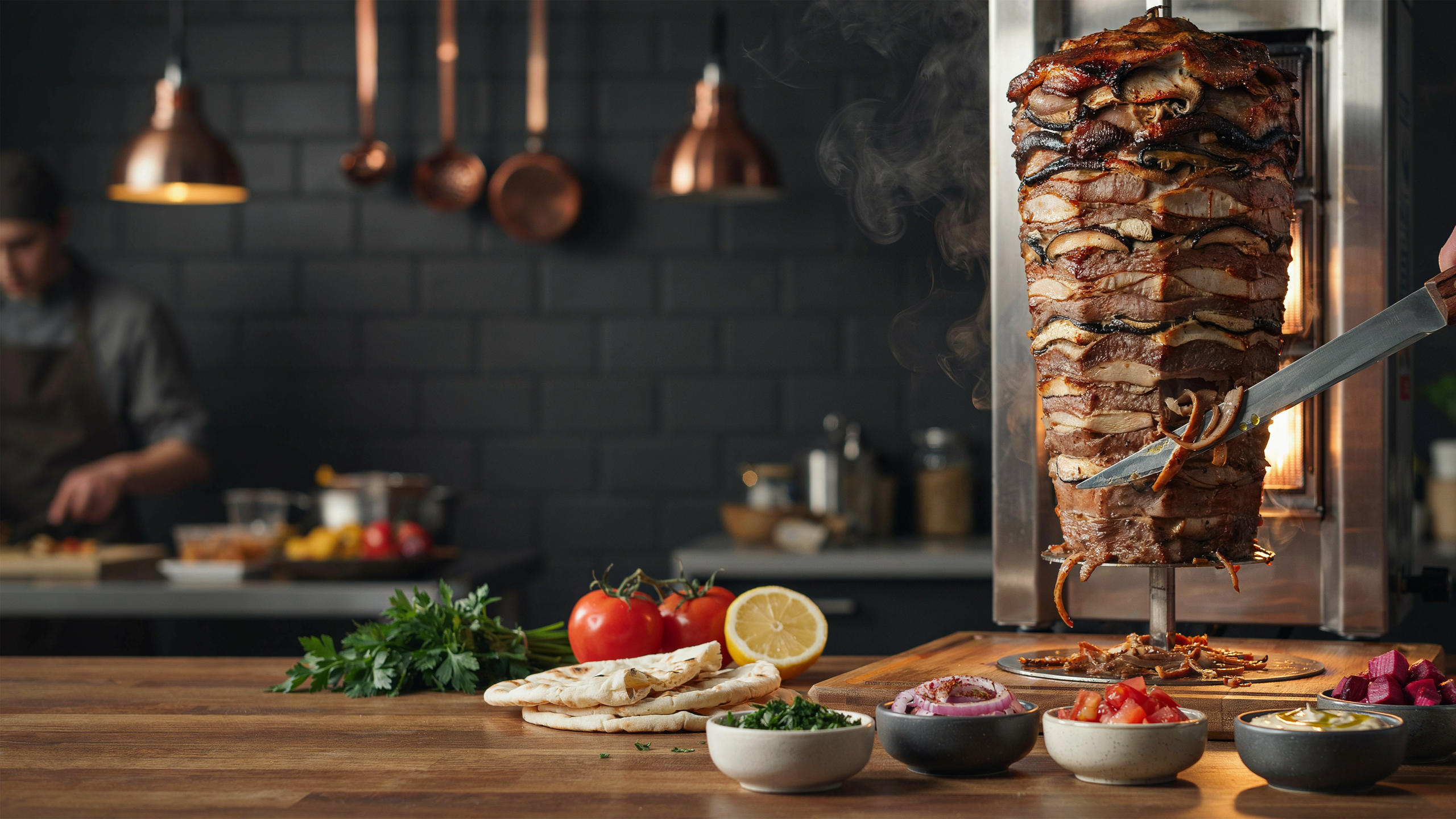
In short: Doner quality depends on how all components work together: meat and marinade, fresh flatbread, crisp vegetables, well-balanced sauces, clean work processes and careful preparation on the rotating spit. Doner tastes better in some restaurants because many small details are consistently right there. Operators who maintain these factors reliably keep their regular guests.
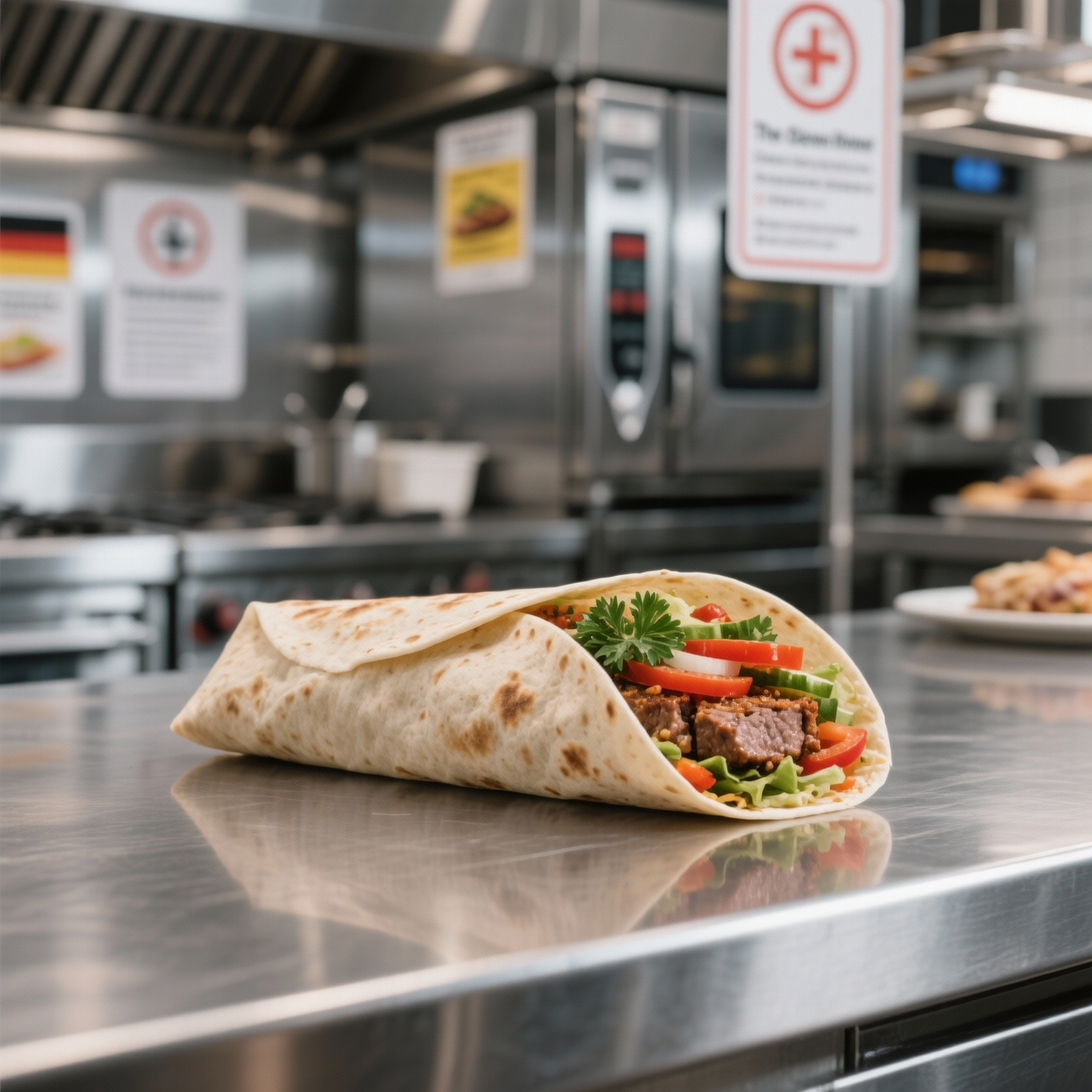
The doner kebab is no longer just a quick snack. In Germany and many other countries, it is a firmly established dish. Still, everyone knows the phenomenon: in one shop the doner tastes juicy and aromatic, while in another it seems bland or dry.
What causes this, and which success factors ensure that guests like to come back? This guide explains the most important quality differences from the operator's point of view.
The importance of quality in doner
At first glance, doner is a simple dish: meat, bread, vegetables and sauce. It is precisely this simplicity that makes it essential for every component to be right. Only when all components fit together does a harmonious taste experience emerge.
Quality in doner means more than fresh ingredients. It also includes correct preparation, hygiene and attention to detail.
Meat quality: the heart of the doner
The meat is the heart of a good doner. This is where restaurants differ most clearly.
Type and origin of the meat
High-quality restaurants usually use fresh, well-marbled meat, often of regional origin. Cheaper options often rely on pre-formed, frozen meat mixes. As an operator, check the composition, labelling and supplier carefully.
Marinade: seasoning, oil and acid
The marinade is decisive for the flavour. A balanced mix of spices, oil and acid keeps the meat juicy and aromatic. Restaurants that make their own marinade and adjust it regularly usually offer a better taste experience.
Preparation on the rotating spit
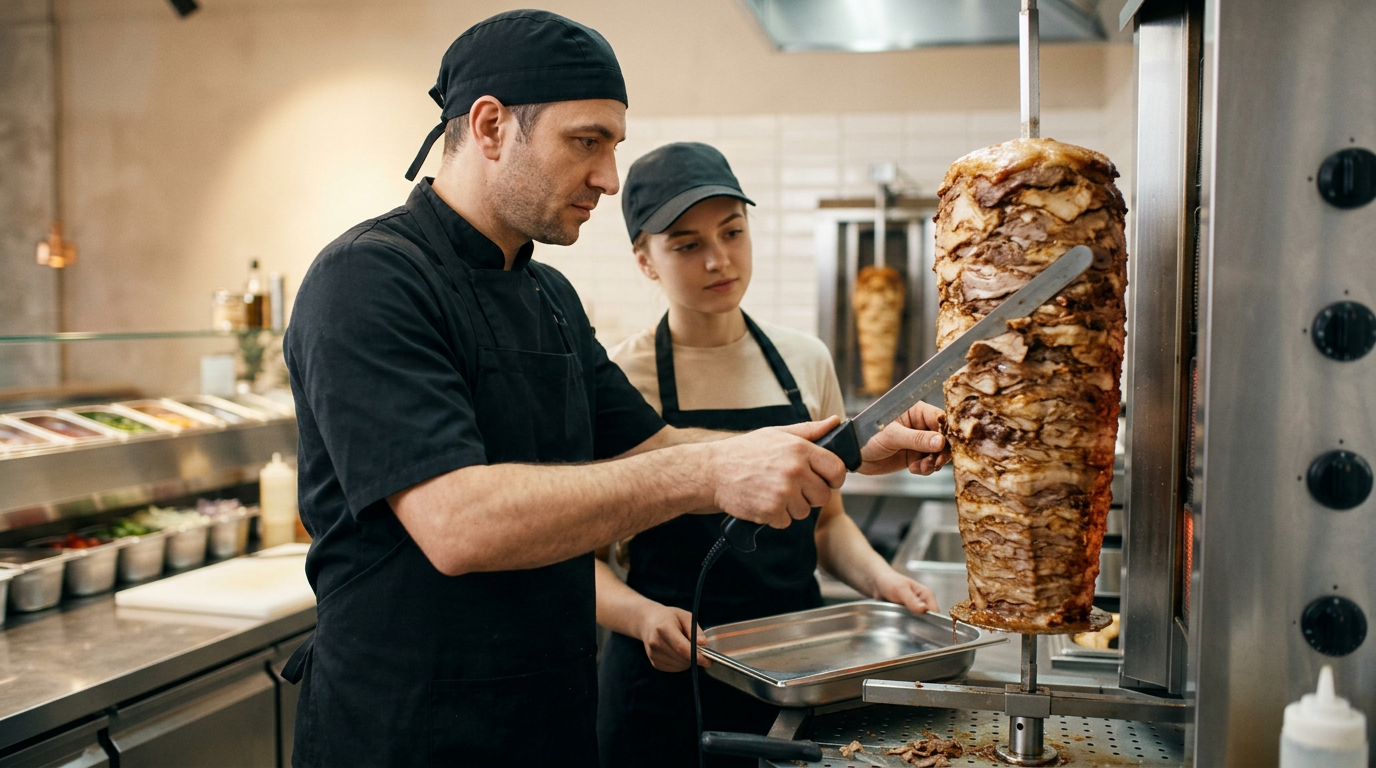
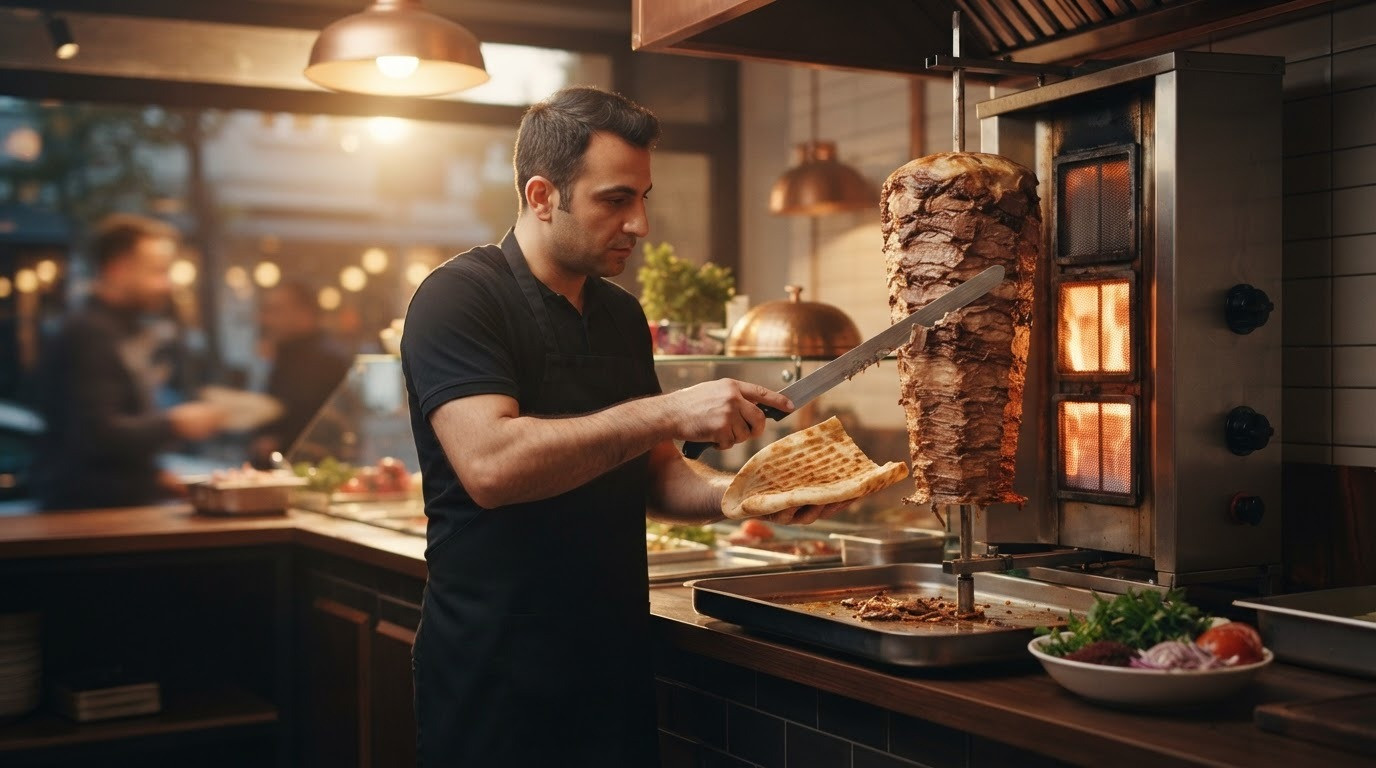
The meat is traditionally grilled on a rotating spit. Important factors are a suitable, easily adjustable temperature and regularly slicing off the cooked outer layer. This keeps the meat crispy on the outside and juicy on the inside.
The slice thickness also shapes texture and flavour. Slices that are too thick or too thin noticeably change the mouthfeel.
The bread: more than just a wrapper
The flatbread contributes significantly to the doner experience. A good flatbread is fresh and soft, yet sturdy enough to hold meat and sauce. Quality differences arise here from three points:
- Freshness: Freshly baked bread tastes noticeably better. Some restaurants bake their own bread daily or source it from local bakeries.
- Texture and flavour: Ideal is a slightly crisp exterior and a soft interior. Special recipes can round off the taste.
- Shelf life and rotation: Bread stored for too long loses flavour and becomes dry. Restaurants with fast stock rotation perform better here.
Vegetables and sides: freshness and variety
Cucumbers, tomatoes, onions, lettuce and sometimes red cabbage or peppers provide freshness and crunch. Quality differences result from:
- Freshness: Vegetables should be crisp. Wilted or old vegetables negatively affect the taste.
- Washing and preparation: Clean, well-prepared vegetables show that hygiene is taken seriously.
- Variety: A wider selection of fresh sides makes the doner more interesting.
Sauces: the flavour carriers
The sauce often makes a doner especially appealing. Whether garlic sauce, yoghurt sauce, hot sauce or herb sauce: quality and freshness decide. Three success factors are central:
- Homemade sauces: If you make them yourself, you can control and adjust the flavour better.
- Quality of ingredients: Fresh yoghurt, real herbs and high-quality spices provide an intense aroma.
- Balance: The sauce should complement the doner without overpowering it. The key is balance between creamy, spicy and fresh.
Hygiene and freshness: invisible quality features
Hygiene cannot be tasted directly, but it significantly influences quality. Clean work surfaces, hygienic storage and fresh preparation are basic requirements. The statutory rules on food hygiene and operational self-monitoring must be observed.
Guests often perceive cleanliness subconsciously and feel more comfortable in well-kept restaurants. A consistently clean way of working also helps to maintain the freshness and shelf life of ingredients.
Experience and passion of the operators
An often underestimated factor is the experience of the owner or chef. Those who love their trade pay attention to every detail, from purchasing through preparation to presentation.
Such restaurants experiment with recipes, improve their processes and listen to customer feedback. This can be tasted in the food and felt in the service.
Value for money: quality has its price
A cheap doner is tempting, but quality has its price. Restaurants that use high-quality ingredients and focus on freshness often reflect this in their prices. Guests who pay a little more usually get the better product and are more satisfied in the long run.
Quality differences at a glance
The following table summarises typical differences between simple and high-quality execution.
| Area | Simple execution | High-quality execution |
|---|---|---|
| Meat | Pre-formed, frozen mixes | Fresh, well-marbled meat, often of regional origin |
| Marinade | Standard mix without adjustment | Own balanced marinade, refined regularly |
| Bread | Stored for long, dry | Baked fresh daily, crisp outside, soft inside |
| Vegetables | Wilted or limited selection | Crisp, washed, varied |
| Sauces | Ready-made products | Homemade with fresh ingredients and herbs |
| Hygiene | Inconspicuous, little routine | Clean processes, clear storage, visible order |
Success factors that bring customers back
In summary, these eight factors ensure that guests return again and again:
- Consistent quality: Constantly fresh and high-quality ingredients.
- Good preparation: Experience and care when grilling and slicing the meat.
- Fresh and tasty bread: Baked fresh daily or sourced fresh.
- Varied and fresh vegetables: For crunch and freshness.
- Homemade sauces: For that special flavour kick.
- Cleanliness and hygiene: For a safe and pleasant eating experience.
- Friendly service: A pleasant team makes the visit positive all round.
- Value for money: Guests appreciate fair prices for good quality.
The right equipment supports quality
Good ingredients need suitable equipment. A gyros and doner grill with easily adjustable heat and suitable spit capacity helps to cook the meat evenly. The spit size should match the number of guests so that the meat does not sit too long.
If you are setting up a new business, the equipment for doner shops category brings together the typical appliances in one place. The free 3D kitchen planner helps you plan work routes and workstations in advance. If you have questions about selection, the iGastroNomic team is happy to advise you personally.
Conclusion
The reason why doner tastes better in some restaurants lies in the sum of many small details. Operators who rely on high-quality ingredients, fresh preparation, clean working conditions and passion for the product create a taste experience that delights guests and keeps them coming back. For operators, investing in quality pays off, because satisfied customers are the best advertising.
Tip for guests: on your next doner visit, deliberately try different restaurants and pay attention to these quality features. You will taste the difference.
FAQ – Frequently asked questions
How can I recognise a good doner spit and good doner meat?
A good doner spit has an even structure, juicy meat, balanced seasoning and a crisply cooked outer layer. The meat should not look dry, overly fatty or artificially pressed. Fresh slicing in thin pieces and a spit that does not cook unused for hours are also important. Restaurant operators should check the supplier, composition and labelling carefully.
Why does doner sometimes taste dry?
Dry doner usually results from excessive heat, spits standing for too long or meat sliced too thick and unevenly. Old bread and too little sauce also reinforce the impression. Remedies include adjustable grill heat, spit sizes matched to the number of guests, regularly slicing off the cooked layer and freshly prepared sides.
Is it worth making doner sauces yourself?
Homemade sauces are often worthwhile, because they make your doner shop's flavour profile distinctive and let you control ingredients and seasoning. You will need cooling options, clear recipes, batch labelling and clean storage. Whether the effort pays off depends on staff, volume and your concept; a trial phase with one signature sauce is a good start.
What equipment does a doner shop need for consistent quality?
The core piece is a doner grill with suitable spit capacity and easily adjustable heat, complemented by refrigeration for meat, vegetables and sauces, stainless steel work surfaces and equipment for preparation. What makes sense depends on space, volume and power connection. We advise and plan your kitchen free of charge.