Deutsch
 Türkçe
 Italiano
 Nederlands
 Français
 Español
 Polski
 Čeština
 Svenska
 Português PT
 Русский
 اللغة العربية
 中文
 日本語
 Tiếng Việt
 ภาษาไทย
 Română
 ελληνικά
 Magyar
 Dansk
 Suomi
 Hrvatski
 български език
 Eesti keel
 Latviešu valoda
 Slovenčina
 Slovenščina
 Bosanski
 עברית
 हिन्दी
 Bahasa melayu
 Kiswahili
 Bahasa Indonesia
 Papiamento
 Bokmål
 Lietuvių kalba
 Українська
 српски
 Shqip


 ›
 ›
 ›
 ›
 ›
 ›
 ›
 ›
 ›
 ›
 ›
 ›
 ›
 ›
 ›
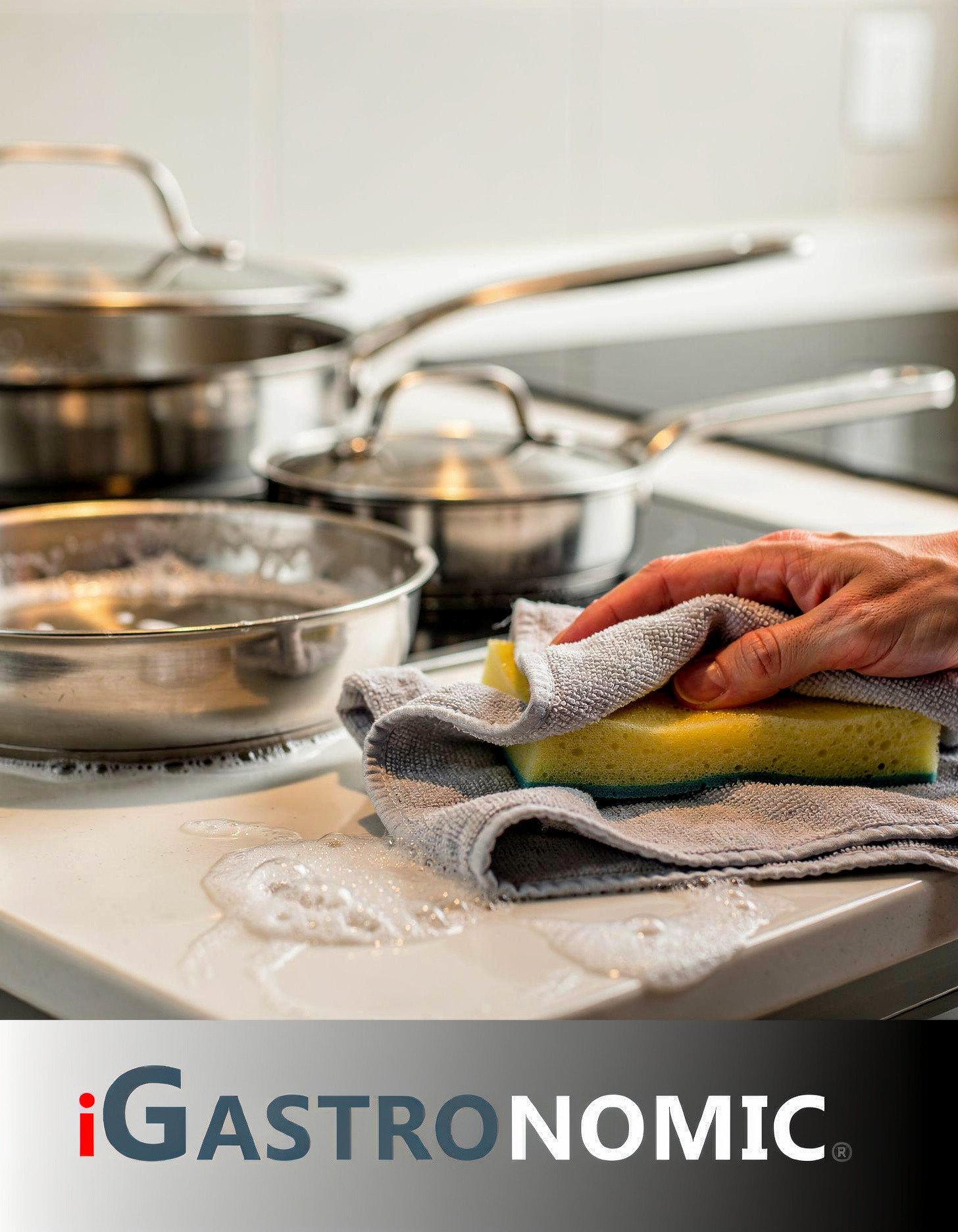
In short: The best way to clean stainless steel cookware is with warm water, mild dish soap and a soft sponge or microfiber cloth. Loosen stubborn residue by soaking, using a baking soda paste or diluted vinegar. Avoid steel wool, coarse scouring pads and chlorine-based cleaners so that the surface stays scratch-free and hygienic.
Stainless steel cookware is indispensable in both home and professional kitchens. It is robust, durable and visually appealing. However, the surface can still be scratched by improper cleaning. Scratches not only affect the appearance but also make the material more prone to dirt and discoloration.
In this guide you will learn how to clean pots and pans made of stainless steel gently and effectively. We also show which agents and tools you should better avoid and how to remove stubborn deposits step by step.
Why is proper cleaning of stainless steel cookware so important?
Stainless steel is corrosion-resistant and heat-resistant. Still, its surface is not invulnerable. Incorrect cleaning methods cause fine scratches that build up over time and make the cookware look dull and worn.
In addition, dirt particles and germs can settle more easily in scratches. This can make cleaning harder and create hygiene problems. Especially in foodservice, it is therefore worthwhile to clean regularly and in a way that protects the material.
Basic rules for cleaning stainless steel cookware
Before you turn to special methods, these basic rules will help:
- No abrasive sponges, no steel wool: They scratch the surface.
- No aggressive chemicals: Chlorine-based cleaners and strong acids can attack the surface.
- Clean promptly: Food residues are easier to remove as long as they have not dried or burnt on.
- Rinse thoroughly with warm water: Cleaner residues can cause spots or discoloration.
- Work along the grain: On brushed or ground surfaces, it is best to wipe along the direction of the texture.
The best cleaning methods at a glance
The right method depends on the degree of soiling. The following table gives a quick overview:
| Method | Suitable for | Note |
|---|---|---|
| Warm water and mild dish soap | Daily cleaning, light soiling | Soft sponge or microfiber cloth, then dry immediately |
| Baking soda | Stubborn deposits, light discoloration | Rub gently onto a damp surface or apply as a paste |
| Vinegar-water (1:1) | Limescale and water spots, residues | Let it act only briefly, rinse thoroughly |
| Lemon juice | Light limescale spots | Works similarly to vinegar, rinse with water afterwards |
| Special stainless steel cleaner | Grease, fingerprints, gloss care | Observe the manufacturer's instructions |
Cleaning with warm water and mild dish soap
The simplest and gentlest method is warm water with mild dish soap. Proceed as follows:
- Fill the sink or a large basin with warm water and add a little mild dish soap.
- Soak the cookware if food residues are stuck to it.
- Clean the surface gently with a soft sponge or microfiber cloth.
- Rinse the cookware thoroughly with clear water.
- Dry it with a soft cloth to avoid water spots.
This method is suitable for daily cleaning and avoids scratches caused by mechanical stress.
Natural household remedies for stubborn soiling
If water and dish soap are not enough, for example with discoloration, gentle household remedies can help:
- Baking soda: Sprinkle it onto the damp surface and rub it in with a damp cloth or sponge using circular motions. Baking soda has a slightly abrasive effect but removes contaminants gently.
- Vinegar: It dissolves limescale and water spots. Mix vinegar and water in a 1:1 ratio, wipe the surface and rinse thoroughly afterwards.
- Lemon juice: It works similarly to vinegar and additionally leaves a fresh scent.
Test these agents first on an inconspicuous spot to rule out unwanted reactions.
Using special stainless steel cleaners correctly
There are stainless steel cleaners on the market that dissolve dirt and grease without damaging the surface. Be sure to follow the manufacturer's instructions. For professional use, you will find suitable products in the category Cleaning agents and hygiene.
Apply the cleaner with a soft cloth, let it act briefly and wipe it off with a damp cloth. Then rinse the cookware thoroughly and dry it.
Removing burnt-on food residues
Burnt-on food residues require a bit more effort. These methods have proven effective:
- Soaking in soapy water: Fill the cookware with warm water and a little dish soap and let it soak for several hours or overnight.
- Baking soda paste: Mix baking soda with a little water to form a paste, apply it to the affected areas and let it act for 15 to 30 minutes. Then wipe with a soft sponge.
- Heating vinegar and water: Briefly heat a mixture of vinegar and water (1:1) in the cookware. The acetic acid dissolves burnt-on residues. Let everything cool, rinse out and clean again.
Avoid hard brushes and steel wool, as they scratch the surface.
Materials and tools you should avoid
To prevent scratches, do not use the following materials:
- Steel wool: It is highly abrasive and leaves deep scratches.
- Scouring pads with coarse grit: They are unsuitable for stainless steel cookware.
- Metal spatulas and metal brushes: They can damage the surface.
- Abrasive powders and aggressive chemicals: They attack the surface and can cause discoloration.
Care and protection of stainless steel cookware
To keep your cookware looking good and functioning well for a long time, these habits help:
- Clean directly after use: This way food residues do not dry on and burn in.
- Dry immediately: Water spots and limescale deposits form when water is left standing.
- Use wooden or silicone utensils: They protect the surface while cooking.
- Store carefully: When stacking, place a protective layer between the pieces, for example a soft cloth.
- Polish occasionally: A stainless steel polishing cloth or cleaner will restore the shine.
If you are refitting your kitchen, it is worth taking a look at a high-quality stainless steel cookware set. If you have questions about suitable equipment, our personal consultation is happy to help.
Common mistakes when cleaning stainless steel cookware
These mistakes most often lead to scratches or discoloration:
- Scrubbing too hard: Gentle movements are more effective and kinder to the surface than applying a lot of pressure.
- Scouring agents: They are often too aggressive and damage the surface.
- Unsuitable dishwasher cleaning: Some stainless steel cookware is dishwasher-safe. However, the combination of heat, aggressive detergents and contact with other metals can cause discoloration. Check the manufacturer's instructions.
- Chlorine-based cleaners: They attack the metal and should not be used.
Cleaning in a professional kitchen
In foodservice, many pots and pans accumulate every day. Here, a commercial pot washer saves time and ensures consistent results, provided that the cookware and detergents are suitable for it. You will find further solutions in the category Dishwashing and cleaning.
Conclusion
Stainless steel cookware is a valuable investment. With gentle cleaning and consistent care, you significantly extend its service life and keep its shine.
Use mild detergents, soft sponges and, if needed, baking soda, vinegar or special stainless steel cleaners. Avoid steel wool, scouring agents and aggressive chemicals. This keeps the surface smooth, hygienic and free of scratches.
FAQ – Frequently asked questions
What is the best way to clean stainless steel cookware without scratches?
Warm water, a mild dish soap and a soft sponge or microfiber cloth work best. For stubborn residues, soaking, a paste of baking soda and water, or a 1:1 mixture of vinegar and water can help. Then rinse thoroughly and dry immediately with a soft cloth to prevent water spots.
How do you remove burnt-on food from stainless steel pots?
Soak the pot for several hours or overnight in warm soapy water. If that does not help, apply a paste of baking soda and water, let it act for 15 to 30 minutes and wipe with a soft sponge. Alternatively, briefly heat vinegar-water (1:1), let it cool and rinse the pot thoroughly. Steel wool is off-limits.
Is stainless steel cookware dishwasher-safe?
This depends on the specific product, so the manufacturer's information applies. Many pots and pans tolerate the dishwasher, but heat, aggressive detergents and contact with other metals can cause discoloration. In professional kitchens, pots are often cleaned in special pot washers; with suitable rinse aid and immediate drying, spots are usually avoided.
Which cleaners must not be used on stainless steel?
Avoid chlorine-based cleaners, strong acids, scouring powders and steel wool. Chlorine compounds can attack the surface, and scouring agents leave scratches. Vinegar and lemon juice may be used diluted and only briefly, followed by thorough rinsing with water. Always test new products first on an inconspicuous part of the cookware.