Deutsch
 Türkçe
 Italiano
 Nederlands
 Français
 Español
 Polski
 Čeština
 Svenska
 Português PT
 Русский
 اللغة العربية
 中文
 日本語
 Tiếng Việt
 ภาษาไทย
 Română
 ελληνικά
 Magyar
 Dansk
 Suomi
 Hrvatski
 български език
 Eesti keel
 Latviešu valoda
 Slovenčina
 Slovenščina
 Bosanski
 עברית
 हिन्दी
 Bahasa melayu
 Kiswahili
 Bahasa Indonesia
 Papiamento
 Bokmål
 Lietuvių kalba
 Українська
 српски
 Shqip


 ›
 ›
 ›
 ›
 ›
 ›
 ›
 ›
 ›
 ›
 ›
 ›
 ›
 ›
 ›
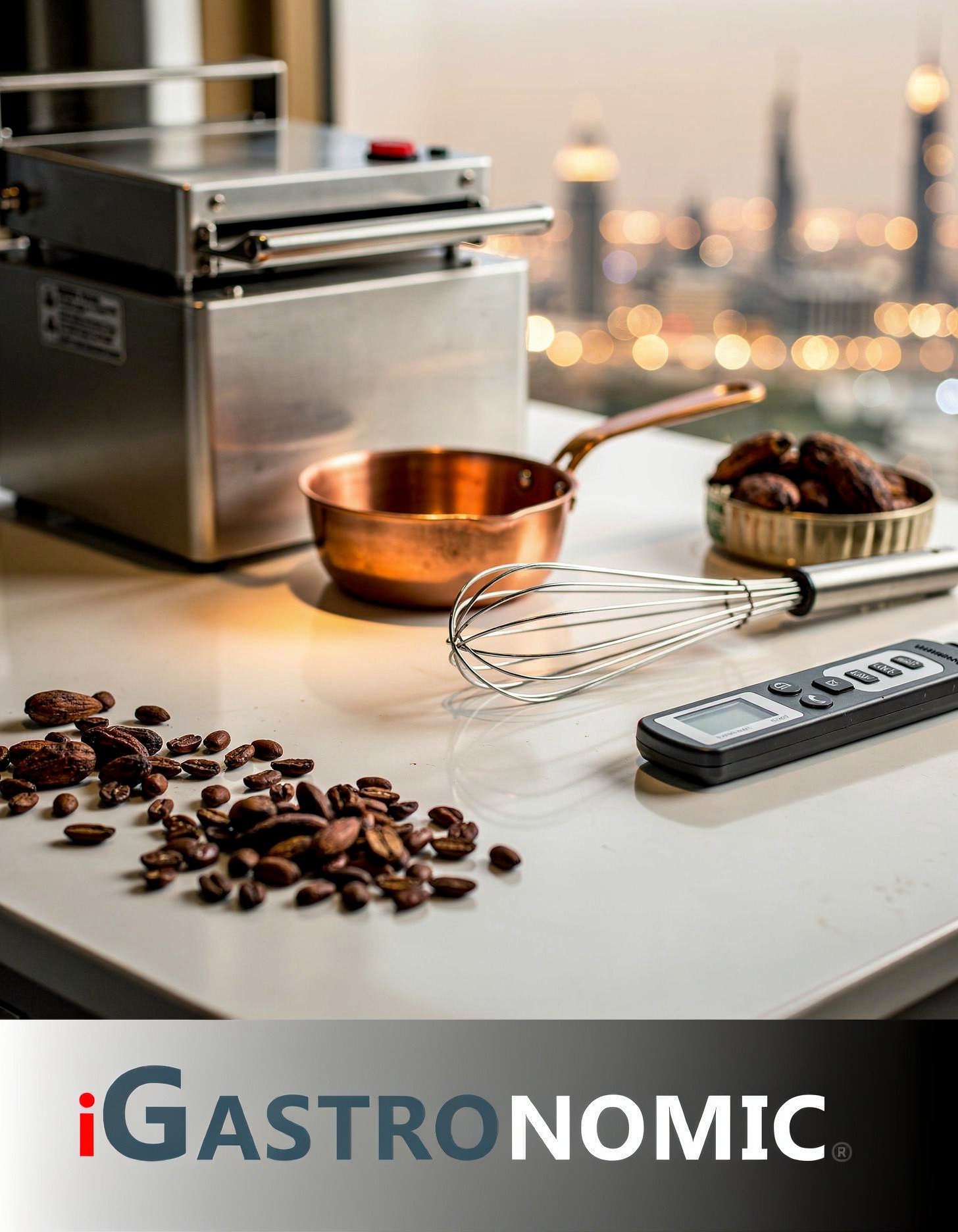
In short: Making Dubai chocolate in a professional kitchen works with high-quality couverture, precise tempering and the right equipment, such as a chocolate melter, thermometer and molds. Typical features are a crisp chocolate shell and a filling of pistachio cream, often with crunchy shredded phyllo (kataifi, also known as kadayif), plus flavors such as cardamom, saffron or dates. This guide covers ingredients, equipment, process and tips for cafés, patisseries and hotels.
What makes Dubai chocolate so special?
Dubai is known for its luxury sweets, and Dubai chocolate is one of the most popular specialties. It combines rich flavors, high-quality ingredients and a distinctive texture that sets it apart from ordinary chocolate bars.
Characteristic is the mix of fine chocolate with spices, nuts or exotic ingredients such as saffron or dates. The result tastes sweet and slightly spiced. In production, texture is key: the chocolate should melt smoothly yet still have a certain firmness.
The filled version with pistachio cream and crunchy strands of pastry has become especially well known. Presentation is another factor. Dubai chocolate is often decorated artfully and packaged elegantly, which makes it suitable as a gift and as a retail product in foodservice.
The key ingredients for Dubai chocolate
- High-quality couverture: The basis of every good chocolate. As a guideline, dark couverture with at least 70% cocoa content is recommended for an intense flavor.
- Butter or cocoa butter: They ensure a creamy texture and good melting behavior.
- Sugar: Depending on the desired sweetness. Raw cane sugar or icing sugar are recommended.
- Spices: Cardamom, cinnamon, saffron or vanilla give the chocolate a special note.
- Nuts: Pistachios, almonds or hazelnuts are typical ingredients.
- Exotic ingredients: Dates, rose water or orange blossom water add an authentic note.
- Filling (for the filled version): Pistachio cream and toasted shredded phyllo (kataifi, kadayif) for the typical crunch.
What equipment do you need for Dubai chocolate?
The right equipment determines gloss, snap and consistent quality. The following overview shows which device does which job.
| Equipment | Task | Suitable for |
|---|---|---|
| Water bath / melting bowl | Gentle, even melting | Small quantities, getting started |
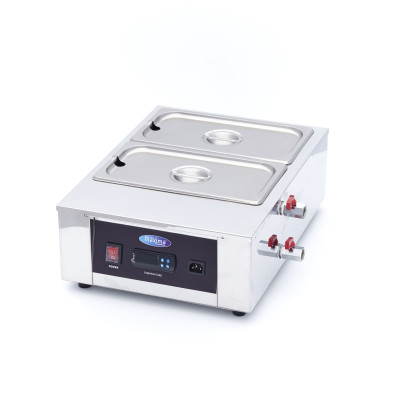
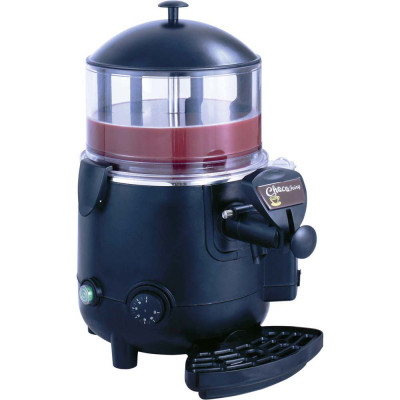
| Chocolate melter | Melting and holding warm with temperature control | Larger quantities, ongoing operation |
| Tempering machine | Controlled crystallization of the cocoa butter | Gloss, crisp snap, consistent quality |
| Manual tempering | Cooling and reheating with a thermometer | Small batches, plenty of experience |
Tempering machine for chocolate
Tempering is an essential step to make the chocolate shiny and give it a clean snap. A tempering machine provides precise temperature control so that the cocoa butter crystallizes correctly. Without a tempering machine, the optimal texture is harder to achieve.
Melting bowl, water bath or chocolate melter
For gentle melting you need a melting bowl or a water bath, so the chocolate heats slowly and evenly and does not scorch. If you work regularly or in larger quantities, a chocolate melter for foodservice is the better choice, as it keeps the temperature constant.
Stirring spoons and spatulas
A heat-resistant silicone spatula and a wooden or plastic spoon are suitable for stirring the chocolate and mixing the ingredients evenly.
Chocolate molds
Dubai chocolate is often made in special molds that give it its shape and structure. Silicone molds or polycarbonate molds work very well. Polycarbonate usually produces particularly glossy surfaces.
Kitchen scale and thermometer
Precise weighing ensures the correct ratio of ingredients. A digital thermometer helps you monitor the chocolate temperature accurately.
Blender or mortar
Nuts and spices can be crushed in a blender or mortar so that their flavors develop optimally.
How to make Dubai chocolate step by step
Preparation and mise en place
Set out all ingredients and equipment. Weigh the ingredients precisely and chop the nuts finely. Grind spices fresh whenever possible.
Melting the chocolate
Melt the couverture slowly in a water bath, in a melting bowl or in a chocolate melter. Make sure no water gets into the chocolate, as this can ruin the consistency.
Tempering the chocolate
Temper with the tempering machine or manually by cooling and reheating. For dark chocolate, the working temperature is around 31–32 °C, so that it becomes glossy and snaps cleanly.
As a guideline, dark couverture is first melted to 45–50 °C and then cooled to 27–28 °C. The exact values can vary depending on the couverture, so follow the manufacturer's information on the packaging.
Adding the ingredients
Stir ground spices, nuts and, if used, dates or rose water into the tempered chocolate and distribute everything evenly. For the filled version, instead spread some chocolate into the mold, coat the walls, and later fill with pistachio cream and kataifi.
Pouring into molds
Pour the chocolate carefully into the prepared molds. Tap the molds gently on the work surface so that air bubbles escape. Seal filled bars at the end with another layer of chocolate.
Cooling and setting
Let the chocolate set at room temperature or in the refrigerator. The time depends on thickness; usually 30–60 minutes is enough.
Unmolding and decorating
Carefully remove the chocolate from the molds. Edible gold dust, cocoa powder or chopped nuts are suitable for decoration.
Tips for perfect Dubai chocolate
- Quality over quantity: Use only high-quality ingredients, as this makes the difference.
- Temperature control: Pay close attention to temperatures when melting and tempering.
- Try different spices: Cardamom and saffron give the chocolate an authentic note.
- Packaging: An attractive package turns the chocolate into a gift and a retail product.
- Patience: Let the chocolate set completely before packing or serving it.
Storage and presentation in your foodservice business
As a guideline, store chocolate at about 16–18 °C, dry, protected from light and away from strong-smelling foods. Varieties with cream or fresh ingredients are more perishable than pure chocolate. Set the shelf life based on your hygiene concept.
For presentation in the sales area, a refrigerated pastry display case for chocolate is a good option. It keeps pralines and bars at an even temperature and displays them attractively. Also observe the applicable labeling requirements, for example for allergens such as nuts, milk or sesame. Your local food inspection authority can help with questions.
Where can you find the right equipment?
For professional-quality Dubai chocolate, you need reliable equipment alongside good ingredients. iGastroNomic offers professional foodservice equipment, including our own product lines. You will find an overview under chocolate melters in the shop.
If you are setting up a patisserie or chocolate workshop from scratch, plan the workflow and equipment layout with the free 3D kitchen planner. For questions about choosing equipment, you can reach us for a personal consultation.
Conclusion
Dubai chocolate is a rewarding product for foodservice and confectionery businesses. With high-quality couverture, careful tempering, suitable molds and a well-planned equipment setup, you create a chocolate that tastes good and looks impressive.
Use the tips and the guide to perfect your own Dubai chocolate and delight your guests.
FAQ – Frequently Asked Questions
What equipment do I need for Dubai chocolate?
You need a chocolate melter or water bath, a tempering machine or the option to temper manually, a digital thermometer, an accurate scale, polycarbonate or silicone molds and spatulas. For the filling, a pan and a blender are added. For larger quantities, a melter with temperature control and a cooling option for setting the chocolate are worthwhile.
What temperature should I temper dark chocolate to?
As a guideline, dark couverture is melted to about 45–50 °C, cooled to around 27–28 °C and then warmed to a working temperature of 31–32 °C. The exact values differ depending on the couverture, so the manufacturer's information on the packaging applies. This way the cocoa butter crystallizes stably, and the chocolate becomes glossy and snaps cleanly.
Which couverture is suitable for Dubai chocolate?
For the chocolate shell, a high-quality couverture with a high cocoa butter content that tempers well is suitable. As a guideline, dark couverture with about 70% cocoa or more is recommended for an intense flavor. Milk chocolate gives a milder variety. It is important that the couverture is designed for coatings and molding.
How do I store Dubai chocolate correctly?
Shelf life depends heavily on the filling. Pure chocolate with dry ingredients usually keeps longer when stored cool and dry than varieties with cream or dates. As a guideline, about 16–18 °C is suitable, protected from light and odors. Set the shelf life in your business based on your hygiene concept.