Deutsch
 Türkçe
 Italiano
 Nederlands
 Français
 Español
 Polski
 Čeština
 Svenska
 Português PT
 Русский
 اللغة العربية
 中文
 日本語
 Tiếng Việt
 ภาษาไทย
 Română
 ελληνικά
 Magyar
 Dansk
 Suomi
 Hrvatski
 български език
 Eesti keel
 Latviešu valoda
 Slovenčina
 Slovenščina
 Bosanski
 עברית
 हिन्दी
 Bahasa melayu
 Kiswahili
 Bahasa Indonesia
 Papiamento
 Bokmål
 Lietuvių kalba
 Українська
 српски
 Shqip


 ›
 ›
 ›
 ›
 ›
 ›
 ›
 ›
 ›
 ›
 ›
 ›
 ›
 ›
 ›
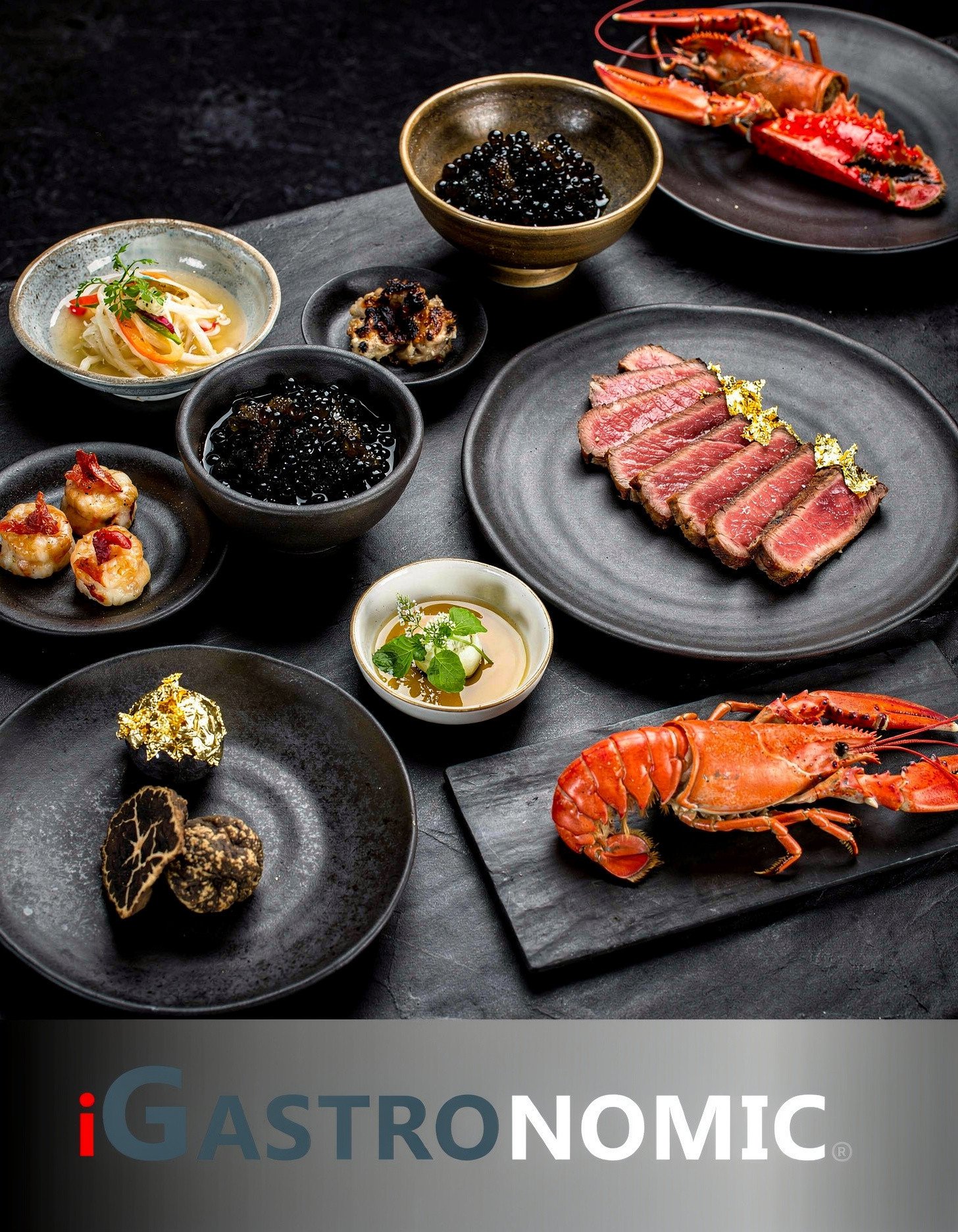
In short: The most expensive dishes in the world owe their prices to rare ingredients, labor-intensive craftsmanship and an exclusive setting. The examples most often cited include albino caviar, white truffles, Wagyu beef, fugu and luxury desserts topped with gold leaf. Prices usually come from media reports and are rough guideline figures, but they show how restaurateurs create special value from product, presentation and experience.
The most expensive dishes in the world at a glance
Culinary dining has long been an experience. Some dishes impress not only with their flavor but also with their price. They are regarded as works of art, status symbols and expressions of luxury.
The following table summarizes the best-known examples. All amounts are guideline figures from media reports and can vary considerably depending on the time, the restaurant and the exchange rate.
| Dish / Ingredient | Origin | Guideline price (according to media reports) | Main price drivers |
|---|---|---|---|
| Albino caviar | Caspian Sea | up to approx. 25,000 US dollars per tin | Rarity, long maturation period of the sturgeon |
| Fugu (pufferfish) | Japan | Menu from approx. 200 US dollars and more | Toxin, chef licensing |
| Pasta with white truffle | Alba, Italy | Truffles: several thousand euros per kilogram | Short season, difficult to find |
| Kobe beef (Wagyu) | Japan | up to approx. 300 US dollars per kilogram | Breeding, marbling, region of origin |
| Luxury pizza with caviar and lobster | Scotland | approx. 4,200 US dollars | Caviar, lobster, gold leaf |
| Luxury burger with Wagyu and truffle | Las Vegas, USA | approx. 5,000 US dollars | Wagyu, truffle, foie gras, wine pairing |
| Lobster frittata with caviar | New York, USA | approx. 2,000 US dollars | Lobster, caviar, champagne |
| Bluefin tuna sashimi | Japan | Whole fish at auctions sometimes in the millions | Quality, freshness, auction prices |
| Luxury dessert with gold leaf | Sri Lanka | approx. 14,500 US dollars | Rare fruits, gold leaf, staging |
| Yubari melon | Japan | Pair at auctions up to approx. 27,000 US dollars | Cultivation, auction, gift culture |
Why are some dishes so expensive?
The price of a dish depends on several factors. Usually, several of them work together.
Rare and high-quality ingredients
Some ingredients are hard to obtain, for example because they are only in season briefly, are strictly protected or grow extremely slowly. The scarcer the supply and the greater the demand, the higher the price.
Elaborate preparation and craftsmanship
Some dishes require exceptional skill, such as harvesting caviar or safely preparing fugu. Where a lot of experience and manual work are needed, this is reflected in the price.
Location, service and experience
The location also plays a major role. In a starred restaurant, service, ambience and staging contribute significantly to the price. In addition, the history and name of a dish create exclusivity and attention.
The most expensive dishes and ingredients in detail
Albino caviar – the king of caviar varieties
Caviar is a classic of luxury dining. Albino caviar from the beluga sturgeon, traditionally from the Caspian Sea, with its particularly light color, is considered the most expensive variety. According to media reports, a single tin can cost up to 25,000 US dollars.
It is usually served in small quantities on ice, accompanied by crème fraîche, finely chopped onions and blini. The price is explained by the rarity of the animals: sturgeon grow very slowly and need many years before they produce eggs. In addition, the harvest is a complex process that requires a great deal of experience.
Fugu – the poisonous luxury fish
The Japanese dish fugu is famous for its potential danger. The pufferfish contains a deadly toxin that only specially trained chefs can remove safely. Depending on the restaurant and quality, a fugu menu in Japan costs around 200 US dollars or more.
The appeal lies in its delicate, subtle flavor and the thrill. Because only licensed chefs may prepare fugu, the price rises further.
Pasta with white truffle – luxury from the forest
Truffles are among the most precious ingredients in the world, especially the white truffles from Alba in Italy. One kilogram can cost several thousand euros. Combined with fresh pasta, the result is a dish that impresses with its aroma and price.
The search is an art in itself: usually specially trained dogs help, traditionally also pigs. A short season and limited availability drive up the price. If you want to plate truffle pasta with style, you will find suitable porcelain pasta plates in our range.
Wagyu and Kobe beef – tender meat with premium status
Wagyu beef, especially Kobe beef from Japan, is known for its exceptional marbling and tenderness. According to reports, one kilogram can cost up to 300 US dollars, depending on the cut and quality grade, and sometimes more.
The animals are raised with great care. Special feeding and even massages are often mentioned, although some of this belongs to the realm of myth. In upscale dining, Wagyu dishes are considered the ultimate steak experience.
Luxury pizza – gold, caviar and lobster
A luxury pizza created by the Scottish chef Domenico Crolla costs around 4,200 US dollars. It is topped with caviar, lobster, 24-carat gold leaf and Scottish smoked salmon.
Pizza is normally considered an inexpensive dish. This example shows how a simple classic can become an exclusive experience through high-quality ingredients.
Luxury burger – Wagyu, truffle and foie gras
A burger from a restaurant in Las Vegas costs a hefty 5,000 US dollars. It consists of Wagyu beef, black truffles, foie gras and a special sauce. It is served with a glass of a mature top wine, which itself costs several thousand dollars.
This burger is more than fast food. It is a culinary statement.
Lobster frittata – luxury for breakfast
A frittata from a restaurant in New York costs about 2,000 US dollars. It contains lobster, caviar and champagne and is served with a special sauce made from champagne and caviar.
The combination of ingredients and presentation turns breakfast into an unforgettable experience.
Bluefin tuna – the most expensive sushi and sashimi
Bluefin tuna is one of the most sought-after ingredients in the world of sushi. A single fish can fetch millions at auctions in Japan. Sashimi made from it is extremely expensive because it must be of the highest quality and freshness.
Famous sushi restaurants in Tokyo serve such delicacies, which are a dream for sushi lovers.
Luxury dessert from Sri Lanka – chocolate and gold leaf
A dessert from Sri Lanka costs around 14,500 US dollars, which places it among the most expensive sweets in the world. It consists of chocolate, gold leaf and rare fruits and is served with champagne.
Exotic ingredients and a luxurious presentation make it a highlight for connoisseurs with a large budget.
Yubari melon – the most expensive fruit in the world
The Yubari melon from Japan is not a dish in the classic sense, but it ranks among the most expensive fruits in the world. A pair can fetch up to 27,000 US dollars at auctions. The fruits are considered especially sweet and juicy.
In Japanese culture they symbolize luxury and prosperity and are often given as a special gift.
What restaurateurs can learn from luxury dishes
Few businesses serve dishes costing thousands of dollars. The principles behind them, however, can be applied to any menu: high-quality main ingredients, a comprehensible story and a coherent presentation.
- Tableware as a stage: A steak or Wagyu dish looks considerably more premium on flat porcelain plates for meat dishes with clean lines and ample surface area.
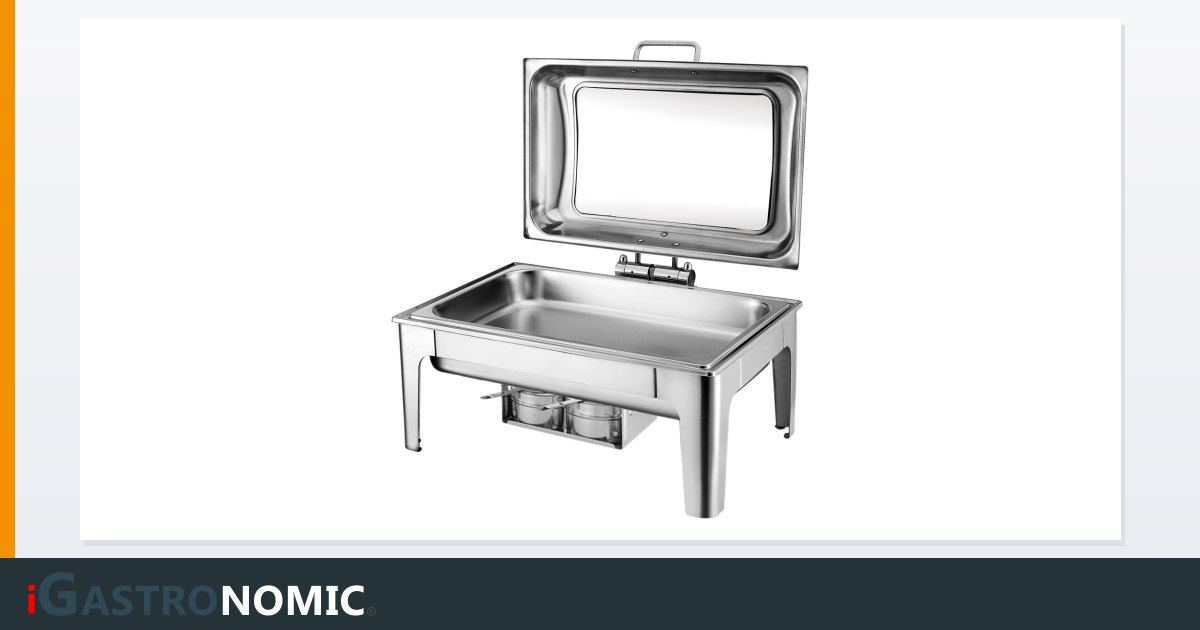
- Keep temperature in view: Hot dishes stay servable longer on pre-warmed plates. A professional plate warmer for foodservice supports this during service.
- Less is more: The main ingredient stands at the center, garnishes stay restrained.
- Tell the story: Origin, season and craftsmanship give guests a comprehensible reason for the price.
When selecting tableware and equipment for your concept, the personal consultation from iGastroNomic is happy to help.
Conclusion
The most expensive dishes in the world show how diverse and creative gastronomy can be. Whether rare ingredients, elaborate preparation or exclusive staging: these dishes are more than food. They are experiences that tell stories and evoke emotions.
For most guests they are out of reach. Yet they inspire chefs and operators around the world to keep combining quality, presentation and enjoyment anew, including in everyday business.
FAQ – Frequently Asked Questions
What is the most expensive dish in the world?
That depends on the definition. Among the most frequently cited top entries is a luxury dessert from Sri Lanka at around 14,500 US dollars. For individual ingredients, albino caviar and Yubari melons reach extreme prices. All figures usually come from media reports, are guideline values and can change significantly depending on the time, the restaurant and the exchange rate.
Why is albino caviar so expensive?
Albino caviar is extremely rare because it comes only from a few particularly rare albino sturgeon. Sturgeon grow slowly and need many years to reach maturity, and their stocks are strictly protected. In addition, the harvest and gentle processing are labor-intensive. Scarcity, long breeding periods and manual work drive the price per tin to exceptional levels.
Why does Wagyu cost so much more than regular beef?
Wagyu cattle are raised more slowly and with more effort, the herds are small, and marbling is strictly graded. Genuine Kobe beef must come from a specific region of Japan and meet strict criteria. Import costs and high demand add to this. Accordingly, the price, depending on the cut and quality grade, is considerably above that of conventional beef.
How do restaurateurs present high-priced dishes properly?
Suitable tableware, the right temperature and restrained plating are decisive. High-quality porcelain plates give the dish a stage, and pre-warmed plates keep hot food at temperature longer. Portion size, garnish and plate size should work together so that the main ingredient remains the focus. A coherent overall picture makes the price on the menu comprehensible for guests.
Matching Professional Equipment