Deutsch
 Türkçe
 Italiano
 Nederlands
 Français
 Español
 Polski
 Čeština
 Svenska
 Português PT
 Русский
 اللغة العربية
 中文
 日本語
 Tiếng Việt
 ภาษาไทย
 Română
 ελληνικά
 Magyar
 Dansk
 Suomi
 Hrvatski
 български език
 Eesti keel
 Latviešu valoda
 Slovenčina
 Slovenščina
 Bosanski
 עברית
 हिन्दी
 Bahasa melayu
 Kiswahili
 Bahasa Indonesia
 Papiamento
 Bokmål
 Lietuvių kalba
 Українська
 српски
 Shqip


 ›
 ›
 ›
 ›
 ›
 ›
 ›
 ›
 ›
 ›
 ›
 ›
 ›
 ›
 ›

In short: A successful doner shop combines good craftsmanship, fresh ingredients and a suitable grill. Traditional Yaprak doner consists of thin, marinated slices of meat on a vertical spit and differs from minced-meat doner in its more tender texture. This guide explains the history, recipe, styles and the necessary equipment.
The World of Doner: A Culinary Journey
Doner kebab has conquered the world. What began as traditional street food in Turkey is today a global phenomenon. In Germany, doner has long had cult status, and in other countries doner shops also win over guests with their own creations.
This article takes you through the history, preparation and styles of doner. We also show what matters when equipping a doner shop.
The History of Doner
Doner kebab, as we know it today, has its roots in Turkey. The word “döner” means “rotating” and describes the meat turning slowly on the spit. The idea of grilling meat vertically goes back to the Ottoman Empire.
The modern doner in flatbread became popular in Berlin in the 1970s. Kadir Nurman, a Turkish immigrant, is considered one of the pioneers who served doner in flatbread. From there, this idea began its triumphant spread around the world.
What Makes Authentic Yaprak Doner?
Yaprak doner is the traditional form of doner. Thin slices of marinated meat, usually lamb or beef, are grilled on a vertical spit. “Yaprak” means “leaf” in Turkish and refers to the thin slices of meat.
In contrast to the minced-meat doner that is widespread in Germany, Yaprak doner consists of pure slices of meat. This gives it a particularly tender and juicy texture.
Yaprak Doner and Minced-Meat Doner Compared
| Feature | Yaprak Doner | Minced-Meat Doner |
|---|---|---|
| Type of meat | Thin slices of lamb or beef | Seasoned minced meat, shaped |
| Texture | Tender and juicy | Even, compact |
| Preparation | Slicing, marinating and placing on the spit by hand | Ready-shaped spit |
| Distribution | Traditional variant | Widespread in Germany |
Recipes, labelling and hygiene are subject to food law requirements. Please check with the responsible authority for details.
Yaprak Doner Recipe: How It Is Made
Ingredients
- 1 kg lamb or beef (from the leg or shoulder)
- 2 onions, finely chopped
- 4 garlic cloves, crushed
- 2 tbsp olive oil
- 1 tbsp paprika powder
- 1 tsp cumin
- 1 tsp coriander
- 1 tsp oregano
- 1 tsp thyme
- Salt and pepper to taste
Preparation
- Cut the meat into thin slices (about 0.5 cm thick).
- Mix the onions, garlic and spices with the olive oil and marinate the meat in it. Let it rest in the refrigerator for at least 4 hours, preferably overnight.
- Place the marinated meat on a doner spit. The slices should lie tightly against each other.
- Cook the spit in a special doner grill or a vertical grill over medium heat. The meat should roast slowly and evenly.
- As soon as the meat is crispy on the outside and juicy on the inside, slice it thinly from the spit.
Serving Suggestion
Traditionally, Yaprak doner is served in flatbread, accompanied by fresh salad, tomatoes, onions and a yoghurt or garlic sauce. Alternatively, it is also suitable for dürüm wraps.
The quantities apply to a small batch. In operation, you scale the recipe according to spit size and daily requirements, observing your cooling and hygiene regulations.
Doner Shops in Germany: What Sets Good Shops Apart
Germany is the land of doner. Countless shops have mastered the art of making doner, and each sets its own focus. Good doner shops can be recognised above all by these features:
- Vegetable doner: Grilled courgette, peppers and aubergines appeal to guests who eat less or no meat.
- Homemade sauces and fresh meat: Your own recipes are a typical mark of quality.
- Signature garlic sauce: A distinctive sauce can attract guests from across the city and beyond.
- Dürüm wraps with fresh herbs and spices: An alternative for anyone who prefers something a little different.
If you want to open or expand a doner shop, you will find suitable equipment and accessories in the category Equipment for doner shops.
Doner Worldwide: Styles in the Major Cities
Doner has conquered the world. Depending on the city, different interpretations shape the doner scene:
| City | Style | Special Feature |
|---|---|---|
| Istanbul, Turkey | Traditional | Classic preparation and high-quality ingredients in the home of doner |
| New York, USA | German-style doner | Juicy meat and fresh ingredients, brought to America |
| Paris, France | French interpretation | Creative ingredients and elegant presentation |
| Melbourne, Australia | Traditional and modern | Lively doner scene with many variations |
Which local shop is the best remains a matter of taste. Good addresses can be recognised by fresh ingredients, clean preparation and a clear profile.
Equipment for a Doner Shop
The quality of the doner depends not only on the recipe but also on the technology. The basic equipment includes a doner grill, refrigeration for meat and side ingredients, preparation surfaces, doner knives, and a flatbread and salad station.
The Right Doner Grill
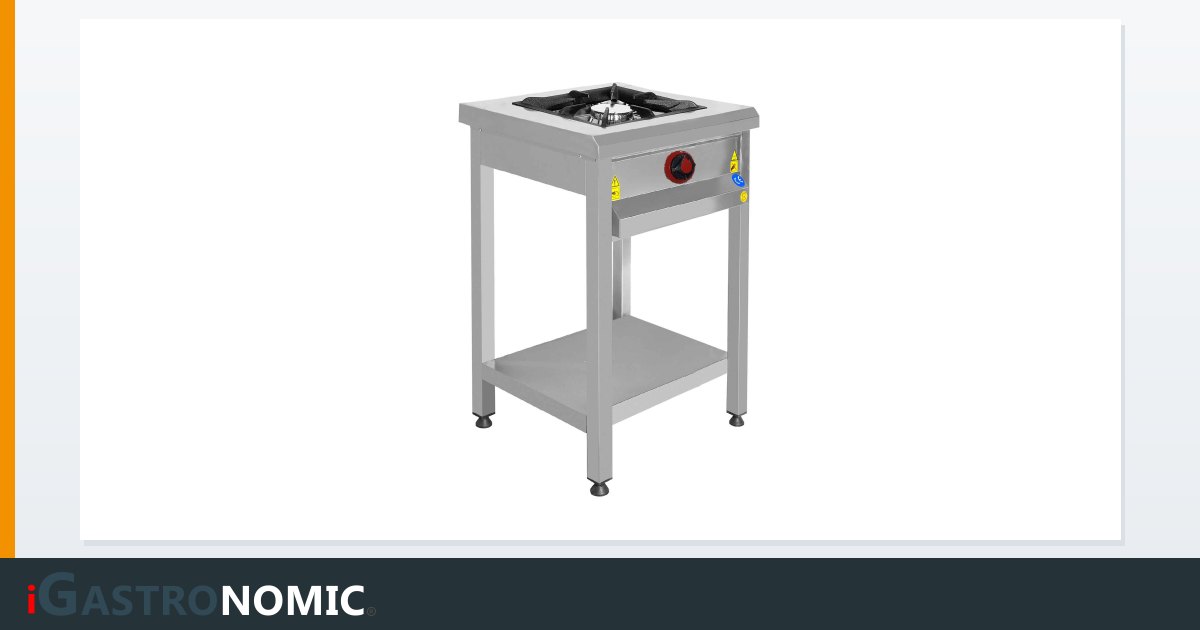
Depending on the location and connections, electric or gas-powered grills are possible. A mobile four-burner gas doner grill is suitable for businesses with a gas connection. A wider selection can be found in the category Gyros and doner grills. Before buying, check the maximum spit capacity and your expected daily consumption.
Preparing Vegetarian Fillings
If you offer meat-free doner alternatives, you often need equipment for chopping and mixing vegetables, pulses or hummus. A 20-litre hummus cutter supports you with larger quantities.
Planning the Kitchen and Work Flows
A well-thought-out layout saves time and steps in the business. With the free 3D kitchen planner, you can visualise your doner shop in advance. iGastroNomic also offers free consultation and kitchen planning.
The Future of Doner
Doner continues to evolve. In recent years, vegetarian and vegan versions have gained popularity, in which the meat is replaced by seitan, tofu or vegetables.
The fusion with other cuisines, for example with the Mexican burrito, also shows that doner is far from exhausted.
Conclusion
Doner is more than a dish: it is a cultural phenomenon that connects people around the world. Whether traditional as Yaprak doner or reinterpreted in a modern way, it remains a culinary highlight.
For restaurateurs, three things matter: a carefully developed recipe, a clear profile and the right technology. Those who consistently implement these points lay the foundation for a successful doner shop.
FAQ – Frequently Asked Questions
What is the difference between Yaprak doner and minced-meat doner?
Yaprak doner consists of thin slices of marinated lamb or beef that are placed on the spit, giving it a tender, juicy texture. Minced-meat doner, by contrast, is shaped from seasoned minced meat and is widespread in Germany. For guests, Yaprak is often seen as the higher-quality, more traditional variant, but for businesses it is more labour-intensive to prepare.
How long does the meat for Yaprak doner need to be marinated?
At least four hours, preferably overnight in the refrigerator. During this time, the onions, garlic, olive oil and spices penetrate the thin slices of meat and provide flavour and juiciness. Continuous refrigeration is important; in operation, the requirements of your HACCP concept and the responsible food inspection authority apply.
What equipment does a doner shop need?
The centrepiece is the doner grill, either electric or gas, depending on the business. Additional requirements include refrigeration for meat and side ingredients, a preparation surface, doner knives, a flatbread and salad station, and a serving counter. If you offer vegetarian fillings, a cutter is often added. An individual kitchen plan helps to design work flows and space requirements to suit your needs.
Are there vegetarian or vegan doner alternatives?
Yes. Instead of meat, vegetarian and vegan doner use seitan, tofu or grilled vegetables such as courgette, peppers and aubergine. Hummus, fresh salads and sauce in flatbread or dürüm are a good match. Such an offer is worthwhile for a broader audience, as demand for meat-free options has risen in recent years.