Meat Grinders for Foodservice: Commercial Meat Grinders from iGastroNomic
A meat grinder is standard equipment in many kitchens. It turns meat into minced meat, sausage meat or forcemeat and saves considerable time compared with hand mincing. In a commercial setting, throughput, durability and easy cleaning matter most. In this category, you will find catering meat grinders for butcher shops, restaurants, snack bars, canteens and caterers. If you are a business customer looking to buy a commercial meat grinder, you will find the right performance class for your operation here.
Applications in Foodservice
A commercial meat grinder is used differently depending on the operation:
Butcher shops and meat processors: production of minced meat, bratwurst meat and sausage mixes
Restaurants and snack bars: fresh minced meat for burgers, meatballs and sauces
Canteens and large kitchens: processing larger quantities for menus prepared in batches
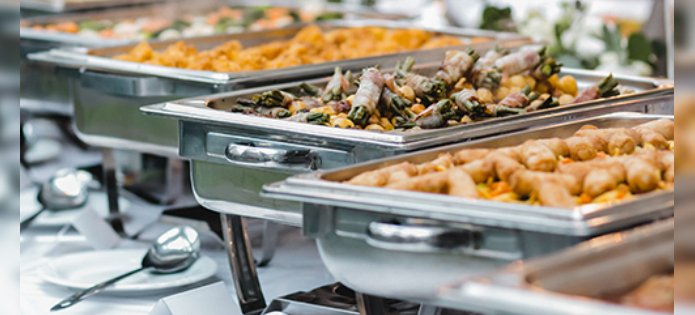
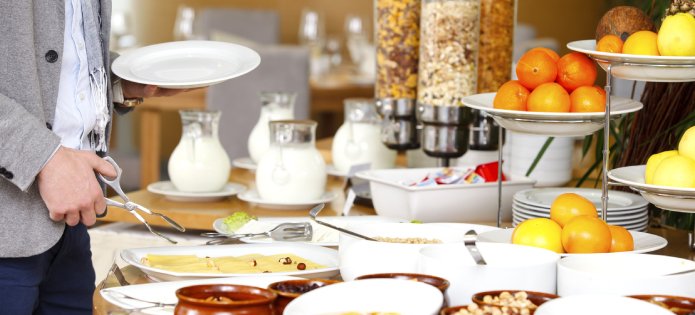
Caterers and hotels: flexible preparation for banquets and buffets
Bakeries with meat products: fillings and pâtés
Types and Performance Classes
Commercial meat grinders differ mainly in their output per hour. Smaller units suit businesses with a manageable demand, while larger models reliably process bigger quantities of meat in one go. The key is to match the performance class to your actual daily requirements. A grinder that is too weak quickly becomes a bottleneck during peak periods, while one that is too large takes up unnecessary space and energy.
What Professionals Look for When Buying
Realistic assessment of daily requirements and peak loads
Materials for the worm screw, knife and hole plates that come into contact with food
Interchangeable hole plates for coarse and fine minced meat
Stable footing and a drive that runs quietly even under continuous operation
Accessories such as a sausage filling attachment or stuffing device if you produce your own sausages
Simple disassembly for daily cleaning
Well-chilled meat can be ground more cleanly and evenly. Where possible, work with cold product and let parts of the machine cool during long batches. Keep the knives sharp: blunt knives crush the meat, heat it up and reduce the quality of the result.
Cleaning, Maintenance and Safe Operation
After every use, all parts that come into contact with meat should be disassembled, thoroughly cleaned and stored dry. Hole plate, knife and worm screw are best dried separately, as residues inside the housing promote bacterial growth. Maintain moving parts in line with the manufacturer's instructions. The meat grinder may only be operated with the designated safety guard, and meat must only be fed in with the pusher. Train your staff regularly in safe operation.
Why Buy from iGastroNomic?
iGastroNomic is both manufacturer and wholesaler. As a business customer, you receive B2B net prices and a broad selection of meat grinders for operations of different sizes. Our team advises you personally by phone or WhatsApp when choosing the right model. We deliver throughout Europe. Our company headquarters are in Nackenheim.
Frequently asked questions
What capacity does a meat grinder need for commercial use?
The right capacity depends on your daily meat requirements and on peak periods in your operation. It is better to allow some reserve so that the machine is not at its limit during busy periods. For snack bars and smaller restaurants, compact units are often sufficient, while canteens and caterers usually need larger performance classes.
Can I make sausage meat with a catering meat grinder?
Yes, many commercial meat grinders can be fitted with a sausage filling attachment or a suitable hole plate for sausage meat. When buying, check whether the accessory you need is compatible with the machine. For fine sausage meat, it is also important to use well-chilled meat.
How often do knives and hole plates need to be sharpened or replaced?
This depends on the type of meat, the quantity processed and how well the equipment is maintained. A blunt or damaged hole plate can be recognised by an uneven cut and by the increased effort needed to operate the machine. Sharpen or replace knives and plates early rather than waiting until they fail.
How do I clean a commercial meat grinder properly?
After every use, disassemble the machine into all parts that come into contact with meat and clean them thoroughly. Dry the worm screw, knife and plates completely before reassembling the unit. In addition, follow the manufacturer's instructions for cleaning and maintenance.
Does iGastroNomic deliver meat grinders abroad, and how do I get advice?
Yes, iGastroNomic delivers catering meat grinders throughout Europe. Business customers receive B2B net prices and personal advice by phone or WhatsApp. This way, we can work together to find the performance class and accessories that suit your operation.
Commercial Meat Mincer for Foodservice and Catering
A commercial meat mincer grinds meat, sinew and bacon evenly into mince, sausage meat or stuffing and is designed for restaurants, butcher shops, hotels and large kitchens. When buying, the most important factors are the output in kg/h, a robust stainless steel housing and the correct connection. Our range extends from machines up to 120 kg/h to high-performance models up to 320 kg/h.
Gastro meat mincer: typical applications
A commercial meat grinder is in demand wherever minced meat is produced fresh and according to your own recipe. This includes butcher shops and meat counters that make their own minced meat, bratwurst mixture and steak tartare, as well as restaurants, burger outlets and snack bars that value their own patties. Hotel kitchens, catering companies, canteens and large kitchens also rely on their own meat mincer to make good use of meat trimmings and to prepare meatballs, bolognese or fillings fresh.
If you also prepare schnitzel, steaks or rouladen from the meat, you can complement the mincer with a gastro meat tenderiser for flattening. This keeps the entire meat processing in one work area. When planning your foodservice equipment for meat processing, consider grinding, portioning and flattening together.
The right capacity: 120, 220 or 320 kg/h
The most important specification is the throughput capacity. Our gastro meat mincer up to 120 kg/h is suitable for restaurants, snack bars and smaller butcher shops with daily but manageable requirements. The up to 220 kg/h version suits butcher shops, hotel kitchens and catering businesses that process larger quantities in a short time. The meat mincer up to 320 kg/h is designed for large kitchens, canteens and production facilities where large batches arise several times a day.
Choose a capacity one step higher than your peak demand rather than lower. A machine that is not fully loaded runs more evenly, warms the meat less and protects the motor. Also check the voltage and connected load in the data sheet to make sure the device matches your electrical installation.
Capacity class
Typical use
Feature
Up to 120 kg/h
Restaurant, snack bar, small butcher shop
Compact entry-level model for daily quantities
Up to 220 kg/h
Butcher shop, hotel kitchen, catering
Higher throughput for larger batches
Up to 320 kg/h
Large kitchen, canteen, meat processing plant
High capacity for continuous commercial operation
Meat mincer with cooling: what matters
Many businesses look for a meat mincer with cooling, because meat warms up during grinding due to friction. This affects the binding, structure and shelf life of the mince. Integrated cooling is a special feature. In practice, you achieve a clean cutting result even with well pre-chilled meat and chilled grinder parts, i.e. auger, perforated plate and knife.
Work with meat that is just above freezing point and grind in batches rather than in continuous operation. Remove sinew and fat roughly in advance so that they do not clog the perforated plate. This protects the product and makes it easier to comply with your HACCP hygiene requirements.
Material and hygiene in commercial use
In professional use, stainless steel is essential. It is durable, corrosion-resistant and can be cleaned thoroughly. Parts in contact with meat such as the feed hopper, grinder housing and auger should be smooth and free of hard-to-reach corners. A stable base and a powerful motor ensure quiet running, even with tough material.
Perforated plates with different hole sizes are also important. A coarse plate is used for goulash or bratwurst mixture, a fine plate for minced meat or sausage meat. Plan for spare knives and additional plates so you can keep working without interruption when parts wear out.
Cleaning, care and maintenance
After every use, fully disassemble and clean the meat mincer. Warm water with a suitable cleaning agent and a brush for the perforated plate remove fat and protein residues. Dry all parts thoroughly to prevent rust. A thin film of food-safe oil on the auger and perforated plate provides additional protection.
Check knife and perforated plate regularly for sharpness and replace them in good time
Wipe the housing only with a damp cloth, never spray it with water
Check the power cable and switch regularly for damage
Only fill the machine with the stuffer provided
Delivery in Germany, Austria, Switzerland and Europe
At iGastroNomic you can order your commercial meat mincer online and receive it with fast delivery across Germany, to Austria, Switzerland and other countries in Europe. We reliably supply restaurants, hotels, butcher shops, bakeries, canteens and commercial businesses. As your point of contact for professional catering supplies, we help you choose the right capacity class for your business.

 Deutsch
 Türkçe
 Italiano
 Nederlands
 Français
 Español
 Polski
 Čeština
 Svenska
 Português PT
 Русский
 اللغة العربية
 中文
 日本語
 Tiếng Việt
 ภาษาไทย
 Română
 ελληνικά
 Magyar
 Dansk
 Suomi
 Hrvatski
 български език
 Eesti keel
 Latviešu valoda
 Slovenčina
 Slovenščina
 Bosanski
 עברית
 हिन्दी
 Bahasa melayu
 Kiswahili
 Bahasa Indonesia
 Papiamento
 Bokmål
 Lietuvių kalba
 Українська
 српски
 Shqip









 ›
 ›
 ›
 ›
 ›
 ›
 ›
 ›
 ›
 ›
 ›
 ›
 ›
 ›
 ›


