Tray Sealers: Sealing Frames, Spare Parts and Accessories for Commercial Foodservice
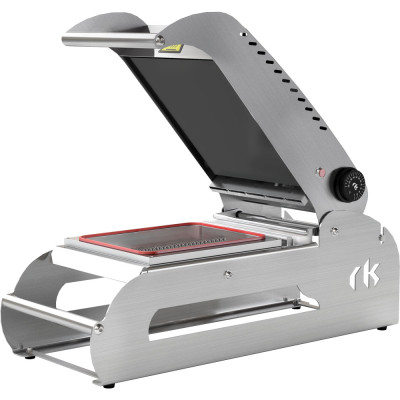
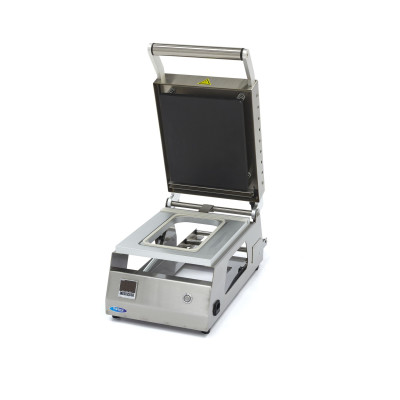
A tray sealer hermetically seals food in trays with a film. This extends shelf life, protects against contamination and simplifies transport, prep and service. In this category, commercial customers will find suitable sealing frames, spare parts and accessories for common tray formats at iGastroNomic, as well as complementary equipment such as a sealing machine or a vacuum packaging machine.
Applications in the Kitchen and Operation
Tray sealing is widely used in catering companies, canteens, snack bars, butcher shops with in-house production, bakeries with snack offerings and hotels with room service. Typical applications include:
Ready meals and lunch offers for takeaway
Soups, sauces and side dishes in portioned trays
Fresh meat in meat trays, in line with your own hygiene concept
Prepared components for service and storage
Tray Types and Matching Sealing Frames
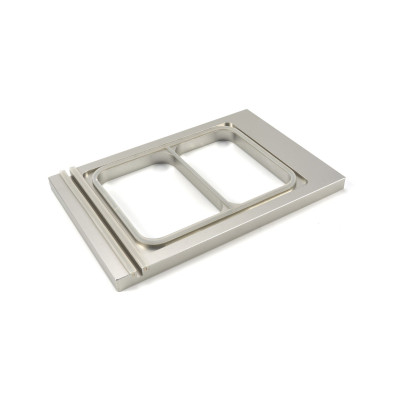
The tray shape determines the tooling. Round trays, rectangular meat trays, soup trays, side dish trays and GN formats each require a sealing frame matched to the shape and external dimensions. Single, two- or three-compartment trays allow main course and side dish to be served separately in one pack. For soup containers, round frames are available.
What Professionals Look for When Buying
Precise fit: The sealing frame must match the tray, otherwise the seal will leak.
Compartments: Multi-compartment trays keep components separate and prevent mixing.
Compatibility: Frames and spare parts must fit your existing sealing machine. Check the model details before purchasing.
Material: Film and tray should be matched to each other so the seal holds reliably.
Maintenance, Cleaning and Operation
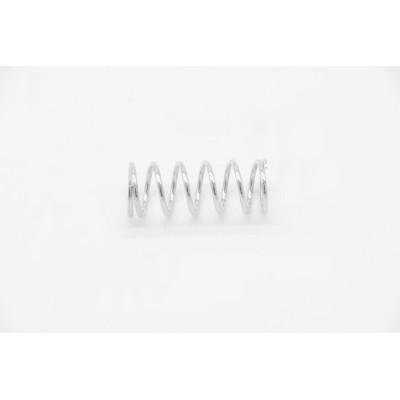
Sealing frames and heating plates should be cleaned of film residue and grease after every shift to keep sealing quality consistent. Wear parts such as springs or heating plates can be replaced early through regular visual checks, before seams become unclean. Store trays dry and clean, and where possible source trays and film from the same supplier so that format and material are compatible.
Why Buy from iGastroNomic
iGastroNomic is a manufacturer and wholesaler of foodservice and commercial kitchen equipment, based in Nackenheim. Business customers benefit from B2B net prices, a broad selection of parts and accessories, and personal advice by phone and WhatsApp. We deliver throughout Europe and support you in selecting the right sealing frame for your trays.
Frequently asked questions
What is a tray sealer and what is it used for?
A tray sealer hermetically seals food in trays with a heat-sealed film. In commercial foodservice it is mainly used for ready meals, lunch offers, soups, side dishes and portioned meat products. The sealing extends shelf life and protects the food during transport.
How do I find the right sealing frame for my trays?
The sealing frame must match the exact shape and external dimensions of the tray. Round trays, rectangular meat trays, soup trays and GN formats each require their own frames. Before buying, also check that the frame is compatible with your existing sealing machine.
Can I order spare parts for my tray sealer from iGastroNomic?
Yes, in the Parts category commercial customers will find spare parts and accessories, for example for the heating plate. To make the right selection, you should know your machine model. If you are unsure, our team can advise you by phone or WhatsApp.
What is the difference between single and multi-compartment trays when sealing?
Multi-compartment trays with two or three sections keep components such as the main course and side dish separate. They require matching sealing frames that take the compartment layout into account. Single-compartment trays are suitable for foods that do not need to be kept apart.
How do I clean sealing frames and heating plates correctly?
Sealing frames and heating plates should be cleaned of film residue and grease after every shift. This keeps sealing quality consistent and prevents contamination. Wear parts should be checked regularly and replaced in good time when worn.
Tray Sealer Accessories and Sealing Dies Online
Tray sealer accessories comprise the sealing dies and tools used to set a tray sealer for a specific tray format, for example for menu trays, soup bowls or meat trays. They are designed for foodservice, catering, butcher shops, staff canteens and central kitchens that portion and seal meals airtight. When buying, the most important factors are the outer dimensions of the tray, the number of compartments and compatibility with your existing tray sealer.
Applications: Where sealing dies for tray sealers are needed
A tray sealer seals trays with a film. This keeps meals, side dishes and meat products hygienically protected, leak-proof and fresh for longer. The right sealing die determines which tray fits in the machine and how clean the seal seam is. Typical users are catering businesses, lunch delivery services, staff canteens, care and nursing facilities, butchers with ready meals and hotels with takeaway offers.
Businesses offering several dishes often need several formats. A multi-compartment menu tray separates meat, starch and vegetables. A small portion tray is ideal for desserts, sauces or tasting portions. With the right foodservice supplies for packaging, you can flexibly adapt your range to takeaway, delivery and batch production.
Tray formats and compartments at a glance
The range is organised by tray type and outer dimensions. The dimensions in the product names describe the tray format for which the sealing die is designed. Menu trays are available in the same format with one, two or three compartments. The following table shows the main variants:
Tray type
Typical use
Special feature
Menu tray 227 x 178 mm or 225 x 175 mm
Complete lunch menus, catering
Available with 1, 2 or 3 compartments
Portion tray 171 x 127 mm
Small main courses, desserts, snacks
Compact format, 1 compartment
Side dish tray 138 x 114 mm
Side dishes, sauces, salads
Smallest format in the range
Soup bowl Ø 153 mm
Soups, stews, curries
Round shape, 1 compartment
1/6 GN tray 176 x 162 mm
Matched to Gastronorm logic
Suitable for GN-compliant preparation, 1 compartment
Meat tray 187 x 137 to 230 x 144 mm
Meat, sausage, roasts, fillets
Four sizes, 1 compartment each
Buying guide: Which sealing die suits your business?
The tray format is the first decisive factor. Check the length and width of your tray and compare them with the outer dimensions of the sealing die. Even a few millimetres of deviation can affect the seal seam. The formats 227 x 178 mm and 225 x 175 mm are very close to each other, so check the specification carefully. Also check whether the die fits your tray sealer and have your machine data ready.
The second criterion is the number of compartments. Multiple compartments make sense when components should stay separate, such as sauce and side dish. For soups and stews choose the round bowl with one compartment, and for meat products one of the four meat trays. The tray format also determines portion size, so you can base your costing on it.
Check the outer dimensions of the tray precisely
Choose the number of compartments according to the dish
Select the tray shape according to contents (rectangular or round)
Ensure compatibility with the existing machine
Hygiene and food safety when sealing
Sealing protects food from contamination, drying out and odour transfer. This is especially important for pre-prepared meals, cook-and-chill processes and delivery. A uniform seal seam is the basis for this. Sealing tools are designed to hold the tray securely and bond the film cleanly. This makes it easier to put HACCP requirements into daily practice, for example through labelling, date marking and clean, reproducible packaging.
Care and maintenance of sealing tools
After use, remove food residue and film remnants from the sealing die. Use a soft cloth and a mild cleaning agent, but no sharp objects that could damage the sealing surface. Check regularly that edges and contact surfaces are intact, as scratches or contamination often lead to leaking seams. Store dies that are not in use in a dry place and protected from scratches. This way the sealing quality stays consistent over many uses.
Delivery to Germany, Austria, Switzerland and Europe
iGastroNomic delivers your foodservice supplies quickly and reliably throughout Germany, Austria, Switzerland and Europe. Whether you run a restaurant in Hamburg, a staff canteen in Munich or a catering business in Vienna: you order the matching sealing dies online and receive them directly at your site. This lets you expand your tray format range without detours and keep your packaging line ready for use. Bundling your catering supplies with one supplier also saves time when ordering and coordinating.

 Deutsch
 Türkçe
 Italiano
 Nederlands
 Français
 Español
 Polski
 Čeština
 Svenska
 Português PT
 Русский
 اللغة العربية
 中文
 日本語
 Tiếng Việt
 ภาษาไทย
 Română
 ελληνικά
 Magyar
 Dansk
 Suomi
 Hrvatski
 български език
 Eesti keel
 Latviešu valoda
 Slovenčina
 Slovenščina
 Bosanski
 עברית
 हिन्दी
 Bahasa melayu
 Kiswahili
 Bahasa Indonesia
 Papiamento
 Bokmål
 Lietuvių kalba
 Українська
 српски
 Shqip









 ›
 ›
 ›
 ›
 ›
 ›
 ›
 ›
 ›
 ›
 ›
 ›
 ›
 ›
 ›