A commercial orange juicer is the tool for freshly pressed juice from oranges and other citrus fruits. Whether for a hotel breakfast buffet, a bar, a café or a juice offering at a snack bar: those who press juice on site deliver high quality and can reduce convenience products. This category is aimed at business customers who want to use a commercial orange press in continuous operation.
Applications in Foodservice
A citrus press for foodservice pays off wherever fresh juice is needed regularly:
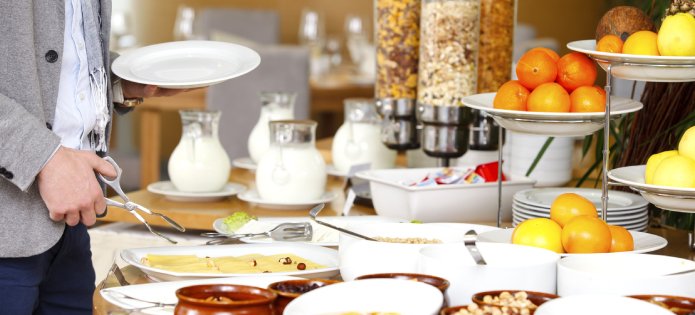
Breakfast buffets in hotels and guesthouses
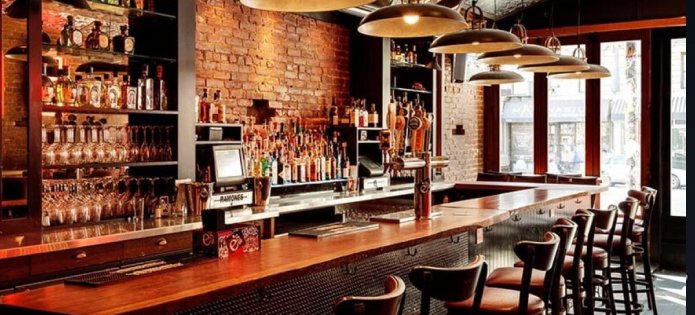
Bars, cocktail bars and lounges for mixed drinks
Cafés and bakeries with a juice offering
Canteens and caterers for events and banquets
Snack bars and quick-service restaurants with fresh beverages
Types: Manual Press or Electric Orange Juicer
In principle, a distinction is made between manual presses with a lever mechanism and electric orange juicers. Manual devices are suitable for small quantities and businesses with low juice requirements. Electric units are designed for repeated pressing cycles and relieve staff when larger quantities are needed during peak times. For professional daily use, the decision to buy an electric orange juicer is usually the more economical choice.
What Professionals Look for When Buying
Juice output matched to daily demand and peak times
Type of pressing action and ease of use in everyday operation
Build quality and materials that withstand continuous commercial use
Easy access to components for daily cleaning
Space requirements on the counter or bar setup
Cleaning, Care and Operation
Hygiene is crucial when pressing juice, as fruit residue and sugar quickly promote bacteria. After each session, removable parts such as press cones, collection containers and strainers should be cleaned. Rinse the units thoroughly, let them dry and check them regularly for wear. A fixed cleaning routine in the shift plan prevents downtime and ensures consistent quality.
Why Buy from iGastroNomic
iGastroNomic is a manufacturer and wholesaler of foodservice and commercial kitchen equipment, headquartered in Nackenheim. Business customers receive B2B net prices and a wide selection of equipment for professional use. Personal advice by phone and WhatsApp helps you choose the right orange juicer. Delivery is available throughout Europe.
Frequently asked questions
Which commercial orange juicer is suitable for professional use?
For commercial use, you should match the juice output to your daily demand and peak times. A robust build for continuous operation and a construction that is easy to clean are also important. Personal advice can help you choose the right model.
Is an electric orange juicer better than a manual press for foodservice?
Electric orange juicers are designed for repeated, larger quantities and relieve staff during peak times. Manual presses are suitable for small quantities and businesses with low juice requirements. The deciding factor is how much juice you need each day.
Can an orange juicer also press other citrus fruits?
Many orange juicers are also suitable for lemons, limes and grapefruits, provided the press cone and design are suitable for them. Make sure the fruit is washed and halved. For mixed drinks in the bar, this is particularly practical.
How do you properly clean an orange juicer in foodservice?
Remove removable parts such as press cones, collection containers and strainers after each session and clean them thoroughly. Let all components dry completely before reassembling the unit. Set a fixed cleaning routine in the shift plan to maintain hygiene and quality over the long term.
How can business customers order an orange juicer from iGastroNomic?
Business customers receive B2B net prices at iGastroNomic and can make their selection directly via the shop. For questions about equipment and use, personal advice is available by phone and WhatsApp. Delivery is available throughout Europe.
Commercial Electric Orange Press for Catering
A commercial orange press squeezes citrus fruits quickly and evenly into fresh orange juice. It is designed for restaurants, hotels, cafés, juice bars and canteens. When buying, the key factors are the juice output per hour, the usable glass height, the drive and easy cleaning.
Commercial Orange Press: Areas of Use in Practice
Freshly squeezed juice is now standard in a good breakfast offering. An orange press for catering therefore has its place at the hotel buffet, behind the counter in a café, in the juice bar and in the restaurant for the drinks menu. Snack bars, bakeries with a breakfast area, canteens and caterers also rely on an electric juice press, as it delivers portions of consistent quality.
Compared with bottled juice, you stand out with freshness, flavour and a visible promise of quality. Guests see the fruit being pressed right in front of them. This enhances the perceived value and justifies higher selling prices for freshly squeezed orange juice. As part of your catering equipment, the press is a manageable investment with high returns.
Electric Orange Press or Manual Press?
Manual lever presses work without electricity but require effort and time. They are suitable for small volumes or occasional use. As soon as several glasses per hour are needed, an electric orange press is worthwhile: the motor drives the reamer, and you only need to hold the halved fruit against it. This saves staff time and spares the wrists during peak periods such as breakfast service.
Type
Typical Use
Feature
Electric orange press with reamer
Hotel, café, restaurant, juice bar
Motor drive, even pressing, high hourly output
Manual lever press
Small business, bar, occasional use
No power needed, high physical effort
Citrus press for lemons and limes
Bar, cocktail preparation, kitchen
Smaller reamer for smaller fruit
Automatic press with fruit feed
Large breakfast area, high footfall
Whole fruit, minimal manual work
Buying Advice: Output, Glass Height and Size
The most important criterion is the output in litres per hour. A model with 32 l/h comfortably covers the needs of a mid-sized hotel buffet, a café or a juice bar. Calculate your peak periods: how many glasses do you need per hour, and how much reserve would you like? It is better to allow a little extra capacity so the press does not run continuously at full load.
The glass height under the spout is just as important. At 12.5 cm, standard juice glasses and carafes fit comfortably beneath the outlet. Check in advance which glasses you use, and pay attention to footprint, weight and the placement on the counter or buffet. If you use oranges of different sizes, choose a reamer that suits the common fruit sizes. For an electric press, a standard power socket is usually sufficient; you will find the connection values in the data sheet.
Material and Hygiene for Juice Presses
In catering, a juice press must withstand continuous operation, fruit acids and frequent cleaning. Choose a unit with a stainless steel housing or robust, food-safe material. Stainless steel is acid-resistant, hygienic and visually appealing. Parts that come into contact with juice should be smooth, have few joints and be easy to remove so that no residue can build up.
Citrus fruit pulp and sugar tend to stick quickly. An easy-to-clean orange press saves time and meets food hygiene requirements, for example as part of your HACCP concept. Dishwasher-safe components such as the reamer and collection tray make daily work easier.
Care and Maintenance for a Long Service Life
Clean the press after every use: remove the pressing parts, wash them with warm water and mild detergent, rinse thoroughly and let them dry. Wipe the housing with the motor only with a damp cloth and never immerse it in water. Do not use abrasive cleaners, so that stainless steel and plastic parts do not get scratched.
Check the reamer and strainer regularly for wear
Inspect the power cable and plug
Only fill the unit with clean, washed fruit
Remove limescale and fruit residue promptly
Tips for the Best Orange Juice
The flavour depends heavily on the fruit. Use ripe, juicy oranges and store them in a cool place. Fruit at room temperature often yields more juice than cold fruit. Only squeeze what you will serve promptly, as freshly squeezed juice loses aroma and vitamin content over time. For a clean result, halve the oranges before pressing and do not press the peel too hard, so that fewer bitter compounds get into the juice.
Delivery to Germany, Austria, Switzerland and Europe
iGastroNomic delivers your commercial orange press quickly and reliably throughout Germany, Austria, Switzerland and across Europe. Whether it is a hotel on the coast, a café in the city centre, a canteen in an industrial estate or a juice bar in the pedestrian zone: we supply commercial customers in the catering, hotel, bakery, butcher and trade sectors. You will also find further catering supplies such as glasses, carafes and counter accessories with us, so you can equip your entire juice station from one source.

 Deutsch
 Türkçe
 Italiano
 Nederlands
 Français
 Español
 Polski
 Čeština
 Svenska
 Português PT
 Русский
 اللغة العربية
 中文
 日本語
 Tiếng Việt
 ภาษาไทย
 Română
 ελληνικά
 Magyar
 Dansk
 Suomi
 Hrvatski
 български език
 Eesti keel
 Latviešu valoda
 Slovenčina
 Slovenščina
 Bosanski
 עברית
 हिन्दी
 Bahasa melayu
 Kiswahili
 Bahasa Indonesia
 Papiamento
 Bokmål
 Lietuvių kalba
 Українська
 српски
 Shqip









 ›
 ›
 ›
 ›
 ›
 ›
 ›
 ›
 ›
 ›
 ›
 ›
 ›
 ›
 ›


