Ventilation for Commercial Kitchens and Catering Facilities
An efficient kitchen ventilation system determines working climate, odour exposure and hygiene in professional kitchens. Grease, water vapour and odours from cooking processes must be reliably captured and extracted before they settle in the room and on surfaces. At iGastroNomic, trade customers find all components for commercial kitchen ventilation: extraction hoods, fans, ventilation ducts and grease filters, available as B2B wholesale goods and from our own production.
Applications in Restaurants, Snack Bars, Hotels and Canteens
Kitchen extraction is required wherever food is cooked with grease, heat and steam. Typical installation sites include:
Restaurants and hotel kitchens with grill, pan-frying and deep-fat frying stations
Snack bars and quick-service restaurants with open fryers and grill equipment
Canteens and caterers with large boiling kettles and steamers
Bakeries with bake ovens and production areas
Extraction Hoods, Fans, Ducts and Grease Filters at a Glance
A functioning system consists of several components that must be matched to one another:
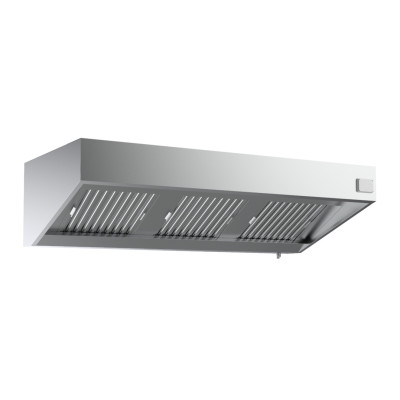
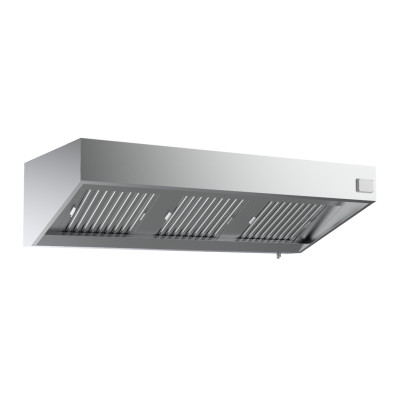
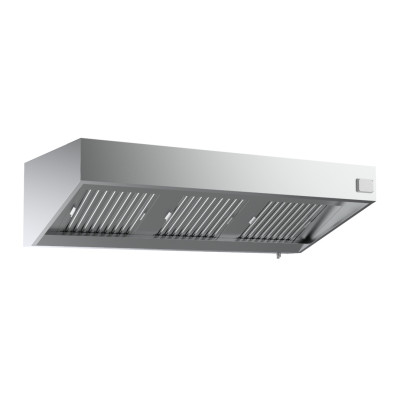
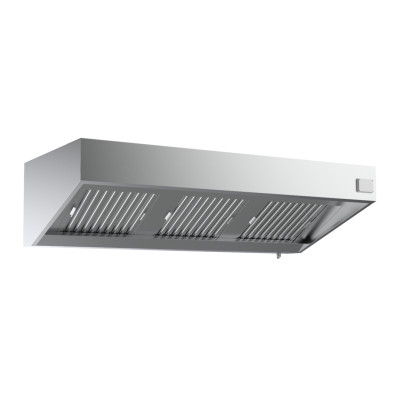
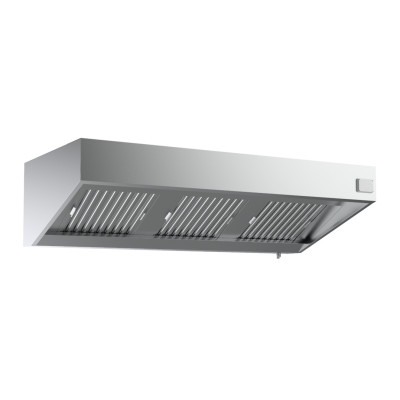
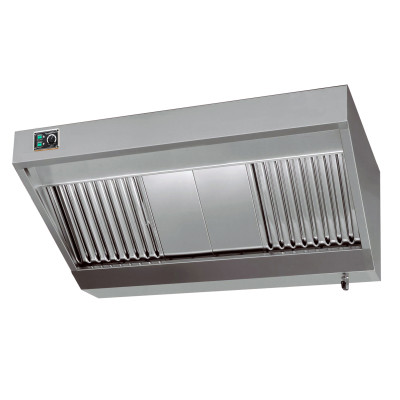
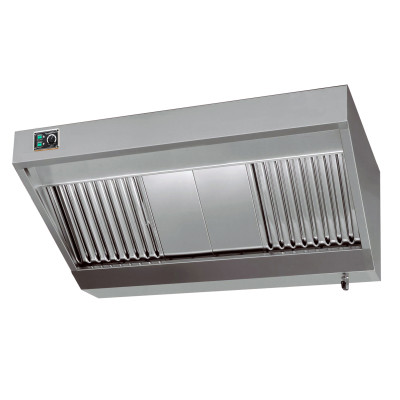
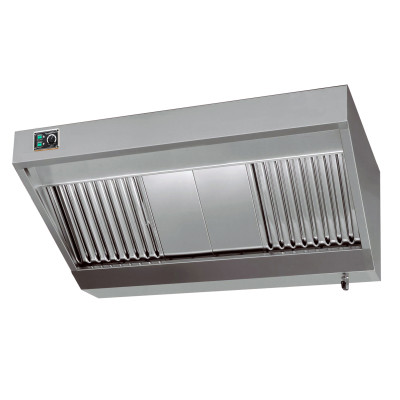
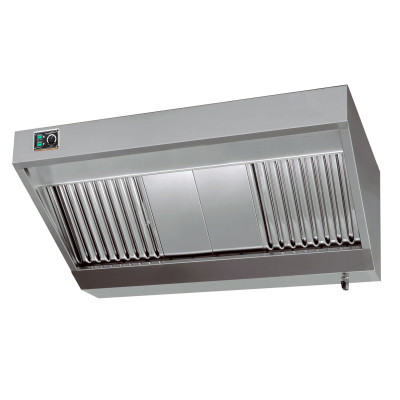
Extraction hoods & wall-mounted hoods capture steam and odours directly above the cooking area. Wall-mounted hoods are fixed to the wall, while island hoods hang above freestanding appliances.
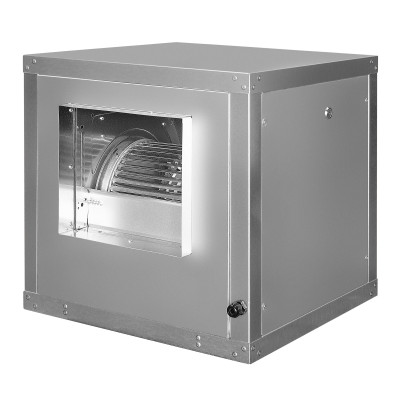
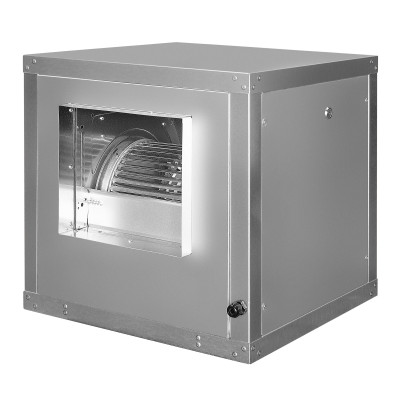
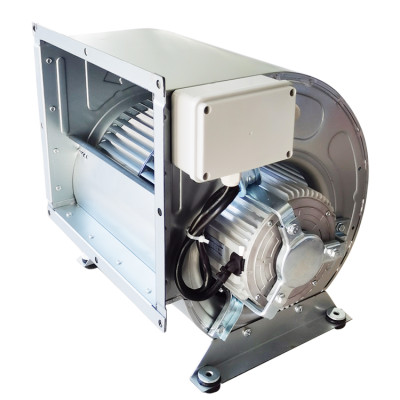
Fans move exhaust air from the hood to the outside or return it through filters. Matching the fan to the hood and airflow path is essential.
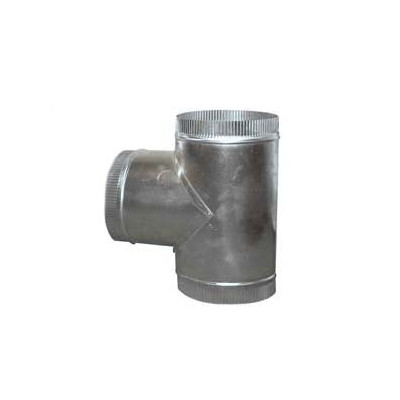
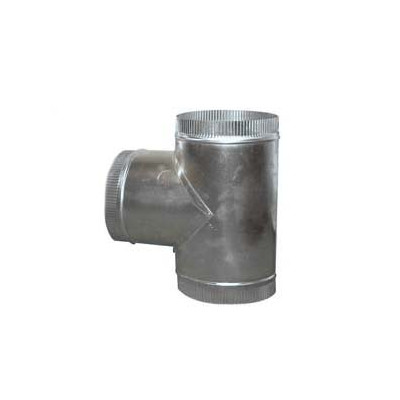
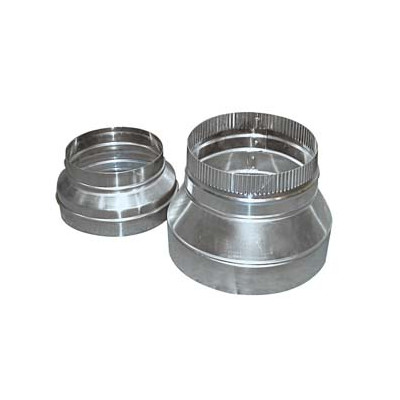
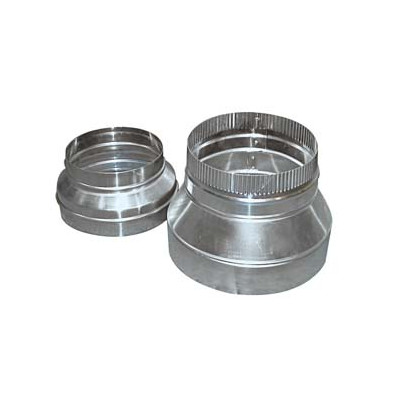
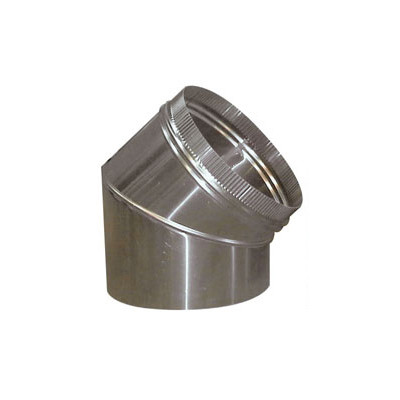
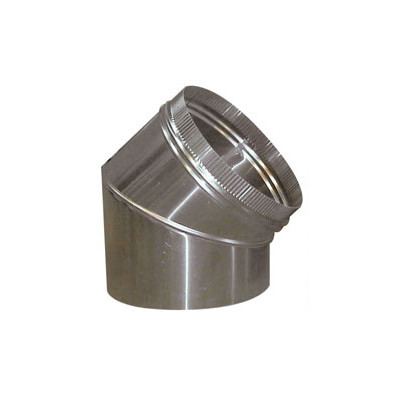
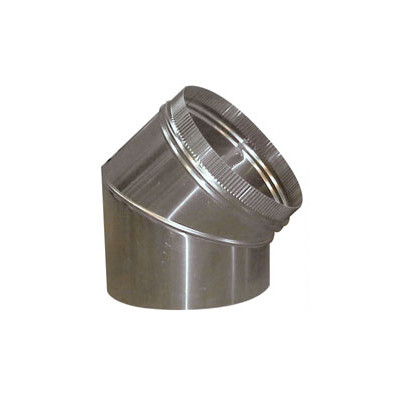
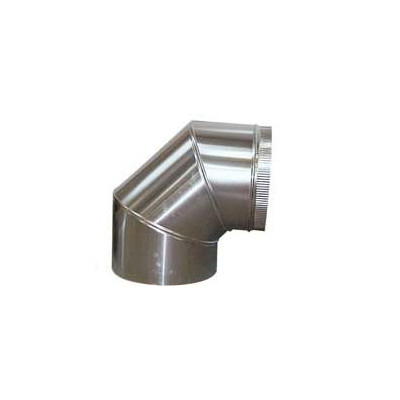
Ventilation ducts & fittings connect the hood, fan and outlet. Bends, reducers and branches must be planned for good airflow, as unnecessary deflections slow the air stream.
Grease filters trap grease particles from the exhaust air and protect the fan and ductwork from build-up.
What Professionals Look For When Buying
Correct sizing for the cooking surface, appliance line-up and room volume
Short, as straight as possible duct runs with few deflections
Robust materials that withstand daily cleaning and moisture
Easily accessible grease filters for tool-free maintenance
Matched diameters for hood, fan and ducts
Commercial-grade construction rather than household equipment, especially for continuous operation
Cleaning, Maintenance and Operation
Grease filters must be cleaned regularly, depending on usage; in busy kitchens this is often required daily. Grease deposits in hoods and ducts increase the fire risk and reduce airflow performance. Schedule fixed cleaning intervals and check the fan, filters and seals at regular intervals. A well-maintained system keeps odours and grease out of the dining area and supports the hygiene requirements of your business.
Why Buy from iGastroNomic
iGastroNomic is a manufacturer and wholesaler of commercial kitchen and catering equipment, based in Nackenheim. Trade customers receive B2B net pricing, a wide selection of ventilation components and personal advice by phone and WhatsApp. We deliver throughout Europe. If you want to buy commercial kitchen ventilation, you will find suitable combinations of hood, fan, duct and filter with us.
Frequently asked questions
Which components are part of a commercial kitchen ventilation system?
A commercial kitchen ventilation system typically includes the extraction hood or wall-mounted hood above the cooking area, the fan for removing exhaust air, ventilation ducts with fittings for the airflow path, and grease filters to separate grease. All components must be matched to one another so that the system operates efficiently.
How often do grease filters need to be cleaned in a commercial kitchen?
Cleaning intervals depend on how intensively the kitchen is used. In busy businesses with fryers or grills, daily cleaning is common, while quieter kitchens can manage with longer intervals. Follow the manufacturer's instructions and document all maintenance.
What is the difference between an extraction hood and a wall-mounted hood?
Extraction hood is the general term for hoods that remove steam and odours above cooking appliances. A wall-mounted hood is fixed to a wall and suits appliances placed against a wall. Island hoods, by contrast, hang freely above appliances that are accessible from all sides.
Which ventilation ducts are suitable for commercial use?
For commercial use, ducts made of robust, easy-to-clean material with a smooth inner surface are advisable, as grease adheres less readily to them. Tight connections and short duct runs with few bends are also important, so that exhaust air can be removed without obstruction.
Can I buy commercial kitchen ventilation from iGastroNomic as a trade customer?
Yes, iGastroNomic offers ventilation components for commercial kitchens and catering facilities on a B2B wholesale basis. Trade customers receive net pricing and personal advice by phone or WhatsApp. We deliver throughout Europe.
Commercial Kitchen Ventilation & Extraction
The right commercial kitchen ventilation system consists of extractor hoods, extraction fans, ventilation ducts and grease filters that reliably remove steam, grease and odours from the kitchen. It is designed for restaurants, hotels, snack bars, canteens and butcher shops. When buying, consider the hood size matched to the cooking surface, the airflow capacity of the fan, the duct diameter and how easy the filters are to clean.
Commercial Kitchen Extraction: Why It Is Indispensable
In a professional kitchen, fryers, grills, ranges and tilting braising pans generate large amounts of water vapour, grease aerosols and heat. An efficient commercial kitchen extraction system ensures this load does not spread into the room. This protects staff, improves the room climate and prevents grease from settling on walls, ceilings and equipment.
A well-planned ventilation system is also a key element of hygiene and fire safety. Operators should therefore treat hood, filter, fan and duct routing as one connected system. Our range includes components for restaurants, hotels, snack bars, bakeries and canteens, suitable for new installations and replacements.
Extractor Hoods & Wall Canopies for Professional Kitchens
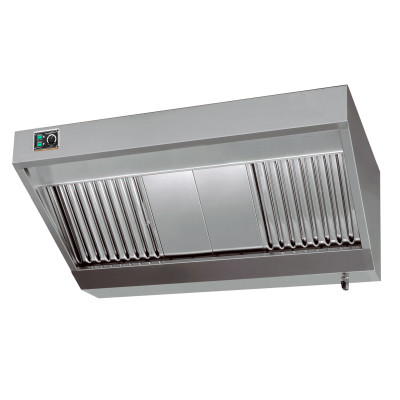
The extractor hood for catering kitchens captures steam and grease directly above the cooking surface. Wall-mounted canopies are fitted to the wall and suit appliances standing against a kitchen wall. They are the most common solution in restaurants and snack bars. Hoods made of stainless steel are robust, heat-resistant and easy to clean.
The hood should project slightly beyond the cooking surface on all sides so that rising steam is fully captured. Also important are the connection spigots for the exhaust duct, built-in grease filters and suitable lighting. Check width, depth and installation height in your kitchen before purchasing.
Component
Function
Typical Use
Extractor hood / wall canopy
Captures steam, grease and heat above the cooking surface
Ranges, grills and fryers in restaurants and snack bars
Fan
Generates the airflow for exhaust
Kitchen extraction, ventilation of adjoining rooms
Ventilation ducts & fittings
Carry exhaust air outside
Connection of hood and fan, bends, transitions
Grease filter
Separates grease from the exhaust air
Fitted in hoods, regular replacement or cleaning
Extraction Fans: Moving Exhaust Air Efficiently
The fan for kitchen extraction determines how much air is removed per unit of time. When selecting one, airflow capacity, connection diameter, voltage and installation situation are the key factors. Designs such as in-line duct fans are fitted directly into the ventilation duct, while other fans are mounted at the hood outlet or outdoors.
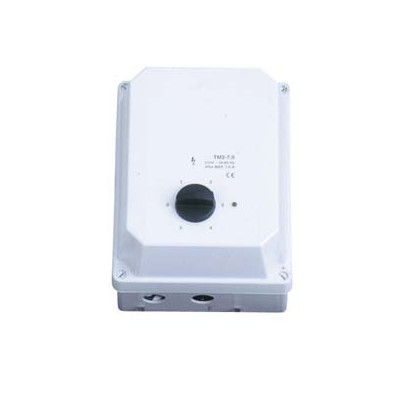
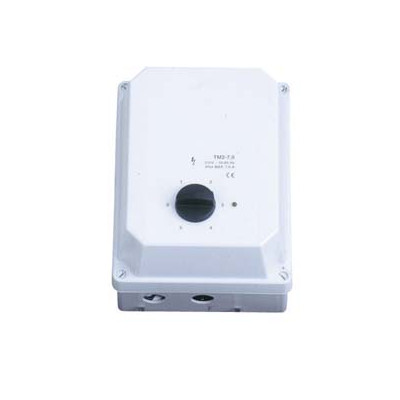
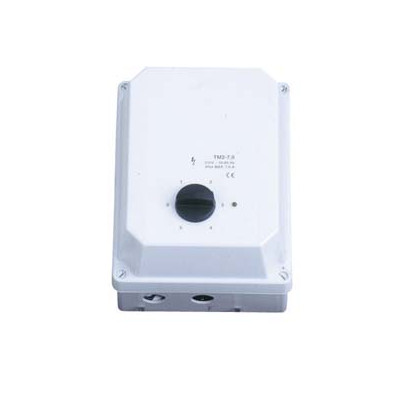
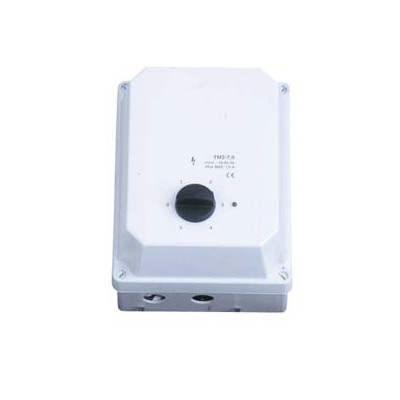
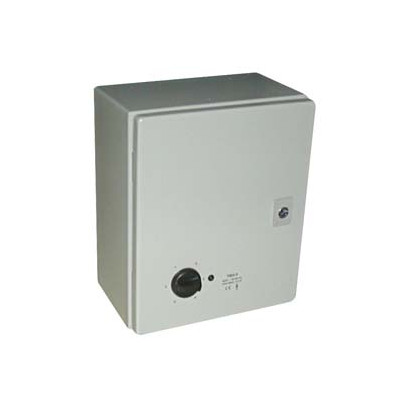
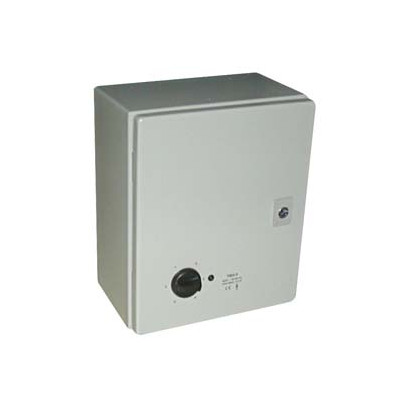
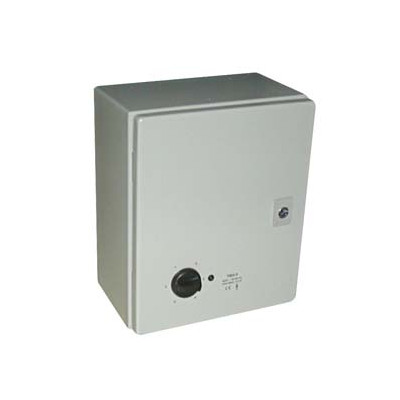
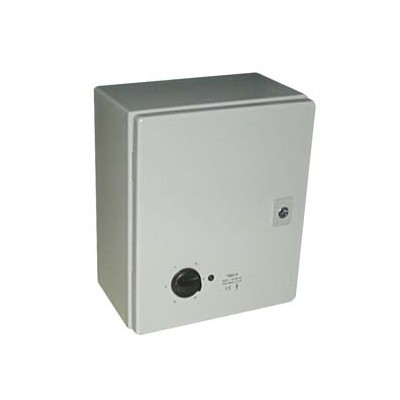
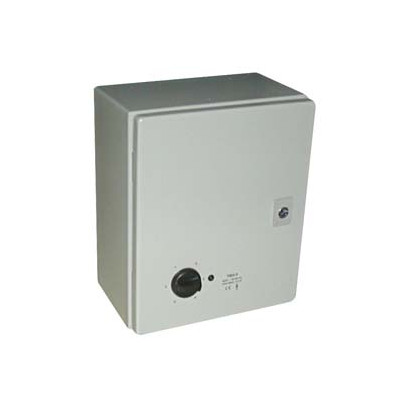
Do not select too little capacity. Fans that are too weak allow steam to escape, while oversized fans create unnecessary noise and draughts. If you operate many cooking appliances, variable speed control can help adjust the output to your operation. For greasy exhaust air, make sure the fan is suitable for it.
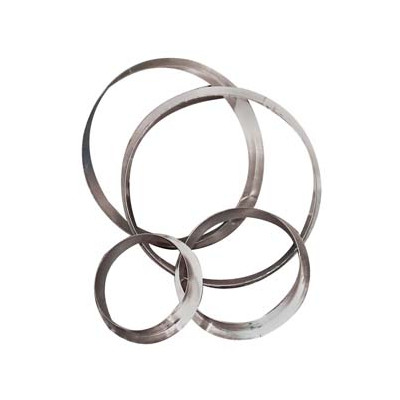
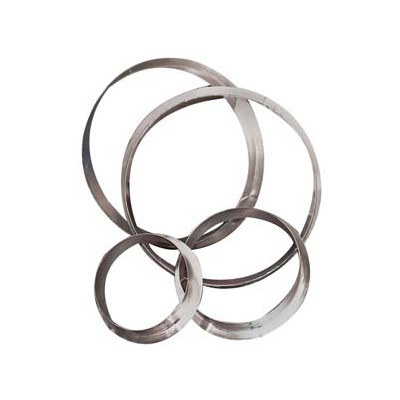
The ventilation ducts connect hood, fan and outlet. With fittings such as bends, reducers, couplings and transition pieces, the route can be adapted to ceilings, walls and roof penetrations. The fewer changes of direction and the smoother the inner surfaces, the lower the airflow resistance.
The duct diameter should match the fan and the hood spigot. Constrictions reduce performance and increase noise. For kitchen extraction, metal ducts with tight joints are standard, as they are heat-resistant and resist grease build-up. Also plan access points for inspection so the ducts can be cleaned.
Stainless Steel Grease Filters: Protection for Hood and Exhaust System
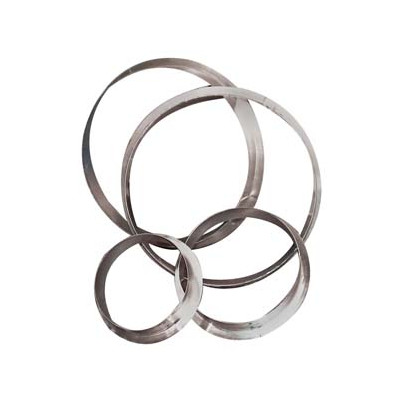
The grease filter separates grease from the exhaust air before it reaches the ducts and fan. Common types are stainless steel grease filters in various designs, for example baffle or cassette filters. They can be removed and cleaned multiple times. This is more economical than disposable filters and reduces the fire load in the system.
It is essential that the filter dimensions match the hood exactly. Measure the length, width and thickness of your existing filters before ordering replacements. A clean filter maintains suction performance and lowers the risk of grease deposits in the duct system.
Care & Maintenance of the Ventilation System
The extraction system should be cleaned regularly. Stainless steel grease filters can generally withstand cleaning in a commercial dishwasher or in a degreaser bath. Wipe hood surfaces with a mild cleaner. With heavy use, for example at fryers or grills, shorter cleaning intervals are necessary.
Also observe the hygiene requirements for kitchen ventilation systems, such as VDI 2052, and the manufacturers' maintenance instructions. Have the fan, ducts and hood inspected and cleaned at appropriate intervals to keep the system safe and efficient.
Delivery Across Germany, Austria, Switzerland and Europe
Whether you are opening a new restaurant, refitting a kitchen or replacing a grease filter: we reliably deliver your catering equipment range for kitchen ventilation to all of Germany, Austria, Switzerland and Europe. Bulky items such as wall canopies and ducts are packed securely for transport, so your kitchen is quickly back in operation.

 Deutsch
 Türkçe
 Italiano
 Nederlands
 Français
 Español
 Polski
 Čeština
 Svenska
 Português PT
 Русский
 اللغة العربية
 中文
 日本語
 Tiếng Việt
 ภาษาไทย
 Română
 ελληνικά
 Magyar
 Dansk
 Suomi
 Hrvatski
 български език
 Eesti keel
 Latviešu valoda
 Slovenčina
 Slovenščina
 Bosanski
 עברית
 हिन्दी
 Bahasa melayu
 Kiswahili
 Bahasa Indonesia
 Papiamento
 Bokmål
 Lietuvių kalba
 Українська
 српски
 Shqip









 ›
 ›
 ›
 ›
 ›
 ›
 ›
 ›
 ›
 ›
 ›
 ›
 ›
 ›
 ›