Latest posts

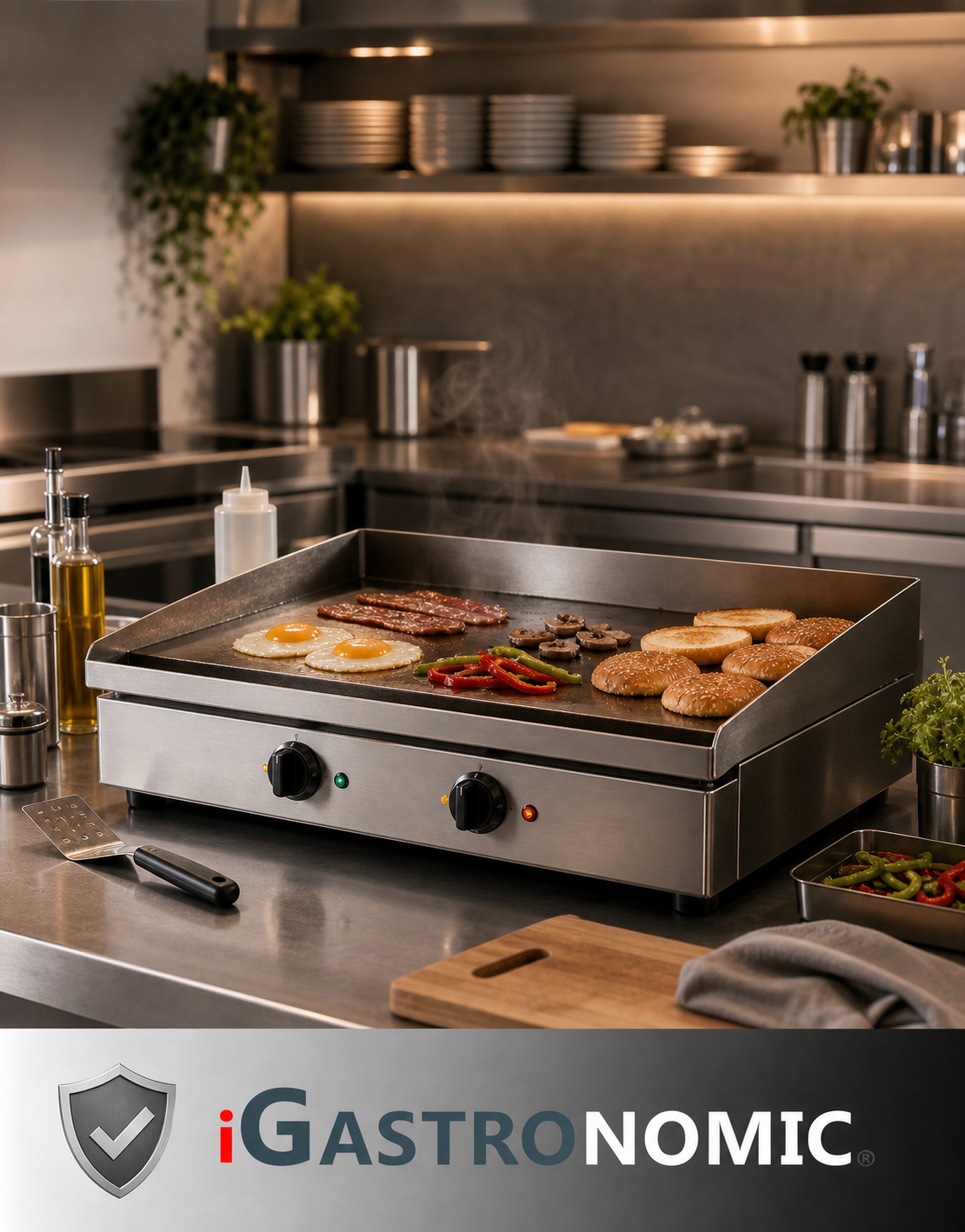
  • Fry Top Smooth or Ribbed? Which Is Better for Cooking?
    Fry Top Smooth or Ribbed? Which Is Better for Cooking?

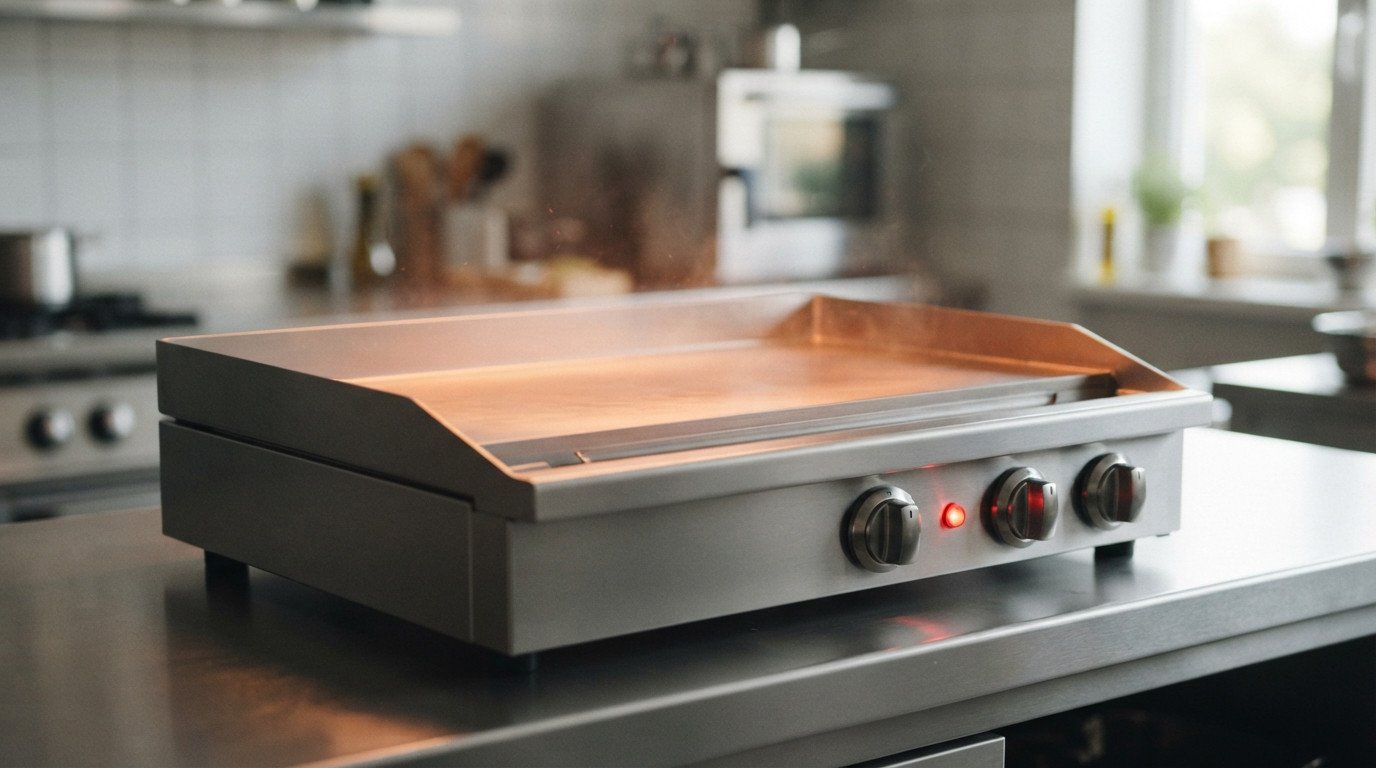
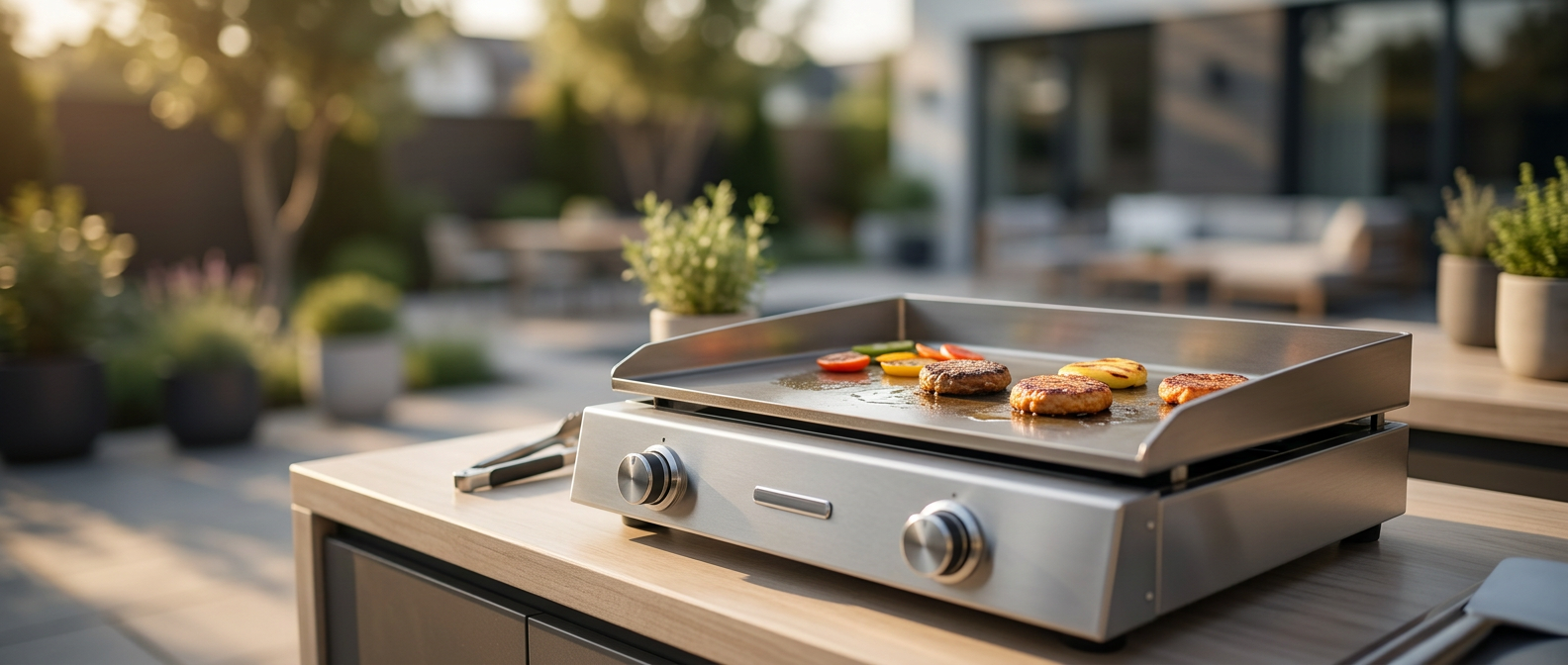
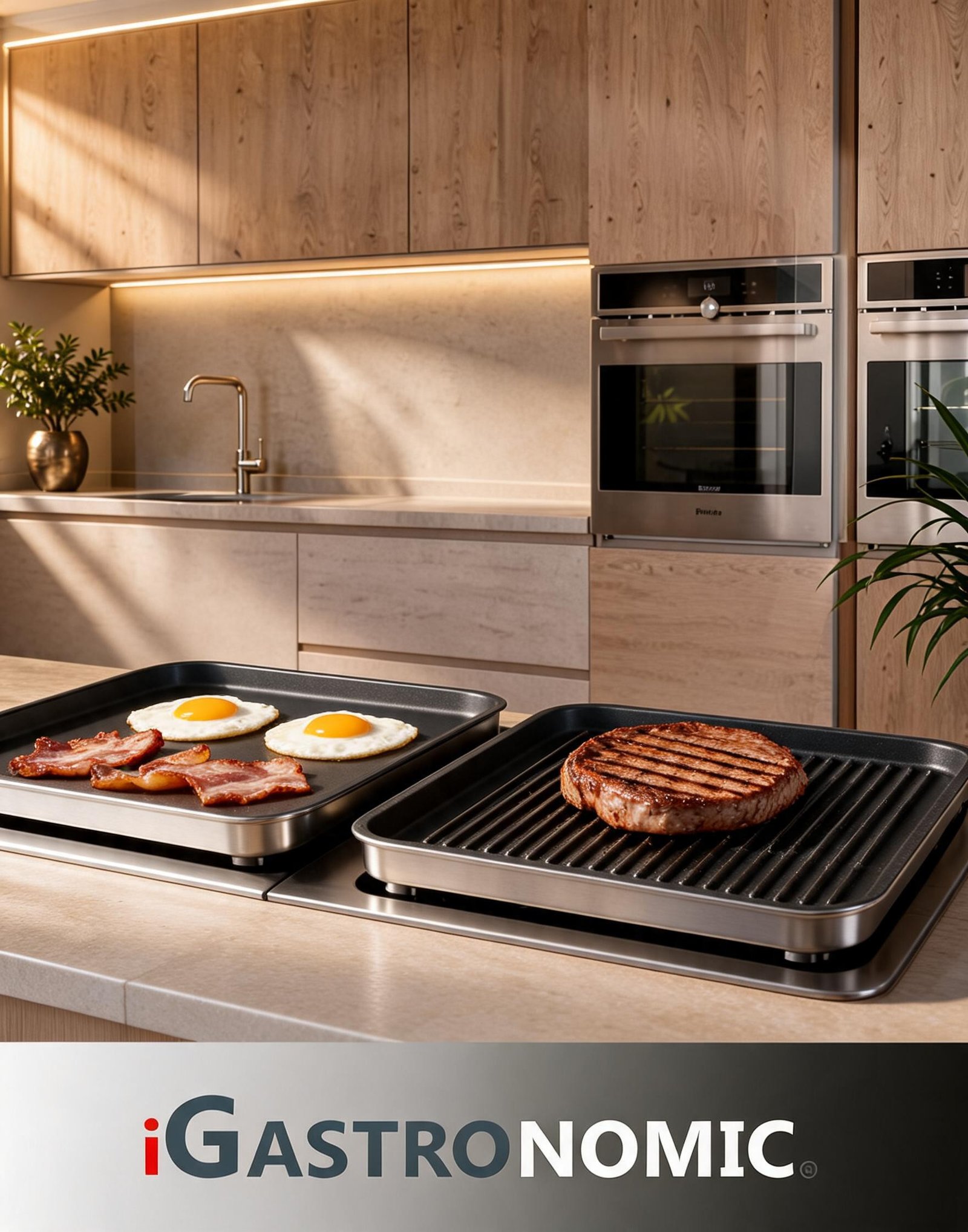
    Choosing between a smooth (liscio) and ribbed (rigato) fry top can significantly impact your cooking experience. Smooth fry tops offer versatility, even heat distribution, and easier cleaning, making them ideal for cooking eggs, pancakes, and delicate foods. Ribbed fry tops provide authentic grill marks, better fat drainage, and enhanced flavor, perfect for grilling meats and vegetables. Your choice depends on your cooking preferences and the types of dishes you prepare most often. This guide...
    Read more
  • How to Use a Fry Top: A Complete Beginner's Guide
    How to Use a Fry Top: A Complete Beginner's Guide

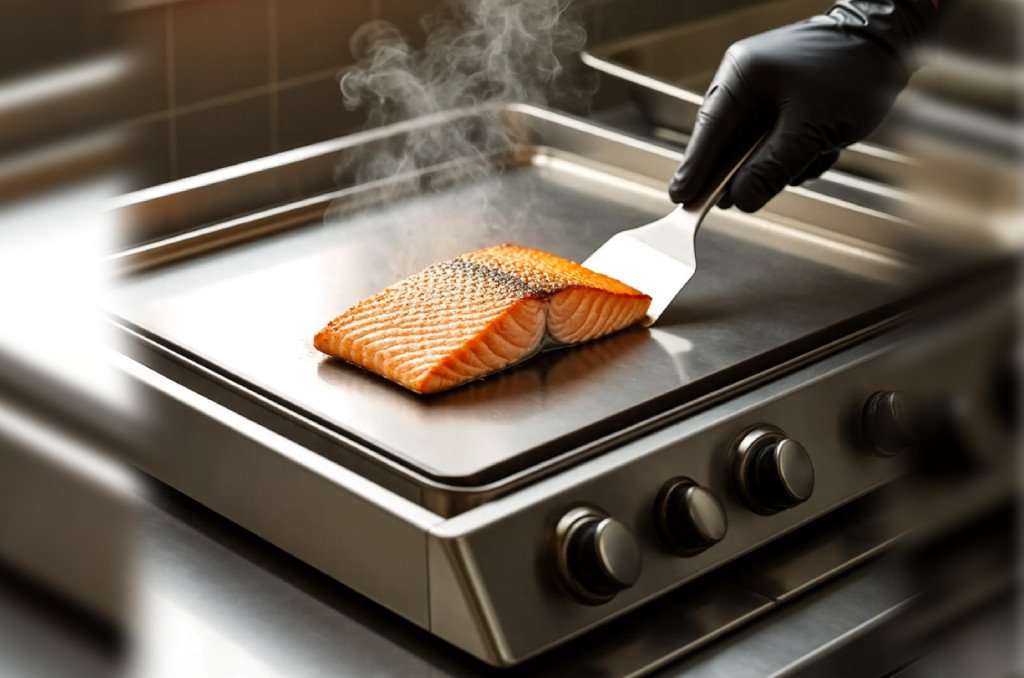
    A fry top is a flat, smooth cooking surface that offers even heat distribution and a large area to cook multiple foods simultaneously. This beginner's guide covers everything you need to know to get started, including seasoning your fry top, preheating, cooking techniques, cleaning, and maintenance tips. Whether you want to make pancakes, sear steaks, or stir-fry vegetables, a fry top is a versatile tool that can elevate your cooking experience. Learn how to avoid common mistakes and explore...

    Read more
  • Fry Top vs Piastra Elettrica: Which One Should You Choose for Your Kitchen?
    Fry Top vs Piastra Elettrica: Which One Should You Choose for Your Kitchen?

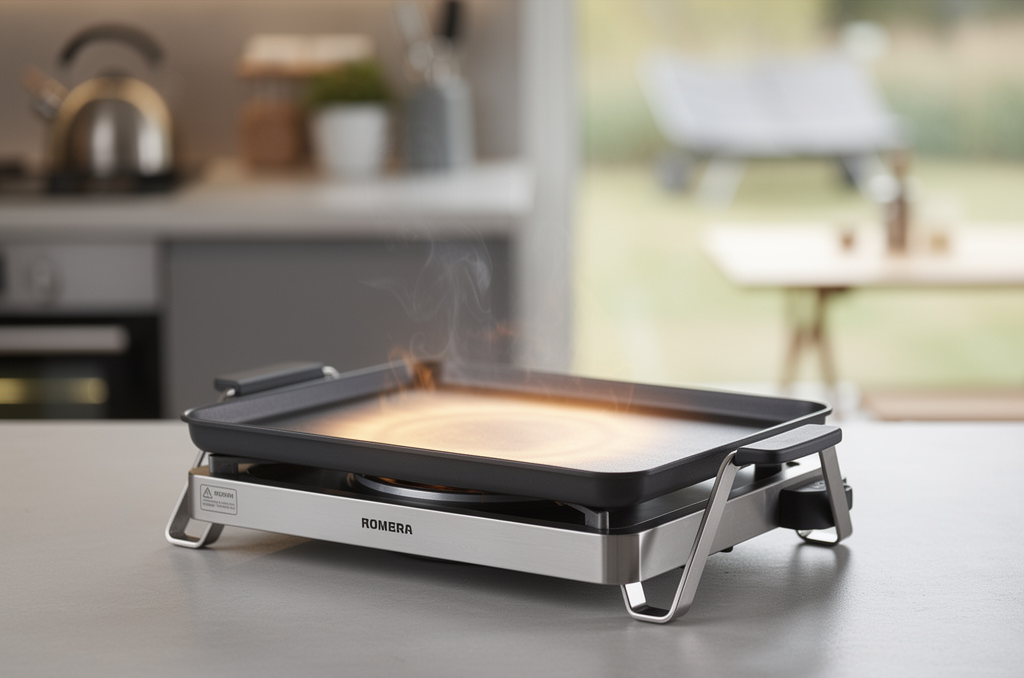
    Choosing the right cooking appliance can transform your kitchen experience. Two popular options are the Fry Top and the Piastra Elettrica. The Fry Top is a flat metal plate, often gas-powered, known for its excellent heat retention and versatility, perfect for cooking multiple dishes at once. In contrast, the Piastra Elettrica is an electric griddle, compact and portable, featuring a non-stick surface ideal for quick and easy cooking. This blog post explores the key differences between these...

    Read more
  • Which Kitchen Appliances Do I Really Need for My Restaurant?
    Which Kitchen Appliances Do I Really Need for My Restaurant?

    Opening a restaurant requires careful planning, especially when it comes to kitchen equipment. Not every kitchen gadget is necessary, and overspending can strain your budget. This guide helps you identify the essential kitchen appliances your restaurant truly needs to operate efficiently and deliver quality food. Key appliances include commercial ranges and ovens for versatile cooking, refrigeration units to keep ingredients fresh, and food preparation equipment like mixers and slicers to...

    Read more
  • Menu Development with New Equipment: Unlocking Culinary Creativity
    Menu Development with New Equipment: Unlocking Culinary Creativity

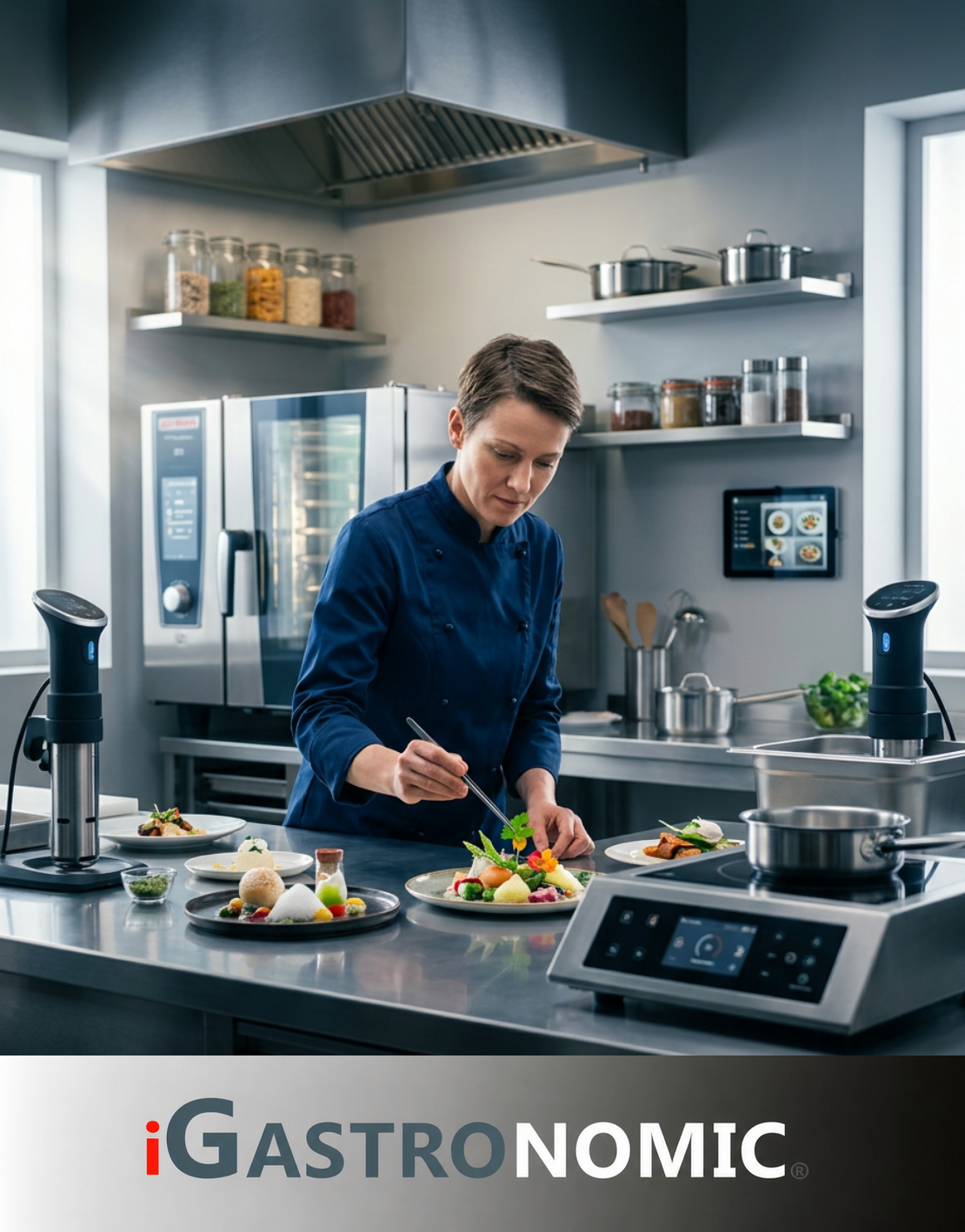
    In the dynamic culinary world, incorporating new kitchen equipment into menu development can revolutionize how chefs create and deliver dishes. Modern tools like sous-vide machines, induction cooktops, and combi ovens expand cooking techniques, improve consistency, and boost efficiency. This blog post explores how integrating new equipment can enhance creativity, optimize kitchen workflows, and elevate the dining experience. From understanding your equipment to experimenting with recipes and...

    Read more
  • Crisis Management in the Gastronomy Industry: Strategies for Resilience and Success
    Crisis Management in the Gastronomy Industry: Strategies for Resilience and Success

    The gastronomy industry is vibrant but vulnerable to various crises, from health emergencies and supply chain disruptions to economic downturns and natural disasters. Effective crisis management is essential for restaurants and food businesses to survive and thrive during challenging times. This involves proactive preparation, quick and transparent communication, and continuous learning from each incident. Key steps include conducting risk assessments, developing detailed crisis plans,...

    Read more
  • Insurance for Gastro Kitchens: Protecting Your Culinary Business
    Insurance for Gastro Kitchens: Protecting Your Culinary Business

    Operating a gastro kitchen comes with unique risks, from equipment breakdowns to food spoilage and liability claims. Insurance plays a vital role in protecting your culinary business from financial losses and legal challenges. This article explores the essential types of insurance coverage for gastro kitchens, including property, liability, business interruption, and workers’ compensation insurance. It also offers practical tips for assessing your insurance needs and choosing the right...

    Read more
  • Eco-Friendly Kitchen Options: Creating a Sustainable and Stylish Cooking Space
    Eco-Friendly Kitchen Options: Creating a Sustainable and Stylish Cooking Space

    The kitchen is the heart of any home, and making it eco-friendly is a wonderful way to contribute to a healthier planet while enjoying a stylish and functional space. Eco-friendly kitchens focus on sustainable materials, energy-efficient appliances, water conservation, and waste reduction. Using reclaimed wood or bamboo for cabinets and countertops reduces deforestation and adds unique character. Energy-efficient appliances like ENERGY STAR refrigerators and induction cooktops save...

    Read more
  • Effective Staff Training for Professional Equipment: Unlocking Potential and Ensuring Safety
    Effective Staff Training for Professional Equipment: Unlocking Potential and Ensuring Safety

    Professional equipment is integral to many industries, but its true value is unlocked only when staff are properly trained. Effective staff training ensures employees can operate, maintain, and troubleshoot equipment safely and efficiently. This not only boosts productivity but also reduces costs and workplace accidents. A successful training program includes needs assessment, clear objectives, hands-on practice, qualified trainers, and ongoing evaluation. Despite challenges like time...

    Read more
  • Understanding Supply Chains and Equipment Costs: A Comprehensive Guide
    Understanding Supply Chains and Equipment Costs: A Comprehensive Guide

    Supply chains and equipment costs are fundamental elements that influence the efficiency and profitability of businesses. A supply chain refers to the entire process of producing and delivering a product, involving suppliers, manufacturers, warehouses, and distributors. Equipment, including machinery, vehicles, and technology systems, supports these processes and requires significant investment. Managing equipment costs involves understanding acquisition, operating, maintenance, depreciation,...

    Read more
Showing 31 to 40 of 121 (13 Pages)