
 Deutsch
 Türkçe
 Italiano

.jpg)
.jpg)
.jpg)
.jpg)
.jpg)
.jpg)
.jpg)
.jpg)
.jpg)
.jpg)

.jpg)

.jpg)
.jpg)
.jpg)
.jpg)
.jpg)
.jpg)
.jpg)
.jpg)
.jpg)
.jpg)



.jpg)
.jpg)
.jpg)
.jpg)
.jpg)
.jpg)
.jpg)
.jpg)
.jpg)



.jpg)
.jpg)

.jpg)
.jpg)
.jpg)
.jpg)


.jpg)

.png)
.jpg)
.jpg)
 (200 x 136 px) (5).png)
.png)

Looking for the perfect restaurant dinnerware? Discover why professional chefs worldwide rely on the chip-resistant...
-
 Cooking Appliances
add remove
Cooking Appliances
add remove -
-
Pizza & Grill
add remove
-
-
Refrigeration
add remove
-
-
Combi Steamer
add remove
-
-
Kitchen Appliances
add remove
-
-
Rinsing & Cleaning
add remove
-
-
Retail Refrigeration
add remove
-
-
Cafe & Ice Cream
add remove
-
-
Smart-Gastro
add remove
-
-
Event- & Cateringmöbel
-
Cooking Appliances
add remove
-
-
Pizza & Grill
add remove
-
-
Refrigeration
add remove
-
-
Combi Steamer
add remove
-
-
Kitchen Appliances
add remove
-
-
Rinsing & Cleaning
add remove
-
-
Retail Refrigeration
add remove
-
-
Cafe & Ice Cream
add remove
-
-
Smart-Gastro
add remove
-
-
Event- & Cateringmöbel


Call us:
+49 (0) 6135 7040 450Latest posts
-
 Why RAK Porcelain is the Top Choice for ProfessionalsRead more
 -
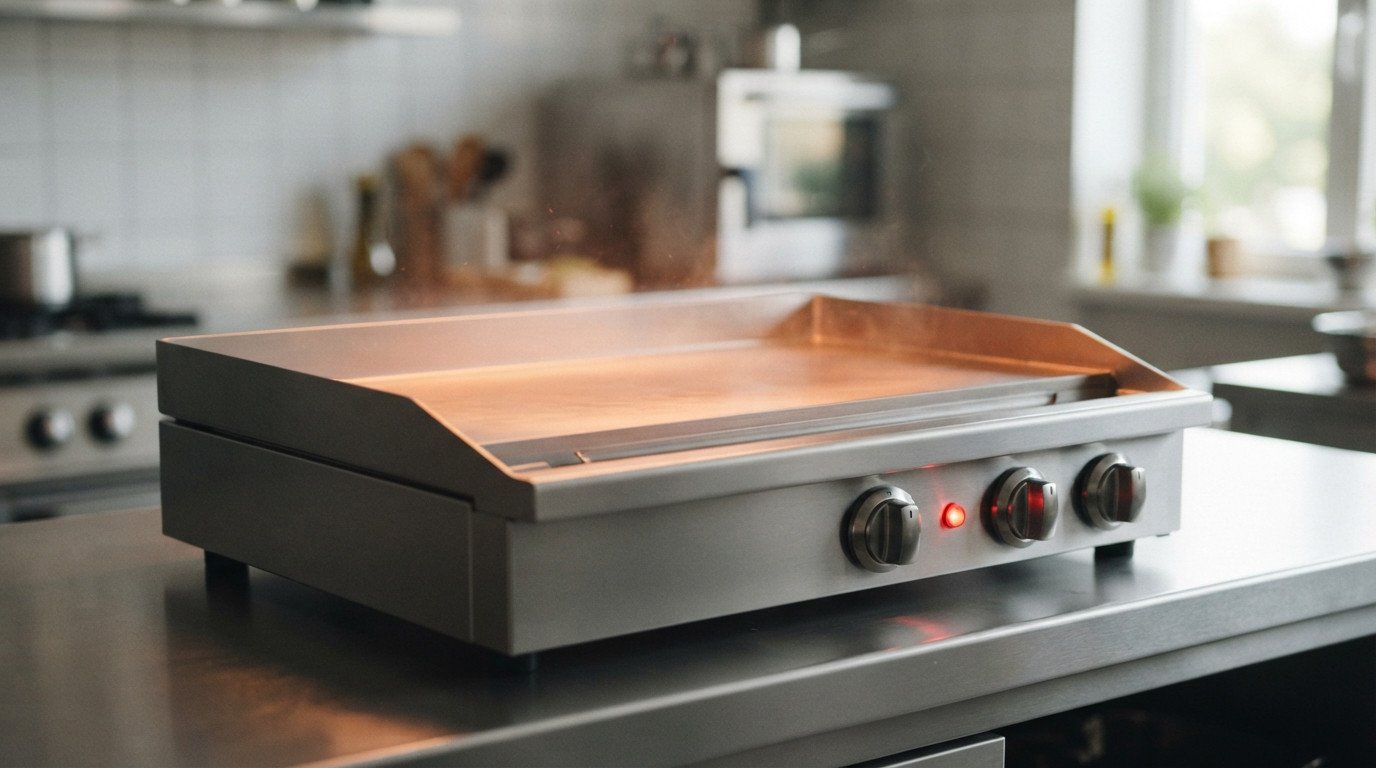 Electric Fry Top: How Long Does It Take to Heat Up?Read more
The electric fry top is a versatile and efficient kitchen appliance that offers even heat distribution and a smooth...
-
 Does the Fry Top Scratch Easily? How to Preserve Its SurfaceRead more
Fry tops are versatile and popular cooking surfaces, but many wonder if they scratch easily and how to keep them in...
-
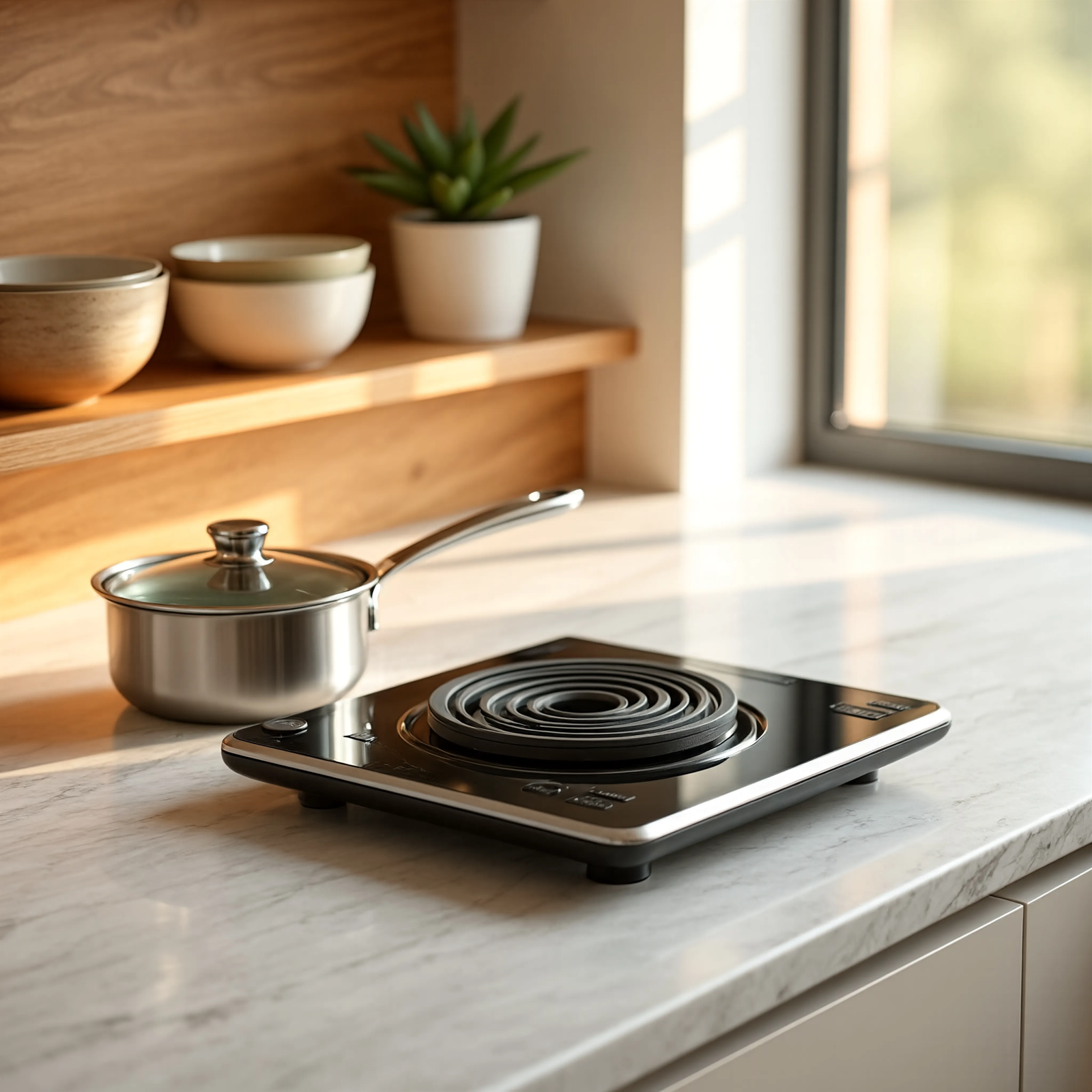 Fry Top for Beginners: Which Model Is Easiest to Use?Read more
Are you new to cooking with a fry top and wondering which model is easiest to use? A fry top, or griddle, offers a...
-
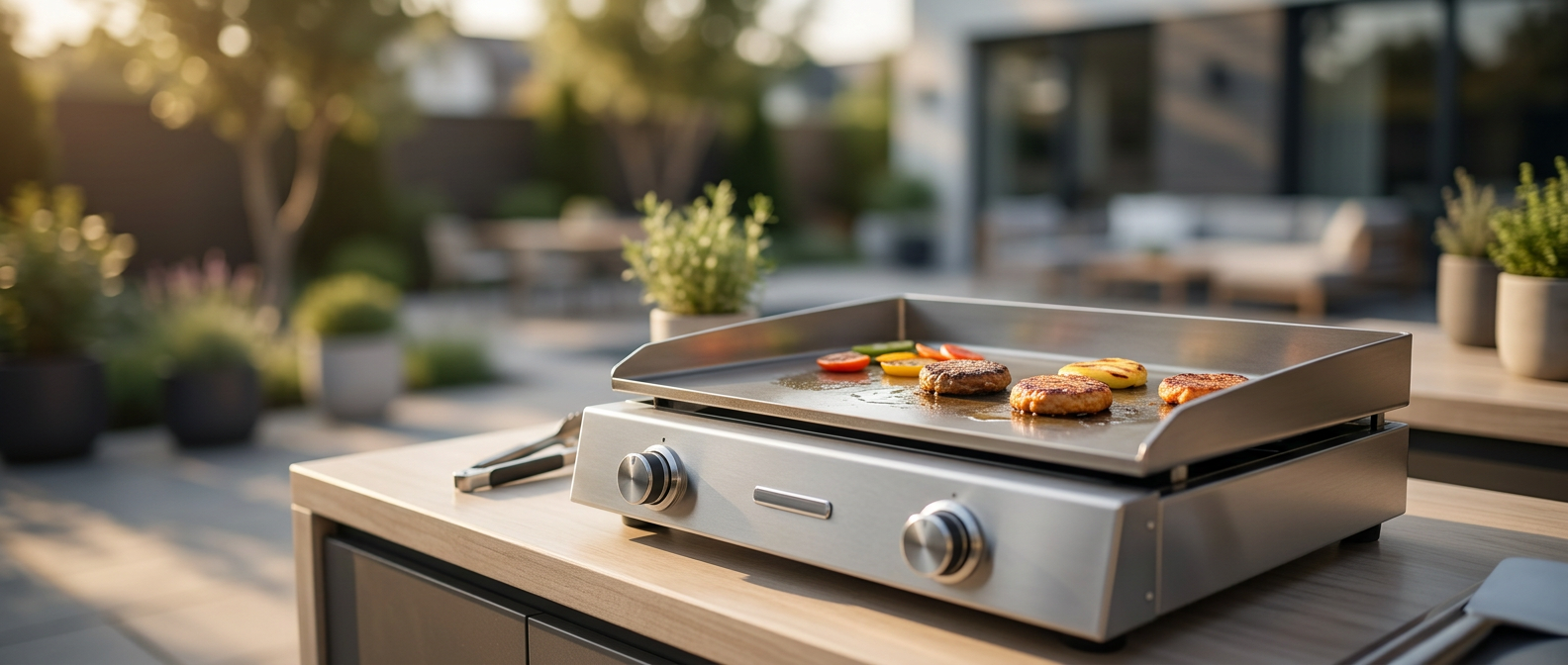 Small Spaces: Which Electric Hot Plate Should You Choose?Read more
Living in a small space often means limited kitchen area, making it essential to choose compact and efficient cooking...
-
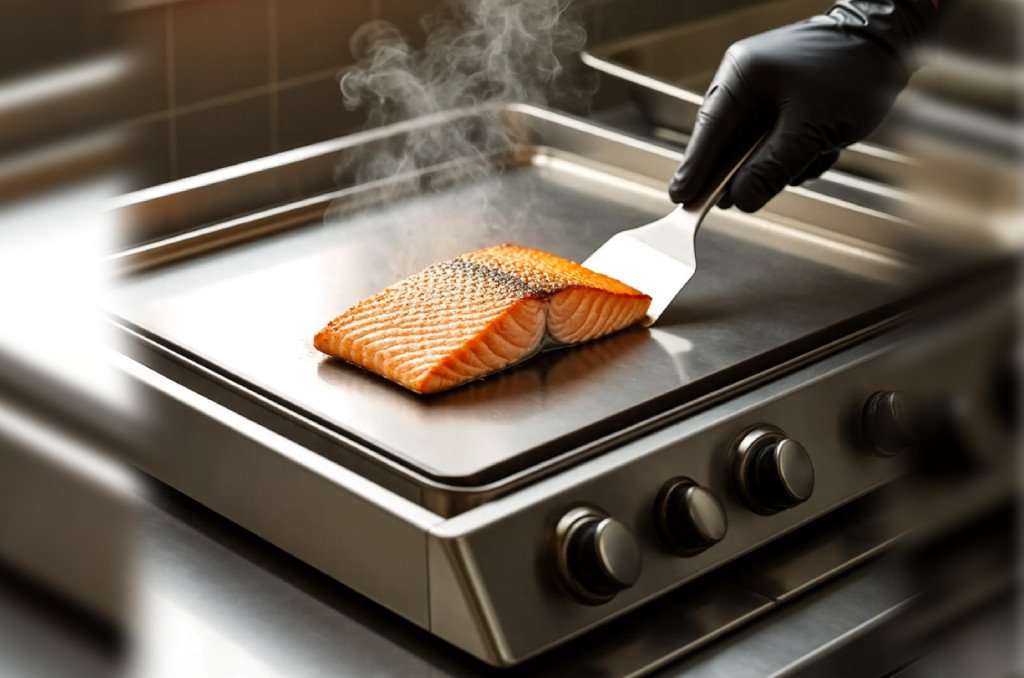 How to Fry Safely on an Electric Fry Top: A Complete GuideRead more
Frying on an electric fry top offers a convenient and efficient way to prepare delicious meals, but safety is...
-
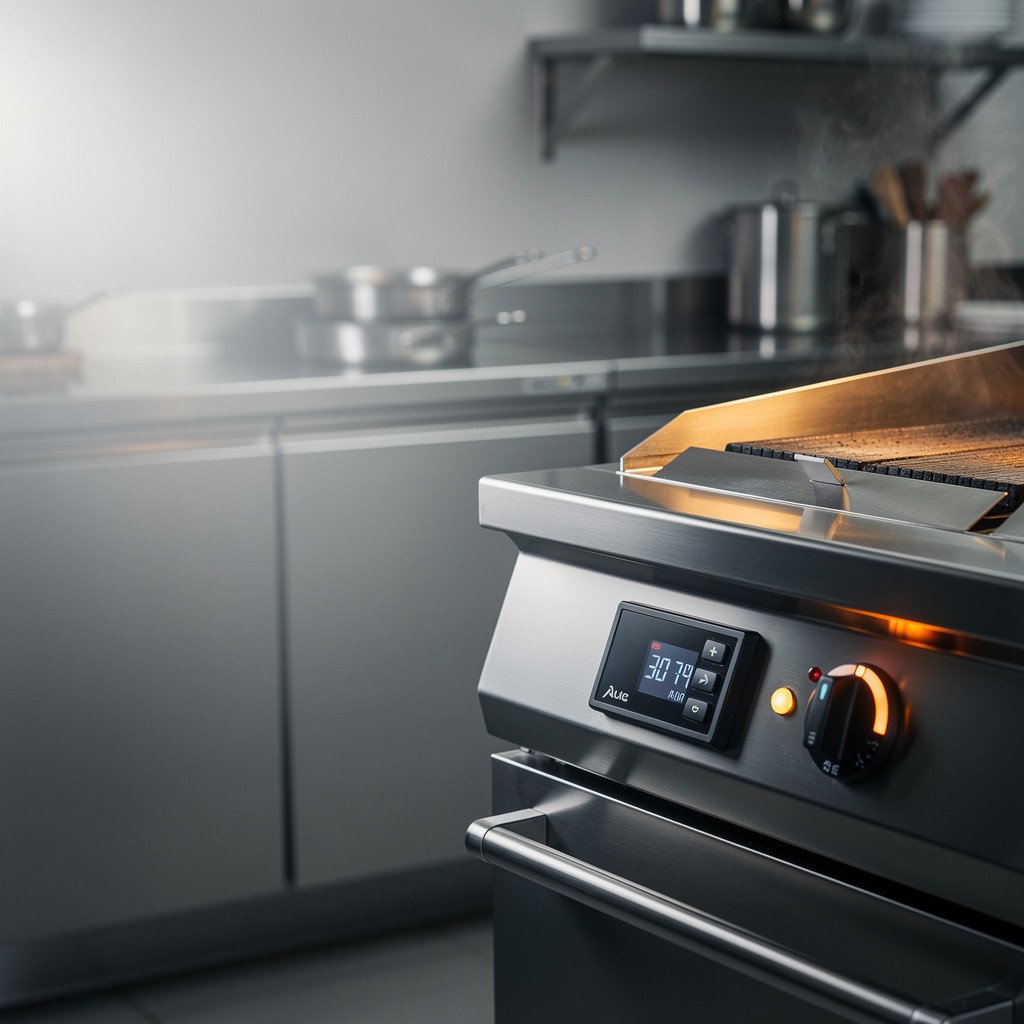 Fry Top with Thermostat: Is It Worth Spending More?Read more
A fry top is a versatile cooking surface widely used in both home and professional kitchens. One key feature that...
-
 Contact Electric Hotplates: Is Cooking Really Difficult?Read more
Contact electric hotplates are becoming increasingly popular for their convenience and efficiency in the kitchen....
-
 How to Choose the Right Power for Your Electric Fry TopRead more
Choosing the right power for your electric fry top is essential for efficient and enjoyable cooking. The power...
-
 Portable Fry Top: Does It Exist and Is It Worth Having?Read more
If you love cooking and are always on the go, you might wonder if a portable fry top exists and whether it’s worth...
Blog categories
Search in blog
Does the Fry Top Scratch Easily? How to Preserve Its Surface
Does the Fry Top Scratch Easily? How to Preserve Its Surface
Fry tops are a popular cooking surface in both professional kitchens and home settings. Their versatility, ease of use, and ability to evenly cook food make them a favorite among chefs and cooking enthusiasts alike. However, a common concern many users have is whether the fry top scratches easily and how to maintain its surface over time. In this comprehensive guide, we will explore the nature of fry tops, the factors that can cause scratches, and practical tips to preserve their surface for years to come.
What Is a Fry Top?
A fry top, also known as a griddle or flat-top grill, is a flat cooking surface typically made from materials such as stainless steel, cast iron, or carbon steel. It is designed to provide a large, even heating area ideal for cooking a variety of foods, from pancakes and eggs to meats and vegetables.
Fry tops come in various sizes and thicknesses, and their construction material plays a significant role in their durability and maintenance requirements. Understanding the material of your fry top is essential when considering its susceptibility to scratches and how to care for it properly.
Do Fry Tops Scratch Easily?
The answer depends largely on the type of material your fry top is made from and how it is used and maintained. Let's break down the common materials and their characteristics:
1. Stainless Steel Fry Tops
Stainless steel fry tops are highly durable and resistant to rust and corrosion. However, stainless steel is a relatively hard metal, and while it is resistant to dents and warping, it can show scratches, especially if abrasive tools or utensils are used. Scratches on stainless steel are often cosmetic and do not affect the cooking performance but can affect the appearance.
2. Cast Iron Fry Tops
Cast iron fry tops are known for their excellent heat retention and even cooking. Cast iron is a hard and brittle material, which means it is less prone to scratches but can chip or crack if mishandled. The surface of cast iron fry tops is often seasoned with oil to create a natural non-stick layer, which also helps protect against scratches.
3. Carbon Steel Fry Tops
Carbon steel fry tops share many properties with cast iron but are generally thinner and lighter. They are prone to surface scratches if metal utensils are used aggressively, but like cast iron, they develop a protective seasoning layer that helps prevent damage and improves cooking performance.
Common Causes of Scratches on Fry Tops
Understanding what causes scratches can help you avoid them. Here are some common reasons fry tops get scratched:
- Using Metal Utensils: Metal spatulas, knives, and forks can leave scratch marks, especially if used with force or scraped across the surface.
- Abrasive Cleaning Tools: Steel wool, metal scouring pads, or harsh scrubbing brushes can damage the surface.
- Improper Cleaning Agents: Using acidic or abrasive cleaners can degrade the surface finish, making it more prone to scratches.
- Dropping Heavy or Sharp Objects: Accidentally dropping heavy pans or sharp tools on the fry top can cause dents or scratches.
- Lack of Seasoning (for Cast Iron and Carbon Steel): Without a proper seasoning layer, the surface is more vulnerable to scratches and rust.
How to Preserve the Surface of Your Fry Top
Preserving your fry top’s surface is crucial to maintaining its cooking performance and appearance. Here are some effective tips:
1. Use the Right Utensils
Opt for utensils made of wood, silicone, or heat-resistant plastic when cooking on your fry top. These materials are gentle on the surface and reduce the risk of scratches. If you must use metal spatulas, choose those with smooth edges and avoid scraping aggressively.
2. Season Your Fry Top (If Applicable)
For cast iron and carbon steel fry tops, seasoning is essential. Seasoning involves coating the surface with a thin layer of oil and heating it to create a protective, non-stick layer. This not only improves cooking but also protects against scratches and rust.
How to season your fry top:
- Clean the surface thoroughly and dry it completely.
- Apply a thin layer of high-smoke point oil (like flaxseed, canola, or grapeseed oil).
- Heat the fry top until the oil polymerizes and forms a dark, smooth coating.
- Repeat the process 2-3 times for a durable seasoning layer.
3. Clean Gently and Regularly
After each use, clean your fry top with warm water and a soft sponge or cloth. Avoid using abrasive cleaning tools or harsh chemicals. For stubborn food residues, use a plastic scraper or a non-abrasive pad.
Dry the surface thoroughly after cleaning to prevent rust, especially for cast iron and carbon steel fry tops.
4. Avoid Thermal Shock
Sudden temperature changes can cause warping or surface damage. Avoid pouring cold water onto a hot fry top. Instead, allow it to cool gradually before cleaning.
5. Use Protective Covers
If you’re not using your fry top for an extended period, cover it with a cloth or a protective cover to prevent dust accumulation and accidental scratches.
6. Regular Maintenance
Inspect your fry top regularly for signs of wear or damage. Re-season cast iron and carbon steel surfaces as needed to maintain protection. For stainless steel fry tops, occasional polishing with a stainless steel cleaner can help maintain the surface’s shine and reduce the appearance of minor scratches.
Additional Tips for Specific Fry Top Materials
Stainless Steel Fry Tops
- Use non-abrasive cleaners designed for stainless steel.
- Polish with a microfiber cloth to restore shine.
- Avoid chlorine-based cleaners that can cause pitting.
Cast Iron and Carbon Steel Fry Tops
- Keep the surface well-seasoned and oiled.
- Store in a dry place to avoid rust.
- If rust appears, scrub gently with a steel wool pad, then re-season.
When Scratches Are Inevitable: How to Handle Them
Even with the best care, minor scratches can occur. Here’s how to handle them:
- Stainless Steel: Use a stainless steel polish or a paste made from baking soda and water to buff out light scratches. Always rub in the direction of the grain.
- Cast Iron/Carbon Steel: Light scratches usually blend into the seasoning layer. If the scratch exposes bare metal, clean and re-season the affected area.
Conclusion
Does the fry top scratch easily? The answer depends on the material and how you treat it. While stainless steel surfaces can show scratches more visibly, cast iron and carbon steel benefit from a seasoning layer that protects against damage. By using the right utensils, cleaning gently, seasoning properly, and performing regular maintenance, you can preserve your fry top’s surface and enjoy its excellent cooking performance for many years.
Remember, a well-maintained fry top not only looks better but also cooks better. Treat your fry top with care, and it will reward you with delicious meals and reliable service.
FAQs
Can I use metal spatulas on my fry top?
While metal spatulas can be used, it’s best to use them gently and opt for utensils made from wood or silicone to minimize scratches.
How often should I season my cast iron fry top?
Seasoning can be done every few months or whenever you notice the surface losing its non-stick properties or showing signs of rust.
What is the best oil for seasoning?
Oils with high smoke points like flaxseed, canola, grapeseed, or vegetable oil work best for seasoning.
Can I restore a heavily scratched stainless steel fry top?
Minor scratches can be polished out, but deep scratches may require professional refinishing or replacement.
Is it okay to clean my fry top with soap?
Yes, mild soap is fine for regular cleaning, but avoid harsh detergents and abrasive cleaners.
Related posts
-
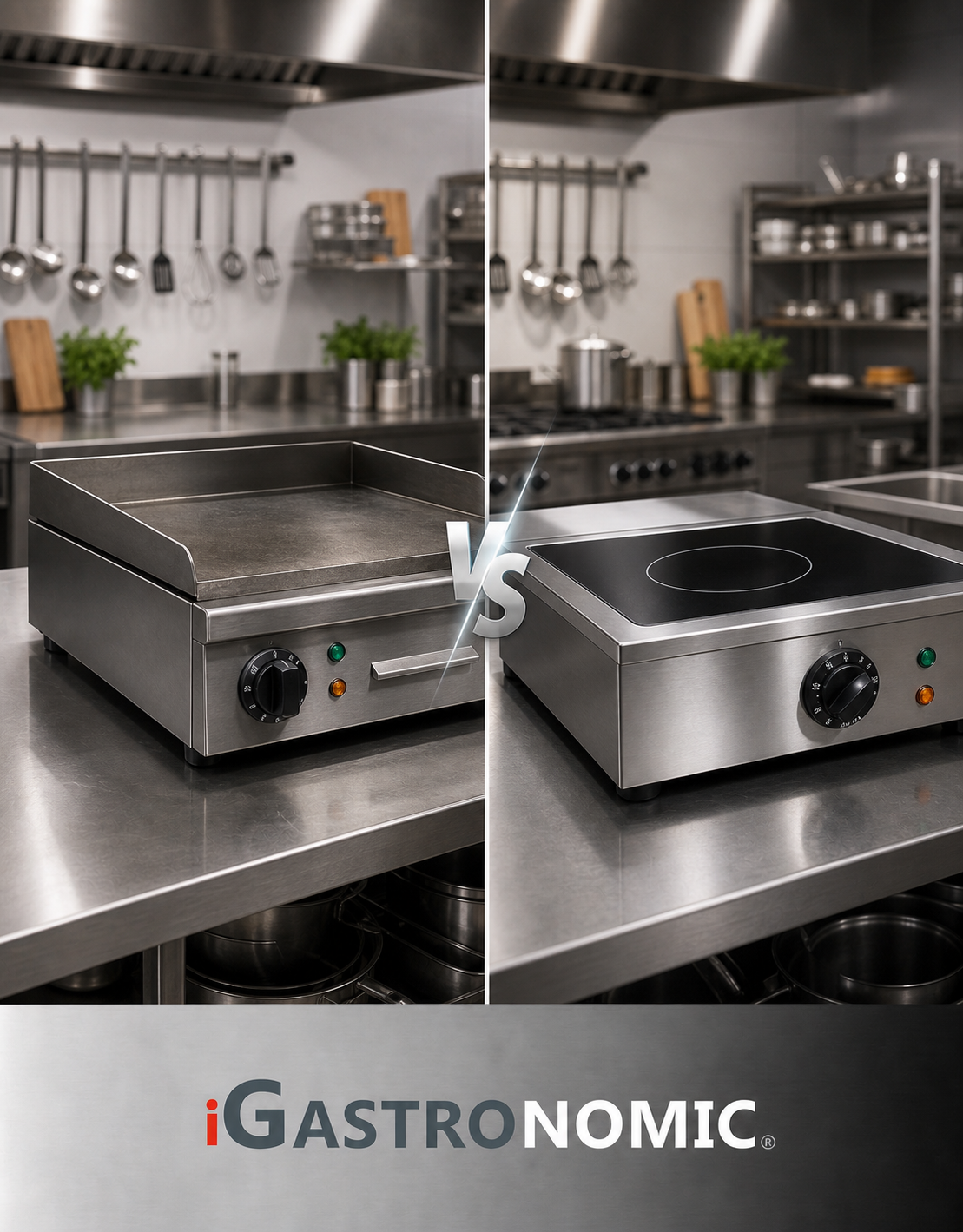 Fry Top vs Piastra Elettrica: Which One Should You Choose for Your Kitchen?
Choosing the right cooking appliance can transform your kitchen experience. Two popular options are the Fry Top and...Read more
Fry Top vs Piastra Elettrica: Which One Should You Choose for Your Kitchen?
Choosing the right cooking appliance can transform your kitchen experience. Two popular options are the Fry Top and...Read more -
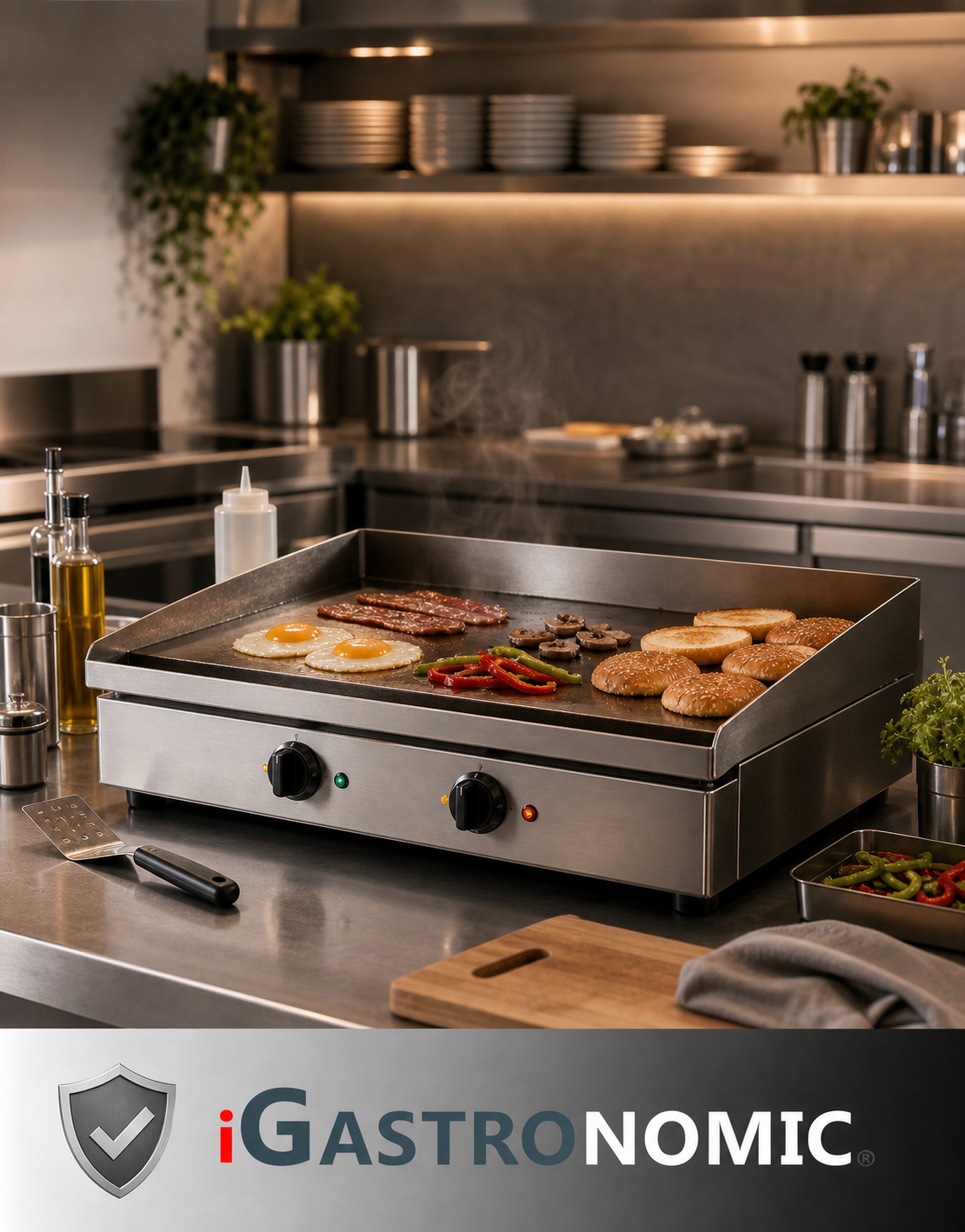 How to Use a Fry Top: A Complete Beginner's Guide
A fry top is a flat, smooth cooking surface that offers even heat distribution and a large area to cook multiple...Read more
How to Use a Fry Top: A Complete Beginner's Guide
A fry top is a flat, smooth cooking surface that offers even heat distribution and a large area to cook multiple...Read more -
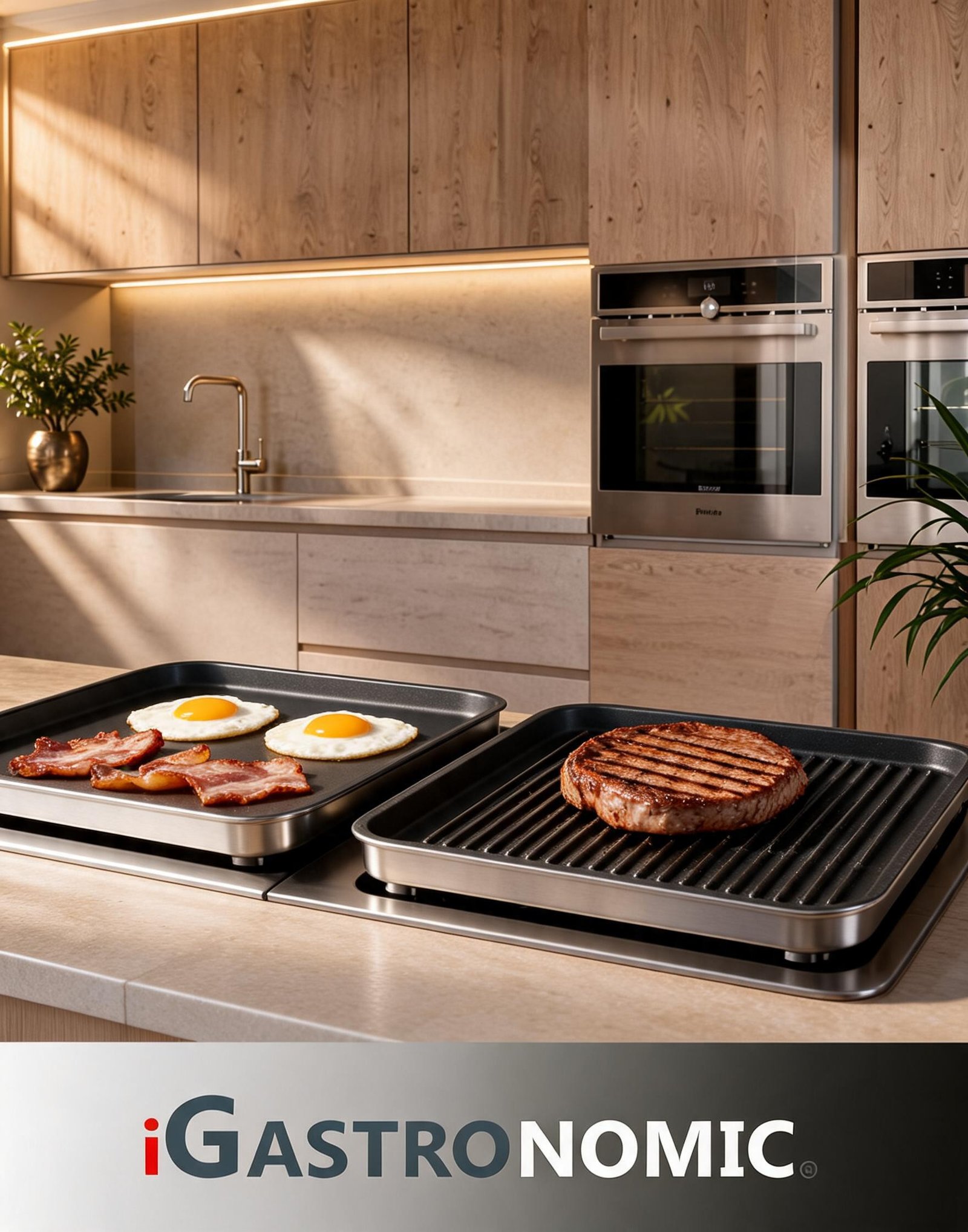 Fry Top Smooth or Ribbed? Which Is Better for Cooking?
Choosing between a smooth (liscio) and ribbed (rigato) fry top can significantly impact your cooking experience....Read more
Fry Top Smooth or Ribbed? Which Is Better for Cooking?
Choosing between a smooth (liscio) and ribbed (rigato) fry top can significantly impact your cooking experience....Read more -
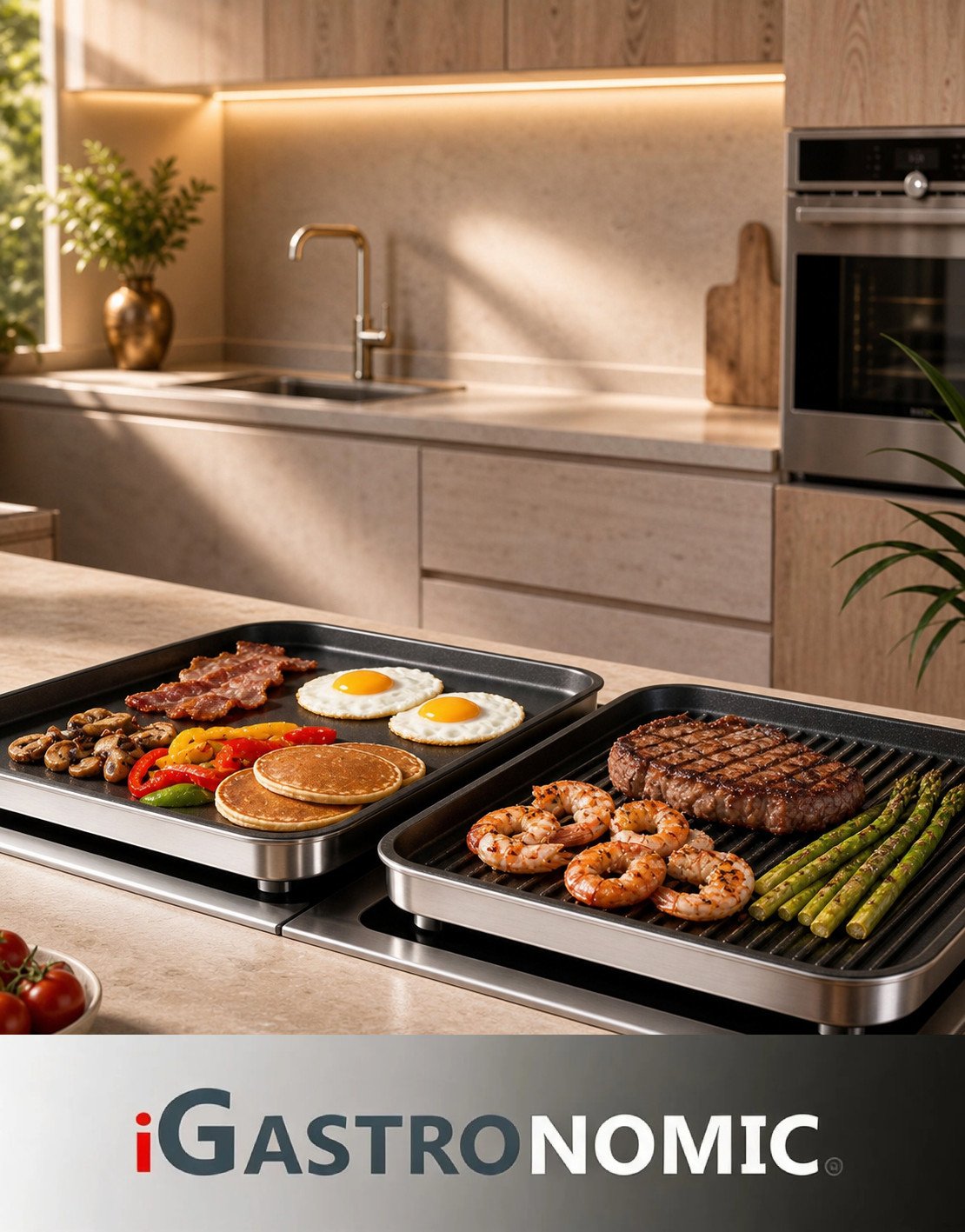 What Can You Cook on an Electric Fry Top? A Complete Guide
An electric fry top is a versatile kitchen appliance that offers a large, evenly heated cooking surface perfect for a...Read more
What Can You Cook on an Electric Fry Top? A Complete Guide
An electric fry top is a versatile kitchen appliance that offers a large, evenly heated cooking surface perfect for a...Read more -
 Electric Fry Top vs Gas: Advantages and Disadvantages Compared
Choosing between an electric and gas fry top can be challenging. Electric fry tops offer precise temperature control,...Read more
Electric Fry Top vs Gas: Advantages and Disadvantages Compared
Choosing between an electric and gas fry top can be challenging. Electric fry tops offer precise temperature control,...Read more
Leave a comment