
 Deutsch
 Türkçe
 Italiano

.jpg)
.jpg)
.jpg)
.jpg)
.jpg)
.jpg)
.jpg)
.jpg)
.jpg)
.jpg)

.jpg)

.jpg)
.jpg)
.jpg)
.jpg)
.jpg)
.jpg)
.jpg)
.jpg)
.jpg)
.jpg)



.jpg)
.jpg)
.jpg)
.jpg)
.jpg)
.jpg)
.jpg)
.jpg)
.jpg)



.jpg)
.jpg)

.jpg)
.jpg)
.jpg)
.jpg)


.jpg)

.png)
.jpg)
.jpg)
 (200 x 136 px) (5).png)
.png)

Fry tops are versatile cooking surfaces popular in both professional and home kitchens. When deciding between a...
-
 Cooking Appliances
add remove
Cooking Appliances
add remove -
-
Pizza & Grill
add remove
-
-
Refrigeration
add remove
-
-
Combi Steamer
add remove
-
-
Kitchen Appliances
add remove
-
-
Rinsing & Cleaning
add remove
-
-
Retail Refrigeration
add remove
-
-
Cafe & Ice Cream
add remove
-
-
Smart-Gastro
add remove
-
-
Event- & Cateringmöbel
-
Cooking Appliances
add remove
-
-
Pizza & Grill
add remove
-
-
Refrigeration
add remove
-
-
Combi Steamer
add remove
-
-
Kitchen Appliances
add remove
-
-
Rinsing & Cleaning
add remove
-
-
Retail Refrigeration
add remove
-
-
Cafe & Ice Cream
add remove
-
-
Smart-Gastro
add remove
-
-
Event- & Cateringmöbel


Call us:
+49 (0) 6135 7040 450Latest posts
-
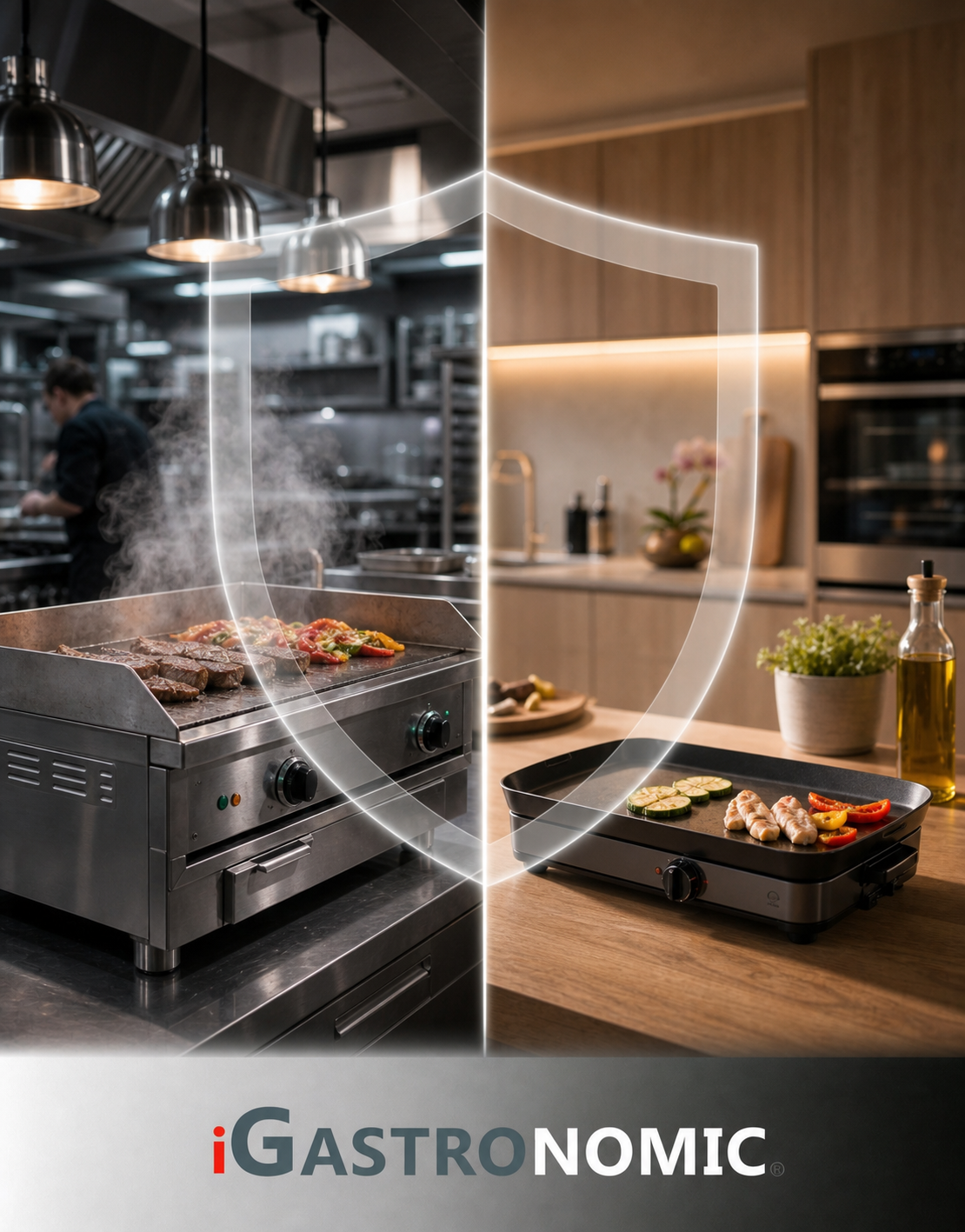 Fry Top Professionale vs Domestico: Which One Should You Buy?Read more
 -
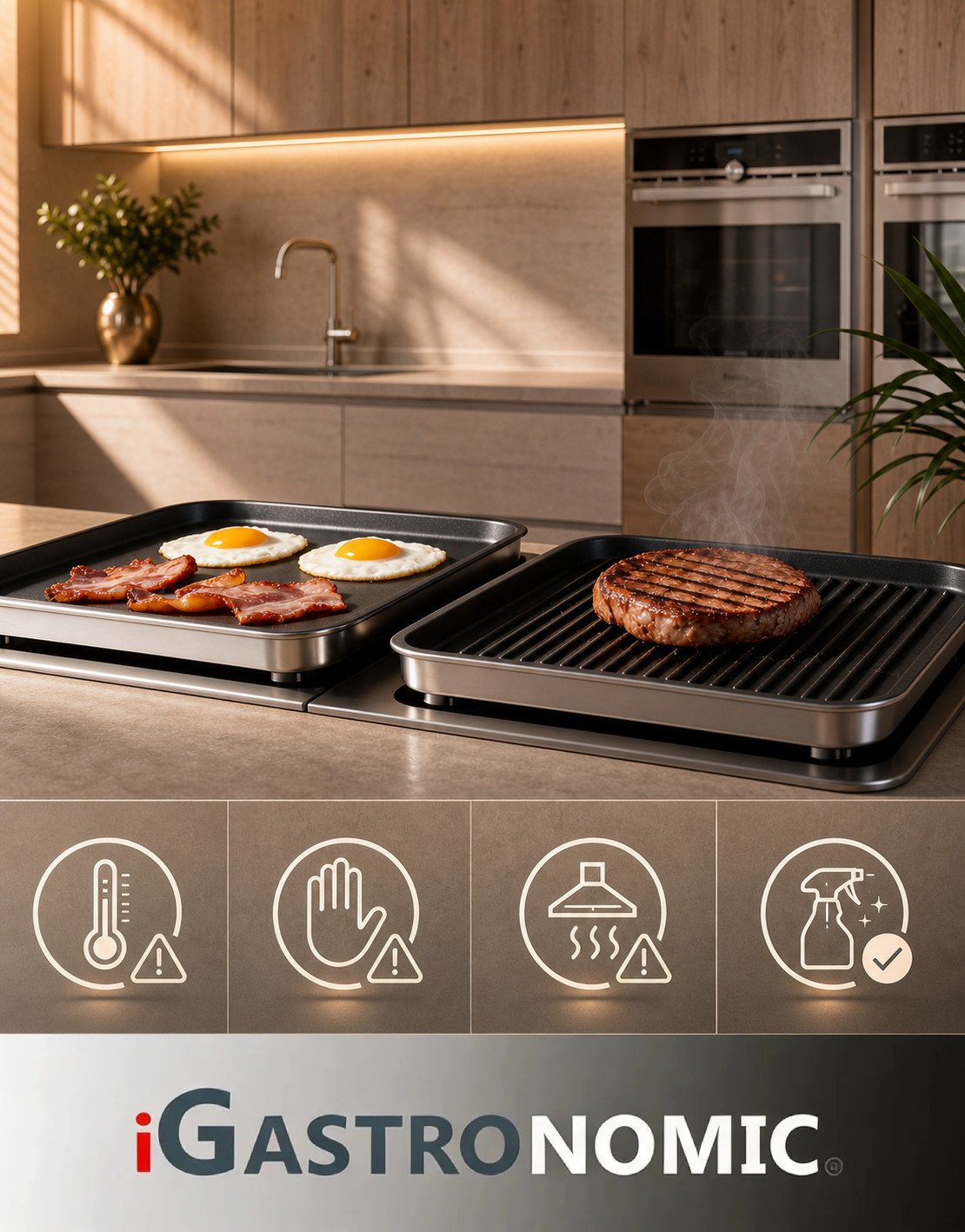 Is the Fry Top Safe to Use in the Kitchen? Risks and PrecautionsRead more
The fry top, or flat top grill, is a popular cooking appliance known for its versatility and efficiency. But is it...
-
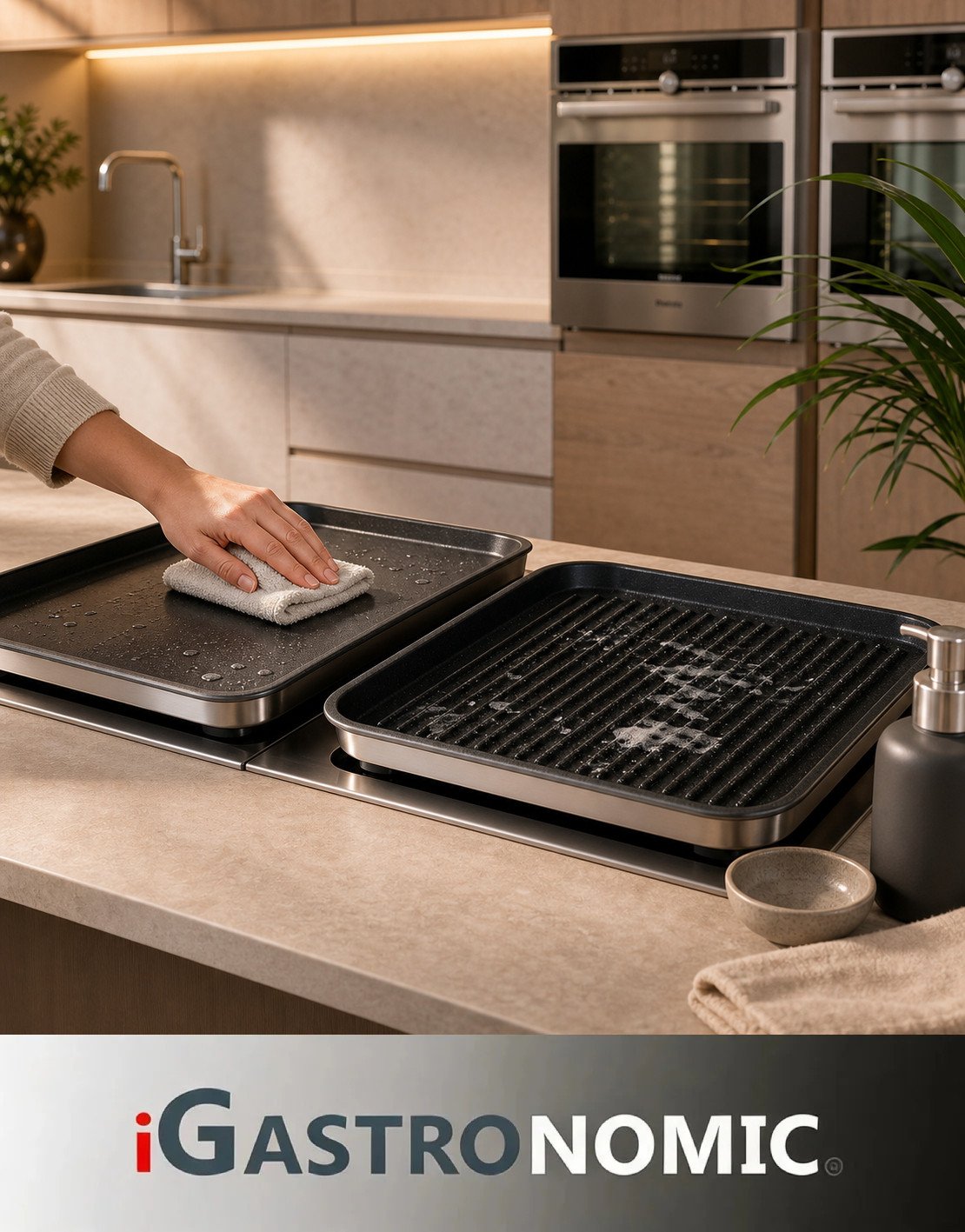 Electric Griddles: How to Clean Them Easily?Read more
Electric griddles are versatile and convenient kitchen appliances, but cleaning them can sometimes feel overwhelming....
-
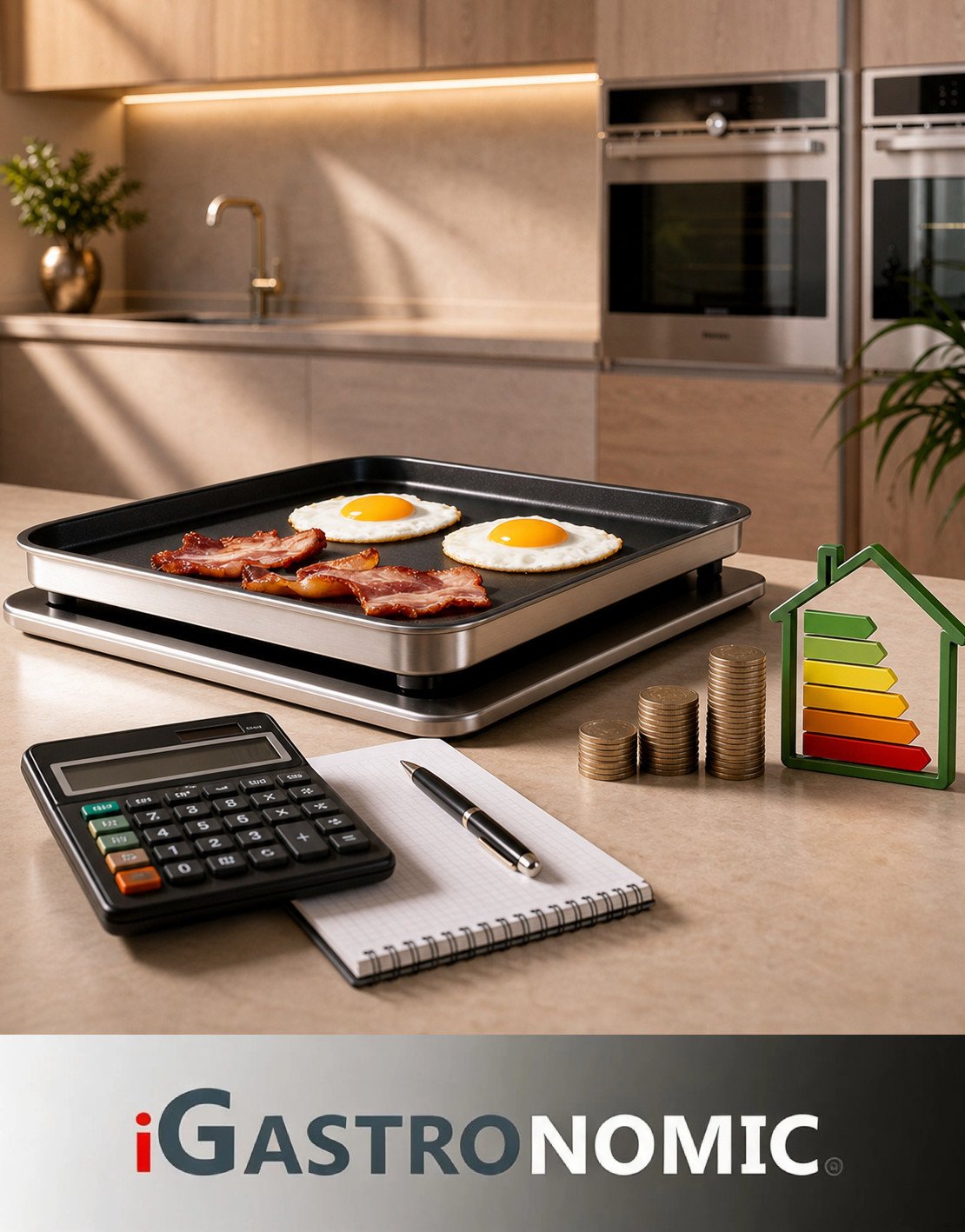 How Much Does It Cost to Operate a Fry Top? Energy Consumption and Expenses ExplainedRead more
Operating a fry top involves various costs, primarily energy consumption and maintenance expenses. Whether you use a...
-
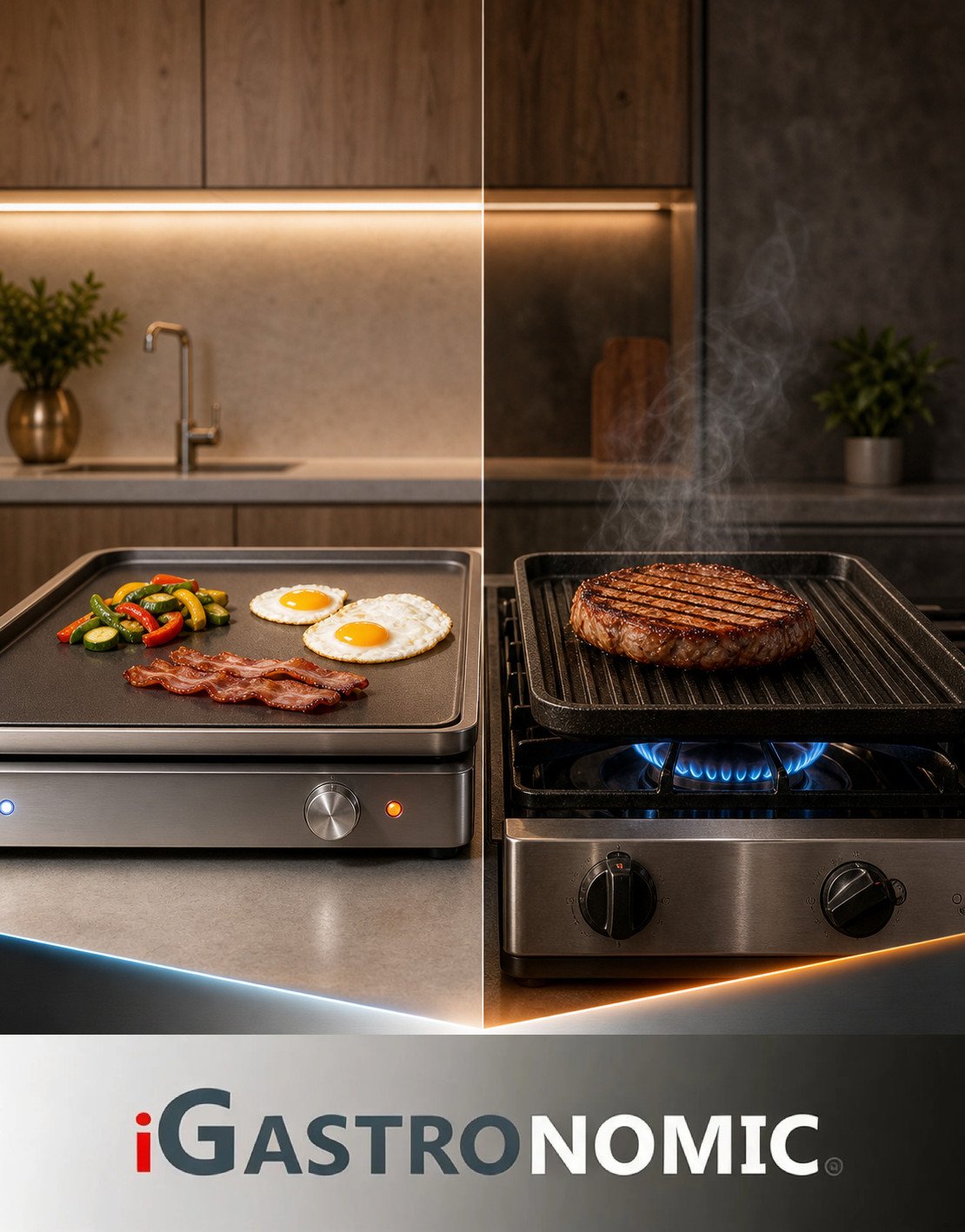 Electric Fry Top vs Gas: Advantages and Disadvantages ComparedRead more
Choosing between an electric and gas fry top can be challenging. Electric fry tops offer precise temperature control,...
-
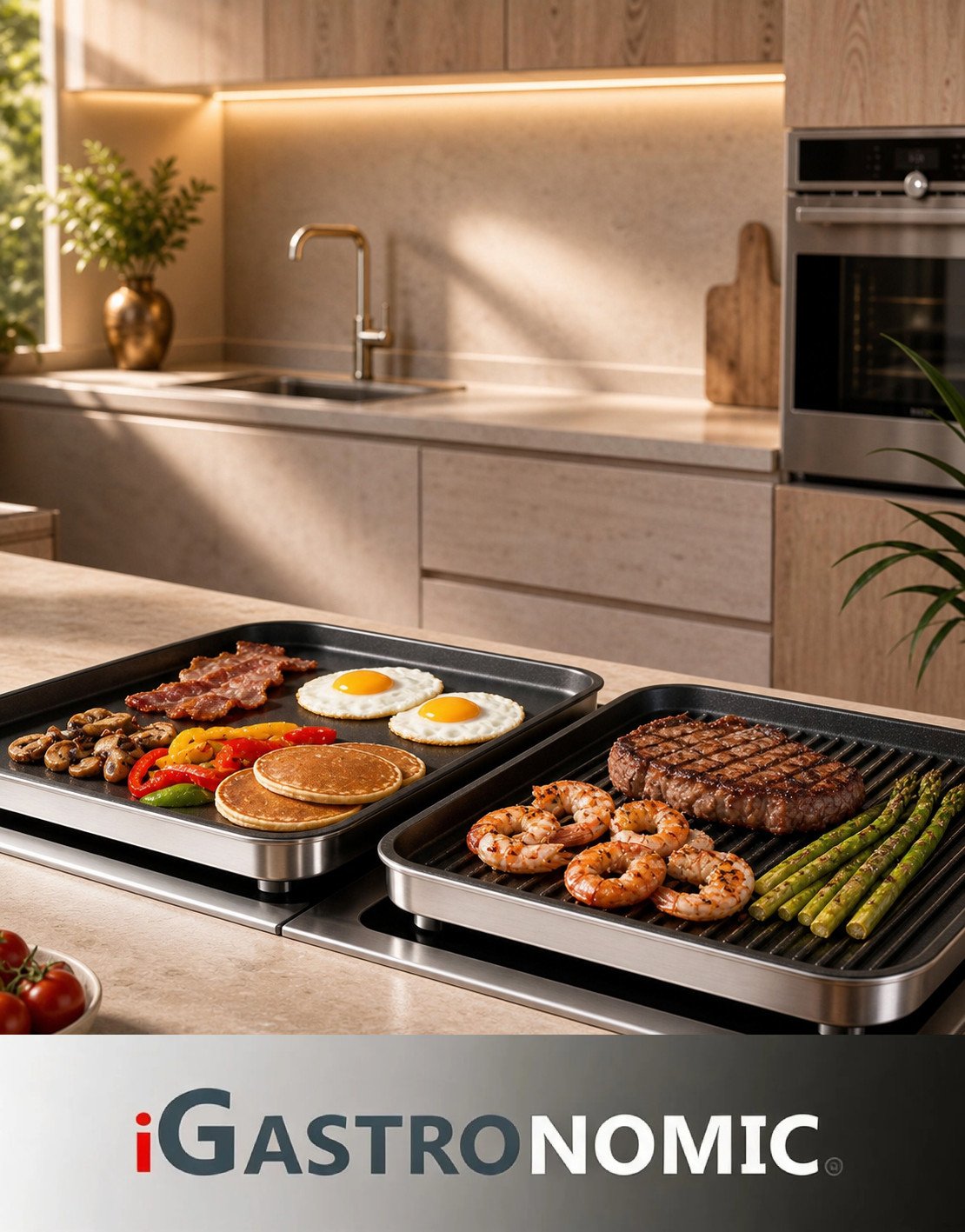 What Can You Cook on an Electric Fry Top? A Complete GuideRead more
An electric fry top is a versatile kitchen appliance that offers a large, evenly heated cooking surface perfect for a...
-
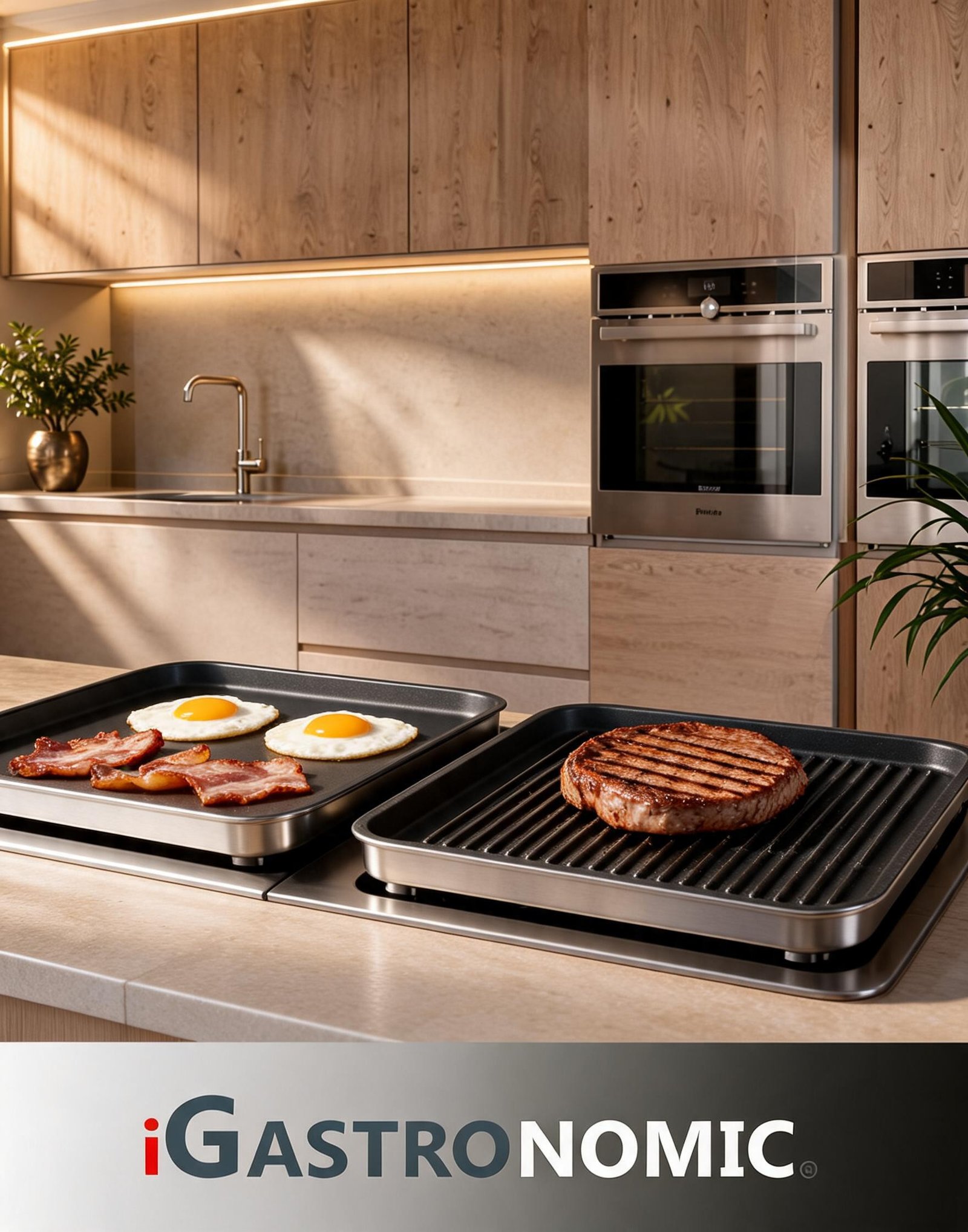 Fry Top Smooth or Ribbed? Which Is Better for Cooking?Read more
Choosing between a smooth (liscio) and ribbed (rigato) fry top can significantly impact your cooking experience....
-
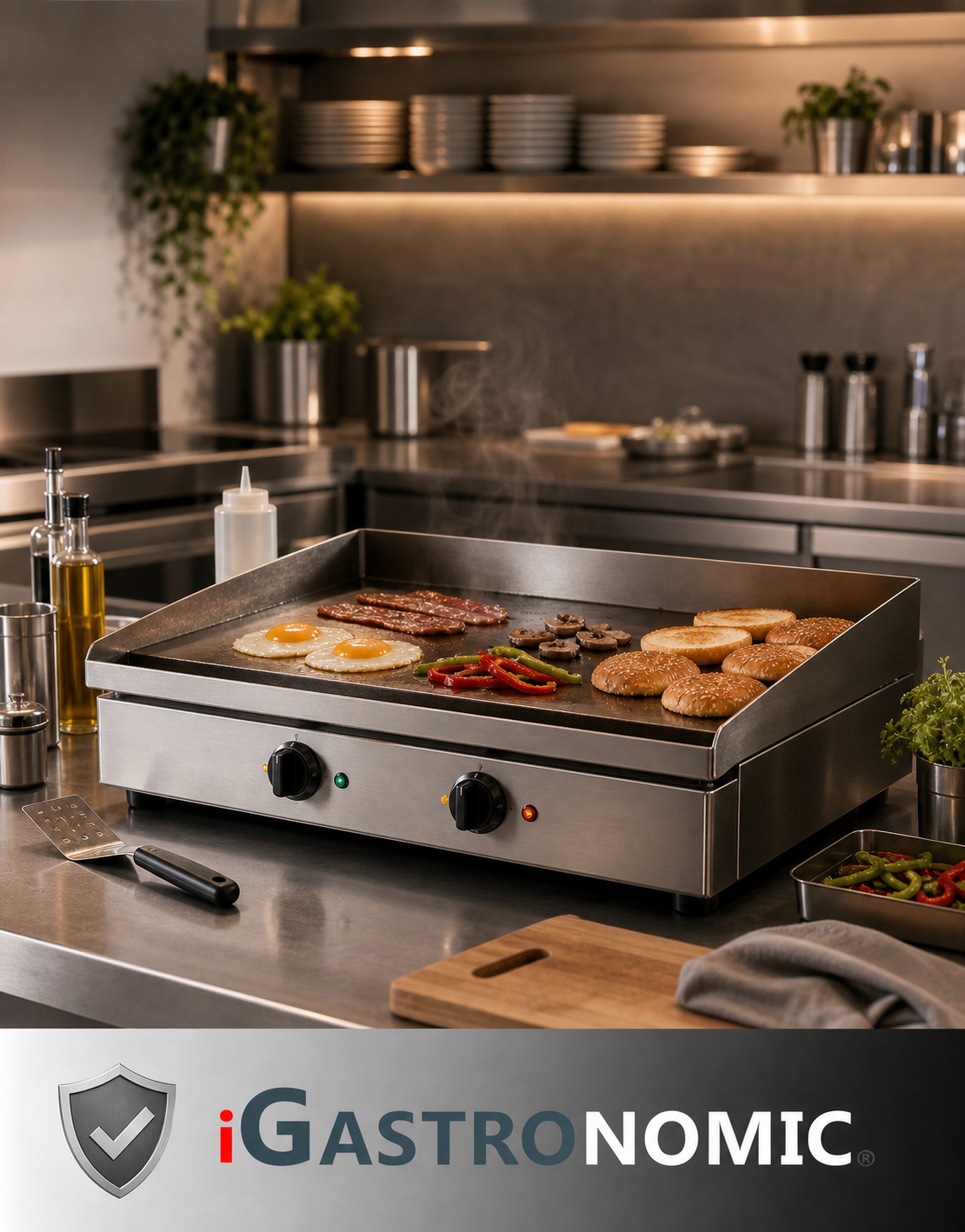 How to Use a Fry Top: A Complete Beginner's GuideRead more
A fry top is a flat, smooth cooking surface that offers even heat distribution and a large area to cook multiple...
-
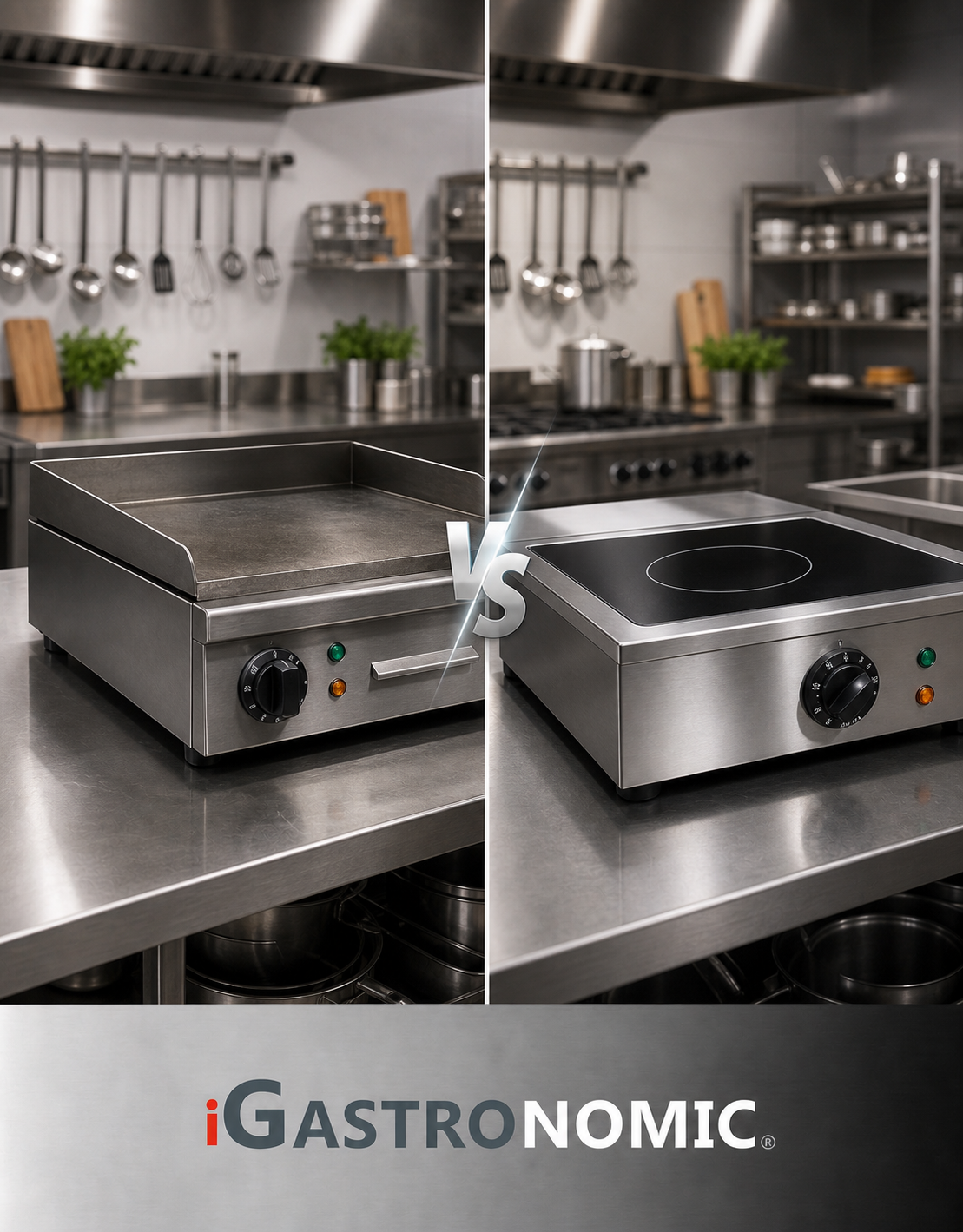 Fry Top vs Piastra Elettrica: Which One Should You Choose for Your Kitchen?Read more
Choosing the right cooking appliance can transform your kitchen experience. Two popular options are the Fry Top and...
-
 Which Kitchen Appliances Do I Really Need for My Restaurant?Read more
Opening a restaurant requires careful planning, especially when it comes to kitchen equipment. Not every kitchen...
Blog categories
Search in blog

Menu Development with New Equipment: Unlocking Culinary Creativity
Menu Development with New Equipment: Unlocking Culinary Creativity
In the fast-evolving world of gastronomy, chefs and restaurateurs are constantly seeking ways to innovate and elevate their culinary offerings. One of the most impactful ways to do this is through menu development with new equipment. The introduction of modern kitchen technology not only streamlines cooking processes but also opens up new avenues for creativity and efficiency.
Why Integrate New Equipment Into Menu Development?
Menu development is more than just selecting dishes; it’s about creating a cohesive culinary experience that delights guests while optimizing kitchen operations. New kitchen equipment can play a pivotal role in this process by:
- Expanding Cooking Techniques: Advanced tools allow chefs to experiment with methods like sous-vide, dehydration, or high-speed blending, which were previously difficult or time-consuming.
- Improving Consistency: Precision equipment ensures that dishes are prepared uniformly, enhancing quality control.
- Increasing Efficiency: Automation and multifunctional devices reduce prep time and labor costs.
- Enhancing Presentation: Some equipment enables plating innovations and textures that elevate the visual appeal of dishes.
Types of New Equipment Transforming Menu Development
Let's explore some of the key pieces of equipment that are reshaping how menus are conceived and executed.
1. Sous-Vide Machines
Sous-vide cooking involves vacuum-sealing food and cooking it at precise low temperatures in a water bath. This technique guarantees perfect doneness and texture.
- Menu Impact: Chefs can create tender meats, perfectly cooked vegetables, and infused flavors that were challenging with traditional methods.
- Example: A steak cooked sous-vide can be finished with a quick sear, resulting in a juicy interior and crispy crust.
2. High-Speed Blenders and Food Processors
Modern blenders can pulverize ingredients to fine textures or create emulsions rapidly.
- Menu Impact: Smooth purees, creamy sauces, and innovative drinks become easier to prepare.
- Example: Crafting velvety soups or nut-based sauces with consistent texture.
3. Dehydrators
Dehydrators remove moisture from foods, concentrating flavors and creating unique textures.
- Menu Impact: Adds crunchy elements, garnishes, or preserves ingredients for off-season use.
- Example: Dehydrated fruit chips or vegetable crisps as toppings.
4. Induction Cooktops
Induction technology offers rapid, precise heat control with energy efficiency.
- Menu Impact: Enables delicate cooking techniques and faster turnaround times.
- Example: Quickly sautéing or simmering sauces without overheating.
5. Combimaster Ovens
These multifunctional ovens combine convection, steam, and sometimes microwave cooking.
- Menu Impact: Versatility in cooking methods allows for a wider range of dishes and textures.
- Example: Baking bread with steam injection for a perfect crust and crumb.
Steps to Develop a Menu Using New Equipment
Integrating new equipment into your menu development requires a thoughtful approach. Here’s a step-by-step guide to help chefs and kitchen teams make the most of their investment.
1. Research and Understand Your Equipment
Before creating dishes, spend time learning what your new tools can do. Read manuals, watch tutorials, and experiment with basic recipes to grasp their capabilities.
2. Identify Menu Opportunities
Analyze your current menu and identify areas where new equipment can add value — whether it’s improving a classic dish or introducing something entirely new.
3. Experiment and Test Recipes
Use the kitchen as a laboratory. Try different ingredients, cooking times, and techniques to find the perfect balance. Document your findings meticulously.
4. Consider Ingredient Sourcing
Some equipment works best with specific ingredient qualities or types. Ensure your suppliers can meet these needs consistently.
5. Train Your Team
Equip your kitchen staff with the knowledge and skills to use the new equipment effectively and safely.
6. Refine and Finalize the Menu
Based on testing and feedback, tweak recipes and presentation. Consider portion sizes, pricing, and how dishes fit into the overall menu concept.
7. Launch and Gather Feedback
Introduce the new dishes to your guests and monitor their reactions. Use feedback to make further improvements.
Benefits of Menu Development with New Equipment
Investing in new kitchen technology yields numerous benefits beyond just the novelty factor.
1. Enhanced Creativity
New tools inspire chefs to think outside the box and push culinary boundaries.
2. Improved Consistency and Quality
Precision equipment reduces human error and ensures every plate meets your standards.
3. Increased Efficiency and Cost Savings
Automation and faster cooking times can reduce labor costs and energy consumption.
4. Better Guest Experience
Innovative dishes and improved presentation can elevate the dining experience, encouraging repeat visits.
5. Competitive Advantage
Staying ahead with modern equipment can differentiate your establishment in a crowded market.
Challenges and Considerations
While the benefits are compelling, it’s important to be aware of potential challenges.
- Initial Investment: High-quality equipment can be costly upfront.
- Learning Curve: Staff may require time and training to use new tools effectively.
- Maintenance: Advanced equipment often requires regular upkeep and occasional repairs.
- Menu Complexity: New techniques might complicate kitchen workflow if not managed properly.
Balancing these factors with your restaurant’s goals and resources is key to a successful integration.
Case Study: How a Bistro Transformed Its Menu with New Equipment
Consider the example of "The Green Fork Bistro," a mid-sized restaurant that recently invested in sous-vide machines, a combi oven, and induction cooktops.
Before the upgrade, their menu was traditional and somewhat static. Post-investment, the chef developed a new menu featuring:
- Slow-cooked sous-vide lamb with herb-infused jus
- Steamed seasonal vegetables with precise texture control
- Artisan bread baked in the combi oven for perfect crusts
- Dehydrated vegetable chips as garnishes
The bistro reported a 20% increase in customer satisfaction scores and a 15% boost in repeat business within six months. The kitchen also saw a 10% reduction in food waste due to improved portion control and cooking accuracy.
Tips for Successful Menu Development with New Equipment
- Start Small: Introduce one or two new dishes at a time to gauge response and manage kitchen workflow.
- Collaborate: Involve your kitchen team in recipe development to leverage diverse ideas and skills.
- Focus on Training: Regular workshops and refresher courses help keep skills sharp.
- Document Recipes: Maintain detailed records to ensure consistency and ease of replication.
- Solicit Feedback: Encourage input from both staff and guests for continuous improvement.
Future Trends in Menu Development and Kitchen Equipment
As technology advances, the relationship between menu development and kitchen equipment will continue to evolve.
- Smart Kitchens: Integration of IoT devices that monitor cooking processes and provide real-time data.
- 3D Food Printing: Emerging technology that allows for intricate food designs and customization.
- AI-Driven Recipe Development: Using artificial intelligence to analyze trends and suggest innovative dishes.
- Sustainability-Focused Equipment: Tools designed to reduce waste and energy consumption.
Staying informed about these trends can help culinary professionals maintain a competitive edge.
Conclusion
Menu development with new equipment is a powerful strategy for culinary innovation, operational efficiency, and enhanced guest satisfaction. By thoughtfully integrating modern tools into your kitchen, you can unlock new flavors, textures, and presentations that set your culinary offerings apart.
While the initial investment and learning curve may seem daunting, the long-term benefits for creativity, consistency, and profitability make it a worthwhile endeavor. Embrace the possibilities that new equipment brings and watch your menu—and your business—flourish.
Ready to revolutionize your menu? Start exploring the latest kitchen technologies today and let your culinary imagination soar!
Posted in:
Tips & Tricks
Related posts
-
 More Than Just Fast Food - All You Need to Know
System Gastronomy: Learn more about this exciting business model. From Fast Food to Casual Dining - we explain...Read more
More Than Just Fast Food - All You Need to Know
System Gastronomy: Learn more about this exciting business model. From Fast Food to Casual Dining - we explain...Read more -
 The 10 Most Expensive Restaurants in the World
When it comes to fine dining and luxurious culinary experiences, some restaurants around the globe capture attention...Read more
The 10 Most Expensive Restaurants in the World
When it comes to fine dining and luxurious culinary experiences, some restaurants around the globe capture attention...Read more -
 Which Restaurant Makes the Most Revenue? A Deep Dive into the World of Gastronomy
Who are the revenue giants in the gastronomy industry? We reveal the top players and analyze why they are so...Read more
Which Restaurant Makes the Most Revenue? A Deep Dive into the World of Gastronomy
Who are the revenue giants in the gastronomy industry? We reveal the top players and analyze why they are so...Read more -
 Boost Your Restaurant's Revenue with Pergolas and Louvered Roofs
Ever wondered how to make your restaurant more appealing and increase your sales? The answer might be simpler than...Read more
Boost Your Restaurant's Revenue with Pergolas and Louvered Roofs
Ever wondered how to make your restaurant more appealing and increase your sales? The answer might be simpler than...Read more -
 The World of Döner: From Traditional Recipes to the Best Döner Spots Worldwide
Learn how to make authentic Yaprak Döner, discover the best döner spots in Germany and worldwide, and explore the...Read more
The World of Döner: From Traditional Recipes to the Best Döner Spots Worldwide
Learn how to make authentic Yaprak Döner, discover the best döner spots in Germany and worldwide, and explore the...Read more
Leave a comment