
 Deutsch
 Türkçe
 Italiano

.jpg)
.jpg)
.jpg)
.jpg)
.jpg)
.jpg)
.jpg)
.jpg)
.jpg)
.jpg)

.jpg)

.jpg)
.jpg)
.jpg)
.jpg)
.jpg)
.jpg)
.jpg)
.jpg)
.jpg)
.jpg)



.jpg)
.jpg)
.jpg)
.jpg)
.jpg)
.jpg)
.jpg)
.jpg)
.jpg)



.jpg)
.jpg)

.jpg)
.jpg)
.jpg)
.jpg)


.jpg)

.png)
.jpg)
.jpg)
 (200 x 136 px) (5).png)
.png)

Fry tops are versatile cooking surfaces popular in both professional and home kitchens. When deciding between a...
-
 Cooking Appliances
add remove
Cooking Appliances
add remove -
-
Pizza & Grill
add remove
-
-
Refrigeration
add remove
-
-
Combi Steamer
add remove
-
-
Kitchen Appliances
add remove
-
-
Rinsing & Cleaning
add remove
-
-
Retail Refrigeration
add remove
-
-
Cafe & Ice Cream
add remove
-
-
Smart-Gastro
add remove
-
-
Event- & Cateringmöbel
-
Cooking Appliances
add remove
-
-
Pizza & Grill
add remove
-
-
Refrigeration
add remove
-
-
Combi Steamer
add remove
-
-
Kitchen Appliances
add remove
-
-
Rinsing & Cleaning
add remove
-
-
Retail Refrigeration
add remove
-
-
Cafe & Ice Cream
add remove
-
-
Smart-Gastro
add remove
-
-
Event- & Cateringmöbel


Call us:
+49 (0) 6135 7040 450Latest posts
-
 Fry Top Professionale vs Domestico: Which One Should You Buy?Read more
 -
 Is the Fry Top Safe to Use in the Kitchen? Risks and PrecautionsRead more
The fry top, or flat top grill, is a popular cooking appliance known for its versatility and efficiency. But is it...
-
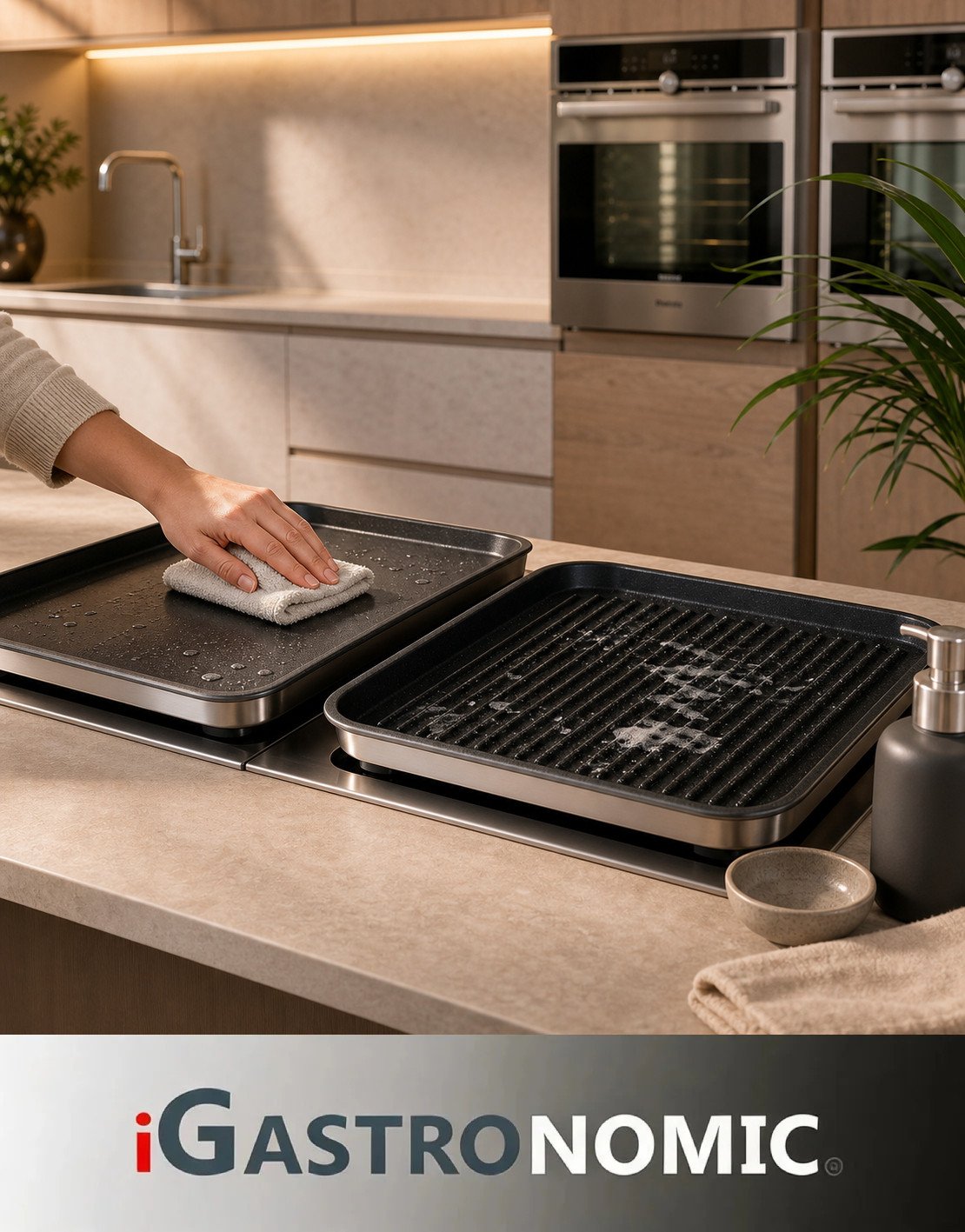 Electric Griddles: How to Clean Them Easily?Read more
Electric griddles are versatile and convenient kitchen appliances, but cleaning them can sometimes feel overwhelming....
-
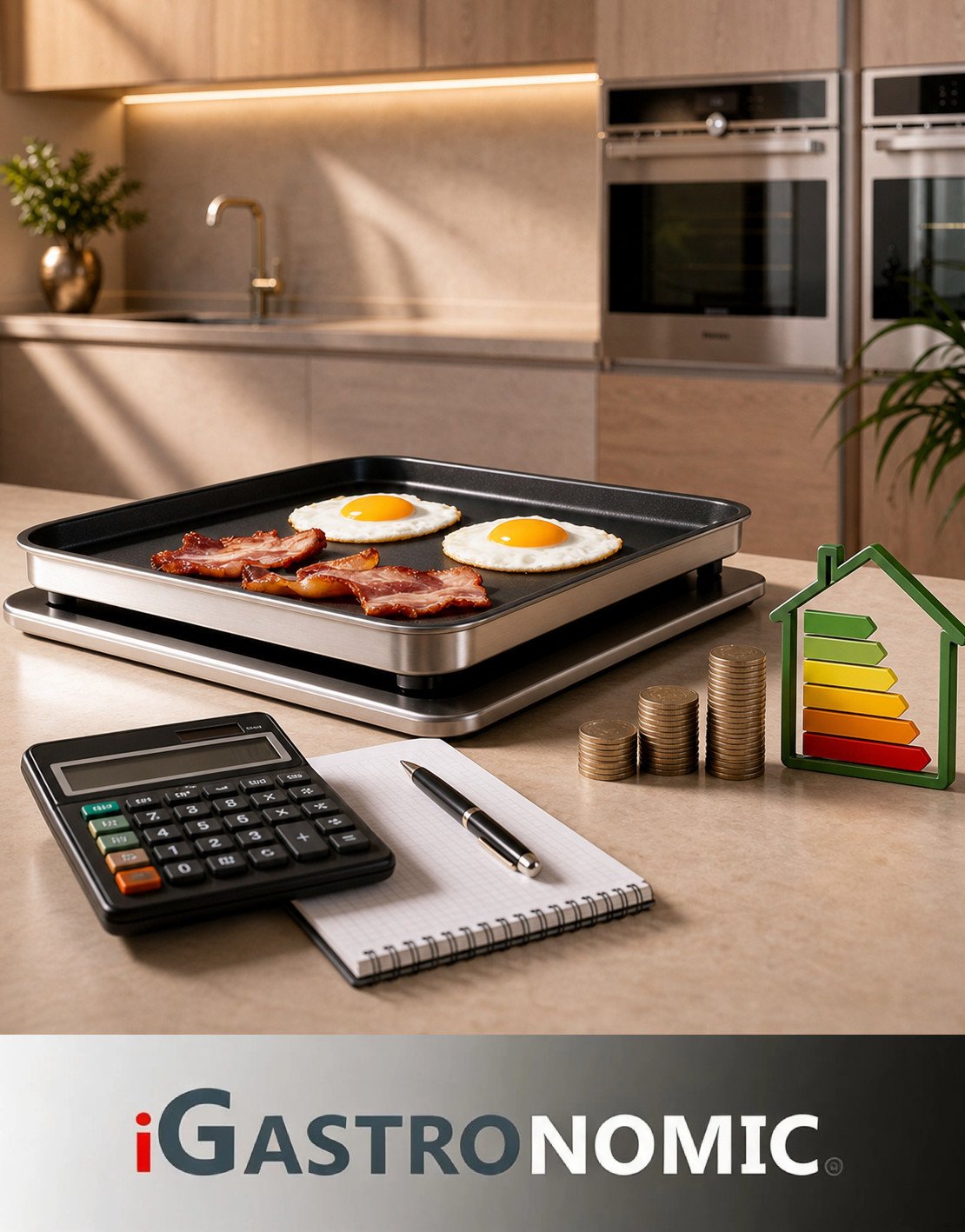 How Much Does It Cost to Operate a Fry Top? Energy Consumption and Expenses ExplainedRead more
Operating a fry top involves various costs, primarily energy consumption and maintenance expenses. Whether you use a...
-
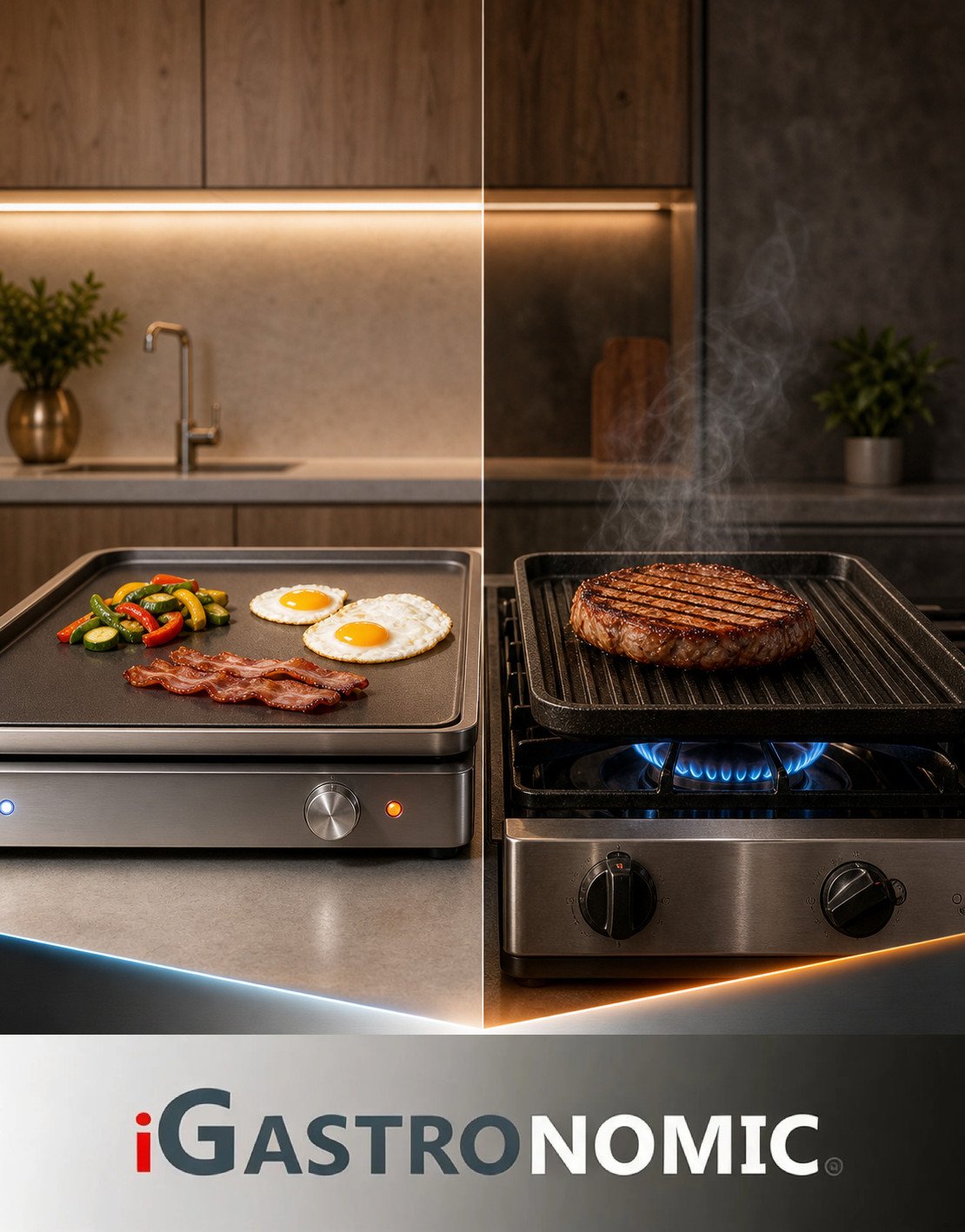 Electric Fry Top vs Gas: Advantages and Disadvantages ComparedRead more
Choosing between an electric and gas fry top can be challenging. Electric fry tops offer precise temperature control,...
-
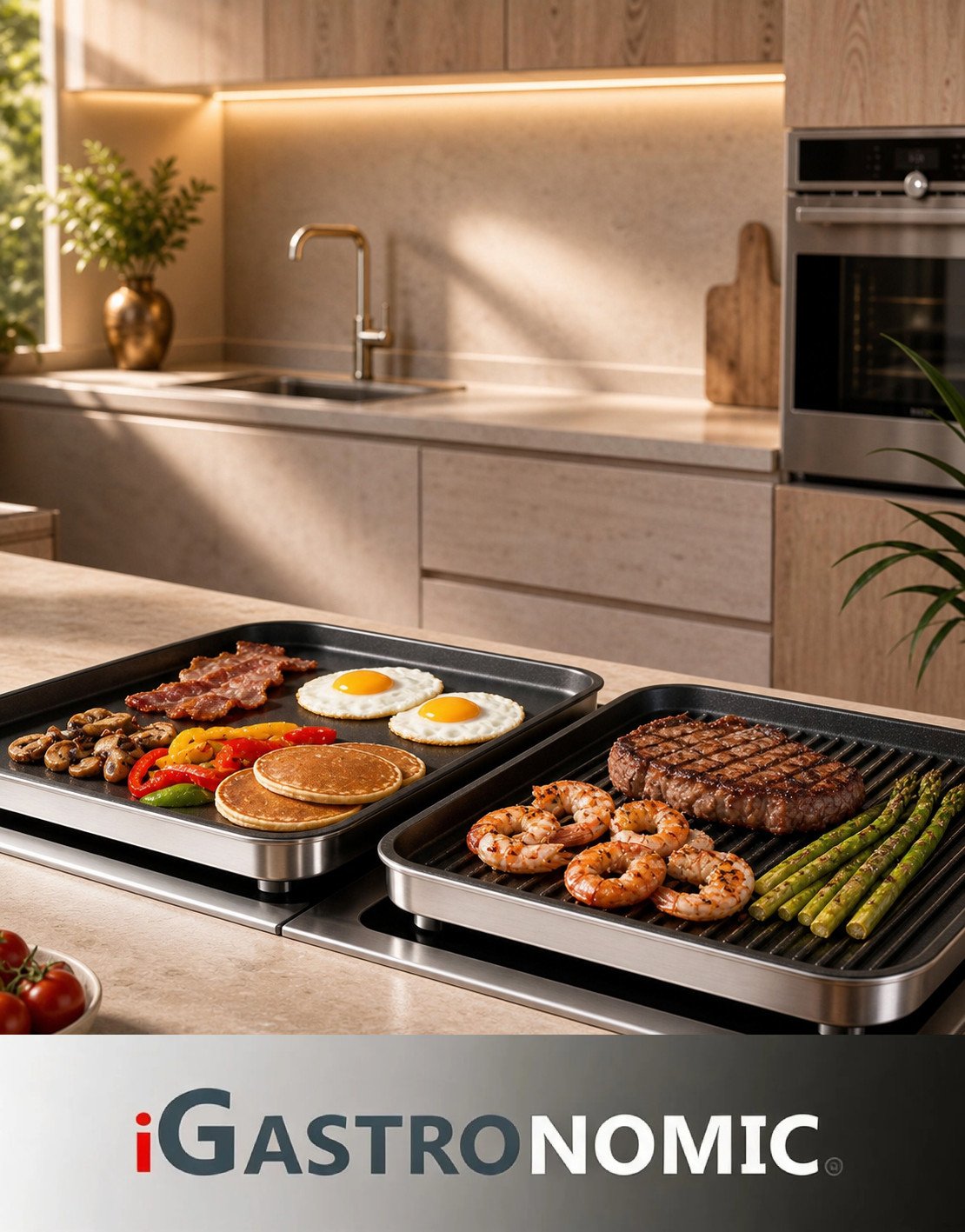 What Can You Cook on an Electric Fry Top? A Complete GuideRead more
An electric fry top is a versatile kitchen appliance that offers a large, evenly heated cooking surface perfect for a...
-
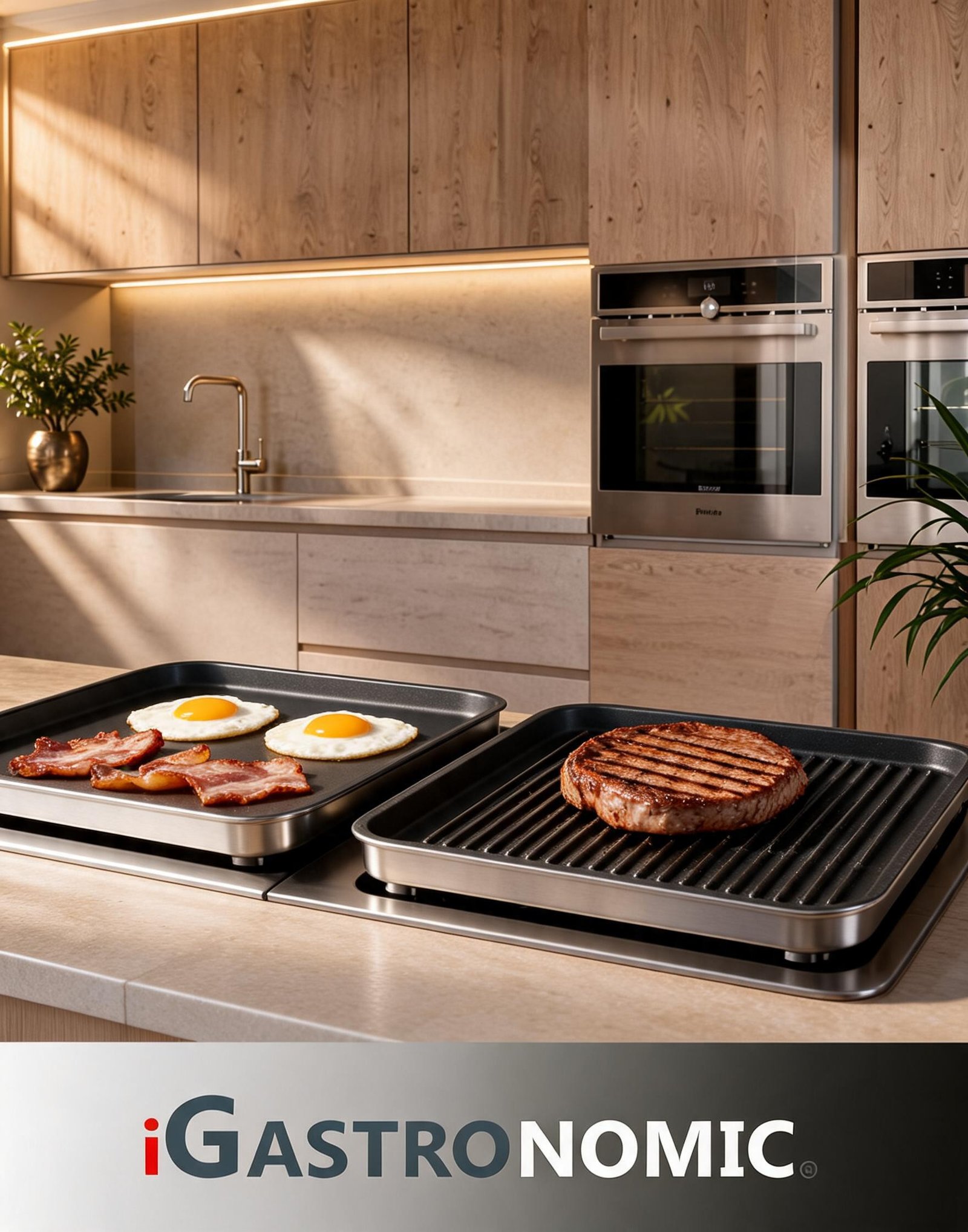 Fry Top Smooth or Ribbed? Which Is Better for Cooking?Read more
Choosing between a smooth (liscio) and ribbed (rigato) fry top can significantly impact your cooking experience....
-
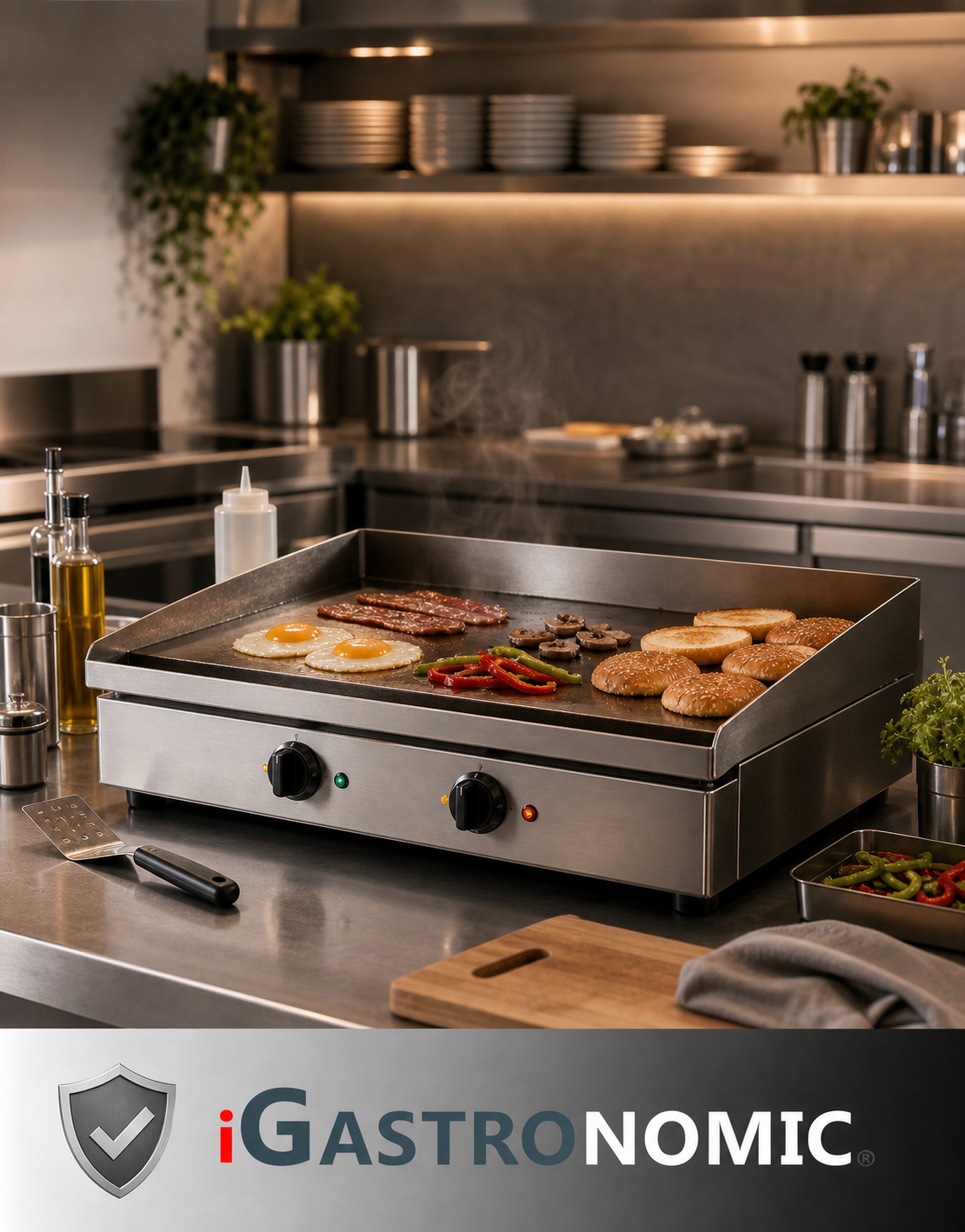 How to Use a Fry Top: A Complete Beginner's GuideRead more
A fry top is a flat, smooth cooking surface that offers even heat distribution and a large area to cook multiple...
-
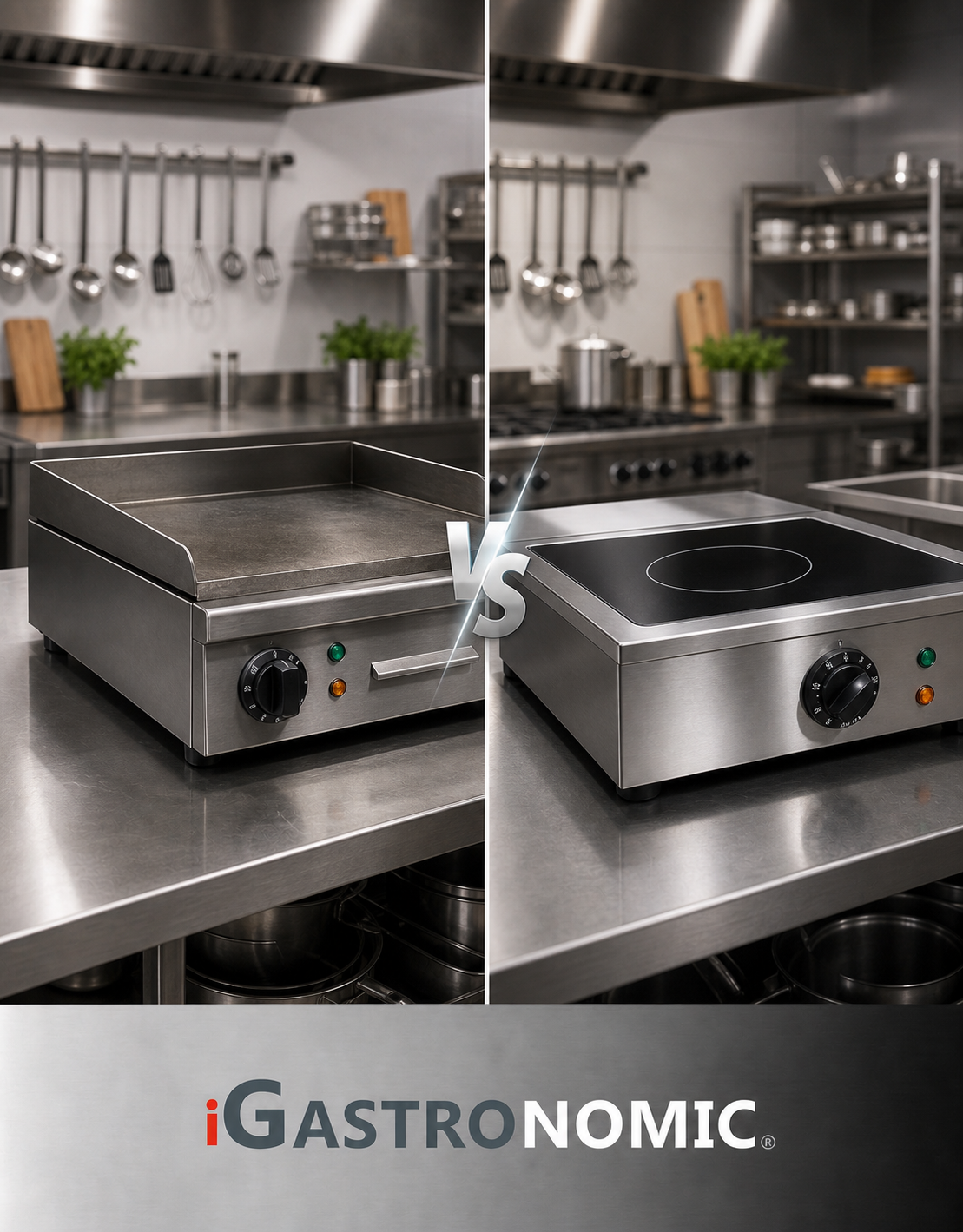 Fry Top vs Piastra Elettrica: Which One Should You Choose for Your Kitchen?Read more
Choosing the right cooking appliance can transform your kitchen experience. Two popular options are the Fry Top and...
-
 Which Kitchen Appliances Do I Really Need for My Restaurant?Read more
Opening a restaurant requires careful planning, especially when it comes to kitchen equipment. Not every kitchen...
Blog categories
Search in blog
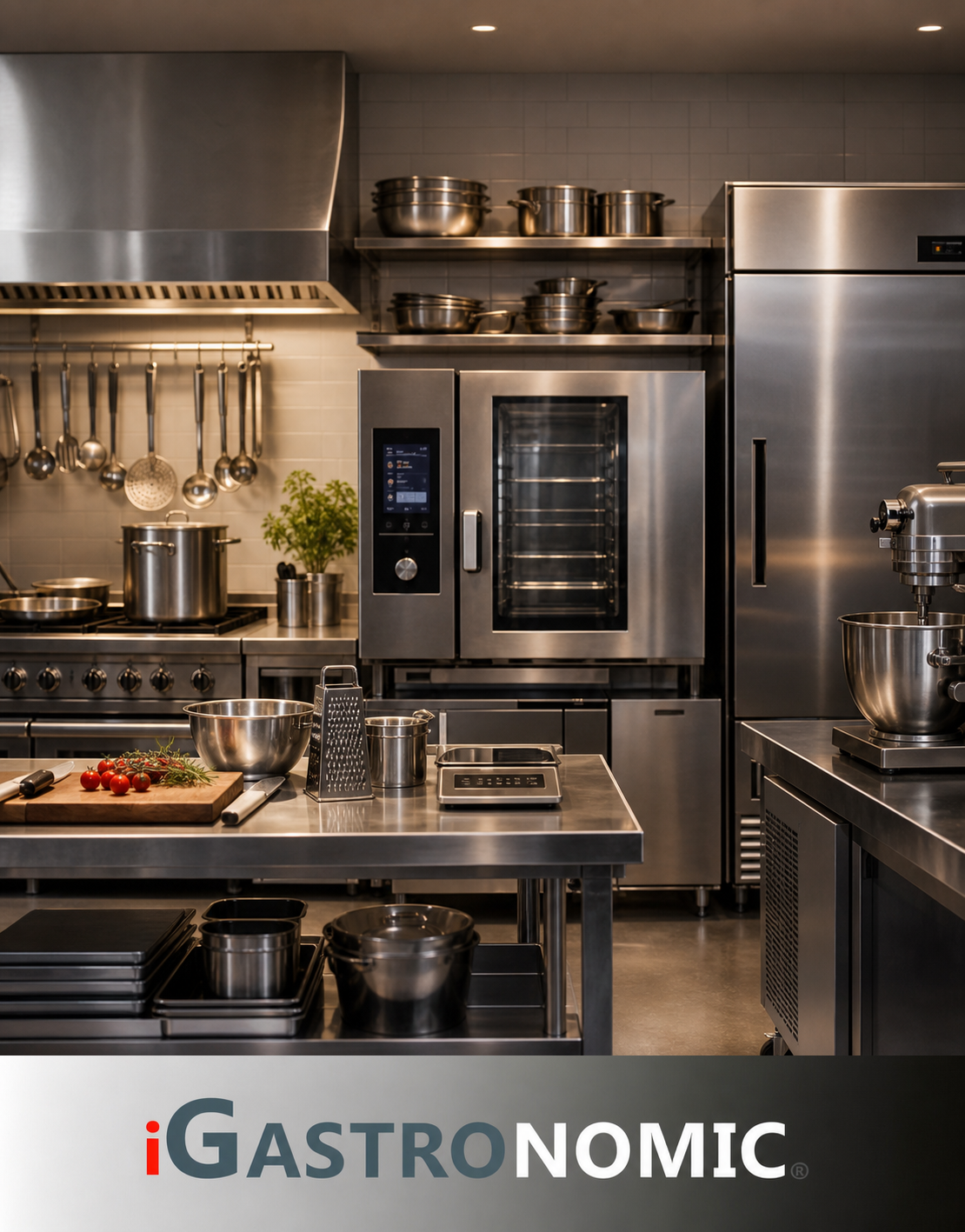
Which Kitchen Appliances Do I Really Need for My Restaurant?
Which Kitchen Appliances Do I Really Need for My Restaurant?
Opening a restaurant is an exciting venture filled with countless decisions, from menu planning to interior design. One of the most crucial aspects that can determine your restaurant’s success is the kitchen setup. The heart of any restaurant is its kitchen, and equipping it with the right appliances is essential for smooth operations, high-quality food production, and overall efficiency.
But with so many kitchen appliances on the market, how do you decide which ones you truly need? Investing in every gadget and machine isn’t practical or necessary, especially for startups or small-scale restaurants. This guide will help you identify the essential kitchen appliances that your restaurant really needs, ensuring you get the best value and functionality for your investment.
Understanding Your Restaurant’s Needs
Before diving into specific appliances, it’s important to understand that the equipment you need depends largely on your restaurant’s concept, menu, and volume of customers. For example, a fast-food joint will require different appliances compared to a fine dining establishment or a bakery.
Ask yourself these questions:
- What type of cuisine will I serve?
- What is the expected volume of customers daily?
- What cooking techniques will be most common (grilling, frying, baking, etc.)?
- How much kitchen space do I have?
- What is my budget for kitchen equipment?
Answering these questions will help you prioritize which appliances are essential and which can be added later as your business grows.
Essential Kitchen Appliances for Every Restaurant
1. Commercial Ranges and Ovens
The commercial range (stove) and oven are the backbone of any restaurant kitchen. They allow you to cook, bake, roast, and sauté a wide variety of dishes. Depending on your menu, you might need a combination of gas or electric ranges, convection ovens, deck ovens, or even specialty ovens like pizza ovens.
Why it’s essential: Almost every dish requires heat to prepare, and having reliable, high-quality ranges and ovens ensures consistent cooking results and faster service.
2. Refrigeration Units
Proper refrigeration is critical to food safety and quality. This includes reach-in refrigerators, under-counter fridges, walk-in coolers, and freezers. The size and type depend on your storage needs and kitchen layout.
Why it’s essential: Keeping ingredients fresh and safe from spoilage is non-negotiable in the food industry. Without adequate refrigeration, you risk foodborne illnesses and waste.
3. Food Preparation Equipment
Efficient food prep is vital for timely service. This category includes mixers, food processors, slicers, blenders, and cutting boards. These tools help speed up chopping, mixing, pureeing, and other prep tasks.
Why it’s essential: Manual food preparation can be time-consuming and inconsistent. Appliances help maintain uniformity and reduce labor time.
4. Cooking Appliances Specific to Your Menu
Depending on your cuisine, you may need specialized equipment such as deep fryers, griddles, charbroilers, steamers, or salamanders.
Why it’s essential: These appliances allow you to execute menu items properly and efficiently. For example, a deep fryer is indispensable for a fried food menu, while a steamer is crucial for dim sum or seafood dishes.
5. Dishwashing Equipment
Commercial dishwashers save time and ensure hygiene standards are met. They come in various sizes, from under-counter models to conveyor systems for high-volume restaurants.
Why it’s essential: Clean dishes and utensils are critical for health compliance and customer satisfaction. Manual washing is labor-intensive and less consistent.
6. Ventilation Systems
While not an appliance per se, a proper ventilation system is mandatory in commercial kitchens. It removes smoke, steam, heat, and odors, maintaining air quality and safety.
Why it’s essential: Good ventilation protects your staff, prevents fire hazards, and keeps the kitchen environment comfortable.
Additional Appliances to Consider
Once the essentials are covered, you might want to add appliances that improve efficiency or expand your menu options.
- Microwaves: Great for quick reheating or defrosting.
- Ice Machines: Necessary for beverage service.
- Warmers and Holding Cabinets: Keep food at safe temperatures before serving.
- Blast Chillers: Quickly cool food to preserve quality and safety.
- Coffee Machines: Essential if your menu includes coffee or espresso drinks.
Tips for Choosing the Right Kitchen Appliances
1. Prioritize Quality and Durability
Commercial kitchen appliances undergo heavy use daily. Investing in durable, high-quality equipment reduces downtime and repair costs.
2. Consider Energy Efficiency
Energy-efficient appliances reduce utility bills and environmental impact. Look for Energy Star-rated products where possible.
3. Size and Capacity Matter
Choose appliances that match your volume needs. Oversized equipment wastes energy; undersized equipment slows down operations.
4. Plan for Maintenance and Repairs
Ensure you have access to service providers and replacement parts. Some brands offer better after-sales support.
5. Think About Kitchen Layout and Workflow
Arrange appliances to optimize workflow and minimize unnecessary movement. This increases efficiency and reduces staff fatigue.
Common Mistakes to Avoid
- Buying Too Much Equipment: It’s tempting to buy every trendy gadget, but this can clutter your kitchen and strain your budget.
- Ignoring Staff Input: Your chefs and kitchen staff know what works best. Involve them in equipment decisions.
- Neglecting Compliance: Ensure all equipment meets local health and safety regulations.
- Overlooking Training: Even the best appliances require proper use. Train your staff to operate and maintain equipment correctly.
Budgeting for Kitchen Appliances
Kitchen appliances represent a significant portion of your restaurant’s startup costs. It’s wise to create a detailed budget that balances quality with affordability.
Consider leasing options or purchasing certified pre-owned equipment to save money initially. However, always weigh the potential costs of repairs and downtime against upfront savings.
Conclusion
Equipping your restaurant kitchen with the right appliances is a foundational step toward operational success. By focusing on the essentials—commercial ranges and ovens, refrigeration, food prep equipment, cooking appliances tailored to your menu, dishwashing machines, and ventilation—you create a functional, efficient kitchen that supports your culinary vision.
Remember, every restaurant is unique. Tailor your equipment choices to your specific needs, space, and budget. Prioritize quality, efficiency, and compliance to build a kitchen that not only meets today’s demands but also supports your growth in the future.
With the right appliances in place, you’ll be well on your way to delivering delicious meals and memorable dining experiences to your customers.
Ready to equip your restaurant kitchen? Start by assessing your menu and volume, then invest smartly in the appliances that truly matter. Your kitchen—and your customers—will thank you.
Posted in:
Tips & Tricks
Related posts
-
 More Than Just Fast Food - All You Need to Know
System Gastronomy: Learn more about this exciting business model. From Fast Food to Casual Dining - we explain...Read more
More Than Just Fast Food - All You Need to Know
System Gastronomy: Learn more about this exciting business model. From Fast Food to Casual Dining - we explain...Read more -
 The 10 Most Expensive Restaurants in the World
When it comes to fine dining and luxurious culinary experiences, some restaurants around the globe capture attention...Read more
The 10 Most Expensive Restaurants in the World
When it comes to fine dining and luxurious culinary experiences, some restaurants around the globe capture attention...Read more -
 Which Restaurant Makes the Most Revenue? A Deep Dive into the World of Gastronomy
Who are the revenue giants in the gastronomy industry? We reveal the top players and analyze why they are so...Read more
Which Restaurant Makes the Most Revenue? A Deep Dive into the World of Gastronomy
Who are the revenue giants in the gastronomy industry? We reveal the top players and analyze why they are so...Read more -
 Boost Your Restaurant's Revenue with Pergolas and Louvered Roofs
Ever wondered how to make your restaurant more appealing and increase your sales? The answer might be simpler than...Read more
Boost Your Restaurant's Revenue with Pergolas and Louvered Roofs
Ever wondered how to make your restaurant more appealing and increase your sales? The answer might be simpler than...Read more -
 The World of Döner: From Traditional Recipes to the Best Döner Spots Worldwide
Learn how to make authentic Yaprak Döner, discover the best döner spots in Germany and worldwide, and explore the...Read more
The World of Döner: From Traditional Recipes to the Best Döner Spots Worldwide
Learn how to make authentic Yaprak Döner, discover the best döner spots in Germany and worldwide, and explore the...Read more
Leave a comment