
 Deutsch
 Türkçe
 Italiano

.jpg)
.jpg)
.jpg)
.jpg)
.jpg)
.jpg)
.jpg)
.jpg)
.jpg)
.jpg)

.jpg)

.jpg)
.jpg)
.jpg)
.jpg)
.jpg)
.jpg)
.jpg)
.jpg)
.jpg)
.jpg)



.jpg)
.jpg)
.jpg)
.jpg)
.jpg)
.jpg)
.jpg)
.jpg)
.jpg)



.jpg)
.jpg)

.jpg)
.jpg)
.jpg)
.jpg)


.jpg)

.png)
.jpg)
.jpg)
 (200 x 136 px) (5).png)
.png)

More and more restaurateurs and resourceful entrepreneurs are discovering the enormous potential of pizza vending...
-
 Cooking Appliances
add remove
Cooking Appliances
add remove -
-
Pizza & Grill
add remove
-
-
Refrigeration
add remove
-
-
Combi Steamer
add remove
-
-
Kitchen Appliances
add remove
-
-
Rinsing & Cleaning
add remove
-
-
Retail Refrigeration
add remove
-
-
Cafe & Ice Cream
add remove
-
-
Smart-Gastro
add remove
-
-
Event- & Cateringmöbel
-
Cooking Appliances
add remove
-
-
Pizza & Grill
add remove
-
-
Refrigeration
add remove
-
-
Combi Steamer
add remove
-
-
Kitchen Appliances
add remove
-
-
Rinsing & Cleaning
add remove
-
-
Retail Refrigeration
add remove
-
-
Cafe & Ice Cream
add remove
-
-
Smart-Gastro
add remove
-
-
Event- & Cateringmöbel


Call us:
+49 (0) 6135 7040 450Latest posts
-
 The Ultimate Guide: Pizza Vending Machines – Earnings, Costs & Experiences in the 24/7Read more
 -
 Döner vs. Shawarma vs. Kebab: Understanding the Terms and Differences for Your Food BusinessRead more
Are you confused about the difference between Döner, Shawarma, and Kebab? These popular meat dishes, often seen on...
-
 The 10 Best Döner Kebabs in Berlin (2026): The Ultimate Ranking Based on Real Customer ReviewsRead more
Berlin is the undisputed döner capital of the world. But with over 1,000 shops, the question arises: Which one is...
-
 Gyros vs. Döner: Understanding the Differences in Preparation, Seasoning, and Meat Selection for Your MenuRead more
Gyros and Döner are two iconic Mediterranean dishes often confused due to their similar appearance and cooking style....
-
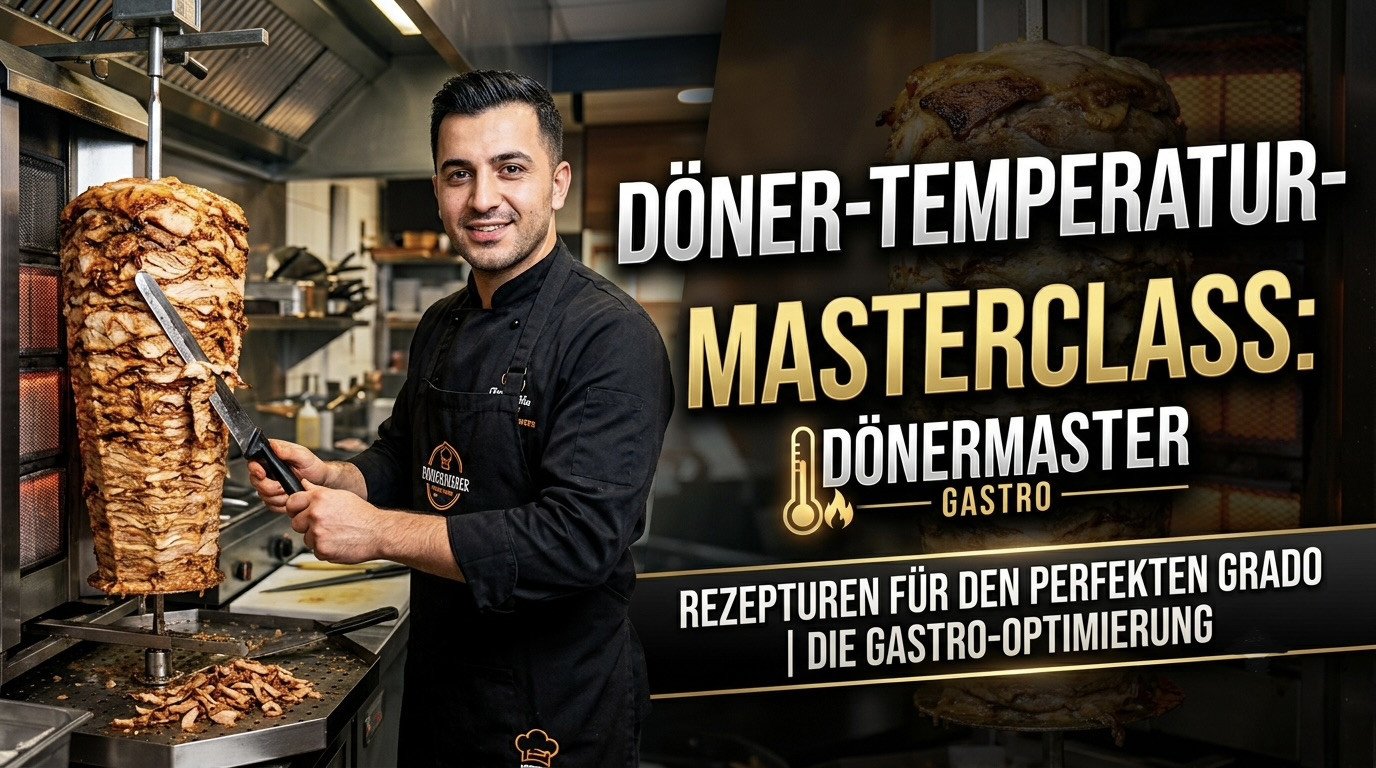 Welche Temperatur braucht ein Dönergrill? Richtwerte für die Gastronomie → Optimale Garzeiten und Temperaturen für perfekte ErgebnisseRead more
Der Dönergrill ist das Herzstück jeder Döner-Gastronomie. Die richtige Temperatur am Grill entscheidet maßgeblich...
-
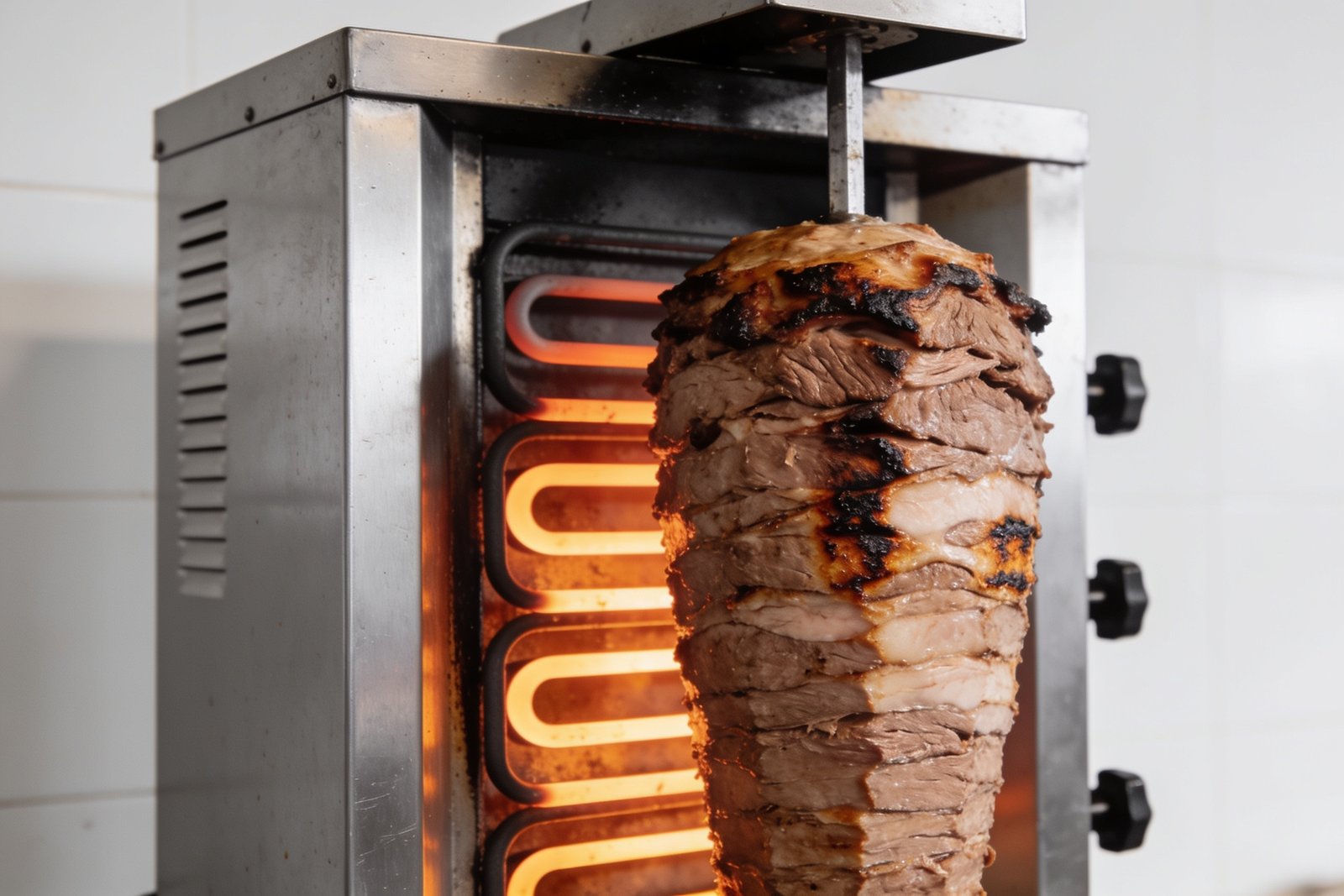 Döner Grill Heating Unevenly? Troubleshooting & Solutions → Recognize and Professionally Fix Common Device ProblemsRead more
Is your Döner grill heating unevenly? This can lead to poorly cooked meat and frustrated customers. In this guide, we...
-
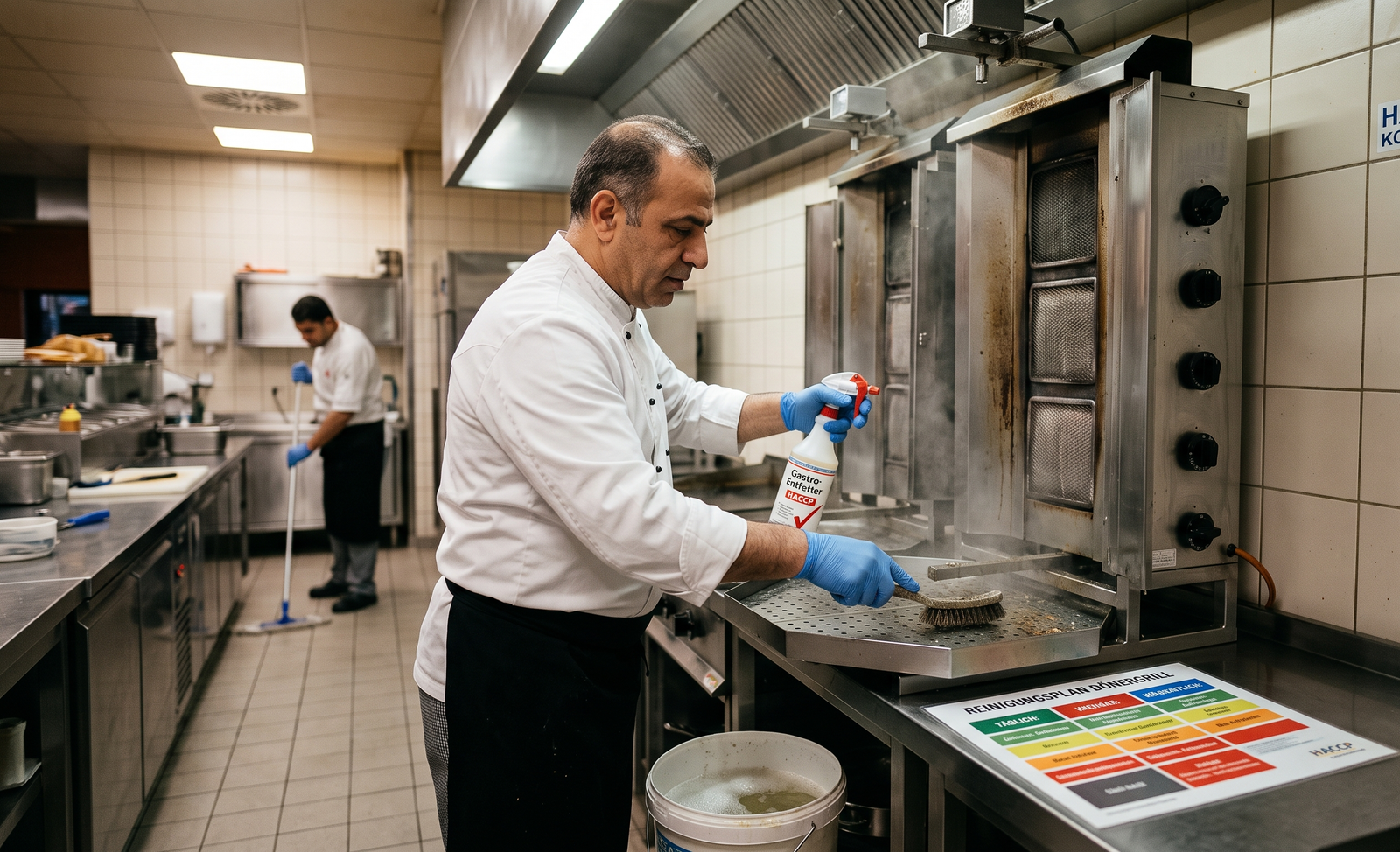 Proper Cleaning of Döner Grills: Care & Hygiene in Gastronomy → Equipment Cleaning According to HACCP Guidelines and Food Hygiene Regulations (LMHV)Read more
The Döner grill is a staple in many gastronomy businesses, and proper cleaning is essential to maintain hygiene and...
-
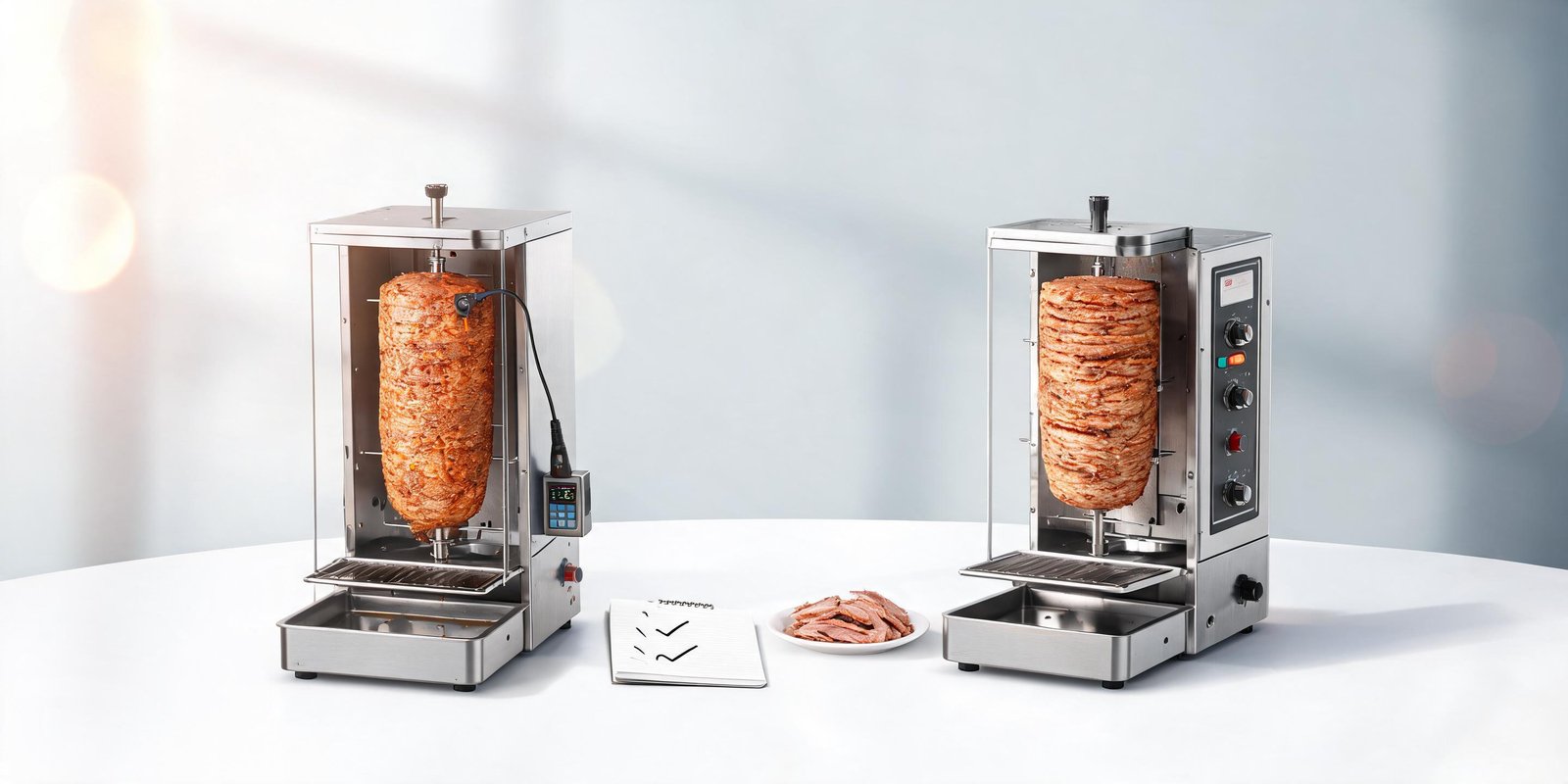 Commercial Döner Grill Tests & Reviews Overview → Make Informed Purchase Decisions with Current Product ComparisonsRead more
Choosing the right commercial Döner grill is essential for any food business specializing in this popular dish. This...
-
 Why Is Döner Meat Grilled Vertically? Technology & Advantages Explained → The Functionality of the Vertical Grill and Its Benefits for the Gastronomy IndustryRead more
Döner kebab is famous worldwide for its juicy, flavorful meat cooked on a vertical spit. But why is the meat grilled...
-
 Compact Döner Grills for Small Snack Bars & Food Trucks → Space-Saving Solutions for Limited SpacesRead more
Small snack bars and food trucks often struggle with limited space, making it challenging to accommodate large...
Blog categories
Search in blog

Effective Staff Training for Professional Equipment: Unlocking Potential and Ensuring Safety
Effective Staff Training for Professional Equipment: Unlocking Potential and Ensuring Safety
In today's fast-paced and technology-driven world, professional equipment plays a pivotal role across various industries. From manufacturing plants equipped with advanced machinery to healthcare facilities utilizing cutting-edge diagnostic devices, the reliance on professional equipment is undeniable. However, the true potential of these sophisticated tools can only be realized when the personnel operating them are well-trained and knowledgeable.
Why Staff Training for Professional Equipment Matters
Professional equipment is often complex, expensive, and requires precise handling. Without proper training, employees may misuse or underutilize these tools, leading to inefficiencies, equipment damage, or even workplace accidents. Staff training ensures that employees understand the operation, maintenance, and safety protocols associated with the equipment, which translates into multiple benefits:
- Enhanced Productivity: Well-trained staff can operate equipment more efficiently, reducing downtime and increasing output.
- Improved Safety: Training minimizes the risk of accidents by educating employees on safety measures and correct handling procedures.
- Cost Savings: Proper use and maintenance extend equipment lifespan and reduce repair costs.
- Compliance: Many industries have regulatory requirements mandating staff training for specific equipment.
- Employee Confidence and Morale: Training empowers employees, making them feel valued and competent.
Types of Professional Equipment Requiring Staff Training
Staff training is essential across a wide range of equipment types, including but not limited to:
- Industrial Machinery: CNC machines, forklifts, conveyor belts, and robotic arms.
- Medical Devices: MRI machines, ventilators, infusion pumps.
- IT and Communication Equipment: Servers, networking hardware, specialized software tools.
- Laboratory Instruments: Spectrometers, chromatographs, microscopes.
- Construction Tools: Cranes, excavators, power tools.
Each category demands tailored training approaches to address the unique operational and safety challenges involved.
Key Components of an Effective Staff Training Program
Creating an effective training program for professional equipment involves several critical components:
1. Needs Assessment
Before designing the training, assess the existing skill levels of employees and identify knowledge gaps. This helps tailor the content to be relevant and focused.
2. Clear Objectives
Define what the training aims to achieve. Objectives might include mastering equipment operation, understanding safety protocols, or performing routine maintenance.
3. Comprehensive Curriculum
The curriculum should cover theoretical knowledge, practical skills, troubleshooting techniques, and safety procedures. Incorporate manufacturer guidelines and industry best practices.
4. Hands-On Training
Practical sessions allow employees to familiarize themselves with the equipment under supervision. This experiential learning is crucial for skill retention.
5. Qualified Trainers
Trainers should have in-depth knowledge of the equipment and effective teaching skills. Sometimes, manufacturers provide certified trainers for specialized devices.
6. Training Materials and Resources
Use manuals, videos, interactive modules, and checklists to support learning and provide reference materials for later use.
7. Evaluation and Feedback
Assess trainees through tests, practical demonstrations, or simulations to ensure comprehension. Collect feedback to improve future sessions.
8. Continuous Learning and Refresher Courses
Technology evolves, and so should training. Regular updates and refresher courses keep staff up-to-date and reinforce best practices.
Implementing Staff Training: Step-by-Step Guide
Implementing a successful staff training program involves careful planning and execution. Here’s a step-by-step approach:
Step 1: Identify Training Needs
Collaborate with department heads and equipment manufacturers to determine essential skills and knowledge areas.
Step 2: Develop Training Plan
Outline objectives, content, schedule, and resources needed. Decide on training formats such as in-person workshops, e-learning, or blended approaches.
Step 3: Select Trainers
Choose internal experts or external specialists who can deliver engaging and effective training.
Step 4: Prepare Training Materials
Create or source manuals, videos, and interactive tools tailored to your equipment and workforce.
Step 5: Conduct Training Sessions
Deliver the training according to plan, ensuring active participation and hands-on practice.
Step 6: Evaluate and Certify
Test knowledge and skills, provide certificates or acknowledgments, and document completion for compliance.
Step 7: Monitor and Support
Offer ongoing support, answer questions, and schedule refresher courses as needed.
Challenges in Staff Training for Professional Equipment and How to Overcome Them
While staff training is essential, organizations often face challenges such as:
- Time Constraints: Employees may have limited availability due to operational demands.
- Cost Considerations: Training can be expensive, especially with specialized equipment or external trainers.
- Varied Skill Levels: Diverse backgrounds require customized approaches to meet everyone’s needs.
- Keeping Up with Technological Advances: Equipment updates necessitate continuous learning.
Solutions:
- Integrate training into work schedules and use microlearning techniques to minimize disruption.
- Leverage online platforms and manufacturer-provided resources to reduce costs.
- Conduct pre-training assessments to group employees by skill level and tailor content accordingly.
- Establish a culture of continuous improvement and encourage self-learning.
Case Study: Successful Staff Training in a Manufacturing Plant
Consider a manufacturing plant that recently invested in automated robotic arms to enhance production. Initially, employees struggled with programming and maintaining the robots, leading to frequent downtime.
The company implemented a comprehensive training program involving:
- Hands-on workshops led by certified trainers from the robot manufacturer.
- Interactive e-learning modules for theory and troubleshooting.
- Regular assessments and refresher courses every six months.
- Creation of a dedicated support team for ongoing assistance.
As a result, machine uptime improved by 30%, production rates increased, and workplace accidents related to the robots dropped significantly. Employee satisfaction also rose due to increased confidence and skill development.
Future Trends in Staff Training for Professional Equipment
Emerging technologies are shaping the future of staff training:
- Virtual Reality (VR) and Augmented Reality (AR): Immersive simulations allow employees to practice equipment operation in a risk-free environment.
- Artificial Intelligence (AI): AI-driven platforms can personalize training content based on individual learning pace and style.
- Mobile Learning: Access to training materials on smartphones and tablets enables on-the-go learning.
- Gamification: Incorporating game elements increases engagement and motivation.
Adopting these innovations can make training more effective, accessible, and enjoyable.
Conclusion
Staff training for professional equipment is not just a regulatory requirement or a routine task—it is a strategic investment that pays dividends in productivity, safety, and employee development. By understanding the importance of training, designing comprehensive programs, overcoming challenges, and embracing future technologies, organizations can unlock the full potential of their equipment and workforce.
Whether you operate a small business or a large enterprise, prioritizing staff training will help you stay competitive, compliant, and ready to meet the demands of an ever-evolving technological landscape.
Remember, well-trained personnel are the key to harnessing the power of professional equipment effectively and safely.
Posted in:
Tips & Tricks
Related posts
-
 More Than Just Fast Food - All You Need to Know
System Gastronomy: Learn more about this exciting business model. From Fast Food to Casual Dining - we explain...Read more
More Than Just Fast Food - All You Need to Know
System Gastronomy: Learn more about this exciting business model. From Fast Food to Casual Dining - we explain...Read more -
 The 10 Most Expensive Restaurants in the World
When it comes to fine dining and luxurious culinary experiences, some restaurants around the globe capture attention...Read more
The 10 Most Expensive Restaurants in the World
When it comes to fine dining and luxurious culinary experiences, some restaurants around the globe capture attention...Read more -
 Which Restaurant Makes the Most Revenue? A Deep Dive into the World of Gastronomy
Who are the revenue giants in the gastronomy industry? We reveal the top players and analyze why they are so...Read more
Which Restaurant Makes the Most Revenue? A Deep Dive into the World of Gastronomy
Who are the revenue giants in the gastronomy industry? We reveal the top players and analyze why they are so...Read more -
 Boost Your Restaurant's Revenue with Pergolas and Louvered Roofs
Ever wondered how to make your restaurant more appealing and increase your sales? The answer might be simpler than...Read more
Boost Your Restaurant's Revenue with Pergolas and Louvered Roofs
Ever wondered how to make your restaurant more appealing and increase your sales? The answer might be simpler than...Read more -
 The World of Döner: From Traditional Recipes to the Best Döner Spots Worldwide
Learn how to make authentic Yaprak Döner, discover the best döner spots in Germany and worldwide, and explore the...Read more
The World of Döner: From Traditional Recipes to the Best Döner Spots Worldwide
Learn how to make authentic Yaprak Döner, discover the best döner spots in Germany and worldwide, and explore the...Read more
Leave a comment