
 Deutsch
 Türkçe
 Italiano

.jpg)
.jpg)
.jpg)
.jpg)
.jpg)
.jpg)
.jpg)
.jpg)
.jpg)
.jpg)

.jpg)

.jpg)
.jpg)
.jpg)
.jpg)
.jpg)
.jpg)
.jpg)
.jpg)
.jpg)
.jpg)



.jpg)
.jpg)
.jpg)
.jpg)
.jpg)
.jpg)
.jpg)
.jpg)
.jpg)



.jpg)
.jpg)

.jpg)
.jpg)
.jpg)
.jpg)


.jpg)

.png)
.jpg)
.jpg)
 (200 x 136 px) (5).png)
.png)

Looking for the perfect restaurant dinnerware? Discover why professional chefs worldwide rely on the chip-resistant...
-
 Cooking Appliances
add remove
Cooking Appliances
add remove -
-
Pizza & Grill
add remove
-
-
Refrigeration
add remove
-
-
Combi Steamer
add remove
-
-
Kitchen Appliances
add remove
-
-
Rinsing & Cleaning
add remove
-
-
Retail Refrigeration
add remove
-
-
Cafe & Ice Cream
add remove
-
-
Smart-Gastro
add remove
-
-
Event- & Cateringmöbel
-
Cooking Appliances
add remove
-
-
Pizza & Grill
add remove
-
-
Refrigeration
add remove
-
-
Combi Steamer
add remove
-
-
Kitchen Appliances
add remove
-
-
Rinsing & Cleaning
add remove
-
-
Retail Refrigeration
add remove
-
-
Cafe & Ice Cream
add remove
-
-
Smart-Gastro
add remove
-
-
Event- & Cateringmöbel


Call us:
+49 (0) 6135 7040 450Latest posts
-
 Why RAK Porcelain is the Top Choice for ProfessionalsRead more
 -
 Electric Fry Top: How Long Does It Take to Heat Up?Read more
The electric fry top is a versatile and efficient kitchen appliance that offers even heat distribution and a smooth...
-
 Does the Fry Top Scratch Easily? How to Preserve Its SurfaceRead more
Fry tops are versatile and popular cooking surfaces, but many wonder if they scratch easily and how to keep them in...
-
 Fry Top for Beginners: Which Model Is Easiest to Use?Read more
Are you new to cooking with a fry top and wondering which model is easiest to use? A fry top, or griddle, offers a...
-
 Small Spaces: Which Electric Hot Plate Should You Choose?Read more
Living in a small space often means limited kitchen area, making it essential to choose compact and efficient cooking...
-
 How to Fry Safely on an Electric Fry Top: A Complete GuideRead more
Frying on an electric fry top offers a convenient and efficient way to prepare delicious meals, but safety is...
-
 Fry Top with Thermostat: Is It Worth Spending More?Read more
A fry top is a versatile cooking surface widely used in both home and professional kitchens. One key feature that...
-
 Contact Electric Hotplates: Is Cooking Really Difficult?Read more
Contact electric hotplates are becoming increasingly popular for their convenience and efficiency in the kitchen....
-
 How to Choose the Right Power for Your Electric Fry TopRead more
Choosing the right power for your electric fry top is essential for efficient and enjoyable cooking. The power...
-
 Portable Fry Top: Does It Exist and Is It Worth Having?Read more
If you love cooking and are always on the go, you might wonder if a portable fry top exists and whether it’s worth...
Blog categories
Search in blog

Contact Electric Hotplates: Is Cooking Really Difficult?
Contact Electric Hotplates: Is Cooking Really Difficult?
In the world of modern kitchen appliances, contact electric hotplates have carved out a niche for themselves as convenient, efficient, and space-saving cooking tools. But despite their growing popularity, many home cooks and even professional chefs wonder: Is cooking with contact electric hotplates really difficult? In this comprehensive guide, we will explore everything you need to know about these devices, from how they work to practical tips that can make your cooking experience smooth and enjoyable.
What Are Contact Electric Hotplates?
Contact electric hotplates, sometimes referred to as electric griddles or contact grills, are compact cooking appliances that use electric heating elements to cook food directly on a flat or ridged surface. Unlike traditional stovetops that rely on open flames or induction technology, these hotplates provide consistent heat through direct contact with the food or cookware.
They are often designed with two plates that close over the food, cooking it from both sides simultaneously. This design is especially popular in panini presses and sandwich makers but also extends to larger models used for grilling meats, vegetables, and more.
How Do Contact Electric Hotplates Work?
The core principle behind contact electric hotplates is simple: electric resistance heating. When you plug in the device and turn it on, electricity flows through a heating element embedded in the plates. This element heats up, transferring heat directly to the cooking surface.
Because the food is pressed between two heated plates, cooking times are often shorter compared to traditional methods. The even heat distribution and direct contact help achieve a uniform cook, often with appealing grill marks or a crispy crust.
Advantages of Cooking with Contact Electric Hotplates
Before addressing the question of difficulty, it’s important to understand the benefits these appliances offer:
- Speed: Cooking times are reduced because heat is applied from both sides simultaneously.
- Energy Efficiency: They use less energy compared to ovens or stovetops, as the heat is concentrated where it’s needed.
- Compact and Portable: Ideal for small kitchens, dorm rooms, or even outdoor use where traditional cooking appliances are unavailable.
- Easy Cleanup: Many models come with non-stick surfaces and removable plates, making cleaning quick and hassle-free.
- Versatility: Suitable for grilling sandwiches, meats, vegetables, and even some desserts.
Common Misconceptions: Is Cooking with Contact Electric Hotplates Difficult?
Many people assume that because contact electric hotplates are smaller and less traditional than stovetops or ovens, they must be difficult to use or limit cooking creativity. However, this is largely a misconception.
Here are some common concerns and the reality behind them:
1. Limited Cooking Techniques
Myth: You can only grill or toast with contact electric hotplates.
Reality: While grilling and toasting are the most common uses, many models allow you to cook a wide range of dishes—from paninis and quesadillas to grilled chicken breasts, vegetables, and even pancakes. Some advanced models come with adjustable temperature controls and interchangeable plates for different cooking styles.
2. Uneven Cooking
Myth: The food cooks unevenly or burns easily.
Reality: Modern contact hotplates are designed to distribute heat evenly across the plates. The pressing action helps ensure food cooks uniformly on both sides. However, like any cooking method, it requires some attention to temperature settings and cooking times.
3. Difficult to Control Temperature
Myth: You can’t control the heat precisely, leading to overcooked or undercooked food.
Reality: Many contact electric hotplates feature adjustable thermostats or temperature controls. Learning to use these settings effectively comes with practice, just like any other kitchen appliance.
Practical Tips for Cooking with Contact Electric Hotplates
To make your cooking experience easier and more successful, consider these tips:
1. Preheat Properly
Always allow the hotplate to preheat fully before placing food on it. This ensures even cooking and better searing or grilling marks.
2. Use the Right Amount of Oil or Butter
Even if your hotplate has a non-stick surface, a light brush of oil or butter can enhance flavor and prevent sticking, especially for lean meats and vegetables.
3. Don’t Overcrowd the Plates
Give your food enough space to cook evenly. Overcrowding can cause uneven cooking and steaming rather than grilling.
4. Adjust Temperature for Different Foods
Use lower temperatures for delicate foods like fish or vegetables, and higher heat for meats and sandwiches that benefit from a crispy crust.
5. Clean After Each Use
Cleaning while the plates are still warm (but not hot) can prevent food residue from hardening. Use a damp cloth or sponge and avoid abrasive materials that could damage the surface.
Recipes Perfect for Contact Electric Hotplates
To inspire you, here are some simple recipes that work wonderfully on contact electric hotplates:
1. Classic Panini
- Ingredients: Ciabatta bread, sliced turkey, mozzarella, tomato, basil, olive oil.
- Instructions: Assemble the sandwich, brush the outside with olive oil, and grill on the hotplate for 4-5 minutes until golden and cheese melts.
2. Grilled Vegetables
- Ingredients: Zucchini, bell peppers, eggplant, olive oil, salt, pepper.
- Instructions: Slice vegetables, brush with olive oil, season, and grill for 3-4 minutes per side.
3. Quick Chicken Breast
- Ingredients: Chicken breast, garlic powder, paprika, salt, pepper, olive oil.
- Instructions: Season chicken, lightly oil the plates, and grill for 6-7 minutes until cooked through.
Potential Drawbacks to Consider
While contact electric hotplates offer many benefits, it’s important to be aware of some limitations:
- Size Limitations: Most models are compact, so cooking large quantities at once can be challenging.
- Thickness Constraints: Very thick cuts of meat or layered foods may not cook evenly or fit well between the plates.
- Learning Curve: Like any appliance, there’s a short period of adjustment to understand optimal cooking times and temperatures.
Conclusion: Is Cooking with Contact Electric Hotplates Really Difficult?
After exploring the features, benefits, and practical tips, the answer becomes clear: Cooking with contact electric hotplates is not inherently difficult. In fact, with a little practice and understanding of the appliance’s capabilities, it can be a highly efficient and enjoyable way to prepare a variety of meals.
Whether you’re a busy professional looking for quick meal solutions, a student with limited kitchen space, or simply someone who enjoys experimenting with new cooking gadgets, contact electric hotplates offer a versatile and user-friendly option.
Remember, the key to success lies in learning the nuances of your specific model, experimenting with different foods, and following basic cooking principles. Soon enough, you’ll be creating delicious grilled sandwiches, perfectly cooked meats, and tasty vegetables with ease.
Additional Resources
- How to Use a Contact Grill - Cooking Light
- Best Contact Grills for Your Kitchen - Serious Eats
- How to Use a Panini Press - Food Network
Happy cooking!
Related posts
-
 Fry Top vs Piastra Elettrica: Which One Should You Choose for Your Kitchen?
Choosing the right cooking appliance can transform your kitchen experience. Two popular options are the Fry Top and...Read more
Fry Top vs Piastra Elettrica: Which One Should You Choose for Your Kitchen?
Choosing the right cooking appliance can transform your kitchen experience. Two popular options are the Fry Top and...Read more -
 How to Use a Fry Top: A Complete Beginner's Guide
A fry top is a flat, smooth cooking surface that offers even heat distribution and a large area to cook multiple...Read more
How to Use a Fry Top: A Complete Beginner's Guide
A fry top is a flat, smooth cooking surface that offers even heat distribution and a large area to cook multiple...Read more -
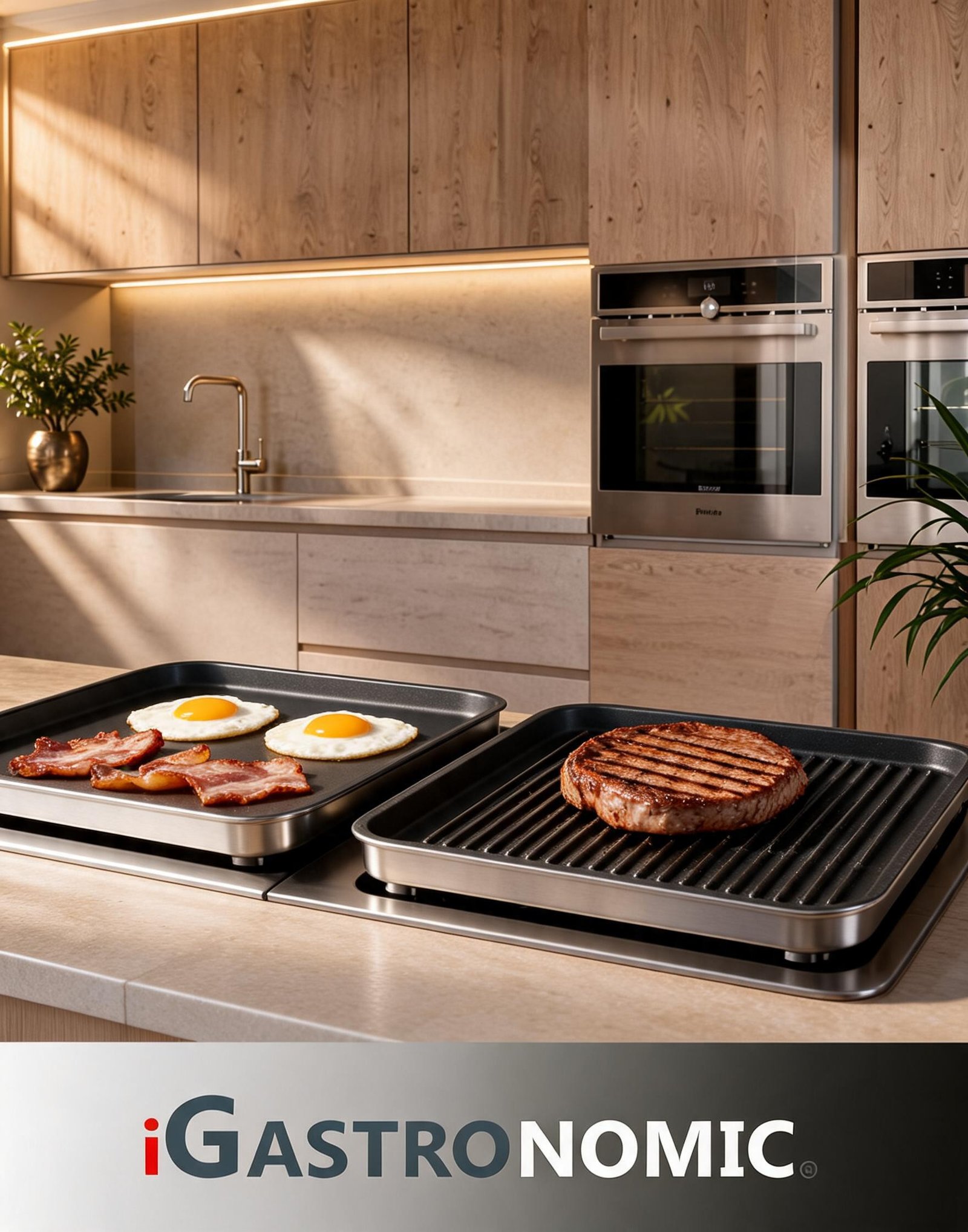 Fry Top Smooth or Ribbed? Which Is Better for Cooking?
Choosing between a smooth (liscio) and ribbed (rigato) fry top can significantly impact your cooking experience....Read more
Fry Top Smooth or Ribbed? Which Is Better for Cooking?
Choosing between a smooth (liscio) and ribbed (rigato) fry top can significantly impact your cooking experience....Read more -
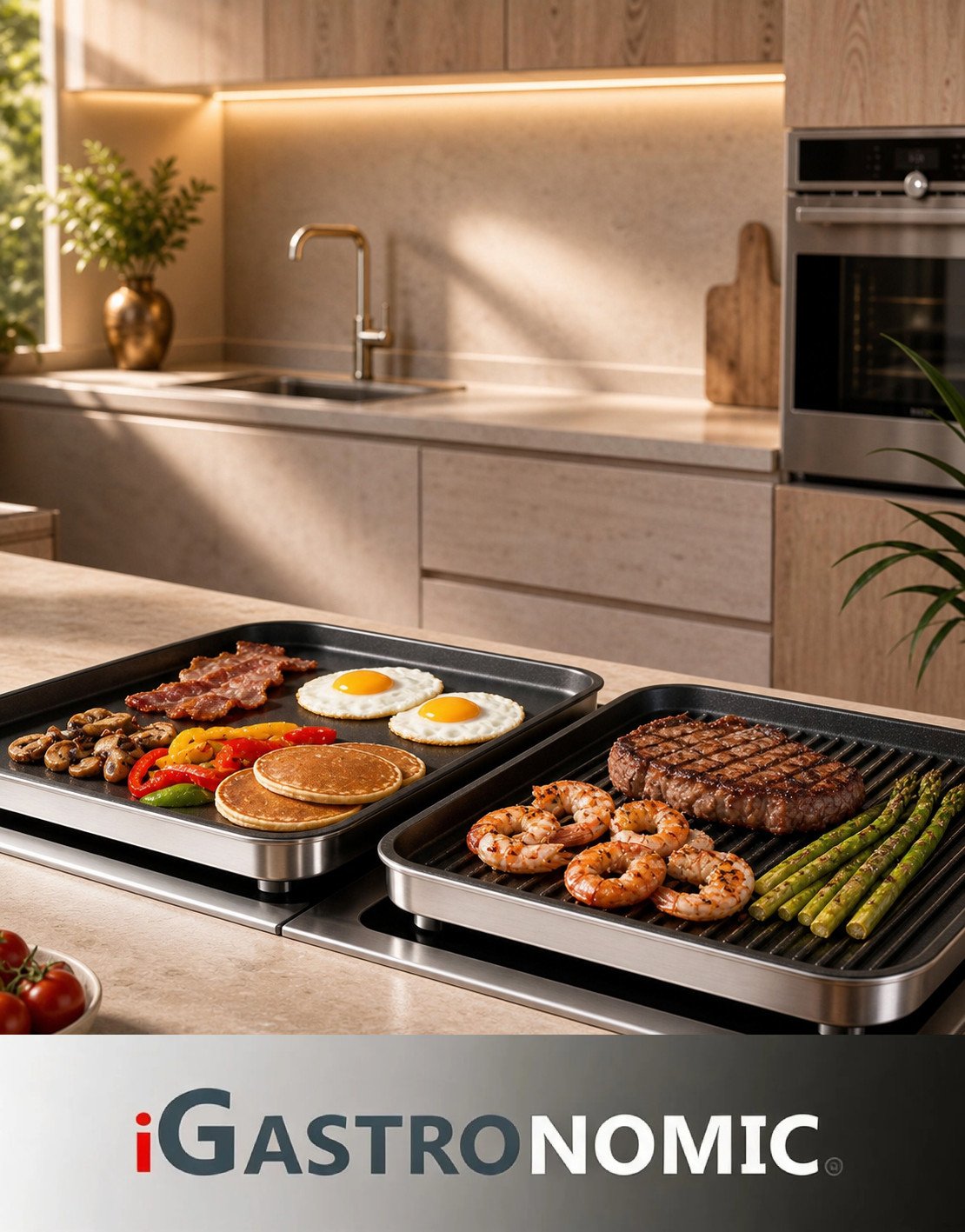 What Can You Cook on an Electric Fry Top? A Complete Guide
An electric fry top is a versatile kitchen appliance that offers a large, evenly heated cooking surface perfect for a...Read more
What Can You Cook on an Electric Fry Top? A Complete Guide
An electric fry top is a versatile kitchen appliance that offers a large, evenly heated cooking surface perfect for a...Read more -
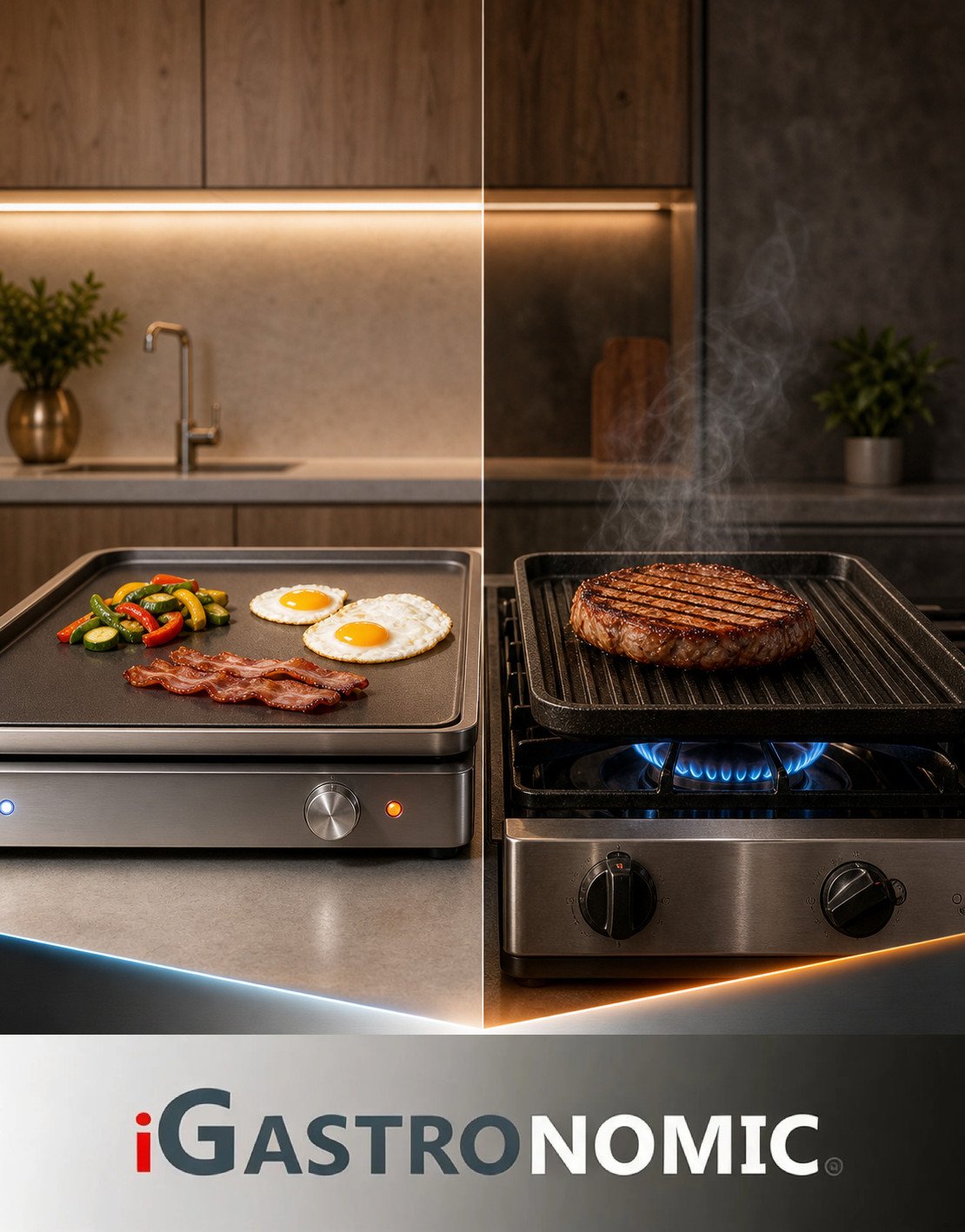 Electric Fry Top vs Gas: Advantages and Disadvantages Compared
Choosing between an electric and gas fry top can be challenging. Electric fry tops offer precise temperature control,...Read more
Electric Fry Top vs Gas: Advantages and Disadvantages Compared
Choosing between an electric and gas fry top can be challenging. Electric fry tops offer precise temperature control,...Read more
Leave a comment