
 Deutsch
 Türkçe
 Italiano

.jpg)
.jpg)
.jpg)
.jpg)
.jpg)
.jpg)
.jpg)
.jpg)
.jpg)
.jpg)

.jpg)

.jpg)
.jpg)
.jpg)
.jpg)
.jpg)
.jpg)
.jpg)
.jpg)
.jpg)
.jpg)



.jpg)
.jpg)
.jpg)
.jpg)
.jpg)
.jpg)
.jpg)
.jpg)
.jpg)



.jpg)
.jpg)

.jpg)
.jpg)
.jpg)
.jpg)


.jpg)

.png)
.jpg)
.jpg)
 (200 x 136 px) (5).png)
.png)

Looking for the perfect restaurant dinnerware? Discover why professional chefs worldwide rely on the chip-resistant...
-
 Cooking Appliances
add remove
Cooking Appliances
add remove -
-
Pizza & Grill
add remove
-
-
Refrigeration
add remove
-
-
Combi Steamer
add remove
-
-
Kitchen Appliances
add remove
-
-
Rinsing & Cleaning
add remove
-
-
Retail Refrigeration
add remove
-
-
Cafe & Ice Cream
add remove
-
-
Smart-Gastro
add remove
-
-
Event- & Cateringmöbel
-
Cooking Appliances
add remove
-
-
Pizza & Grill
add remove
-
-
Refrigeration
add remove
-
-
Combi Steamer
add remove
-
-
Kitchen Appliances
add remove
-
-
Rinsing & Cleaning
add remove
-
-
Retail Refrigeration
add remove
-
-
Cafe & Ice Cream
add remove
-
-
Smart-Gastro
add remove
-
-
Event- & Cateringmöbel


Call us:
+49 (0) 6135 7040 450Latest posts
-
 Why RAK Porcelain is the Top Choice for ProfessionalsRead more
 -
 Electric Fry Top: How Long Does It Take to Heat Up?Read more
The electric fry top is a versatile and efficient kitchen appliance that offers even heat distribution and a smooth...
-
 Does the Fry Top Scratch Easily? How to Preserve Its SurfaceRead more
Fry tops are versatile and popular cooking surfaces, but many wonder if they scratch easily and how to keep them in...
-
 Fry Top for Beginners: Which Model Is Easiest to Use?Read more
Are you new to cooking with a fry top and wondering which model is easiest to use? A fry top, or griddle, offers a...
-
 Small Spaces: Which Electric Hot Plate Should You Choose?Read more
Living in a small space often means limited kitchen area, making it essential to choose compact and efficient cooking...
-
 How to Fry Safely on an Electric Fry Top: A Complete GuideRead more
Frying on an electric fry top offers a convenient and efficient way to prepare delicious meals, but safety is...
-
 Fry Top with Thermostat: Is It Worth Spending More?Read more
A fry top is a versatile cooking surface widely used in both home and professional kitchens. One key feature that...
-
 Contact Electric Hotplates: Is Cooking Really Difficult?Read more
Contact electric hotplates are becoming increasingly popular for their convenience and efficiency in the kitchen....
-
 How to Choose the Right Power for Your Electric Fry TopRead more
Choosing the right power for your electric fry top is essential for efficient and enjoyable cooking. The power...
-
 Portable Fry Top: Does It Exist and Is It Worth Having?Read more
If you love cooking and are always on the go, you might wonder if a portable fry top exists and whether it’s worth...
Blog categories
Search in blog
How to Choose the Right Power for Your Electric Fry Top
How to Choose the Right Power for Your Electric Fry Top
When it comes to cooking appliances, the electric fry top is a versatile and essential tool in both professional kitchens and home setups. Whether you’re a seasoned chef or a passionate home cook, selecting the right electric fry top can significantly impact your cooking experience. One of the most crucial factors to consider is the power rating of the fry top.
In this comprehensive guide, we will explore everything you need to know about choosing the right power for your electric fry top, including what power ratings mean, how they affect cooking performance, energy consumption, and practical tips to help you make an informed decision.
What Is an Electric Fry Top?
Before diving into power considerations, let’s clarify what an electric fry top is. A fry top, also known as a griddle, is a flat cooking surface that allows you to prepare a wide range of foods such as pancakes, eggs, burgers, vegetables, and more. Unlike traditional frying pans, fry tops provide a large, evenly heated surface that can accommodate multiple ingredients simultaneously.
Electric fry tops use electrical heating elements beneath the cooking surface to generate heat. This contrasts with gas fry tops that use open flames. Electric models are popular for their ease of installation, precise temperature control, and cleaner operation.
Understanding Power Ratings of Electric Fry Tops
The power rating of an electric fry top is typically measured in watts (W) or kilowatts (kW). This rating indicates the amount of electrical energy the appliance consumes to generate heat. For example, a fry top with a power rating of 3,000 watts (3 kW) uses 3,000 watts of electricity when operating at full capacity.
Power ratings can vary widely depending on the size, design, and intended use of the fry top. Small home models may have power ratings as low as 1,000 watts, while commercial-grade fry tops can exceed 10,000 watts.
Why Does Power Matter?
- Heating Speed: Higher power means the fry top heats up faster, reducing waiting time before cooking.
- Temperature Control: Adequate power ensures consistent and even heat distribution across the surface.
- Cooking Capacity: More power allows you to cook larger quantities or multiple dishes simultaneously without temperature drops.
- Energy Consumption: Higher power appliances consume more electricity, impacting your energy bills.
Factors to Consider When Choosing the Power of Your Electric Fry Top
Choosing the right power rating is a balance between performance needs and energy efficiency. Here are the key factors to consider:
1. Intended Usage
Are you planning to use the fry top for occasional home cooking or for a busy commercial kitchen? The frequency and volume of cooking will heavily influence the power requirements.
- Home Use: For casual cooking, a fry top with 1,500 to 3,000 watts is often sufficient. This range provides good heating speed and temperature control for most recipes.
- Commercial Use: Restaurants, cafes, and catering services typically require higher power fry tops, often between 5,000 and 10,000 watts or more, to handle continuous and large-scale cooking.
2. Size of the Fry Top
The surface area of the fry top directly correlates with the power needed. Larger surfaces require more power to heat evenly and maintain consistent temperatures.
- Small Models (up to 30 cm): Usually need 1,000 to 2,000 watts.
- Medium Models (30-60 cm): Typically require 2,000 to 5,000 watts.
- Large Models (above 60 cm): Often demand 5,000 watts or more.
3. Cooking Style
The types of food you cook and your preferred cooking methods also affect power needs.
- Quick Searing and High-Heat Cooking: Requires higher power for rapid heat recovery.
- Slow Cooking or Simmering: Can be done effectively with lower power fry tops.
- Multi-Dish Cooking: Cooking several items simultaneously needs more power to maintain consistent heat across the surface.
4. Energy Efficiency and Operating Costs
While higher power fry tops offer better performance, they also consume more electricity. It’s important to consider your budget for electricity and look for energy-efficient models that provide good insulation and heat retention.
Many modern electric fry tops come with thermostatic controls and energy-saving features that help optimize power consumption without compromising cooking quality.
5. Electrical Infrastructure
Before purchasing, ensure your kitchen’s electrical system can support the fry top’s power requirements. High-power appliances may need dedicated circuits or specific voltage levels (e.g., 220-240V).
Consult with an electrician if you’re unsure about your home or commercial kitchen’s electrical capacity.
How to Calculate the Ideal Power for Your Needs
While manufacturers provide power ratings, you can estimate the ideal power based on your cooking habits and fry top size.
Step 1: Determine Surface Area
Calculate the cooking surface area in square centimeters or square inches. For example, a fry top measuring 60 cm x 40 cm has a surface area of 2,400 cm².
Step 2: Estimate Power Density
Power density refers to the watts per unit area. For efficient cooking, a power density between 1.5 to 3 watts per cm² is typical.
Using the example above:
Power (W) = Surface Area (cm²) × Power Density (W/cm²)
Power = 2,400 × 1.5 = 3,600 W (minimum)
Power = 2,400 × 3 = 7,200 W (maximum)
This means a fry top between 3,600 and 7,200 watts would be suitable for that size.
Step 3: Adjust Based on Usage
If you cook frequently or require faster heating, opt for the higher end of the range. For occasional or gentle cooking, the lower end might suffice.
Additional Features to Consider Alongside Power
While power is essential, other features can enhance your cooking experience:
- Thermostatic Controls: Allow precise temperature adjustments to avoid overheating or undercooking.
- Non-Stick Surfaces: Facilitate easier cooking and cleaning.
- Heat Distribution Technology: Some fry tops use advanced materials or heating elements to ensure even heat.
- Safety Features: Automatic shutoff, cool-touch handles, and indicator lights improve safety.
- Portability: Lightweight and compact models are easier to move and store.
Common Mistakes to Avoid When Choosing Power
- Overestimating Power Needs: Buying an excessively powerful fry top can lead to wasted energy and higher bills.
- Ignoring Electrical Compatibility: Not checking if your kitchen can handle the power load can cause electrical issues.
- Neglecting Cooking Habits: Choosing power based solely on size without considering how you cook might result in suboptimal performance.
- Disregarding Energy Efficiency: A high-power fry top without energy-saving features can be costly in the long run.
Top Brands and Models to Consider
Several reputable brands offer electric fry tops with various power options. Some popular names include:
- DeLonghi: Known for reliable home kitchen appliances with moderate power ratings.
- Waring Commercial: Offers high-power, durable fry tops for professional use.
- Cadco: Provides versatile models with good energy efficiency.
- Buffalo: Specializes in commercial-grade fry tops with a range of power options.
When choosing a model, always check the power rating, warranty, and customer reviews to ensure it fits your needs.
Maintenance Tips to Maximize Fry Top Efficiency
Proper maintenance ensures your fry top operates efficiently regardless of its power rating:
- Clean Regularly: Remove food residues and grease to maintain even heating.
- Check Electrical Connections: Inspect cords and plugs for damage.
- Use Appropriate Cookware: Avoid scratching the surface with metal utensils.
- Calibrate Temperature Controls: Ensure accurate heat settings.
Conclusion
Choosing the right power for your electric fry top is a crucial step to ensure efficient cooking, energy savings, and long-lasting performance. By considering your cooking habits, fry top size, electrical infrastructure, and energy efficiency, you can select a model that perfectly fits your needs.
Remember, more power doesn’t always mean better. Balance is key. With the right knowledge and careful selection, your electric fry top will become an indispensable part of your kitchen for years to come.
Happy cooking!
Related posts
-
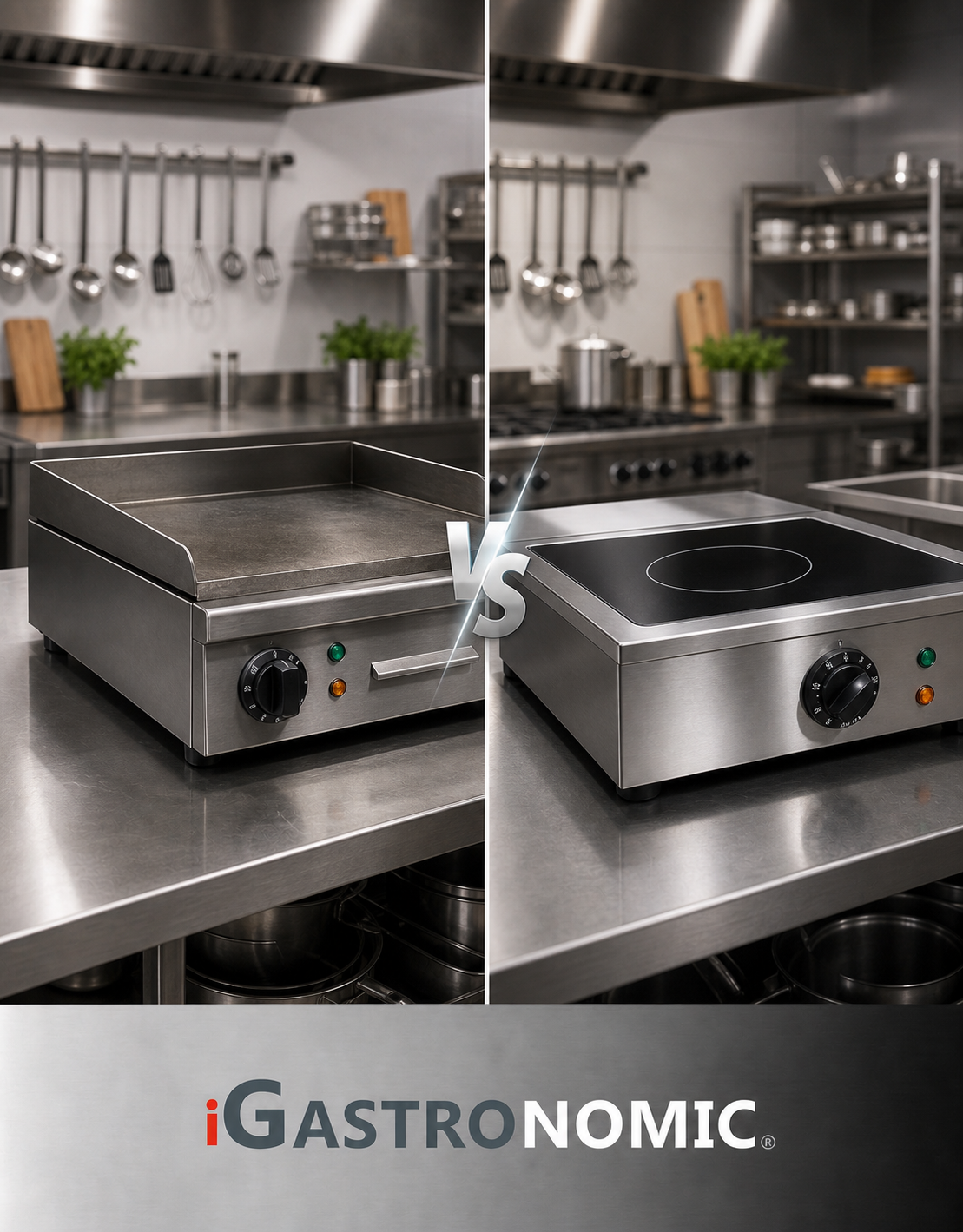 Fry Top vs Piastra Elettrica: Which One Should You Choose for Your Kitchen?
Choosing the right cooking appliance can transform your kitchen experience. Two popular options are the Fry Top and...Read more
Fry Top vs Piastra Elettrica: Which One Should You Choose for Your Kitchen?
Choosing the right cooking appliance can transform your kitchen experience. Two popular options are the Fry Top and...Read more -
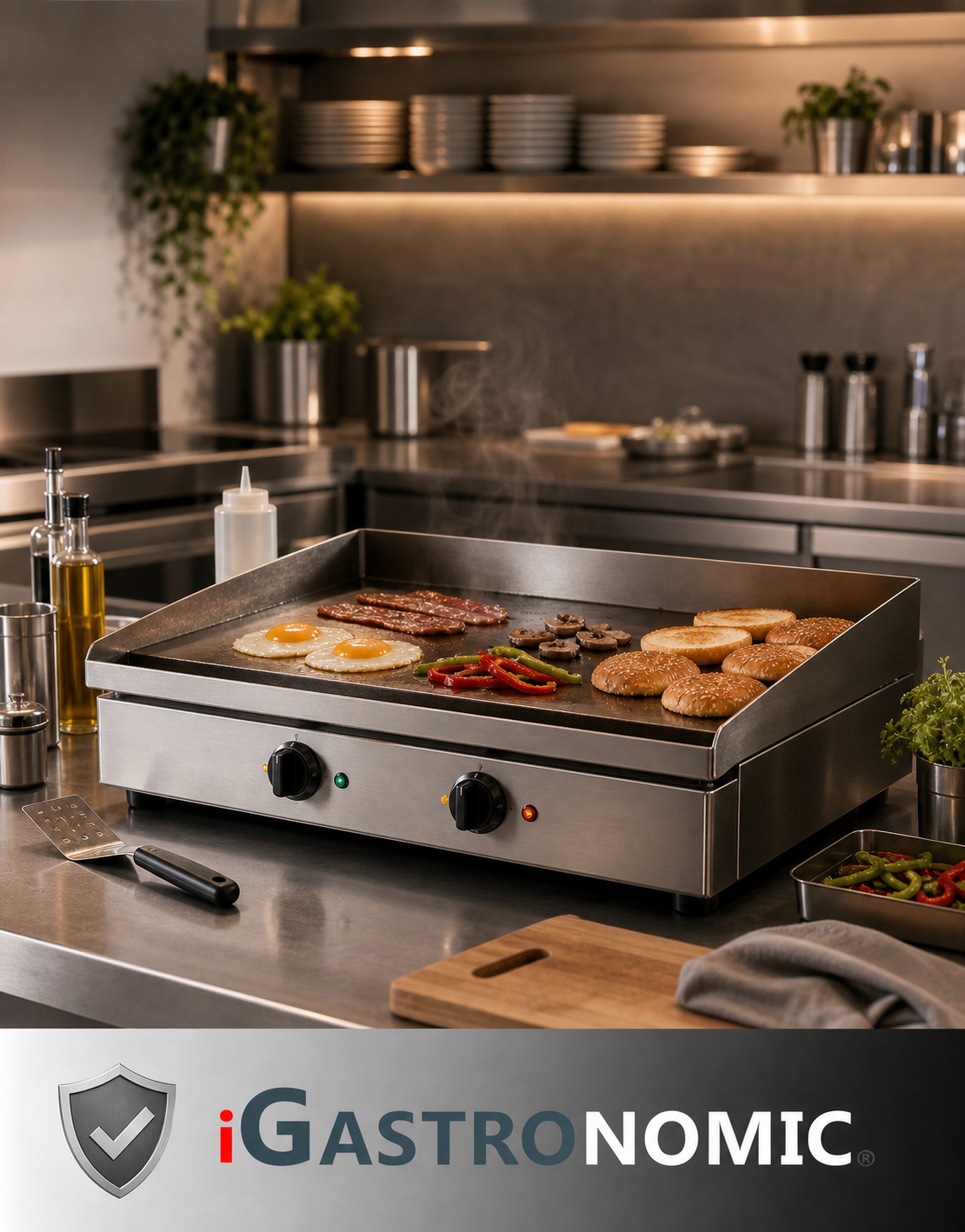 How to Use a Fry Top: A Complete Beginner's Guide
A fry top is a flat, smooth cooking surface that offers even heat distribution and a large area to cook multiple...Read more
How to Use a Fry Top: A Complete Beginner's Guide
A fry top is a flat, smooth cooking surface that offers even heat distribution and a large area to cook multiple...Read more -
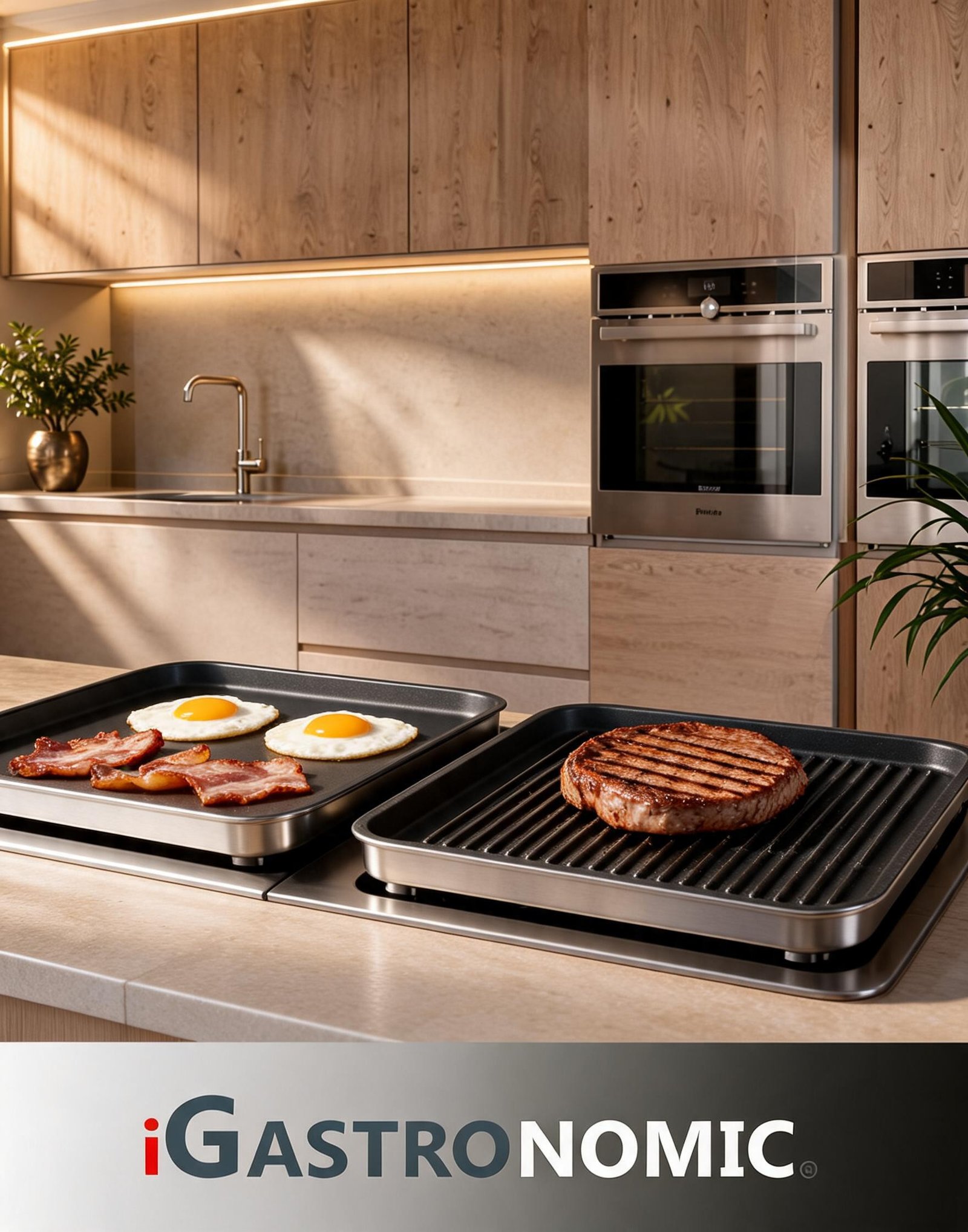 Fry Top Smooth or Ribbed? Which Is Better for Cooking?
Choosing between a smooth (liscio) and ribbed (rigato) fry top can significantly impact your cooking experience....Read more
Fry Top Smooth or Ribbed? Which Is Better for Cooking?
Choosing between a smooth (liscio) and ribbed (rigato) fry top can significantly impact your cooking experience....Read more -
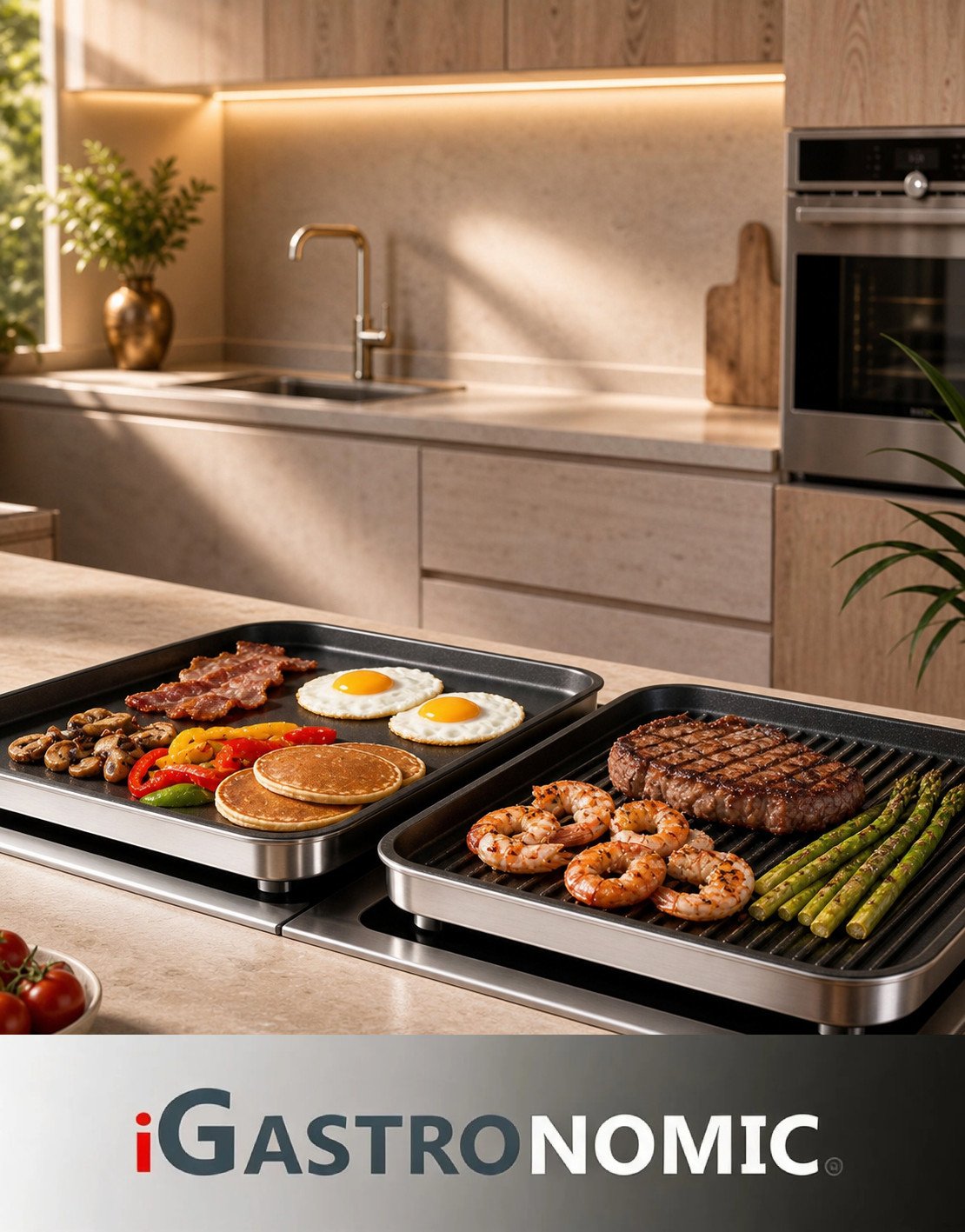 What Can You Cook on an Electric Fry Top? A Complete Guide
An electric fry top is a versatile kitchen appliance that offers a large, evenly heated cooking surface perfect for a...Read more
What Can You Cook on an Electric Fry Top? A Complete Guide
An electric fry top is a versatile kitchen appliance that offers a large, evenly heated cooking surface perfect for a...Read more -
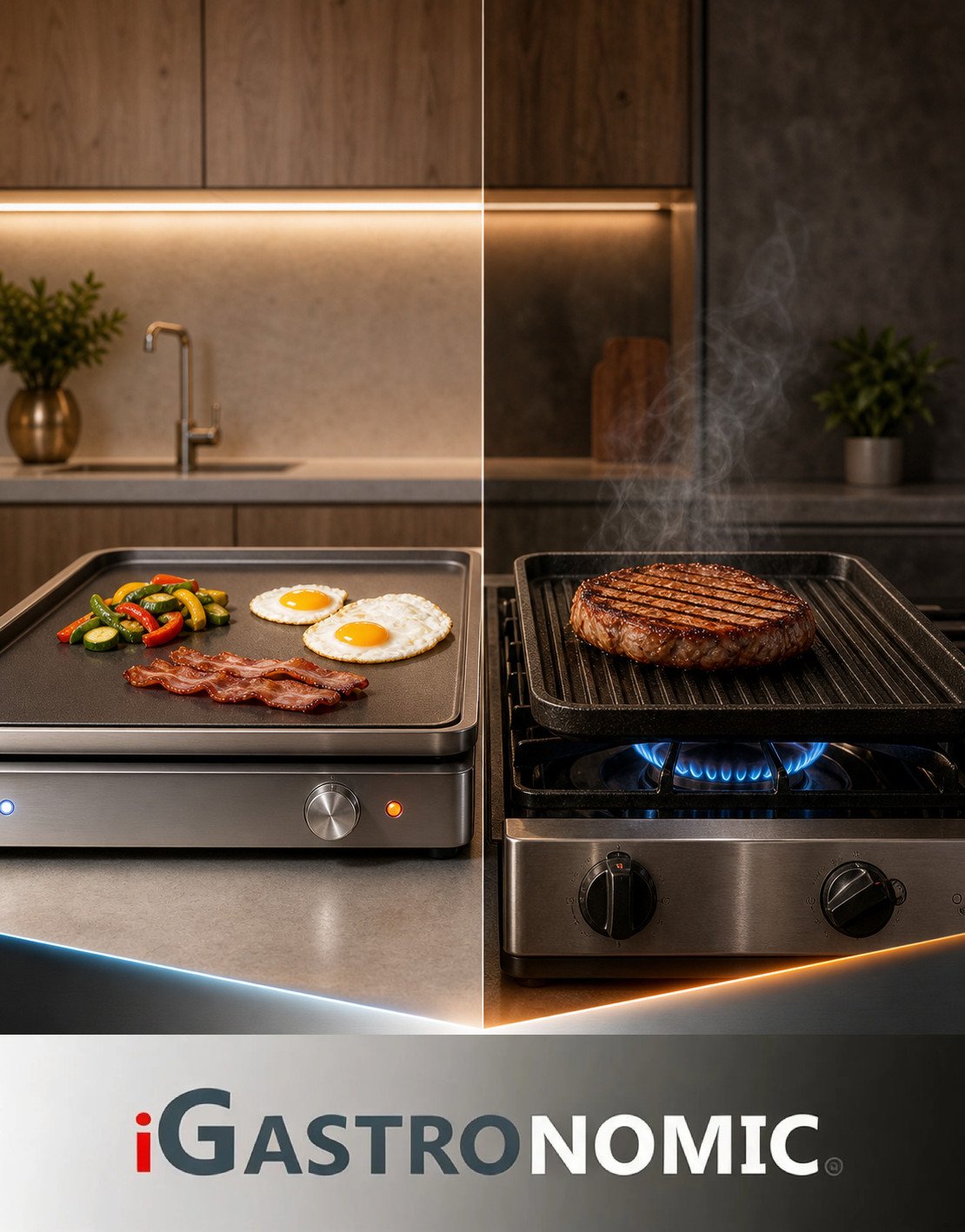 Electric Fry Top vs Gas: Advantages and Disadvantages Compared
Choosing between an electric and gas fry top can be challenging. Electric fry tops offer precise temperature control,...Read more
Electric Fry Top vs Gas: Advantages and Disadvantages Compared
Choosing between an electric and gas fry top can be challenging. Electric fry tops offer precise temperature control,...Read more
Leave a comment