
 Deutsch
 Türkçe
 Italiano

.jpg)
.jpg)
.jpg)
.jpg)
.jpg)
.jpg)
.jpg)
.jpg)
.jpg)
.jpg)

.jpg)

.jpg)
.jpg)
.jpg)
.jpg)
.jpg)
.jpg)
.jpg)
.jpg)
.jpg)
.jpg)



.jpg)
.jpg)
.jpg)
.jpg)
.jpg)
.jpg)
.jpg)
.jpg)
.jpg)



.jpg)
.jpg)

.jpg)
.jpg)
.jpg)
.jpg)


.jpg)

.png)
.jpg)
.jpg)
 (200 x 136 px) (5).png)
.png)

Considering buying a used fry top? This guide breaks down the pros and cons of purchasing second-hand fry tops,...
-
 Cooking Appliances
add remove
Cooking Appliances
add remove -
-
Pizza & Grill
add remove
-
-
Refrigeration
add remove
-
-
Combi Steamer
add remove
-
-
Kitchen Appliances
add remove
-
-
Rinsing & Cleaning
add remove
-
-
Retail Refrigeration
add remove
-
-
Cafe & Ice Cream
add remove
-
-
Smart-Gastro
add remove
-
-
Event- & Cateringmöbel
-
Cooking Appliances
add remove
-
-
Pizza & Grill
add remove
-
-
Refrigeration
add remove
-
-
Combi Steamer
add remove
-
-
Kitchen Appliances
add remove
-
-
Rinsing & Cleaning
add remove
-
-
Retail Refrigeration
add remove
-
-
Cafe & Ice Cream
add remove
-
-
Smart-Gastro
add remove
-
-
Event- & Cateringmöbel


Call us:
+49 (0) 6135 7040 450Latest posts
-
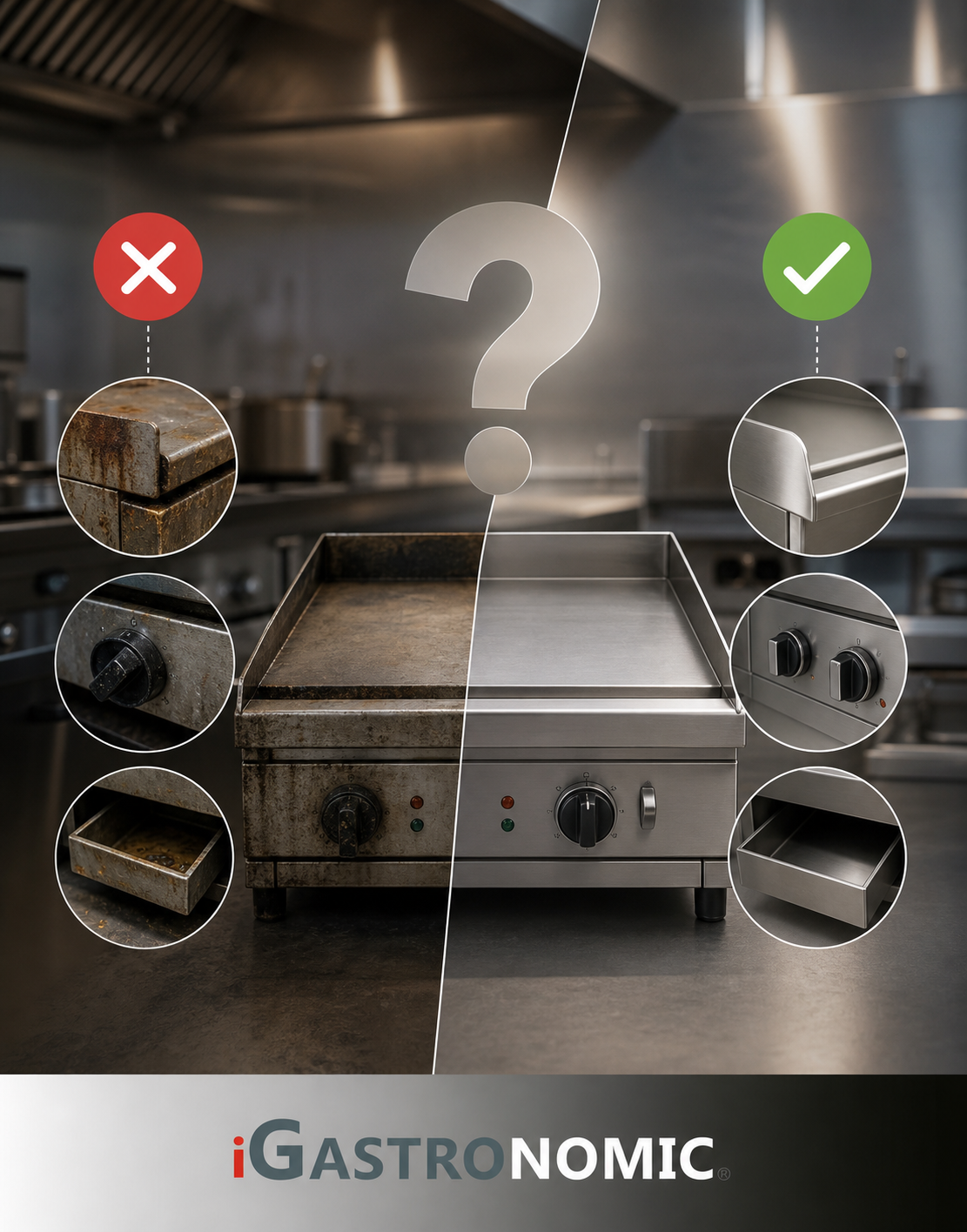 Buying a Used Fry Top: Is It Worth It? Pros and Cons ExplainedRead more
 -
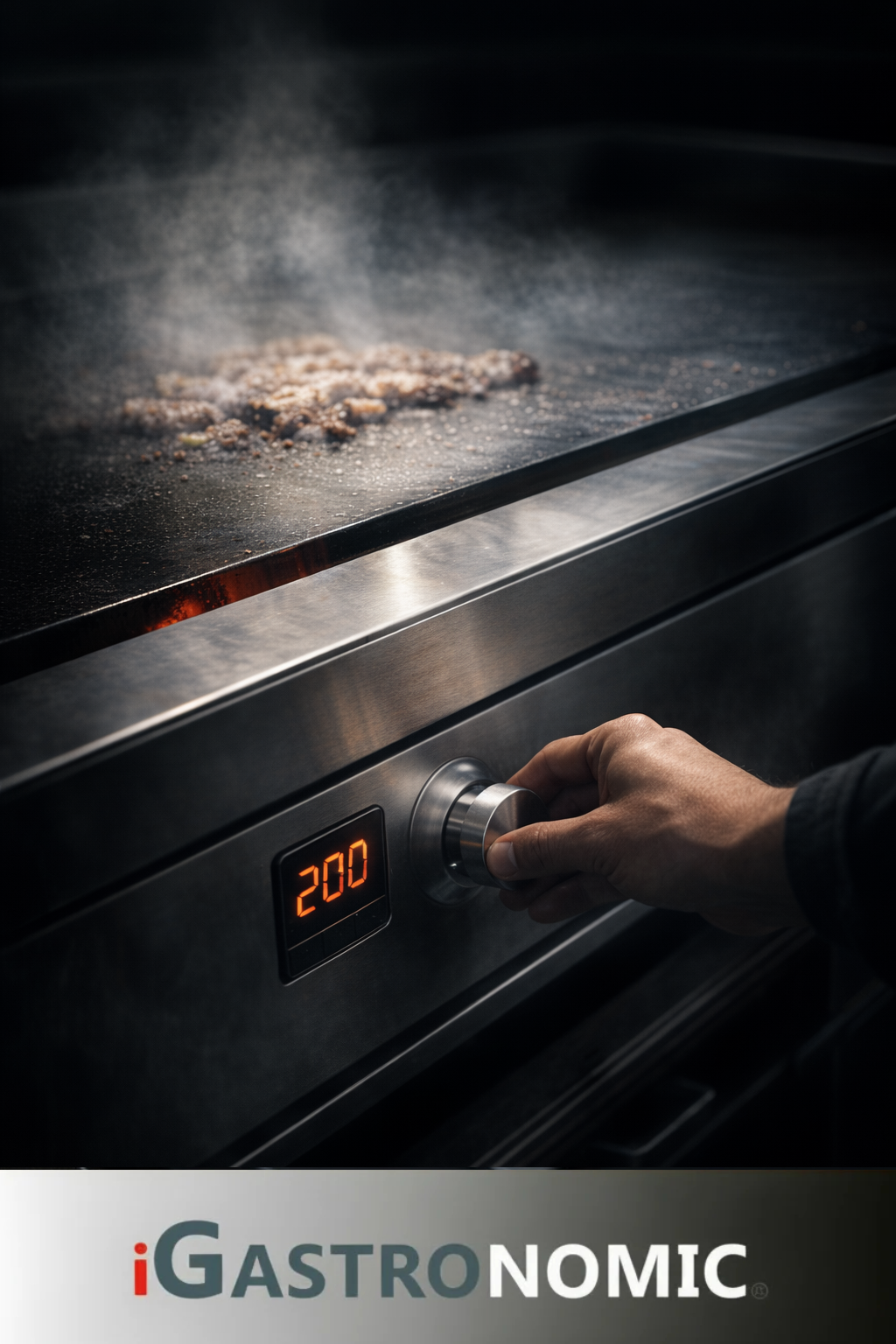 Temperature Control on a Fry Top: How Accurate Is It?Read more
The fry top is a versatile and essential cooking tool in many kitchens, prized for its large, flat surface that...
-
 The Ideal Fry Top for Cooking Steaks: How to Do It Right?Read more
Cooking the perfect steak requires the right tools and techniques, and a fry top is one of the best surfaces for this...
-
 How to Prevent Scratches on Your Electric Fry Top During UseRead more
Electric fry tops are versatile and efficient kitchen appliances, but they can be prone to scratches during use....
-
 Are Contact Electric Plates Really That Slow? Debunking the MythsRead more
Contact electric plates, known as "piastre elettriche a contatto," are a common type of electric cooktop where the...
-
 Does a Fry Top Consume a Lot of Energy? Tips to Save PowerRead more
Wondering if your fry top consumes a lot of energy? A fry top, or griddle, is a popular cooking appliance known for...
-
 Cookware Compatible with Fry Top: Which Ones to Use?Read more
A fry top is a versatile flat cooking surface widely used in professional and home kitchens. To get the most out of...
-
 Fry Top or Induction Cooktop? Which Is the Best Choice?Read more
Choosing between a fry top and an induction cooktop can be challenging given their distinct features and advantages....
-
 How to Achieve Precise Temperatures on an Electric Fry TopRead more
Cooking on an electric fry top can be incredibly rewarding, but achieving precise temperature control is essential...
-
 Fry Top Professionale vs Domestico: Which One Should You Buy?Read more
Fry tops are versatile cooking surfaces popular in both professional and home kitchens. When deciding between a...
Blog categories
Search in blog

Temperature Control on a Fry Top: How Accurate Is It?
Temperature Control on a Fry Top: How Accurate Is It?
When it comes to professional cooking, especially in commercial kitchens, the fry top is an indispensable tool. It offers a large, flat cooking surface that allows chefs to prepare a variety of dishes simultaneously. But one of the most critical aspects of using a fry top effectively is controlling its temperature. So, how precise is the temperature control on a fry top? In this comprehensive guide, we’ll dive deep into the mechanics of fry tops, the factors affecting their temperature accuracy, and practical tips to optimize your cooking experience.
What Is a Fry Top?
A fry top, sometimes called a griddle or plancha, is a flat cooking surface usually made of cast iron, steel, or chrome steel. It is heated from underneath by gas burners or electric heating elements. Unlike traditional frying pans, the fry top’s large surface area allows for cooking multiple ingredients simultaneously, making it a favorite in busy kitchens.
Fry tops are widely used in restaurants, food trucks, and catering services for cooking everything from eggs and pancakes to meats and vegetables. Their versatility and efficiency make them a kitchen staple, but their performance heavily depends on how well the temperature can be controlled.
Why Is Temperature Control Important on a Fry Top?
Temperature control on a fry top is crucial because it directly affects the quality, texture, and safety of the food being prepared. Cooking at too high a temperature can burn food or cause uneven cooking, while too low a temperature can result in undercooked dishes and longer cooking times.
Moreover, different foods require different temperature ranges. For example:
- Delicate items like eggs and pancakes need moderate heat to cook evenly without burning.
- Steaks and burgers require higher temperatures to achieve a proper sear.
- Vegetables often need medium heat to retain texture and nutrients.
Therefore, precise temperature control allows chefs to tailor the cooking environment to the specific needs of each dish.
How Does Temperature Control Work on a Fry Top?
Most fry tops have built-in thermostats or temperature controls that regulate the heat source beneath the cooking surface. Here’s a basic overview of how temperature control typically functions:
- Thermostat Sensor: A sensor measures the temperature of the cooking surface or the heating element.
- Control Knob or Digital Panel: The user sets the desired temperature.
- Heating Element or Gas Burner: The heat source adjusts its output based on feedback from the thermostat to maintain the set temperature.
Some advanced fry tops feature digital temperature controls with precise settings, while more traditional models may rely on manual knobs without exact temperature readouts.
Factors Affecting Temperature Accuracy on a Fry Top
While fry tops are designed to maintain a stable temperature, several factors can influence how accurate and consistent that temperature actually is:
1. Type of Heating Source
Gas fry tops tend to heat up quickly and offer good temperature control, but they can sometimes have hot spots due to uneven burner flames. Electric fry tops usually provide more even heat distribution but may take longer to reach the desired temperature.
2. Material and Thickness of the Cooking Surface
Thicker steel or cast iron plates retain heat better and provide more even cooking surfaces, improving temperature stability. Thinner plates may heat unevenly and cool down faster when food is added.
3. Thermostat Quality and Placement
The accuracy of the thermostat sensor and where it is located on the fry top affect temperature readings. If the sensor is not in direct contact with the cooking surface or is placed in an area that heats differently, temperature control can be less precise.
4. Ambient Temperature and Ventilation
Environmental factors such as kitchen temperature, airflow, and ventilation can impact how heat is retained or lost on the fry top surface.
5. Load and Food Volume
Adding large volumes of cold food can drastically reduce the surface temperature temporarily. The fry top’s ability to recover to the set temperature depends on its heating power and thermal mass.
6. Maintenance and Cleanliness
Grease buildup and residue can act as insulators, affecting heat transfer and temperature consistency. Regular cleaning and maintenance help maintain accurate temperature control.
How Accurate Is Temperature Control on a Fry Top?
In general, the temperature control on a quality fry top can be quite accurate, often within a range of ±10°C (±18°F) of the set temperature. However, this depends heavily on the factors mentioned above.
For example, high-end commercial fry tops with digital controls and well-designed thermostats can maintain stable temperatures with minimal fluctuations. On the other hand, budget models or older equipment may experience wider temperature swings.
It's important to note that the temperature displayed or set on the control panel might not always perfectly reflect the temperature across the entire cooking surface. Hot spots or cooler areas can exist, especially on larger fry tops.
Testing Temperature Accuracy: Practical Methods
Chefs and kitchen operators often test the temperature accuracy of their fry tops using simple techniques:
1. Infrared Thermometer
An infrared (IR) thermometer allows you to measure the surface temperature at different points quickly. By scanning various areas, you can detect hot or cold spots and verify if the temperature matches the set value.
2. Water Droplet Test
Sprinkle small droplets of water on the fry top surface. The way the droplets behave can indicate temperature ranges:
- At around 100°C (212°F), water droplets will sizzle and evaporate quickly.
- Between 120°C and 150°C, droplets will dance or "skitter" across the surface.
- Above 200°C, water evaporates almost instantly.
3. Cooking Tests
Cooking standard items like eggs or pancakes and observing cooking times and browning can help assess if the fry top is heating evenly and accurately.
Tips to Improve Temperature Control on Your Fry Top
If you want to maximize the precision of your fry top’s temperature control, consider the following tips:
1. Preheat Properly
Allow the fry top to preheat for 10-15 minutes before cooking. This ensures the entire surface reaches a stable temperature.
2. Use an Infrared Thermometer
Invest in a good IR thermometer to monitor surface temperatures regularly and adjust settings as needed.
3. Avoid Overloading
Cook in batches if necessary. Adding too much cold food at once can drop the surface temperature and affect cooking quality.
4. Regular Cleaning and Maintenance
Keep the surface clean and free of grease buildup. Also, check and calibrate the thermostat periodically if possible.
5. Know Your Equipment
Understand the specific characteristics of your fry top model, including heat-up times, hot spots, and temperature ranges.
6. Use Heat Zones
Many fry tops have different heat zones. Use these strategically to cook different foods at their ideal temperatures simultaneously.
Conclusion
Temperature control on a fry top is generally quite precise, especially with modern equipment and proper usage. However, several factors can affect accuracy, including the heating source, material, thermostat quality, and maintenance. By understanding these variables and employing practical monitoring techniques, chefs can achieve excellent temperature control and consistently produce high-quality dishes.
Whether you’re a professional chef or a passionate home cook using a fry top, paying attention to temperature control will elevate your cooking results and ensure food safety. Remember, the key is not just setting the temperature but also maintaining it consistently across the cooking surface.
Happy cooking!
Related posts
-
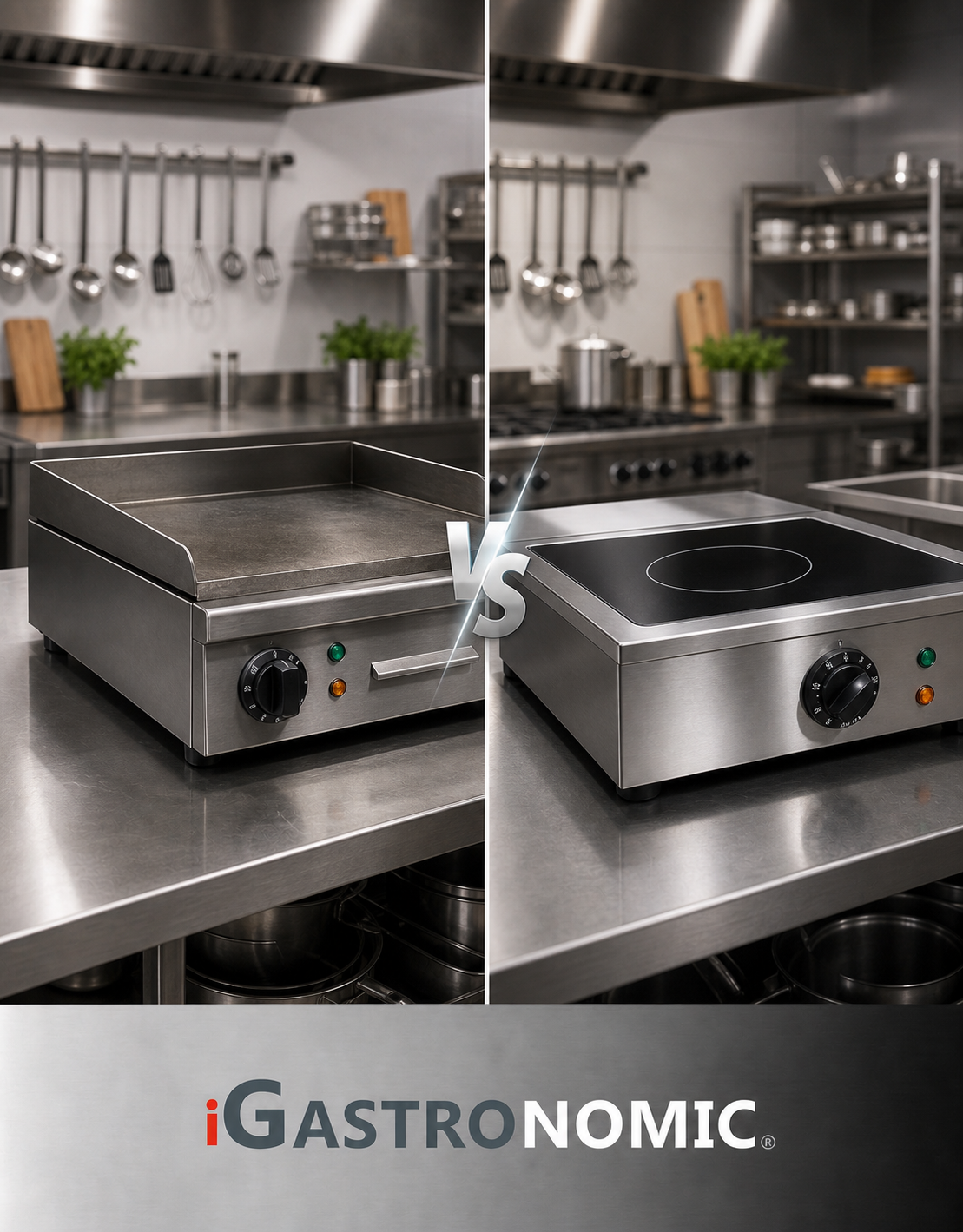 Fry Top vs Piastra Elettrica: Which One Should You Choose for Your Kitchen?
Choosing the right cooking appliance can transform your kitchen experience. Two popular options are the Fry Top and...Read more
Fry Top vs Piastra Elettrica: Which One Should You Choose for Your Kitchen?
Choosing the right cooking appliance can transform your kitchen experience. Two popular options are the Fry Top and...Read more -
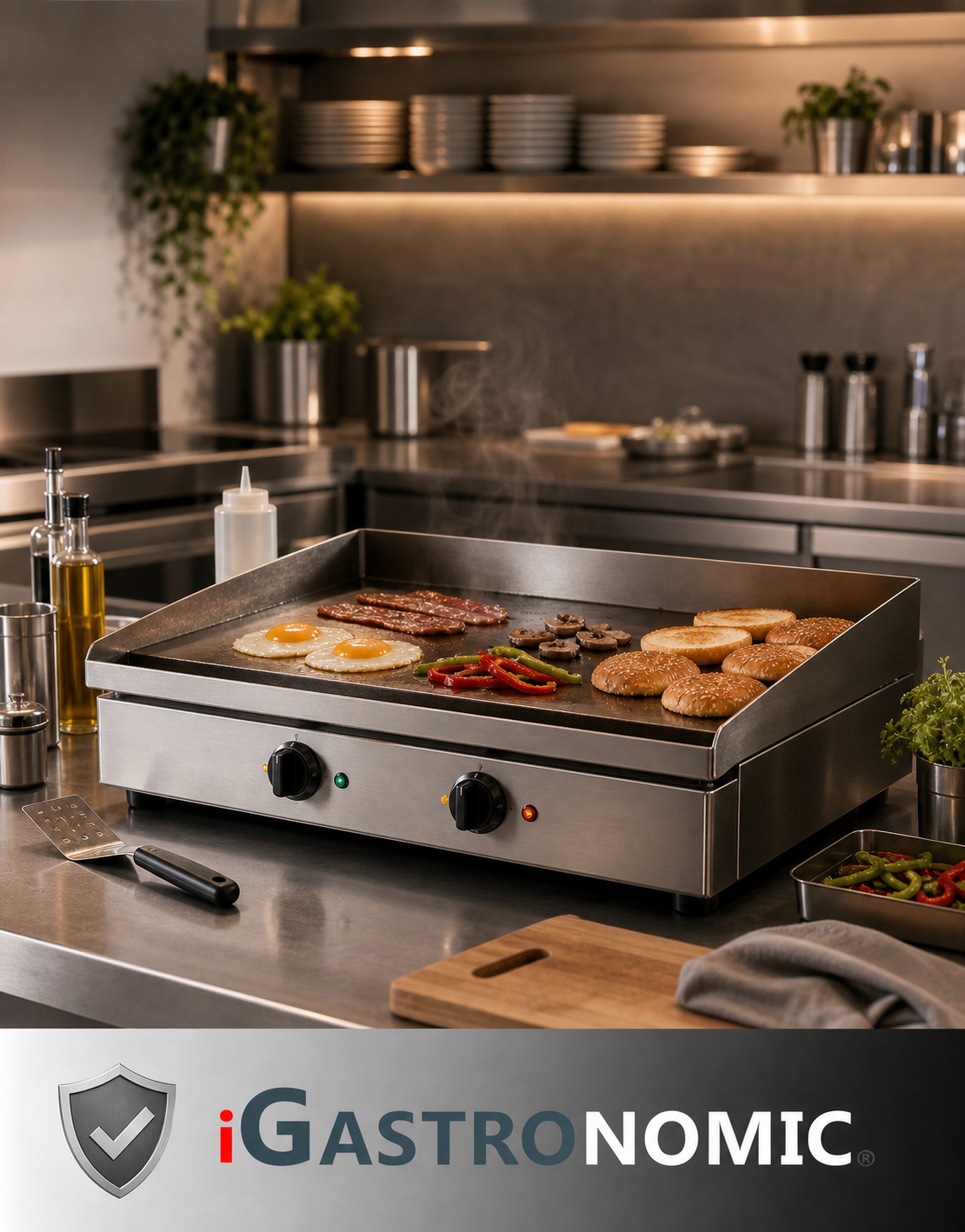 How to Use a Fry Top: A Complete Beginner's Guide
A fry top is a flat, smooth cooking surface that offers even heat distribution and a large area to cook multiple...Read more
How to Use a Fry Top: A Complete Beginner's Guide
A fry top is a flat, smooth cooking surface that offers even heat distribution and a large area to cook multiple...Read more -
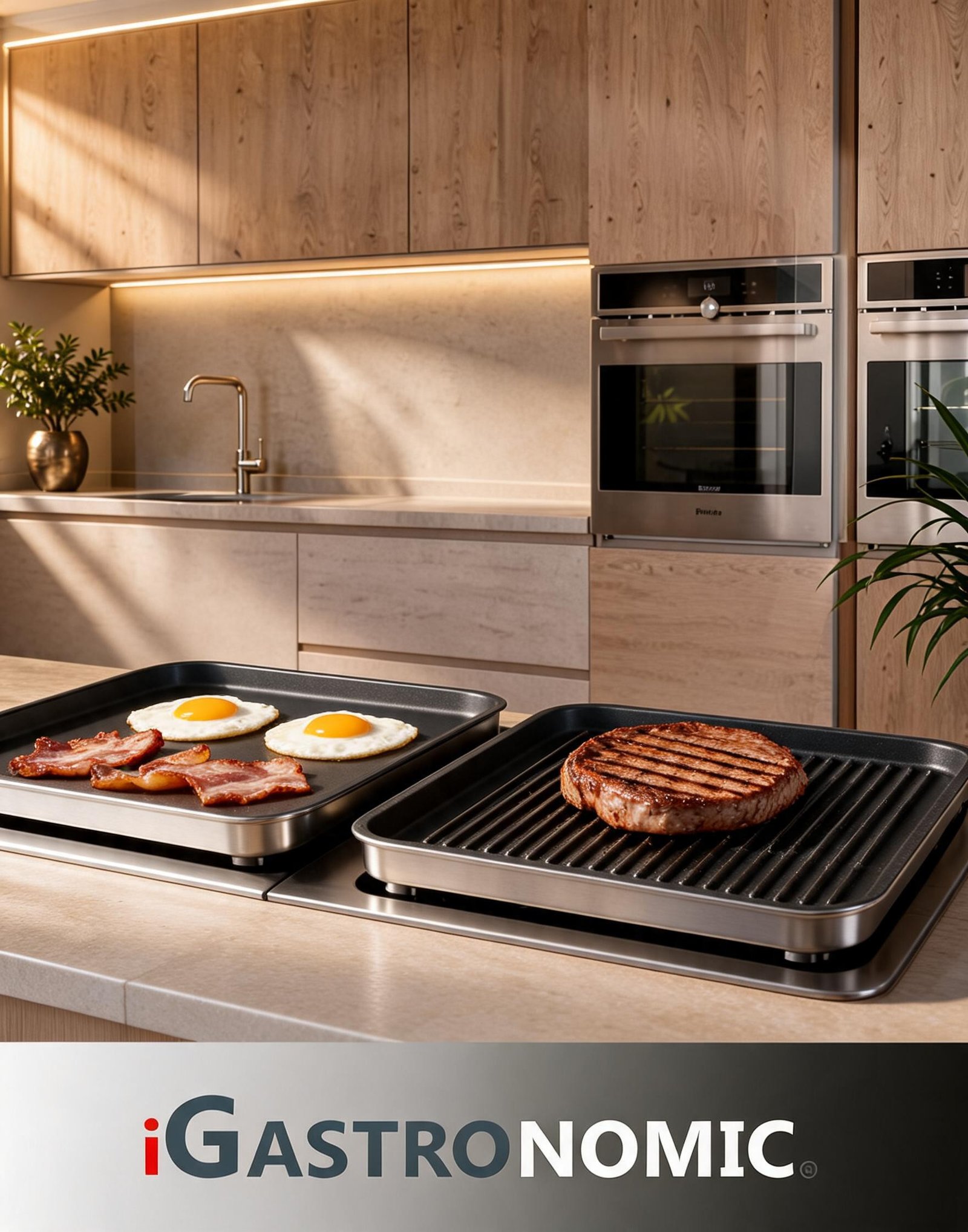 Fry Top Smooth or Ribbed? Which Is Better for Cooking?
Choosing between a smooth (liscio) and ribbed (rigato) fry top can significantly impact your cooking experience....Read more
Fry Top Smooth or Ribbed? Which Is Better for Cooking?
Choosing between a smooth (liscio) and ribbed (rigato) fry top can significantly impact your cooking experience....Read more -
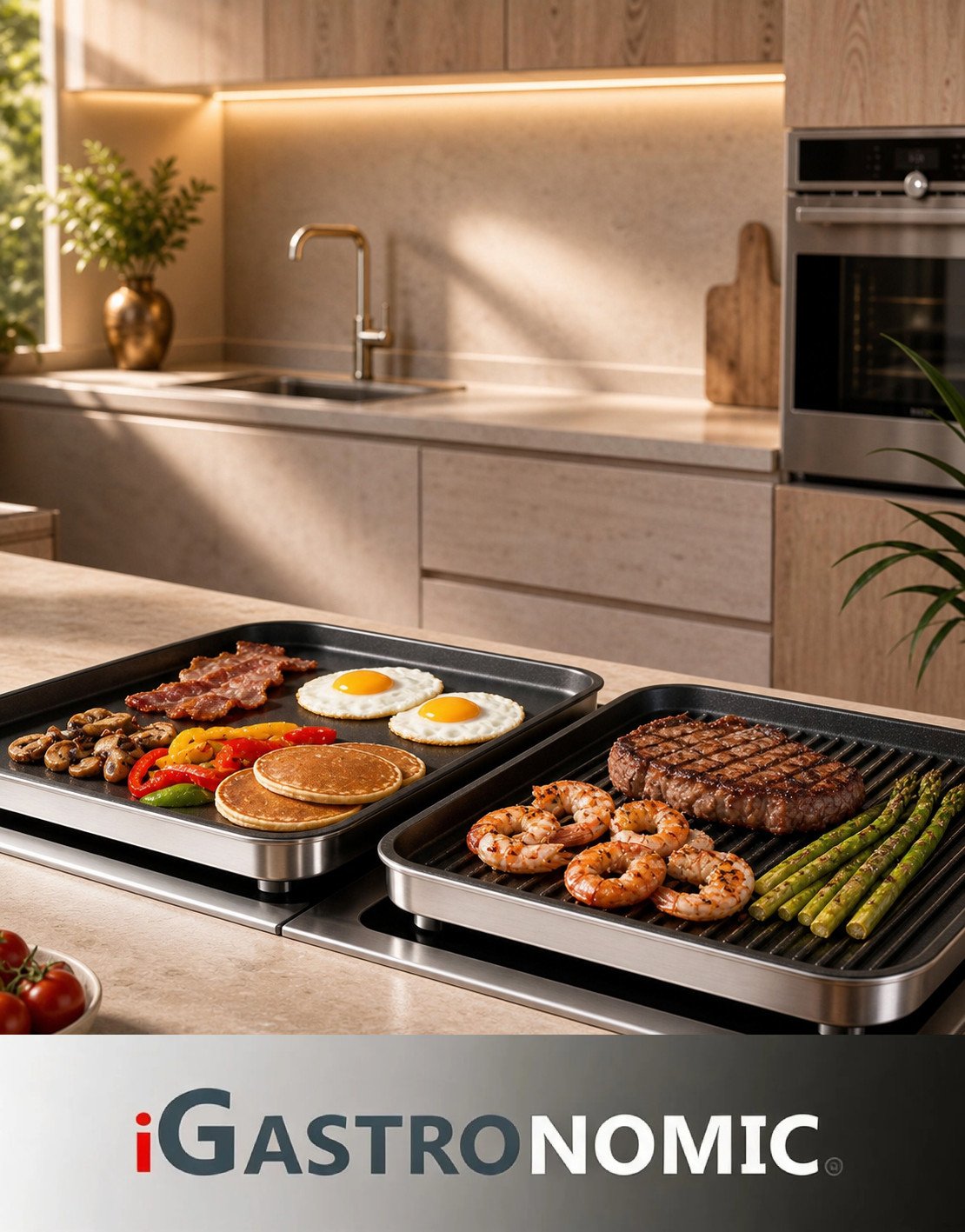 What Can You Cook on an Electric Fry Top? A Complete Guide
An electric fry top is a versatile kitchen appliance that offers a large, evenly heated cooking surface perfect for a...Read more
What Can You Cook on an Electric Fry Top? A Complete Guide
An electric fry top is a versatile kitchen appliance that offers a large, evenly heated cooking surface perfect for a...Read more -
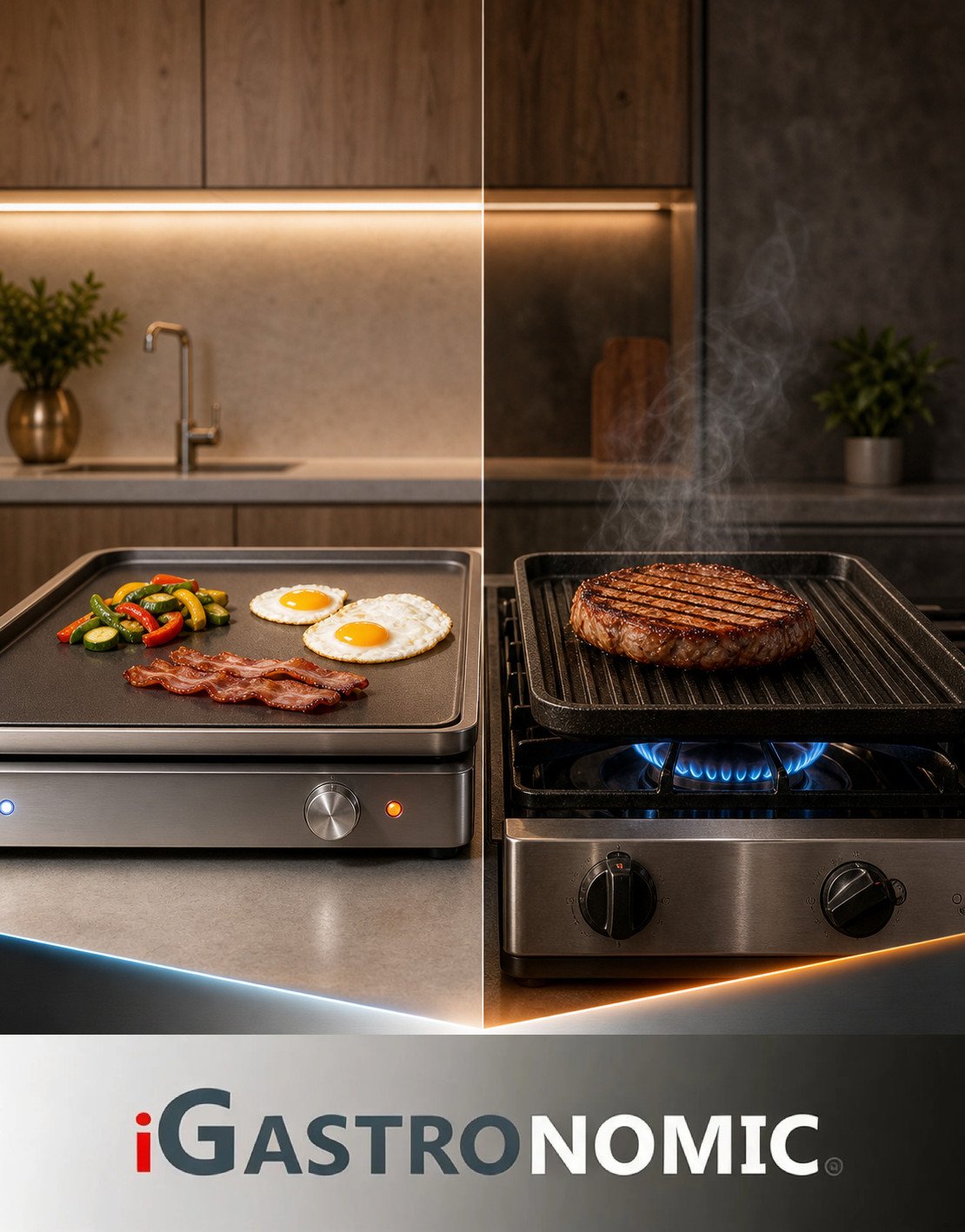 Electric Fry Top vs Gas: Advantages and Disadvantages Compared
Choosing between an electric and gas fry top can be challenging. Electric fry tops offer precise temperature control,...Read more
Electric Fry Top vs Gas: Advantages and Disadvantages Compared
Choosing between an electric and gas fry top can be challenging. Electric fry tops offer precise temperature control,...Read more
Leave a comment