
 Deutsch
 Türkçe
 Italiano

.jpg)
.jpg)
.jpg)
.jpg)
.jpg)
.jpg)
.jpg)
.jpg)
.jpg)
.jpg)

.jpg)

.jpg)
.jpg)
.jpg)
.jpg)
.jpg)
.jpg)
.jpg)
.jpg)
.jpg)
.jpg)



.jpg)
.jpg)
.jpg)
.jpg)
.jpg)
.jpg)
.jpg)
.jpg)
.jpg)



.jpg)
.jpg)

.jpg)
.jpg)
.jpg)
.jpg)


.jpg)

.png)
.jpg)
.jpg)
 (200 x 136 px) (5).png)
.png)

Electric fry tops are versatile and efficient kitchen appliances, but they can be prone to scratches during use....
-
 Cooking Appliances
add remove
Cooking Appliances
add remove -
-
Pizza & Grill
add remove
-
-
Refrigeration
add remove
-
-
Combi Steamer
add remove
-
-
Kitchen Appliances
add remove
-
-
Rinsing & Cleaning
add remove
-
-
Retail Refrigeration
add remove
-
-
Cafe & Ice Cream
add remove
-
-
Smart-Gastro
add remove
-
-
Event- & Cateringmöbel
-
Cooking Appliances
add remove
-
-
Pizza & Grill
add remove
-
-
Refrigeration
add remove
-
-
Combi Steamer
add remove
-
-
Kitchen Appliances
add remove
-
-
Rinsing & Cleaning
add remove
-
-
Retail Refrigeration
add remove
-
-
Cafe & Ice Cream
add remove
-
-
Smart-Gastro
add remove
-
-
Event- & Cateringmöbel


Call us:
+49 (0) 6135 7040 450Latest posts
-
 How to Prevent Scratches on Your Electric Fry Top During UseRead more
 -
 Are Contact Electric Plates Really That Slow? Debunking the MythsRead more
Contact electric plates, known as "piastre elettriche a contatto," are a common type of electric cooktop where the...
-
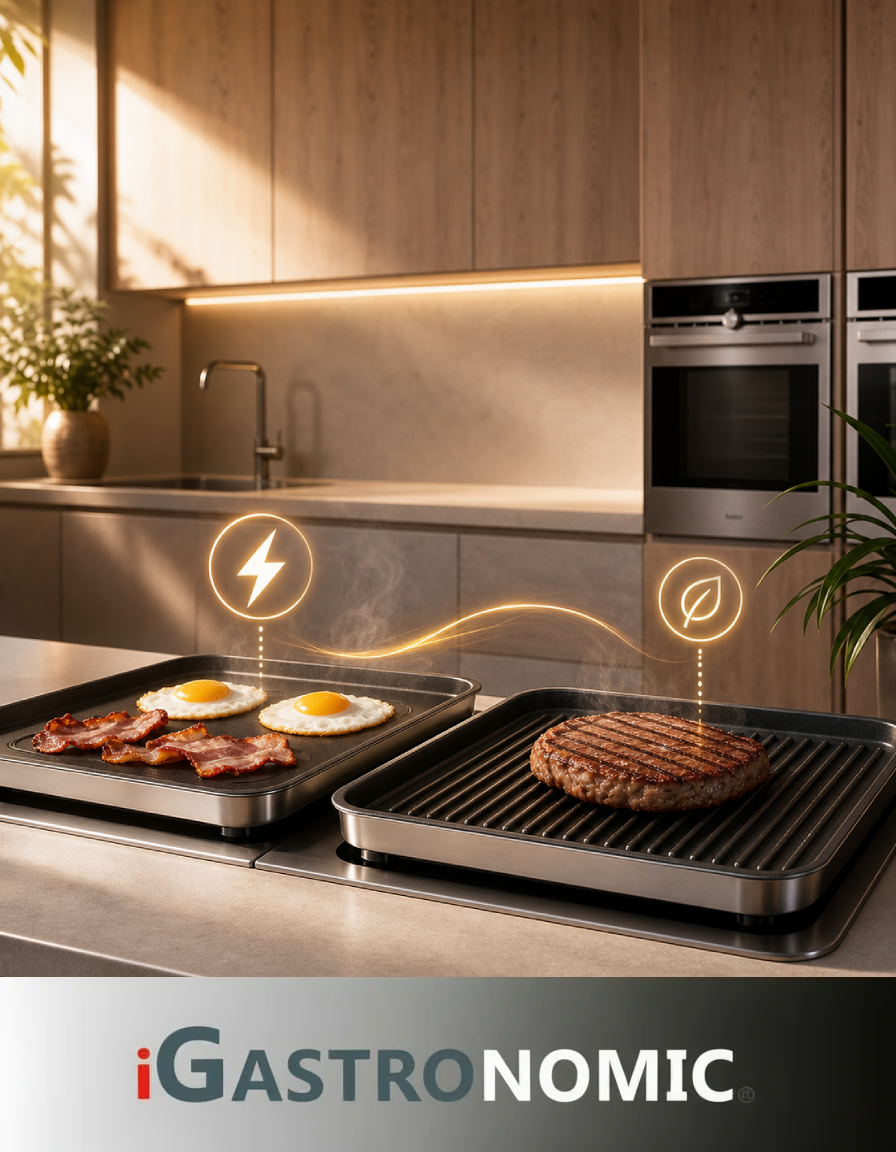 Does a Fry Top Consume a Lot of Energy? Tips to Save PowerRead more
Wondering if your fry top consumes a lot of energy? A fry top, or griddle, is a popular cooking appliance known for...
-
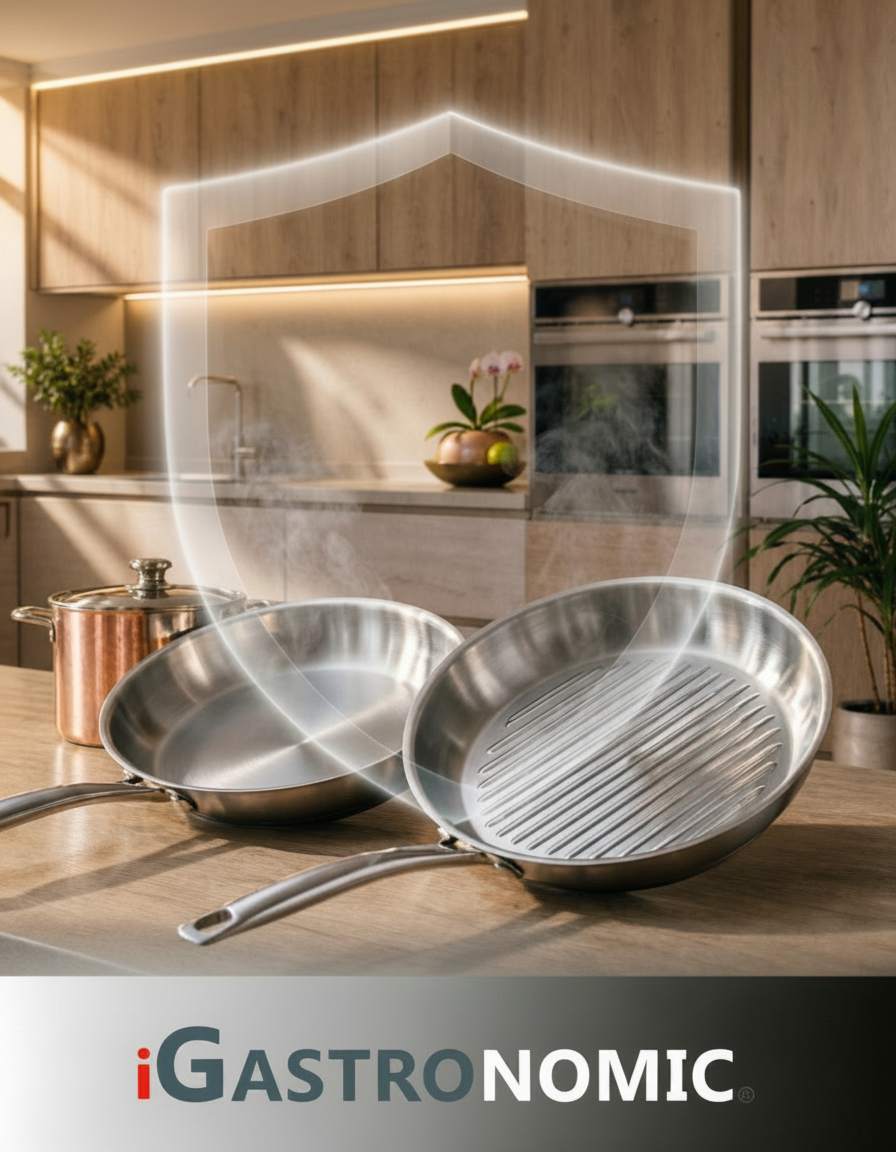 Cookware Compatible with Fry Top: Which Ones to Use?Read more
A fry top is a versatile flat cooking surface widely used in professional and home kitchens. To get the most out of...
-
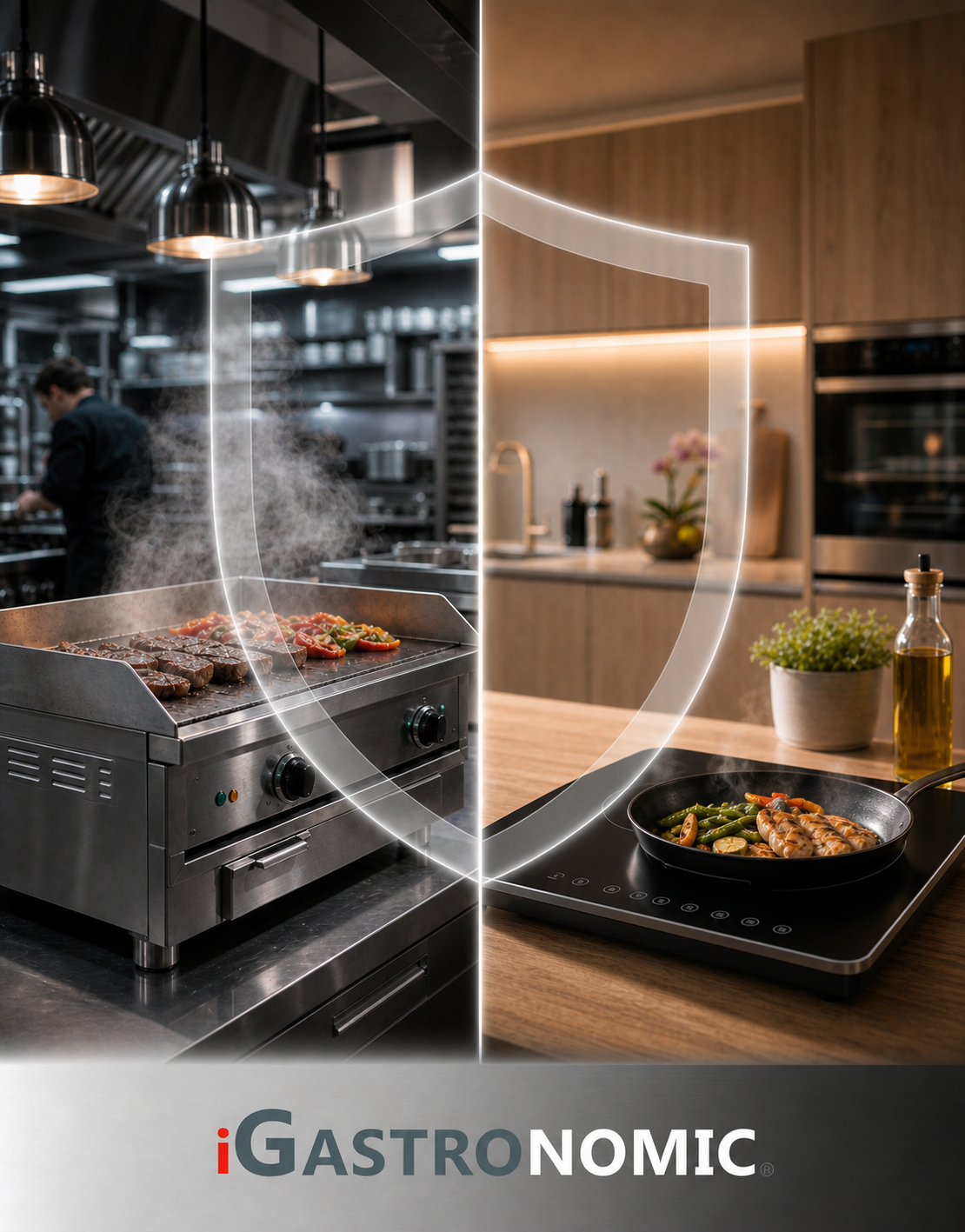 Fry Top or Induction Cooktop? Which Is the Best Choice?Read more
Choosing between a fry top and an induction cooktop can be challenging given their distinct features and advantages....
-
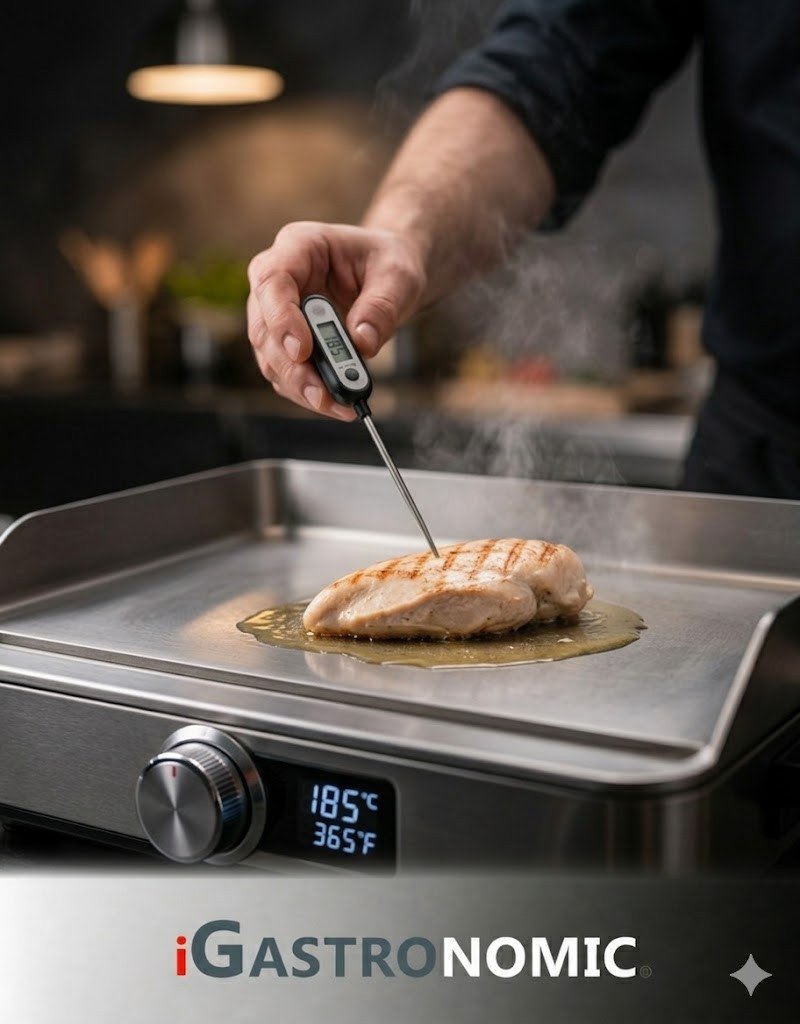 How to Achieve Precise Temperatures on an Electric Fry TopRead more
Cooking on an electric fry top can be incredibly rewarding, but achieving precise temperature control is essential...
-
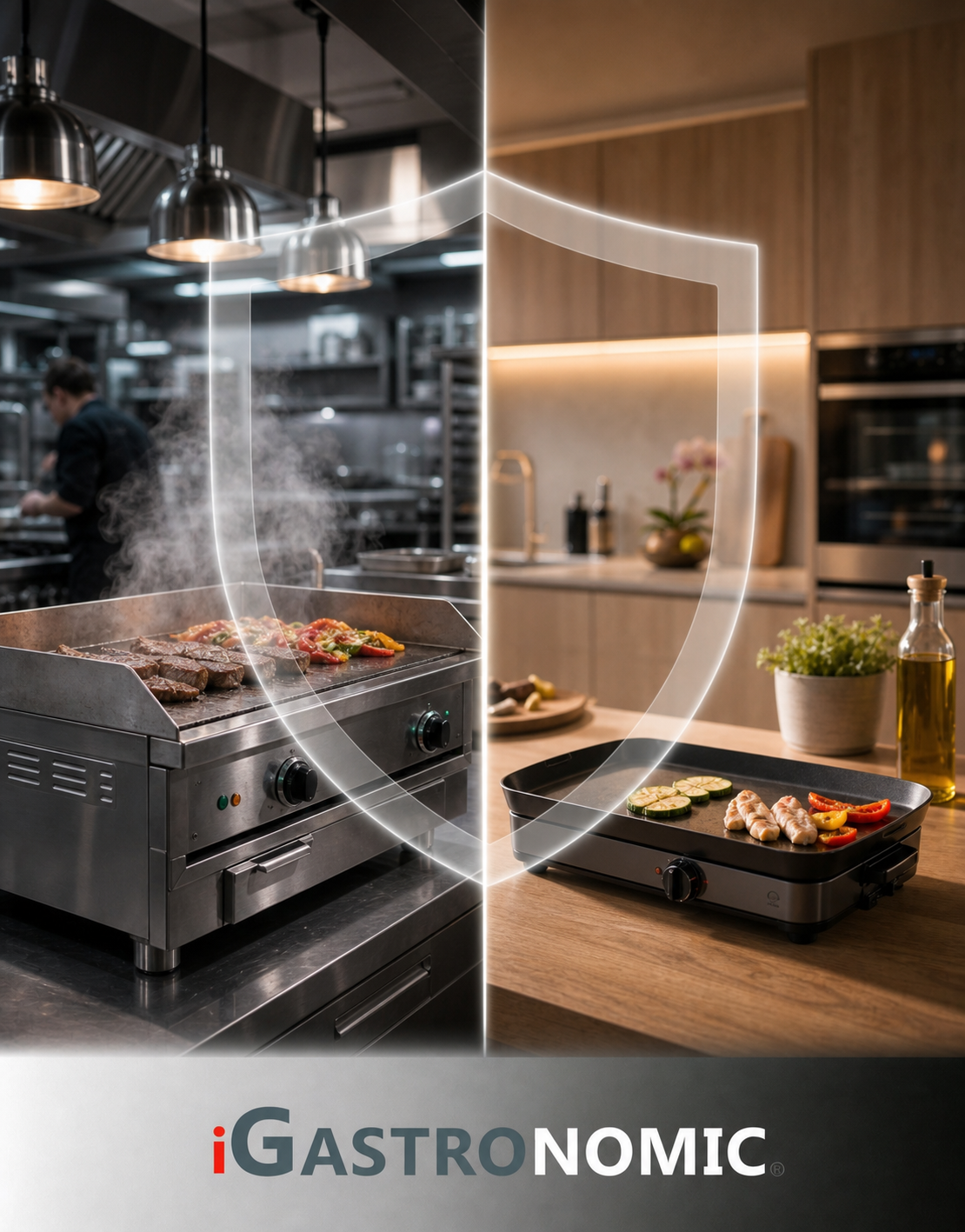 Fry Top Professionale vs Domestico: Which One Should You Buy?Read more
Fry tops are versatile cooking surfaces popular in both professional and home kitchens. When deciding between a...
-
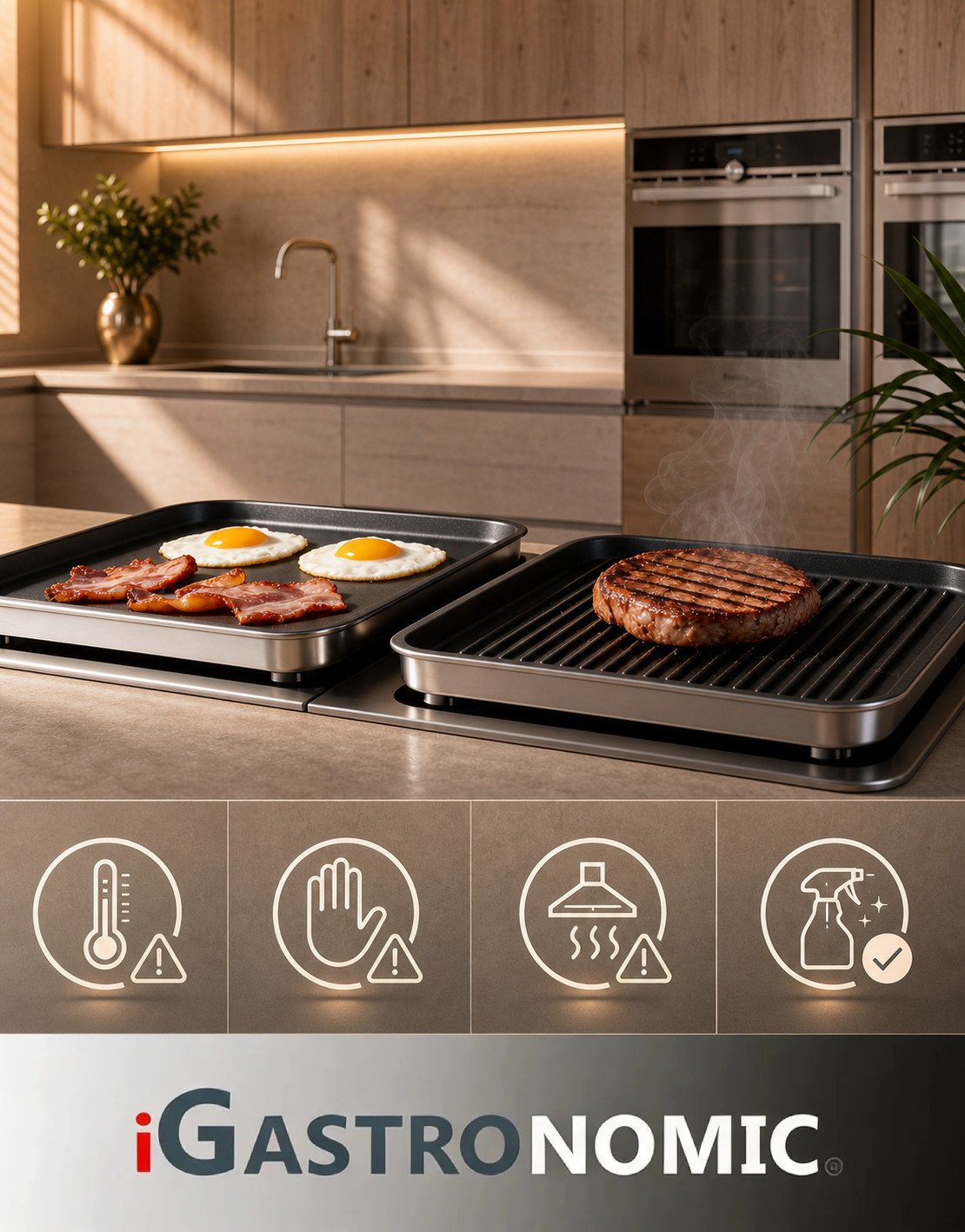 Is the Fry Top Safe to Use in the Kitchen? Risks and PrecautionsRead more
The fry top, or flat top grill, is a popular cooking appliance known for its versatility and efficiency. But is it...
-
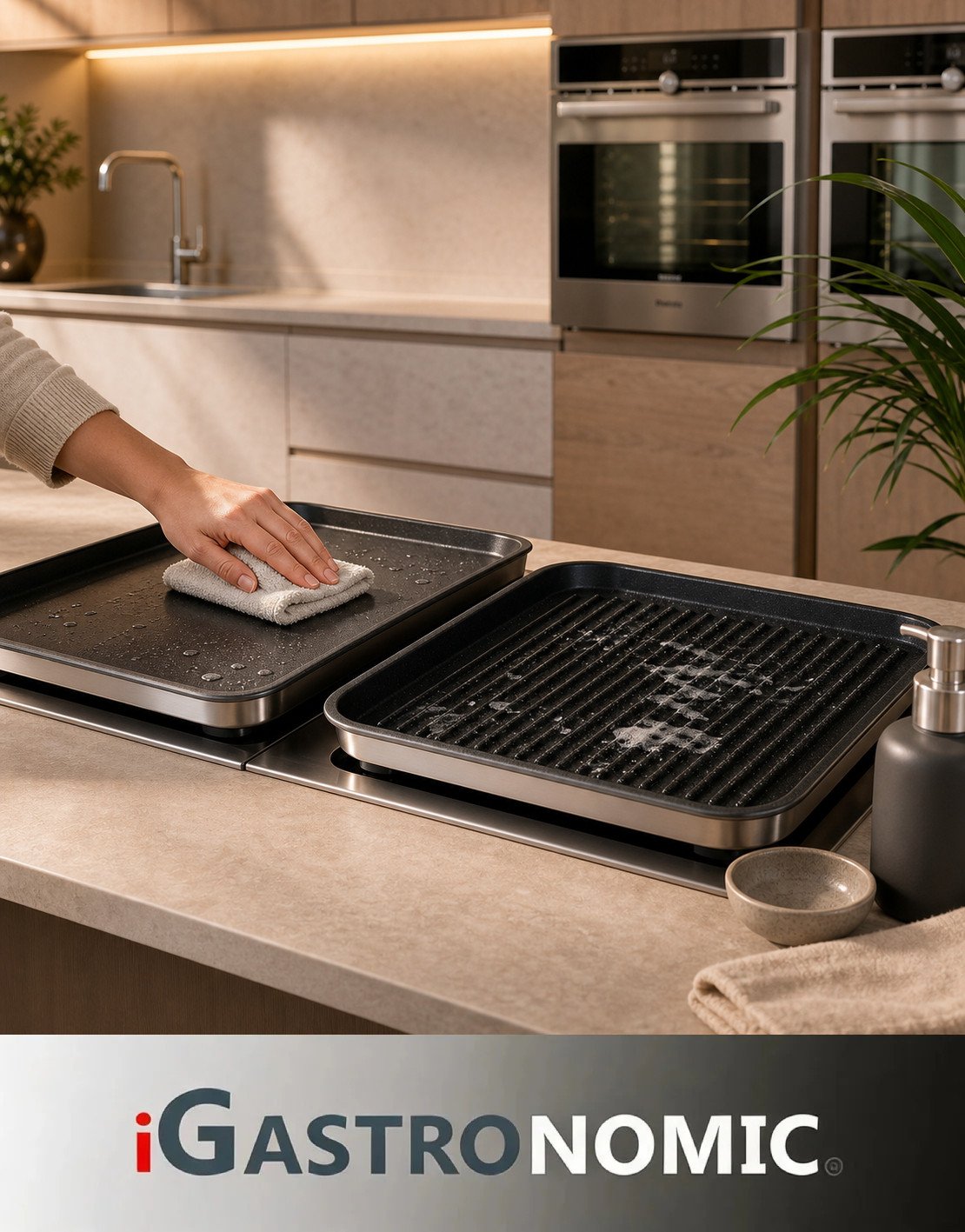 Electric Griddles: How to Clean Them Easily?Read more
Electric griddles are versatile and convenient kitchen appliances, but cleaning them can sometimes feel overwhelming....
-
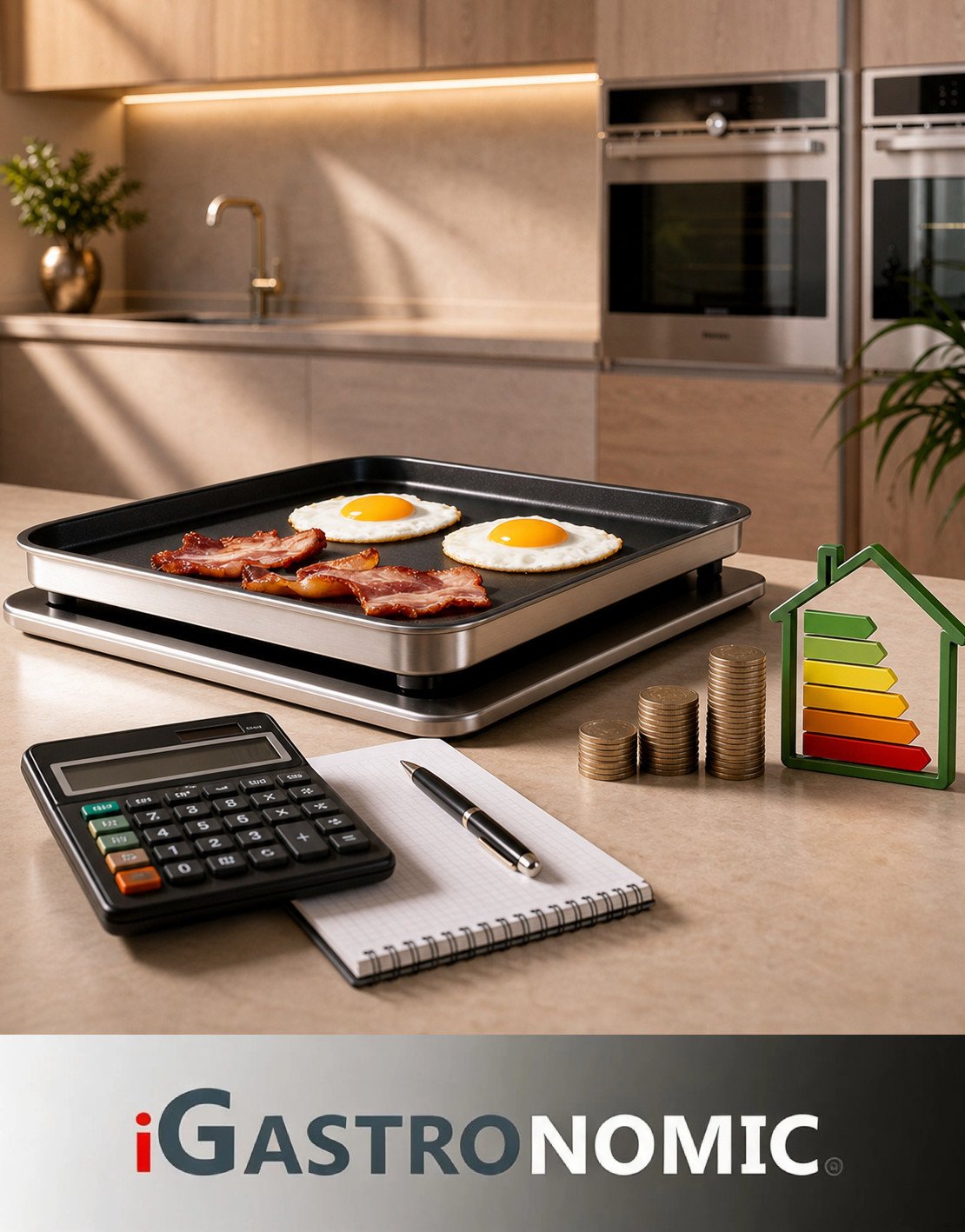 How Much Does It Cost to Operate a Fry Top? Energy Consumption and Expenses ExplainedRead more
Operating a fry top involves various costs, primarily energy consumption and maintenance expenses. Whether you use a...
Blog categories
Search in blog
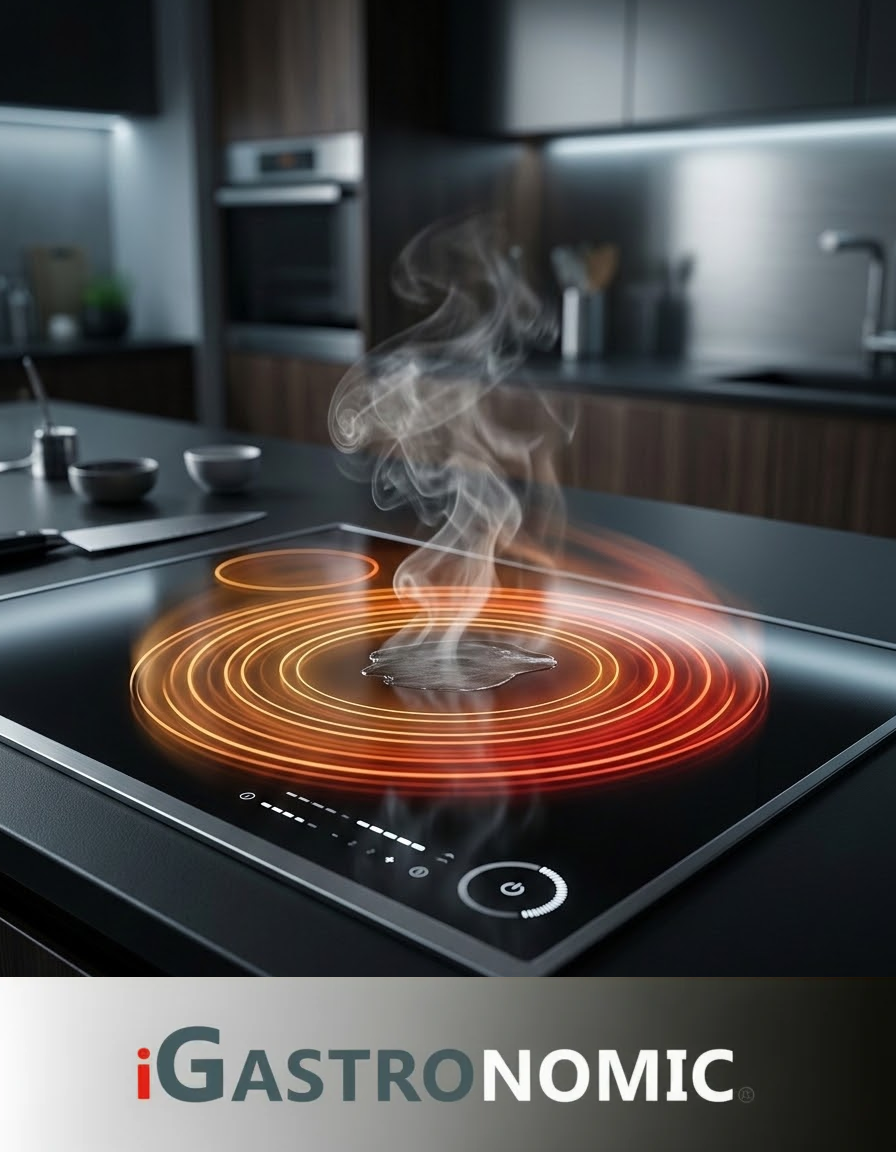
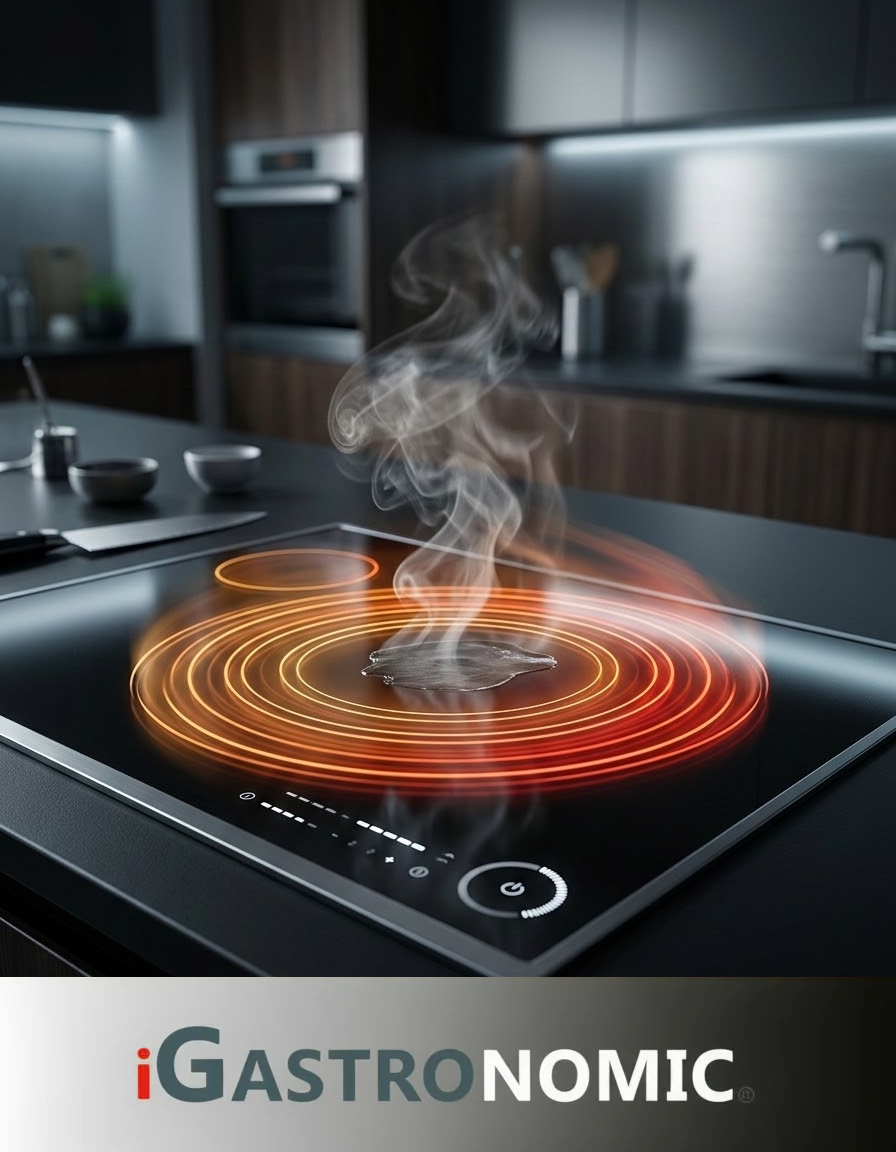
Are Contact Electric Plates Really That Slow? Debunking the Myths
Are Contact Electric Plates Really That Slow? Debunking the Myths
When it comes to cooking appliances, electric plates have long been a staple in many kitchens around the world. Among the various types, contact electric plates (or "piastre elettriche a contatto" in Italian) are often discussed, especially regarding their heating speed. Many users wonder: Are contact electric plates really that slow? In this article, we'll explore how these devices work, compare them with other heating technologies, and provide tips on how to get the best performance from them.
What Are Contact Electric Plates?
Contact electric plates are a type of electric cooktop where the heating element is in direct contact with the cooking surface, typically a metal plate. Unlike induction cooktops or radiant electric stoves, the heat is transferred through direct conduction from the plate to the cookware. This design is quite common in older or more affordable electric stoves and portable hotplates.
These plates are usually made from cast iron or steel, and they heat up when electricity passes through a resistive coil embedded beneath or within the plate. Because the plate itself becomes hot, it transfers heat to the pot or pan sitting on top.
Common Misconceptions About Contact Electric Plates
One of the most widespread beliefs is that contact electric plates heat up very slowly compared to gas or induction cooktops. While it is true that they generally take longer to reach the desired temperature, the reality is a bit more nuanced.
- Myth 1: Contact electric plates take forever to heat up. While they are slower than gas burners or induction, modern contact plates can reach cooking temperatures in a reasonable time.
- Myth 2: They cool down very slowly, making temperature control difficult. This is partially true due to the thermal mass of the plate, but with practice, users can manage heat effectively.
- Myth 3: They are inefficient and waste a lot of energy. Efficiency depends on many factors, including cookware used and plate maintenance.
How Fast Do Contact Electric Plates Heat Up?
The heating speed of a contact electric plate depends on several factors:
- Power rating: Higher wattage plates heat faster.
- Material and thickness of the plate: Thicker plates take longer to heat but retain heat better.
- Ambient temperature and cookware: Using flat-bottomed, conductive cookware improves heat transfer.
Typically, a contact electric plate can take anywhere from 5 to 15 minutes to reach high cooking temperatures, depending on the above factors. For comparison, gas burners heat almost instantly, and induction cooktops can reach cooking temperatures in under 2 minutes.
Why Are Contact Electric Plates Slower Than Other Technologies?
The main reason for slower heating is the method of heat transfer. Contact electric plates rely on conduction through the plate material, which has a relatively high thermal mass. This means the plate itself must be heated up before the heat can be transferred to the cookware.
In contrast:
- Gas burners produce an open flame that directly heats the cookware's base.
- Induction cooktops use electromagnetic fields to induce heat directly in the cookware, bypassing the need to heat an intermediate surface.
This fundamental difference explains why contact electric plates are inherently slower.
Advantages of Contact Electric Plates
Despite their slower heating, contact electric plates have several benefits:
- Cost-effective: Generally cheaper to purchase and repair than induction or gas cooktops.
- Durability: Solid metal plates are robust and less prone to damage.
- Compatibility: Work with any type of cookware, unlike induction that requires magnetic bases.
- Simple technology: Easy to use and maintain with fewer electronic components.
Tips to Improve Heating Speed and Efficiency
If you own or are considering a contact electric plate, here are some practical tips to optimize its performance:
1. Use Flat-Bottomed Cookware
Flat-bottomed pots and pans ensure maximum contact with the plate, improving heat transfer. Warped or rounded bases reduce contact area and slow heating.
2. Preheat the Plate
Allow the plate to warm up for a few minutes before placing your cookware. This helps to reach the desired temperature faster.
3. Match Plate Size to Cookware
Use pots and pans that closely match the diameter of the plate. Using smaller cookware on a large plate wastes energy and slows heating.
4. Keep the Plate Clean
Residue or burnt food on the plate can act as an insulator, reducing heat transfer. Regular cleaning improves efficiency.
5. Use Lids When Cooking
Covering pots traps heat and speeds cooking, compensating for slower plate heating.
Comparing Contact Electric Plates with Other Cooktops
| Feature | Contact Electric Plates | Gas Burners | Induction Cooktops |
|---|---|---|---|
| Heating Speed | Slow (5-15 mins) | Fast (seconds) | Very fast (under 2 mins) |
| Temperature Control | Moderate (slow response) | Excellent (instant adjustment) | Excellent (precise control) |
| Energy Efficiency | Moderate | Low to moderate | High |
| Cookware Compatibility | All types | All types | Only magnetic cookware |
| Cost | Low to moderate | Moderate | High |
When Are Contact Electric Plates a Good Choice?
Contact electric plates are ideal for:
- Budget-conscious buyers looking for reliable, simple cooking solutions.
- Users who prefer universal cookware compatibility.
- Situations where durability and ease of maintenance are priorities.
- Secondary cooking appliances, such as portable hotplates for small spaces or outdoor use.
Conclusion: Are Contact Electric Plates Really That Slow?
While contact electric plates are slower to heat than gas or induction cooktops, they are not unreasonably slow. Their heating speed is a trade-off for affordability, durability, and cookware compatibility. By understanding their operating principles and applying some simple usage tips, you can enjoy efficient cooking without frustration.
If you value quick heat-up times and precise temperature control, induction or gas might be better options. However, if you want a dependable, cost-effective solution that works with any pot or pan, contact electric plates remain a solid choice.
Ultimately, the question "Are contact electric plates really that slow?" depends on your expectations and cooking habits. With the right approach, these plates can serve you well in the kitchen.
Additional Resources
Related posts
-
 Fry Top vs Piastra Elettrica: Which One Should You Choose for Your Kitchen?
Choosing the right cooking appliance can transform your kitchen experience. Two popular options are the Fry Top and...Read more
Fry Top vs Piastra Elettrica: Which One Should You Choose for Your Kitchen?
Choosing the right cooking appliance can transform your kitchen experience. Two popular options are the Fry Top and...Read more -
 How to Use a Fry Top: A Complete Beginner's Guide
A fry top is a flat, smooth cooking surface that offers even heat distribution and a large area to cook multiple...Read more
How to Use a Fry Top: A Complete Beginner's Guide
A fry top is a flat, smooth cooking surface that offers even heat distribution and a large area to cook multiple...Read more -
 Fry Top Smooth or Ribbed? Which Is Better for Cooking?
Choosing between a smooth (liscio) and ribbed (rigato) fry top can significantly impact your cooking experience....Read more
Fry Top Smooth or Ribbed? Which Is Better for Cooking?
Choosing between a smooth (liscio) and ribbed (rigato) fry top can significantly impact your cooking experience....Read more -
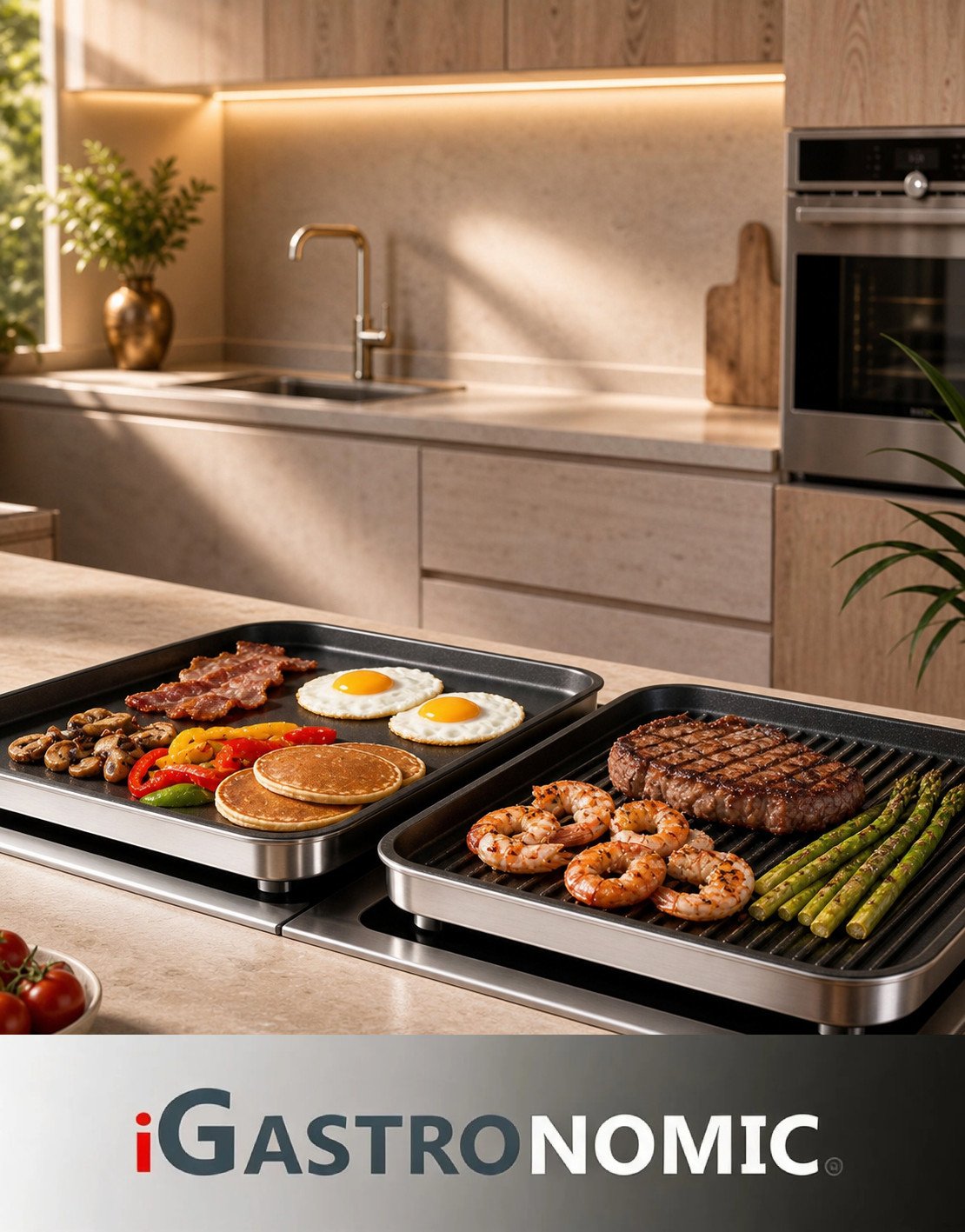 What Can You Cook on an Electric Fry Top? A Complete Guide
An electric fry top is a versatile kitchen appliance that offers a large, evenly heated cooking surface perfect for a...Read more
What Can You Cook on an Electric Fry Top? A Complete Guide
An electric fry top is a versatile kitchen appliance that offers a large, evenly heated cooking surface perfect for a...Read more -
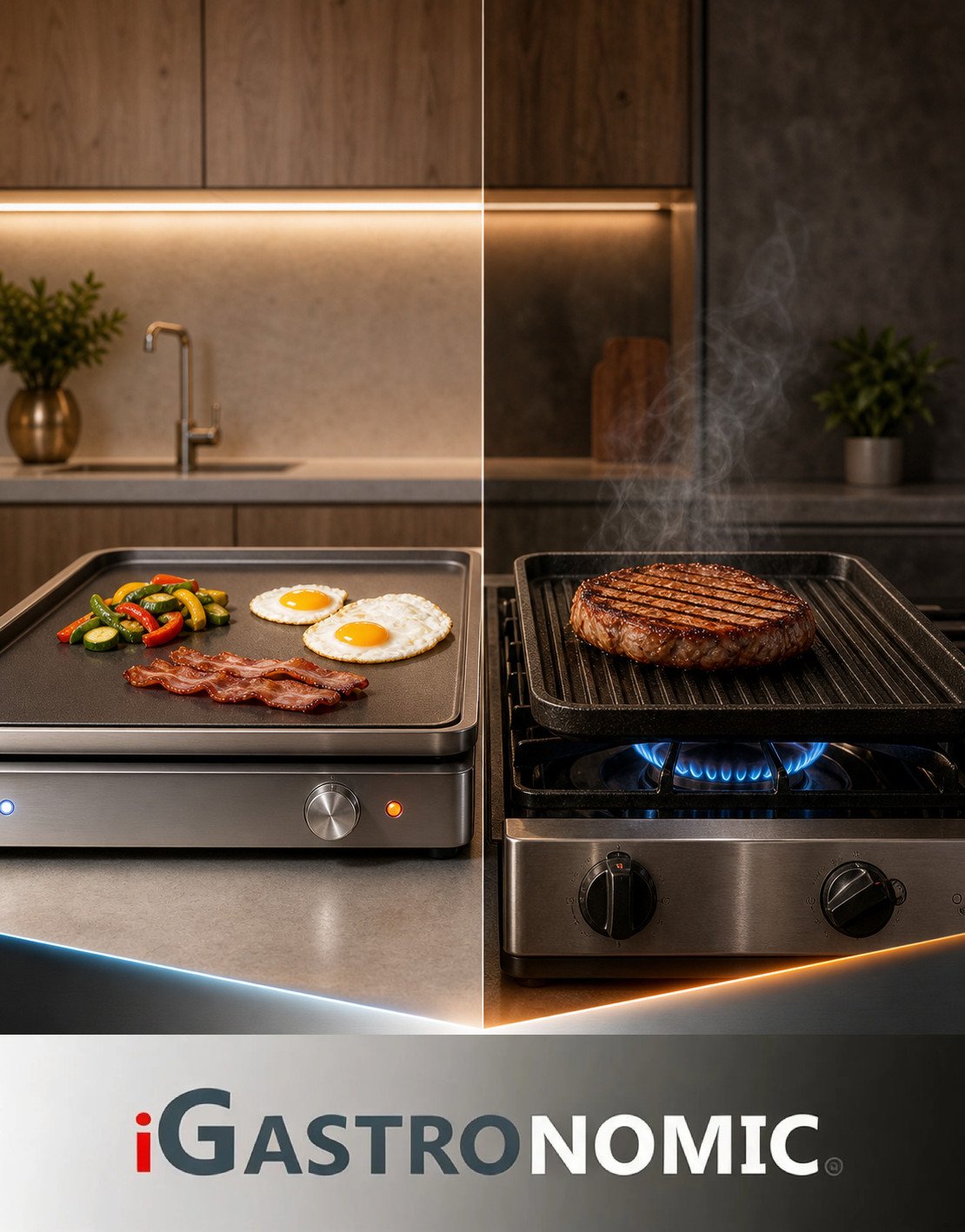 Electric Fry Top vs Gas: Advantages and Disadvantages Compared
Choosing between an electric and gas fry top can be challenging. Electric fry tops offer precise temperature control,...Read more
Electric Fry Top vs Gas: Advantages and Disadvantages Compared
Choosing between an electric and gas fry top can be challenging. Electric fry tops offer precise temperature control,...Read more
Leave a comment