
 Deutsch
 Türkçe
 Italiano

.jpg)
.jpg)
.jpg)
.jpg)
.jpg)
.jpg)
.jpg)
.jpg)
.jpg)
.jpg)

.jpg)

.jpg)
.jpg)
.jpg)
.jpg)
.jpg)
.jpg)
.jpg)
.jpg)
.jpg)
.jpg)



.jpg)
.jpg)
.jpg)
.jpg)
.jpg)
.jpg)
.jpg)
.jpg)
.jpg)



.jpg)
.jpg)

.jpg)
.jpg)
.jpg)
.jpg)


.jpg)

.png)
.jpg)
.jpg)
 (200 x 136 px) (5).png)
.png)

Considering buying a used fry top? This guide breaks down the pros and cons of purchasing second-hand fry tops,...
-
 Cooking Appliances
add remove
Cooking Appliances
add remove -
-
Pizza & Grill
add remove
-
-
Refrigeration
add remove
-
-
Combi Steamer
add remove
-
-
Kitchen Appliances
add remove
-
-
Rinsing & Cleaning
add remove
-
-
Retail Refrigeration
add remove
-
-
Cafe & Ice Cream
add remove
-
-
Smart-Gastro
add remove
-
-
Event- & Cateringmöbel
-
Cooking Appliances
add remove
-
-
Pizza & Grill
add remove
-
-
Refrigeration
add remove
-
-
Combi Steamer
add remove
-
-
Kitchen Appliances
add remove
-
-
Rinsing & Cleaning
add remove
-
-
Retail Refrigeration
add remove
-
-
Cafe & Ice Cream
add remove
-
-
Smart-Gastro
add remove
-
-
Event- & Cateringmöbel


Call us:
+49 (0) 6135 7040 450Latest posts
-
 Buying a Used Fry Top: Is It Worth It? Pros and Cons ExplainedRead more
 -
 Temperature Control on a Fry Top: How Accurate Is It?Read more
The fry top is a versatile and essential cooking tool in many kitchens, prized for its large, flat surface that...
-
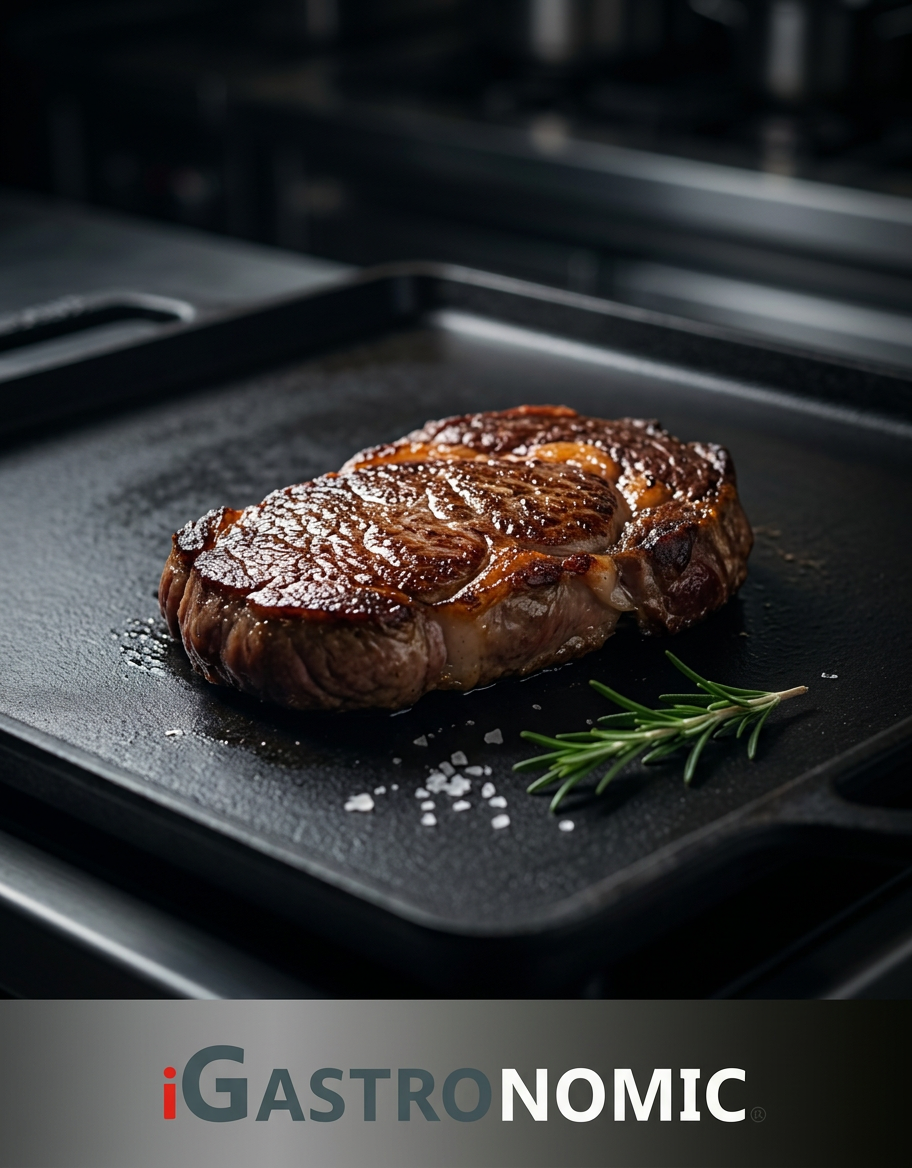 The Ideal Fry Top for Cooking Steaks: How to Do It Right?Read more
Cooking the perfect steak requires the right tools and techniques, and a fry top is one of the best surfaces for this...
-
 How to Prevent Scratches on Your Electric Fry Top During UseRead more
Electric fry tops are versatile and efficient kitchen appliances, but they can be prone to scratches during use....
-
 Are Contact Electric Plates Really That Slow? Debunking the MythsRead more
Contact electric plates, known as "piastre elettriche a contatto," are a common type of electric cooktop where the...
-
 Does a Fry Top Consume a Lot of Energy? Tips to Save PowerRead more
Wondering if your fry top consumes a lot of energy? A fry top, or griddle, is a popular cooking appliance known for...
-
 Cookware Compatible with Fry Top: Which Ones to Use?Read more
A fry top is a versatile flat cooking surface widely used in professional and home kitchens. To get the most out of...
-
 Fry Top or Induction Cooktop? Which Is the Best Choice?Read more
Choosing between a fry top and an induction cooktop can be challenging given their distinct features and advantages....
-
 How to Achieve Precise Temperatures on an Electric Fry TopRead more
Cooking on an electric fry top can be incredibly rewarding, but achieving precise temperature control is essential...
-
 Fry Top Professionale vs Domestico: Which One Should You Buy?Read more
Fry tops are versatile cooking surfaces popular in both professional and home kitchens. When deciding between a...
Blog categories
Search in blog
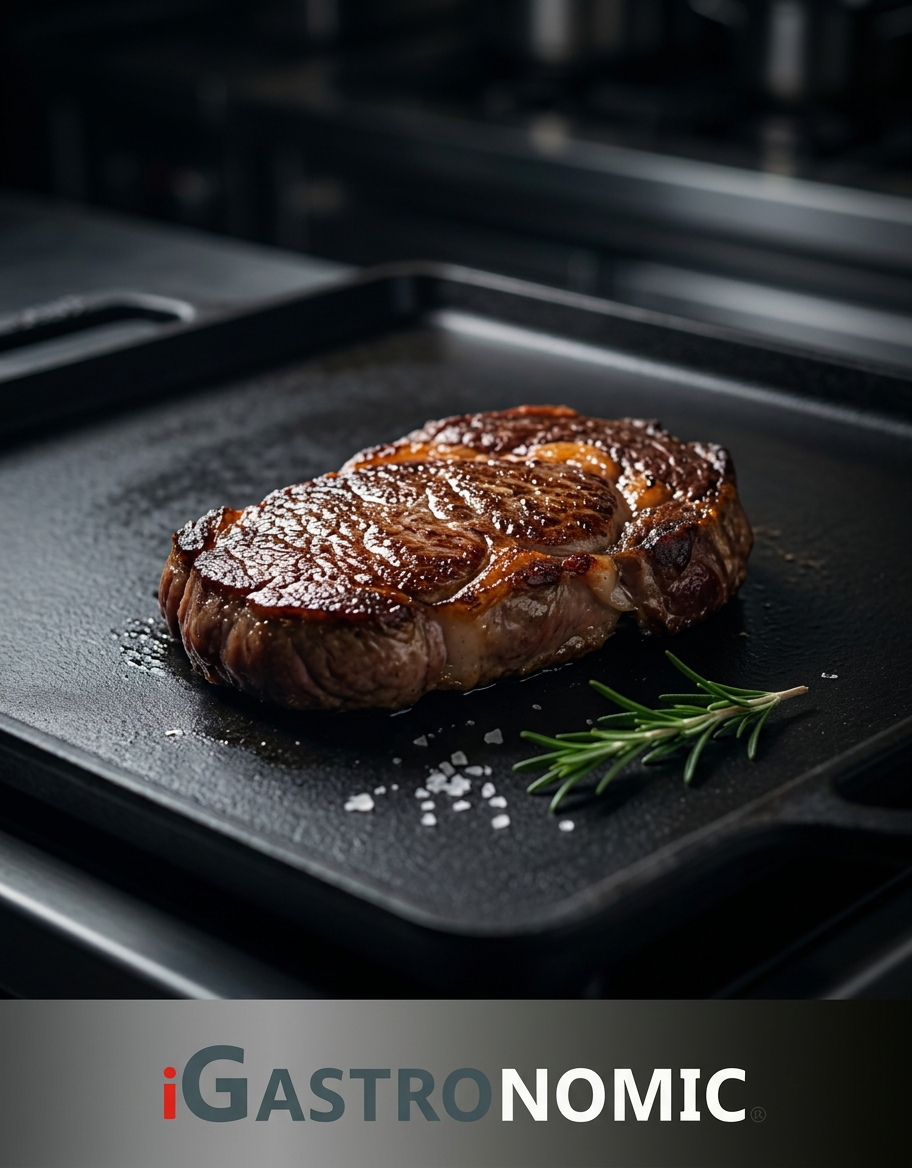
The Ideal Fry Top for Cooking Steaks: How to Do It Right?
The Ideal Fry Top for Cooking Steaks: How to Do It Right?
Cooking the perfect steak is an art that many food lovers aspire to master. Whether you’re a professional chef or a home cook, the right equipment can make all the difference. Among the many cooking surfaces available, the fry top stands out as an excellent choice for preparing steaks with a delicious sear and juicy interior. But what exactly is a fry top, why is it ideal for steaks, and how can you use it to achieve the best results? This comprehensive guide will walk you through everything you need to know.
What is a Fry Top?
A fry top, also known as a griddle or flat top grill, is a flat cooking surface usually made from cast iron, stainless steel, or carbon steel. It is heated from below and provides a large, evenly heated area perfect for cooking a variety of foods, including steaks, vegetables, eggs, and more. Unlike a grill with grates, a fry top offers a smooth surface that ensures direct contact between your steak and the heat source, resulting in an even sear.
Fry tops are common in professional kitchens and are gaining popularity among home cooks who want restaurant-quality results. Their versatility, ease of use, and ability to maintain consistent heat make them an ideal tool for cooking steaks.
Why Choose a Fry Top for Cooking Steaks?
- Even Heat Distribution: Fry tops provide uniform heat across the entire surface, which is essential for cooking steaks evenly without hot spots or burning.
- Excellent Searing Capability: The flat surface allows the steak to make full contact, creating a beautiful crust and caramelization through the Maillard reaction.
- Temperature Control: Many fry tops allow precise temperature adjustments, enabling you to sear steaks at high heat and then reduce the temperature to finish cooking.
- Versatility: Beyond steaks, you can cook side dishes or sauces on the same surface, making it a multifunctional tool.
- Easy to Clean: Fry tops are generally easier to clean than grills with grates, as food residue can be scraped off the smooth surface.
Types of Fry Tops Suitable for Steaks
When selecting a fry top for steak cooking, consider the material and size. Here are some common types:
1. Cast Iron Fry Tops
Cast iron fry tops are known for excellent heat retention and durability. They heat evenly and maintain high temperatures, perfect for searing steaks. They require seasoning to maintain a non-stick surface and prevent rust.
2. Stainless Steel Fry Tops
Stainless steel fry tops heat quickly and are easy to clean. However, they may have less heat retention than cast iron, so temperature management is crucial.
3. Carbon Steel Fry Tops
Carbon steel combines the benefits of cast iron and stainless steel. It heats quickly, retains heat well, and is lighter than cast iron. Like cast iron, it needs seasoning.
How to Choose the Ideal Fry Top for Your Steak Cooking
Here are some factors to consider when choosing a fry top:
- Size: Consider the number of steaks or other foods you plan to cook simultaneously. A larger surface gives you more flexibility.
- Material: Choose based on heat retention, maintenance, and weight preferences.
- Heat Source Compatibility: Ensure the fry top works with your stove type – gas, electric, induction, or outdoor burners.
- Thickness: Thicker plates offer better heat retention but take longer to heat up.
- Ease of Cleaning: Look for surfaces that are easy to clean and maintain.
Preparing Your Fry Top for Cooking Steaks
Before cooking, it’s important to prepare your fry top properly:
Seasoning the Fry Top (If Required)
For cast iron and carbon steel fry tops, seasoning is essential to create a natural non-stick surface and prevent rust. Here’s a quick guide:
- Clean the surface thoroughly with hot water and mild soap (only for the first time).
- Dry completely.
- Apply a thin layer of high-smoke point oil (like flaxseed, vegetable, or canola oil) over the entire surface.
- Heat the fry top gradually until the oil smokes and polymerizes, creating a protective layer.
- Repeat the oiling and heating process 2-3 times for best results.
Preheating
Preheat your fry top on medium-high heat for about 10-15 minutes. The surface should be hot enough to sizzle a drop of water immediately but not so hot that the oil smokes excessively.
Choosing the Right Steak for Fry Top Cooking
While the fry top can cook virtually any steak cut, some are better suited for this method:
- Ribeye: Well-marbled and flavorful, ribeye steaks sear beautifully on a fry top.
- Striploin/New York Strip: Leaner than ribeye but still tender and flavorful.
- Filet Mignon: Tender and lean, it cooks quickly and benefits from even heat.
- Sirloin: Affordable and flavorful, sirloin steaks do well on a fry top.
Choose steaks that are at least 1 to 1.5 inches thick for best results, as thinner steaks can overcook quickly.
Step-by-Step Guide to Cooking the Perfect Steak on a Fry Top
1. Bring the Steak to Room Temperature
Remove your steak from the refrigerator about 30-60 minutes before cooking. This ensures even cooking.
2. Season Generously
Pat the steak dry with paper towels. Season both sides with coarse salt and freshly ground black pepper. You can also add garlic powder, smoked paprika, or your favorite steak seasoning.
3. Oil the Fry Top
Apply a thin layer of high-smoke point oil (like avocado or grapeseed oil) to the fry top to prevent sticking and help with searing.
4. Sear the Steak
Place the steak on the hot fry top and let it sear without moving for 2-3 minutes. This forms a crust. Flip and sear the other side for another 2-3 minutes.
5. Adjust Heat to Finish Cooking
Reduce the heat to medium or medium-low to allow the steak to cook through without burning the crust. Cook for an additional 2-5 minutes depending on thickness and desired doneness.
6. Use a Meat Thermometer
Check the internal temperature for accuracy:
- Rare: 120-125°F (49-52°C)
- Medium Rare: 130-135°F (54-57°C)
- Medium: 140-145°F (60-63°C)
- Medium Well: 150-155°F (66-68°C)
- Well Done: 160°F+ (71°C+)
7. Rest the Steak
Remove the steak from the fry top and let it rest on a cutting board for 5-10 minutes. This allows juices to redistribute, resulting in a juicier steak.
8. Serve and Enjoy
Slice against the grain and serve with your favorite sides.
Tips and Tricks for Mastering Steak Cooking on a Fry Top
- Don’t overcrowd the surface: Leave enough space between steaks to allow proper searing and avoid steaming.
- Use a spatula or tongs: Flip steaks gently to maintain the crust.
- Butter Basting: For extra flavor, add a knob of butter and aromatics (garlic, thyme, rosemary) near the end of cooking and baste the steak.
- Clean between batches: Scrape off any burnt bits to prevent bitterness.
- Practice patience: Resist the urge to move the steak too often; let it develop a proper crust.
Common Mistakes to Avoid When Using a Fry Top for Steaks
- Cooking cold steaks: Putting cold steaks on a hot surface can cause uneven cooking.
- Using too much oil: Excess oil can cause flare-ups or greasy crusts.
- Not preheating the fry top: A cold surface leads to poor searing.
- Overcooking: Monitor temperature carefully to avoid dry steaks.
- Skipping resting time: Cutting into the steak immediately causes juice loss.
Cleaning and Maintaining Your Fry Top
Proper maintenance will extend the life of your fry top and keep it performing well:
- After cooking, while the surface is still warm, scrape off food residues with a spatula or scraper.
- Wipe with a damp cloth or paper towel.
- For cast iron or carbon steel, apply a thin layer of oil after cleaning to prevent rust.
- Avoid using harsh detergents or soaking the fry top in water.
- Season regularly if applicable.
Conclusion
Cooking steaks on a fry top is a fantastic way to achieve restaurant-quality results at home. The even heat distribution, excellent searing capability, and versatility make the fry top an ideal cooking surface. By choosing the right fry top, preparing it properly, selecting quality steaks, and following the step-by-step cooking process, you can enjoy juicy, flavorful steaks that impress every time.
Remember, practice makes perfect. Experiment with different cuts, seasoning blends, and cooking times to find your personal steak nirvana. Happy cooking!
Related posts
-
 Fry Top vs Piastra Elettrica: Which One Should You Choose for Your Kitchen?
Choosing the right cooking appliance can transform your kitchen experience. Two popular options are the Fry Top and...Read more
Fry Top vs Piastra Elettrica: Which One Should You Choose for Your Kitchen?
Choosing the right cooking appliance can transform your kitchen experience. Two popular options are the Fry Top and...Read more -
 How to Use a Fry Top: A Complete Beginner's Guide
A fry top is a flat, smooth cooking surface that offers even heat distribution and a large area to cook multiple...Read more
How to Use a Fry Top: A Complete Beginner's Guide
A fry top is a flat, smooth cooking surface that offers even heat distribution and a large area to cook multiple...Read more -
 Fry Top Smooth or Ribbed? Which Is Better for Cooking?
Choosing between a smooth (liscio) and ribbed (rigato) fry top can significantly impact your cooking experience....Read more
Fry Top Smooth or Ribbed? Which Is Better for Cooking?
Choosing between a smooth (liscio) and ribbed (rigato) fry top can significantly impact your cooking experience....Read more -
 What Can You Cook on an Electric Fry Top? A Complete Guide
An electric fry top is a versatile kitchen appliance that offers a large, evenly heated cooking surface perfect for a...Read more
What Can You Cook on an Electric Fry Top? A Complete Guide
An electric fry top is a versatile kitchen appliance that offers a large, evenly heated cooking surface perfect for a...Read more -
 Electric Fry Top vs Gas: Advantages and Disadvantages Compared
Choosing between an electric and gas fry top can be challenging. Electric fry tops offer precise temperature control,...Read more
Electric Fry Top vs Gas: Advantages and Disadvantages Compared
Choosing between an electric and gas fry top can be challenging. Electric fry tops offer precise temperature control,...Read more
Leave a comment