
 Deutsch
 Türkçe
 Italiano

.jpg)
.jpg)
.jpg)
.jpg)
.jpg)
.jpg)
.jpg)
.jpg)
.jpg)
.jpg)

.jpg)

.jpg)
.jpg)
.jpg)
.jpg)
.jpg)
.jpg)
.jpg)
.jpg)
.jpg)
.jpg)



.jpg)
.jpg)
.jpg)
.jpg)
.jpg)
.jpg)
.jpg)
.jpg)
.jpg)



.jpg)
.jpg)

.jpg)
.jpg)
.jpg)
.jpg)


.jpg)

.png)
.jpg)
.jpg)
 (200 x 136 px) (5).png)
.png)

Setting up a döner stand at markets and events offers a fantastic opportunity to reach new customers and share...
-
 Cooking Appliances
add remove
Cooking Appliances
add remove -
-
Pizza & Grill
add remove
-
-
Refrigeration
add remove
-
-
Combi Steamer
add remove
-
-
Kitchen Appliances
add remove
-
-
Rinsing & Cleaning
add remove
-
-
Retail Refrigeration
add remove
-
-
Cafe & Ice Cream
add remove
-
-
Smart-Gastro
add remove
-
-
Event- & Cateringmöbel
-
Cooking Appliances
add remove
-
-
Pizza & Grill
add remove
-
-
Refrigeration
add remove
-
-
Combi Steamer
add remove
-
-
Kitchen Appliances
add remove
-
-
Rinsing & Cleaning
add remove
-
-
Retail Refrigeration
add remove
-
-
Cafe & Ice Cream
add remove
-
-
Smart-Gastro
add remove
-
-
Event- & Cateringmöbel


Call us:
+49 (0) 6135 7040 450Latest posts
-
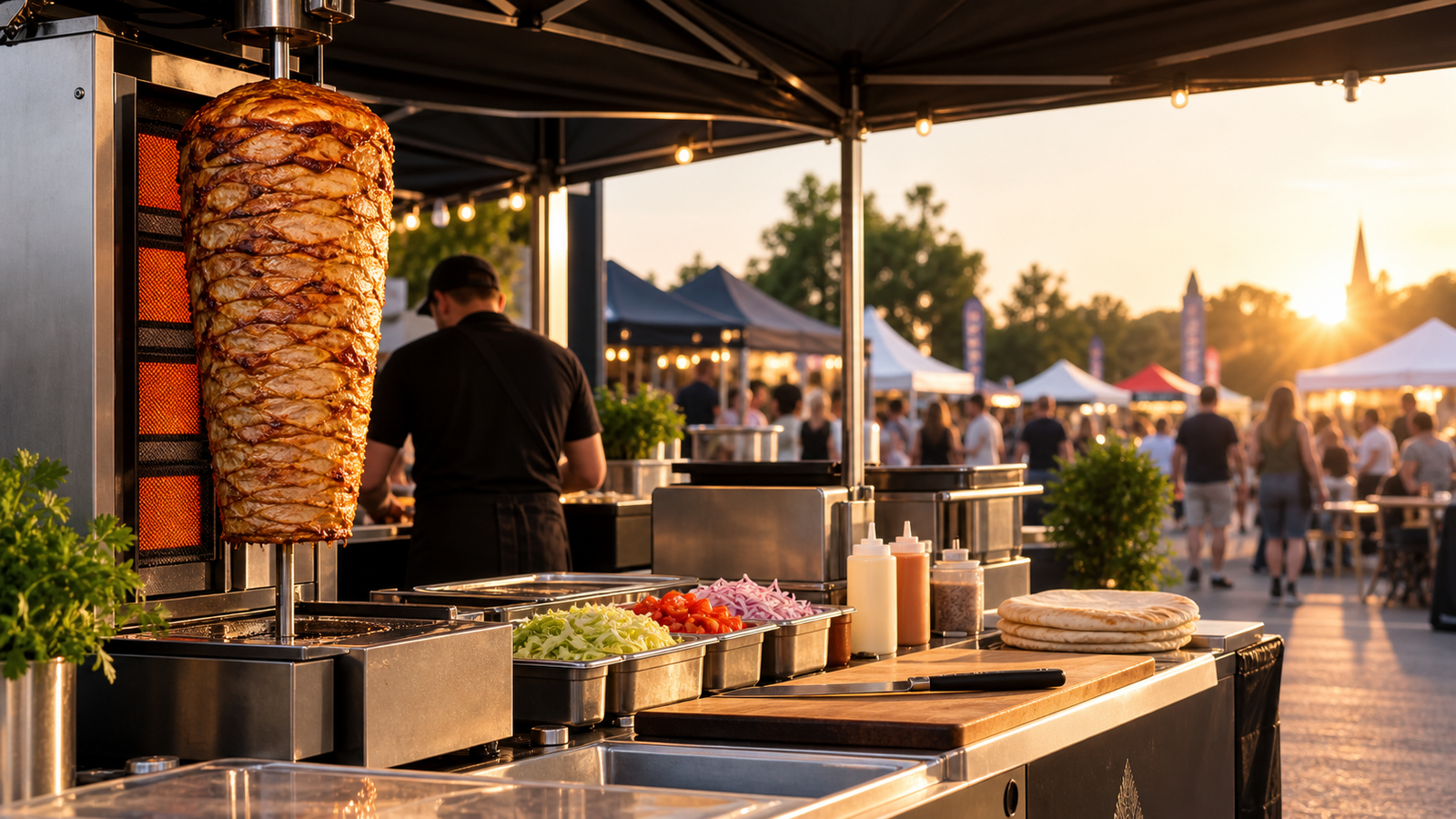 Setting Up a Döner Stand at Markets & Events: Equipment & Planning for Professional Temporary Sales PointsRead more
 -
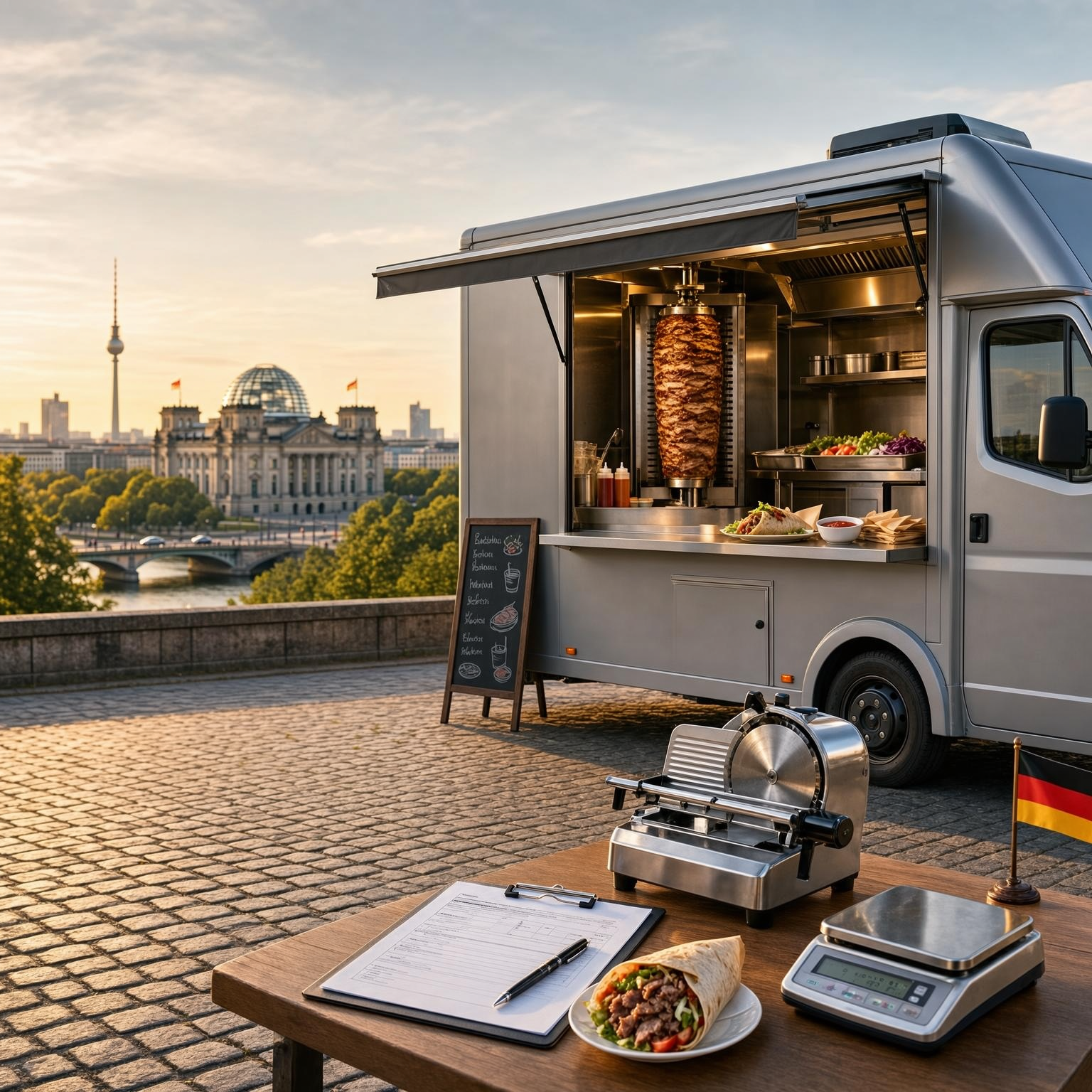 Starting a Döner Food Truck in Germany: Equipment and Regulations You Need to KnowRead more
Thinking about starting a Döner food truck in Germany? This guide covers everything you need to know—from legal...
-
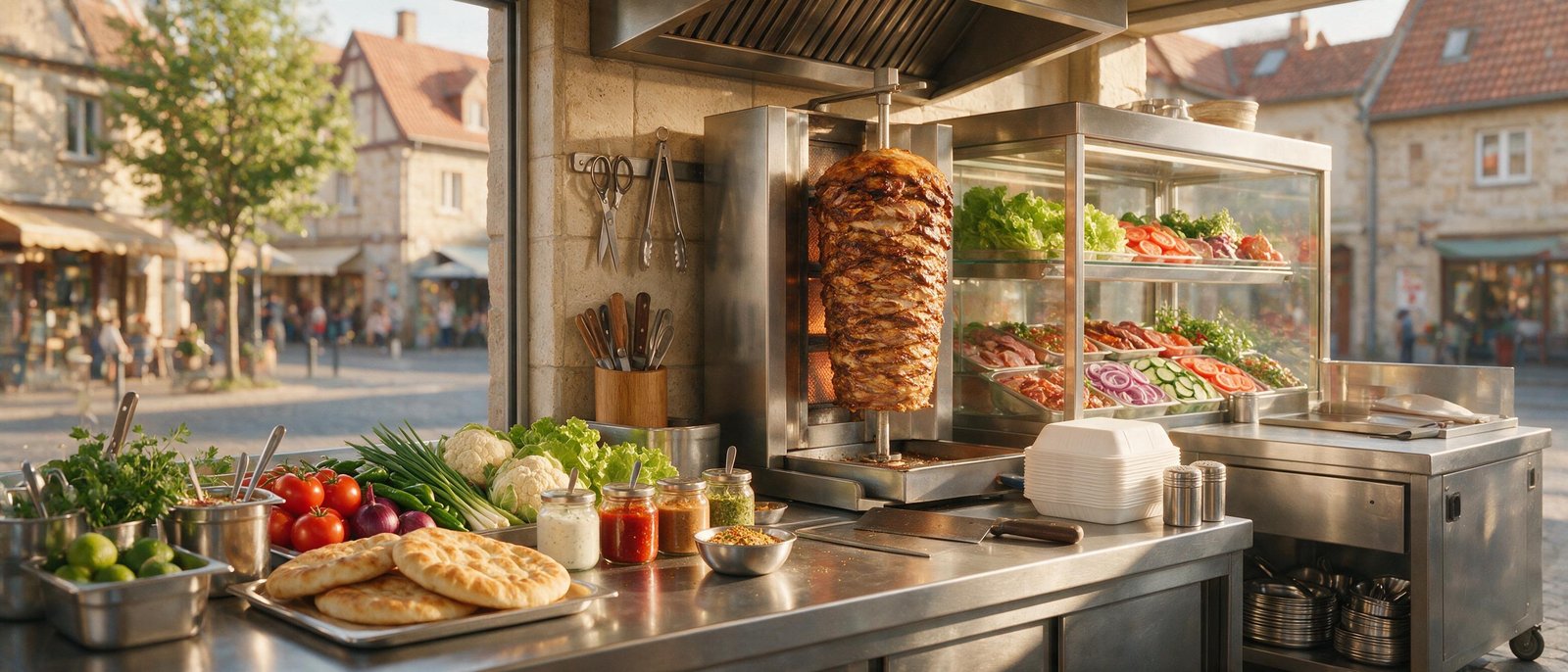 Opening a Döner Kebab Stand in Germany: Equipment, Permits & Startup Costs – Step-by-Step Guide to Starting Your BusinessRead more
Opening a Döner kebab stand in Germany is a popular business idea due to the widespread love for this delicious fast...
-
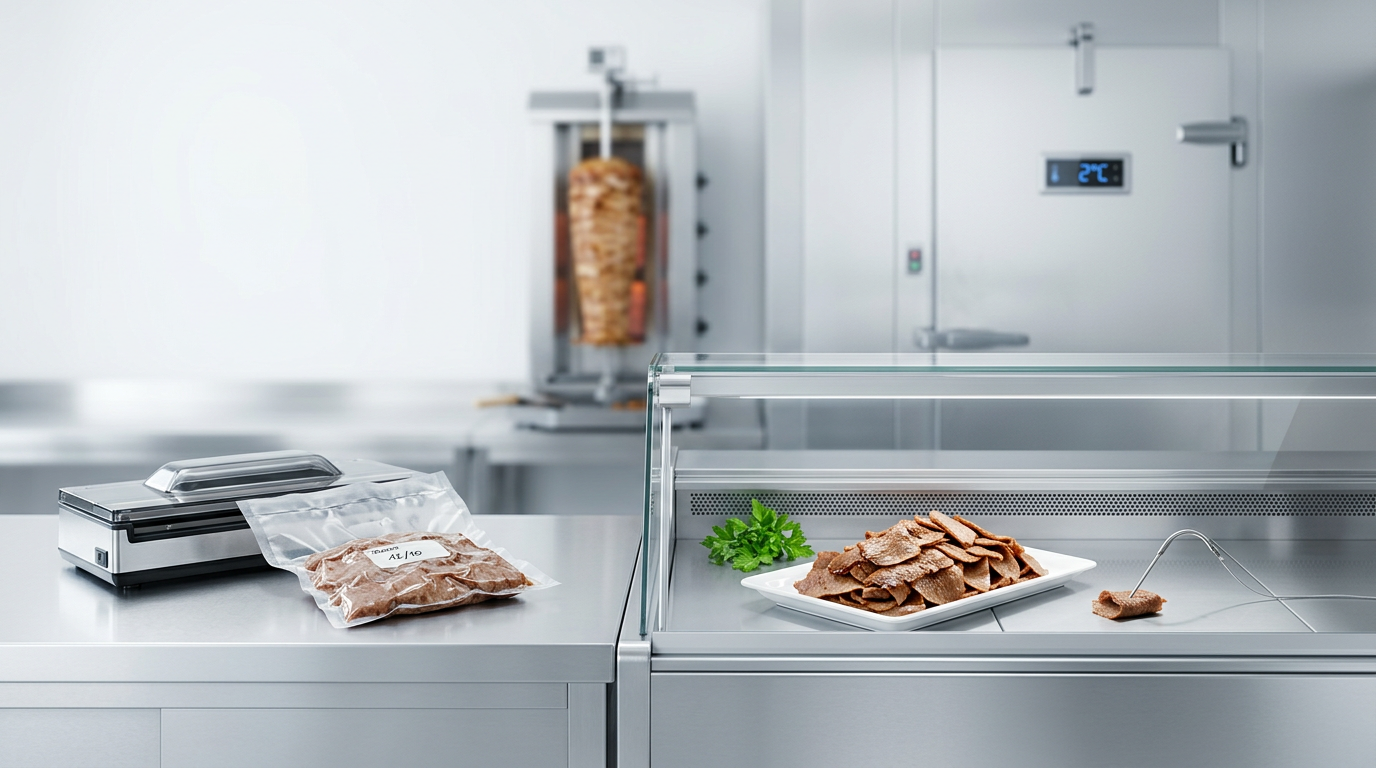 Shelf Life of Döner Meat: Cooling, Freezing & Fresh Counter Storage – Proper Handling to Prevent Food WasteRead more
Döner meat is a popular and delicious dish, but it’s also highly perishable. Proper storage is key to maintaining its...
-
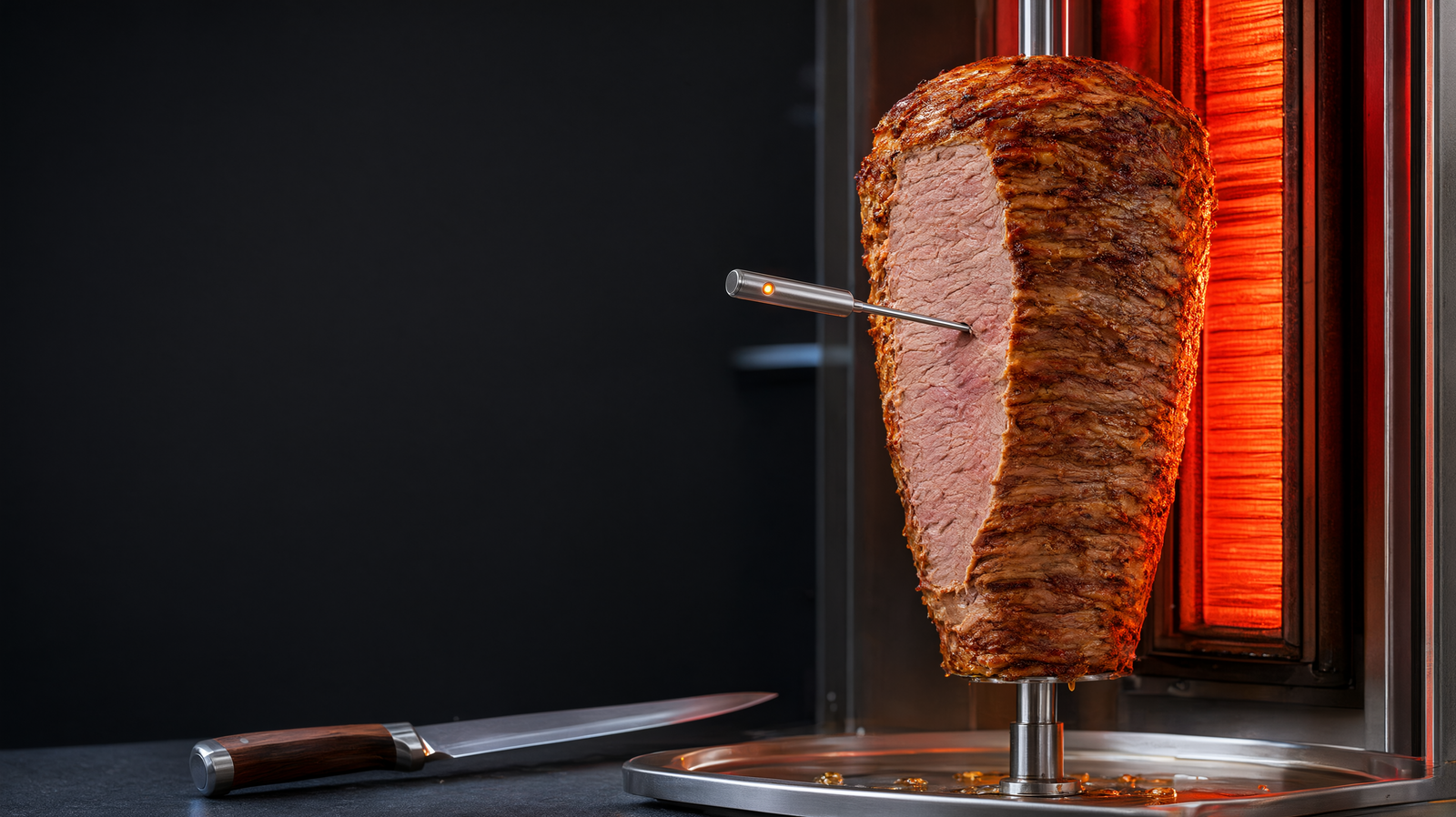 How Long Does a Döner Kebab Spit Last on the Grill? → Stand Times, Core Temperature, and Replenishment Planning in BusinessRead more
The Döner kebab spit is a cornerstone of many street food businesses, but managing how long it stays on the grill is...
-
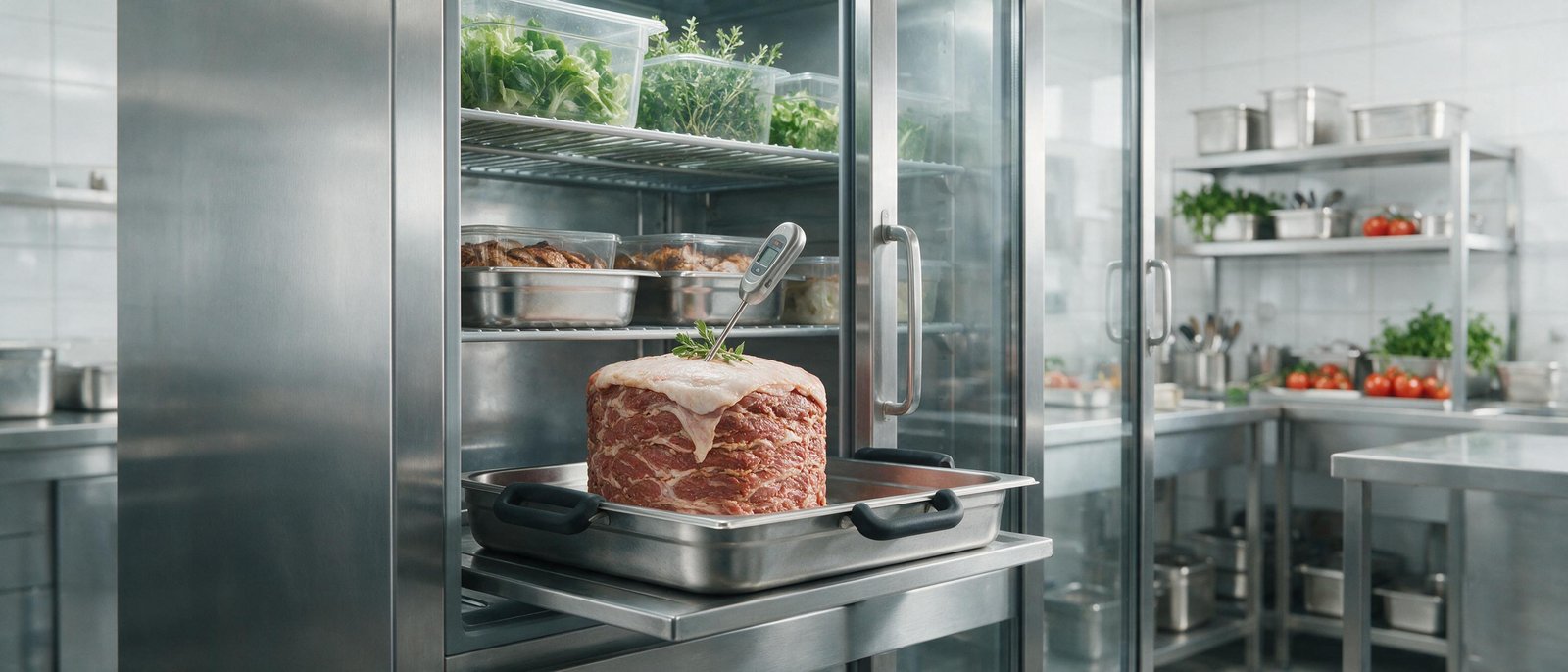 Proper Storage of Döner Meat: Regulations & Food Safety → HACCP-Compliant Storage According to German Food Hygiene RegulationsRead more
Döner meat is a popular and perishable food product that requires careful storage to maintain its safety and quality....
-
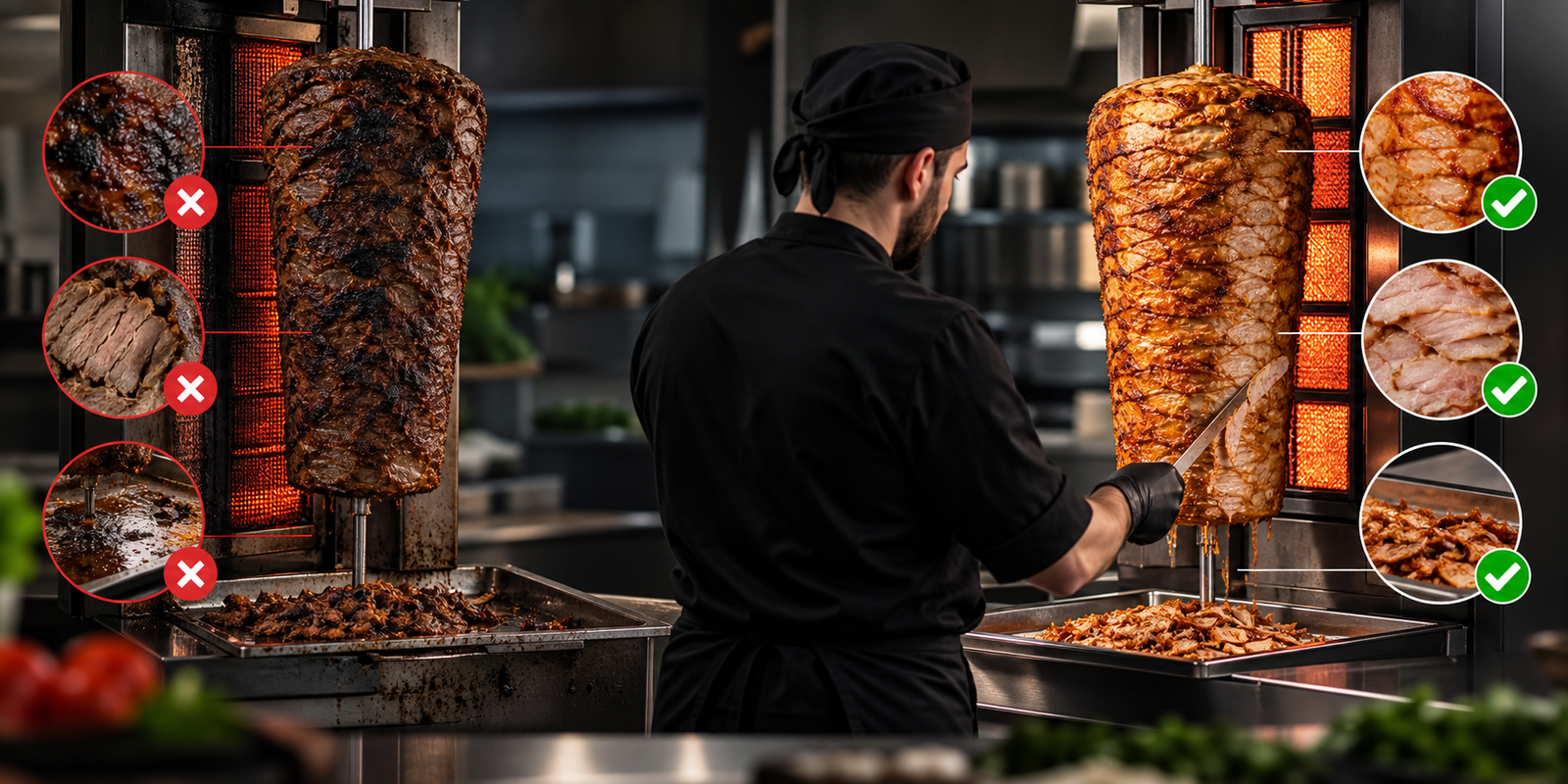 Common Mistakes When Grilling Döner – And How to Avoid Them: Identifying and Fixing Typical Preparation Errors in the Gastronomy IndustryRead more
The Döner kebab is a globally loved dish, but many gastronomy professionals struggle with common mistakes during its...
-
 What Makes Good Döner Meat So Tender and Flavorful? → Quality Characteristics and Preparation Techniques for RestaurateursRead more
Döner kebab is famous worldwide for its tender, juicy, and flavorful meat. But what exactly makes Döner meat so...
-
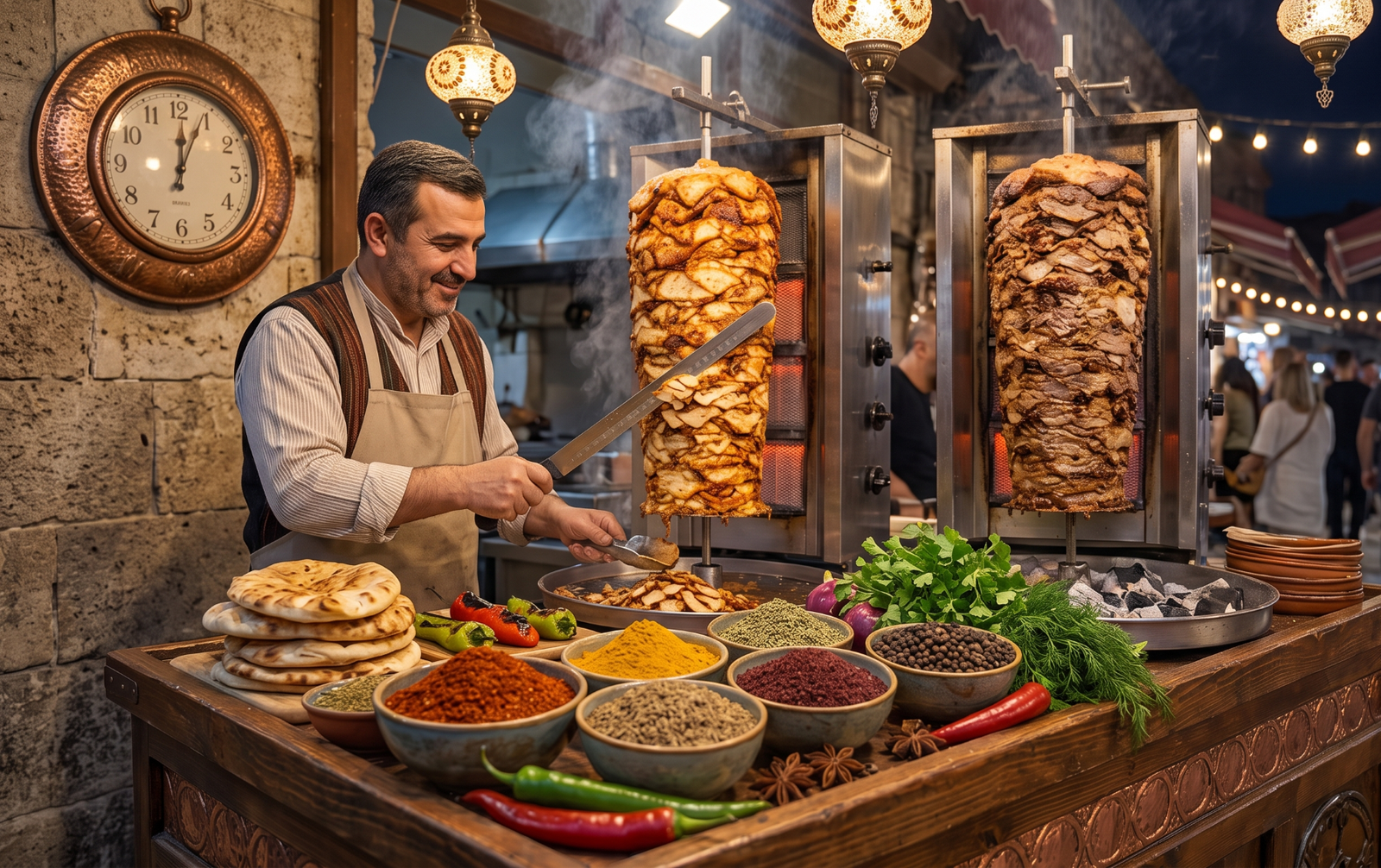 How to Slice Döner Meat Perfectly: Professional Techniques with Döner Knives and Electric SlicersRead more
Döner kebab is renowned for its thin, juicy slices of meat cooked on a vertical spit. Achieving perfect slices...
-
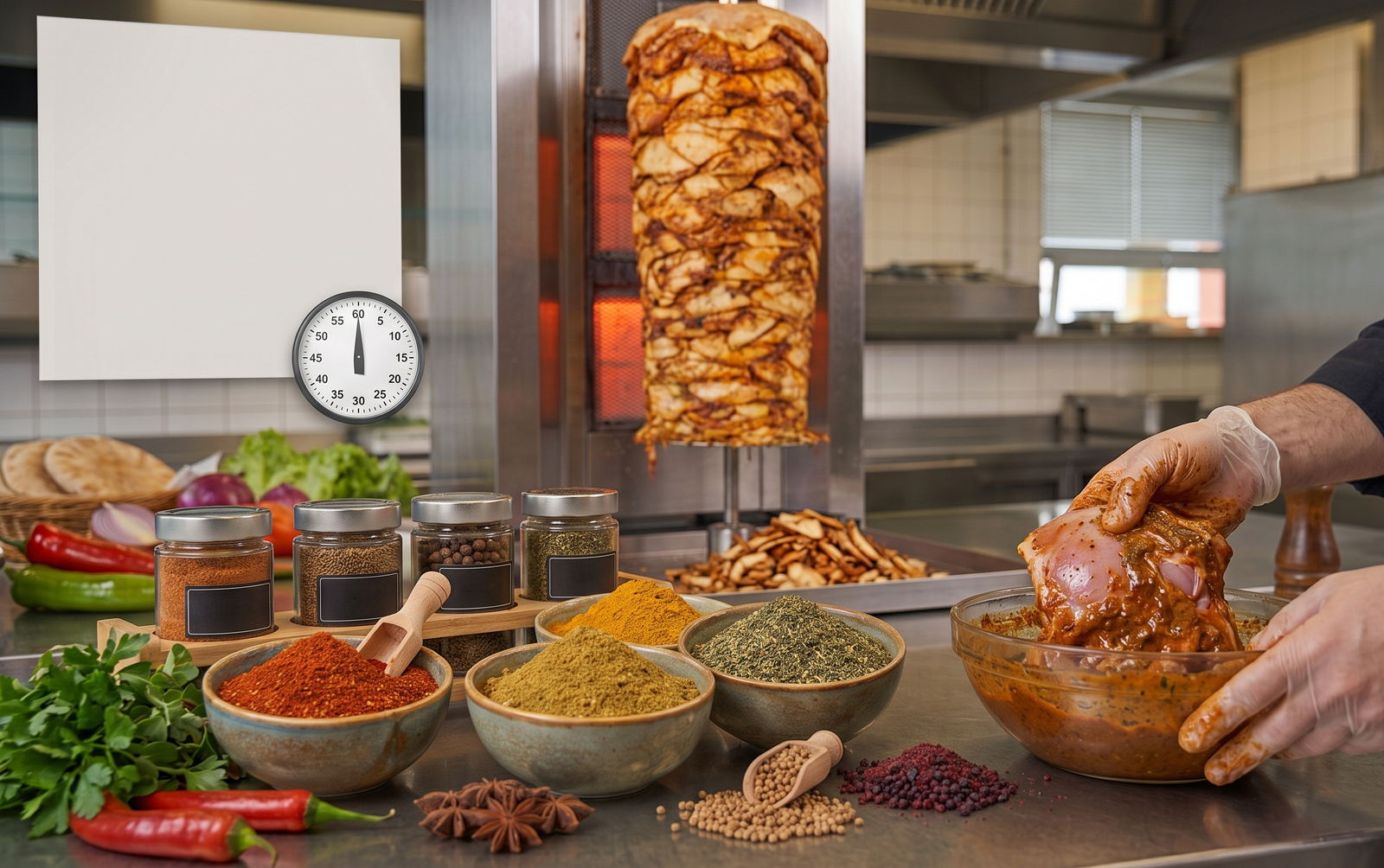 Döner Meat Marinade: Marinating Time and Professional Preparation → Optimal Preparation for Maximum Flavor and TendernessRead more
Döner kebab is famous worldwide for its juicy, flavorful meat, and the key to its perfection lies in the marinade and...
Blog categories
Search in blog
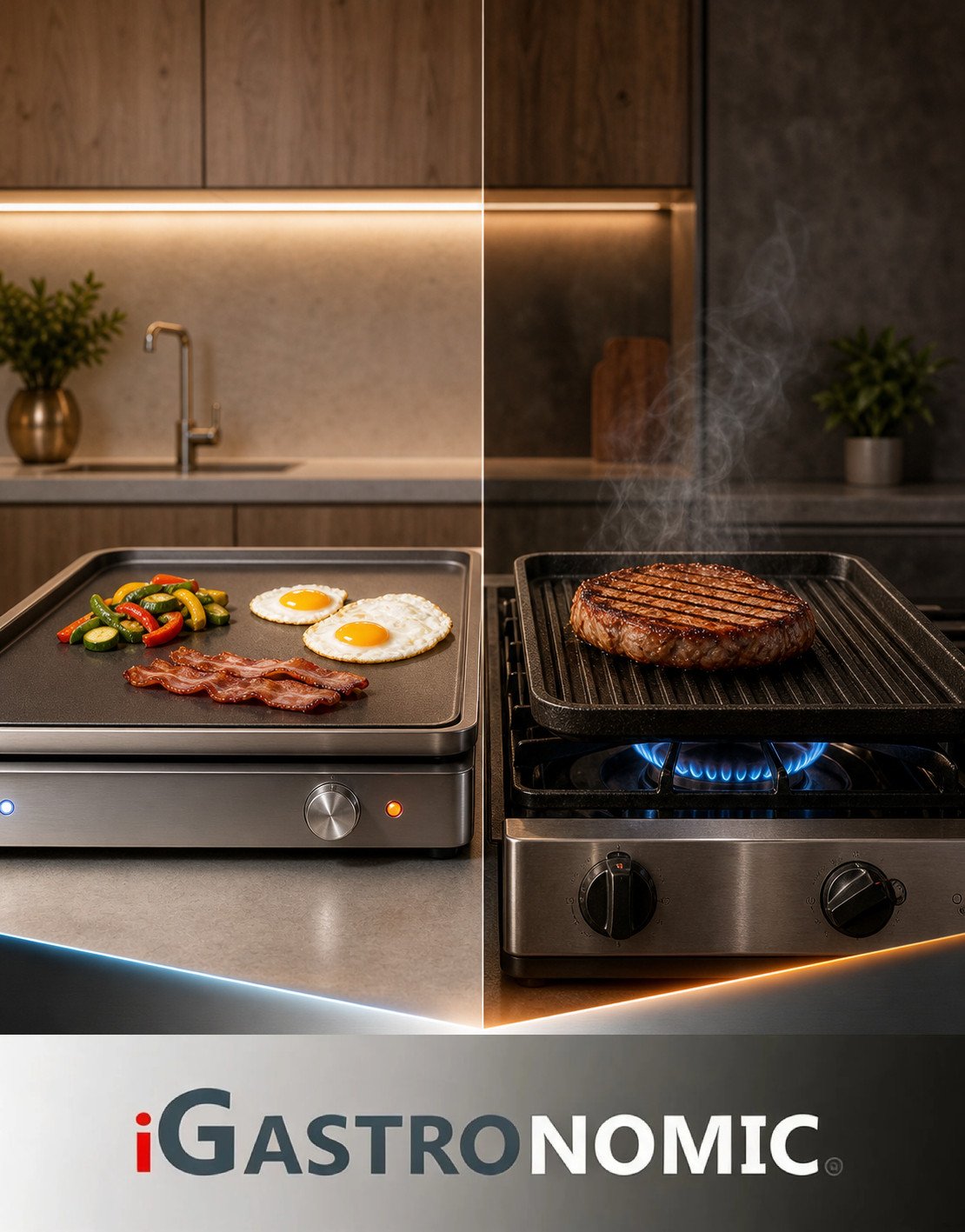
Electric Fry Top vs Gas: Advantages and Disadvantages Compared
Electric Fry Top vs Gas: Advantages and Disadvantages Compared
When it comes to choosing a fry top for your kitchen, the decision often boils down to two main options: electric or gas. Both have their loyal followers and distinct benefits, but also some drawbacks that might influence your choice. In this comprehensive guide, we’ll explore the advantages and disadvantages of the electric fry top compared to its gas counterpart, helping you make an informed decision tailored to your cooking style and kitchen setup.
What is a Fry Top?
Before diving into the comparison, let's clarify what a fry top is. A fry top, also known as a griddle, is a flat cooking surface typically made of cast iron, stainless steel, or chrome steel. It’s designed for frying, grilling, and searing foods evenly and efficiently. Fry tops are popular in both professional kitchens and home setups for their versatility and ability to cook multiple items simultaneously.
Understanding Electric Fry Tops
An electric fry top uses electric heating elements beneath the cooking surface to generate heat. These heating elements are controlled via a thermostat or electronic controls, allowing for precise temperature management. Electric fry tops are often praised for their ease of use, consistent heat distribution, and safety features.
Understanding Gas Fry Tops
Gas fry tops rely on direct flames from gas burners to heat the cooking surface. They are commonly connected to natural gas or propane supplies. Gas fry tops are favored for their rapid heating capabilities and the ability to quickly adjust heat levels.
Advantages of Electric Fry Tops
1. Precise Temperature Control
Electric fry tops typically come with advanced thermostats and electronic settings that allow you to set and maintain exact cooking temperatures. This precision is ideal for delicate cooking tasks where consistent heat is crucial.
2. Even Heat Distribution
The electric heating elements are designed to distribute heat evenly across the entire surface. This reduces the risk of hot spots or uneven cooking, which can sometimes occur with gas fry tops if the burners are not perfectly calibrated.
3. Safety
Electric fry tops do not produce an open flame, making them safer to operate, especially in environments where gas leaks or fire hazards are a concern. They also typically have built-in safety features such as automatic shutoff and overheating protection.
4. Easy Installation
Electric fry tops only require a power outlet, which means they can be installed in places where gas lines are unavailable or impractical. This flexibility is a significant advantage for home kitchens or small commercial spaces.
5. Cleaner Operation
Since electric fry tops do not burn gas, they don’t produce combustion byproducts such as carbon monoxide or nitrogen dioxide. This contributes to better indoor air quality and reduces the need for heavy ventilation systems.
6. Energy Efficiency
Electric fry tops convert most of the electrical energy directly into heat on the cooking surface, which can be more energy-efficient compared to gas, where some heat is lost through the flame and surrounding air.
Disadvantages of Electric Fry Tops
1. Slower Heating Time
Electric fry tops generally take longer to reach the desired temperature compared to gas models. This can be a drawback in fast-paced cooking environments where speed is essential.
2. Higher Operating Costs
Depending on local electricity rates, running an electric fry top may be more expensive than gas. Gas is often cheaper per unit of energy, especially in regions with abundant natural gas supplies.
3. Power Dependency
Electric fry tops require a continuous power supply. In case of power outages, the fry top becomes unusable, which can be a significant issue for commercial kitchens or during emergencies.
4. Limited High-Heat Performance
While electric fry tops offer precise control, they sometimes struggle to reach the extremely high temperatures that gas fry tops can achieve quickly. This may affect certain cooking techniques like searing steaks or stir-frying.
Advantages of Gas Fry Tops
1. Rapid Heating
Gas fry tops heat up almost instantly, allowing chefs to start cooking immediately. This quick response time is invaluable in busy kitchens where time is money.
2. High Heat Capability
Gas burners can reach very high temperatures, which is perfect for searing, grilling, and other cooking methods that require intense heat.
3. Lower Operating Costs
In many areas, natural gas or propane is cheaper than electricity, making gas fry tops more economical to run over time.
4. Independence from Electricity
Gas fry tops can operate during power outages, provided the ignition system can be manually lit. This reliability is crucial for commercial kitchens and remote locations.
5. Traditional Cooking Feel
Many chefs prefer gas because it provides a tactile and visual connection to the cooking process. The open flame allows for quick adjustments and a more hands-on experience.
Disadvantages of Gas Fry Tops
1. Uneven Heat Distribution
Gas burners can create hot spots on the cooking surface if the flames are not evenly distributed or if the fry top is not well-maintained. This can lead to inconsistent cooking results.
2. Safety Concerns
The presence of an open flame and combustible gas introduces risks such as fire hazards and gas leaks. Proper ventilation and maintenance are essential to mitigate these dangers.
3. Installation Complexity
Gas fry tops require a gas line connection, which can complicate installation and increase upfront costs. Not all kitchens have easy access to gas supply lines.
4. Environmental Impact
Burning natural gas releases greenhouse gases and other pollutants. While gas is often considered cleaner than other fossil fuels, it still contributes to environmental concerns.
Which One Should You Choose?
The choice between an electric and gas fry top depends on several factors, including your cooking style, kitchen infrastructure, budget, and safety considerations.
Consider an Electric Fry Top if:
- You value precise temperature control and even heat distribution.
- Your kitchen lacks a gas connection or you want easier installation.
- Safety and clean operation are top priorities.
- You cook foods that require consistent, moderate heat.
- You want a more environmentally friendly option.
Consider a Gas Fry Top if:
- You need rapid heating and high-temperature cooking.
- You already have a gas supply and want to minimize operating costs.
- You prefer the traditional feel and responsiveness of an open flame.
- Your kitchen can accommodate proper ventilation and safety measures.
- You require a fry top that can operate during power outages.
Additional Tips for Choosing Your Fry Top
Regardless of whether you choose electric or gas, consider the following when selecting your fry top:
- Size and Capacity: Match the fry top size to your cooking volume and available kitchen space.
- Material: Stainless steel and cast iron are popular for durability and heat retention.
- Maintenance: Choose models that are easy to clean and maintain.
- Features: Look for features like adjustable thermostats, grease traps, and safety shutoffs.
- Brand Reputation: Invest in reliable brands with good customer support and warranties.
Conclusion
Both electric and gas fry tops have their unique advantages and disadvantages. Electric fry tops excel in precision, safety, and clean operation, making them ideal for many modern kitchens. Gas fry tops offer speed, high heat, and cost-effectiveness, favored by chefs who prioritize performance and tradition.
Ultimately, your decision should be guided by your specific needs, kitchen setup, and cooking preferences. By understanding the strengths and limitations of each type, you can select a fry top that enhances your culinary experience and meets your practical requirements.
We hope this guide has helped clarify the differences between electric and gas fry tops. Happy cooking!
Related posts
-
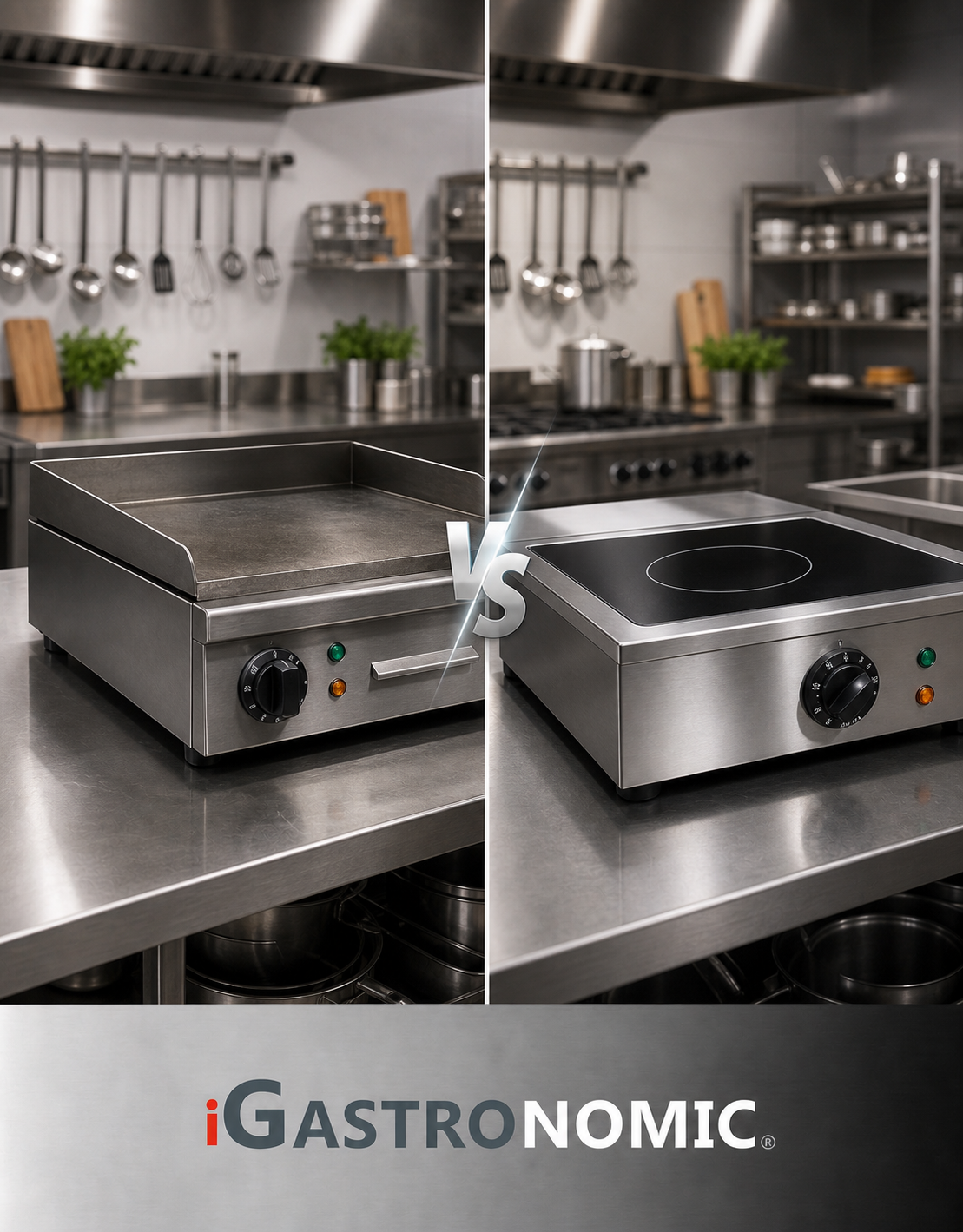 Fry Top vs Piastra Elettrica: Which One Should You Choose for Your Kitchen?
Choosing the right cooking appliance can transform your kitchen experience. Two popular options are the Fry Top and...Read more
Fry Top vs Piastra Elettrica: Which One Should You Choose for Your Kitchen?
Choosing the right cooking appliance can transform your kitchen experience. Two popular options are the Fry Top and...Read more -
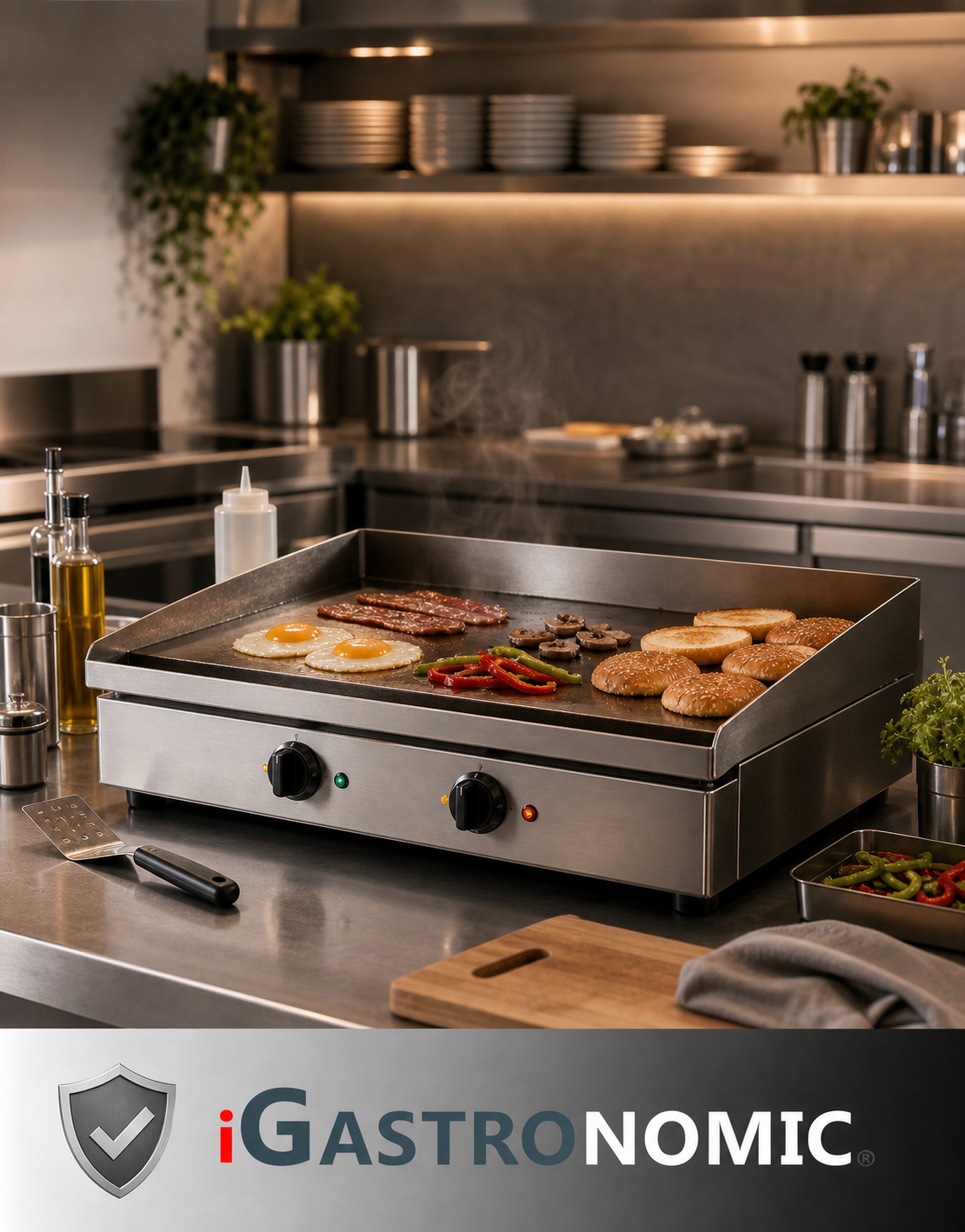 How to Use a Fry Top: A Complete Beginner's Guide
A fry top is a flat, smooth cooking surface that offers even heat distribution and a large area to cook multiple...Read more
How to Use a Fry Top: A Complete Beginner's Guide
A fry top is a flat, smooth cooking surface that offers even heat distribution and a large area to cook multiple...Read more -
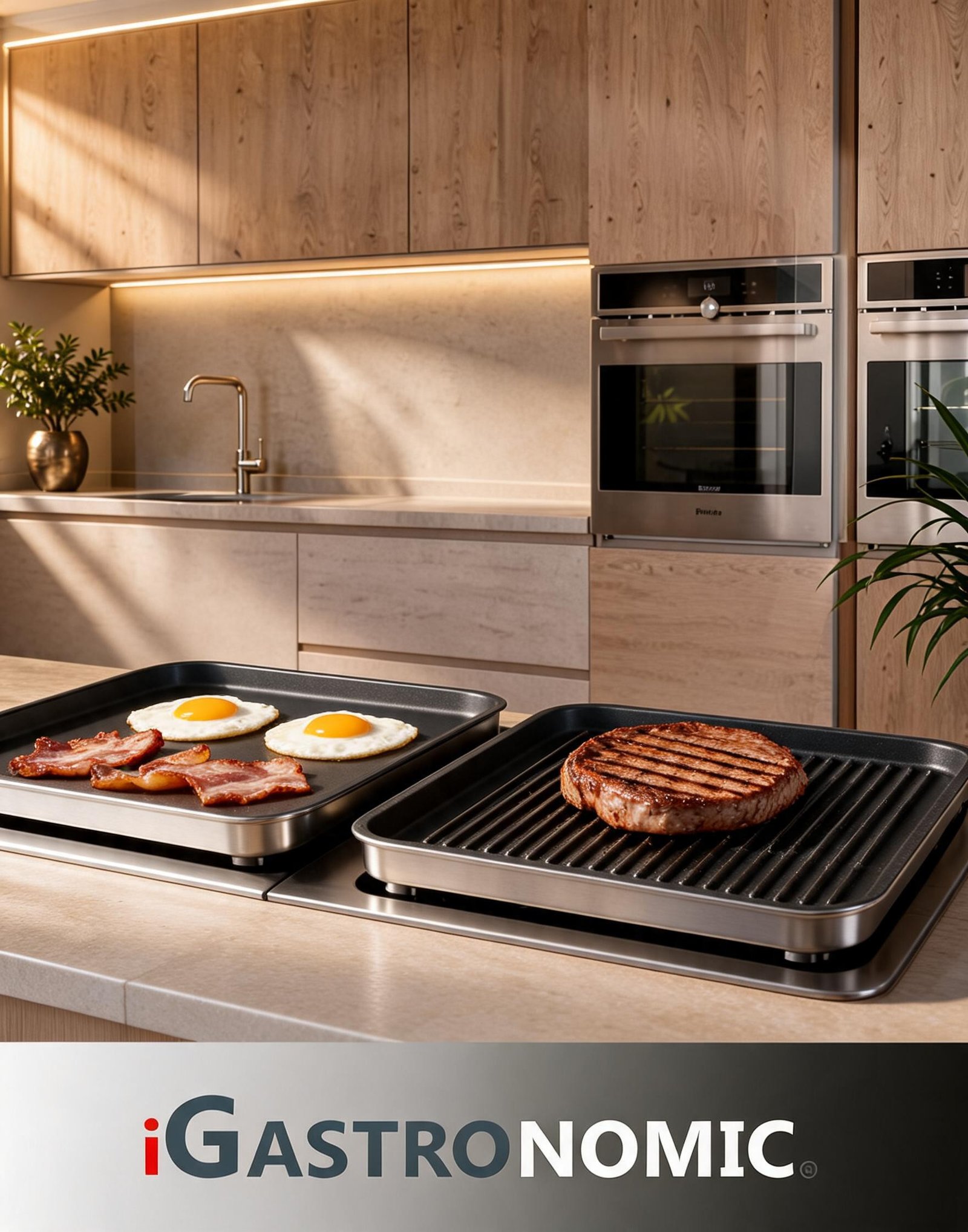 Fry Top Smooth or Ribbed? Which Is Better for Cooking?
Choosing between a smooth (liscio) and ribbed (rigato) fry top can significantly impact your cooking experience....Read more
Fry Top Smooth or Ribbed? Which Is Better for Cooking?
Choosing between a smooth (liscio) and ribbed (rigato) fry top can significantly impact your cooking experience....Read more -
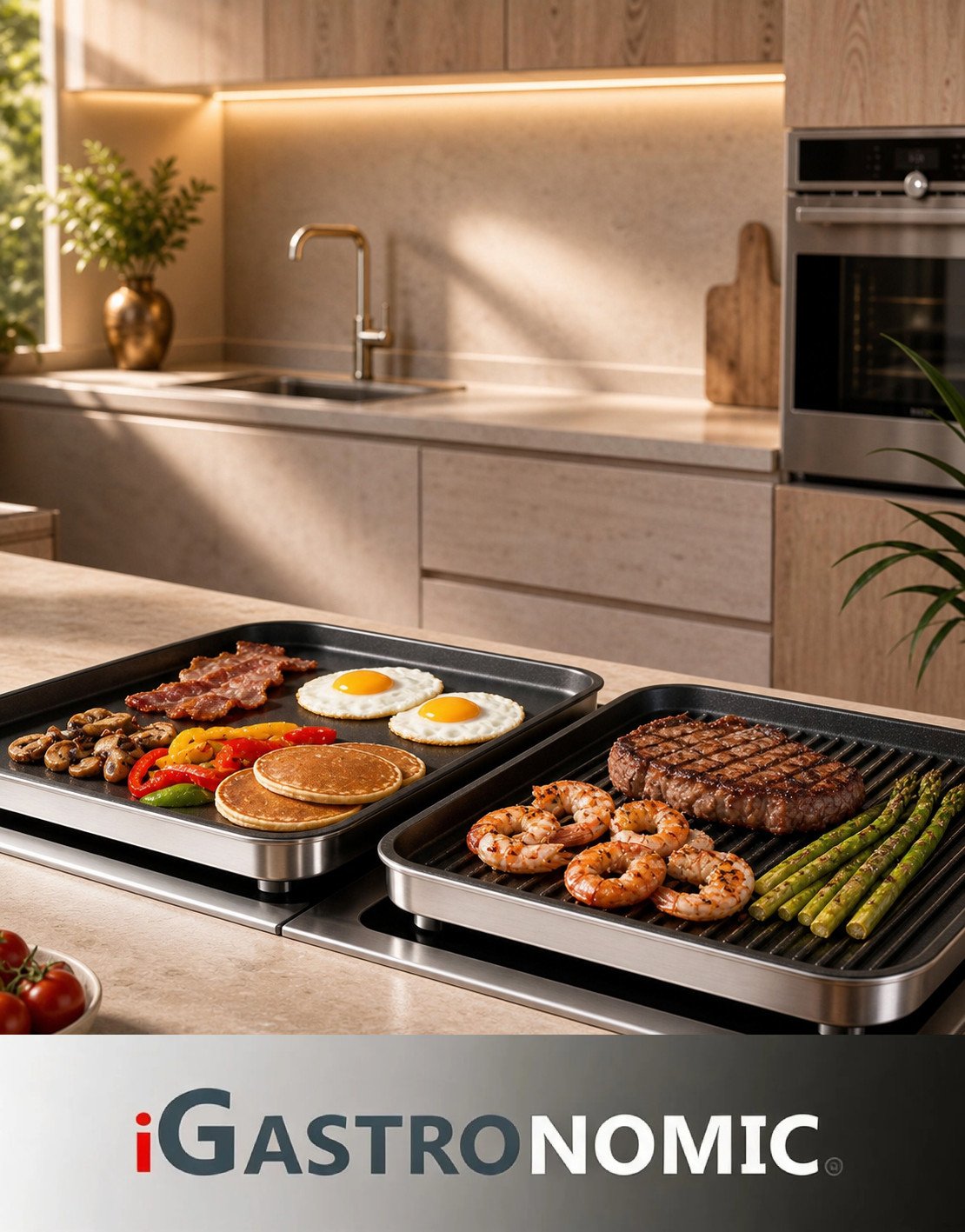 What Can You Cook on an Electric Fry Top? A Complete Guide
An electric fry top is a versatile kitchen appliance that offers a large, evenly heated cooking surface perfect for a...Read more
What Can You Cook on an Electric Fry Top? A Complete Guide
An electric fry top is a versatile kitchen appliance that offers a large, evenly heated cooking surface perfect for a...Read more -
 How Much Does It Cost to Operate a Fry Top? Energy Consumption and Expenses Explained
Operating a fry top involves various costs, primarily energy consumption and maintenance expenses. Whether you use a...Read more
How Much Does It Cost to Operate a Fry Top? Energy Consumption and Expenses Explained
Operating a fry top involves various costs, primarily energy consumption and maintenance expenses. Whether you use a...Read more
Leave a comment