
 Deutsch
 Türkçe
 Italiano

.jpg)
.jpg)
.jpg)
.jpg)
.jpg)
.jpg)
.jpg)
.jpg)
.jpg)
.jpg)

.jpg)

.jpg)
.jpg)
.jpg)
.jpg)
.jpg)
.jpg)
.jpg)
.jpg)
.jpg)
.jpg)



.jpg)
.jpg)
.jpg)
.jpg)
.jpg)
.jpg)
.jpg)
.jpg)
.jpg)



.jpg)
.jpg)

.jpg)
.jpg)
.jpg)
.jpg)


.jpg)

.png)
.jpg)
.jpg)
 (200 x 136 px) (5).png)
.png)

A fry top is a versatile flat cooking surface widely used in professional and home kitchens. To get the most out of...
-
 Cooking Appliances
add remove
Cooking Appliances
add remove -
-
Pizza & Grill
add remove
-
-
Refrigeration
add remove
-
-
Combi Steamer
add remove
-
-
Kitchen Appliances
add remove
-
-
Rinsing & Cleaning
add remove
-
-
Retail Refrigeration
add remove
-
-
Cafe & Ice Cream
add remove
-
-
Smart-Gastro
add remove
-
-
Event- & Cateringmöbel
-
Cooking Appliances
add remove
-
-
Pizza & Grill
add remove
-
-
Refrigeration
add remove
-
-
Combi Steamer
add remove
-
-
Kitchen Appliances
add remove
-
-
Rinsing & Cleaning
add remove
-
-
Retail Refrigeration
add remove
-
-
Cafe & Ice Cream
add remove
-
-
Smart-Gastro
add remove
-
-
Event- & Cateringmöbel


Call us:
+49 (0) 6135 7040 450Latest posts
-
 Cookware Compatible with Fry Top: Which Ones to Use?Read more
 -
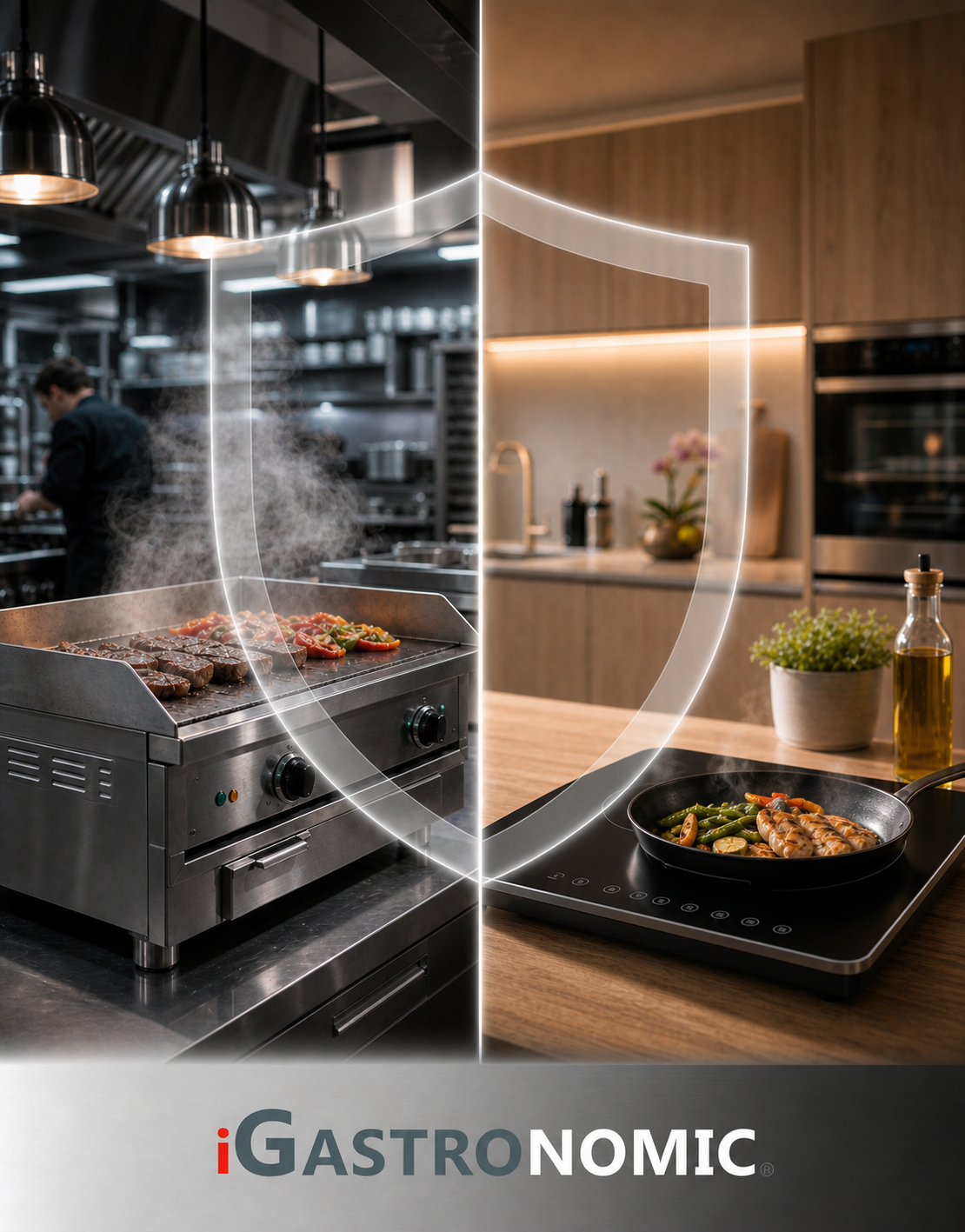 Fry Top or Induction Cooktop? Which Is the Best Choice?Read more
Choosing between a fry top and an induction cooktop can be challenging given their distinct features and advantages....
-
 How to Achieve Precise Temperatures on an Electric Fry TopRead more
Cooking on an electric fry top can be incredibly rewarding, but achieving precise temperature control is essential...
-
 Fry Top Professionale vs Domestico: Which One Should You Buy?Read more
Fry tops are versatile cooking surfaces popular in both professional and home kitchens. When deciding between a...
-
 Is the Fry Top Safe to Use in the Kitchen? Risks and PrecautionsRead more
The fry top, or flat top grill, is a popular cooking appliance known for its versatility and efficiency. But is it...
-
 Electric Griddles: How to Clean Them Easily?Read more
Electric griddles are versatile and convenient kitchen appliances, but cleaning them can sometimes feel overwhelming....
-
 How Much Does It Cost to Operate a Fry Top? Energy Consumption and Expenses ExplainedRead more
Operating a fry top involves various costs, primarily energy consumption and maintenance expenses. Whether you use a...
-
 Electric Fry Top vs Gas: Advantages and Disadvantages ComparedRead more
Choosing between an electric and gas fry top can be challenging. Electric fry tops offer precise temperature control,...
-
 What Can You Cook on an Electric Fry Top? A Complete GuideRead more
An electric fry top is a versatile kitchen appliance that offers a large, evenly heated cooking surface perfect for a...
-
 Fry Top Smooth or Ribbed? Which Is Better for Cooking?Read more
Choosing between a smooth (liscio) and ribbed (rigato) fry top can significantly impact your cooking experience....
Blog categories
Search in blog
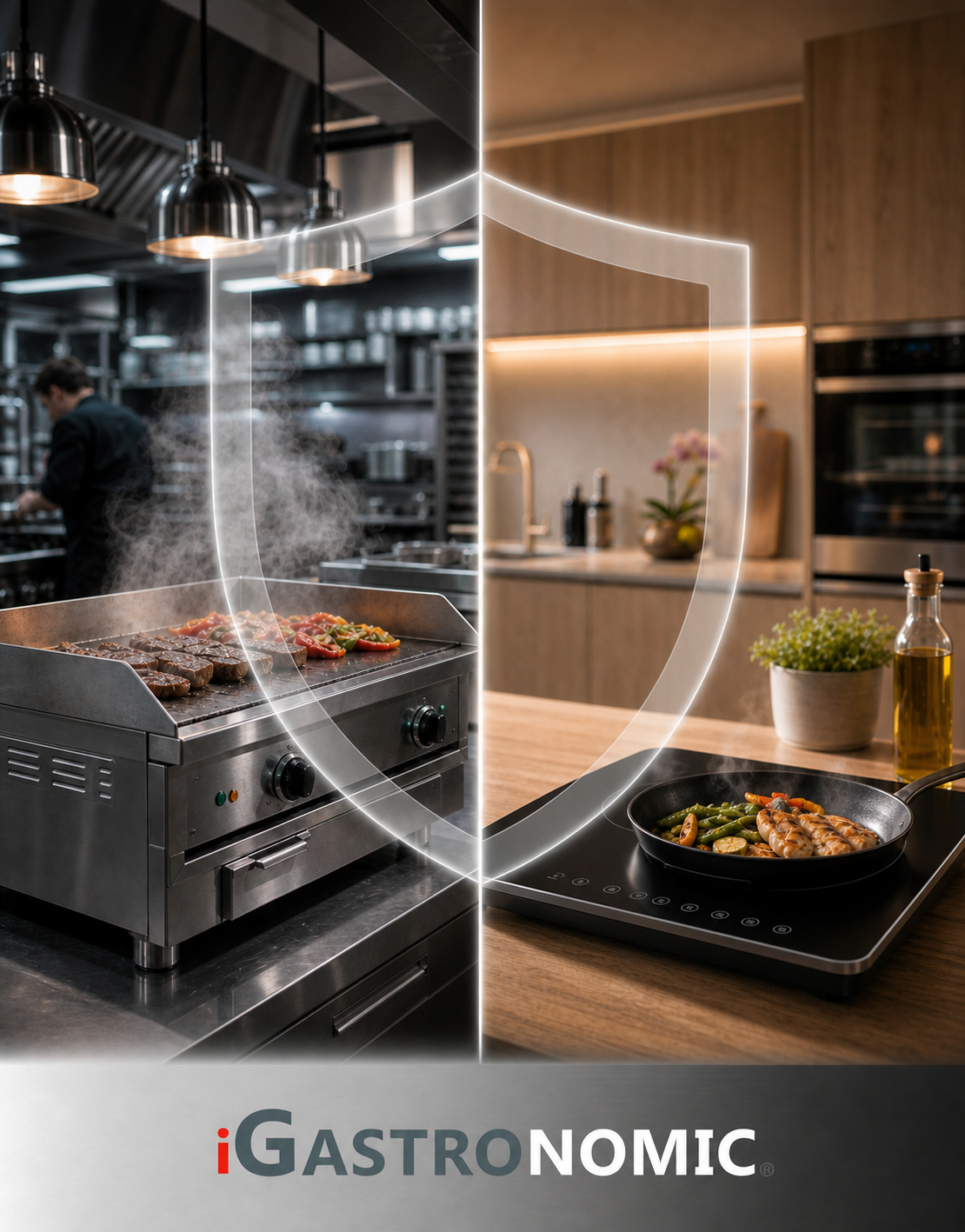
Fry Top or Induction Cooktop? Which Is the Best Choice?
Fry Top or Induction Cooktop? Which Is the Best Choice?
When it comes to modern cooking appliances, the kitchen market offers a wide range of options tailored to different cooking styles and preferences. Among the most popular choices are the fry top and the induction cooktop. Both have their unique features and advantages, but which one is the best for you? This comprehensive guide will walk you through everything you need to know about these two cooking surfaces, helping you make an informed decision for your kitchen.
What Is a Fry Top?
A fry top, also known as a griddle or flat-top grill, is a cooking surface made of cast iron or stainless steel that is heated from below. It provides a large, flat surface ideal for cooking a variety of foods such as pancakes, eggs, vegetables, meats, and seafood. Fry tops are common in professional kitchens but have also gained popularity in home kitchens for their versatility.
How Does a Fry Top Work?
The fry top is heated by gas burners or electric elements underneath the metal plate. The heat is transferred evenly across the surface, allowing for consistent cooking. Some fry tops come with temperature controls to adjust the heat according to the type of food being prepared.
Advantages of a Fry Top
- Versatility: You can cook multiple types of food simultaneously on different parts of the surface.
- Even Heat Distribution: The metal plate distributes heat uniformly, reducing hot spots.
- Large Cooking Surface: Ideal for cooking for several people at once.
- Durability: Made from robust materials that can last for years with proper care.
- Flavor: The flat surface allows for excellent searing and caramelization.
Disadvantages of a Fry Top
- Heating Time: It takes longer to heat up compared to induction cooktops.
- Cleaning: Can be more challenging to clean, especially if food sticks.
- Energy Efficiency: Generally less energy-efficient than induction cooktops.
- Space: Requires more counter space due to its size.
What Is an Induction Cooktop?
An induction cooktop is a modern cooking appliance that uses electromagnetic fields to directly heat pots and pans. Unlike traditional gas or electric cooktops, induction cooktops heat the cookware itself rather than the cooking surface, making them highly efficient and precise.
How Does an Induction Cooktop Work?
Induction cooktops contain copper coils beneath a smooth glass-ceramic surface. When powered on, these coils generate a magnetic field that induces heat directly in the ferrous metal of the cookware. This means the cooktop surface remains relatively cool, and heat is transferred quickly and efficiently to the food.
Advantages of an Induction Cooktop
- Energy Efficiency: Up to 90% of the energy is transferred directly to the cookware.
- Speed: Heats up much faster than gas or electric cooktops.
- Precision: Offers precise temperature control for delicate cooking.
- Safety: The surface remains cool to the touch, reducing burn risks.
- Easy to Clean: Smooth glass surface makes cleaning spills simple.
- Modern Design: Sleek and minimalist, fits well in contemporary kitchens.
Disadvantages of an Induction Cooktop
- Cookware Compatibility: Requires ferromagnetic pots and pans (e.g., cast iron, stainless steel).
- Cost: Typically more expensive upfront than traditional cooktops.
- Noise: Some units emit a humming or buzzing sound during operation.
- Power Requirements: May require special electrical installation.
Fry Top vs Induction Cooktop: A Detailed Comparison
| Feature | Fry Top | Induction Cooktop |
|---|---|---|
| Heating Method | Direct heat from gas or electric elements to metal plate | Electromagnetic induction heating cookware directly |
| Heat Distribution | Even across the large flat surface | Highly precise and fast heating zones |
| Energy Efficiency | Moderate to low | High (up to 90%) |
| Speed | Slower to heat up | Very fast heating |
| Cooking Surface | Large flat metal plate | Glass-ceramic smooth surface |
| Cookware Compatibility | Any cookware can be used | Only ferromagnetic cookware |
| Cleaning | Can be labor-intensive | Easy to clean |
| Safety | Hot surface, risk of burns | Cool surface, safer to touch |
| Price | Generally affordable | Higher initial investment |
| Maintenance | Requires regular seasoning (if cast iron) | Minimal maintenance |
Which One Should You Choose?
The choice between a fry top and an induction cooktop depends largely on your cooking habits, kitchen space, budget, and personal preferences. Here are some scenarios to help you decide:
Choose a Fry Top If:
- You love cooking multiple dishes at once and need a large surface.
- You enjoy traditional cooking methods and searing food directly on metal.
- You want a durable, long-lasting appliance that can handle heavy use.
- You don’t mind spending extra time on cleaning and maintenance.
- Your kitchen setup supports gas or electric heating elements for the fry top.
Choose an Induction Cooktop If:
- You prioritize energy efficiency and fast cooking times.
- You want precise temperature control for delicate recipes.
- You prefer a sleek, modern kitchen design.
- You want a safer cooking surface, especially if you have children.
- You want easy cleaning and minimal maintenance.
- You already have or are willing to invest in compatible cookware.
Additional Considerations
Space and Installation
Fry tops are generally larger and require more counter space, which might not be ideal for small kitchens. Induction cooktops are slim and can be installed flush with your countertop, saving space and providing a seamless look.
Environmental Impact
Induction cooktops are more energy-efficient and environmentally friendly compared to fry tops, especially those powered by gas. If reducing your carbon footprint is important, induction may be the better choice.
Cost Over Time
While induction cooktops have a higher upfront cost, their energy efficiency can lead to savings on your electricity bill over time. Fry tops may be cheaper initially but could cost more in energy consumption and maintenance.
Tips for Using a Fry Top
- Season your fry top regularly if it is made of cast iron to prevent rust and create a non-stick surface.
- Use a scraper or spatula to clean off food residues after each use.
- Preheat the fry top properly to ensure even cooking.
- Use oils with high smoke points to avoid burning.
Tips for Using an Induction Cooktop
- Check your cookware for induction compatibility before purchase.
- Use flat-bottomed pots and pans for better contact and efficiency.
- Keep the cooktop surface clean to avoid scratches and maintain performance.
- Be mindful of the noise some induction cooktops produce and choose models known for quiet operation if this is a concern.
Conclusion
Both fry tops and induction cooktops have their place in the modern kitchen. If you value versatility, a traditional cooking experience, and a large cooking surface, a fry top might be the best option for you. On the other hand, if you prioritize speed, energy efficiency, safety, and ease of cleaning, an induction cooktop is likely the better choice.
Ultimately, the decision comes down to your specific needs, cooking style, and kitchen setup. Consider the pros and cons outlined above, and choose the appliance that will make your cooking experience enjoyable and efficient.
Happy cooking!
Related posts
-
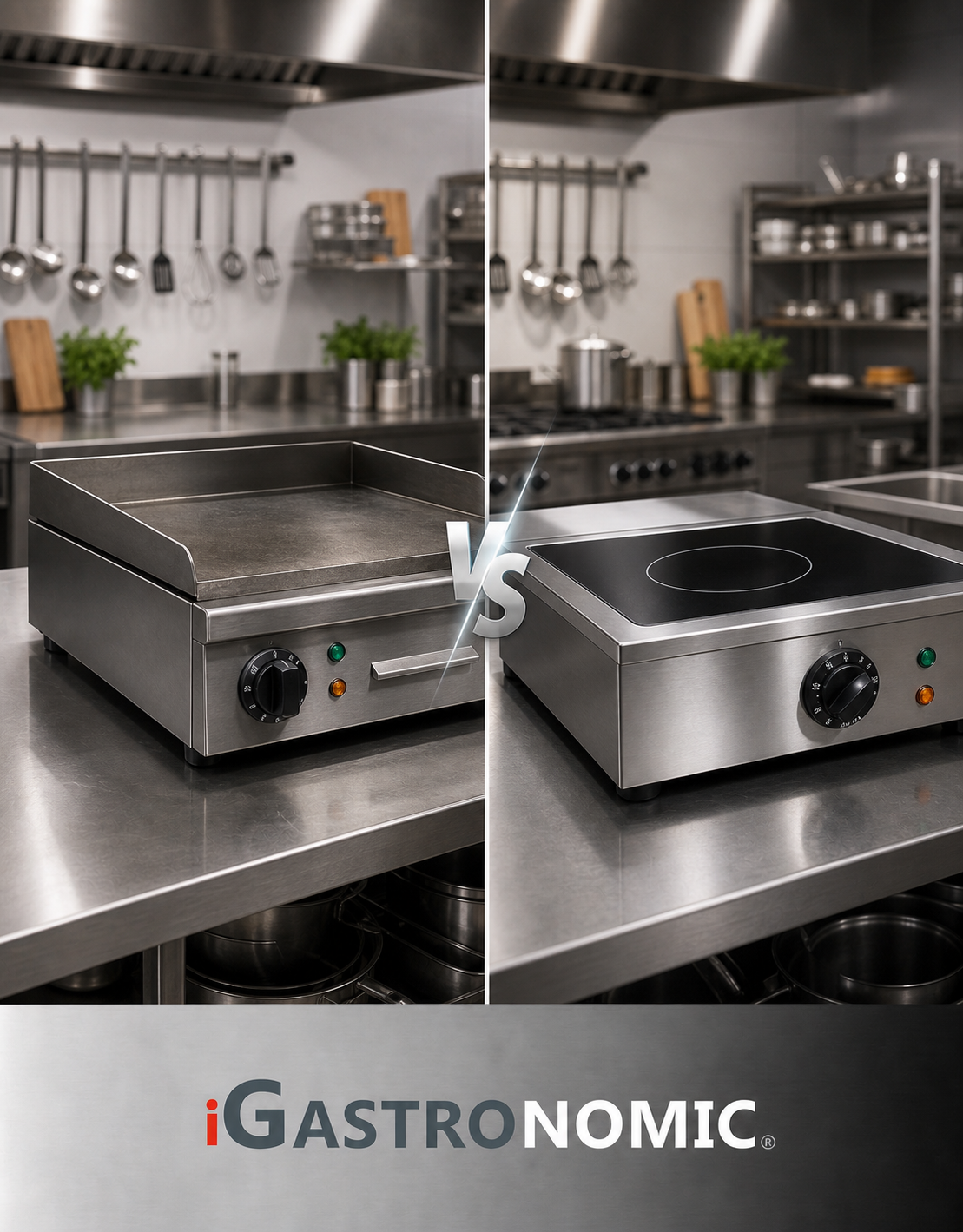 Fry Top vs Piastra Elettrica: Which One Should You Choose for Your Kitchen?
Choosing the right cooking appliance can transform your kitchen experience. Two popular options are the Fry Top and...Read more
Fry Top vs Piastra Elettrica: Which One Should You Choose for Your Kitchen?
Choosing the right cooking appliance can transform your kitchen experience. Two popular options are the Fry Top and...Read more -
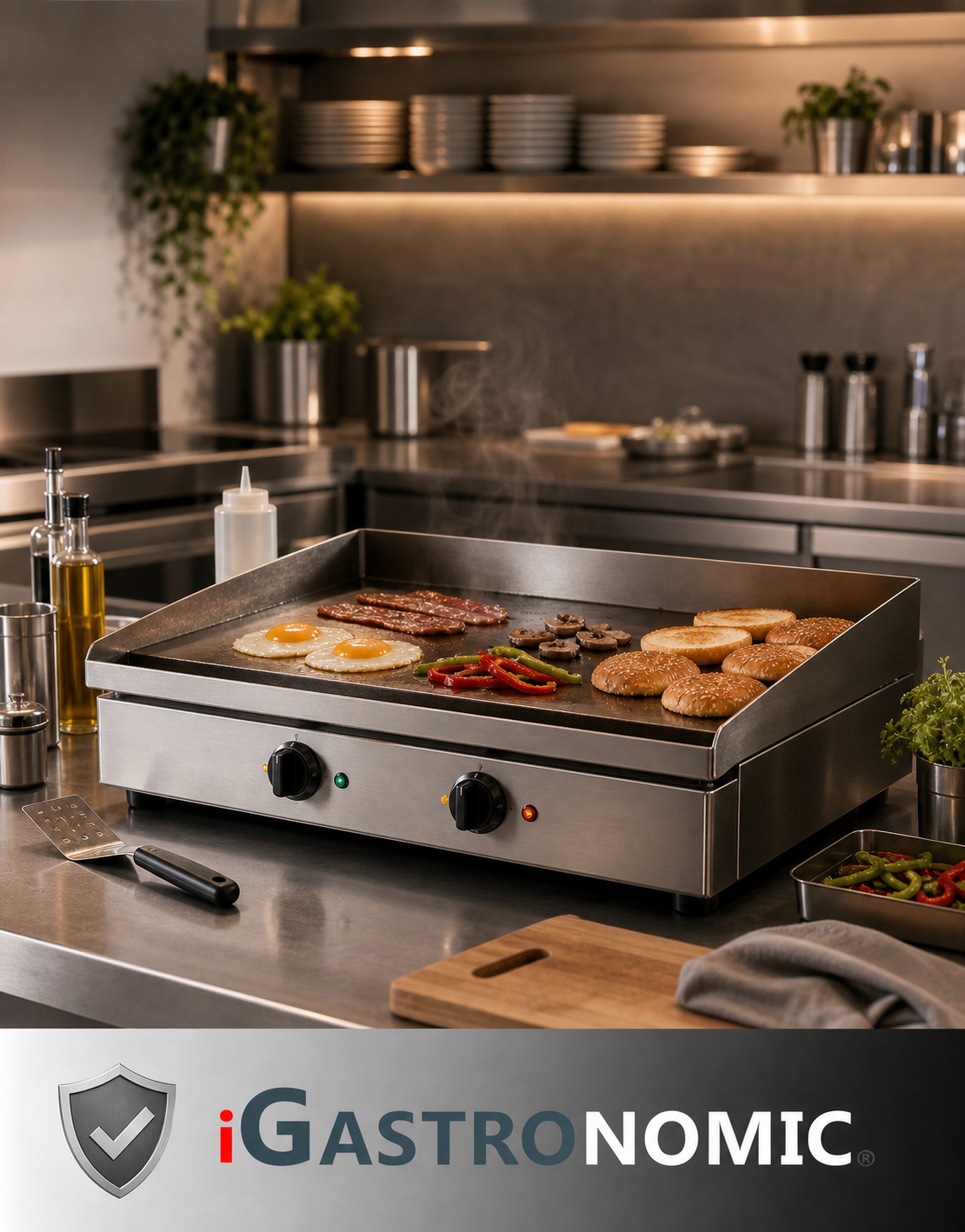 How to Use a Fry Top: A Complete Beginner's Guide
A fry top is a flat, smooth cooking surface that offers even heat distribution and a large area to cook multiple...Read more
How to Use a Fry Top: A Complete Beginner's Guide
A fry top is a flat, smooth cooking surface that offers even heat distribution and a large area to cook multiple...Read more -
Fry Top Smooth or Ribbed? Which Is Better for Cooking?
Choosing between a smooth (liscio) and ribbed (rigato) fry top can significantly impact your cooking experience....Read more
-
What Can You Cook on an Electric Fry Top? A Complete Guide
An electric fry top is a versatile kitchen appliance that offers a large, evenly heated cooking surface perfect for a...Read more
-
Electric Fry Top vs Gas: Advantages and Disadvantages Compared
Choosing between an electric and gas fry top can be challenging. Electric fry tops offer precise temperature control,...Read more
Leave a comment