
 Deutsch
 Türkçe
 Italiano

.jpg)
.jpg)
.jpg)
.jpg)
.jpg)
.jpg)
.jpg)
.jpg)
.jpg)
.jpg)

.jpg)

.jpg)
.jpg)
.jpg)
.jpg)
.jpg)
.jpg)
.jpg)
.jpg)
.jpg)
.jpg)



.jpg)
.jpg)
.jpg)
.jpg)
.jpg)
.jpg)
.jpg)
.jpg)
.jpg)


.jpg)
.jpg)

.jpg)
.jpg)
.jpg)
.jpg)


.jpg)

.png)
.jpg)
.jpg)
 (200 x 136 px) (5).png)
.png)

Electric fry tops are versatile and efficient kitchen appliances, but they can be prone to scratches during use....
-
 Cooking Appliances
add remove
Cooking Appliances
add remove -
-
Pizza & Grill
add remove
-
-
Refrigeration
add remove
-
-
Combi Steamer
add remove
-
-
Kitchen Appliances
add remove
-
-
Rinsing & Cleaning
add remove
-
-
Retail Refrigeration
add remove
-
-
Cafe & Ice Cream
add remove
-
-
Smart-Gastro
add remove
-
-
Event- & Cateringmöbel
-
Cooking Appliances
add remove
-
-
Pizza & Grill
add remove
-
-
Refrigeration
add remove
-
-
Combi Steamer
add remove
-
-
Kitchen Appliances
add remove
-
-
Rinsing & Cleaning
add remove
-
-
Retail Refrigeration
add remove
-
-
Cafe & Ice Cream
add remove
-
-
Smart-Gastro
add remove
-
-
Event- & Cateringmöbel


Call us:
+49 (0) 6135 7040 450Latest posts
-
 How to Prevent Scratches on Your Electric Fry Top During UseRead more
 -
 Are Contact Electric Plates Really That Slow? Debunking the MythsRead more
Contact electric plates, known as "piastre elettriche a contatto," are a common type of electric cooktop where the...
-
 Does a Fry Top Consume a Lot of Energy? Tips to Save PowerRead more
Wondering if your fry top consumes a lot of energy? A fry top, or griddle, is a popular cooking appliance known for...
-
 Cookware Compatible with Fry Top: Which Ones to Use?Read more
A fry top is a versatile flat cooking surface widely used in professional and home kitchens. To get the most out of...
-
 Fry Top or Induction Cooktop? Which Is the Best Choice?Read more
Choosing between a fry top and an induction cooktop can be challenging given their distinct features and advantages....
-
 How to Achieve Precise Temperatures on an Electric Fry TopRead more
Cooking on an electric fry top can be incredibly rewarding, but achieving precise temperature control is essential...
-
 Fry Top Professionale vs Domestico: Which One Should You Buy?Read more
Fry tops are versatile cooking surfaces popular in both professional and home kitchens. When deciding between a...
-
 Is the Fry Top Safe to Use in the Kitchen? Risks and PrecautionsRead more
The fry top, or flat top grill, is a popular cooking appliance known for its versatility and efficiency. But is it...
-
 Electric Griddles: How to Clean Them Easily?Read more
Electric griddles are versatile and convenient kitchen appliances, but cleaning them can sometimes feel overwhelming....
-
 How Much Does It Cost to Operate a Fry Top? Energy Consumption and Expenses ExplainedRead more
Operating a fry top involves various costs, primarily energy consumption and maintenance expenses. Whether you use a...
Blog categories
Search in blog
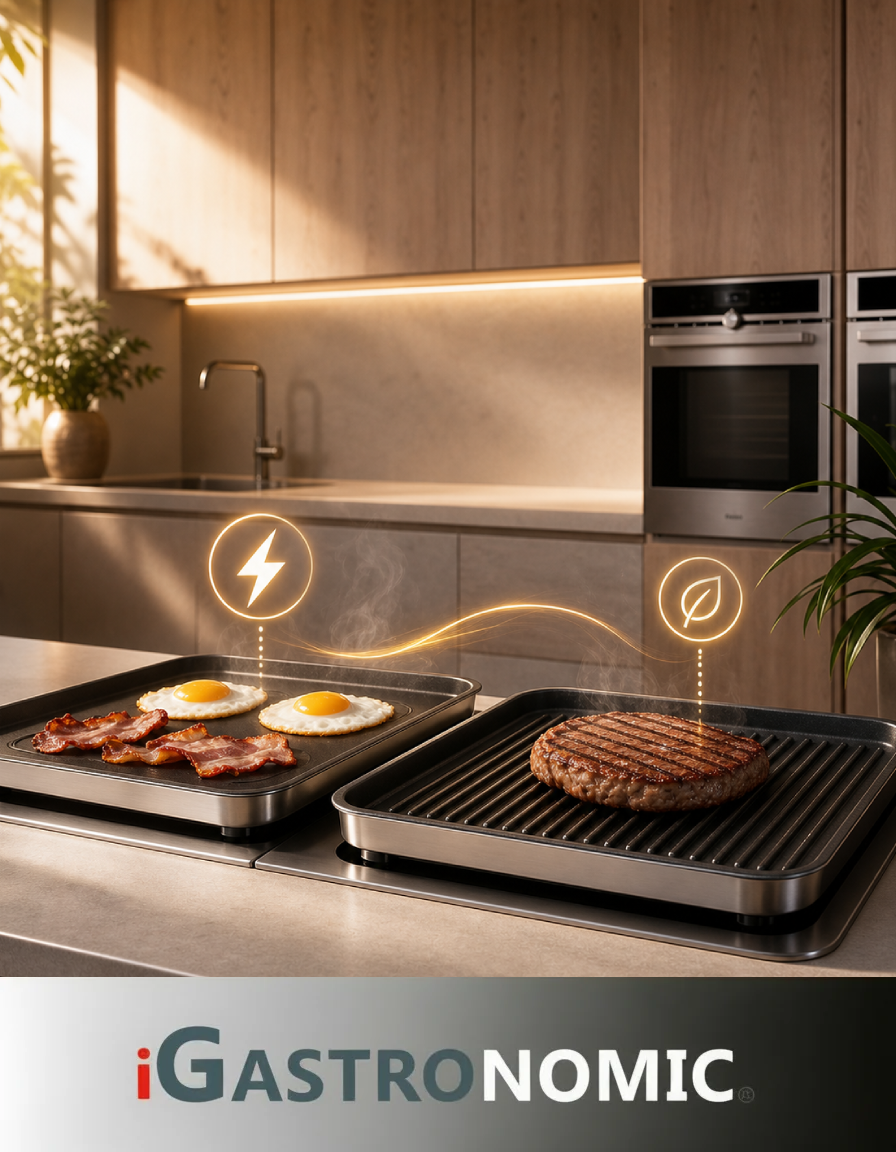
Does a Fry Top Consume a Lot of Energy? Tips to Save Power
Does a Fry Top Consume a Lot of Energy? Tips to Save Power
If you love cooking and often find yourself using a fry top, you may have wondered: does a fry top consume a lot of energy? Understanding the energy consumption of your kitchen appliances is essential not only for saving on your electricity bills but also for reducing your environmental footprint. In this comprehensive guide, we’ll explore how much energy a fry top uses, factors that affect its consumption, and practical tips to make your cooking more energy-efficient.
What Is a Fry Top?
A fry top, also known as a griddle or plancha, is a flat cooking surface typically made of cast iron, stainless steel, or other metals. It is heated from below and used for frying, grilling, or cooking various foods like pancakes, meats, vegetables, and seafood. Fry tops are popular in both professional kitchens and home settings due to their versatility and quick cooking times.
How Much Energy Does a Fry Top Consume?
The energy consumption of a fry top depends on several factors including its size, heating method (electric or gas), temperature settings, and duration of use. Let's break down these factors:
1. Power Rating
Electric fry tops typically have power ratings ranging from 1000 watts (1 kW) to 3000 watts (3 kW) or more. Gas fry tops consume energy measured in BTUs (British Thermal Units), but for simplicity, we’ll focus on electric fry tops here.
For example, a 2000-watt fry top running for one hour consumes 2 kWh (kilowatt-hours) of electricity. This is roughly equivalent to the energy used by a typical electric kettle boiling water twice.
2. Duration of Use
The longer you use the fry top, the more energy it consumes. However, the actual energy consumption might be less than the theoretical maximum because the heating element cycles on and off to maintain the set temperature.
3. Temperature Settings
Higher temperatures require more energy. Cooking at medium heat rather than maximum heat can reduce energy consumption significantly without compromising cooking quality.
4. Size of the Fry Top
Larger fry tops consume more energy because they have a bigger surface area to heat. If you only need to cook small portions, using a smaller fry top or a smaller cooking zone can save energy.
Comparing Energy Consumption: Fry Top vs Other Appliances
Is a fry top more energy-consuming than other kitchen appliances? Here’s a quick comparison:
- Electric Oven: Typically 2000-5000 watts, but used for longer periods.
- Microwave: About 600-1200 watts, used for short bursts.
- Electric Stove Burner: Around 1000-3000 watts, similar to a fry top.
- Air Fryer: 1500-1800 watts, cooks faster and more efficiently.
The fry top’s energy consumption is comparable to electric stove burners but can be more efficient if used correctly due to its even heat distribution and quick heating.
Is Using a Fry Top Energy Efficient?
Yes, a fry top can be energy efficient if used wisely. Its flat surface allows for even heat distribution, which means food cooks faster and more evenly. This reduces cooking time and energy use. Additionally, some modern fry tops come with insulated bases and thermostatic controls that optimize energy consumption.
Tips to Save Energy When Using a Fry Top
Here are practical tips to help you minimize energy consumption while cooking with a fry top:
1. Preheat Only as Needed
Preheating is necessary, but avoid excessive preheating time. Once the fry top reaches the desired temperature, start cooking immediately to avoid wasting energy.
2. Use the Right Size Fry Top
If you usually cook small meals, consider using a smaller fry top or a cooking zone that fits your food size. Heating a large surface unnecessarily wastes energy.
3. Cook Multiple Items Together
Take advantage of the large surface by cooking multiple items simultaneously. This maximizes the energy used for heating and reduces overall cooking time.
4. Use a Lid or Cover
Covering food while cooking traps heat and moisture, speeding up cooking and reducing energy consumption.
5. Maintain Optimal Temperature
Avoid cooking at the highest temperature unless necessary. Medium heat is often sufficient and more energy-efficient.
6. Clean the Fry Top Regularly
Residue and grease buildup can reduce heat transfer efficiency. Keeping the surface clean ensures even heating and reduces cooking time.
7. Turn Off Early and Use Residual Heat
Turn off the fry top a few minutes before finishing cooking and let the residual heat complete the process. This saves energy without affecting the food quality.
8. Choose Energy-Efficient Models
If you’re buying a new fry top, look for models with energy-saving features such as thermostats, insulated bases, and rapid heating elements.
Environmental Benefits of Saving Energy in the Kitchen
Reducing energy consumption in your kitchen not only lowers your bills but also helps reduce greenhouse gas emissions. Cooking appliances contribute significantly to household energy use, so efficient use of fry tops and other devices supports a more sustainable lifestyle.
Additional Energy-Saving Kitchen Tips
- Use Microwave or Pressure Cookers: For some dishes, these appliances use less energy and cook faster.
- Batch Cooking: Prepare multiple meals at once to reduce the number of times you use the fry top or oven.
- Use Residual Heat: Turn off appliances a few minutes before the end of cooking and let the heat finish the process.
- Energy-Efficient Lighting: Use LED lights in your kitchen to reduce overall energy consumption.
Summary
So, does a fry top consume a lot of energy? It depends. While fry tops can have high power ratings, their efficient heat distribution and quick cooking times often make them comparable or even more energy-efficient than other cooking appliances. By adopting smart cooking habits and choosing the right equipment, you can enjoy delicious meals while saving energy and reducing your environmental impact.
Remember to preheat only as necessary, use the right size fry top, cook multiple items together, maintain optimal temperatures, and keep your appliance clean. These simple steps will help you get the most out of your fry top without worrying about excessive energy consumption.
Happy and energy-efficient cooking!
Related posts
-
 Fry Top vs Piastra Elettrica: Which One Should You Choose for Your Kitchen?
Choosing the right cooking appliance can transform your kitchen experience. Two popular options are the Fry Top and...Read more
Fry Top vs Piastra Elettrica: Which One Should You Choose for Your Kitchen?
Choosing the right cooking appliance can transform your kitchen experience. Two popular options are the Fry Top and...Read more -
 How to Use a Fry Top: A Complete Beginner's Guide
A fry top is a flat, smooth cooking surface that offers even heat distribution and a large area to cook multiple...Read more
How to Use a Fry Top: A Complete Beginner's Guide
A fry top is a flat, smooth cooking surface that offers even heat distribution and a large area to cook multiple...Read more -
 Fry Top Smooth or Ribbed? Which Is Better for Cooking?
Choosing between a smooth (liscio) and ribbed (rigato) fry top can significantly impact your cooking experience....Read more
Fry Top Smooth or Ribbed? Which Is Better for Cooking?
Choosing between a smooth (liscio) and ribbed (rigato) fry top can significantly impact your cooking experience....Read more -
 What Can You Cook on an Electric Fry Top? A Complete Guide
An electric fry top is a versatile kitchen appliance that offers a large, evenly heated cooking surface perfect for a...Read more
What Can You Cook on an Electric Fry Top? A Complete Guide
An electric fry top is a versatile kitchen appliance that offers a large, evenly heated cooking surface perfect for a...Read more -
 Electric Fry Top vs Gas: Advantages and Disadvantages Compared
Choosing between an electric and gas fry top can be challenging. Electric fry tops offer precise temperature control,...Read more
Electric Fry Top vs Gas: Advantages and Disadvantages Compared
Choosing between an electric and gas fry top can be challenging. Electric fry tops offer precise temperature control,...Read more
Leave a comment