
 Deutsch
 Türkçe
 Italiano

.jpg)
.jpg)
.jpg)
.jpg)
.jpg)
.jpg)
.jpg)
.jpg)
.jpg)
.jpg)

.jpg)

.jpg)
.jpg)
.jpg)
.jpg)
.jpg)
.jpg)
.jpg)
.jpg)
.jpg)
.jpg)



.jpg)
.jpg)
.jpg)
.jpg)
.jpg)
.jpg)
.jpg)
.jpg)
.jpg)



.jpg)
.jpg)

.jpg)
.jpg)
.jpg)
.jpg)


.jpg)

.png)
.jpg)
.jpg)
 (200 x 136 px) (5).png)
.png)

A fry top is a versatile flat cooking surface widely used in professional and home kitchens. To get the most out of...
-
 Cooking Appliances
add remove
Cooking Appliances
add remove -
-
Pizza & Grill
add remove
-
-
Refrigeration
add remove
-
-
Combi Steamer
add remove
-
-
Kitchen Appliances
add remove
-
-
Rinsing & Cleaning
add remove
-
-
Retail Refrigeration
add remove
-
-
Cafe & Ice Cream
add remove
-
-
Smart-Gastro
add remove
-
-
Event- & Cateringmöbel
-
Cooking Appliances
add remove
-
-
Pizza & Grill
add remove
-
-
Refrigeration
add remove
-
-
Combi Steamer
add remove
-
-
Kitchen Appliances
add remove
-
-
Rinsing & Cleaning
add remove
-
-
Retail Refrigeration
add remove
-
-
Cafe & Ice Cream
add remove
-
-
Smart-Gastro
add remove
-
-
Event- & Cateringmöbel


Call us:
+49 (0) 6135 7040 450Latest posts
-
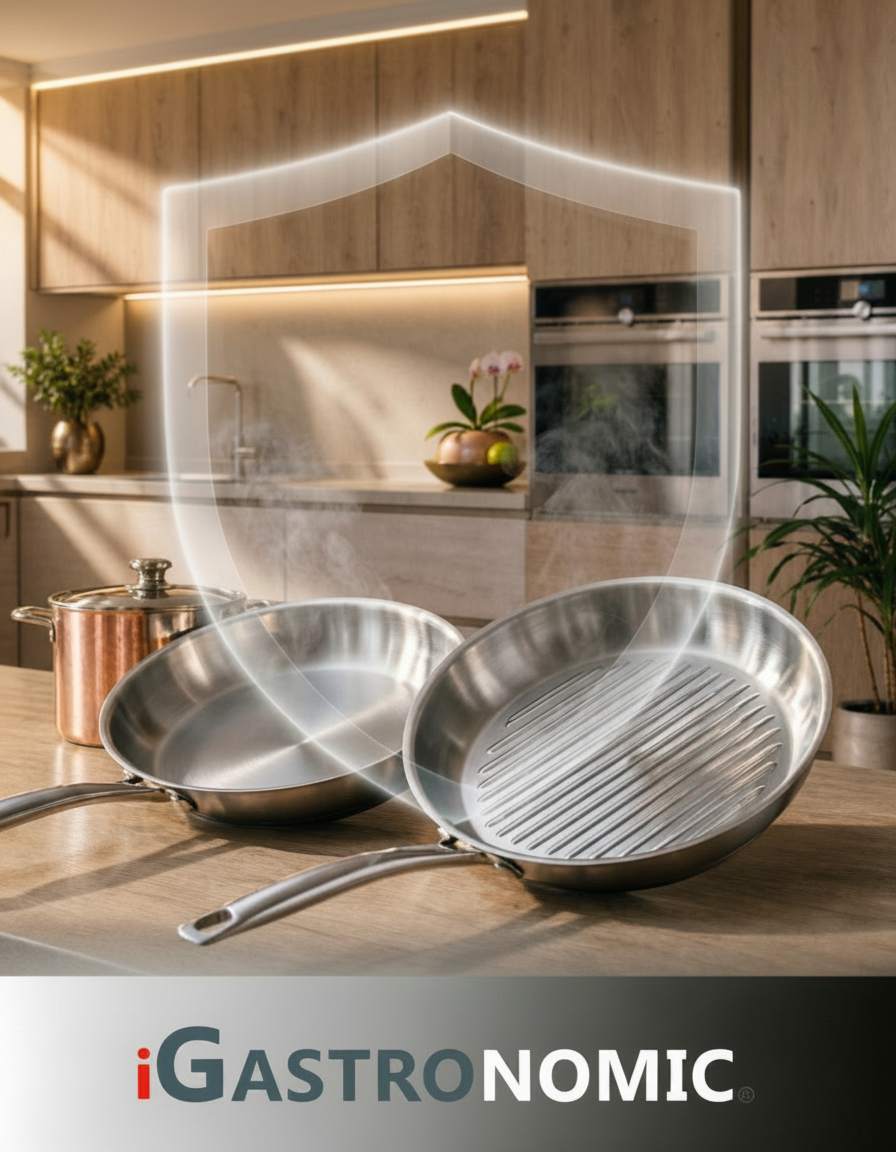 Cookware Compatible with Fry Top: Which Ones to Use?Read more
 -
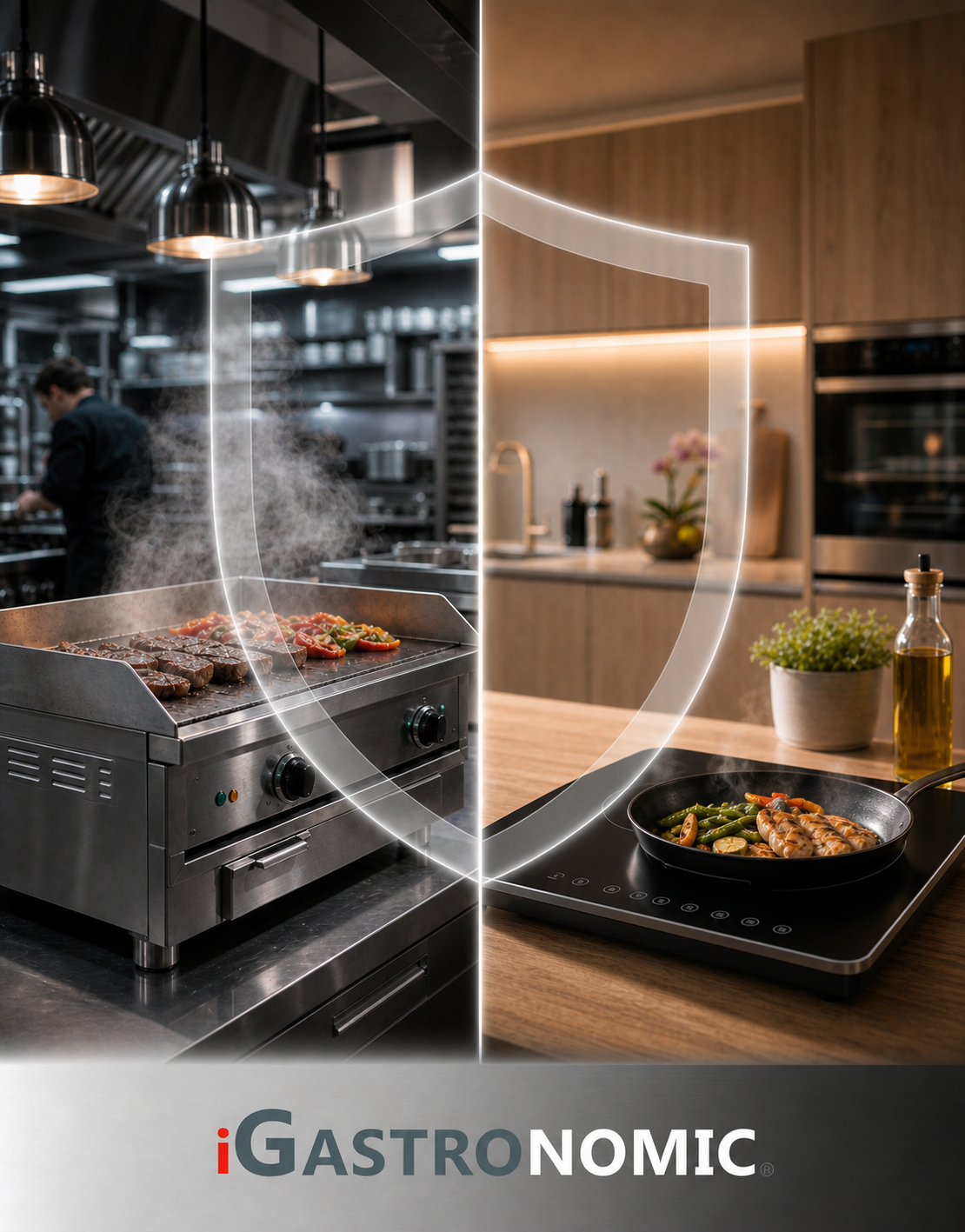 Fry Top or Induction Cooktop? Which Is the Best Choice?Read more
Choosing between a fry top and an induction cooktop can be challenging given their distinct features and advantages....
-
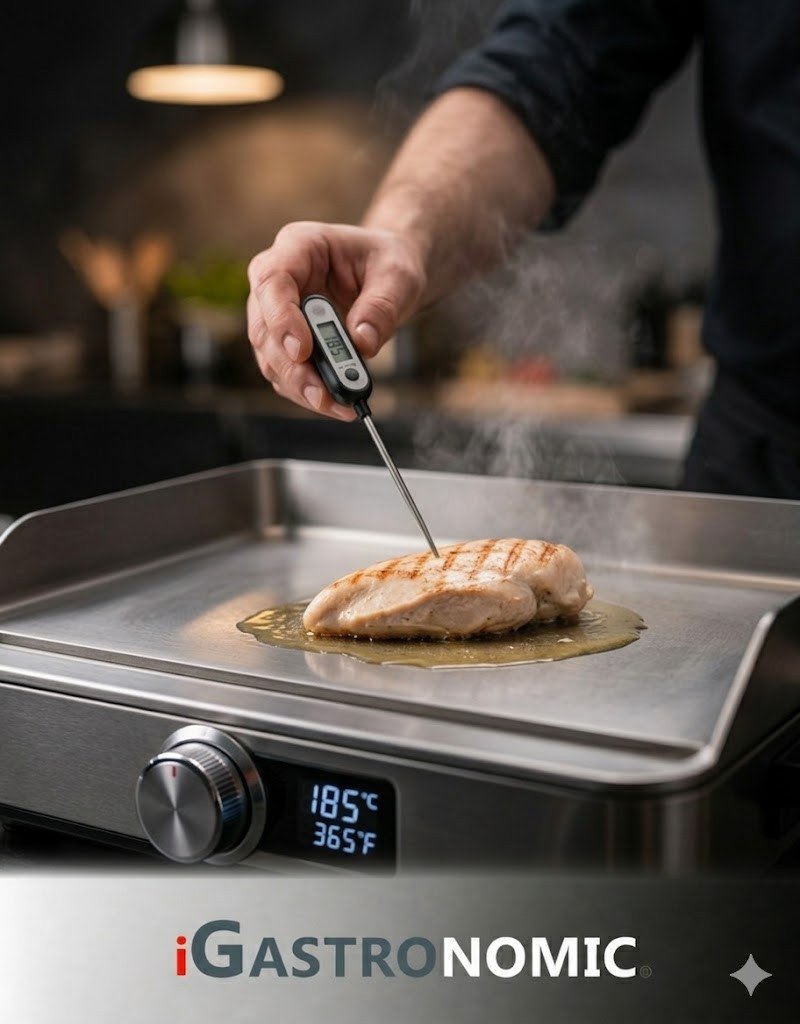 How to Achieve Precise Temperatures on an Electric Fry TopRead more
Cooking on an electric fry top can be incredibly rewarding, but achieving precise temperature control is essential...
-
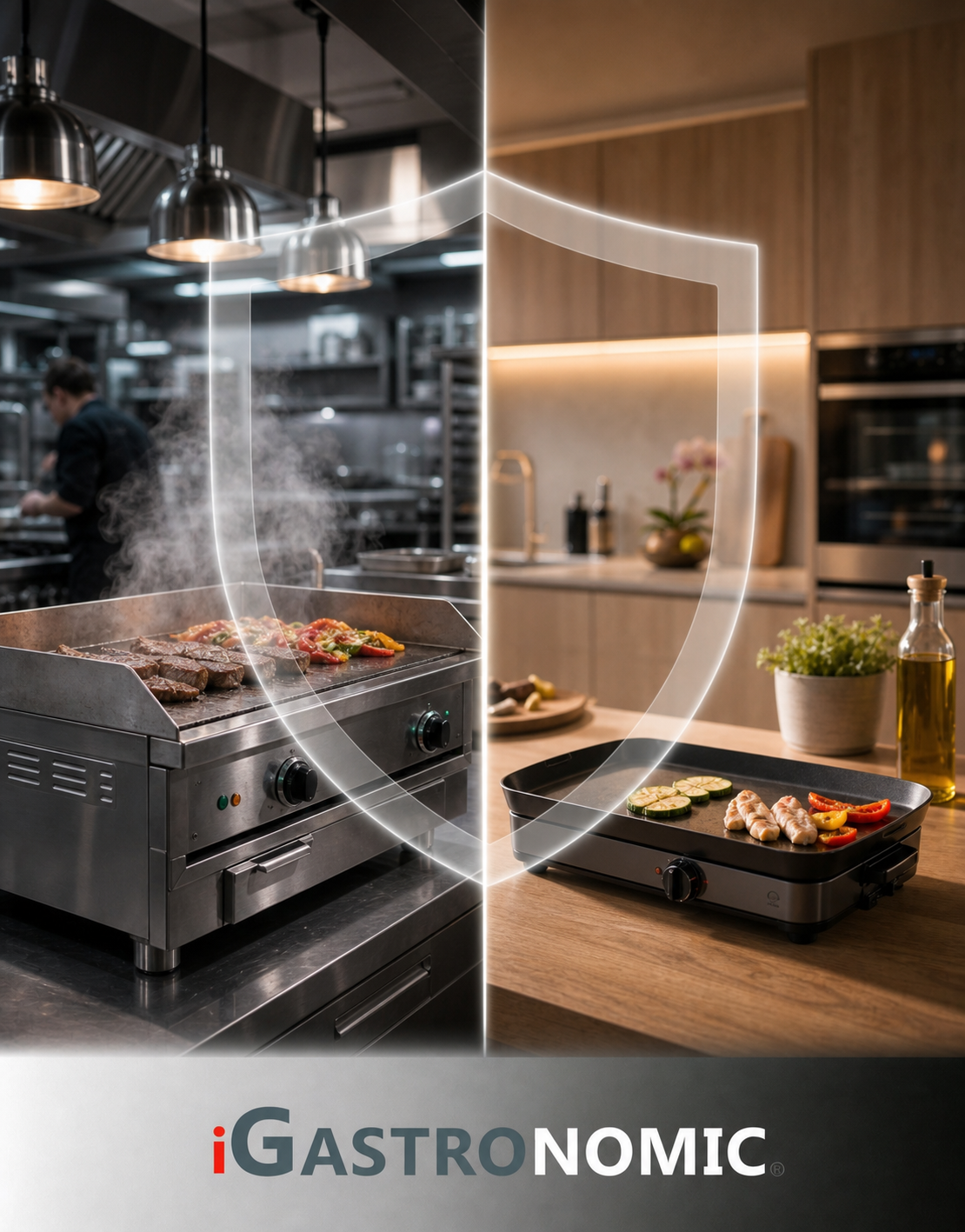 Fry Top Professionale vs Domestico: Which One Should You Buy?Read more
Fry tops are versatile cooking surfaces popular in both professional and home kitchens. When deciding between a...
-
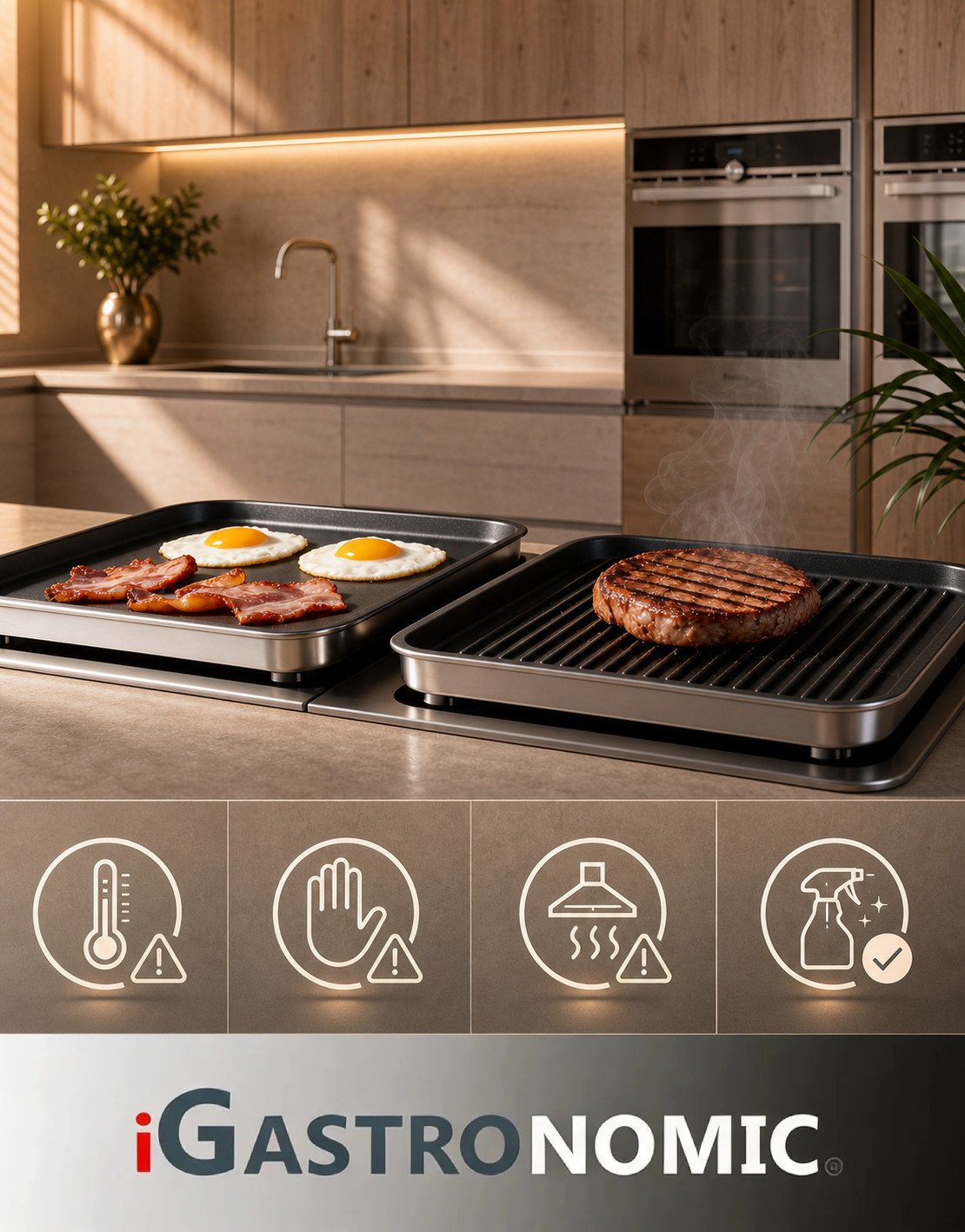 Is the Fry Top Safe to Use in the Kitchen? Risks and PrecautionsRead more
The fry top, or flat top grill, is a popular cooking appliance known for its versatility and efficiency. But is it...
-
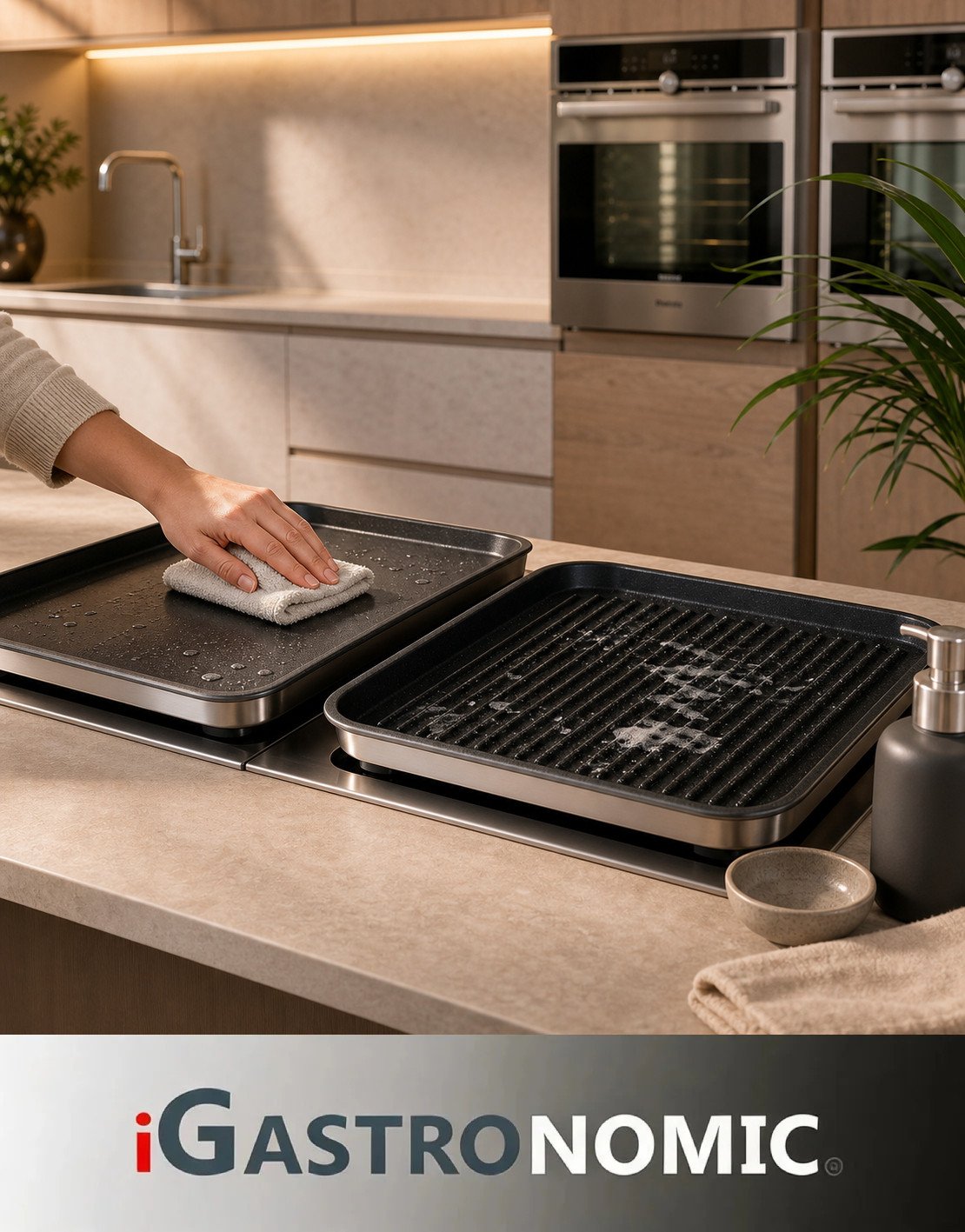 Electric Griddles: How to Clean Them Easily?Read more
Electric griddles are versatile and convenient kitchen appliances, but cleaning them can sometimes feel overwhelming....
-
 How Much Does It Cost to Operate a Fry Top? Energy Consumption and Expenses ExplainedRead more
Operating a fry top involves various costs, primarily energy consumption and maintenance expenses. Whether you use a...
-
 Electric Fry Top vs Gas: Advantages and Disadvantages ComparedRead more
Choosing between an electric and gas fry top can be challenging. Electric fry tops offer precise temperature control,...
-
 What Can You Cook on an Electric Fry Top? A Complete GuideRead more
An electric fry top is a versatile kitchen appliance that offers a large, evenly heated cooking surface perfect for a...
-
 Fry Top Smooth or Ribbed? Which Is Better for Cooking?Read more
Choosing between a smooth (liscio) and ribbed (rigato) fry top can significantly impact your cooking experience....
Blog categories
Search in blog
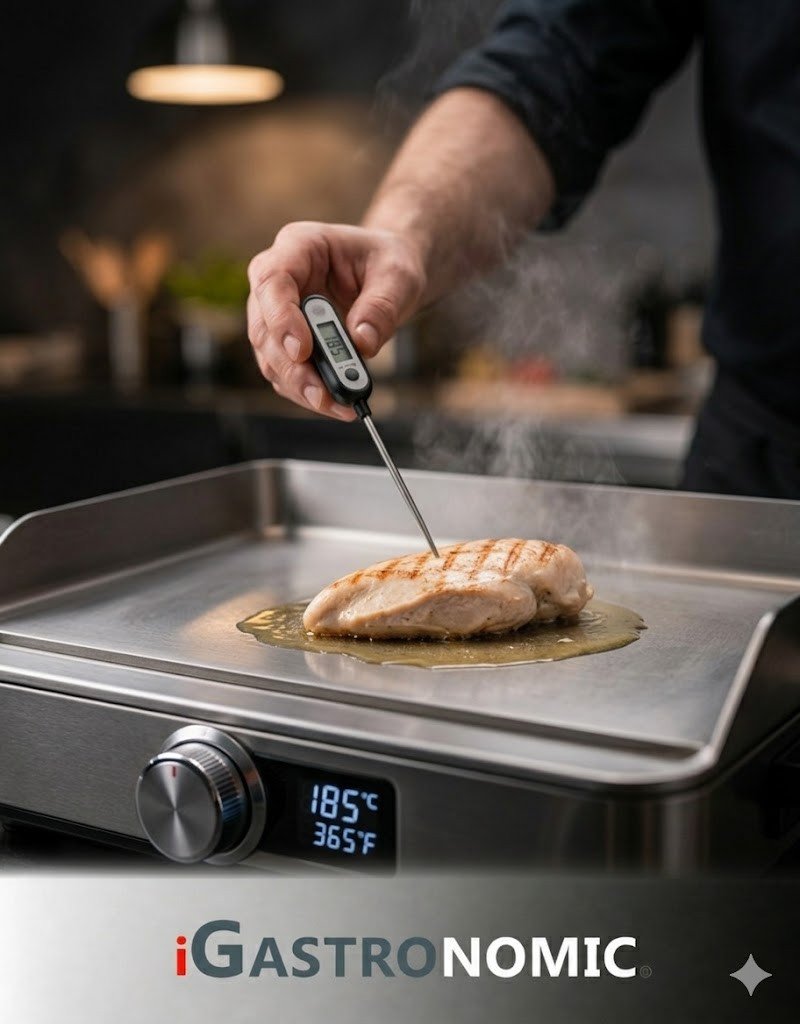
How to Achieve Precise Temperatures on an Electric Fry Top
How to Achieve Precise Temperatures on an Electric Fry Top
Cooking on an electric fry top offers a versatile and efficient way to prepare a wide variety of dishes, from sizzling steaks to delicate pancakes. However, one common challenge many home cooks and professionals face is achieving and maintaining precise temperatures. Unlike gas stoves, electric fry tops can sometimes have uneven heat distribution or delayed temperature adjustments, which can affect the quality of your cooking.
In this comprehensive guide, we'll explore everything you need to know about how to get precise temperatures on an electric fry top, including understanding how your appliance works, tips for calibration, using the right tools, and best practices for consistent cooking results.
Understanding Your Electric Fry Top
An electric fry top is essentially a flat cooking surface heated by electric elements underneath. The heat is transferred through the metal plate, allowing you to cook food directly on the surface. Because the heat source is electric, temperature control is generally managed through a thermostat or a digital control panel.
However, the nature of electric heating means that the surface can sometimes take longer to heat up or cool down compared to gas, and the heat distribution might not always be perfectly uniform. This is why understanding your fry top’s characteristics is the first step toward mastering precise temperature control.
Types of Electric Fry Tops
- Basic Electric Fry Tops: These usually have manual knobs to control the temperature settings, often marked with low, medium, and high. They may lack precise temperature readouts.
- Digital Electric Fry Tops: Equipped with digital displays and thermostats, these allow you to set exact temperatures, making it easier to achieve precision.
- Commercial-Grade Electric Fry Tops: Designed for professional kitchens, these often feature advanced temperature controls, multiple heating zones, and better heat distribution technology.
Why Precise Temperature Matters
Cooking at the right temperature is crucial for several reasons:
- Food Safety: Ensuring meats and other ingredients reach safe internal temperatures.
- Texture and Flavor: Avoid burning or undercooking food, which can ruin texture and taste.
- Consistency: Achieve repeatable results every time you cook.
- Energy Efficiency: Avoid wasting electricity by overheating or prolonged cooking times.
Step-by-Step Guide to Achieving Precise Temperatures
1. Read the Manual and Understand Your Fry Top’s Controls
Before anything else, familiarize yourself with your specific electric fry top model. Manuals often provide valuable information about temperature ranges, recommended settings, and maintenance tips. Understanding the control panel—whether it’s analog or digital—is essential for precise adjustments.
2. Calibrate Your Fry Top
Calibration ensures that the temperature settings on your fry top correspond accurately to the actual surface temperature. Here’s how to do it:
- Use an Infrared Thermometer: This tool allows you to measure the surface temperature without touching it. Turn on your fry top and set it to a specific temperature.
- Measure the Surface Temperature: After allowing the fry top to heat for a few minutes, point the infrared thermometer at various points on the surface to check for uniformity and accuracy.
- Adjust Settings if Possible: Some fry tops allow you to recalibrate the thermostat or adjust temperature settings. Consult your manual for instructions.
- Note Variations: If your fry top has hot spots or cooler areas, take note so you can adjust cooking placement accordingly.
3. Use a High-Quality Surface Thermometer or Infrared Thermometer
Investing in a good infrared thermometer is one of the best ways to monitor your fry top’s temperature in real time. This device provides instant readings and helps you avoid guesswork.
Alternatively, a surface probe thermometer can be placed on the fry top to measure temperature, but it must be heat-resistant and designed for contact with hot surfaces.
4. Preheat Properly
Allow your electric fry top to preheat fully before placing any food on it. Preheating ensures the surface reaches the desired temperature and stabilizes, reducing the risk of temperature fluctuations during cooking.
Use your thermometer to verify that the surface has reached the target temperature before starting.
5. Understand Heat Zones on Your Fry Top
Many electric fry tops have uneven heat distribution, with some areas hotter than others. Use your thermometer to identify these zones and plan your cooking accordingly.
- Hot Zones: Ideal for searing and quick cooking.
- Medium Zones: Great for frying and sautéing.
- Cool Zones: Perfect for keeping food warm without overcooking.
6. Adjust Temperature Gradually
Electric fry tops can take time to respond to temperature changes. Avoid sudden large adjustments; instead, increase or decrease the temperature in small increments and wait a few minutes for the surface to stabilize.
7. Use the Right Cookware and Oils
While the fry top surface is flat, the type of cookware and oil you use can impact heat transfer and cooking results.
- Cookware: Use flat-bottomed pans that make full contact with the surface for even heating.
- Oils: Choose oils with appropriate smoke points for your cooking temperature to avoid burning and off-flavors.
8. Regular Maintenance and Cleaning
Keep your fry top clean and free from food debris or grease buildup, which can affect heat transfer and temperature accuracy. Follow manufacturer guidelines for cleaning and maintenance.
Advanced Tips for Professionals and Enthusiasts
Use Temperature Controllers or External Thermostats
For those seeking ultimate precision, consider installing an external temperature controller compatible with your electric fry top. These devices can regulate power supply to heating elements more accurately than built-in thermostats.
Implement Heat Diffusers or Plates
Heat diffusers can help distribute heat more evenly across the fry top surface, reducing hot spots and improving temperature consistency.
Monitor Ambient Temperature and Ventilation
Environmental factors such as kitchen temperature and airflow can influence your fry top’s performance. Ensure good ventilation and consider these factors when calibrating and cooking.
Common Mistakes to Avoid
- Not Preheating: Starting to cook before the fry top reaches the desired temperature leads to uneven cooking.
- Ignoring Calibration: Over time, thermostats can drift, causing inaccurate temperature readings.
- Using the Wrong Thermometer: Avoid using standard kitchen thermometers that aren’t designed for surface temperature measurement.
- Overloading the Fry Top: Crowding the surface can lower the temperature and cause uneven cooking.
- Neglecting Cleaning: Residue buildup reduces heat transfer efficiency.
Conclusion
Achieving precise temperatures on an electric fry top is entirely possible with the right knowledge, tools, and techniques. By understanding how your appliance works, calibrating it regularly, using quality thermometers, and practicing good cooking habits, you can enjoy perfectly cooked meals every time.
Whether you’re a home cook aiming for better breakfast pancakes or a professional chef searing steaks to perfection, mastering temperature control on your electric fry top will elevate your culinary skills and results.
Remember, patience and practice are key. Take the time to get to know your fry top, experiment with temperature settings, and soon you’ll be cooking with confidence and precision.
Additional Resources
Related posts
-
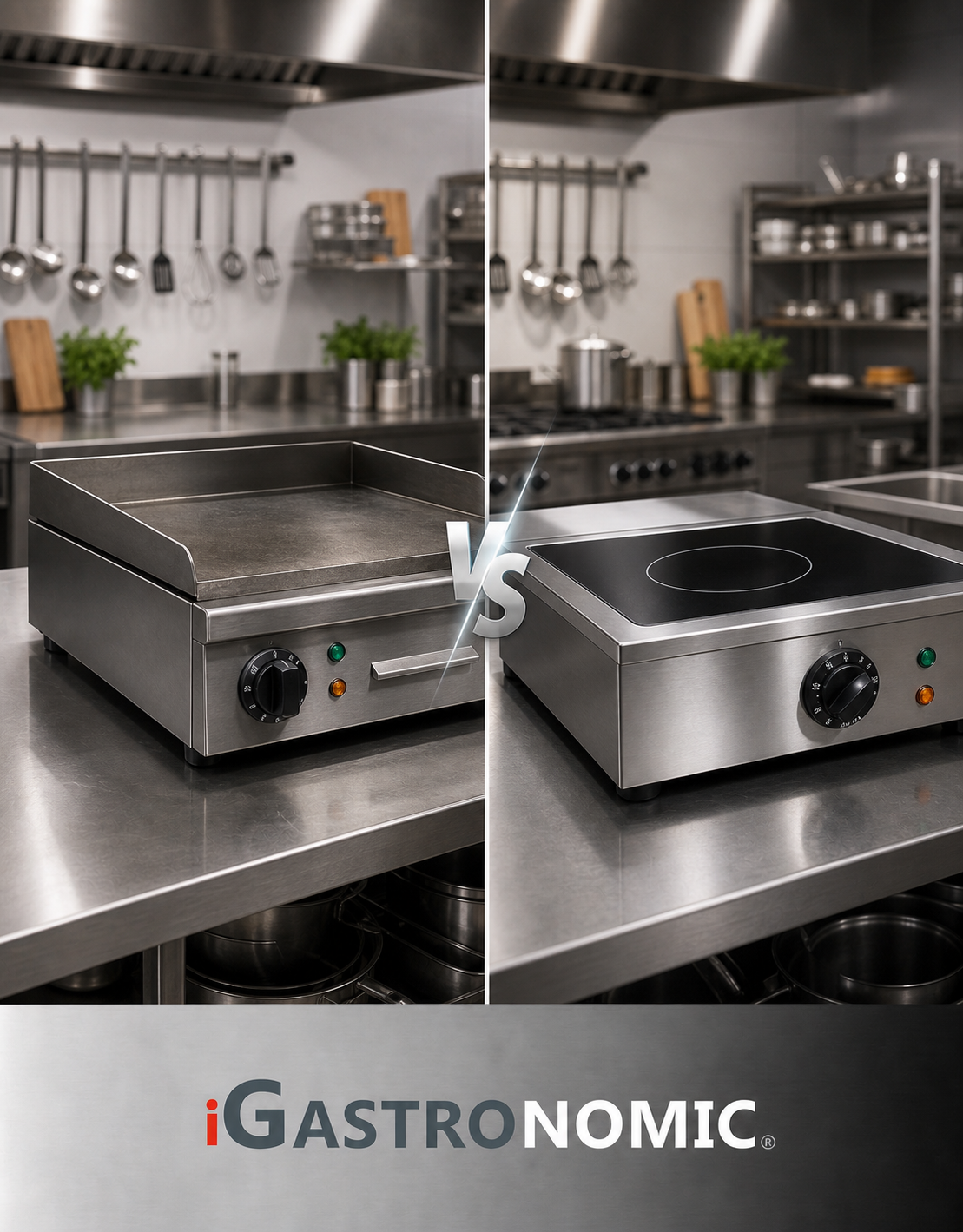 Fry Top vs Piastra Elettrica: Which One Should You Choose for Your Kitchen?
Choosing the right cooking appliance can transform your kitchen experience. Two popular options are the Fry Top and...Read more
Fry Top vs Piastra Elettrica: Which One Should You Choose for Your Kitchen?
Choosing the right cooking appliance can transform your kitchen experience. Two popular options are the Fry Top and...Read more -
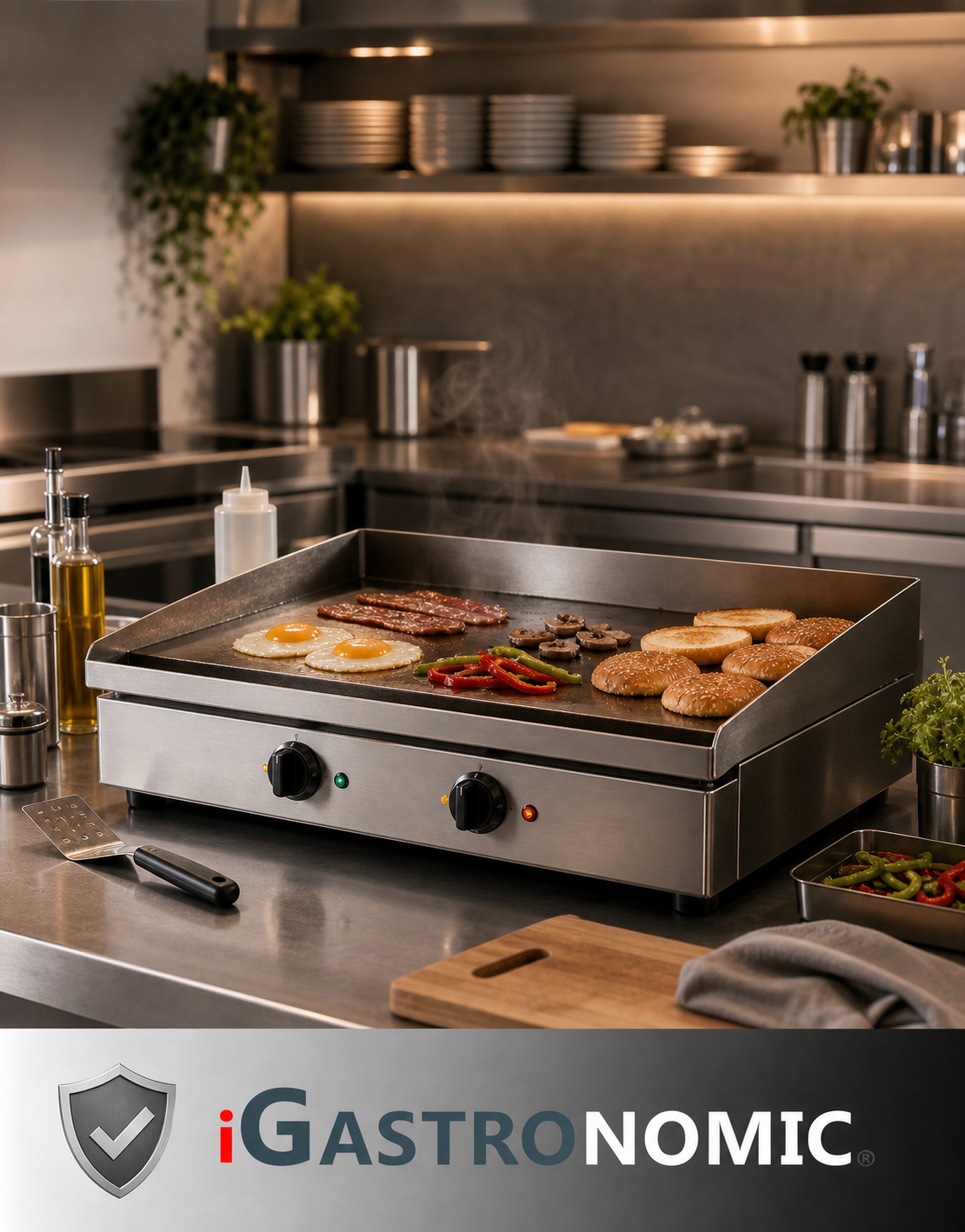 How to Use a Fry Top: A Complete Beginner's Guide
A fry top is a flat, smooth cooking surface that offers even heat distribution and a large area to cook multiple...Read more
How to Use a Fry Top: A Complete Beginner's Guide
A fry top is a flat, smooth cooking surface that offers even heat distribution and a large area to cook multiple...Read more -
Fry Top Smooth or Ribbed? Which Is Better for Cooking?
Choosing between a smooth (liscio) and ribbed (rigato) fry top can significantly impact your cooking experience....Read more
-
What Can You Cook on an Electric Fry Top? A Complete Guide
An electric fry top is a versatile kitchen appliance that offers a large, evenly heated cooking surface perfect for a...Read more
-
Electric Fry Top vs Gas: Advantages and Disadvantages Compared
Choosing between an electric and gas fry top can be challenging. Electric fry tops offer precise temperature control,...Read more
Leave a comment