
 Deutsch
 Türkçe
 Italiano

.jpg)
.jpg)
.jpg)
.jpg)
.jpg)
.jpg)
.jpg)
.jpg)
.jpg)
.jpg)

.jpg)

.jpg)
.jpg)
.jpg)
.jpg)
.jpg)
.jpg)
.jpg)
.jpg)
.jpg)
.jpg)



.jpg)
.jpg)
.jpg)
.jpg)
.jpg)
.jpg)
.jpg)
.jpg)
.jpg)



.jpg)
.jpg)

.jpg)
.jpg)
.jpg)
.jpg)


.jpg)

.png)
.jpg)
.jpg)
 (200 x 136 px) (5).png)
.png)

Setting up a döner stand at markets and events offers a fantastic opportunity to reach new customers and share...
-
 Cooking Appliances
add remove
Cooking Appliances
add remove -
-
Pizza & Grill
add remove
-
-
Refrigeration
add remove
-
-
Combi Steamer
add remove
-
-
Kitchen Appliances
add remove
-
-
Rinsing & Cleaning
add remove
-
-
Retail Refrigeration
add remove
-
-
Cafe & Ice Cream
add remove
-
-
Smart-Gastro
add remove
-
-
Event- & Cateringmöbel
-
Cooking Appliances
add remove
-
-
Pizza & Grill
add remove
-
-
Refrigeration
add remove
-
-
Combi Steamer
add remove
-
-
Kitchen Appliances
add remove
-
-
Rinsing & Cleaning
add remove
-
-
Retail Refrigeration
add remove
-
-
Cafe & Ice Cream
add remove
-
-
Smart-Gastro
add remove
-
-
Event- & Cateringmöbel


Call us:
+49 (0) 6135 7040 450Latest posts
-
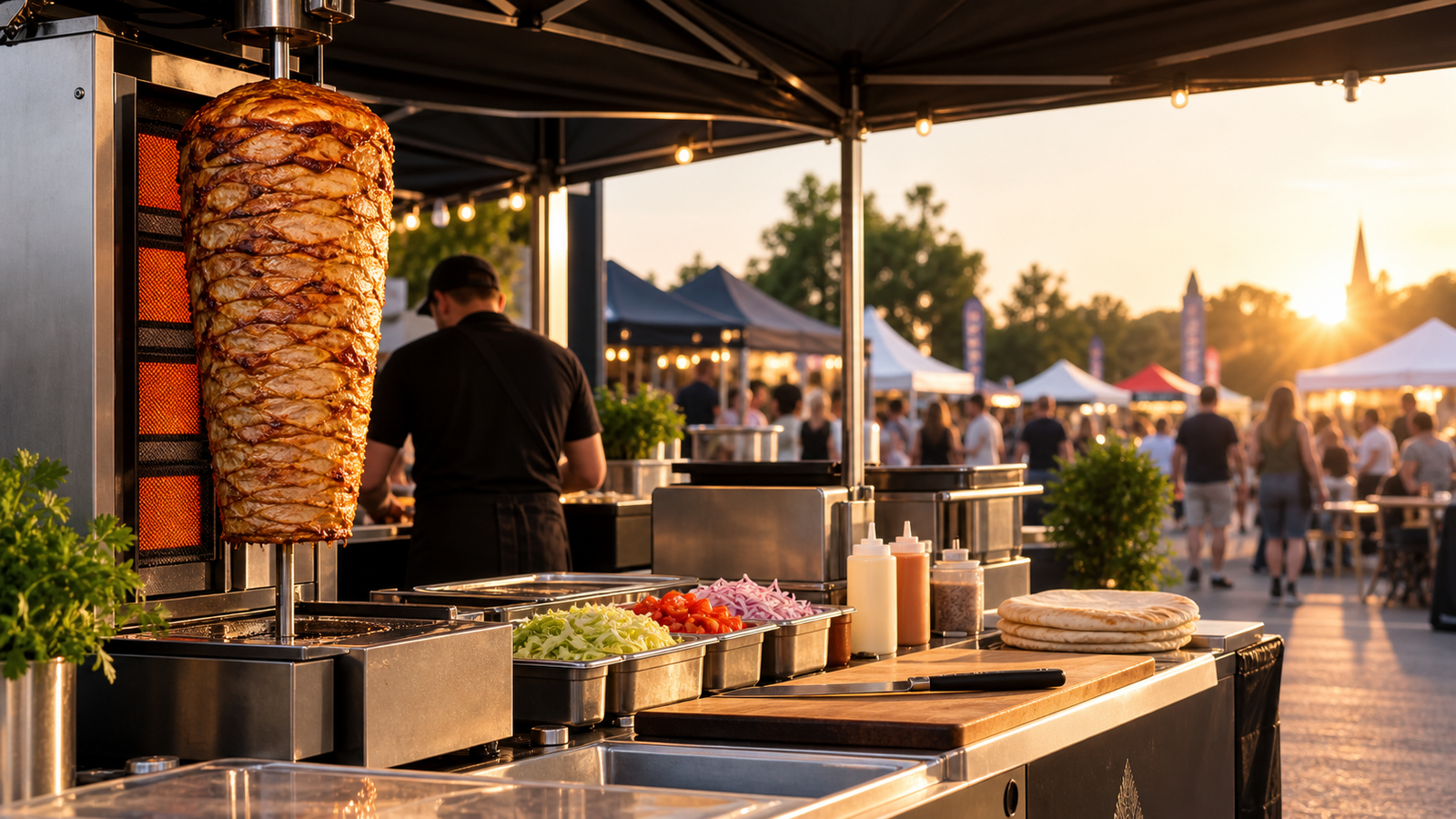 Setting Up a Döner Stand at Markets & Events: Equipment & Planning for Professional Temporary Sales PointsRead more
 -
 Starting a Döner Food Truck in Germany: Equipment and Regulations You Need to KnowRead more
Thinking about starting a Döner food truck in Germany? This guide covers everything you need to know—from legal...
-
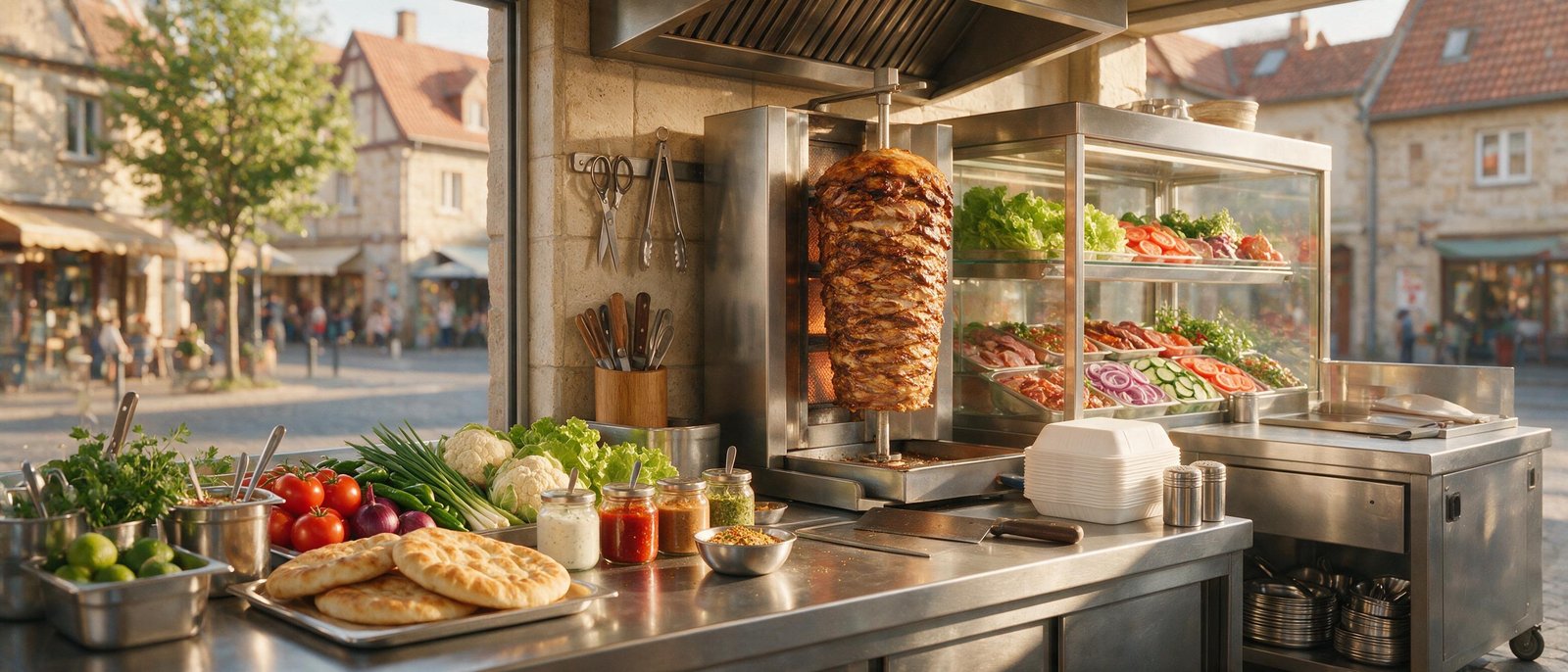 Opening a Döner Kebab Stand in Germany: Equipment, Permits & Startup Costs – Step-by-Step Guide to Starting Your BusinessRead more
Opening a Döner kebab stand in Germany is a popular business idea due to the widespread love for this delicious fast...
-
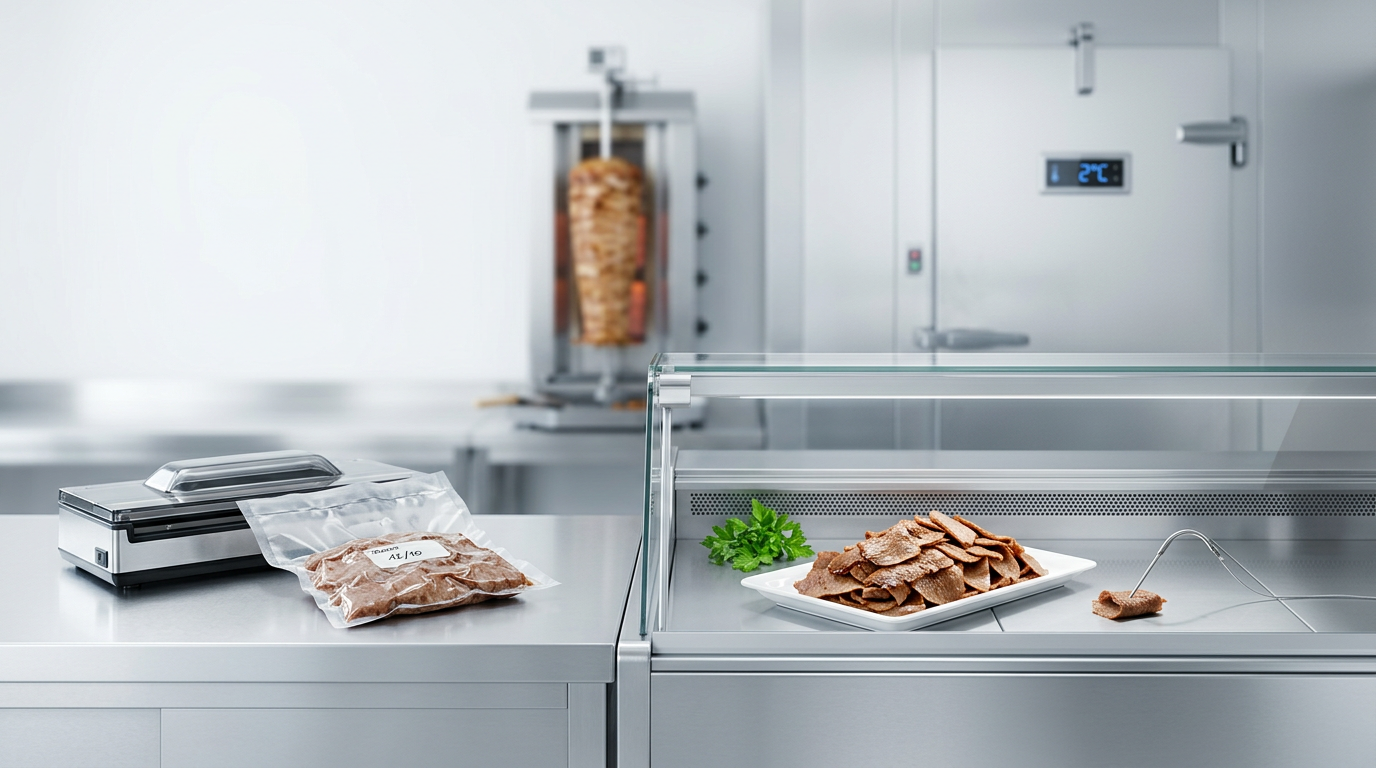 Shelf Life of Döner Meat: Cooling, Freezing & Fresh Counter Storage – Proper Handling to Prevent Food WasteRead more
Döner meat is a popular and delicious dish, but it’s also highly perishable. Proper storage is key to maintaining its...
-
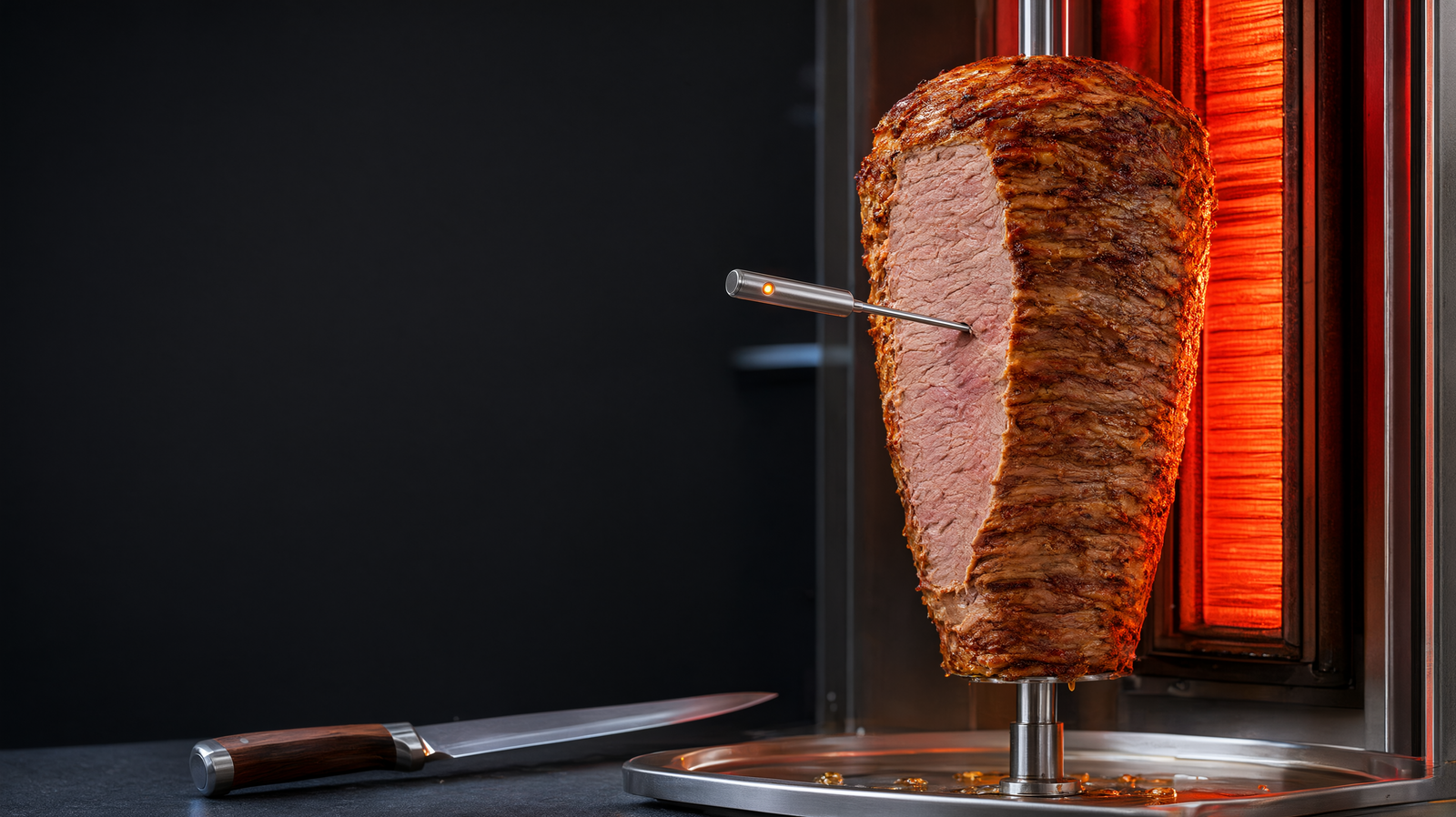 How Long Does a Döner Kebab Spit Last on the Grill? → Stand Times, Core Temperature, and Replenishment Planning in BusinessRead more
The Döner kebab spit is a cornerstone of many street food businesses, but managing how long it stays on the grill is...
-
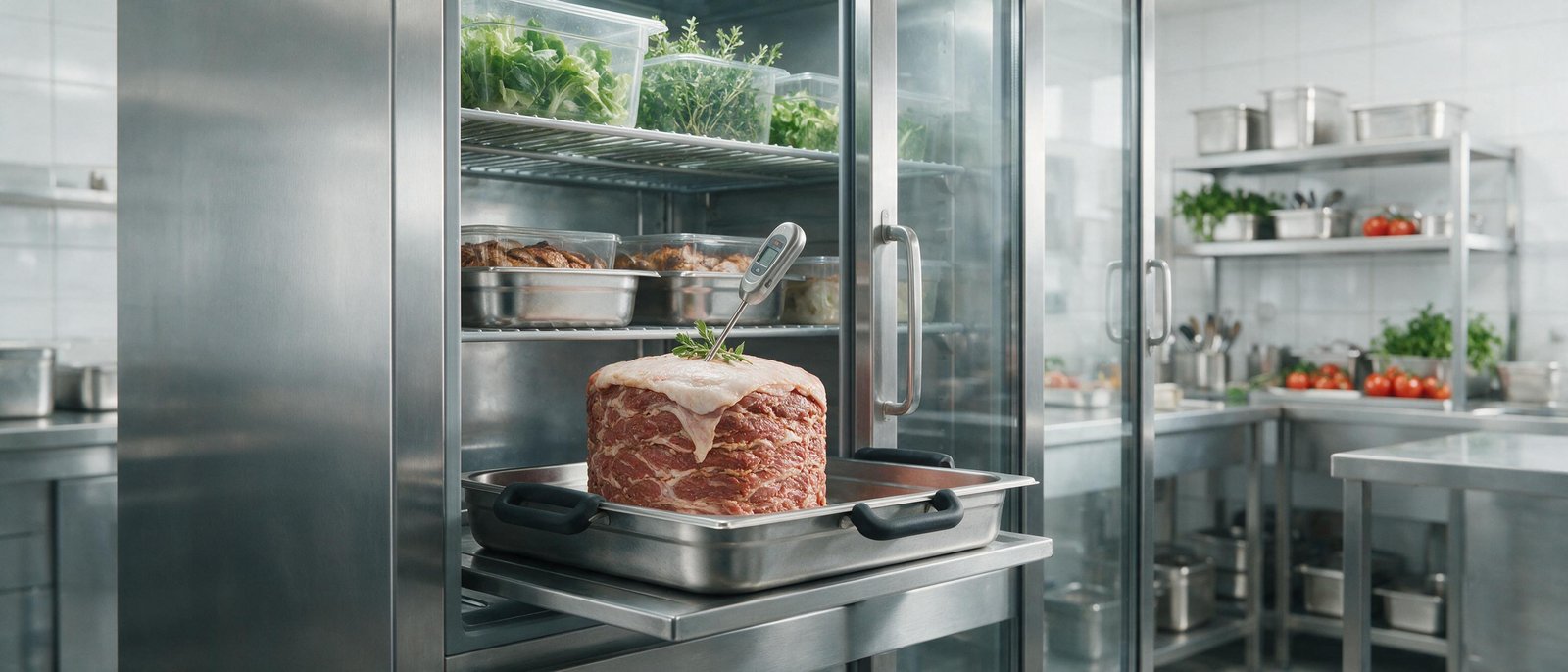 Proper Storage of Döner Meat: Regulations & Food Safety → HACCP-Compliant Storage According to German Food Hygiene RegulationsRead more
Döner meat is a popular and perishable food product that requires careful storage to maintain its safety and quality....
-
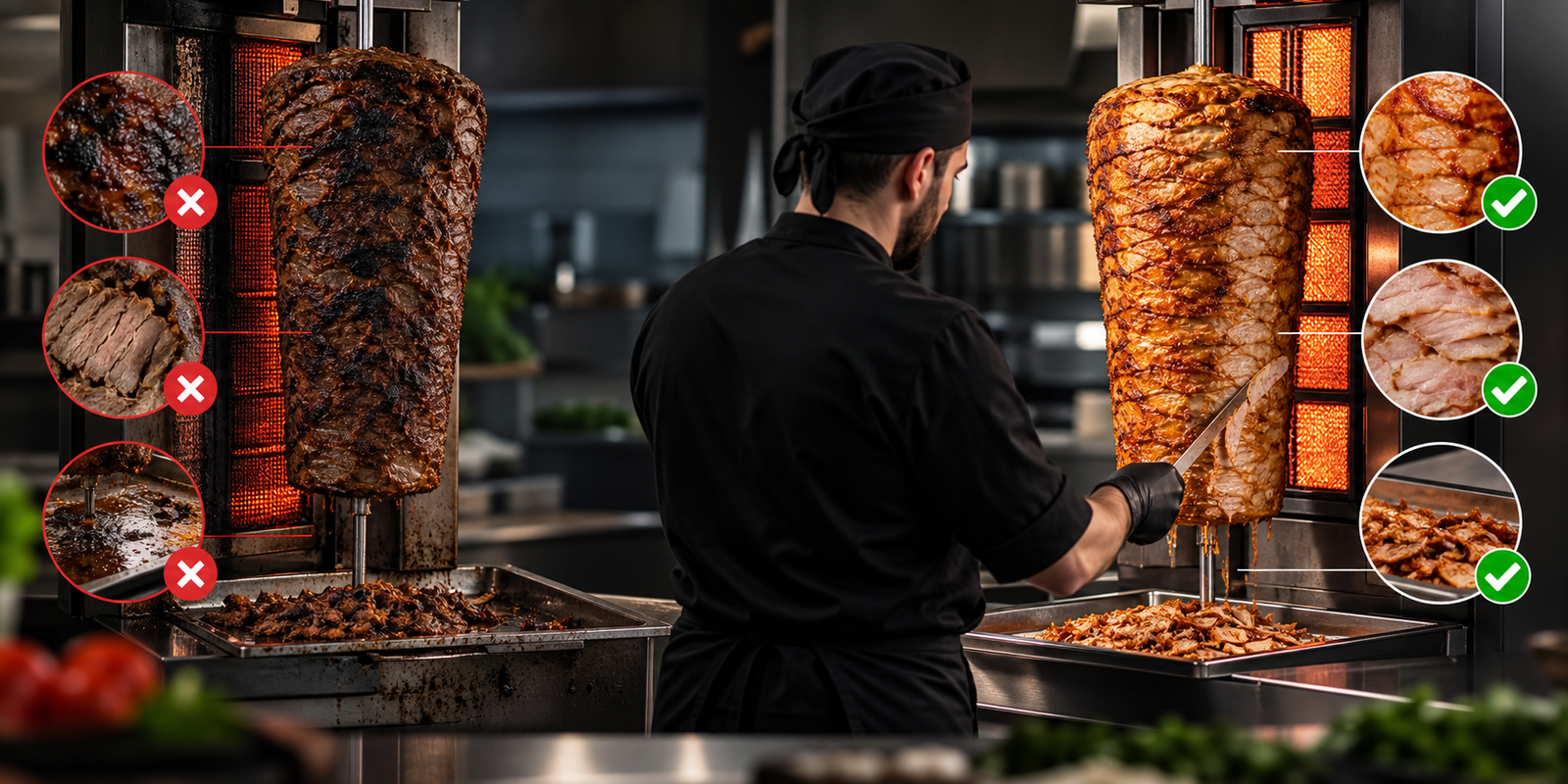 Common Mistakes When Grilling Döner – And How to Avoid Them: Identifying and Fixing Typical Preparation Errors in the Gastronomy IndustryRead more
The Döner kebab is a globally loved dish, but many gastronomy professionals struggle with common mistakes during its...
-
 What Makes Good Döner Meat So Tender and Flavorful? → Quality Characteristics and Preparation Techniques for RestaurateursRead more
Döner kebab is famous worldwide for its tender, juicy, and flavorful meat. But what exactly makes Döner meat so...
-
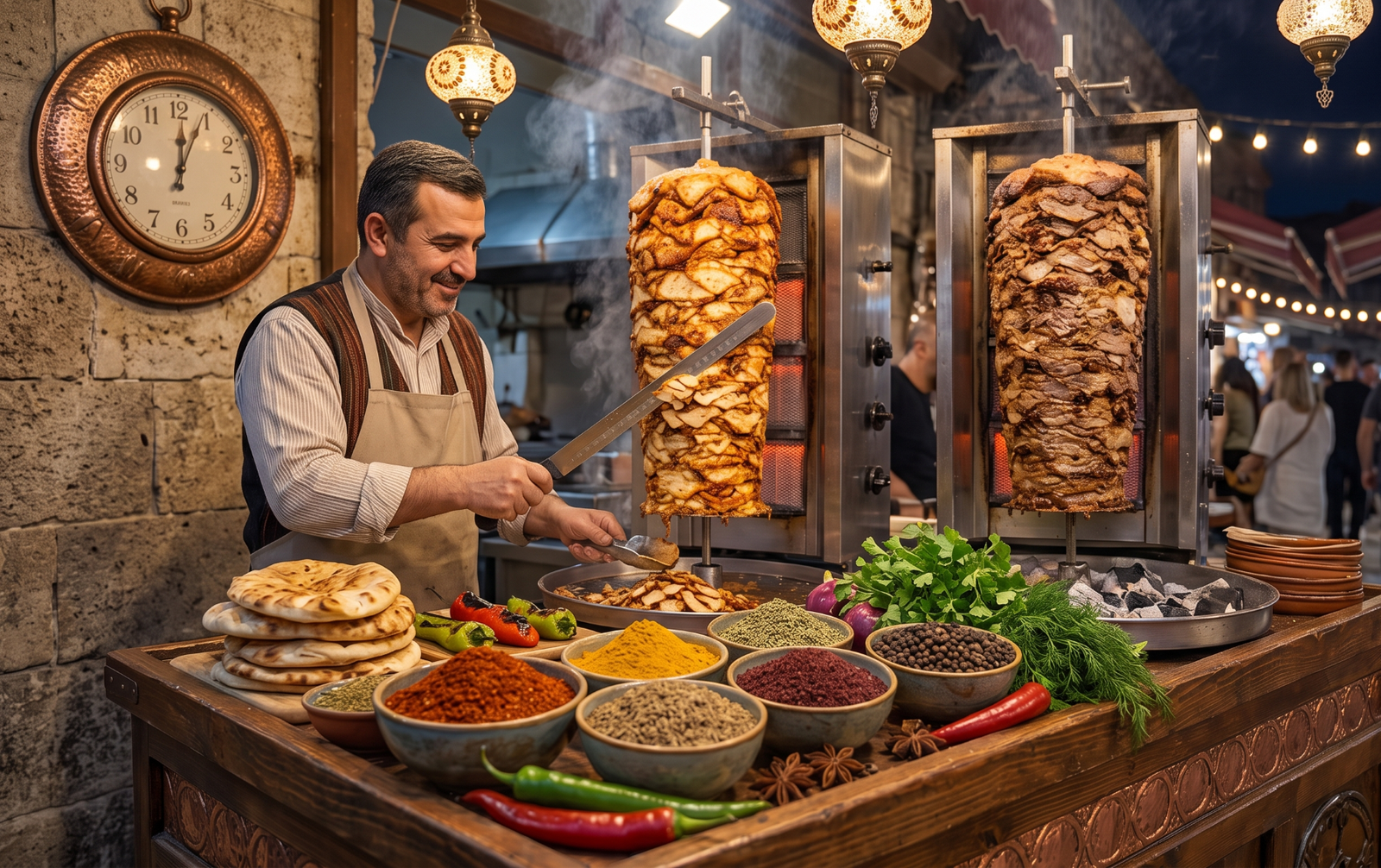 How to Slice Döner Meat Perfectly: Professional Techniques with Döner Knives and Electric SlicersRead more
Döner kebab is renowned for its thin, juicy slices of meat cooked on a vertical spit. Achieving perfect slices...
-
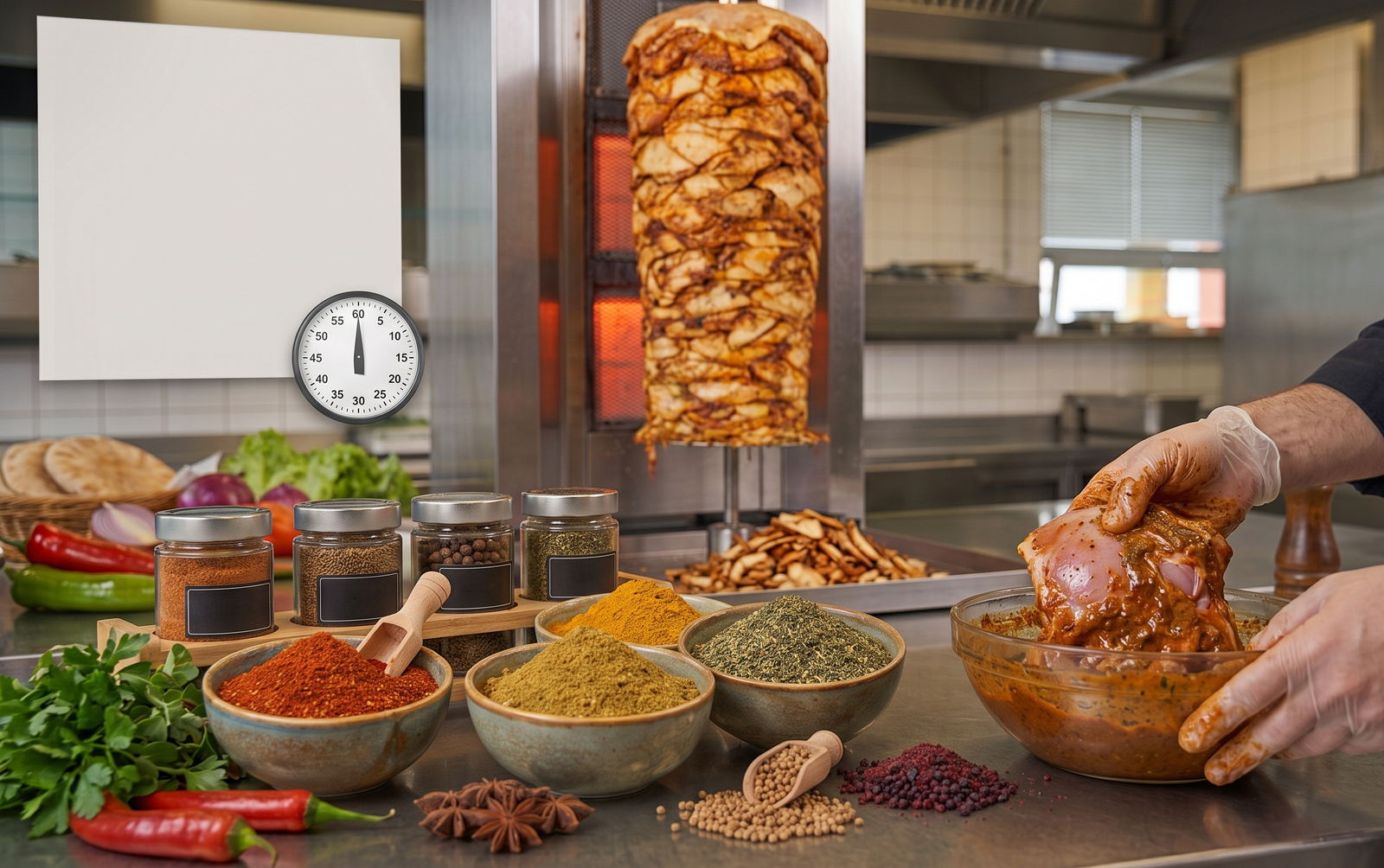 Döner Meat Marinade: Marinating Time and Professional Preparation → Optimal Preparation for Maximum Flavor and TendernessRead more
Döner kebab is famous worldwide for its juicy, flavorful meat, and the key to its perfection lies in the marinade and...
Blog categories
Search in blog
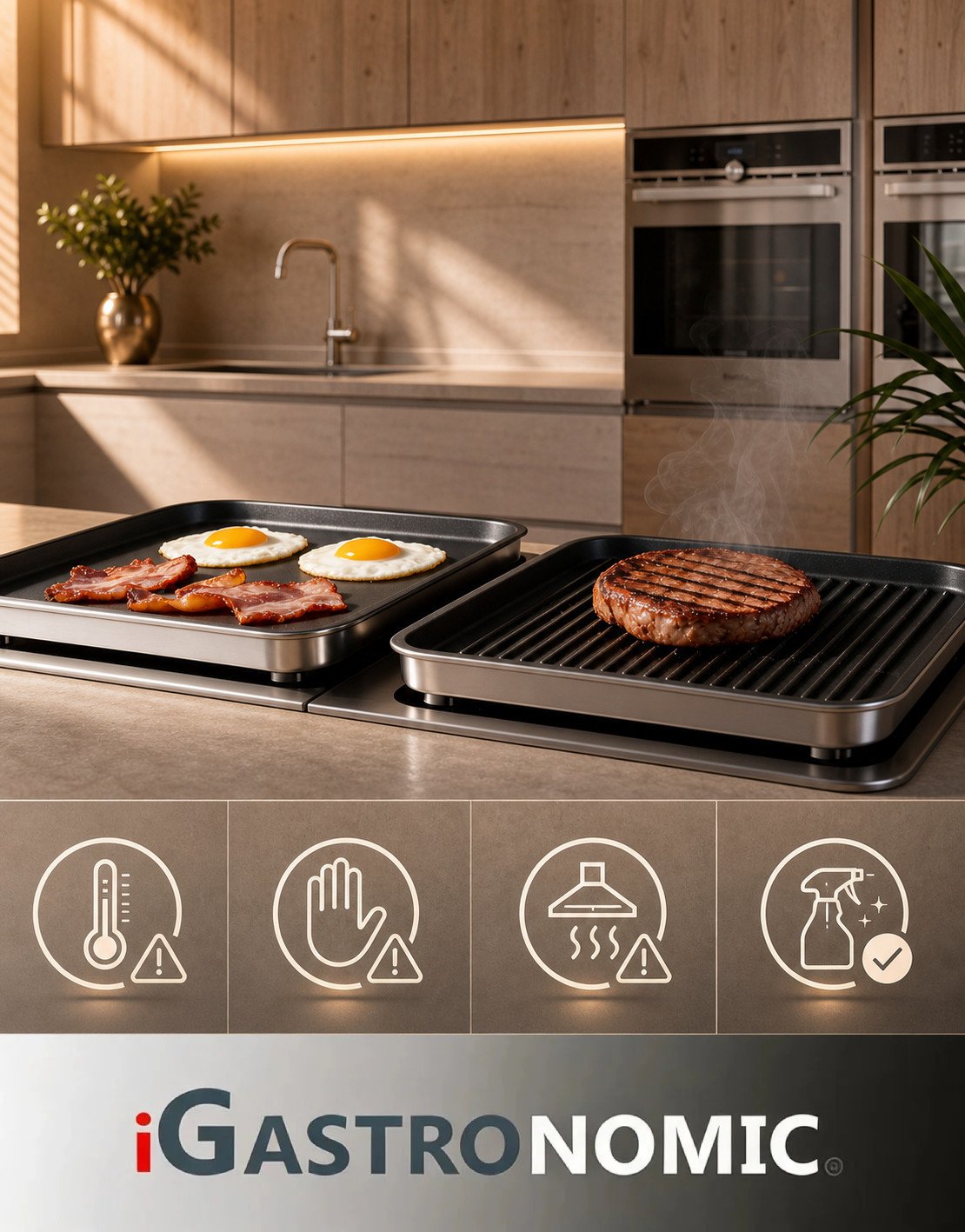
Is the Fry Top Safe to Use in the Kitchen? Risks and Precautions
Is the Fry Top Safe to Use in the Kitchen? Risks and Precautions
The fry top, also known as a griddle or flat top grill, is a popular cooking appliance used in both professional kitchens and home settings. Its versatility and efficiency make it a favorite for preparing a wide range of foods, from pancakes and eggs to steaks and vegetables. However, like any cooking device that involves high heat and direct contact with food, questions often arise regarding its safety. Is the fry top safe to use in the kitchen? What risks should you be aware of? And what precautions can help ensure a safe cooking experience?
In this comprehensive guide, we'll explore these questions in detail, helping you understand the potential hazards associated with fry tops and how to mitigate them effectively.
What Is a Fry Top?
A fry top is a flat, smooth cooking surface typically made of cast iron, stainless steel, or carbon steel. It is heated from below, either by gas burners or electric heating elements, creating an even cooking surface. Unlike traditional frying pans or grills, the fry top allows you to cook multiple items simultaneously on a single surface, making it ideal for busy kitchens.
Fry tops are commonly used in restaurants, food trucks, and increasingly in home kitchens due to their convenience and cooking versatility.
Common Uses of a Fry Top
- Cooking breakfast items like pancakes, eggs, and bacon
- Grilling sandwiches and burgers
- Searing meats and seafood
- Stir-frying vegetables
- Preparing flatbreads and quesadillas
Is the Fry Top Safe to Use?
In general, the fry top is safe to use when handled properly. However, as with any cooking appliance involving heat, there are inherent risks that users should be aware of to prevent accidents or injuries.
Here are some key factors to consider regarding the safety of fry tops:
1. Heat and Burn Risks
The fry top operates at high temperatures, often ranging between 300°F (150°C) to 500°F (260°C) or more. This intense heat can cause severe burns if you accidentally touch the cooking surface or nearby metal parts.
Precautions:
- Always use heat-resistant gloves or mitts when handling or cleaning the fry top.
- Keep children and pets away from the cooking area while the fry top is in use.
- Use appropriate utensils with long handles to avoid getting too close to the hot surface.
2. Fire Hazard
Because the fry top uses direct heat, there is a risk of grease fires, especially when cooking fatty foods or if oil accumulates on the surface.
Precautions:
- Regularly clean the fry top to remove grease buildup.
- Never leave the fry top unattended while cooking.
- Have a fire extinguisher rated for grease fires (Class K) nearby in the kitchen.
- Do not use water to extinguish grease fires; instead, smother the fire with a lid or use a fire extinguisher.
3. Carbon Monoxide and Ventilation
Gas-powered fry tops emit carbon monoxide (CO) and other combustion gases. Using them in poorly ventilated areas can lead to dangerous CO buildup, which is odorless and potentially lethal.
Precautions:
- Always use gas fry tops in well-ventilated spaces.
- Install a range hood or exhaust fan to remove fumes.
- Consider using electric fry tops if ventilation is limited.
- Install carbon monoxide detectors in your kitchen area.
4. Food Safety
Cooking on a fry top requires attention to food safety to avoid contamination and foodborne illnesses.
Precautions:
- Clean the surface thoroughly before and after each use.
- Use separate utensils for raw and cooked foods to prevent cross-contamination.
- Cook foods to their recommended internal temperatures.
5. Electrical Safety (for Electric Fry Tops)
Electric fry tops require proper handling to avoid electrical hazards.
Precautions:
- Ensure the appliance is plugged into a grounded outlet.
- Inspect cords for damage before use.
- Keep electrical components dry and away from water.
- Unplug the fry top when not in use and before cleaning.
How to Safely Use a Fry Top: Best Practices
To maximize safety and enjoy the benefits of your fry top, follow these best practices:
1. Proper Installation
Whether you have a gas or electric fry top, professional installation is recommended to ensure compliance with safety standards and local regulations.
2. Regular Cleaning and Maintenance
Grease and food residues can accumulate quickly, increasing fire risk and affecting food quality.
Cleaning tips:
- Allow the fry top to cool slightly but clean while still warm for easier residue removal.
- Use a scraper designed for flat tops to remove stuck-on food.
- Wipe with a damp cloth and mild detergent; avoid abrasive materials that can damage the surface.
- Season cast iron or carbon steel fry tops regularly to maintain a non-stick surface.
3. Use Appropriate Utensils
Metal spatulas, scrapers, and tongs work best, but avoid utensils with plastic parts that can melt.
4. Monitor Cooking Temperatures
Use built-in temperature controls or an infrared thermometer to avoid overheating, which can cause smoke and fire hazards.
5. Store Safely
When not in use, cover the fry top to prevent dust and debris accumulation. Ensure it is completely cool before cleaning or covering.
Common Myths About Fry Top Safety
Myth 1: Fry Tops Are Unsafe Because They Emit Harmful Chemicals
When used correctly, fry tops do not emit harmful chemicals beyond typical cooking fumes. Proper ventilation mitigates any concerns about indoor air quality.
Myth 2: Fry Tops Cause More Fires Than Other Appliances
Any cooking appliance can cause fires if misused. Fry tops are no more dangerous than stovetops or deep fryers when safety guidelines are followed.
Myth 3: Electric Fry Tops Are Safer Than Gas Ones
Both have their own risks. Electric fry tops eliminate combustion gases but require careful electrical safety. Gas fry tops need proper ventilation but offer precise heat control.
Who Should Use a Fry Top?
Fry tops are ideal for:
- Professional chefs and restaurant owners who need efficient, high-capacity cooking surfaces.
- Home cooks who enjoy preparing a variety of dishes quickly and simultaneously.
- Food truck operators and caterers who require portable, versatile cooking equipment.
However, beginners should familiarize themselves with the appliance and practice safe handling techniques before extensive use.
Conclusion
The fry top is a safe and versatile cooking appliance when used with proper care and attention. Understanding the risks—such as burns, fire hazards, carbon monoxide exposure, and food safety concerns—and implementing the recommended precautions can help you enjoy the benefits of this kitchen tool without worry.
Remember to maintain good ventilation, keep the surface clean, use appropriate utensils, and never leave the fry top unattended while in use. By following these guidelines, you can confidently incorporate the fry top into your cooking routine and create delicious meals safely.
Additional Resources
- National Fire Protection Association (NFPA) – Fire safety tips for kitchens
- Centers for Disease Control and Prevention (CDC) – Carbon Monoxide Poisoning
- USDA Food Safety and Inspection Service – Food safety guidelines
Stay safe and happy cooking!
Related posts
-
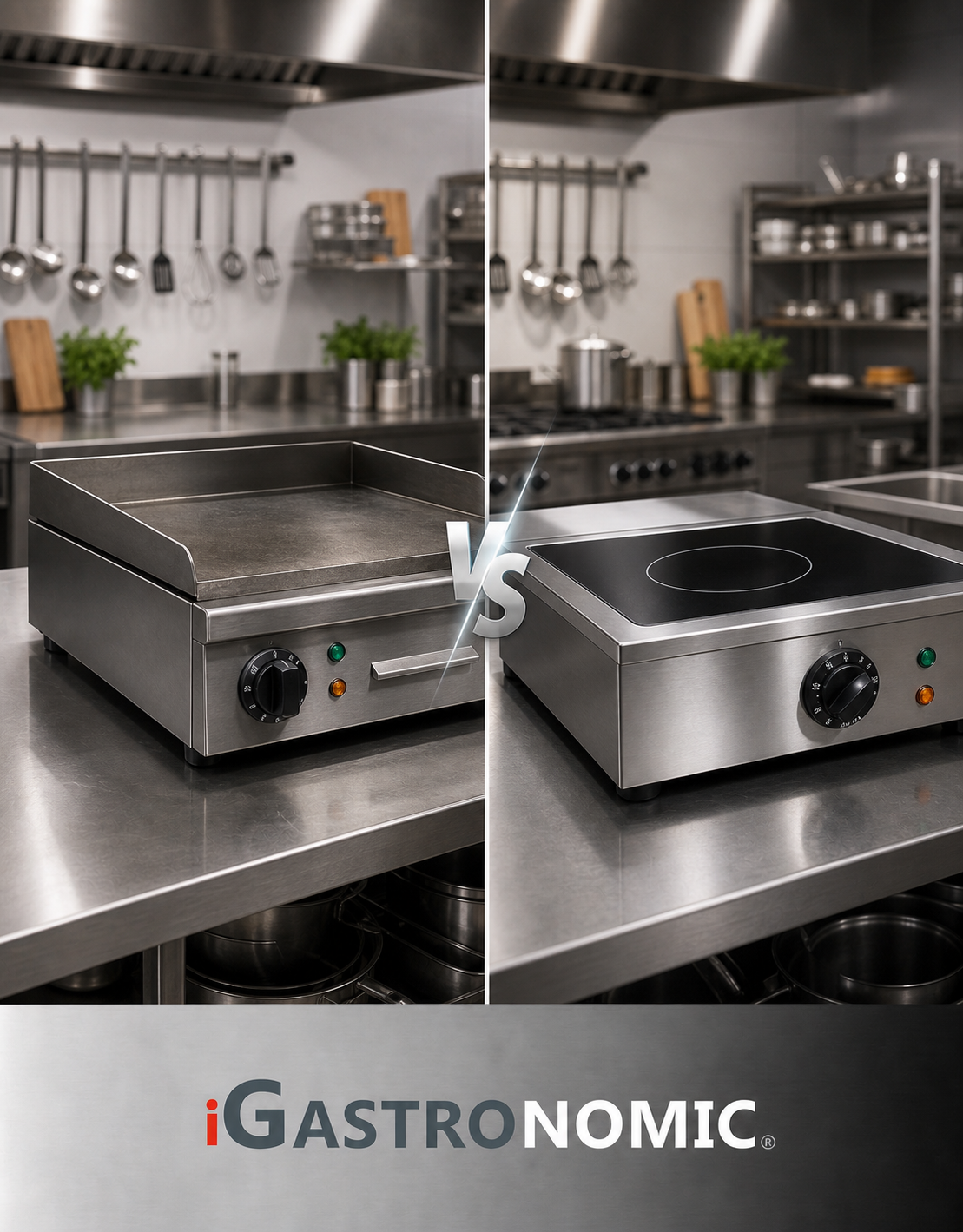 Fry Top vs Piastra Elettrica: Which One Should You Choose for Your Kitchen?
Choosing the right cooking appliance can transform your kitchen experience. Two popular options are the Fry Top and...Read more
Fry Top vs Piastra Elettrica: Which One Should You Choose for Your Kitchen?
Choosing the right cooking appliance can transform your kitchen experience. Two popular options are the Fry Top and...Read more -
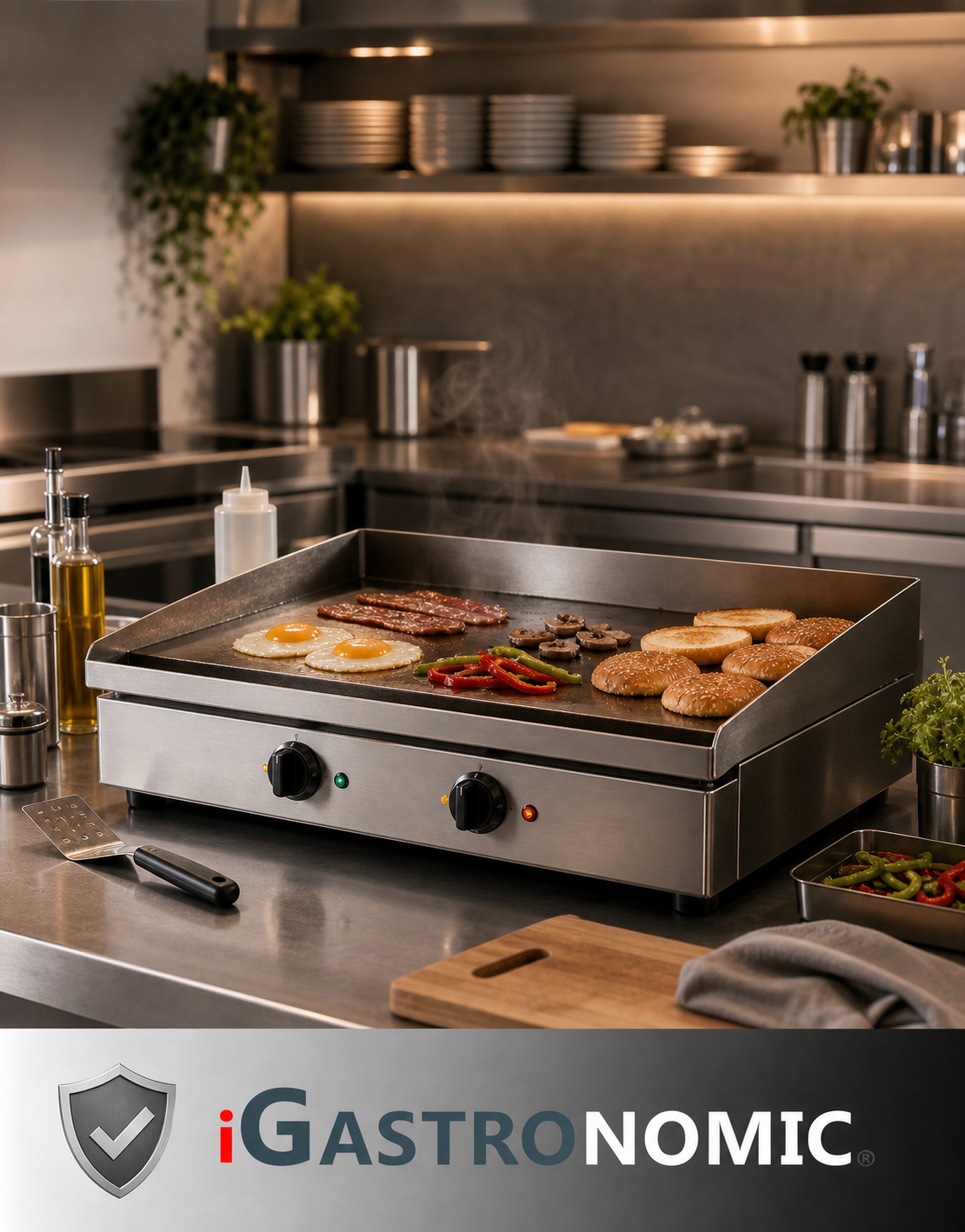 How to Use a Fry Top: A Complete Beginner's Guide
A fry top is a flat, smooth cooking surface that offers even heat distribution and a large area to cook multiple...Read more
How to Use a Fry Top: A Complete Beginner's Guide
A fry top is a flat, smooth cooking surface that offers even heat distribution and a large area to cook multiple...Read more -
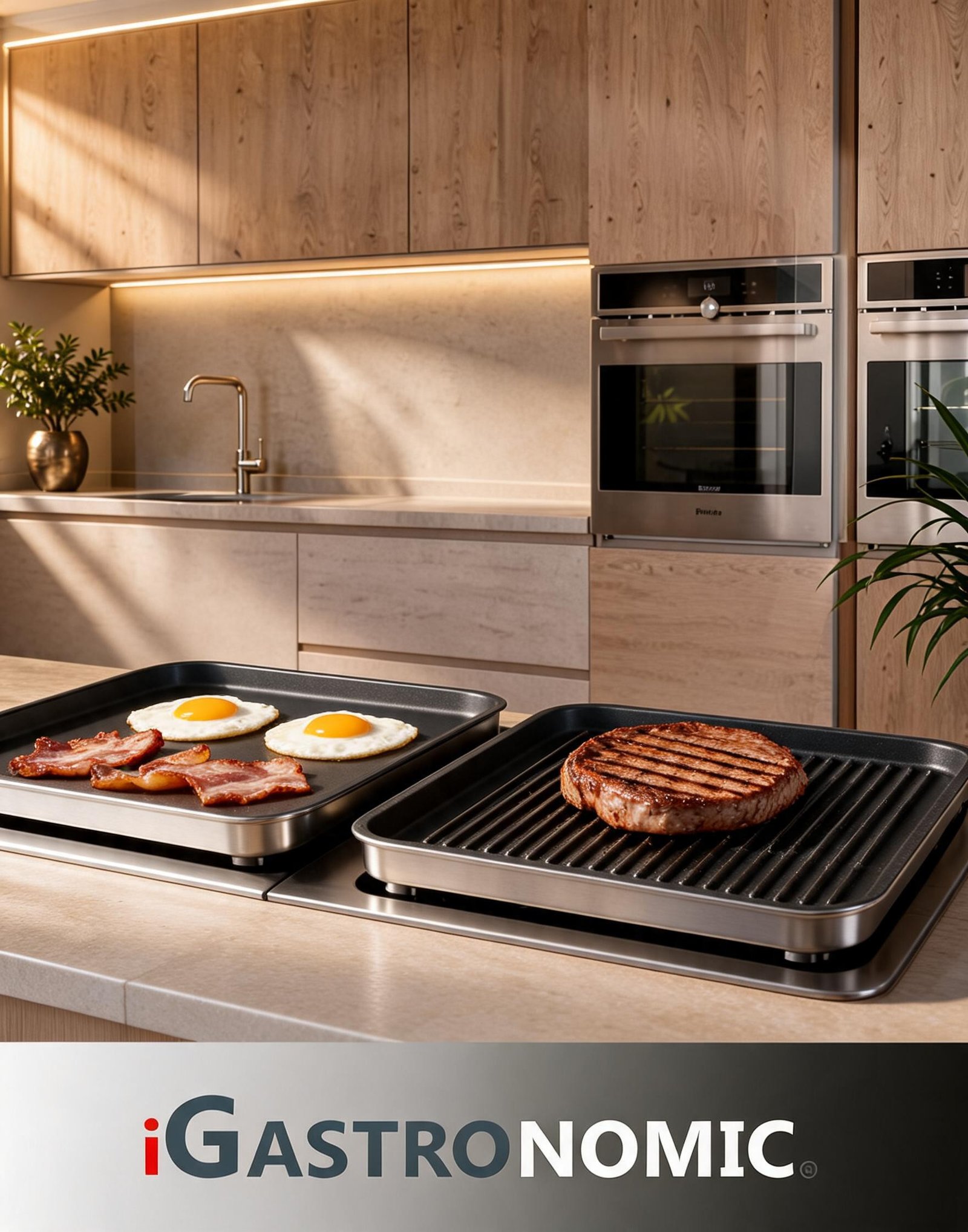 Fry Top Smooth or Ribbed? Which Is Better for Cooking?
Choosing between a smooth (liscio) and ribbed (rigato) fry top can significantly impact your cooking experience....Read more
Fry Top Smooth or Ribbed? Which Is Better for Cooking?
Choosing between a smooth (liscio) and ribbed (rigato) fry top can significantly impact your cooking experience....Read more -
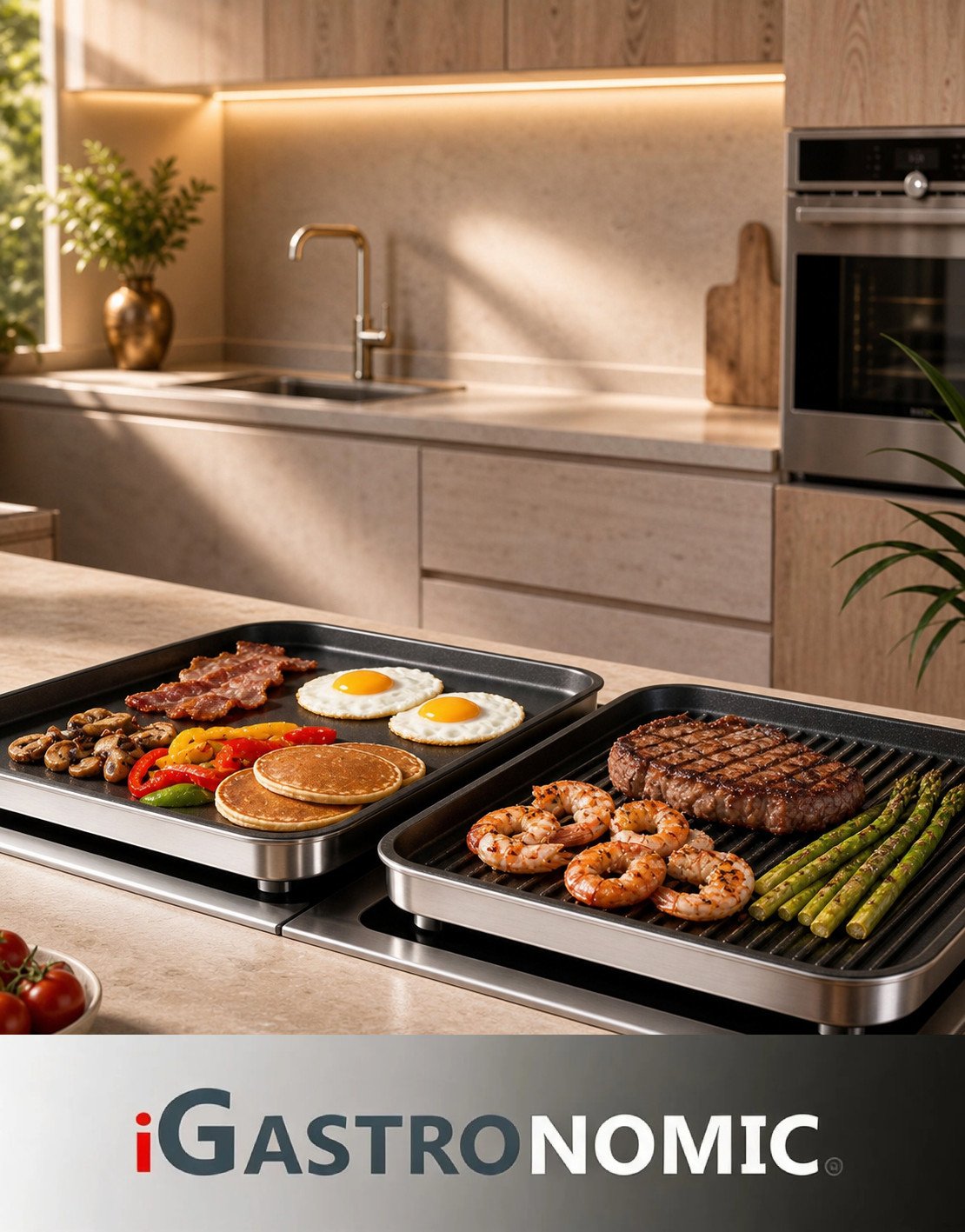 What Can You Cook on an Electric Fry Top? A Complete Guide
An electric fry top is a versatile kitchen appliance that offers a large, evenly heated cooking surface perfect for a...Read more
What Can You Cook on an Electric Fry Top? A Complete Guide
An electric fry top is a versatile kitchen appliance that offers a large, evenly heated cooking surface perfect for a...Read more -
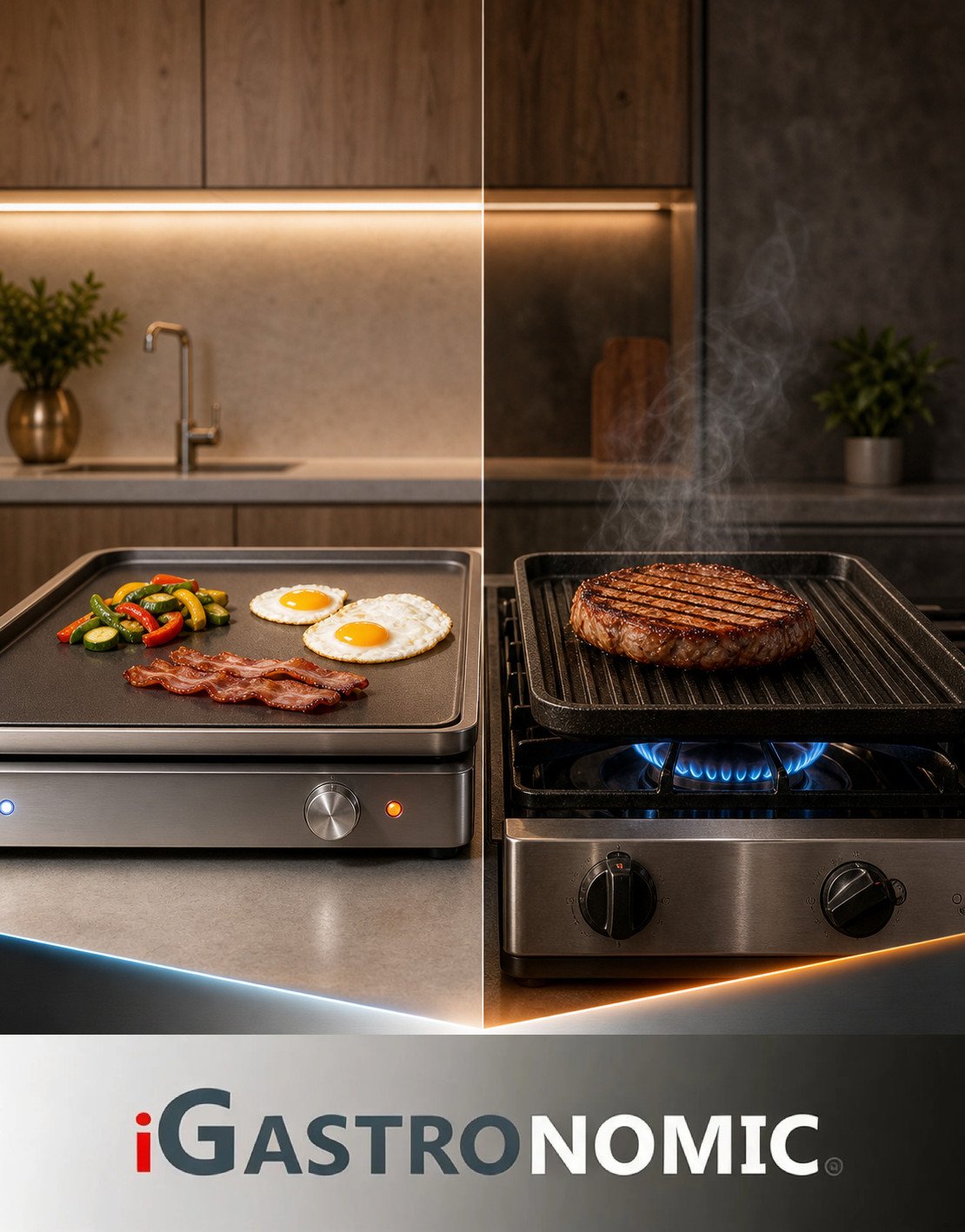 Electric Fry Top vs Gas: Advantages and Disadvantages Compared
Choosing between an electric and gas fry top can be challenging. Electric fry tops offer precise temperature control,...Read more
Electric Fry Top vs Gas: Advantages and Disadvantages Compared
Choosing between an electric and gas fry top can be challenging. Electric fry tops offer precise temperature control,...Read more
Leave a comment