
 Deutsch
 Türkçe
 Italiano

.jpg)
.jpg)
.jpg)
.jpg)
.jpg)
.jpg)
.jpg)
.jpg)
.jpg)
.jpg)

.jpg)

.jpg)
.jpg)
.jpg)
.jpg)
.jpg)
.jpg)
.jpg)
.jpg)
.jpg)
.jpg)



.jpg)
.jpg)
.jpg)
.jpg)
.jpg)
.jpg)
.jpg)
.jpg)
.jpg)



.jpg)
.jpg)

.jpg)
.jpg)
.jpg)
.jpg)


.jpg)

.png)
.jpg)
.jpg)
 (200 x 136 px) (5).png)
.png)

Setting up a döner stand at markets and events offers a fantastic opportunity to reach new customers and share...
-
 Cooking Appliances
add remove
Cooking Appliances
add remove -
-
Pizza & Grill
add remove
-
-
Refrigeration
add remove
-
-
Combi Steamer
add remove
-
-
Kitchen Appliances
add remove
-
-
Rinsing & Cleaning
add remove
-
-
Retail Refrigeration
add remove
-
-
Cafe & Ice Cream
add remove
-
-
Smart-Gastro
add remove
-
-
Event- & Cateringmöbel
-
Cooking Appliances
add remove
-
-
Pizza & Grill
add remove
-
-
Refrigeration
add remove
-
-
Combi Steamer
add remove
-
-
Kitchen Appliances
add remove
-
-
Rinsing & Cleaning
add remove
-
-
Retail Refrigeration
add remove
-
-
Cafe & Ice Cream
add remove
-
-
Smart-Gastro
add remove
-
-
Event- & Cateringmöbel


Call us:
+49 (0) 6135 7040 450Latest posts
-
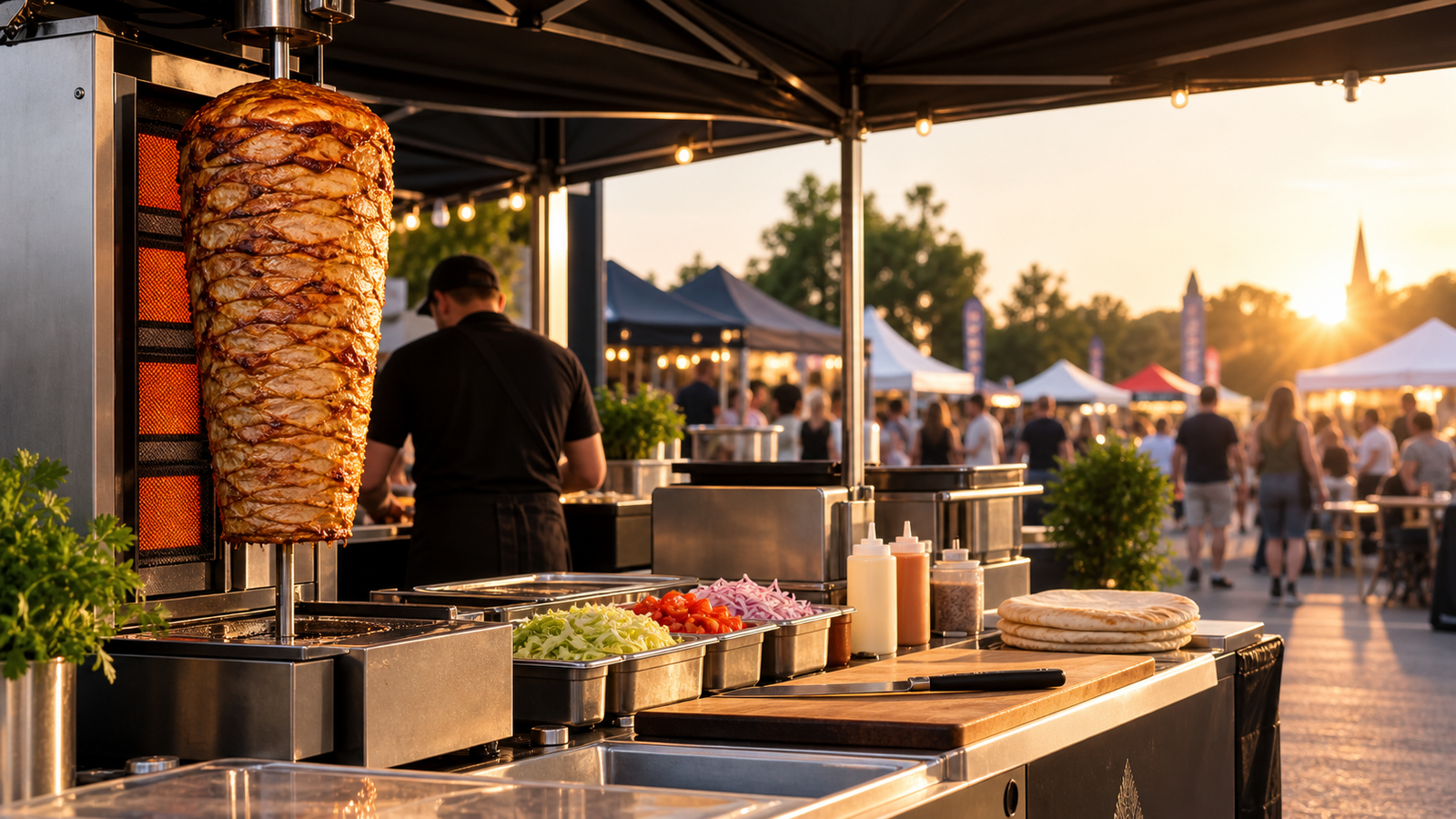 Setting Up a Döner Stand at Markets & Events: Equipment & Planning for Professional Temporary Sales PointsRead more
 -
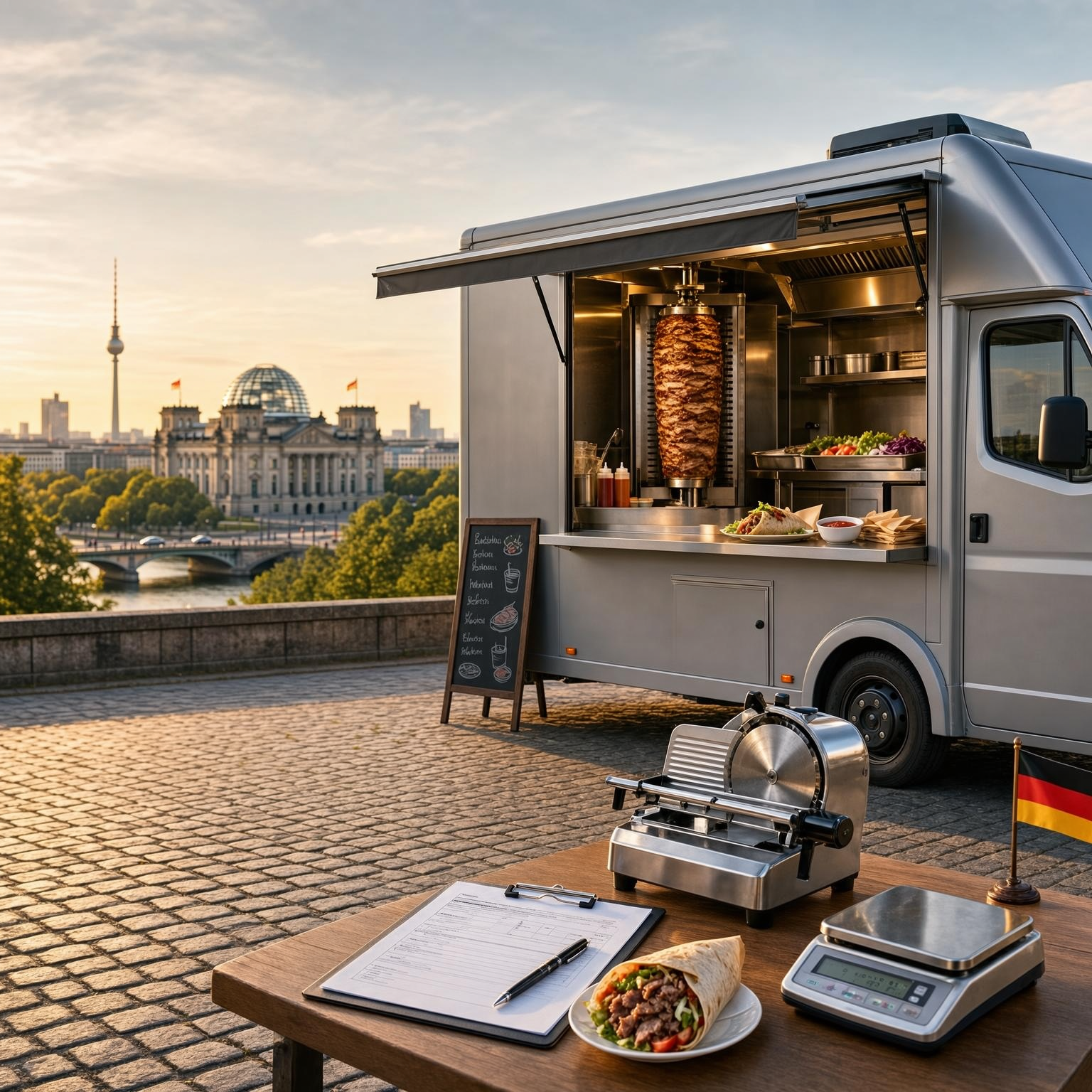 Starting a Döner Food Truck in Germany: Equipment and Regulations You Need to KnowRead more
Thinking about starting a Döner food truck in Germany? This guide covers everything you need to know—from legal...
-
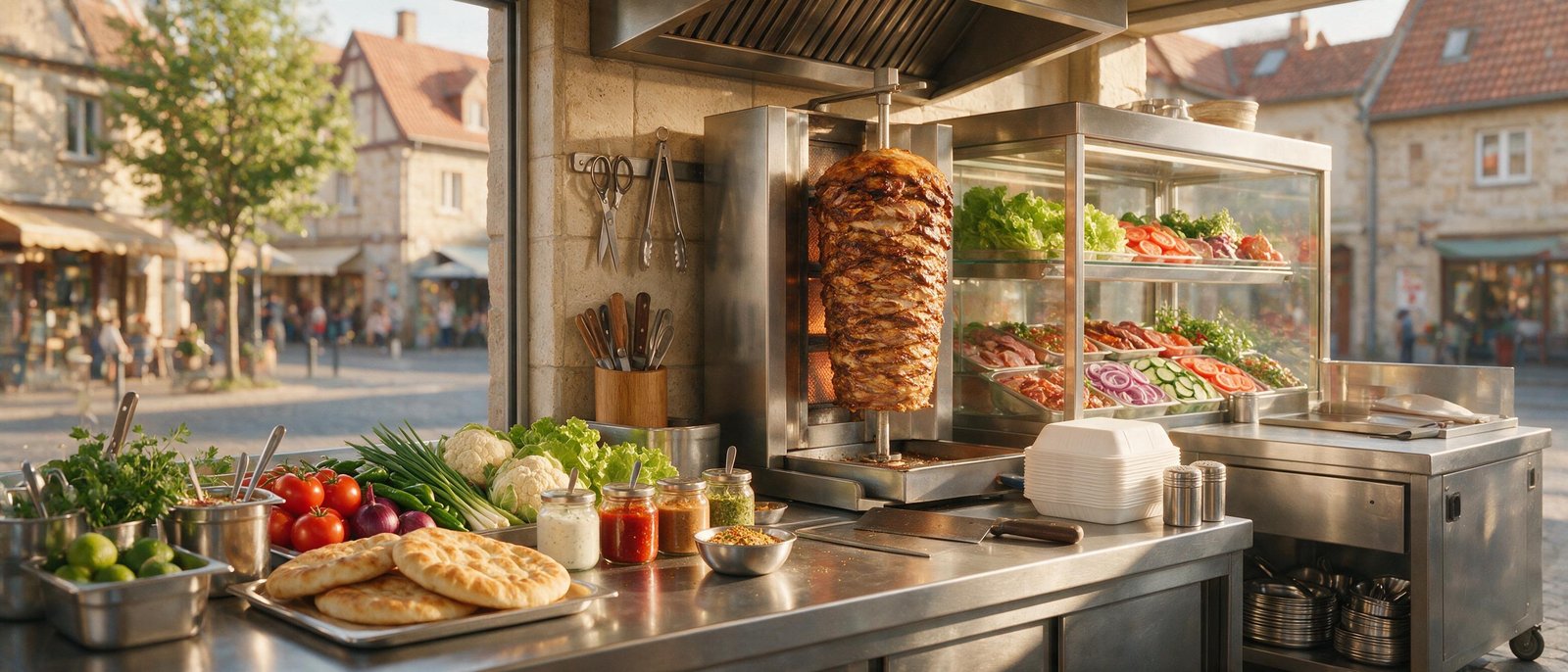 Opening a Döner Kebab Stand in Germany: Equipment, Permits & Startup Costs – Step-by-Step Guide to Starting Your BusinessRead more
Opening a Döner kebab stand in Germany is a popular business idea due to the widespread love for this delicious fast...
-
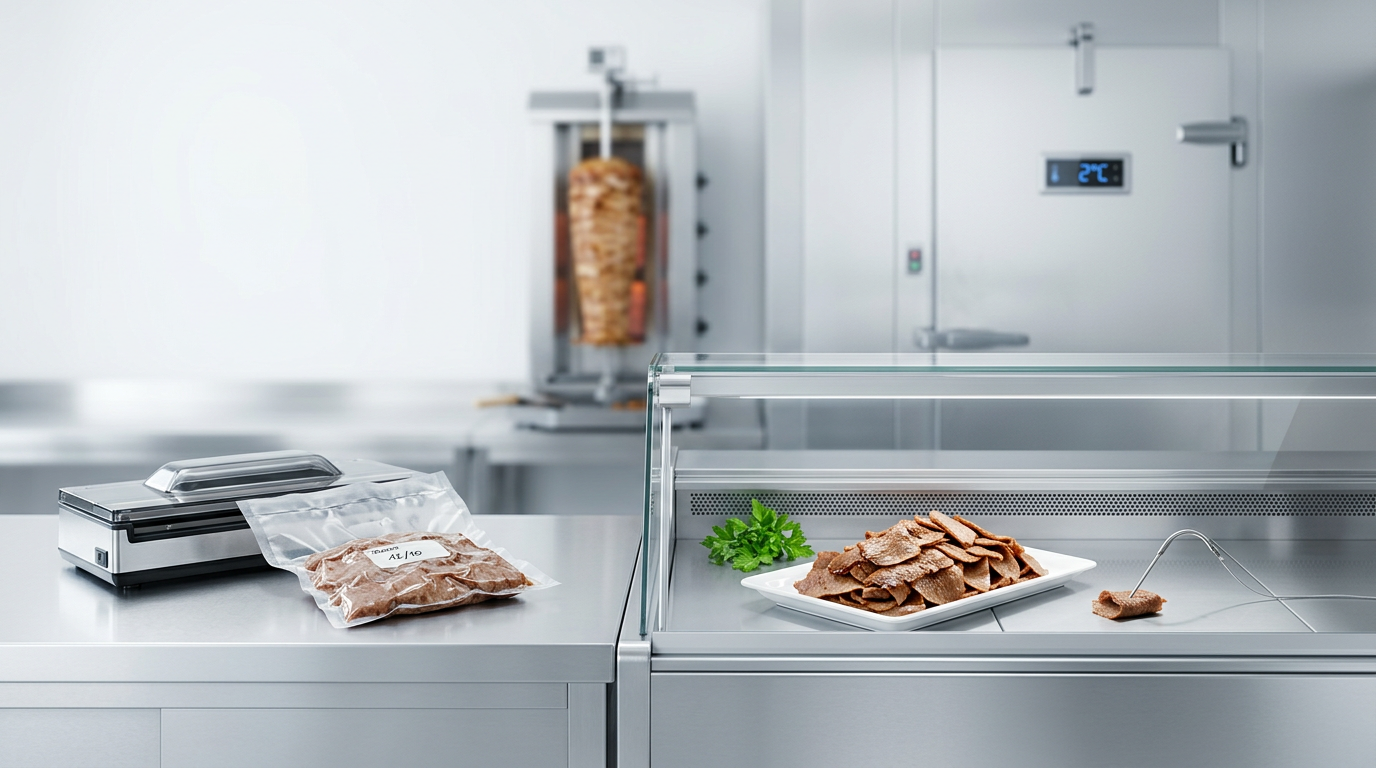 Shelf Life of Döner Meat: Cooling, Freezing & Fresh Counter Storage – Proper Handling to Prevent Food WasteRead more
Döner meat is a popular and delicious dish, but it’s also highly perishable. Proper storage is key to maintaining its...
-
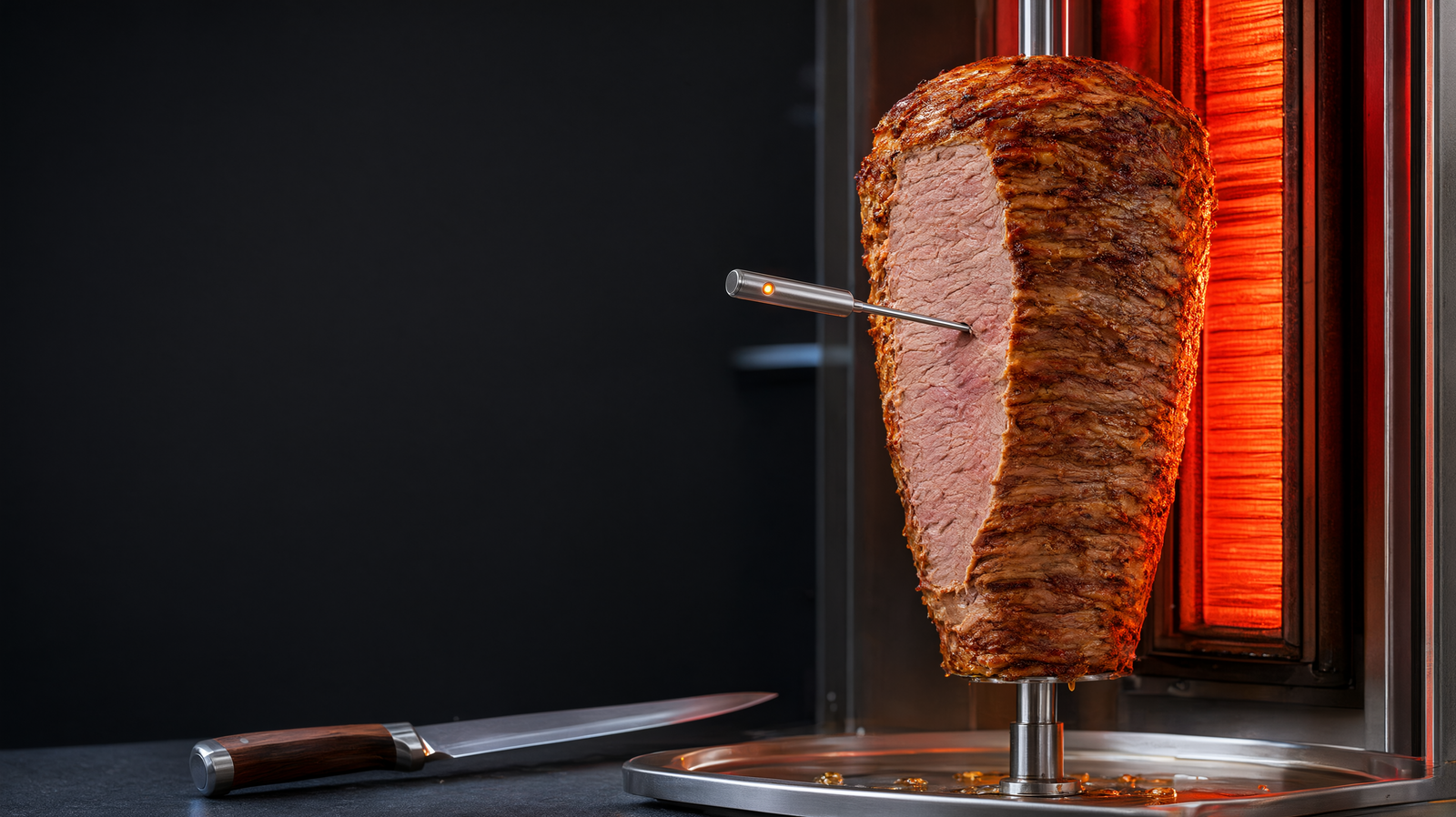 How Long Does a Döner Kebab Spit Last on the Grill? → Stand Times, Core Temperature, and Replenishment Planning in BusinessRead more
The Döner kebab spit is a cornerstone of many street food businesses, but managing how long it stays on the grill is...
-
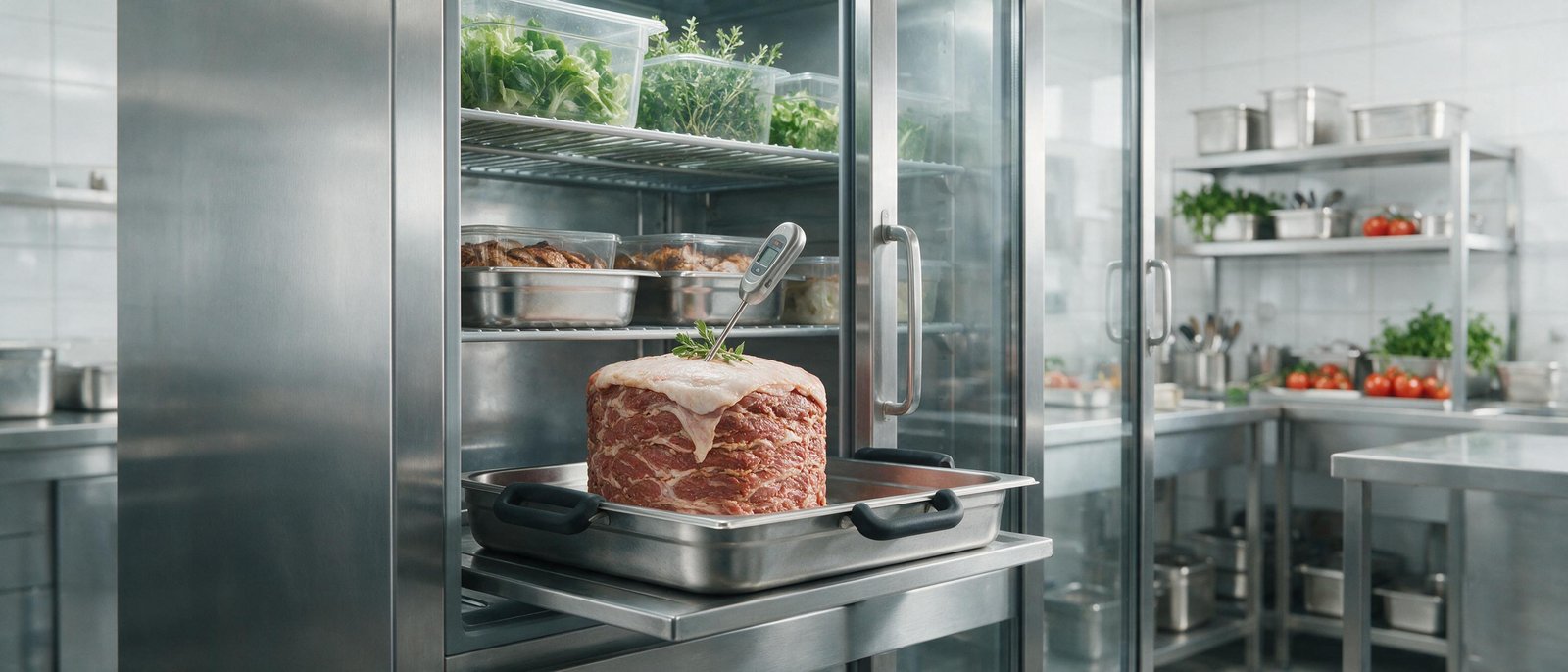 Proper Storage of Döner Meat: Regulations & Food Safety → HACCP-Compliant Storage According to German Food Hygiene RegulationsRead more
Döner meat is a popular and perishable food product that requires careful storage to maintain its safety and quality....
-
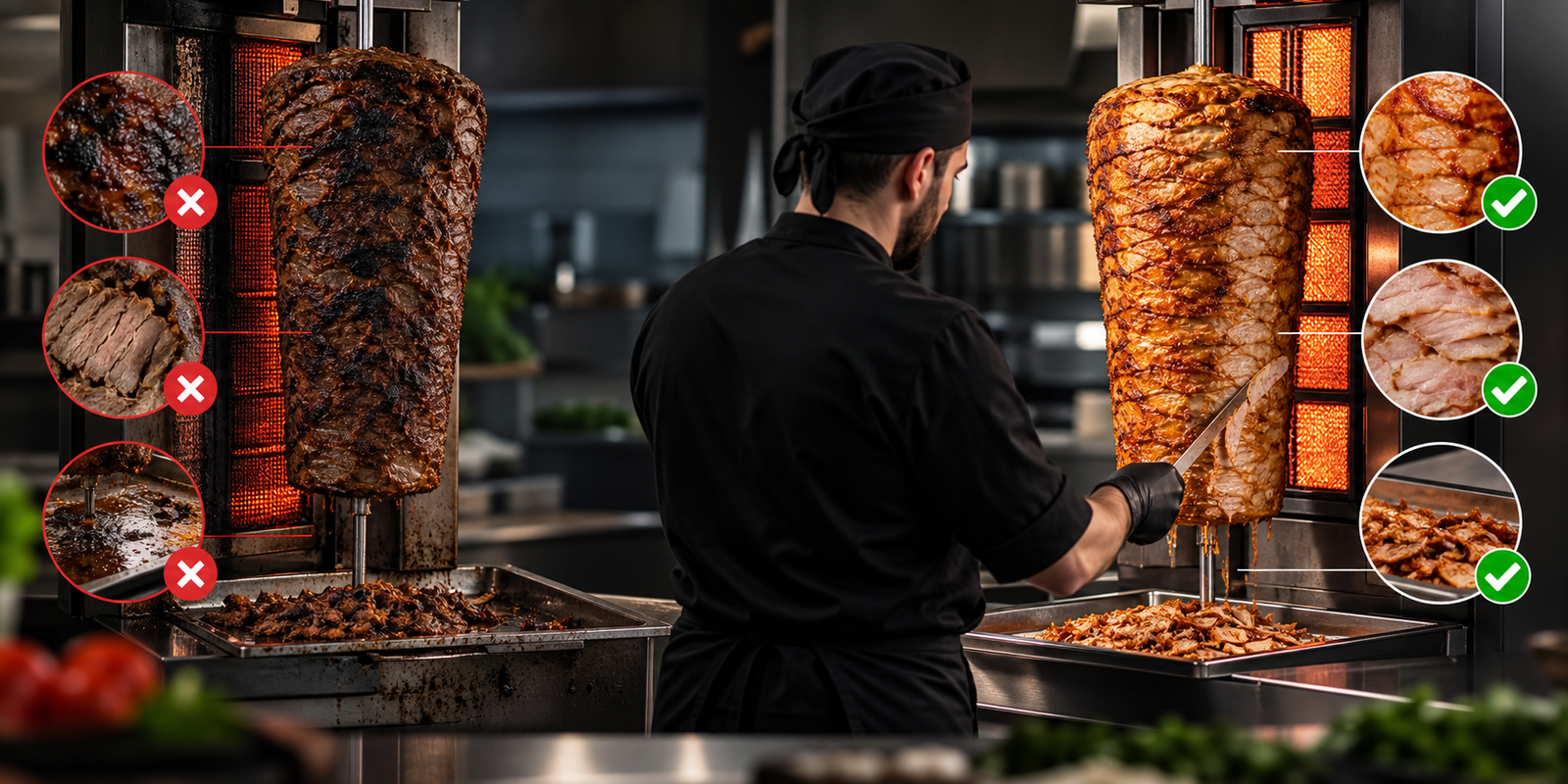 Common Mistakes When Grilling Döner – And How to Avoid Them: Identifying and Fixing Typical Preparation Errors in the Gastronomy IndustryRead more
The Döner kebab is a globally loved dish, but many gastronomy professionals struggle with common mistakes during its...
-
 What Makes Good Döner Meat So Tender and Flavorful? → Quality Characteristics and Preparation Techniques for RestaurateursRead more
Döner kebab is famous worldwide for its tender, juicy, and flavorful meat. But what exactly makes Döner meat so...
-
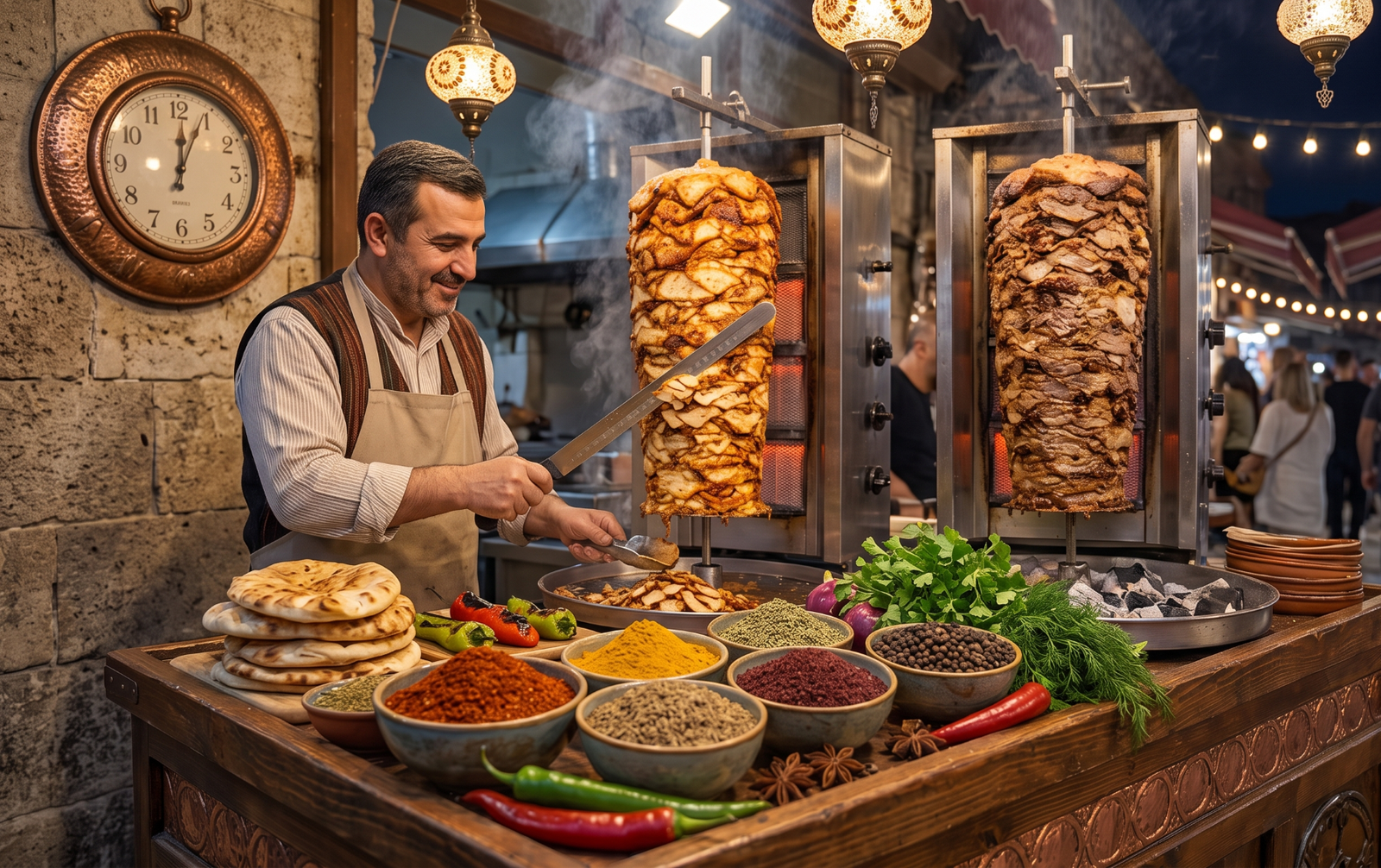 How to Slice Döner Meat Perfectly: Professional Techniques with Döner Knives and Electric SlicersRead more
Döner kebab is renowned for its thin, juicy slices of meat cooked on a vertical spit. Achieving perfect slices...
-
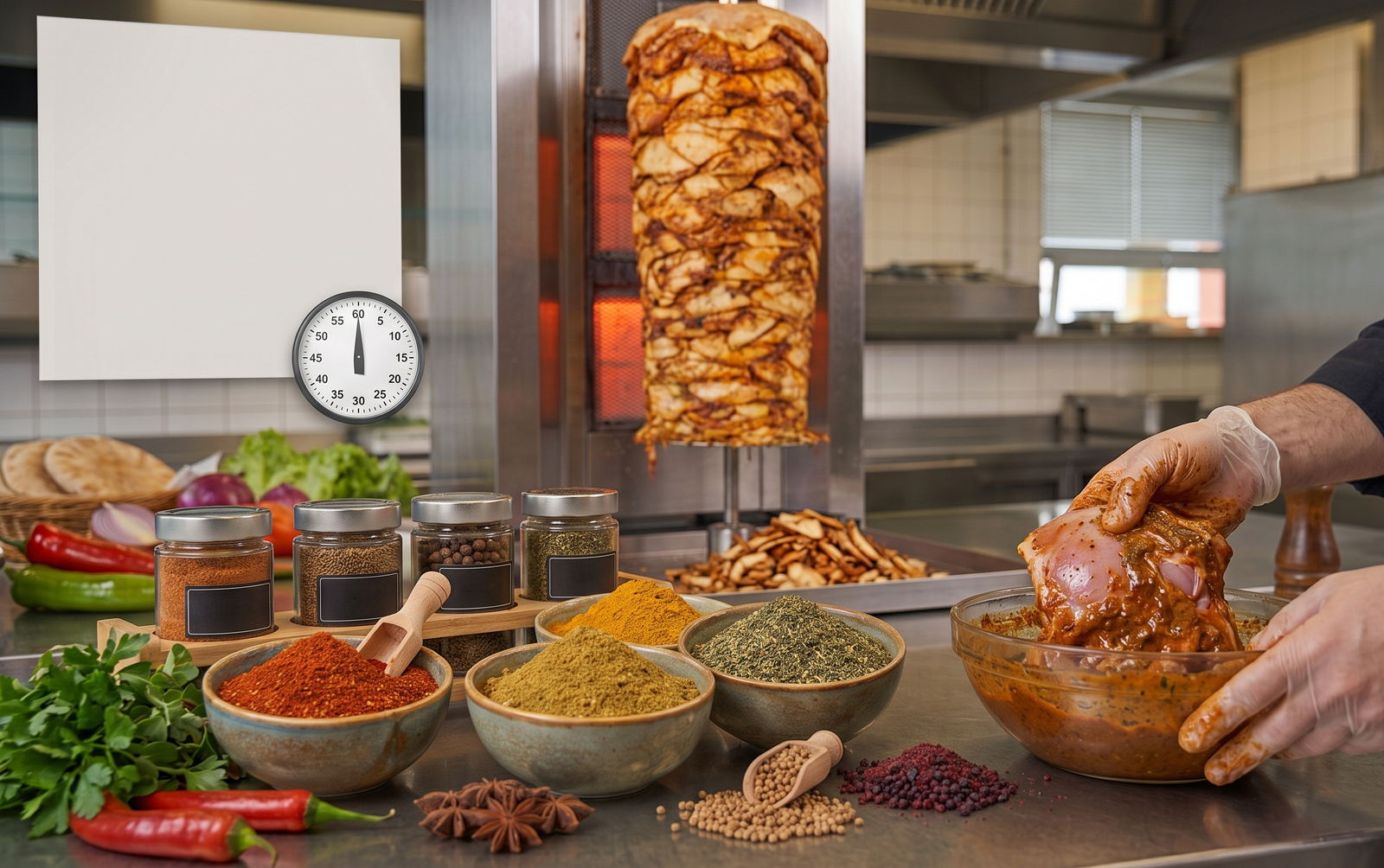 Döner Meat Marinade: Marinating Time and Professional Preparation → Optimal Preparation for Maximum Flavor and TendernessRead more
Döner kebab is famous worldwide for its juicy, flavorful meat, and the key to its perfection lies in the marinade and...
Blog categories
Search in blog
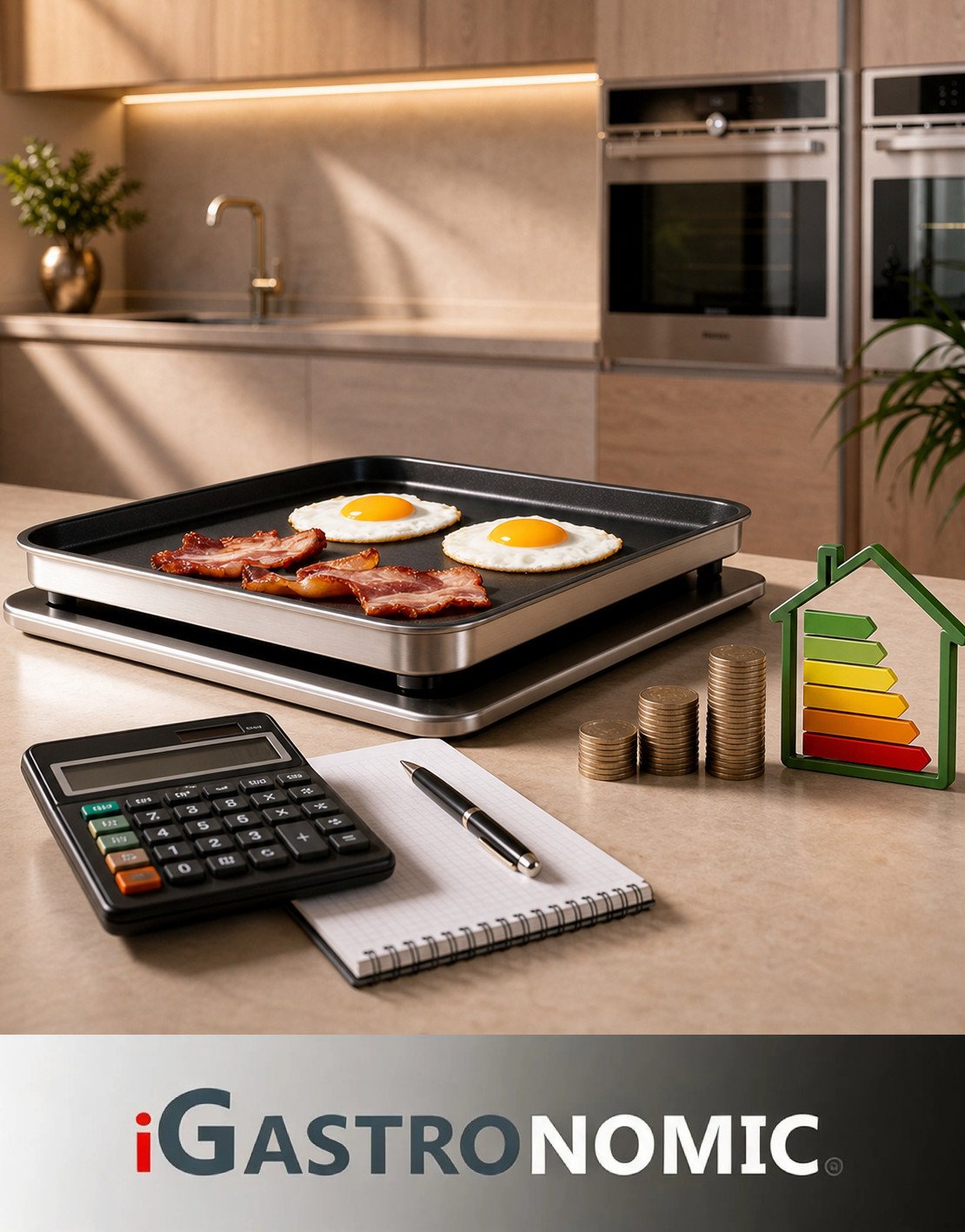
How Much Does It Cost to Operate a Fry Top? Energy Consumption and Expenses Explained
How Much Does It Cost to Operate a Fry Top? Energy Consumption and Expenses Explained
Fry tops are a staple in many commercial kitchens and increasingly popular among home chefs who want versatile, efficient cooking surfaces. But one common question that arises is: how much does it actually cost to operate a fry top? This question encompasses not only the direct energy consumption but also the associated expenses such as maintenance, wear and tear, and even environmental impact.
In this comprehensive guide, we’ll break down the costs involved in managing a fry top, analyze its energy consumption, and provide practical tips to optimize your expenses. Whether you’re a restaurant owner, a caterer, or a cooking enthusiast, understanding these factors will help you make informed decisions and keep your kitchen running efficiently.
What Is a Fry Top?
Before diving into the costs, let’s briefly define what a fry top is. A fry top, sometimes called a griddle, is a flat cooking surface typically made of cast iron or steel. It is heated from below by gas or electric elements and used for cooking a wide variety of foods such as pancakes, eggs, burgers, vegetables, and more.
Fry tops come in various sizes and configurations, from small countertop models to large, multi-burner units designed for commercial kitchens. Their versatility and efficiency make them a popular choice for fast-paced cooking environments.
Factors Affecting the Cost of Operating a Fry Top
The cost of managing a fry top depends on several variables, including:
- Energy source: Gas or electric
- Size and power rating: Larger units consume more energy
- Usage frequency: How often and how long you use it
- Temperature settings: Higher temperatures require more energy
- Maintenance and cleaning: Proper upkeep affects efficiency
- Energy costs in your location: Varies by region and provider
Energy Consumption of a Fry Top
Gas-Powered Fry Tops
Gas fry tops are common in commercial kitchens due to their quick heat-up times and precise temperature control. They typically run on natural gas or propane.
Average Consumption: A medium-sized gas fry top (around 24-36 inches) consumes roughly between 20,000 to 40,000 BTU (British Thermal Units) per hour. To convert BTU to kilowatt-hours (kWh) for comparison, 1 kWh = 3,412 BTU.
For example, a 30,000 BTU/hr fry top consumes approximately 8.8 kWh per hour (30,000 ÷ 3,412 = 8.8 kWh).
Cost Calculation: If natural gas costs $0.015 per 1,000 BTU, then operating the fry top for one hour costs:
$0.015 × 30 = $0.45 per hour
This is a rough estimate and actual costs may vary based on gas prices and efficiency.
Electric Fry Tops
Electric fry tops use heating elements and are favored in some kitchens for their even heat distribution and ease of installation.
Average Consumption: Electric fry tops typically range from 2,000 to 6,000 watts (2 to 6 kW). For example, a 4 kW fry top running for one hour consumes 4 kWh of electricity.
Cost Calculation: If electricity costs $0.12 per kWh, running a 4 kW fry top for one hour costs:
4 kWh × $0.12 = $0.48 per hour
Again, actual consumption depends on usage patterns and temperature settings.
Daily and Monthly Operating Costs
To understand the bigger picture, let’s calculate typical daily and monthly costs based on usage scenarios.
Example 1: Commercial Gas Fry Top
- Power: 30,000 BTU/hr
- Usage: 8 hours per day
- Gas cost: $0.015 per 1,000 BTU
Daily Cost:
30,000 BTU/hr × 8 hrs = 240,000 BTU/day
240,000 ÷ 1,000 × $0.015 = $3.60 per day
Monthly Cost (30 days):
$3.60 × 30 = $108 per month
Example 2: Electric Fry Top
- Power: 4 kW
- Usage: 8 hours per day
- Electricity cost: $0.12 per kWh
Daily Cost:
4 kW × 8 hrs = 32 kWh
32 kWh × $0.12 = $3.84 per day
Monthly Cost (30 days):
$3.84 × 30 = $115.20 per month
These examples show that operating costs for gas and electric fry tops can be quite comparable, though actual costs depend on local energy prices and usage.
Other Expenses to Consider
Maintenance and Cleaning
Regular maintenance is essential to keep your fry top running efficiently and to prolong its lifespan. This includes:
- Daily cleaning to remove grease and food residues
- Periodic deep cleaning and seasoning (for cast iron surfaces)
- Checking gas connections or electrical wiring
- Replacing worn-out parts such as burners, thermostats, or heating elements
Maintenance costs vary but budgeting around $50 to $100 per month for professional servicing and supplies is reasonable for commercial setups.
Wear and Tear
Over time, the surface of the fry top may degrade, requiring resurfacing or replacement. Investing in quality materials and proper care can reduce these costs.
Ventilation and Exhaust
Operating a fry top generates heat, smoke, and grease-laden vapors. Proper ventilation is necessary to maintain air quality and comply with health regulations. Ventilation systems consume additional energy, which should be factored into overall operating expenses.
Tips to Reduce Energy Consumption and Costs
1. Use the Right Size Fry Top
Select a fry top size that matches your cooking volume. Oversized units waste energy, while undersized ones may force longer cooking times.
2. Preheat Efficiently
Preheat only as long as necessary. Avoid keeping the fry top on at full power when not in use.
3. Control Temperature Settings
Cooking at excessively high temperatures wastes energy and can burn food. Use appropriate temperature settings for each dish.
4. Regular Cleaning and Maintenance
Clean surfaces improve heat transfer and reduce cooking times. Maintain burners and heating elements to ensure efficient operation.
5. Use Energy-Efficient Models
Modern fry tops often have better insulation and energy-saving features. Investing in newer equipment can reduce long-term costs.
6. Optimize Kitchen Workflow
Arrange cooking tasks to minimize idle times and avoid unnecessary heating cycles.
Environmental Impact
Energy consumption not only affects your budget but also your environmental footprint. Using energy-efficient fry tops and adopting sustainable practices can reduce greenhouse gas emissions and contribute to a greener kitchen.
Consider using renewable energy sources or carbon offsets if possible.
Conclusion
Managing a fry top involves understanding its energy consumption and associated costs. Whether you use gas or electric models, operating expenses typically range from $3 to $5 per day for moderate use, with monthly costs around $100 or more depending on usage and local energy prices.
By selecting the right equipment, maintaining it properly, and optimizing usage, you can keep your fry top running efficiently and minimize expenses. Additionally, being mindful of environmental impacts aligns your kitchen operations with sustainable practices.
If you’re considering purchasing or upgrading a fry top, factor in these costs and strategies to ensure you get the best value and performance for your investment.
Happy cooking!
Related posts
-
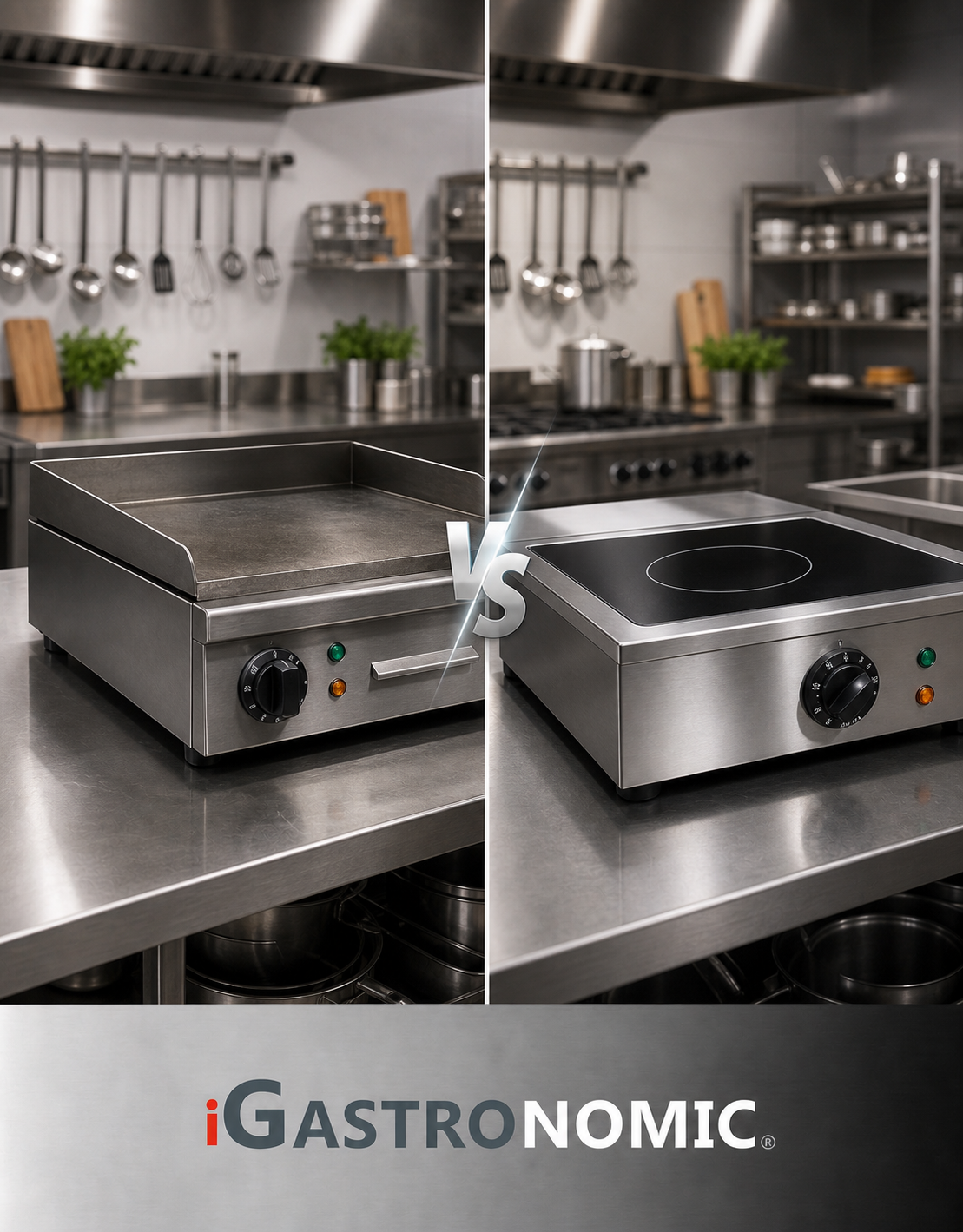 Fry Top vs Piastra Elettrica: Which One Should You Choose for Your Kitchen?
Choosing the right cooking appliance can transform your kitchen experience. Two popular options are the Fry Top and...Read more
Fry Top vs Piastra Elettrica: Which One Should You Choose for Your Kitchen?
Choosing the right cooking appliance can transform your kitchen experience. Two popular options are the Fry Top and...Read more -
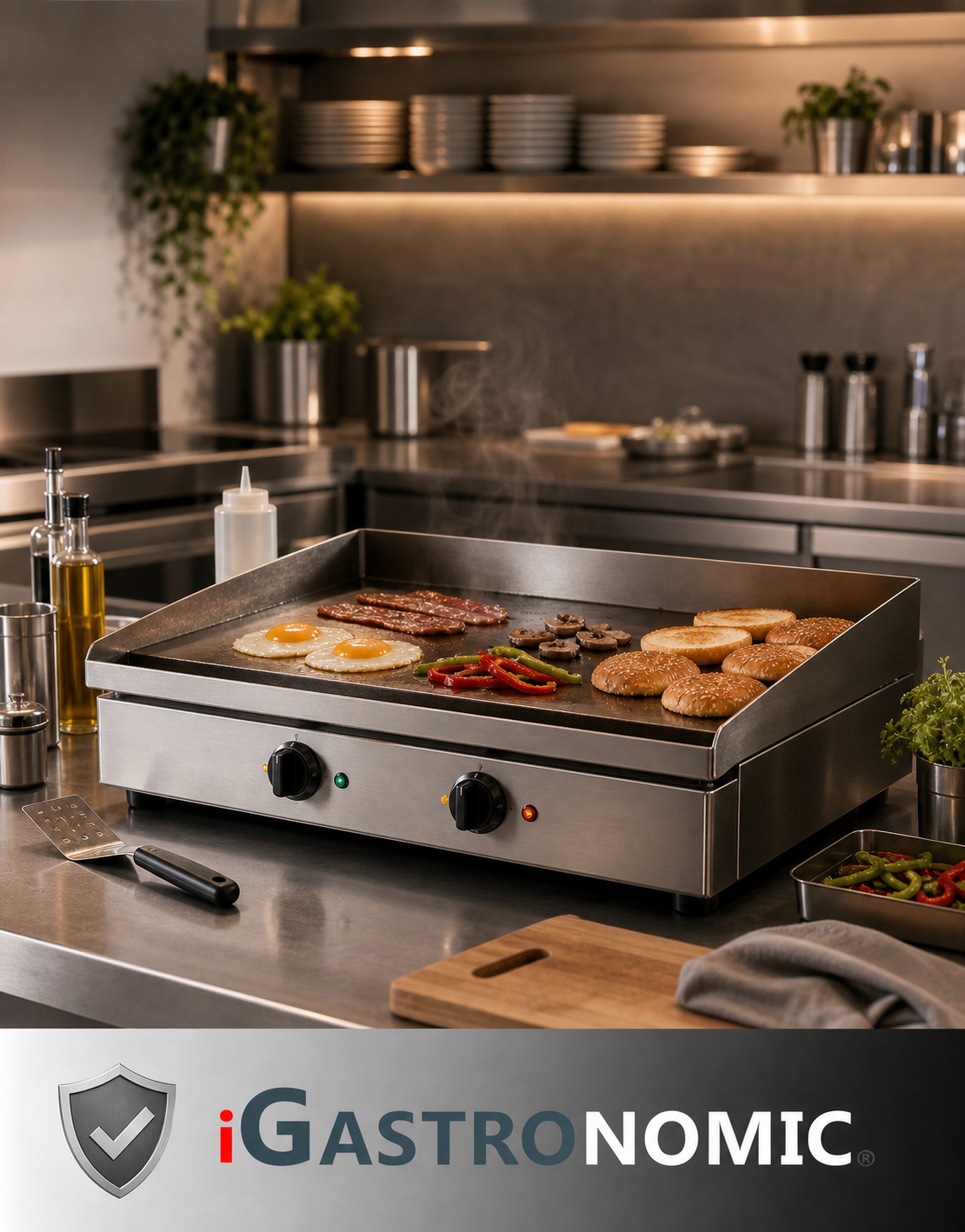 How to Use a Fry Top: A Complete Beginner's Guide
A fry top is a flat, smooth cooking surface that offers even heat distribution and a large area to cook multiple...Read more
How to Use a Fry Top: A Complete Beginner's Guide
A fry top is a flat, smooth cooking surface that offers even heat distribution and a large area to cook multiple...Read more -
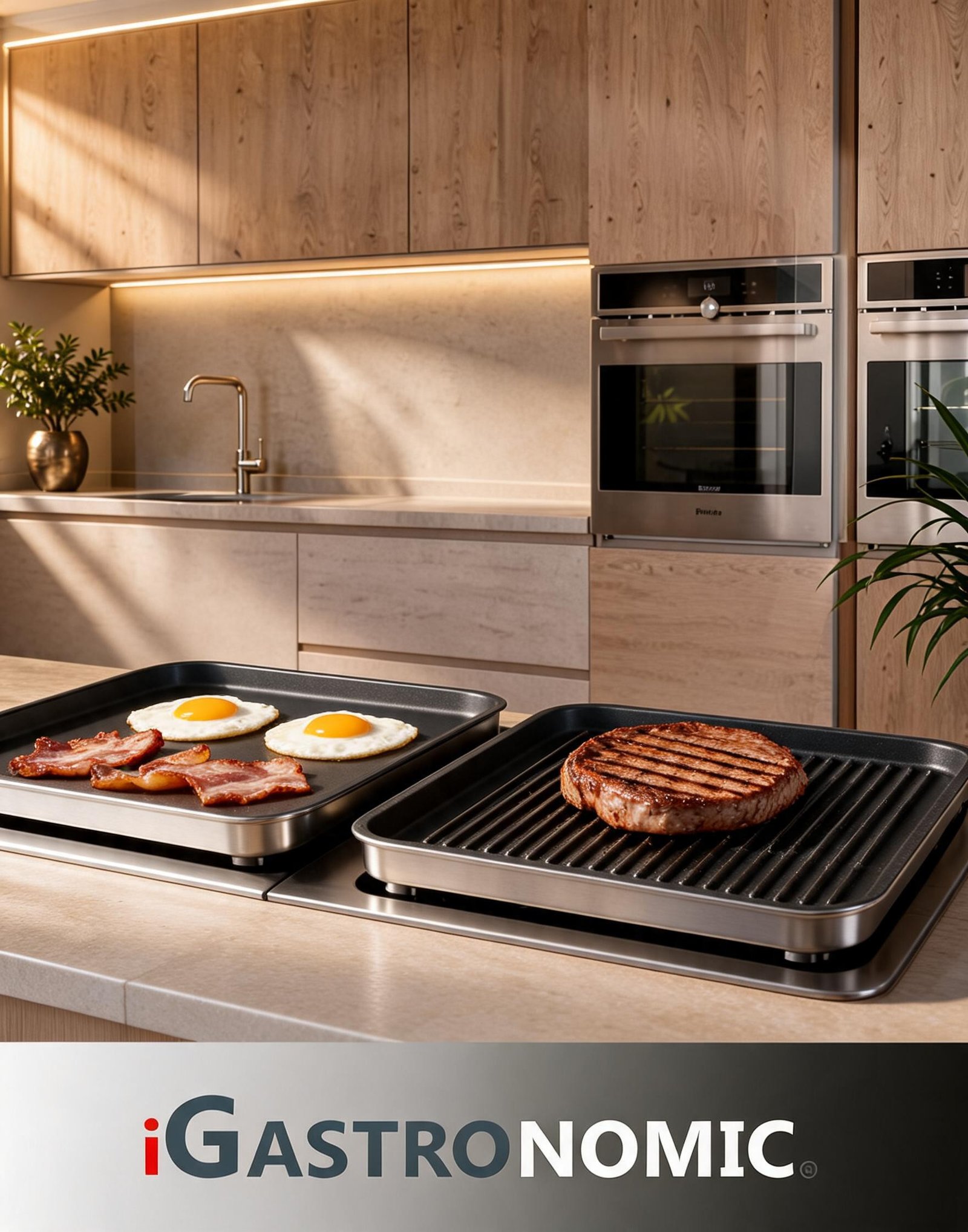 Fry Top Smooth or Ribbed? Which Is Better for Cooking?
Choosing between a smooth (liscio) and ribbed (rigato) fry top can significantly impact your cooking experience....Read more
Fry Top Smooth or Ribbed? Which Is Better for Cooking?
Choosing between a smooth (liscio) and ribbed (rigato) fry top can significantly impact your cooking experience....Read more -
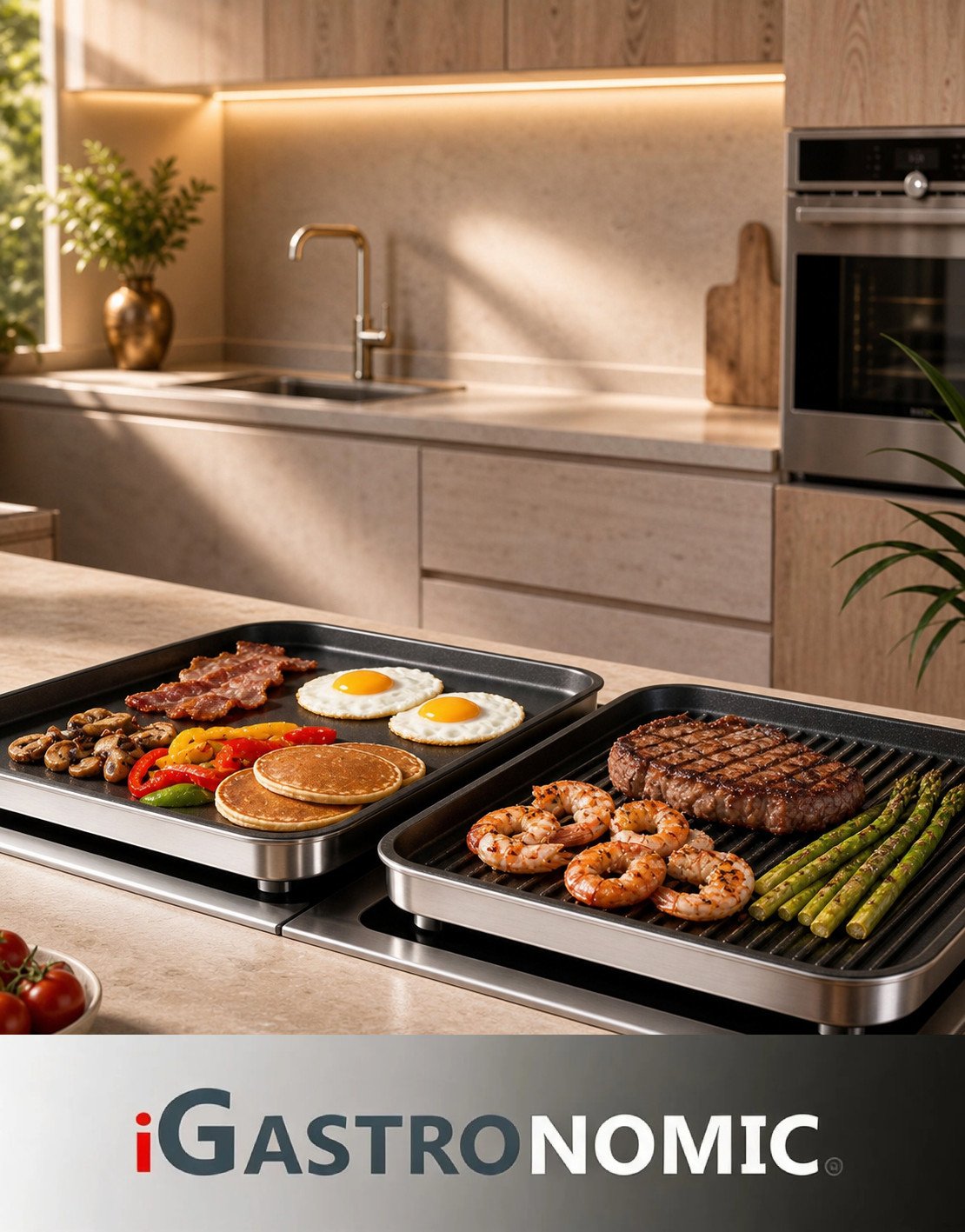 What Can You Cook on an Electric Fry Top? A Complete Guide
An electric fry top is a versatile kitchen appliance that offers a large, evenly heated cooking surface perfect for a...Read more
What Can You Cook on an Electric Fry Top? A Complete Guide
An electric fry top is a versatile kitchen appliance that offers a large, evenly heated cooking surface perfect for a...Read more -
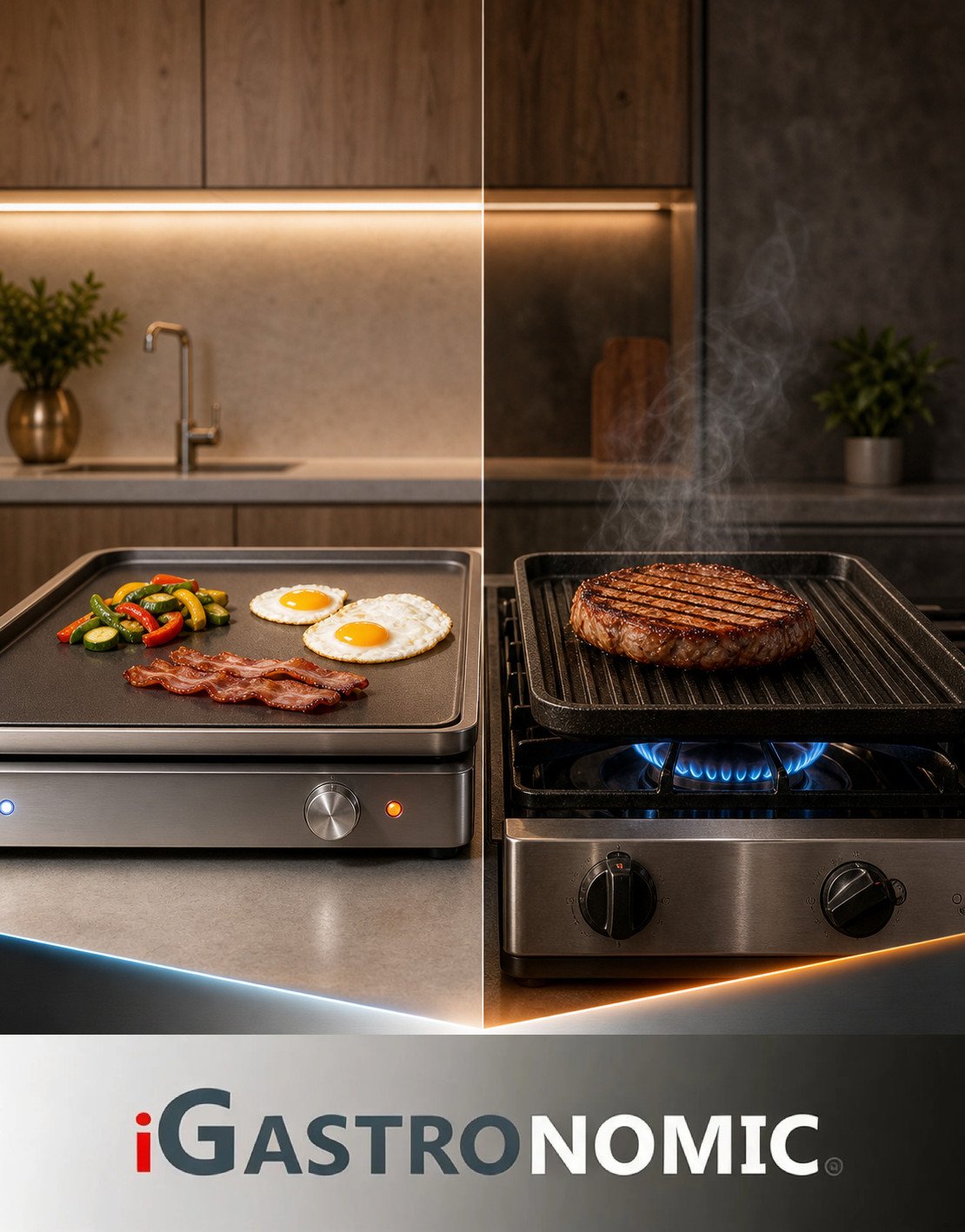 Electric Fry Top vs Gas: Advantages and Disadvantages Compared
Choosing between an electric and gas fry top can be challenging. Electric fry tops offer precise temperature control,...Read more
Electric Fry Top vs Gas: Advantages and Disadvantages Compared
Choosing between an electric and gas fry top can be challenging. Electric fry tops offer precise temperature control,...Read more
Leave a comment