
 Deutsch
 Türkçe
 Italiano

.jpg)
.jpg)
.jpg)
.jpg)
.jpg)
.jpg)
.jpg)
.jpg)
.jpg)
.jpg)

.jpg)

.jpg)
.jpg)
.jpg)
.jpg)
.jpg)
.jpg)
.jpg)
.jpg)
.jpg)
.jpg)



.jpg)
.jpg)
.jpg)
.jpg)
.jpg)
.jpg)
.jpg)
.jpg)
.jpg)



.jpg)
.jpg)

.jpg)
.jpg)
.jpg)
.jpg)


.jpg)

.png)
.jpg)
.jpg)
 (200 x 136 px) (5).png)
.png)

Looking for the perfect restaurant dinnerware? Discover why professional chefs worldwide rely on the chip-resistant...
-
 Cooking Appliances
add remove
Cooking Appliances
add remove -
-
Pizza & Grill
add remove
-
-
Refrigeration
add remove
-
-
Combi Steamer
add remove
-
-
Kitchen Appliances
add remove
-
-
Rinsing & Cleaning
add remove
-
-
Retail Refrigeration
add remove
-
-
Cafe & Ice Cream
add remove
-
-
Smart-Gastro
add remove
-
-
Event- & Cateringmöbel
-
Cooking Appliances
add remove
-
-
Pizza & Grill
add remove
-
-
Refrigeration
add remove
-
-
Combi Steamer
add remove
-
-
Kitchen Appliances
add remove
-
-
Rinsing & Cleaning
add remove
-
-
Retail Refrigeration
add remove
-
-
Cafe & Ice Cream
add remove
-
-
Smart-Gastro
add remove
-
-
Event- & Cateringmöbel


Call us:
+49 (0) 6135 7040 450Latest posts
-
 Why RAK Porcelain is the Top Choice for ProfessionalsRead more
 -
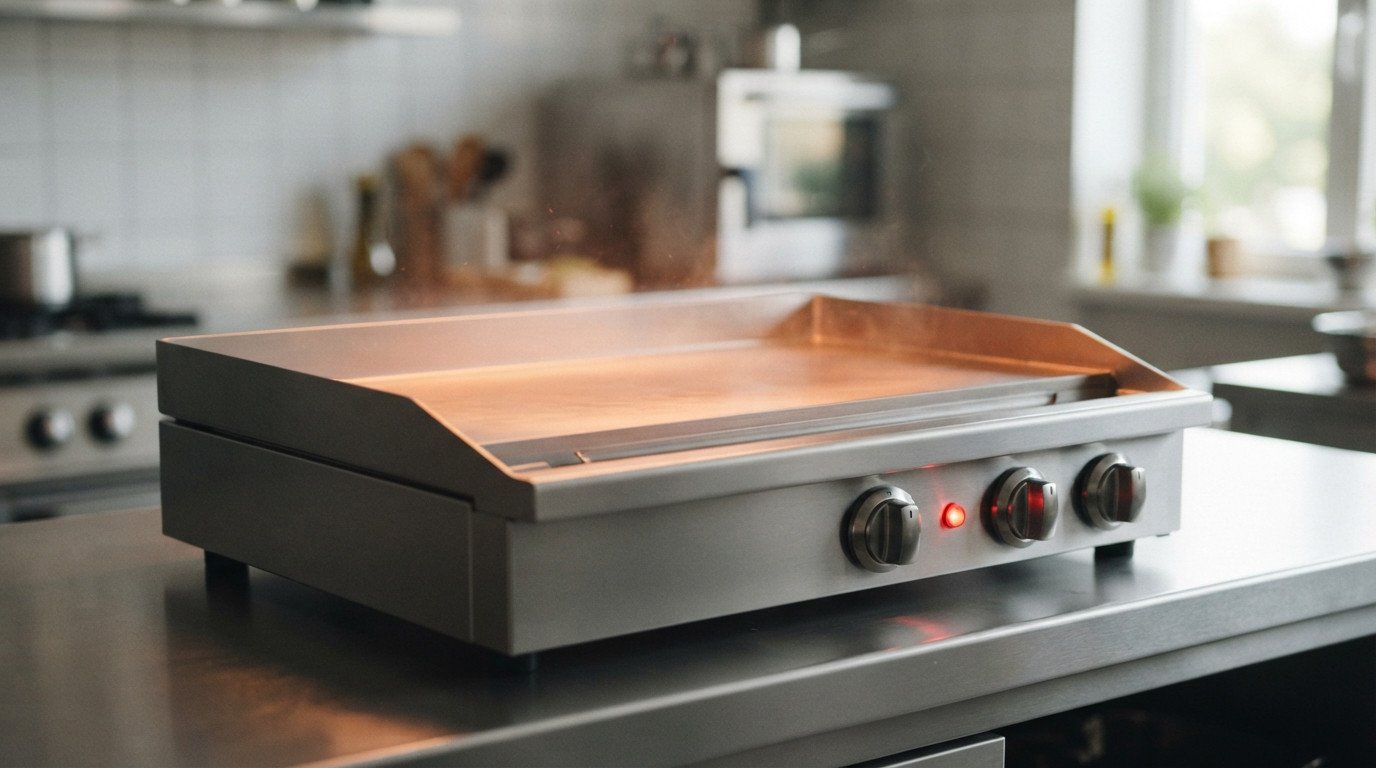 Electric Fry Top: How Long Does It Take to Heat Up?Read more
The electric fry top is a versatile and efficient kitchen appliance that offers even heat distribution and a smooth...
-
 Does the Fry Top Scratch Easily? How to Preserve Its SurfaceRead more
Fry tops are versatile and popular cooking surfaces, but many wonder if they scratch easily and how to keep them in...
-
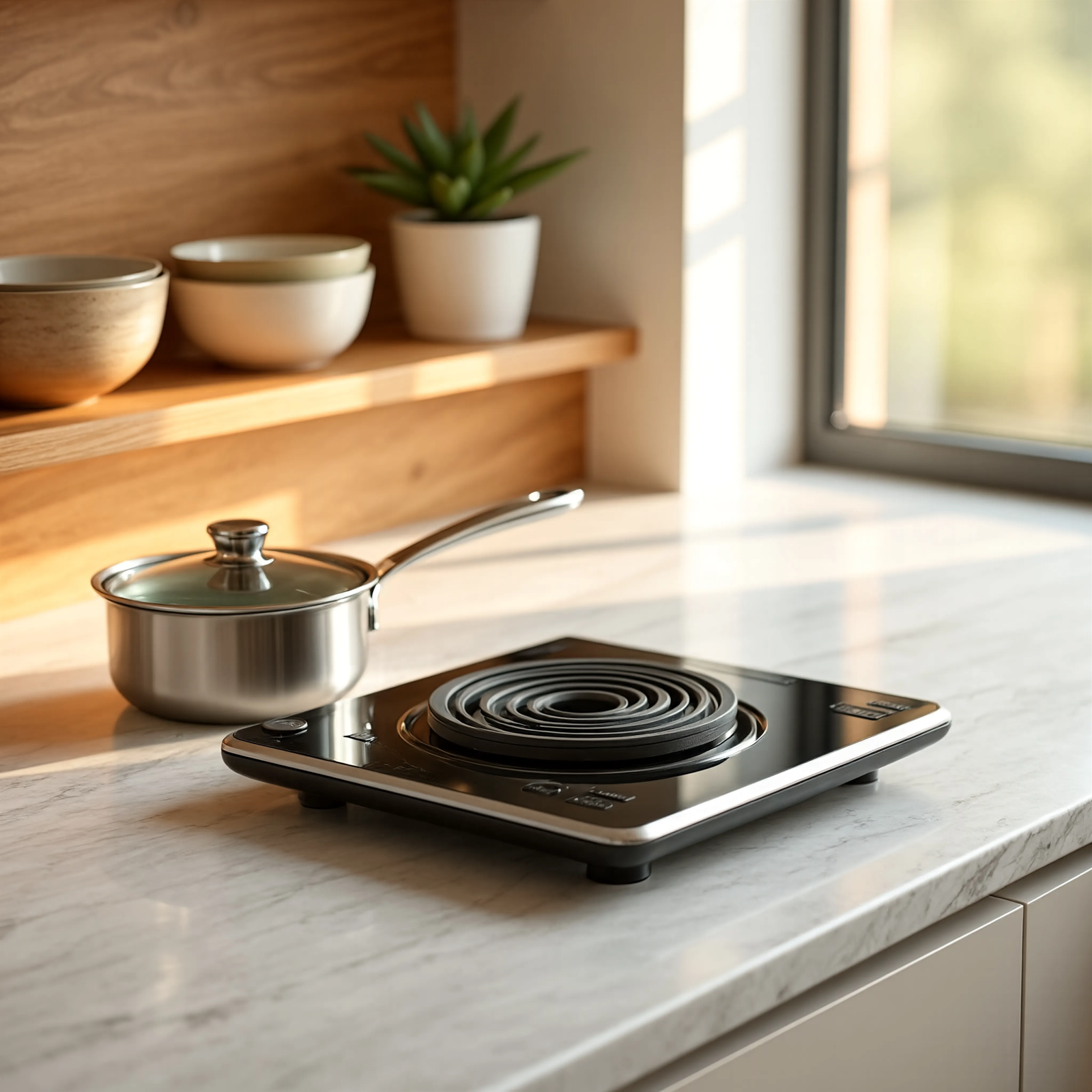 Fry Top for Beginners: Which Model Is Easiest to Use?Read more
Are you new to cooking with a fry top and wondering which model is easiest to use? A fry top, or griddle, offers a...
-
 Small Spaces: Which Electric Hot Plate Should You Choose?Read more
Living in a small space often means limited kitchen area, making it essential to choose compact and efficient cooking...
-
 How to Fry Safely on an Electric Fry Top: A Complete GuideRead more
Frying on an electric fry top offers a convenient and efficient way to prepare delicious meals, but safety is...
-
 Fry Top with Thermostat: Is It Worth Spending More?Read more
A fry top is a versatile cooking surface widely used in both home and professional kitchens. One key feature that...
-
 Contact Electric Hotplates: Is Cooking Really Difficult?Read more
Contact electric hotplates are becoming increasingly popular for their convenience and efficiency in the kitchen....
-
 How to Choose the Right Power for Your Electric Fry TopRead more
Choosing the right power for your electric fry top is essential for efficient and enjoyable cooking. The power...
-
 Portable Fry Top: Does It Exist and Is It Worth Having?Read more
If you love cooking and are always on the go, you might wonder if a portable fry top exists and whether it’s worth...
Blog categories
Search in blog
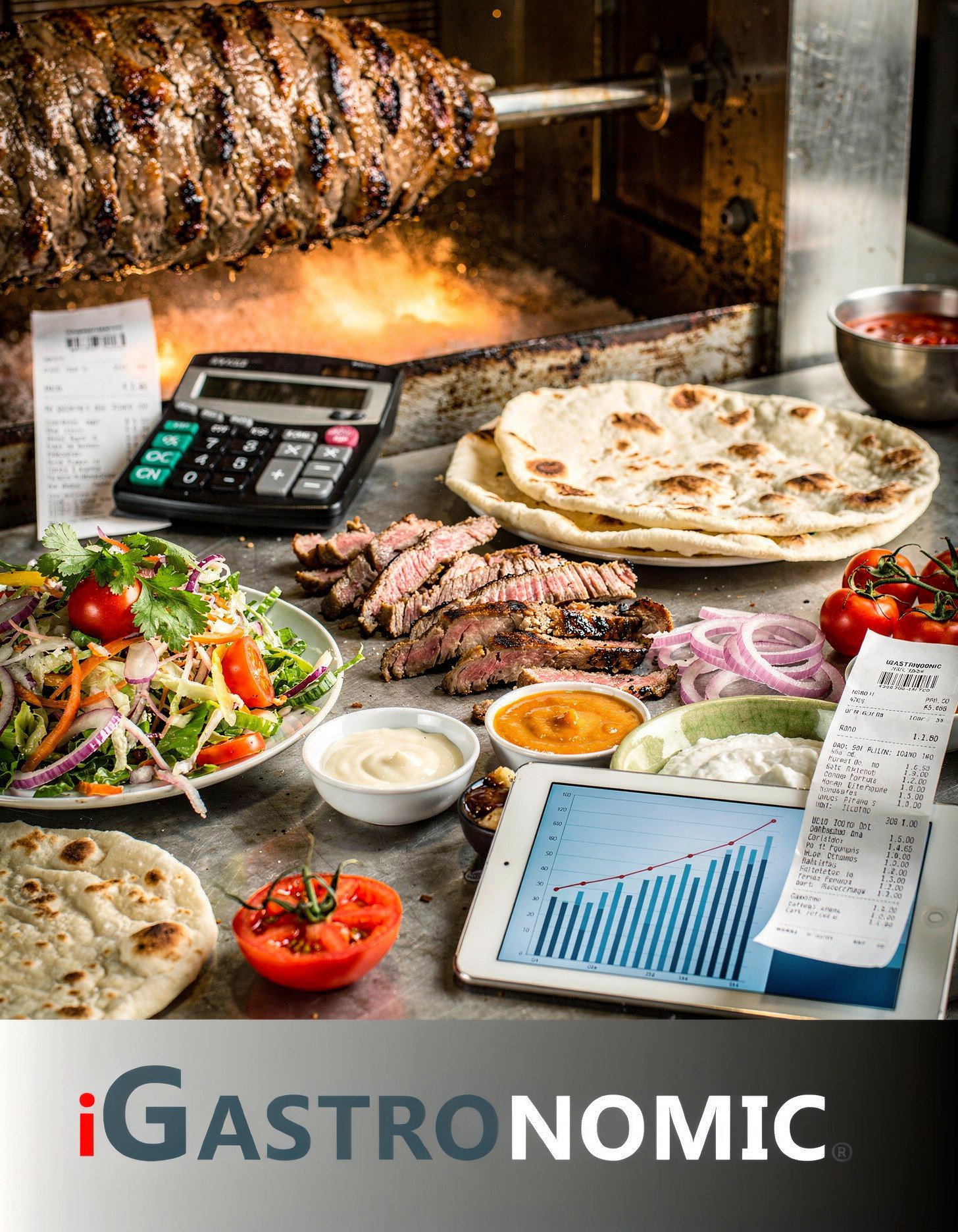
How to Calculate Costs and Profits in a Restaurant: Use iGastroNomic's Free Calculator for Accurate Results
How to Calculate Costs and Profits in a Restaurant: Use iGastroNomic's Free Calculator for Accurate Results
Running a restaurant is as much about passion for food as it is about smart financial management. One of the biggest challenges restaurant owners face is understanding exactly which dishes bring in the most profit and which ones might be draining resources. Without accurate cost and profit calculations, it’s easy to lose track of your business’s financial health, even if your dining room is full every night.
Thankfully, technology has made this process easier than ever. In this article, we'll explore how you can calculate costs and profits in your restaurant effectively, and introduce you to iGastroNomic's free calculator — a powerful yet user-friendly tool designed specifically for restaurant owners and managers. By the end of this post, you’ll know how to identify your most profitable dishes and make data-driven decisions to boost your bottom line.
Why Calculating Costs and Profits is Crucial for Restaurants
Before diving into the how, it’s important to understand the why. Many restaurateurs focus on sales volume or customer satisfaction, which are obviously important, but without knowing your costs and profits at the dish level, you’re flying blind financially.
- Identify profitable dishes: Not all menu items are created equal. Some dishes may have high sales but low profit margins, while others might be hidden gems that bring in great revenue with minimal cost.
- Control food costs: Food cost is one of the largest expenses in a restaurant. Tracking ingredient costs precisely helps you avoid waste and price your dishes appropriately.
- Optimize your menu: Knowing the profitability of each dish allows you to tweak your menu, remove underperforming items, and promote high-margin options.
- Improve pricing strategy: Without accurate cost data, you might underprice or overprice your dishes, both of which can hurt your business.
- Forecast profits: Understanding your cost structure helps you predict future profits and make informed decisions about expansion, staffing, and marketing.
The Basics: How to Calculate Food Cost and Profit
At its core, calculating the cost and profit of a dish involves two main components: food cost and selling price. Here’s a simple breakdown:
- Calculate Food Cost: This is the total cost of all ingredients used to prepare a single serving of a dish. For example, if a pasta dish uses $1.50 worth of pasta, $0.75 worth of sauce, and $2.00 worth of toppings, the food cost is $4.25.
- Determine Selling Price: This is the price you charge your customers for that dish.
- Calculate Gross Profit: Subtract the food cost from the selling price. For example, if the dish is sold for $12.00, the gross profit is $12.00 - $4.25 = $7.75.
- Calculate Food Cost Percentage: This is the ratio of food cost to selling price, expressed as a percentage. Using the example, ($4.25 / $12.00) x 100 = 35.4%. This percentage helps you understand how much of your revenue goes toward ingredients.
While this seems straightforward, the challenge lies in accurately calculating the food cost for each dish, especially when recipes contain many ingredients or when ingredient prices fluctuate. This is where iGastroNomic’s free calculator comes in.
Introducing iGastroNomic's Free Calculator
iGastroNomic is a comprehensive platform designed to help restaurant professionals manage their operations more efficiently. Among its many features is a free cost and profit calculator that simplifies the complex task of calculating dish costs and profits.
Here’s why iGastroNomic’s calculator stands out:
- User-Friendly Interface: You don’t need to be an accountant or have advanced Excel skills to use it. The calculator guides you step-by-step through inputting your ingredients and prices.
- Detailed Ingredient Breakdown: Enter each ingredient’s quantity and cost, and the calculator automatically totals the food cost per dish.
- Real-Time Profit Analysis: Once you input the selling price, the calculator instantly shows your gross profit and food cost percentage.
- Menu-Level Insights: You can analyze multiple dishes to see which ones bring the best revenue and which might need rethinking.
- Free to Use: Unlike many expensive restaurant management tools, iGastroNomic offers this calculator free, making it accessible to all restaurant owners.
How to Use iGastroNomic's Calculator Step-by-Step
Getting started with the calculator is easy. Here’s a simple walkthrough:
- Gather Your Recipe Data: List all ingredients for a dish, including quantities per serving and current prices.
- Access the Calculator: Visit the iGastroNomic website and navigate to their free cost and profit calculator tool.
- Input Ingredients: Enter each ingredient’s name, quantity used per dish, and cost per unit.
- Enter Selling Price: Input the price you charge customers for the dish.
- Review Results: The calculator will display the total food cost, gross profit, and food cost percentage.
- Analyze Multiple Dishes: Repeat the process for other menu items to compare profitability.
By regularly updating your ingredient prices and recalculating, you can keep your menu pricing aligned with market changes and maintain healthy profit margins.
Which Dishes Bring Good Revenue?
Once you have accurate cost and profit data, you can identify which dishes truly bring in good revenue. Here are some tips on how to interpret the results:
- Look for High Gross Profit and Reasonable Food Cost Percentage: A dish with a high gross profit and a food cost percentage between 25-35% is generally considered healthy.
- Consider Popularity and Volume: A dish might have a lower margin but sell in high volumes, making it a key revenue driver.
- Identify Loss Leaders: Some dishes are priced low to attract customers but don’t generate much profit. Knowing these helps you balance your menu.
- Spot Inefficient Dishes: High food cost percentages (above 40-45%) can indicate that a dish is too expensive to produce relative to its price.
For example, a gourmet burger might cost $5.00 in ingredients and sell for $15.00, yielding a 33% food cost and $10 gross profit. Meanwhile, a seafood pasta might cost $8.00 but sell for $18.00, resulting in a 44% food cost and $10 gross profit. Even though the gross profit is the same, the burger is more efficient in terms of ingredient cost.
Using iGastroNomic’s calculator, you can quickly run these comparisons and make informed decisions about which dishes to promote, revise, or remove.
Why This Isn’t Just Another Calculator
You might be wondering: "There are plenty of calculators and spreadsheets out there. What makes this one different?"
While many tools claim to help with cost calculations, most fall short in one or more areas:
- Complexity: Many calculators require manual formulas or advanced Excel knowledge, making them inaccessible to busy restaurateurs.
- Inaccuracy: Some tools don’t account for ingredient waste, portion sizes, or price fluctuations, leading to unreliable results.
- Limited Scope: They may calculate costs but don’t provide actionable insights on profitability or menu optimization.
- Cost: Premium restaurant management software can be expensive and overkill for small or medium-sized businesses.
iGastroNomic’s free calculator strikes the perfect balance by being simple, accurate, and tailored specifically for the restaurant industry. It’s not just a calculator — it’s a strategic tool that empowers you to make smarter decisions.
Calculate Before You Commit: The Power of Pre-Planning
One of the biggest advantages of using iGastroNomic’s calculator is the ability to calculate costs and profits before you commit to new dishes or menu changes. This pre-planning can save you time, money, and headaches down the road.
Imagine you’re considering adding a new signature dish. By inputting the recipe and pricing into the calculator, you can instantly see if it fits your profitability goals. If the food cost percentage is too high or the gross profit too low, you can adjust the recipe, portion sizes, or price before launching it.
This proactive approach helps you avoid costly mistakes and ensures every menu item contributes positively to your restaurant’s financial health.
Additional Tips for Managing Restaurant Costs and Profits
While the calculator is a fantastic tool, here are some additional best practices to maximize your profitability:
- Regularly Update Ingredient Prices: Market prices fluctuate. Keep your data current to maintain accuracy.
- Account for Waste and Spoilage: Not all ingredients purchased end up in dishes. Factor in average waste percentages.
- Train Your Staff: Ensure kitchen staff follow standardized recipes and portion controls to avoid cost overruns.
- Review Your Menu Periodically: Use your profitability data to refresh your menu seasonally or quarterly.
- Consider Overhead Costs: While food cost is critical, don’t forget to factor in labor, rent, utilities, and other expenses when evaluating overall profitability.
Conclusion: Take Control of Your Restaurant’s Financial Future
Calculating costs and profits in a restaurant doesn’t have to be a daunting or time-consuming task. With the right approach and tools like iGastroNomic’s free calculator, you can gain clear insights into which dishes bring good revenue and which need attention.
Remember, it’s not about having the "best calculator in the world" but having a practical, accurate, and easy-to-use tool that fits your business needs. iGastroNomic’s calculator empowers you to calculate costs and profits before making menu decisions, helping you optimize your offerings, reduce waste, and boost profitability.
Ready to take control of your restaurant’s finances? Visit iGastroNomic today and start using their free cost and profit calculator — your menu and your bottom line will thank you.
Happy cooking and calculating!
Posted in:
Tips & Tricks
Related posts
-
 More Than Just Fast Food - All You Need to Know
System Gastronomy: Learn more about this exciting business model. From Fast Food to Casual Dining - we explain...Read more
More Than Just Fast Food - All You Need to Know
System Gastronomy: Learn more about this exciting business model. From Fast Food to Casual Dining - we explain...Read more -
 The 10 Most Expensive Restaurants in the World
When it comes to fine dining and luxurious culinary experiences, some restaurants around the globe capture attention...Read more
The 10 Most Expensive Restaurants in the World
When it comes to fine dining and luxurious culinary experiences, some restaurants around the globe capture attention...Read more -
 Which Restaurant Makes the Most Revenue? A Deep Dive into the World of Gastronomy
Who are the revenue giants in the gastronomy industry? We reveal the top players and analyze why they are so...Read more
Which Restaurant Makes the Most Revenue? A Deep Dive into the World of Gastronomy
Who are the revenue giants in the gastronomy industry? We reveal the top players and analyze why they are so...Read more -
 Boost Your Restaurant's Revenue with Pergolas and Louvered Roofs
Ever wondered how to make your restaurant more appealing and increase your sales? The answer might be simpler than...Read more
Boost Your Restaurant's Revenue with Pergolas and Louvered Roofs
Ever wondered how to make your restaurant more appealing and increase your sales? The answer might be simpler than...Read more -
 The World of Döner: From Traditional Recipes to the Best Döner Spots Worldwide
Learn how to make authentic Yaprak Döner, discover the best döner spots in Germany and worldwide, and explore the...Read more
The World of Döner: From Traditional Recipes to the Best Döner Spots Worldwide
Learn how to make authentic Yaprak Döner, discover the best döner spots in Germany and worldwide, and explore the...Read more
Leave a comment