
 Deutsch
 Türkçe
 Italiano

.jpg)
.jpg)
.jpg)
.jpg)
.jpg)
.jpg)
.jpg)
.jpg)
.jpg)
.jpg)

.jpg)

.jpg)
.jpg)
.jpg)
.jpg)
.jpg)
.jpg)
.jpg)
.jpg)
.jpg)
.jpg)



.jpg)
.jpg)
.jpg)
.jpg)
.jpg)
.jpg)
.jpg)
.jpg)
.jpg)



.jpg)
.jpg)

.jpg)
.jpg)
.jpg)
.jpg)


.jpg)

.png)
.jpg)
.jpg)
 (200 x 136 px) (5).png)
.png)
Choosing between an air fryer and an oven can be tricky, as both appliances offer unique benefits. Air fryers are...
-
 Cooking Appliances
add remove
Cooking Appliances
add remove -
-
Pizza & Grill
add remove
-
-
Refrigeration
add remove
-
-
Combi Steamer
add remove
-
-
Kitchen Appliances
add remove
-
-
Rinsing & Cleaning
add remove
-
-
Retail Refrigeration
add remove
-
-
Cafe & Ice Cream
add remove
-
-
Smart-Gastro
add remove
-
-
Cooking Appliances
add remove
-
-
Pizza & Grill
add remove
-
-
Refrigeration
add remove
-
-
Combi Steamer
add remove
-
-
Kitchen Appliances
add remove
-
-
Rinsing & Cleaning
add remove
-
-
Retail Refrigeration
add remove
-
-
Cafe & Ice Cream
add remove
-
-
Smart-Gastro
add remove
-


Call us:
+49 (0) 6135 7040 450Latest posts
-
 Air Fryer vs Oven: Which One Is Better for Your Kitchen?Read more
 -
 The Rise of Vending Machines: Exploring the Fascinating World of Pizza Vending MachinesRead more
Vending machines have evolved tremendously over the years, transforming from simple snack dispensers to advanced...
-
 The Ultimate Guide to Vending Machines: Convenience, Innovation, and Business OpportunitiesRead more
Vending machines are a convenient and innovative way to access snacks, drinks, and a variety of other products...
-
 Which Electric Appliances Use the Most Electricity? A Comprehensive GuideRead more
Electric appliances are essential in our daily lives, but some consume significantly more electricity than others....
-
 How to Clean Stainless Steel Cookware Without Scratching ItRead more
Stainless steel cookware is prized for its durability and sleek look, but cleaning it without scratching can be...
-
 How to Make the Best Dubai Chocolate: Essential Equipment and Expert TipsRead more
Dubai chocolate is a luxurious treat known for its rich flavors and unique Middle Eastern influences. Making the best...
-
 Best Tanghulu Recipe: How to Make Traditional Chinese Candied Fruit at HomeRead more
Tanghulu is a traditional Chinese snack featuring skewered fruits coated in a crunchy, glossy sugar shell. Originally...
-
 Olympic Chocolate Muffins: The Ultimate Recipe for a Winning TreatRead more
Olympic Chocolate Muffins are a delicious, moist, and chocolate-packed treat perfect for any occasion. This...
-
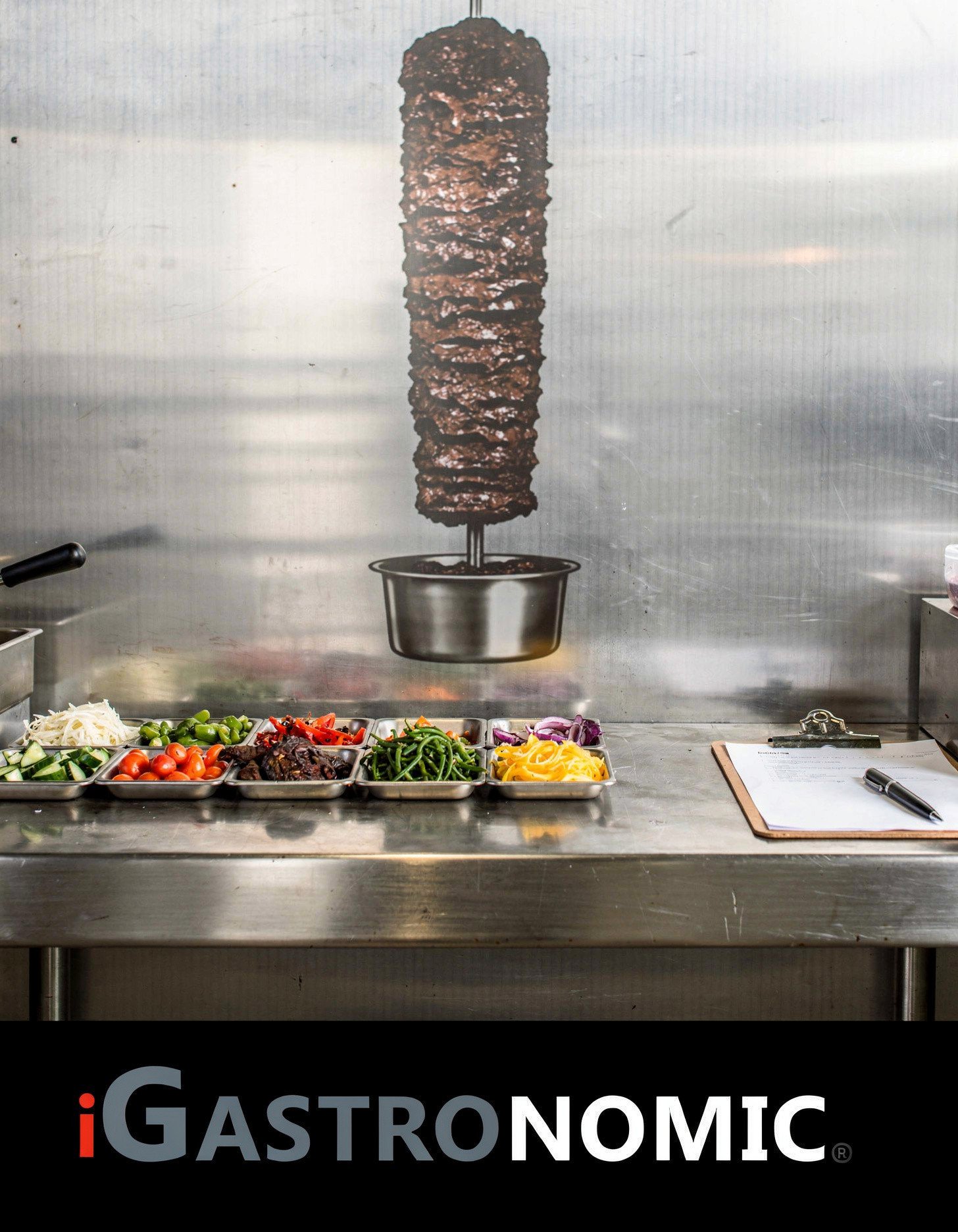 How to Open a Successful Kebab Store: A Step by Step GuideRead more
Opening a kebab store is an exciting business opportunity that combines culinary passion with entrepreneurship....
-
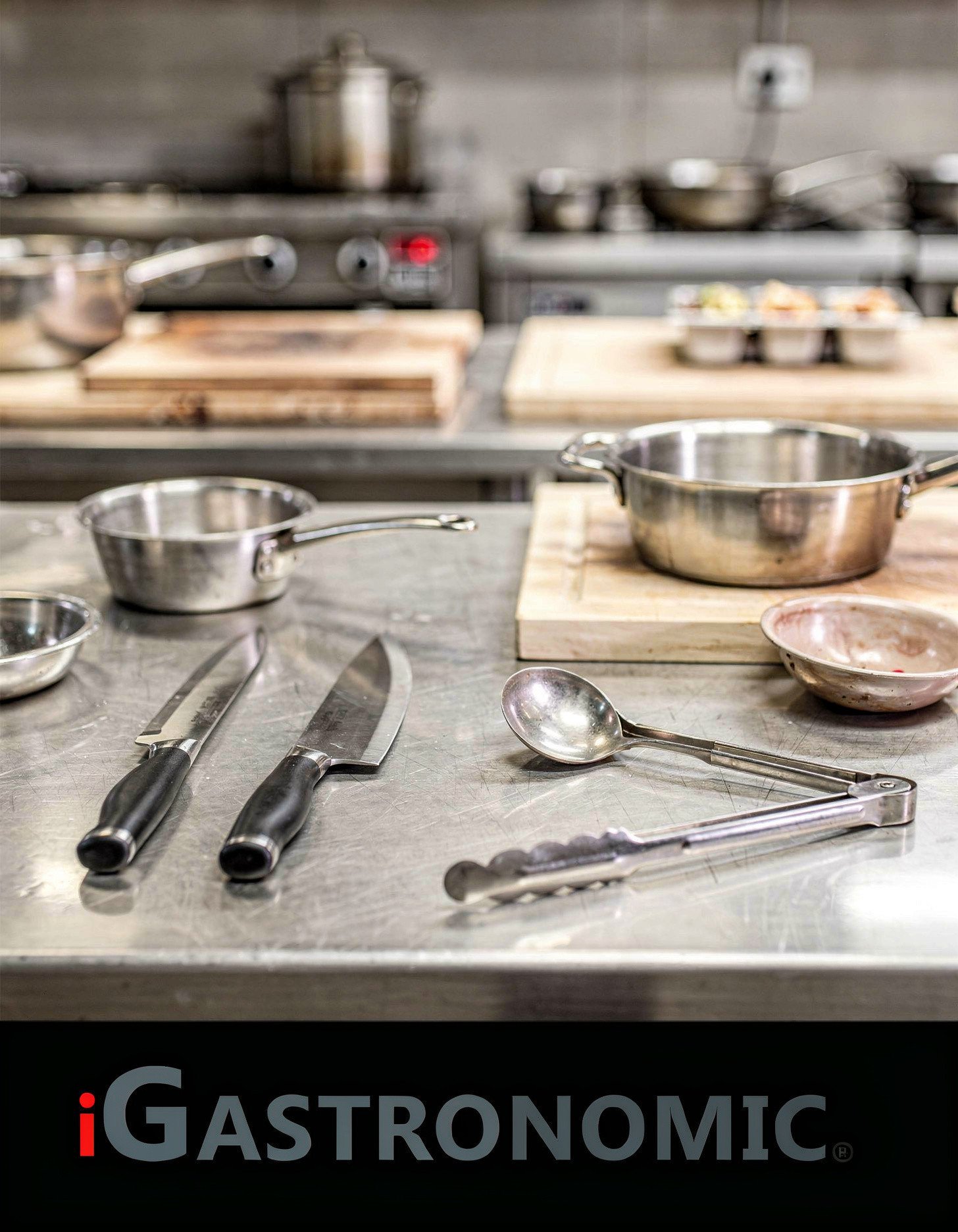 What Are the Essential Kitchen Tools for a New Restaurant?Read more
Starting a new restaurant is thrilling, but setting up the kitchen can be overwhelming. Equipping your kitchen with...
Blog categories
Search in blog
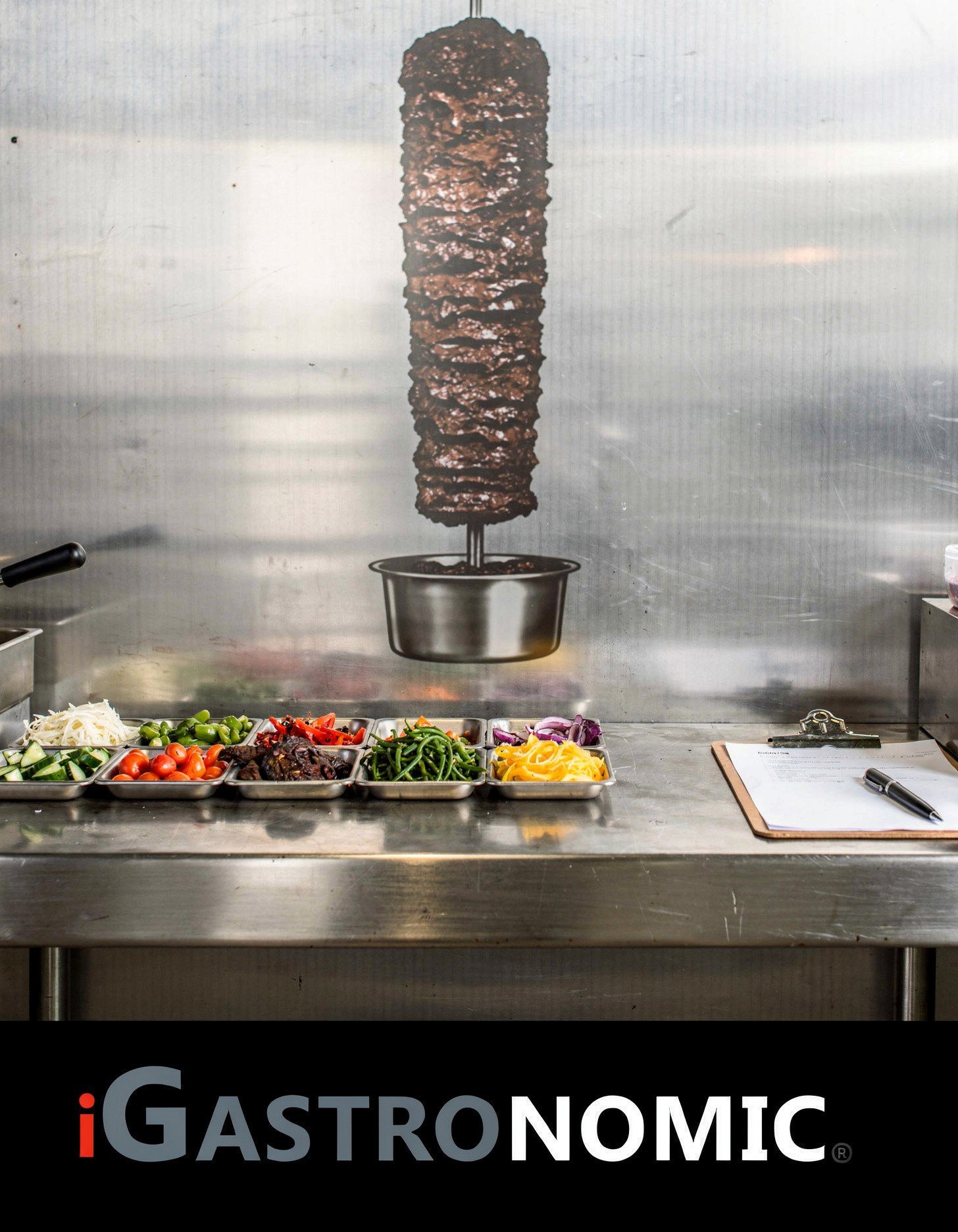
How to Open a Successful Kebab Store: A Step by Step Guide
How to Open a Successful Kebab Store: A Step by Step Guide
Opening a kebab store can be a rewarding and profitable venture if done right. Kebabs have grown in popularity worldwide, thanks to their delicious taste, versatility, and quick service appeal. Whether you’re passionate about food or looking for a promising business opportunity, starting a kebab shop can be a great choice.
In this comprehensive guide, we’ll walk you through every step you need to take to open a successful kebab store. From initial planning and location scouting to marketing and customer service, we’ll cover all the essentials to help you build a thriving kebab business.
1. Research and Planning
Before diving into the kebab business, thorough research and planning are crucial. This phase will help you understand the market, your target customers, and the competition.
Understand Your Market
Identify who your potential customers are. Are you targeting office workers looking for a quick lunch, families seeking a casual dinner, or students craving late-night snacks? Understanding your audience will influence your menu, pricing, and marketing strategies.
Analyze the Competition
Visit existing kebab stores and other fast-food outlets in your area. Observe their menu, pricing, customer service, and peak hours. This will help you identify gaps in the market or unique selling points (USPs) you can leverage.
Create a Business Plan
A solid business plan outlines your goals, target market, financial projections, and operational strategies. It’s essential if you plan to seek funding from banks or investors. Your business plan should include:
- Executive Summary
- Market Analysis
- Marketing and Sales Strategies
- Operational Plan
- Financial Plan and Budget
2. Choose the Right Location
Location can make or break your kebab store. A high foot traffic area near offices, colleges, or shopping centers is ideal.
Factors to Consider
- Visibility: Your store should be easy to spot from the street.
- Accessibility: Ensure there’s convenient parking or public transport nearby.
- Demographics: The local population should align with your target market.
- Competition: Being close to competitors isn’t always bad but understand how you can differentiate.
3. Legal Requirements and Permits
Operating a food business requires compliance with various legal and health regulations.
Register Your Business
Choose a business structure (sole proprietorship, partnership, LLC, etc.) and register your kebab store with the relevant government authorities.
Obtain Food Licenses and Permits
Contact your local health department to understand the necessary food handling permits, health inspections, and certifications required to operate legally.
Comply with Safety and Hygiene Standards
Ensure your store meets all safety codes, including fire safety, sanitation, and employee hygiene standards.
4. Design Your Menu
Your menu is the heart of your kebab store. It should be appealing, manageable, and profitable.
Focus on Quality and Authenticity
Offer a variety of kebabs such as doner, shish, and seekh kebabs, along with complementary sides like salads, fries, and sauces. Use fresh, high-quality ingredients to stand out.
Keep It Simple
A concise menu helps reduce kitchen complexity and waste. Focus on your best dishes and consider seasonal specials to keep customers interested.
Consider Dietary Preferences
Include vegetarian or vegan options and clearly mark allergens to cater to a broader audience.
5. Source Ingredients and Equipment
Reliable suppliers and quality equipment are essential for smooth operations.
Find Trusted Suppliers
Build relationships with suppliers who can provide fresh meats, vegetables, spices, and other ingredients consistently. Consider local farms or wholesalers for cost efficiency.
Invest in Proper Equipment
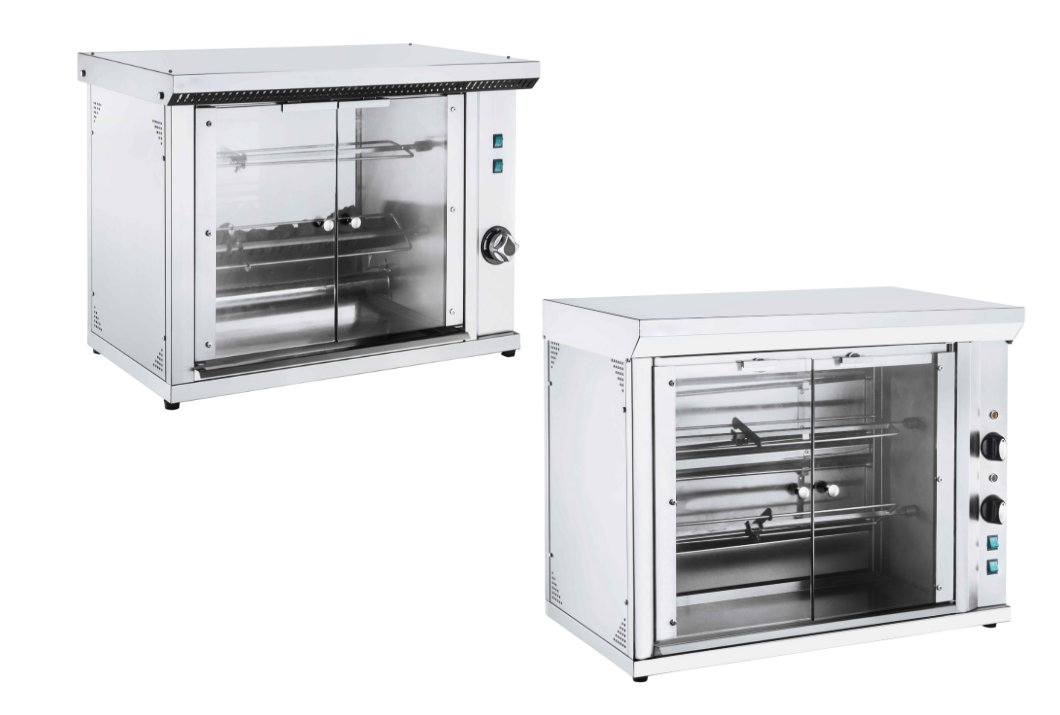
Essential equipment includes kebab grills or rotisseries, refrigerators, prep tables, knives, and storage containers. Also, invest in ventilation and fire safety equipment.
6. Hire and Train Staff
Your team plays a vital role in delivering quality food and customer experience.
Recruit Skilled Staff
Hire experienced cooks familiar with kebab preparation and friendly front-of-house staff. Consider their ability to work under pressure and maintain hygiene standards.
Provide Comprehensive Training
Train your staff on food safety, customer service, and your store’s specific recipes and procedures. Regular training ensures consistency and professionalism.
7. Set Up Your Store
The ambiance and layout of your kebab store influence customer satisfaction and efficiency.
Design a Functional Kitchen
Arrange equipment and prep areas to optimize workflow and minimize cross-contamination.
Create an Inviting Dining Area
If you offer dine-in, design a clean, comfortable space with appropriate seating. Use décor that reflects your brand and cuisine.
Consider Takeaway and Delivery
Set up a dedicated counter or area for takeaway orders. Partner with delivery platforms or develop your own delivery system to reach more customers.
8. Marketing and Promotion
Effective marketing attracts customers and builds brand loyalty.
Build an Online Presence
Create a website with your menu, location, and contact info. Use social media platforms like Instagram and Facebook to showcase your dishes and promotions.
Leverage Local Marketing
Distribute flyers, participate in community events, and collaborate with nearby businesses to increase visibility.
Offer Promotions and Loyalty Programs
Introduce discounts for first-time customers, combo deals, or loyalty cards to encourage repeat visits.
9. Manage Finances Carefully
Good financial management ensures sustainability and growth.
Track Expenses and Revenue
Use accounting software to monitor daily sales, inventory costs, payroll, and other expenses.
Control Food Costs
Manage portion sizes and reduce waste to maintain profitability.
Plan for Growth
Set aside funds for marketing, equipment upgrades, or expanding your menu.
10. Provide Excellent Customer Service
Happy customers are your best promoters.
Be Friendly and Responsive
Train staff to greet customers warmly and handle complaints professionally.
Maintain Consistency
Deliver the same high quality in food and service every time to build trust.
Encourage Feedback
Use customer feedback to improve your offerings and address any issues promptly.
Conclusion
Opening a successful kebab store requires careful planning, dedication, and a passion for quality food and service. By following these steps—from market research and location selection to marketing and customer care—you can build a thriving kebab business that delights customers and stands the test of time.
Remember, the key is to stay adaptable, listen to your customers, and continuously improve. With the right approach, your kebab store can become a beloved local favorite and a profitable venture.
Good luck on your exciting journey to becoming a kebab store owner!
Posted in:
Tips & Tricks
Related posts
-
 More Than Just Fast Food - All You Need to Know
System Gastronomy: Learn more about this exciting business model. From Fast Food to Casual Dining - we explain...Read more
More Than Just Fast Food - All You Need to Know
System Gastronomy: Learn more about this exciting business model. From Fast Food to Casual Dining - we explain...Read more -
 The 10 Most Expensive Restaurants in the World
When it comes to fine dining and luxurious culinary experiences, some restaurants around the globe capture attention...Read more
The 10 Most Expensive Restaurants in the World
When it comes to fine dining and luxurious culinary experiences, some restaurants around the globe capture attention...Read more -
 Which Restaurant Makes the Most Revenue? A Deep Dive into the World of Gastronomy
Who are the revenue giants in the gastronomy industry? We reveal the top players and analyze why they are so...Read more
Which Restaurant Makes the Most Revenue? A Deep Dive into the World of Gastronomy
Who are the revenue giants in the gastronomy industry? We reveal the top players and analyze why they are so...Read more -
 Boost Your Restaurant's Revenue with Pergolas and Louvered Roofs
Ever wondered how to make your restaurant more appealing and increase your sales? The answer might be simpler than...Read more
Boost Your Restaurant's Revenue with Pergolas and Louvered Roofs
Ever wondered how to make your restaurant more appealing and increase your sales? The answer might be simpler than...Read more -
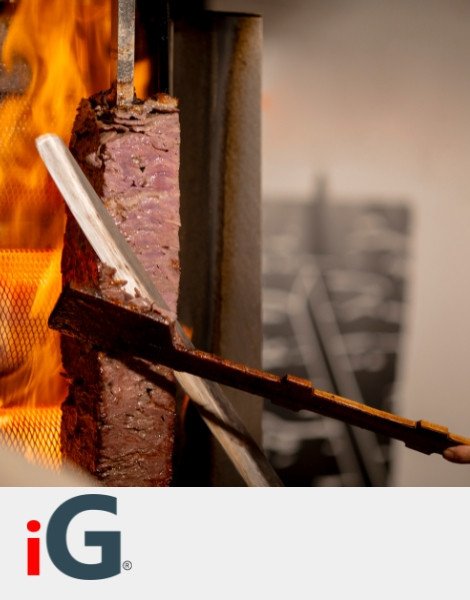 The World of Döner: From Traditional Recipes to the Best Döner Spots Worldwide
Learn how to make authentic Yaprak Döner, discover the best döner spots in Germany and worldwide, and explore the...Read more
The World of Döner: From Traditional Recipes to the Best Döner Spots Worldwide
Learn how to make authentic Yaprak Döner, discover the best döner spots in Germany and worldwide, and explore the...Read more
Leave a comment