
 Deutsch
 Türkçe
 Italiano

.jpg)
.jpg)
.jpg)
.jpg)
.jpg)
.jpg)
.jpg)
.jpg)
.jpg)
.jpg)

.jpg)

.jpg)
.jpg)
.jpg)
.jpg)
.jpg)
.jpg)
.jpg)
.jpg)
.jpg)
.jpg)



.jpg)
.jpg)
.jpg)
.jpg)
.jpg)
.jpg)
.jpg)
.jpg)
.jpg)



.jpg)
.jpg)

.jpg)
.jpg)
.jpg)
.jpg)


.jpg)

.png)
.jpg)
.jpg)
 (200 x 136 px) (5).png)
.png)
Choosing between an air fryer and an oven can be tricky, as both appliances offer unique benefits. Air fryers are...
-
 Cooking Appliances
add remove
Cooking Appliances
add remove -
-
Pizza & Grill
add remove
-
-
Refrigeration
add remove
-
-
Combi Steamer
add remove
-
-
Kitchen Appliances
add remove
-
-
Rinsing & Cleaning
add remove
-
-
Retail Refrigeration
add remove
-
-
Cafe & Ice Cream
add remove
-
-
Smart-Gastro
add remove
-
-
Cooking Appliances
add remove
-
-
Pizza & Grill
add remove
-
-
Refrigeration
add remove
-
-
Combi Steamer
add remove
-
-
Kitchen Appliances
add remove
-
-
Rinsing & Cleaning
add remove
-
-
Retail Refrigeration
add remove
-
-
Cafe & Ice Cream
add remove
-
-
Smart-Gastro
add remove
-


Call us:
+49 (0) 6135 7040 450Latest posts
-
 Air Fryer vs Oven: Which One Is Better for Your Kitchen?Read more
 -
 The Rise of Vending Machines: Exploring the Fascinating World of Pizza Vending MachinesRead more
Vending machines have evolved tremendously over the years, transforming from simple snack dispensers to advanced...
-
 The Ultimate Guide to Vending Machines: Convenience, Innovation, and Business OpportunitiesRead more
Vending machines are a convenient and innovative way to access snacks, drinks, and a variety of other products...
-
 Which Electric Appliances Use the Most Electricity? A Comprehensive GuideRead more
Electric appliances are essential in our daily lives, but some consume significantly more electricity than others....
-
 How to Clean Stainless Steel Cookware Without Scratching ItRead more
Stainless steel cookware is prized for its durability and sleek look, but cleaning it without scratching can be...
-
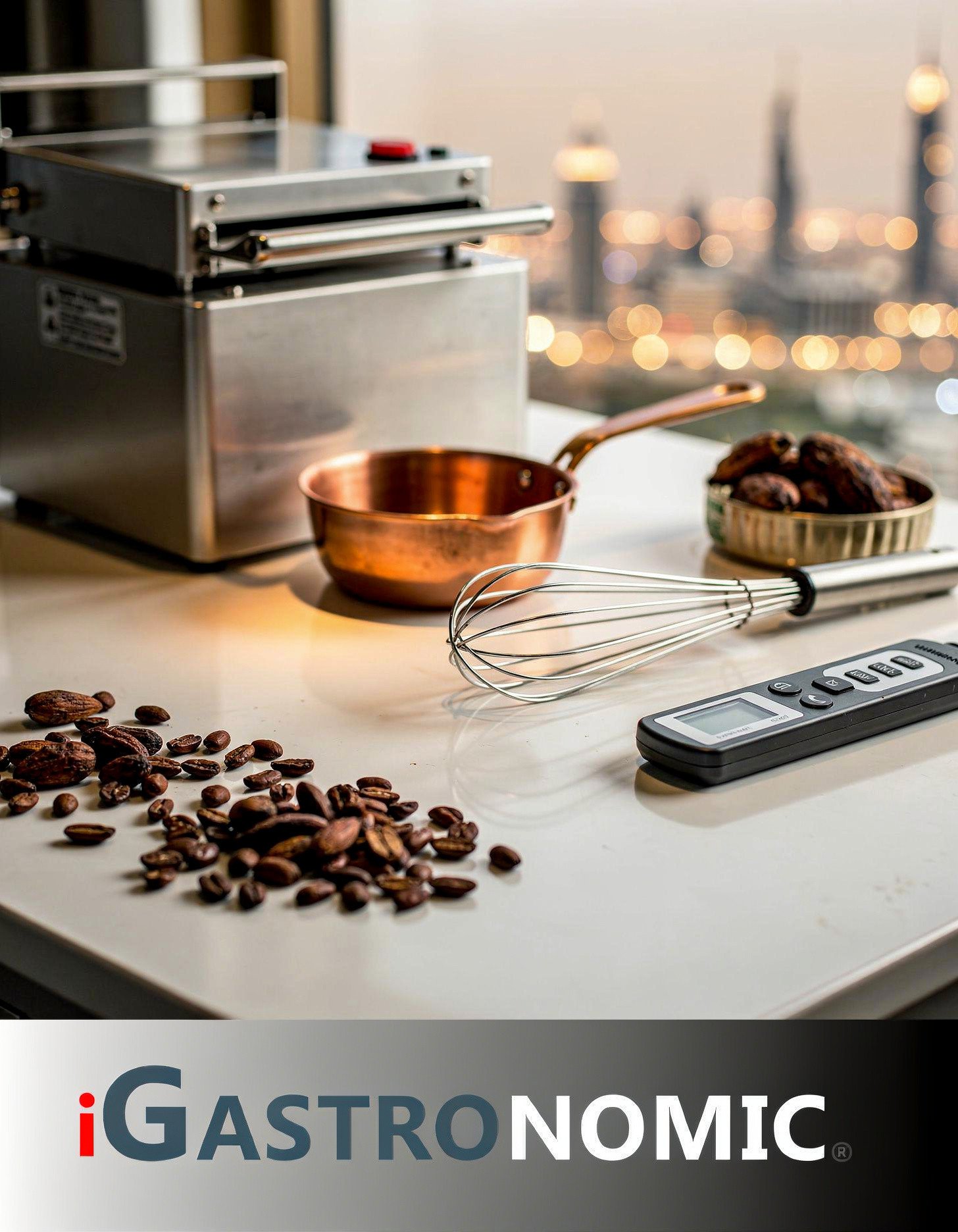 How to Make the Best Dubai Chocolate: Essential Equipment and Expert TipsRead more
Dubai chocolate is a luxurious treat known for its rich flavors and unique Middle Eastern influences. Making the best...
-
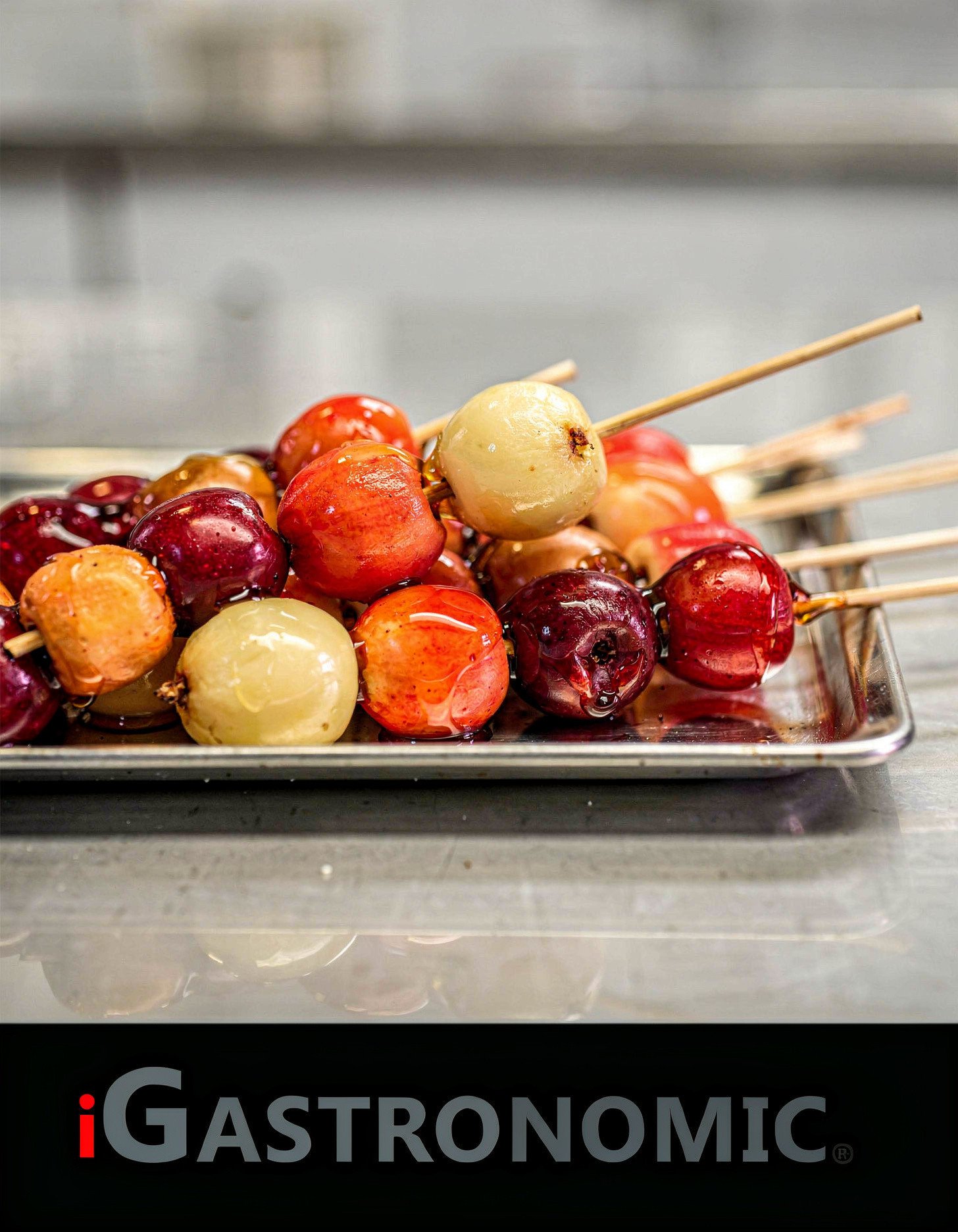 Best Tanghulu Recipe: How to Make Traditional Chinese Candied Fruit at HomeRead more
Tanghulu is a traditional Chinese snack featuring skewered fruits coated in a crunchy, glossy sugar shell. Originally...
-
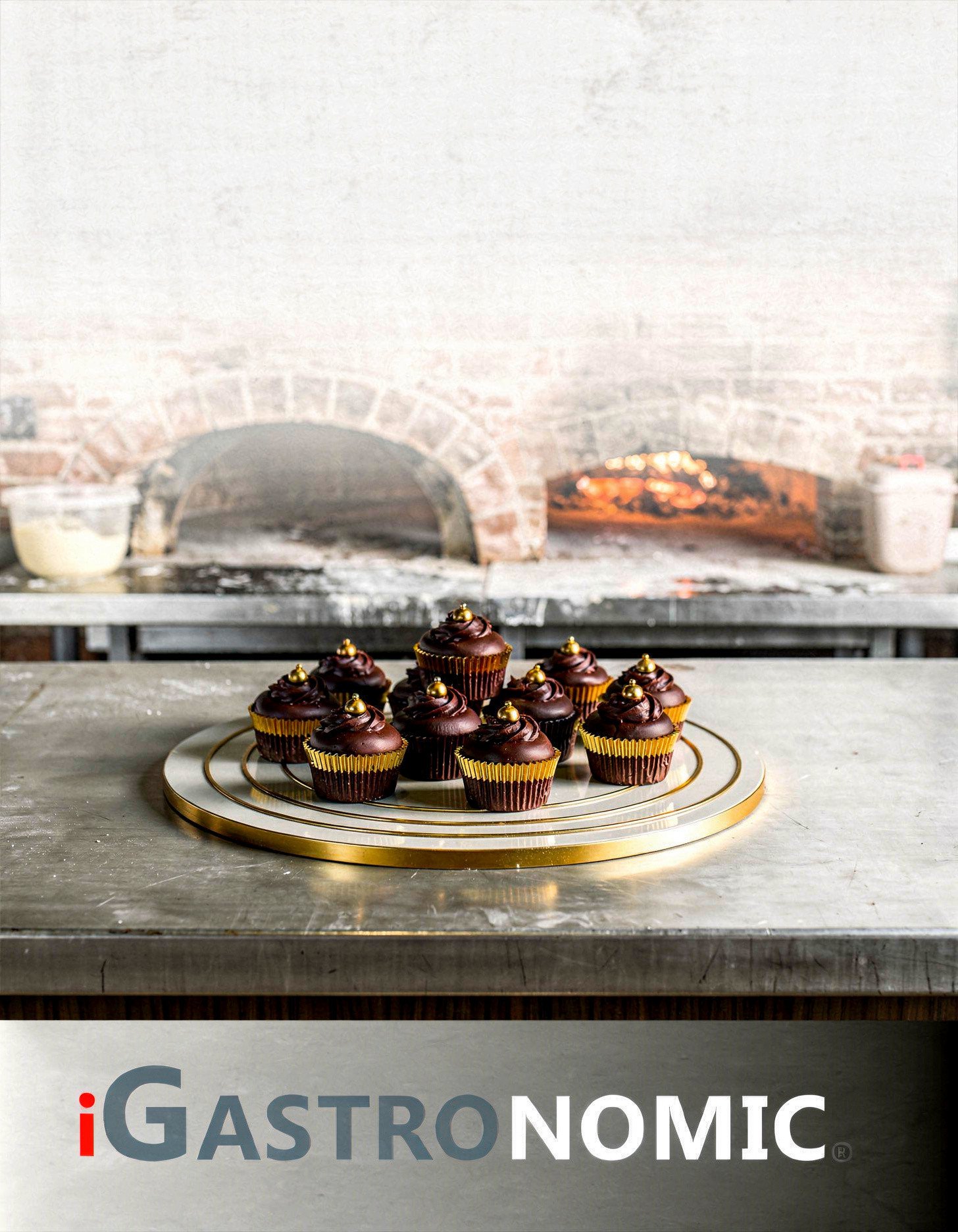 Olympic Chocolate Muffins: The Ultimate Recipe for a Winning TreatRead more
Olympic Chocolate Muffins are a delicious, moist, and chocolate-packed treat perfect for any occasion. This...
-
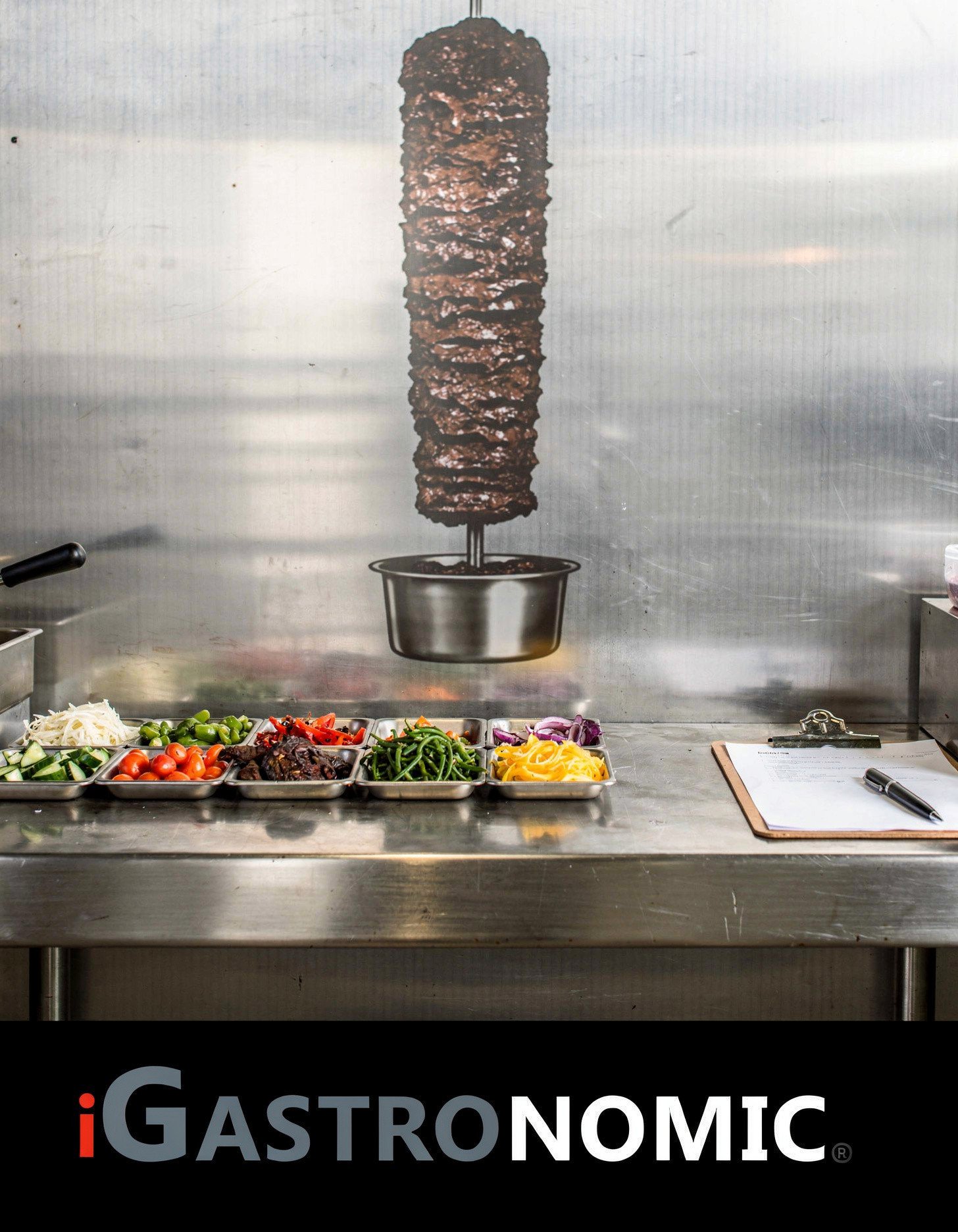 How to Open a Successful Kebab Store: A Step by Step GuideRead more
Opening a kebab store is an exciting business opportunity that combines culinary passion with entrepreneurship....
-
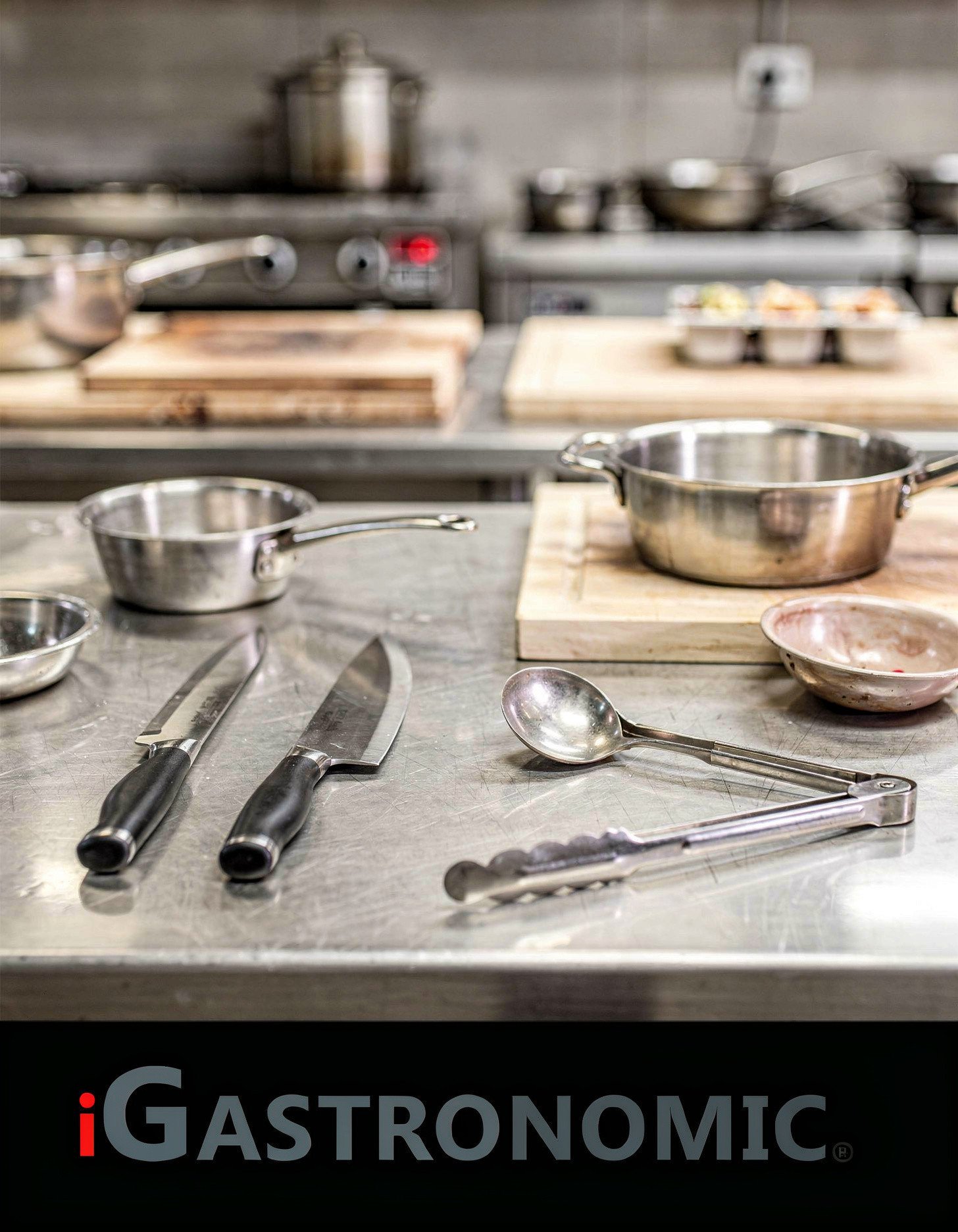 What Are the Essential Kitchen Tools for a New Restaurant?Read more
Starting a new restaurant is thrilling, but setting up the kitchen can be overwhelming. Equipping your kitchen with...
Blog categories
Search in blog
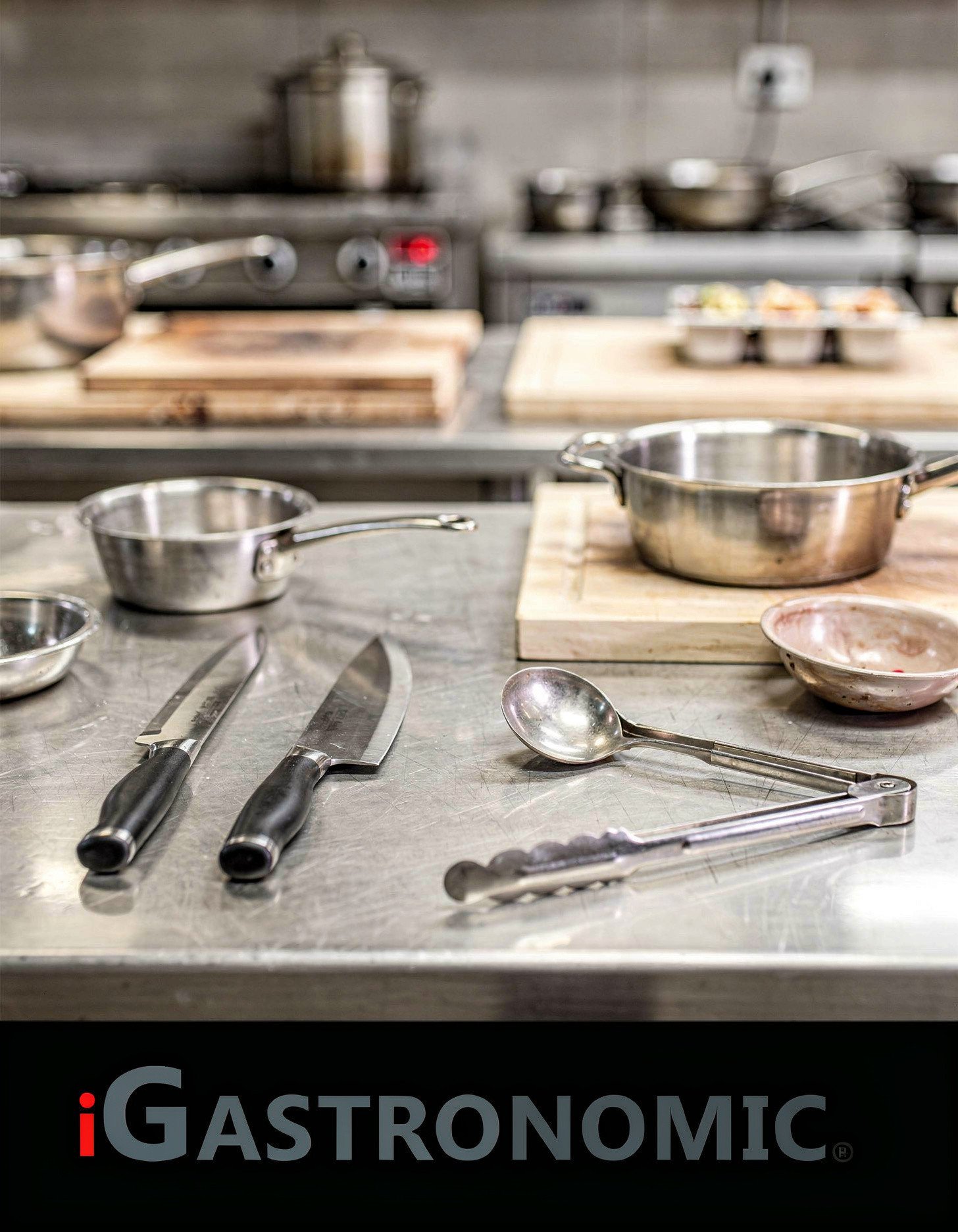
What Are the Essential Kitchen Tools for a New Restaurant?
What Are the Essential Kitchen Tools for a New Restaurant?
Opening a new restaurant is an exciting journey filled with countless decisions, from the menu to the décor. However, one of the most critical aspects that can make or break your restaurant’s success is the kitchen setup. Equipping your kitchen with the right tools ensures smooth operations, consistent food quality, and a happy, efficient team.
In this comprehensive guide, we’ll explore the essential kitchen tools every new restaurant should have. Whether you’re a seasoned chef or a first-time restaurateur, understanding these tools will help you build a kitchen that’s ready to serve up excellence.
1. Knives: The Foundation of Every Kitchen
Good knives are the backbone of any kitchen. They make food preparation faster, safer, and more precise. Here are the key knives every restaurant kitchen should have:
- Chef’s Knife: A versatile, all-purpose knife used for chopping, slicing, and dicing.
- Paring Knife: Ideal for peeling and intricate work.
- Serrated Knife: Perfect for cutting bread and tomatoes without crushing them.
- Boning Knife: Designed for deboning meat and fish.
Invest in high-quality knives with comfortable handles and durable blades. Regular sharpening and proper storage (like a magnetic strip or knife block) are also essential to maintain their performance and safety.
2. Cutting Boards: Hygiene and Efficiency
Cutting boards protect your countertops and provide a stable surface for food prep. For restaurants, it’s important to have multiple cutting boards to prevent cross-contamination:
- Color-coded boards: Use different colors for meats, vegetables, seafood, and bread.
- Material: Plastic boards are easier to sanitize, while wooden boards are gentle on knives but require more care.
Choose sturdy, non-slip boards that are easy to clean and replace when worn out.
3. Cookware: Pots, Pans, and More
Cookware is essential for preparing a wide variety of dishes. A well-equipped kitchen should include:
- Stockpots: Large pots for soups, stocks, and boiling pasta.
- Saucepans: For sauces, reheating, and small batch cooking.
- Frying Pans/Skillets: For sautéing, frying, and searing.
- Griddles and Grill Pans: For grilling meats and vegetables indoors.
- Roasting Pans: For roasting meats and vegetables.
Opt for durable materials like stainless steel or heavy-gauge aluminum for even heat distribution and longevity.
4. Small Appliances: Speed and Consistency
Small appliances save time and improve consistency in a busy kitchen. Some must-have appliances include:
- Food Processor: For chopping, slicing, and pureeing quickly.
- Blender: Essential for sauces, soups, and smoothies.
- Stand Mixer: Great for baking and mixing dough.
- Microwave: For reheating and quick cooking tasks.
- Immersion Blender: Handy for blending soups directly in pots.
Choose commercial-grade appliances designed for heavy use to ensure durability and performance.
5. Utensils: The Everyday Essentials
Utensils are the tools chefs use every day for cooking and plating. Stock your kitchen with:
- Spoons: Slotted, solid, and ladles in various sizes.
- Tongs: For flipping and serving.
- Whisks: For mixing and emulsifying.
- Spatulas: Both rubber and metal for scraping and flipping.
- Peelers and Graters: For prepping vegetables and garnishes.
Durable stainless steel utensils with heat-resistant handles will last longer and withstand the rigors of a busy kitchen.
6. Bakeware: For Bread, Pastries, and More
If your restaurant offers baked goods or desserts, quality bakeware is essential. Consider:
- Baking sheets and pans in various sizes.
- Muffin tins and cake pans.
- Cooling racks to allow baked goods to cool evenly.
- Mixing bowls in various sizes.
Non-stick or heavy-gauge aluminum bakeware works well for most applications.
7. Storage Containers: Organization and Freshness
Proper storage keeps ingredients fresh and your kitchen organized. Invest in:
- Clear, airtight containers for dry goods and leftovers.
- Stackable containers to maximize space.
- Labeling supplies to mark contents and dates.
Food-grade plastic or glass containers are ideal for both storage and easy cleaning.
8. Thermometers: Safety First
Food safety is paramount in any restaurant. Thermometers help ensure food is cooked to safe temperatures:
- Instant-read thermometers: For quick temperature checks.
- Probe thermometers: For monitoring food during cooking.
- Refrigerator/freezer thermometers: To ensure proper storage temperatures.
Regularly calibrate your thermometers to maintain accuracy and comply with health regulations.
9. Cleaning Supplies: Hygiene and Maintenance
A clean kitchen is a safe kitchen. Essential cleaning tools include:
- Heavy-duty dish brushes and scrubbers.
- Sanitizing sprays and detergents approved for food service.
- Microfiber cloths for wiping surfaces.
- Floor mats to reduce slips and fatigue.
- Gloves and aprons for staff hygiene.
Establish a cleaning schedule and train your staff to maintain high standards.
10. Specialty Tools: Tailored to Your Menu
Depending on your cuisine, you may need specialty tools such as:
- Pizza stones and cutters.
- Sushi mats and rice cookers.
- Pastry bags and decorating tools.
- Mandolins for precise slicing.
- Meat grinders or sausage stuffers.
Assess your menu carefully and invest in tools that will enhance your kitchen’s efficiency and the quality of your dishes.
Conclusion
Launching a new restaurant requires careful planning, especially when it comes to your kitchen tools. The right equipment not only boosts productivity but also ensures food safety and consistency — key factors in building a loyal customer base.
Start with the essentials: high-quality knives, versatile cookware, reliable small appliances, and proper storage solutions. Don’t forget the importance of cleaning supplies and thermometers for maintaining hygiene and safety. Finally, customize your kitchen with specialty tools that align with your menu and culinary style.
By investing in the right kitchen tools from the outset, you set your restaurant up for operational success and culinary excellence. Happy cooking!
Posted in:
Tips & Tricks
Related posts
-
 More Than Just Fast Food - All You Need to Know
System Gastronomy: Learn more about this exciting business model. From Fast Food to Casual Dining - we explain...Read more
More Than Just Fast Food - All You Need to Know
System Gastronomy: Learn more about this exciting business model. From Fast Food to Casual Dining - we explain...Read more -
 The 10 Most Expensive Restaurants in the World
When it comes to fine dining and luxurious culinary experiences, some restaurants around the globe capture attention...Read more
The 10 Most Expensive Restaurants in the World
When it comes to fine dining and luxurious culinary experiences, some restaurants around the globe capture attention...Read more -
 Which Restaurant Makes the Most Revenue? A Deep Dive into the World of Gastronomy
Who are the revenue giants in the gastronomy industry? We reveal the top players and analyze why they are so...Read more
Which Restaurant Makes the Most Revenue? A Deep Dive into the World of Gastronomy
Who are the revenue giants in the gastronomy industry? We reveal the top players and analyze why they are so...Read more -
 Boost Your Restaurant's Revenue with Pergolas and Louvered Roofs
Ever wondered how to make your restaurant more appealing and increase your sales? The answer might be simpler than...Read more
Boost Your Restaurant's Revenue with Pergolas and Louvered Roofs
Ever wondered how to make your restaurant more appealing and increase your sales? The answer might be simpler than...Read more -
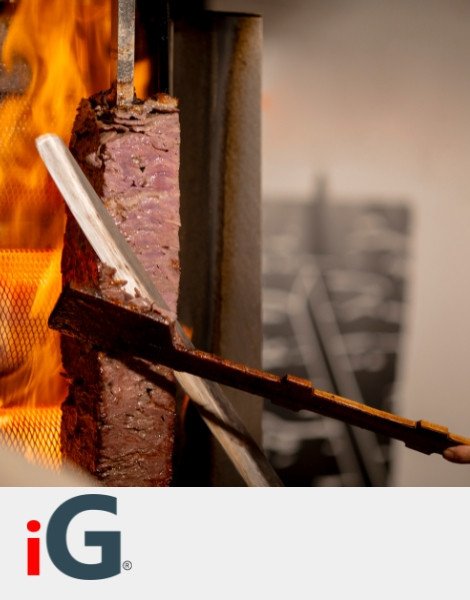 The World of Döner: From Traditional Recipes to the Best Döner Spots Worldwide
Learn how to make authentic Yaprak Döner, discover the best döner spots in Germany and worldwide, and explore the...Read more
The World of Döner: From Traditional Recipes to the Best Döner Spots Worldwide
Learn how to make authentic Yaprak Döner, discover the best döner spots in Germany and worldwide, and explore the...Read more
Leave a comment