
 Deutsch
 Türkçe
 Italiano

.jpg)
.jpg)
.jpg)
.jpg)
.jpg)
.jpg)
.jpg)
.jpg)
.jpg)
.jpg)

.jpg)

.jpg)
.jpg)
.jpg)
.jpg)
.jpg)
.jpg)
.jpg)
.jpg)
.jpg)
.jpg)



.jpg)
.jpg)
.jpg)
.jpg)
.jpg)
.jpg)
.jpg)
.jpg)
.jpg)



.jpg)
.jpg)

.jpg)
.jpg)
.jpg)
.jpg)


.jpg)

.png)
.jpg)
.jpg)
 (200 x 136 px) (5).png)
.png)
Choosing between an air fryer and an oven can be tricky, as both appliances offer unique benefits. Air fryers are...
-
 Cooking Appliances
add remove
Cooking Appliances
add remove -
-
Pizza & Grill
add remove
-
-
Refrigeration
add remove
-
-
Combi Steamer
add remove
-
-
Kitchen Appliances
add remove
-
-
Rinsing & Cleaning
add remove
-
-
Retail Refrigeration
add remove
-
-
Cafe & Ice Cream
add remove
-
-
Smart-Gastro
add remove
-
-
Cooking Appliances
add remove
-
-
Pizza & Grill
add remove
-
-
Refrigeration
add remove
-
-
Combi Steamer
add remove
-
-
Kitchen Appliances
add remove
-
-
Rinsing & Cleaning
add remove
-
-
Retail Refrigeration
add remove
-
-
Cafe & Ice Cream
add remove
-
-
Smart-Gastro
add remove
-


Call us:
+49 (0) 6135 7040 450Latest posts
-
 Air Fryer vs Oven: Which One Is Better for Your Kitchen?Read more
 -
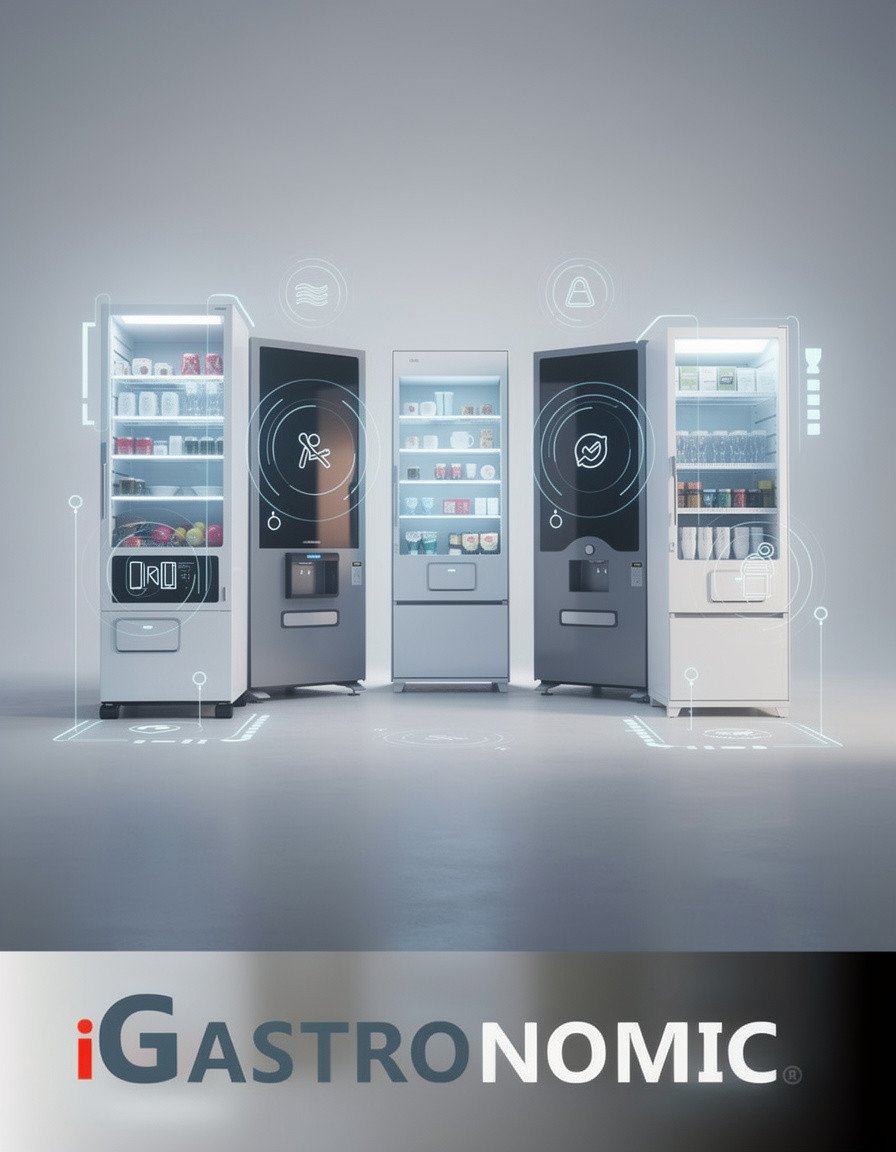 The Rise of Vending Machines: Exploring the Fascinating World of Pizza Vending MachinesRead more
Vending machines have evolved tremendously over the years, transforming from simple snack dispensers to advanced...
-
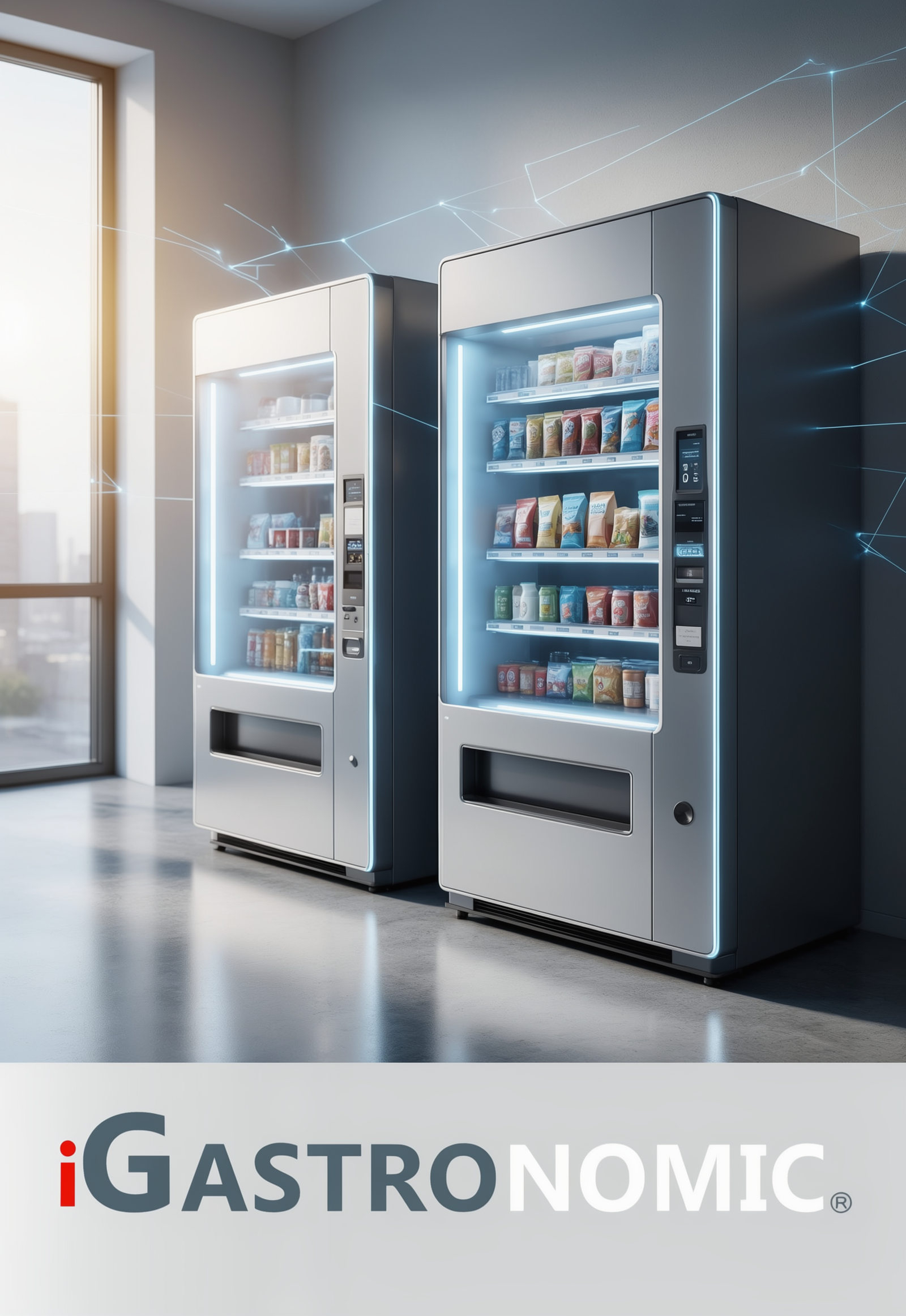 The Ultimate Guide to Vending Machines: Convenience, Innovation, and Business OpportunitiesRead more
Vending machines are a convenient and innovative way to access snacks, drinks, and a variety of other products...
-
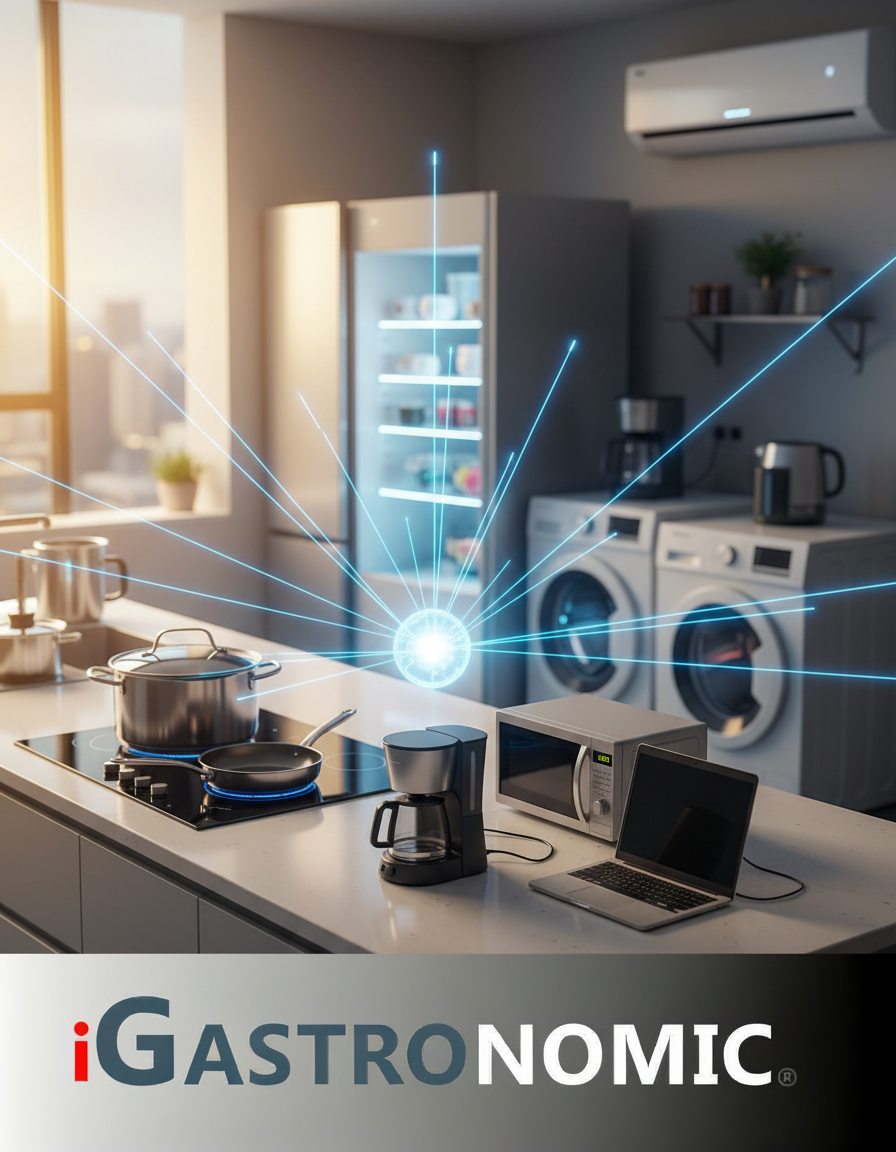 Which Electric Appliances Use the Most Electricity? A Comprehensive GuideRead more
Electric appliances are essential in our daily lives, but some consume significantly more electricity than others....
-
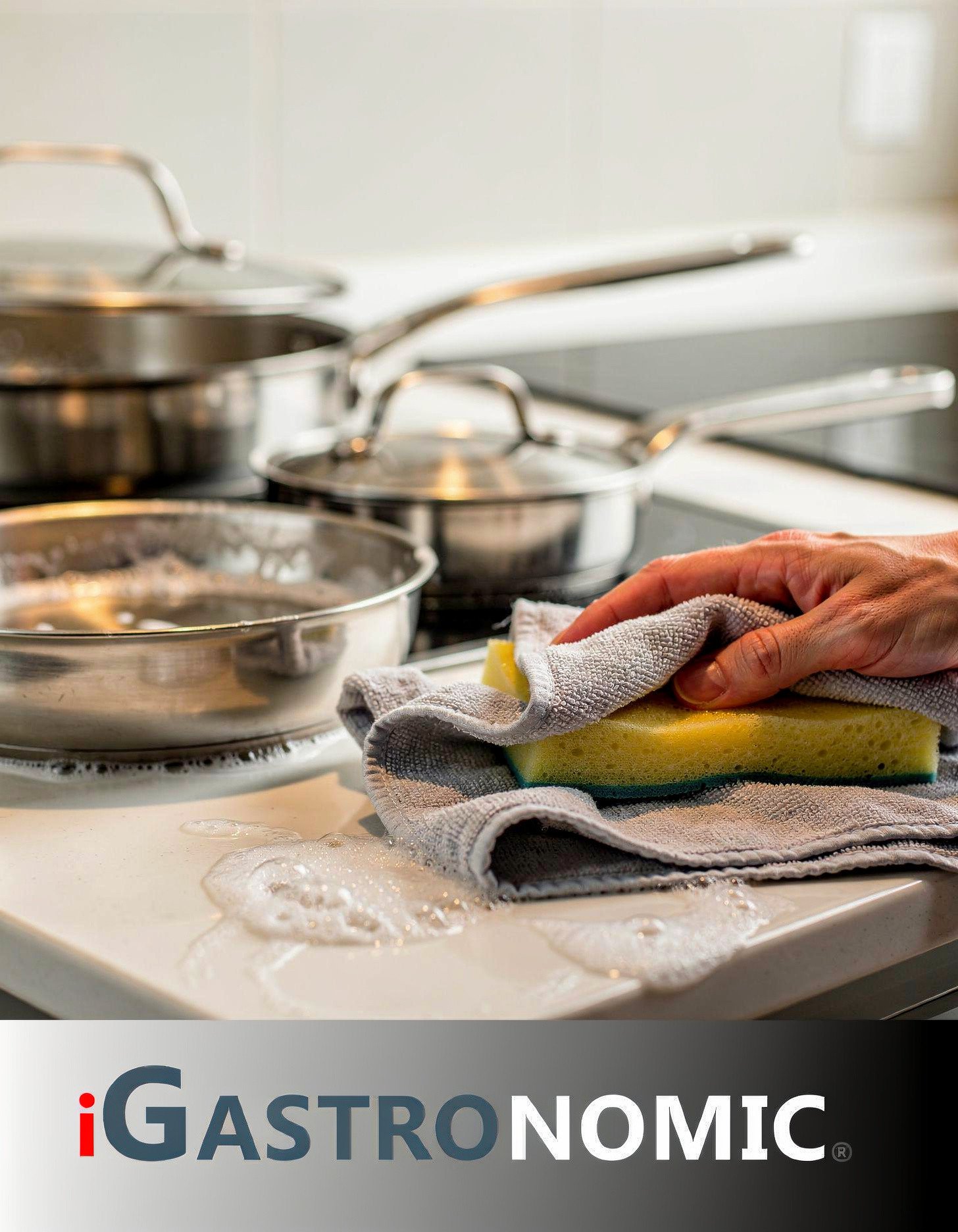 How to Clean Stainless Steel Cookware Without Scratching ItRead more
Stainless steel cookware is prized for its durability and sleek look, but cleaning it without scratching can be...
-
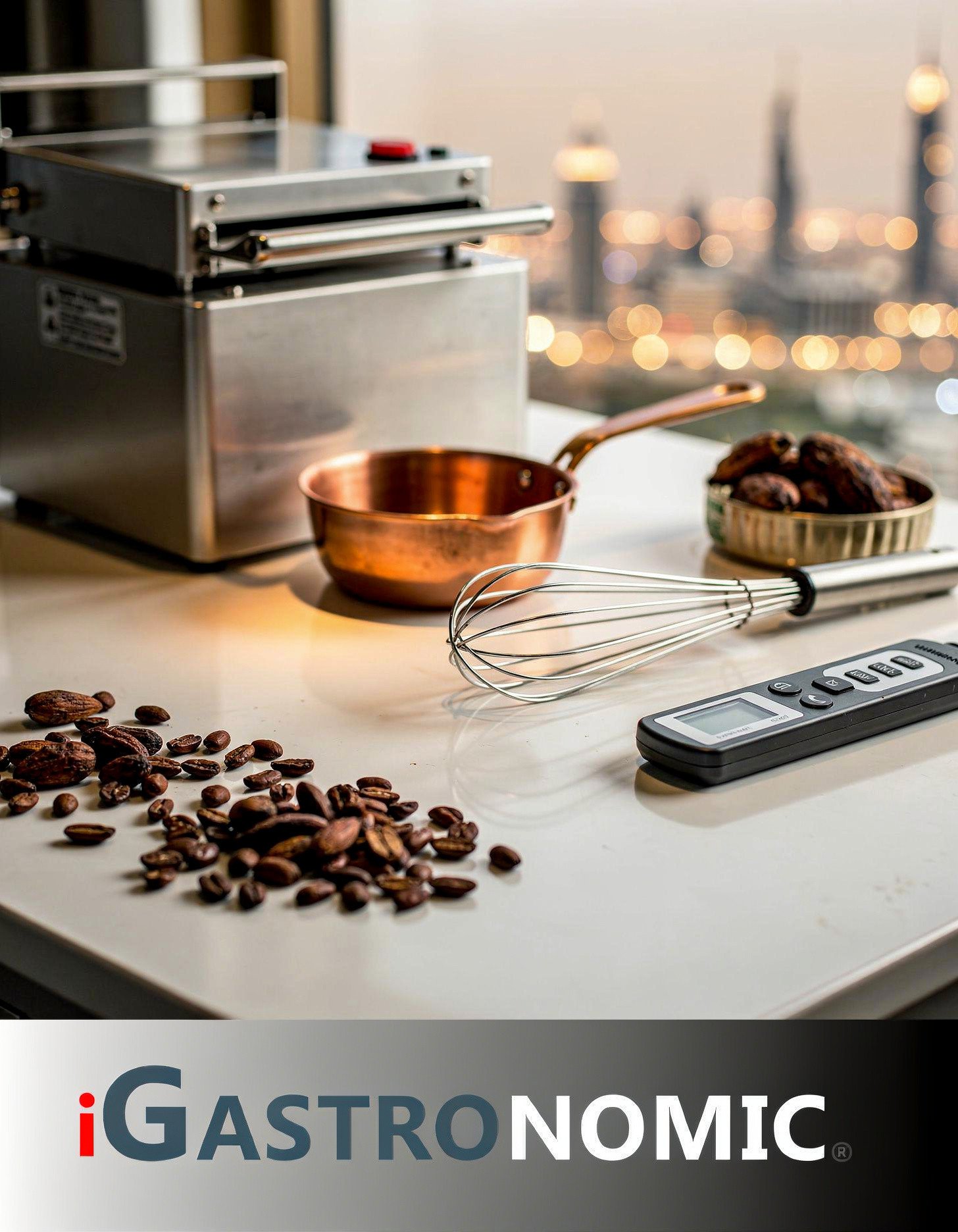 How to Make the Best Dubai Chocolate: Essential Equipment and Expert TipsRead more
Dubai chocolate is a luxurious treat known for its rich flavors and unique Middle Eastern influences. Making the best...
-
 Best Tanghulu Recipe: How to Make Traditional Chinese Candied Fruit at HomeRead more
Tanghulu is a traditional Chinese snack featuring skewered fruits coated in a crunchy, glossy sugar shell. Originally...
-
 Olympic Chocolate Muffins: The Ultimate Recipe for a Winning TreatRead more
Olympic Chocolate Muffins are a delicious, moist, and chocolate-packed treat perfect for any occasion. This...
-
 How to Open a Successful Kebab Store: A Step by Step GuideRead more
Opening a kebab store is an exciting business opportunity that combines culinary passion with entrepreneurship....
-
 What Are the Essential Kitchen Tools for a New Restaurant?Read more
Starting a new restaurant is thrilling, but setting up the kitchen can be overwhelming. Equipping your kitchen with...
Blog categories
Search in blog
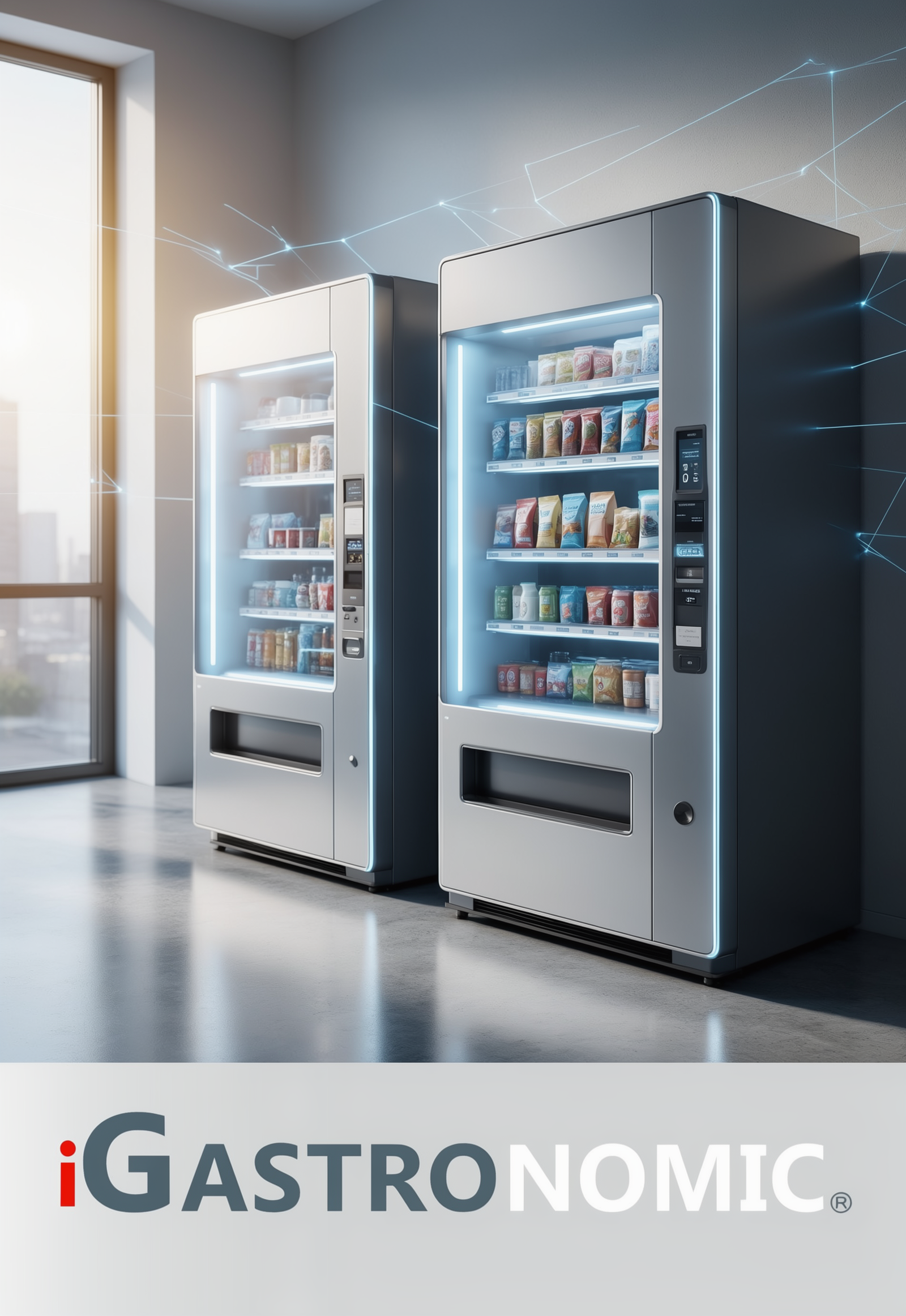
The Ultimate Guide to Vending Machines: Convenience, Innovation, and Business Opportunities
The Ultimate Guide to Vending Machines: Convenience, Innovation, and Business Opportunities
Vending machines have become an integral part of our daily lives, offering quick access to snacks, beverages, and even non-food items at the push of a button. From bustling city streets to office buildings and airports, these automated retail units provide unparalleled convenience for consumers and lucrative business opportunities for entrepreneurs.
A Brief History of Vending Machines
The concept of vending machines dates back to ancient times. The earliest known vending machine was invented by Hero of Alexandria in the 1st century AD. It dispensed holy water in Egyptian temples when a coin was inserted. Fast forward to the 1880s, when the first modern coin-operated vending machines appeared in London, dispensing postcards and stamps.
Since then, vending machines have evolved tremendously, expanding their product range and incorporating advanced technology to enhance user experience. Today, vending machines sell everything from snacks and drinks to electronics, personal care products, and even fresh meals.
Types of Vending Machines
Vending machines come in various shapes, sizes, and functionalities. Here are some of the most common types:
- Snack and Beverage Machines: The most familiar type, dispensing chips, candy bars, bottled drinks, and canned beverages.
- Fresh Food Vending Machines: Offering sandwiches, salads, fruits, and other perishable items, often refrigerated to maintain freshness.
- Specialty Vending Machines: These include machines that sell coffee, ice cream, or hot meals.
- Non-Food Vending Machines: Dispensing items like electronics accessories, personal care products, masks, or even books.
- Automated Retail Kiosks: Larger, interactive machines that may include touch screens and inventory management systems, sometimes called smart vending machines.
How Vending Machines Work
At their core, vending machines operate through a combination of mechanical and electronic components. When a user selects a product and inserts payment (coins, bills, or digital payments), the machine verifies the transaction and releases the item through a dispensing mechanism.
Modern vending machines increasingly accept cashless payments such as credit/debit cards, mobile wallets, and contactless NFC payments, making transactions faster and more secure. Additionally, smart vending machines are equipped with sensors and IoT connectivity to monitor inventory levels, detect malfunctions, and enable remote management.
Benefits of Vending Machines
Vending machines offer numerous advantages to both consumers and businesses:
- Convenience: Available 24/7, vending machines provide quick access to products without the need for staff or long queues.
- Space Efficiency: They require minimal floor space compared to traditional retail outlets.
- Cost-Effective: Lower operating costs due to automation and reduced staffing needs.
- Variety: Machines can be stocked with a wide range of products tailored to location-specific demands.
- Innovation: Integration with technology enables personalized offers, cashless payments, and real-time inventory tracking.
- Business Opportunities: For entrepreneurs, vending machines represent a scalable and relatively low-risk investment option.
Popular Locations for Vending Machines
The placement of vending machines is critical to their success. High-traffic areas that benefit from convenience shopping are ideal. Common locations include:
- Office buildings and corporate campuses
- Schools and universities
- Hospitals and healthcare facilities
- Airports, train stations, and bus terminals
- Shopping malls and retail centers
- Hotels and resorts
- Factories and industrial sites
Emerging Trends in Vending Machines
The vending machine industry is continuously evolving, driven by consumer preferences and technological advancements. Here are some of the latest trends shaping the market:
1. Smart Vending Machines
Equipped with touchscreens, AI, and IoT connectivity, smart vending machines offer personalized recommendations, dynamic pricing, and seamless payment options. They can also collect valuable data on consumer behavior to optimize product selection.
2. Healthy and Organic Options
With growing health consciousness, vending machines now stock organic snacks, gluten-free products, fresh fruits, and beverages with natural ingredients, appealing to health-minded consumers.
3. Eco-Friendly Machines
Manufacturers are designing energy-efficient vending machines with LED lighting, solar power integration, and recyclable materials to reduce environmental impact.
4. Contactless and Mobile Payments
The COVID-19 pandemic accelerated the adoption of contactless payments, making vending machines safer and more hygienic.
5. Expanded Product Range
Vending machines are no longer limited to snacks and drinks. They now dispense electronics, cosmetics, PPE kits, and even fresh meals, broadening their appeal.
Starting a Vending Machine Business
For aspiring entrepreneurs, vending machines offer a promising business model with relatively low startup costs and passive income potential. Here are key steps to get started:
1. Market Research
Analyze the local market to identify high-traffic locations and consumer preferences. Understanding your target audience will guide product selection and machine placement.
2. Choosing the Right Machines
Select machines that fit your budget and product range. Consider new vs. used machines, payment options, and maintenance requirements.
3. Securing Locations
Negotiate agreements with property owners or managers to place your vending machines in strategic spots.
4. Stocking and Maintenance
Regularly replenish products and maintain machines to ensure smooth operation and customer satisfaction.
5. Monitoring and Scaling
Use technology to track sales and inventory. Successful operations can be scaled by adding more machines in new locations.
Challenges and Considerations
While vending machines offer many benefits, operators should be aware of potential challenges:
- Vandalism and Theft: Machines in unsecured locations can be targets for damage or theft.
- Maintenance: Machines require regular servicing to avoid breakdowns and lost sales.
- Product Freshness: Especially for perishable goods, managing stock rotation is critical.
- Competition: The market can be saturated in some areas, requiring differentiation.
The Future of Vending Machines
Looking ahead, vending machines will continue to integrate cutting-edge technology to enhance the consumer experience and operational efficiency. Innovations like AI-driven inventory management, augmented reality interfaces, and drone restocking are on the horizon.
Moreover, vending machines will play a vital role in expanding retail accessibility, especially in remote or underserved areas, bridging gaps in traditional retail infrastructure.
Conclusion
Vending machines have come a long way from their humble beginnings to become a staple of modern convenience retail. Their ability to provide instant access to a wide range of products, combined with technological advancements, makes them an exciting sector for both consumers and entrepreneurs.
Whether you’re looking to grab a quick snack or start a vending machine business, understanding the diverse types, benefits, and trends will help you make the most of this dynamic industry.
Explore the world of vending machines and discover how this automated retail solution continues to innovate and adapt to our fast-paced lifestyles.
For more information on vending machines and related products, visit iGastronomic Vending Machines.
Posted in:
Tips & Tricks
Related posts
-
 More Than Just Fast Food - All You Need to Know
System Gastronomy: Learn more about this exciting business model. From Fast Food to Casual Dining - we explain...Read more
More Than Just Fast Food - All You Need to Know
System Gastronomy: Learn more about this exciting business model. From Fast Food to Casual Dining - we explain...Read more -
 The 10 Most Expensive Restaurants in the World
When it comes to fine dining and luxurious culinary experiences, some restaurants around the globe capture attention...Read more
The 10 Most Expensive Restaurants in the World
When it comes to fine dining and luxurious culinary experiences, some restaurants around the globe capture attention...Read more -
 Which Restaurant Makes the Most Revenue? A Deep Dive into the World of Gastronomy
Who are the revenue giants in the gastronomy industry? We reveal the top players and analyze why they are so...Read more
Which Restaurant Makes the Most Revenue? A Deep Dive into the World of Gastronomy
Who are the revenue giants in the gastronomy industry? We reveal the top players and analyze why they are so...Read more -
 Boost Your Restaurant's Revenue with Pergolas and Louvered Roofs
Ever wondered how to make your restaurant more appealing and increase your sales? The answer might be simpler than...Read more
Boost Your Restaurant's Revenue with Pergolas and Louvered Roofs
Ever wondered how to make your restaurant more appealing and increase your sales? The answer might be simpler than...Read more -
 The World of Döner: From Traditional Recipes to the Best Döner Spots Worldwide
Learn how to make authentic Yaprak Döner, discover the best döner spots in Germany and worldwide, and explore the...Read more
The World of Döner: From Traditional Recipes to the Best Döner Spots Worldwide
Learn how to make authentic Yaprak Döner, discover the best döner spots in Germany and worldwide, and explore the...Read more
Leave a comment