
 Deutsch
 Türkçe
 Italiano

.jpg)
.jpg)
.jpg)
.jpg)
.jpg)
.jpg)
.jpg)
.jpg)
.jpg)
.jpg)

.jpg)

.jpg)
.jpg)
.jpg)
.jpg)
.jpg)
.jpg)
.jpg)
.jpg)
.jpg)
.jpg)



.jpg)
.jpg)
.jpg)
.jpg)
.jpg)
.jpg)
.jpg)
.jpg)
.jpg)



.jpg)
.jpg)

.jpg)
.jpg)
.jpg)
.jpg)


.jpg)

.png)
.jpg)
.jpg)
 (200 x 136 px) (5).png)
.png)

Looking for the perfect restaurant dinnerware? Discover why professional chefs worldwide rely on the chip-resistant...
-
 Cooking Appliances
add remove
Cooking Appliances
add remove -
-
Pizza & Grill
add remove
-
-
Refrigeration
add remove
-
-
Combi Steamer
add remove
-
-
Kitchen Appliances
add remove
-
-
Rinsing & Cleaning
add remove
-
-
Retail Refrigeration
add remove
-
-
Cafe & Ice Cream
add remove
-
-
Smart-Gastro
add remove
-
-
Event- & Cateringmöbel
-
Cooking Appliances
add remove
-
-
Pizza & Grill
add remove
-
-
Refrigeration
add remove
-
-
Combi Steamer
add remove
-
-
Kitchen Appliances
add remove
-
-
Rinsing & Cleaning
add remove
-
-
Retail Refrigeration
add remove
-
-
Cafe & Ice Cream
add remove
-
-
Smart-Gastro
add remove
-
-
Event- & Cateringmöbel


Call us:
+49 (0) 6135 7040 450Latest posts
-
 Why RAK Porcelain is the Top Choice for ProfessionalsRead more
 -
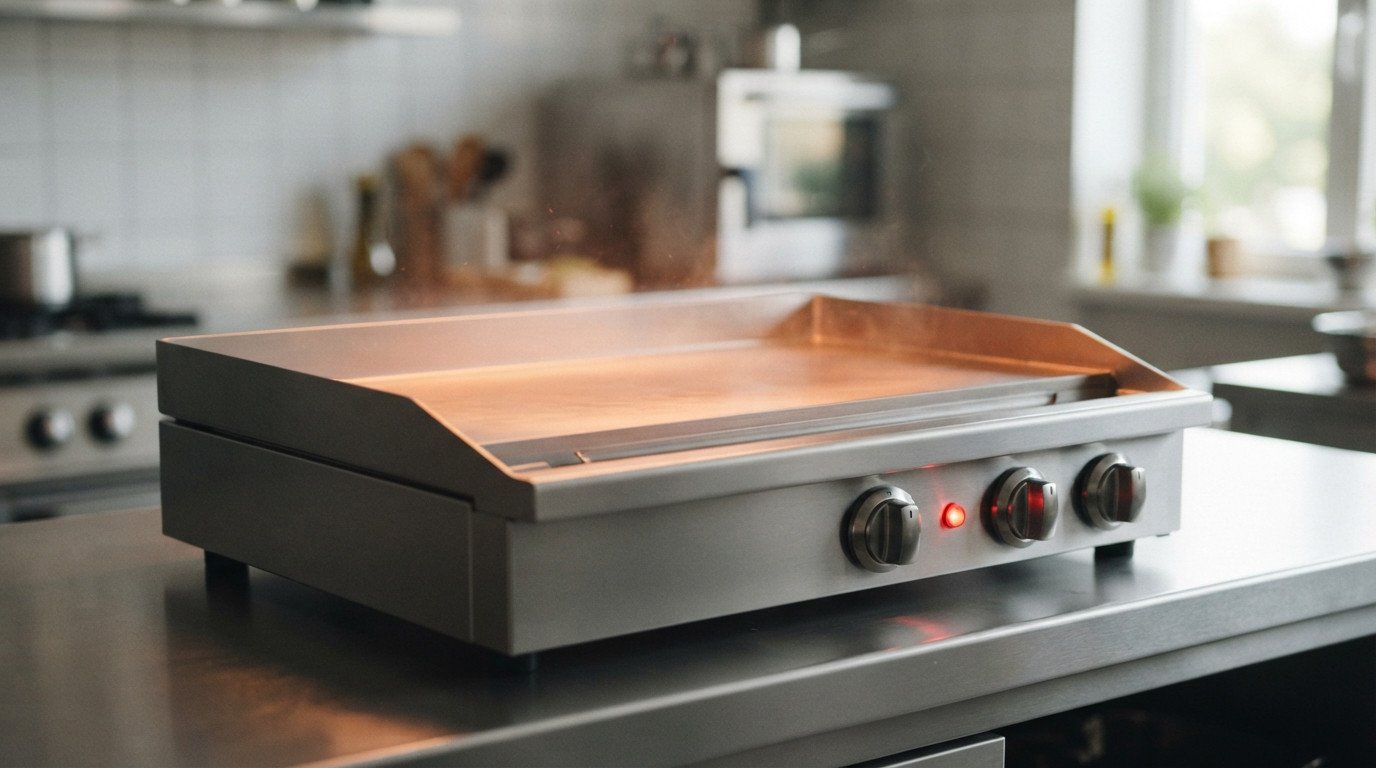 Electric Fry Top: How Long Does It Take to Heat Up?Read more
The electric fry top is a versatile and efficient kitchen appliance that offers even heat distribution and a smooth...
-
 Does the Fry Top Scratch Easily? How to Preserve Its SurfaceRead more
Fry tops are versatile and popular cooking surfaces, but many wonder if they scratch easily and how to keep them in...
-
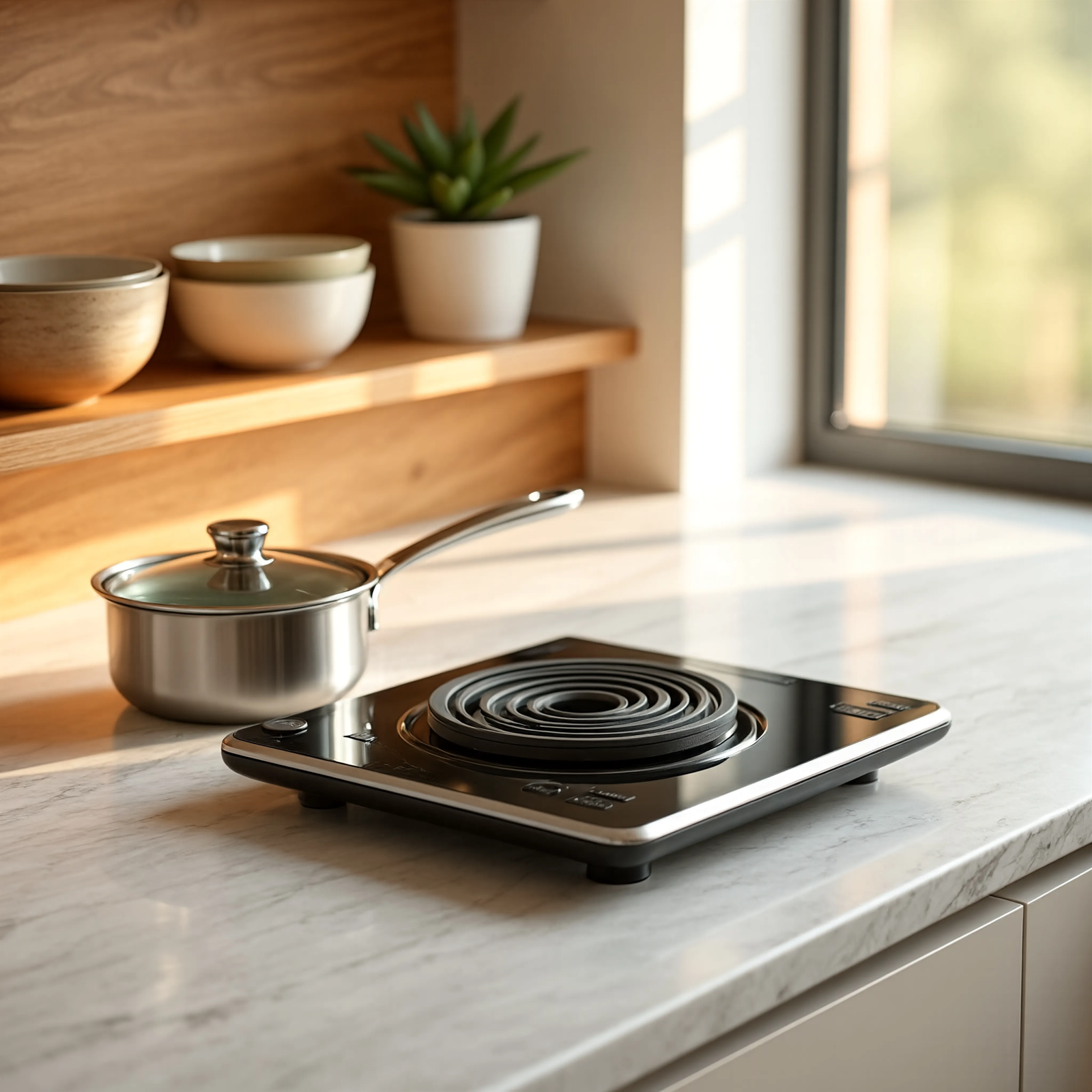 Fry Top for Beginners: Which Model Is Easiest to Use?Read more
Are you new to cooking with a fry top and wondering which model is easiest to use? A fry top, or griddle, offers a...
-
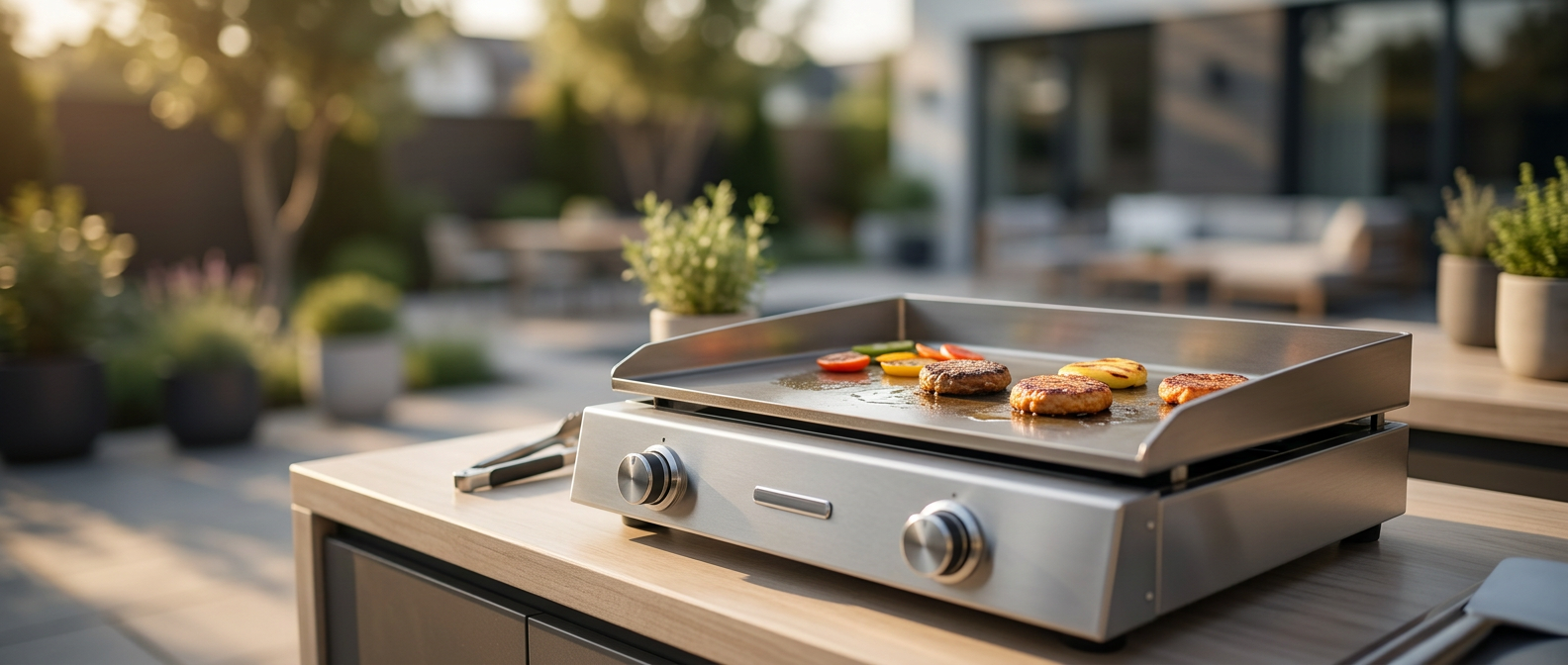 Small Spaces: Which Electric Hot Plate Should You Choose?Read more
Living in a small space often means limited kitchen area, making it essential to choose compact and efficient cooking...
-
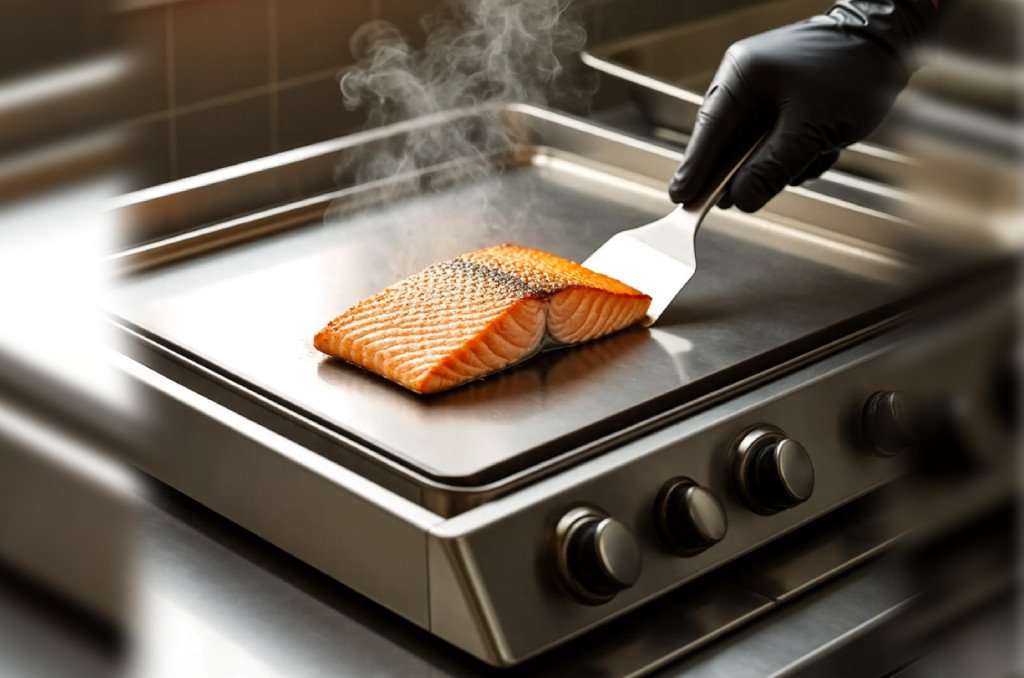 How to Fry Safely on an Electric Fry Top: A Complete GuideRead more
Frying on an electric fry top offers a convenient and efficient way to prepare delicious meals, but safety is...
-
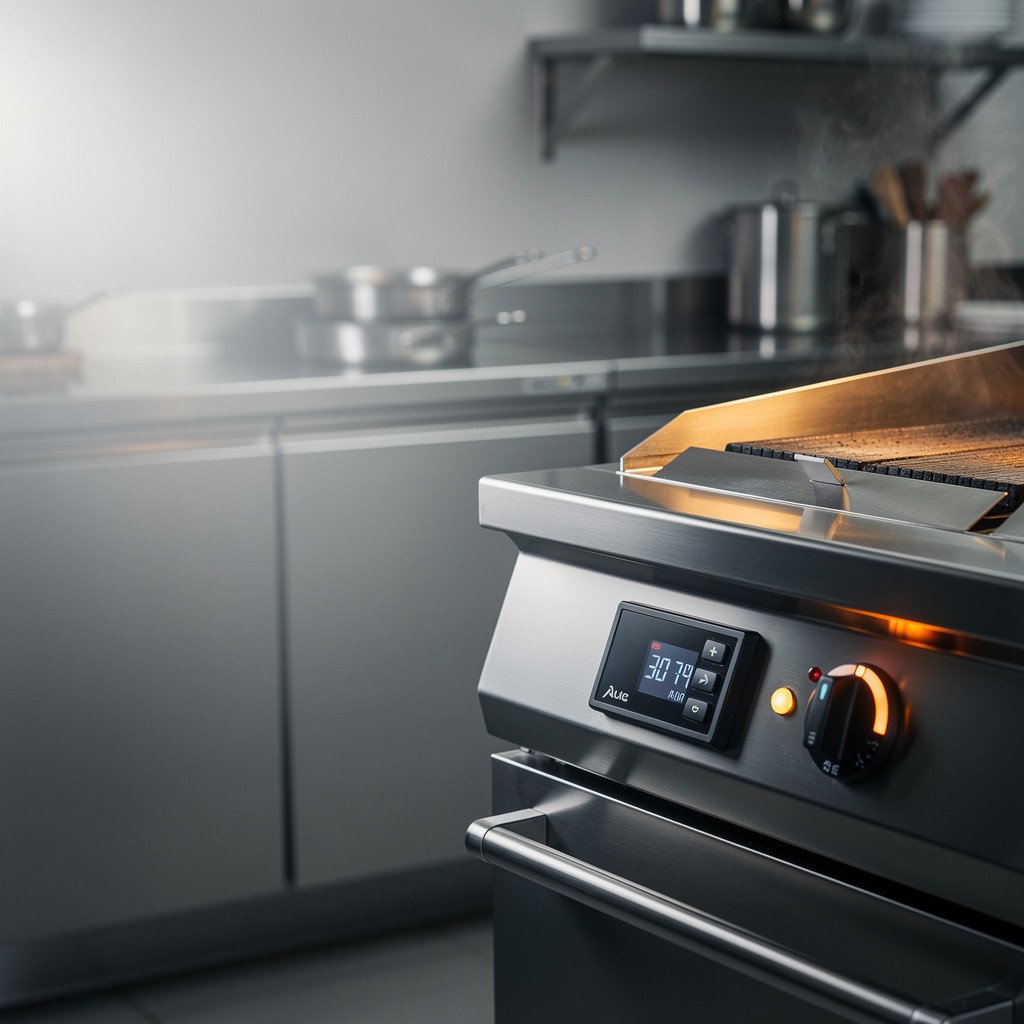 Fry Top with Thermostat: Is It Worth Spending More?Read more
A fry top is a versatile cooking surface widely used in both home and professional kitchens. One key feature that...
-
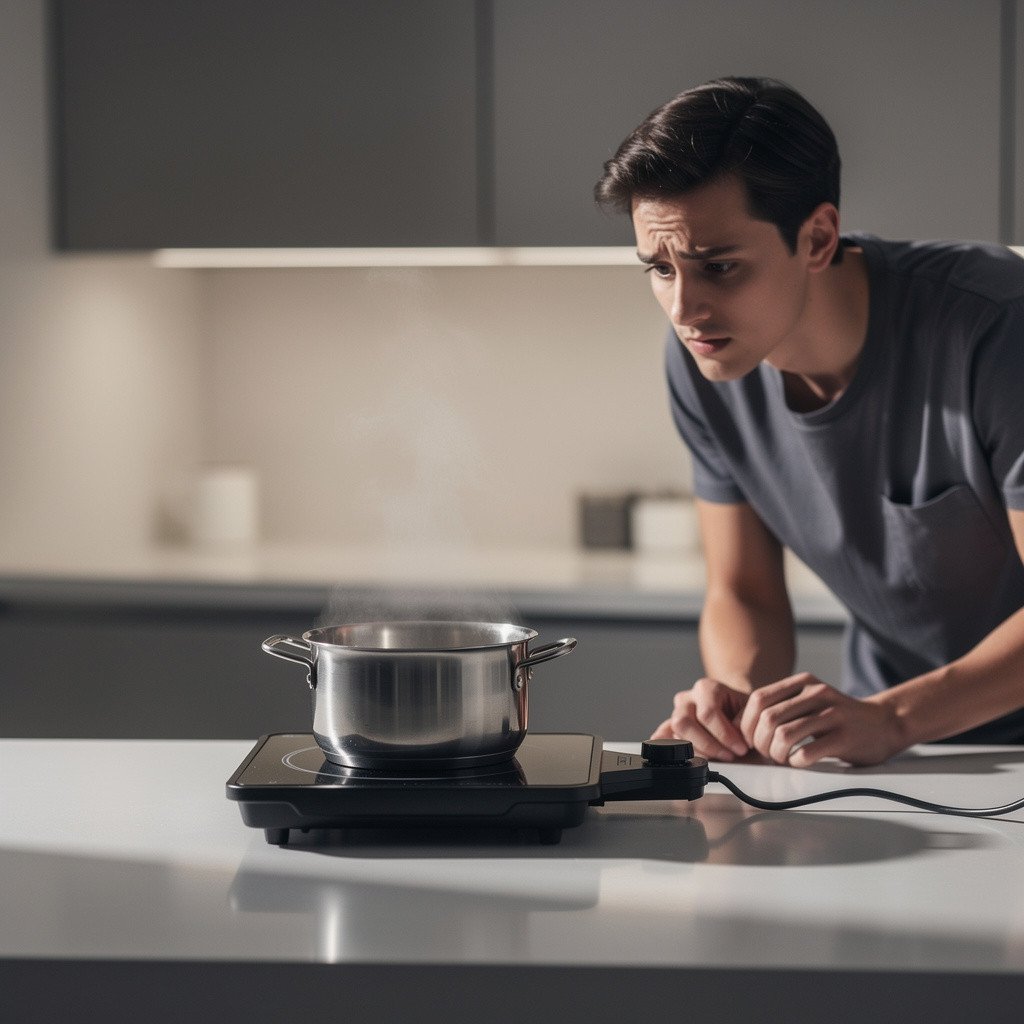 Contact Electric Hotplates: Is Cooking Really Difficult?Read more
Contact electric hotplates are becoming increasingly popular for their convenience and efficiency in the kitchen....
-
 How to Choose the Right Power for Your Electric Fry TopRead more
Choosing the right power for your electric fry top is essential for efficient and enjoyable cooking. The power...
-
 Portable Fry Top: Does It Exist and Is It Worth Having?Read more
If you love cooking and are always on the go, you might wonder if a portable fry top exists and whether it’s worth...
Blog categories
Search in blog
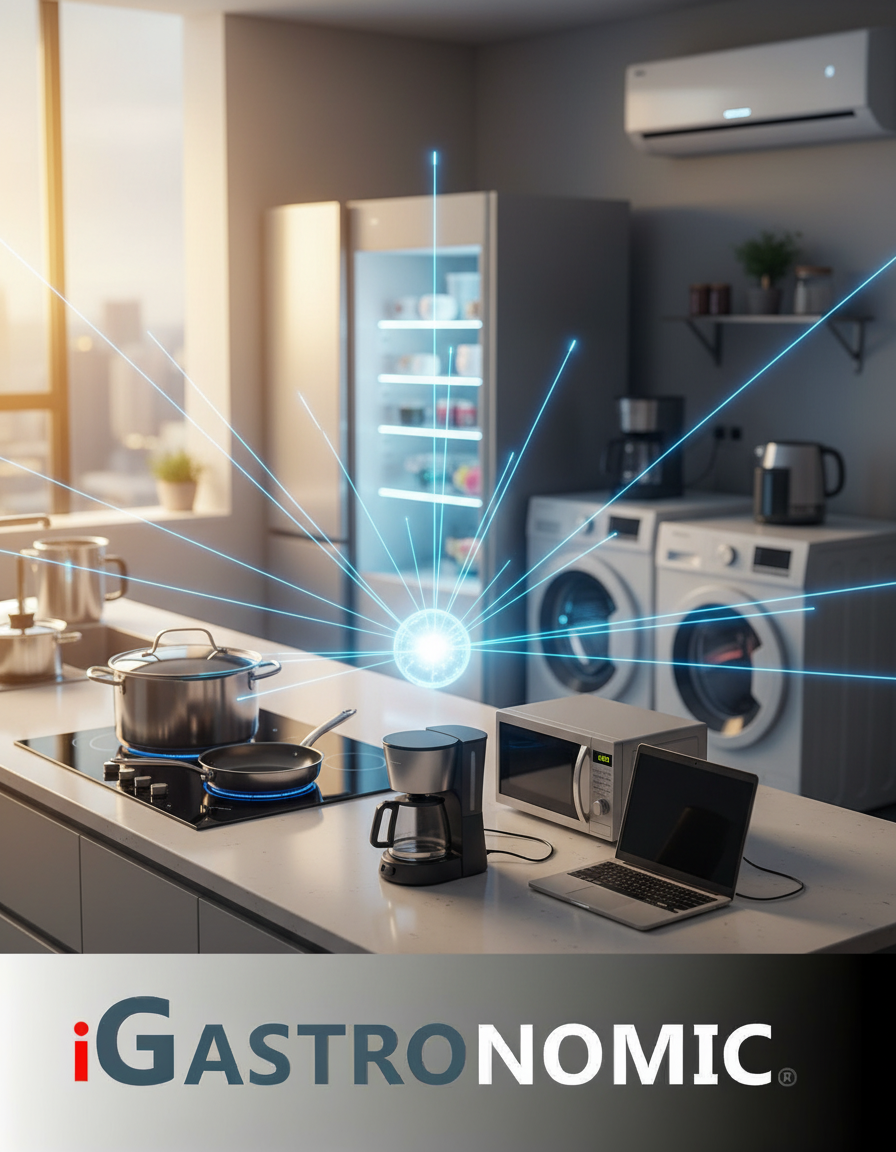
Which Electric Appliances Use the Most Electricity? A Comprehensive Guide
Which Electric Appliances Use the Most Electricity? A Comprehensive Guide
Electricity powers almost every aspect of modern life, from lighting our homes to running our favorite gadgets. However, not all electric appliances consume the same amount of energy. Some devices are real energy hogs, significantly impacting your electricity bill, while others are relatively efficient. Understanding which appliances use the most electricity is essential for managing your energy consumption, reducing costs, and minimizing your environmental footprint.
Why Knowing Your Appliance Energy Consumption Matters
Electricity costs can add up quickly, especially if you have several high-consumption devices running daily. By identifying which appliances use the most electricity, you can make informed decisions about how to use them more efficiently or when to replace them with energy-saving alternatives. Moreover, this knowledge helps you contribute to environmental conservation by reducing unnecessary energy waste.
How Is Electricity Consumption Measured?
Electricity consumption is typically measured in kilowatt-hours (kWh). One kilowatt-hour represents the use of 1,000 watts of power for one hour. For example, a 100-watt light bulb running for 10 hours consumes 1 kWh of electricity (100 watts × 10 hours = 1,000 watt-hours = 1 kWh).
Appliance power ratings (in watts) and usage duration determine the total energy consumed. Thus, even a low-wattage device can consume a lot of electricity if used continuously, while a high-wattage device used sparingly might consume less overall.
Top Electric Appliances That Use the Most Electricity
Let’s explore the most common household appliances that typically consume the most electricity, ranked roughly by their average consumption.
1. Heating and Cooling Systems
Heating, Ventilation, and Air Conditioning (HVAC) systems are often the largest energy consumers in a home. Depending on your climate and usage, heating or cooling can account for nearly half of your electricity bill.
- Electric Heaters: Space heaters can consume between 750 to 1,500 watts per hour. If used extensively, especially during winter, they can significantly increase electricity consumption.
- Air Conditioners: Central air conditioning units typically use 2,000 to 5,000 watts per hour, depending on size and efficiency. Window units may consume less but still add up if used continuously.
- Heat Pumps: These are more efficient alternatives to traditional electric heaters and air conditioners but still consume substantial electricity.
Tip: Regular maintenance, proper insulation, and programmable thermostats can help reduce HVAC energy consumption.
2. Water Heaters
Electric water heaters are another major electricity consumer. They typically use between 3,000 and 4,500 watts when heating water. Since water heaters operate intermittently throughout the day to maintain temperature, they can account for a significant portion of your energy bill.
Tip: Lowering the thermostat on your water heater to 120°F (49°C) and insulating the tank can reduce energy use.
3. Kitchen Appliances
The kitchen is home to several high-energy appliances:
- Refrigerators and Freezers: These run 24/7 to keep food cold or frozen. Modern energy-efficient models consume between 100 to 800 kWh annually, but older models can use much more.
- Ovens and Stoves: Electric ovens typically consume 2,000 to 5,000 watts when in use. Induction cooktops are more efficient but still require significant power during cooking.
- Dishwashers: These use electricity to heat water and run motors, consuming around 1,200 watts per cycle.
- Microwave Ovens: Usually consume about 600 to 1,200 watts during operation, but since usage is brief, total consumption is moderate.
- Coffee Makers and Toasters: These use between 800 to 1,500 watts but for short periods.
Tip: Using energy-efficient kitchen appliances, running dishwashers only when full, and avoiding preheating ovens unnecessarily can save electricity.
4. Laundry Appliances
Washing machines and dryers consume significant electricity, especially dryers:
- Clothes Dryers: Electric dryers consume between 2,000 and 6,000 watts per cycle, making them one of the highest energy users.
- Washing Machines: Modern machines use less electricity, typically between 400 and 1,400 watts per cycle, but heating water for washing can increase energy use.
Tip: Air-drying clothes and using cold water washing cycles can reduce energy consumption.
5. Lighting
Lighting energy use varies widely depending on the type of bulbs and usage:
- Incandescent Bulbs: Use 40 to 100 watts each and are inefficient.
- Compact Fluorescent Lamps (CFLs): Use about 9 to 15 watts for similar brightness.
- LED Bulbs: Use 4 to 20 watts and are the most energy-efficient option.
Though lighting may not consume as much electricity as heating or kitchen appliances, it can still add up if many incandescent bulbs are used extensively.
Tip: Switching to LED bulbs and using natural light during the day can significantly reduce lighting electricity use.
6. Entertainment and Electronics
Modern homes have many electronic devices, some of which consume more electricity than expected:
- Televisions: Older plasma TVs use 200-400 watts, while modern LED TVs use 30-100 watts.
- Gaming Consoles: Can consume 70-200 watts during use.
- Computers and Laptops: Desktops use 65-250 watts; laptops are more efficient at 15-60 watts.
- Set-top Boxes and Streaming Devices: Use 10-30 watts but run continuously.
- Chargers and Standby Power: Many devices consume power even when turned off or in standby mode, known as "phantom load," which can add 5-10% to your electricity bill.
Tip: Unplug devices when not in use or use smart power strips to eliminate phantom loads.
Comparing Energy Consumption: A Practical Example
To put things into perspective, here’s an approximate comparison of energy consumption for some common appliances running for one hour:
| Appliance | Power Consumption (Watts) | Energy Used in 1 Hour (kWh) |
|---|---|---|
| Central Air Conditioner | 3,500 | 3.5 |
| Electric Water Heater | 4,500 | 4.5 |
| Clothes Dryer | 3,000 | 3.0 |
| Refrigerator (running average) | 150 | 0.15 |
| LED TV | 80 | 0.08 |
| Incandescent Bulb | 60 | 0.06 |
As you can see, appliances like air conditioners and water heaters consume orders of magnitude more electricity per hour than lighting or electronics.
How to Reduce Electricity Consumption from High-Use Appliances
Knowing which appliances use the most electricity is just the first step. Here are some practical tips to reduce your energy consumption:
1. Upgrade to Energy-Efficient Appliances
Look for appliances with the ENERGY STAR label or equivalent certifications. These models are designed to use less electricity without compromising performance.
2. Use Appliances Wisely
- Run dishwashers and washing machines only with full loads.
- Use microwave ovens or toaster ovens for small meals instead of heating a full-size oven.
- Set thermostats to energy-saving temperatures and use programmable settings.
3. Regular Maintenance
Keep appliances clean and well-maintained. For example, clean refrigerator coils, replace HVAC filters, and service water heaters regularly to ensure efficiency.
4. Insulate and Seal Your Home
Proper insulation reduces the workload on heating and cooling systems, thereby saving electricity.
5. Reduce Standby Power Usage
Unplug devices or use smart power strips to cut off power when appliances are not in use.
Using Technology to Monitor Energy Consumption
Smart meters and energy monitors can help you track your electricity usage in real-time. Some devices plug directly into outlets to measure the power consumption of individual appliances. This data empowers you to identify the biggest energy users and adjust your habits accordingly.
Conclusion
Electric appliances vary widely in their electricity consumption. Heating and cooling systems, water heaters, kitchen appliances, and laundry machines tend to use the most energy, while lighting and electronics generally consume less but can add up over time.
By understanding which appliances are energy hogs, you can take steps to reduce consumption through efficient usage, upgrading to energy-saving models, and maintaining your devices properly. These actions not only lower your electricity bills but also contribute to a greener and more sustainable future.
Remember, small changes in how and when you use your appliances can lead to significant savings and a more energy-efficient home.
Thank you for reading! If you found this guide helpful, feel free to share it with friends and family looking to save on their electricity bills.
Posted in:
Tips & Tricks
Related posts
-
 More Than Just Fast Food - All You Need to Know
System Gastronomy: Learn more about this exciting business model. From Fast Food to Casual Dining - we explain...Read more
More Than Just Fast Food - All You Need to Know
System Gastronomy: Learn more about this exciting business model. From Fast Food to Casual Dining - we explain...Read more -
 The 10 Most Expensive Restaurants in the World
When it comes to fine dining and luxurious culinary experiences, some restaurants around the globe capture attention...Read more
The 10 Most Expensive Restaurants in the World
When it comes to fine dining and luxurious culinary experiences, some restaurants around the globe capture attention...Read more -
 Which Restaurant Makes the Most Revenue? A Deep Dive into the World of Gastronomy
Who are the revenue giants in the gastronomy industry? We reveal the top players and analyze why they are so...Read more
Which Restaurant Makes the Most Revenue? A Deep Dive into the World of Gastronomy
Who are the revenue giants in the gastronomy industry? We reveal the top players and analyze why they are so...Read more -
 Boost Your Restaurant's Revenue with Pergolas and Louvered Roofs
Ever wondered how to make your restaurant more appealing and increase your sales? The answer might be simpler than...Read more
Boost Your Restaurant's Revenue with Pergolas and Louvered Roofs
Ever wondered how to make your restaurant more appealing and increase your sales? The answer might be simpler than...Read more -
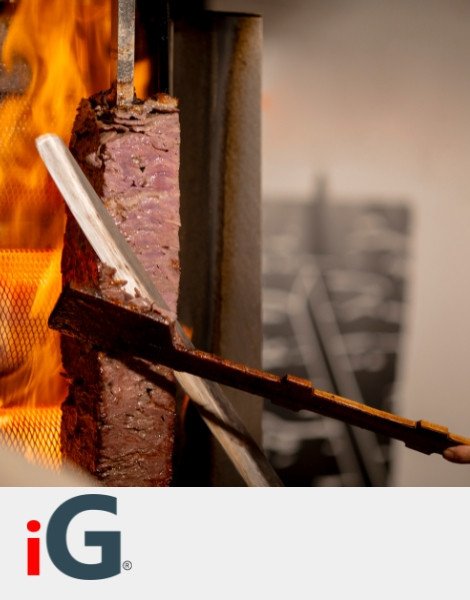 The World of Döner: From Traditional Recipes to the Best Döner Spots Worldwide
Learn how to make authentic Yaprak Döner, discover the best döner spots in Germany and worldwide, and explore the...Read more
The World of Döner: From Traditional Recipes to the Best Döner Spots Worldwide
Learn how to make authentic Yaprak Döner, discover the best döner spots in Germany and worldwide, and explore the...Read more
Leave a comment