
 Deutsch
 Türkçe
 Italiano

.jpg)
.jpg)
.jpg)
.jpg)
.jpg)
.jpg)
.jpg)
.jpg)
.jpg)
.jpg)

.jpg)

.jpg)
.jpg)
.jpg)
.jpg)
.jpg)
.jpg)
.jpg)
.jpg)
.jpg)
.jpg)



.jpg)
.jpg)
.jpg)
.jpg)
.jpg)
.jpg)
.jpg)
.jpg)
.jpg)



.jpg)
.jpg)

.jpg)
.jpg)
.jpg)
.jpg)


.jpg)

.png)
.jpg)
.jpg)
 (200 x 136 px) (5).png)
.png)

Looking for the perfect restaurant dinnerware? Discover why professional chefs worldwide rely on the chip-resistant...
-
 Cooking Appliances
add remove
Cooking Appliances
add remove -
-
Pizza & Grill
add remove
-
-
Refrigeration
add remove
-
-
Combi Steamer
add remove
-
-
Kitchen Appliances
add remove
-
-
Rinsing & Cleaning
add remove
-
-
Retail Refrigeration
add remove
-
-
Cafe & Ice Cream
add remove
-
-
Smart-Gastro
add remove
-
-
Event- & Cateringmöbel
-
Cooking Appliances
add remove
-
-
Pizza & Grill
add remove
-
-
Refrigeration
add remove
-
-
Combi Steamer
add remove
-
-
Kitchen Appliances
add remove
-
-
Rinsing & Cleaning
add remove
-
-
Retail Refrigeration
add remove
-
-
Cafe & Ice Cream
add remove
-
-
Smart-Gastro
add remove
-
-
Event- & Cateringmöbel


Call us:
+49 (0) 6135 7040 450Latest posts
-
 Why RAK Porcelain is the Top Choice for ProfessionalsRead more
 -
 Electric Fry Top: How Long Does It Take to Heat Up?Read more
The electric fry top is a versatile and efficient kitchen appliance that offers even heat distribution and a smooth...
-
 Does the Fry Top Scratch Easily? How to Preserve Its SurfaceRead more
Fry tops are versatile and popular cooking surfaces, but many wonder if they scratch easily and how to keep them in...
-
 Fry Top for Beginners: Which Model Is Easiest to Use?Read more
Are you new to cooking with a fry top and wondering which model is easiest to use? A fry top, or griddle, offers a...
-
 Small Spaces: Which Electric Hot Plate Should You Choose?Read more
Living in a small space often means limited kitchen area, making it essential to choose compact and efficient cooking...
-
 How to Fry Safely on an Electric Fry Top: A Complete GuideRead more
Frying on an electric fry top offers a convenient and efficient way to prepare delicious meals, but safety is...
-
 Fry Top with Thermostat: Is It Worth Spending More?Read more
A fry top is a versatile cooking surface widely used in both home and professional kitchens. One key feature that...
-
 Contact Electric Hotplates: Is Cooking Really Difficult?Read more
Contact electric hotplates are becoming increasingly popular for their convenience and efficiency in the kitchen....
-
 How to Choose the Right Power for Your Electric Fry TopRead more
Choosing the right power for your electric fry top is essential for efficient and enjoyable cooking. The power...
-
 Portable Fry Top: Does It Exist and Is It Worth Having?Read more
If you love cooking and are always on the go, you might wonder if a portable fry top exists and whether it’s worth...
Blog categories
Search in blog
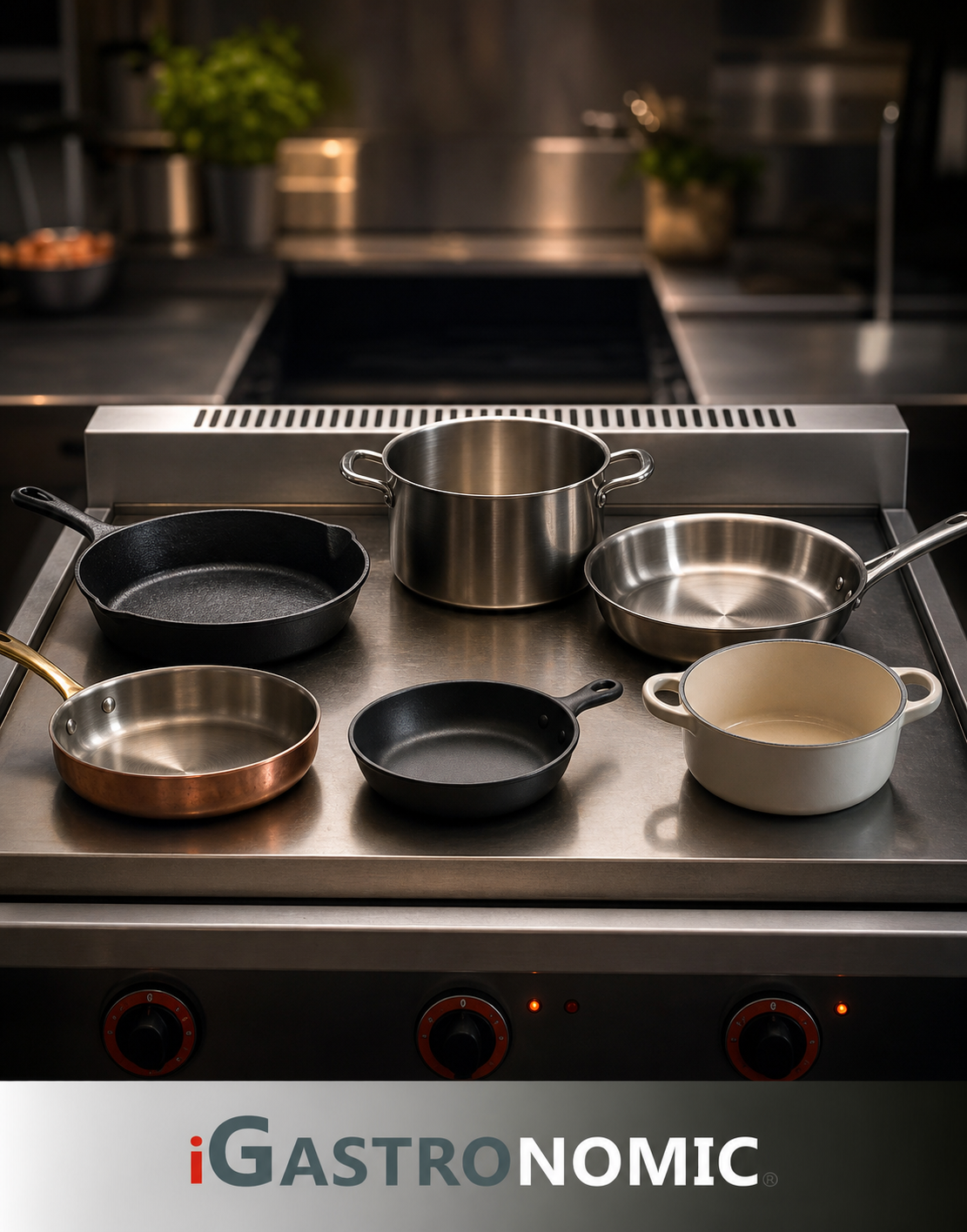
Does the Fry Top Really Heat All Types of Pots and Pans Well?
Does the Fry Top Really Heat All Types of Pots and Pans Well?
If you've ever cooked on a Fry Top, you might have wondered: does this cooking surface really heat all types of pots and pans effectively? The Fry Top, a popular flat cooking surface often found in professional kitchens and increasingly in home setups, promises even heat distribution and versatility. But is it truly compatible with every type of cookware? In this comprehensive guide, we'll explore the science behind the Fry Top, its compatibility with different materials, and best practices to get the most out of your cooking experience.
What Is a Fry Top?
A Fry Top is essentially a large, flat metal cooking surface, typically made from cast iron, steel, or stainless steel. It is heated from below by gas burners or electric elements, creating a smooth, evenly heated surface perfect for cooking a variety of foods. Unlike traditional stovetops with burners, the Fry Top offers a continuous cooking area, allowing you to move pots, pans, and food around freely.
Originating from professional kitchens where chefs need to cook multiple dishes simultaneously, the Fry Top has gained popularity among home cooks for its versatility and efficiency. It’s often used for searing, frying, sautéing, and even grilling, depending on the temperature and cookware used.
How Does a Fry Top Heat?
The heating mechanism of a Fry Top is quite straightforward yet effective. The heat source—usually gas or electric—is distributed beneath the metal plate. The metal then conducts the heat evenly across its surface. This differs from traditional burners, where heat is concentrated in a small area and transferred directly to the bottom of the pan.
Because the Fry Top is a solid surface, it offers a more uniform temperature, which can be a significant advantage for cooking delicate foods or when you want consistent heat across a large area.
Does the Fry Top Heat All Pots and Pans Equally?
This is the crux of the question. While the Fry Top itself heats evenly, the interaction between the Fry Top and the cookware placed on it depends on several factors:
- Material of the cookware
- Shape and flatness of the pot or pan base
- Thickness of the cookware base
- Size of the cookware in relation to the Fry Top surface
Cookware Materials and Their Heat Conductivity
Not all cookware materials conduct heat the same way. Here’s a quick overview:
- Cast Iron: Excellent heat retention and even heating but can be heavy and slow to heat up.
- Stainless Steel: Durable but often poor heat conduction unless layered with aluminum or copper.
- Aluminum: Great heat conductor but often coated to prevent reactions with food.
- Copper: Superior heat conduction but expensive and requires maintenance.
- Non-stick Coated Pans: Usually aluminum or steel base with a non-stick coating.
When placed on a Fry Top, pans with flat bases and good heat conductivity will generally perform better. For example, a flat-bottomed cast iron skillet will heat evenly and maintain temperature well on a Fry Top. Conversely, warped or rounded pans may not make full contact with the surface, leading to uneven heating.
Flatness and Contact Surface
One of the most important factors for efficient heat transfer from the Fry Top to your cookware is the contact area. If the base of your pot or pan is warped or uneven, it will not sit flush on the Fry Top, causing hot spots or cold spots. This can result in uneven cooking or longer cooking times.
Flat-bottomed pans are ideal. If you have older or cheaper cookware that is slightly warped, you might notice inconsistent heating on the Fry Top.
Thickness of Cookware Base
Thicker bases tend to distribute heat more evenly within the pan, which complements the even heating of the Fry Top. Thin pans may heat up quickly but can develop hot spots or cool down rapidly when food is added.
Pros and Cons of Using Different Cookware on a Fry Top
Cast Iron Cookware
Pros:
- Excellent heat retention
- Even cooking surface when flat-bottomed
- Durable and long-lasting
Cons:
- Heavy and can be cumbersome
- Slow to heat up initially
- Requires seasoning and maintenance
Stainless Steel Cookware
Pros:
- Durable and resistant to scratches
- Easy to clean
- Often dishwasher safe
Cons:
- May have uneven heat distribution if not layered with conductive metals
- Can develop hot spots on Fry Top if base is thin or warped
Aluminum Cookware
Pros:
- Excellent heat conduction
- Lightweight
- Usually affordable
Cons:
- Often coated to prevent food reactions
- May dent or warp easily
Non-stick Cookware
Pros:
- Easy food release and cleaning
- Good for delicate foods
Cons:
- Non-stick coating can degrade at very high temperatures
- May not be as durable on a Fry Top if scratched
Tips for Using Your Fry Top with Different Cookware
To get the best results from your Fry Top regardless of the cookware you use, consider these tips:
- Choose flat-bottomed cookware: Ensure your pots and pans have a flat base to maximize contact and heat transfer.
- Preheat the Fry Top properly: Allow the Fry Top to reach the desired temperature before placing cookware on it.
- Use heavier pans for even heat: Cast iron or heavy stainless steel pans tend to perform better on Fry Tops.
- Avoid extremely thin or warped pans: These can cause uneven heating and poor cooking results.
- Monitor temperature: Since the Fry Top heats evenly, you may need to adjust cooking times or temperatures compared to traditional burners.
- Clean regularly: A clean Fry Top surface ensures better heat transfer and prevents sticking or burning.
Common Misconceptions About Fry Tops and Cookware Compatibility
There are a few myths floating around about Fry Tops and their compatibility with cookware. Let’s debunk some:
- Myth: Fry Tops only work with cast iron. While cast iron is excellent, Fry Tops can work well with many types of cookware, provided they have flat, smooth bases.
- Myth: You can use any pan without issue. Cookware with warped or uneven bottoms will not heat evenly on a Fry Top.
- Myth: Fry Tops heat faster than burners. Fry Tops heat evenly but may take longer to reach high temperatures compared to direct flame burners.
Conclusion: Does the Fry Top Heat All Pots and Pans Well?
In summary, the Fry Top itself provides an evenly heated, versatile cooking surface that can accommodate various pots and pans. However, the effectiveness of heating depends largely on the cookware's material, base flatness, and thickness. Flat-bottomed, heavy cookware such as cast iron or layered stainless steel pans generally perform best, ensuring optimal heat transfer and even cooking.
If you use thin, warped, or rounded cookware, you may experience uneven heating or longer cooking times. Therefore, while the Fry Top is an excellent tool for many cooking tasks, pairing it with the right cookware is essential to unlock its full potential.
By understanding these nuances and selecting your pots and pans carefully, you can enjoy the benefits of a Fry Top and elevate your cooking experience to professional levels.
Additional Resources
Related posts
-
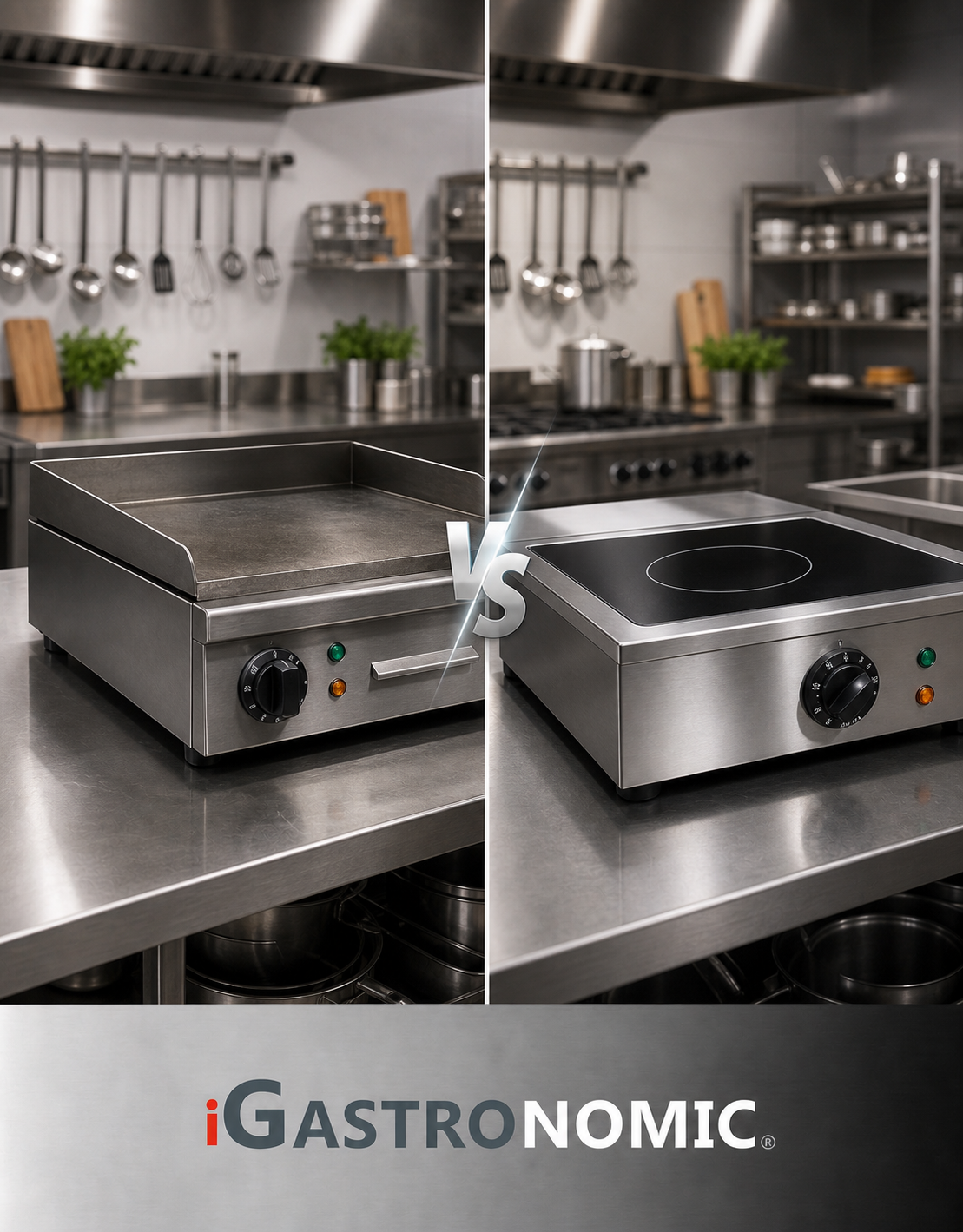 Fry Top vs Piastra Elettrica: Which One Should You Choose for Your Kitchen?
Choosing the right cooking appliance can transform your kitchen experience. Two popular options are the Fry Top and...Read more
Fry Top vs Piastra Elettrica: Which One Should You Choose for Your Kitchen?
Choosing the right cooking appliance can transform your kitchen experience. Two popular options are the Fry Top and...Read more -
 How to Use a Fry Top: A Complete Beginner's Guide
A fry top is a flat, smooth cooking surface that offers even heat distribution and a large area to cook multiple...Read more
How to Use a Fry Top: A Complete Beginner's Guide
A fry top is a flat, smooth cooking surface that offers even heat distribution and a large area to cook multiple...Read more -
 Fry Top Smooth or Ribbed? Which Is Better for Cooking?
Choosing between a smooth (liscio) and ribbed (rigato) fry top can significantly impact your cooking experience....Read more
Fry Top Smooth or Ribbed? Which Is Better for Cooking?
Choosing between a smooth (liscio) and ribbed (rigato) fry top can significantly impact your cooking experience....Read more -
 What Can You Cook on an Electric Fry Top? A Complete Guide
An electric fry top is a versatile kitchen appliance that offers a large, evenly heated cooking surface perfect for a...Read more
What Can You Cook on an Electric Fry Top? A Complete Guide
An electric fry top is a versatile kitchen appliance that offers a large, evenly heated cooking surface perfect for a...Read more -
 Electric Fry Top vs Gas: Advantages and Disadvantages Compared
Choosing between an electric and gas fry top can be challenging. Electric fry tops offer precise temperature control,...Read more
Electric Fry Top vs Gas: Advantages and Disadvantages Compared
Choosing between an electric and gas fry top can be challenging. Electric fry tops offer precise temperature control,...Read more
Leave a comment