
 Deutsch
 Türkçe
 Italiano

.jpg)
.jpg)
.jpg)
.jpg)
.jpg)
.jpg)
.jpg)
.jpg)
.jpg)
.jpg)

.jpg)

.jpg)
.jpg)
.jpg)
.jpg)
.jpg)
.jpg)
.jpg)
.jpg)
.jpg)
.jpg)



.jpg)
.jpg)
.jpg)
.jpg)
.jpg)
.jpg)
.jpg)
.jpg)
.jpg)



.jpg)
.jpg)

.jpg)
.jpg)
.jpg)
.jpg)


.jpg)

.png)
.jpg)
.jpg)
 (200 x 136 px) (5).png)
.png)

Fry tops are versatile cooking surfaces popular in both professional and home kitchens. When deciding between a...
-
 Cooking Appliances
add remove
Cooking Appliances
add remove -
-
Pizza & Grill
add remove
-
-
Refrigeration
add remove
-
-
Combi Steamer
add remove
-
-
Kitchen Appliances
add remove
-
-
Rinsing & Cleaning
add remove
-
-
Retail Refrigeration
add remove
-
-
Cafe & Ice Cream
add remove
-
-
Smart-Gastro
add remove
-
-
Event- & Cateringmöbel
-
Cooking Appliances
add remove
-
-
Pizza & Grill
add remove
-
-
Refrigeration
add remove
-
-
Combi Steamer
add remove
-
-
Kitchen Appliances
add remove
-
-
Rinsing & Cleaning
add remove
-
-
Retail Refrigeration
add remove
-
-
Cafe & Ice Cream
add remove
-
-
Smart-Gastro
add remove
-
-
Event- & Cateringmöbel


Call us:
+49 (0) 6135 7040 450Latest posts
-
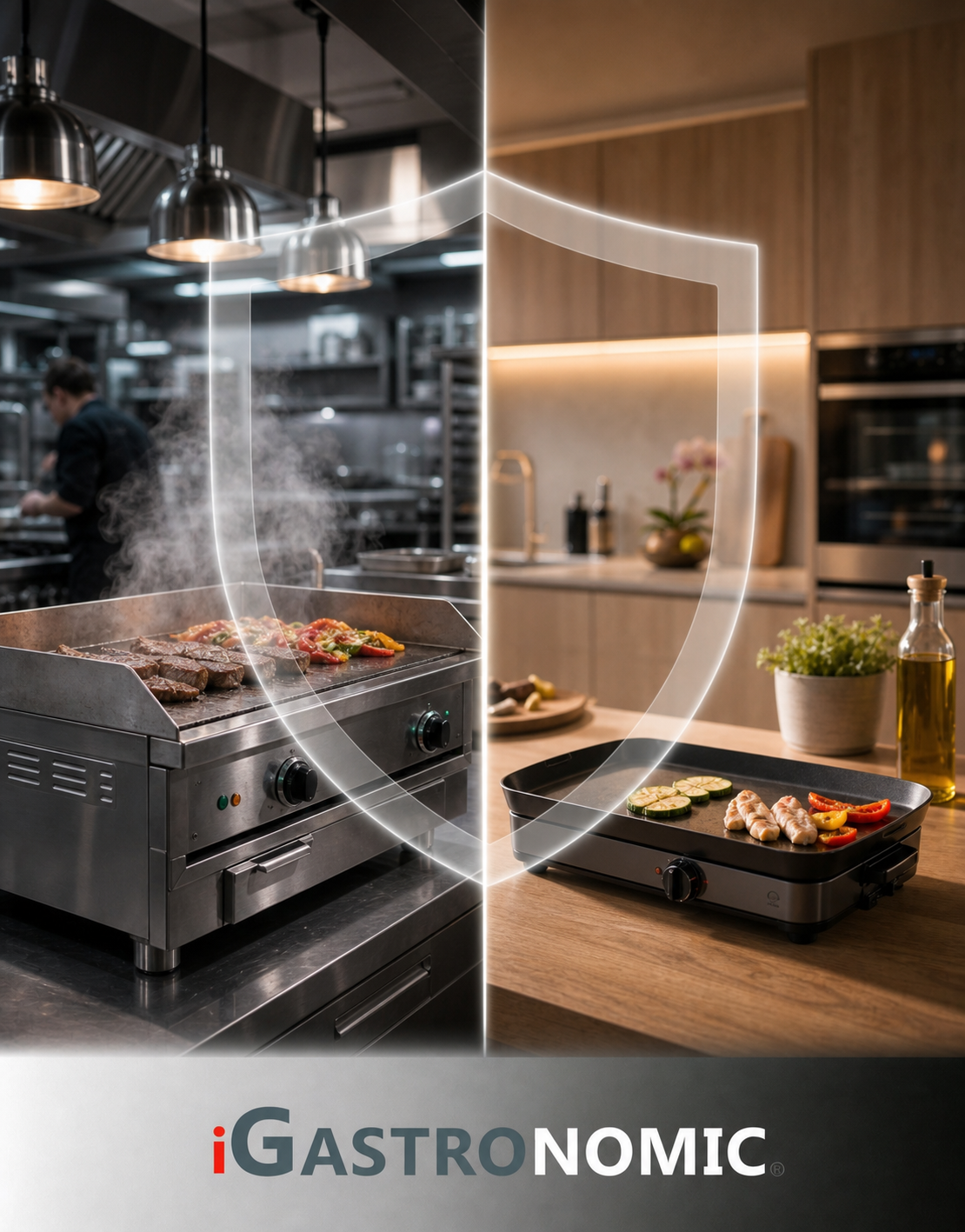 Fry Top Professionale vs Domestico: Which One Should You Buy?Read more
 -
 Is the Fry Top Safe to Use in the Kitchen? Risks and PrecautionsRead more
The fry top, or flat top grill, is a popular cooking appliance known for its versatility and efficiency. But is it...
-
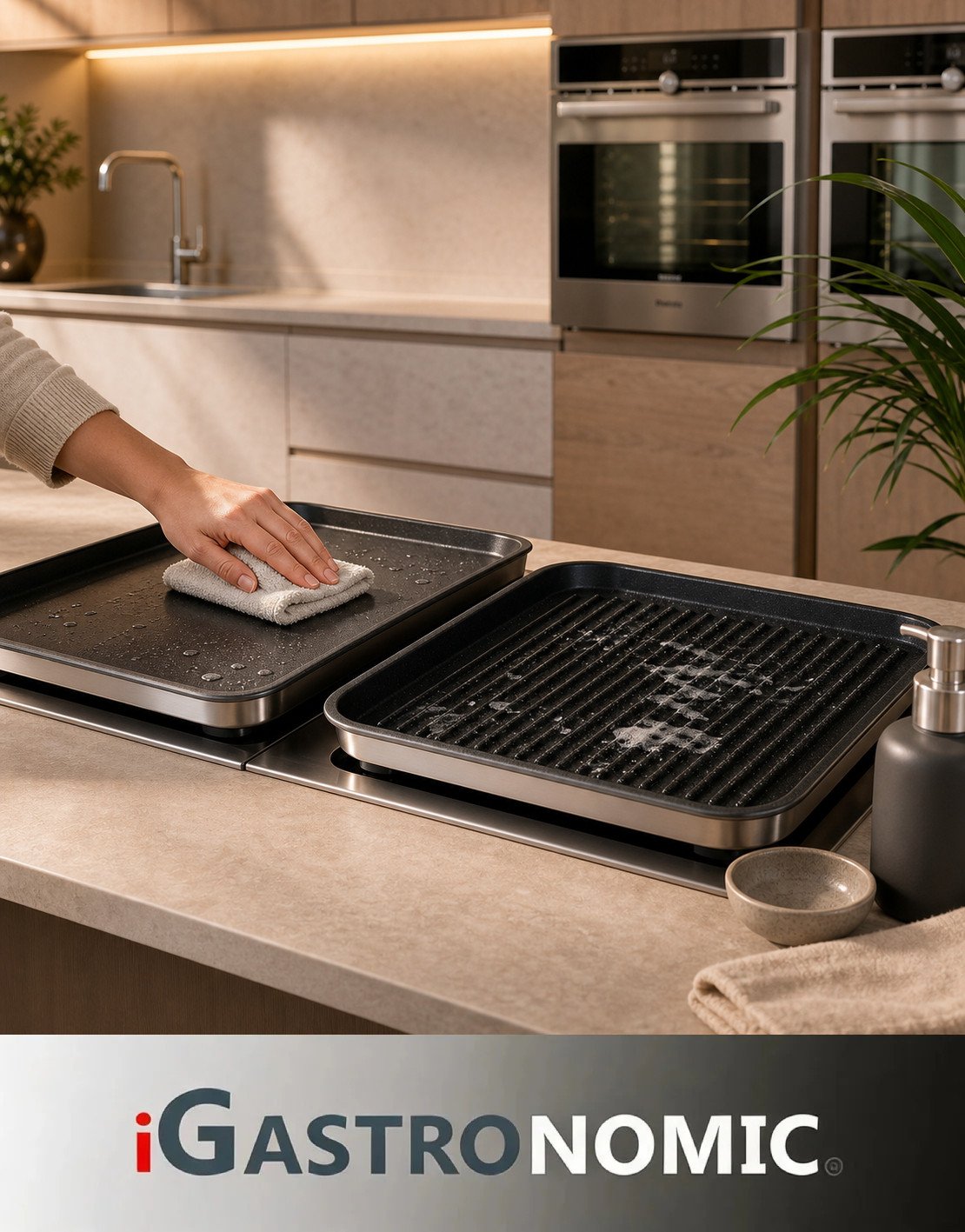 Electric Griddles: How to Clean Them Easily?Read more
Electric griddles are versatile and convenient kitchen appliances, but cleaning them can sometimes feel overwhelming....
-
 How Much Does It Cost to Operate a Fry Top? Energy Consumption and Expenses ExplainedRead more
Operating a fry top involves various costs, primarily energy consumption and maintenance expenses. Whether you use a...
-
 Electric Fry Top vs Gas: Advantages and Disadvantages ComparedRead more
Choosing between an electric and gas fry top can be challenging. Electric fry tops offer precise temperature control,...
-
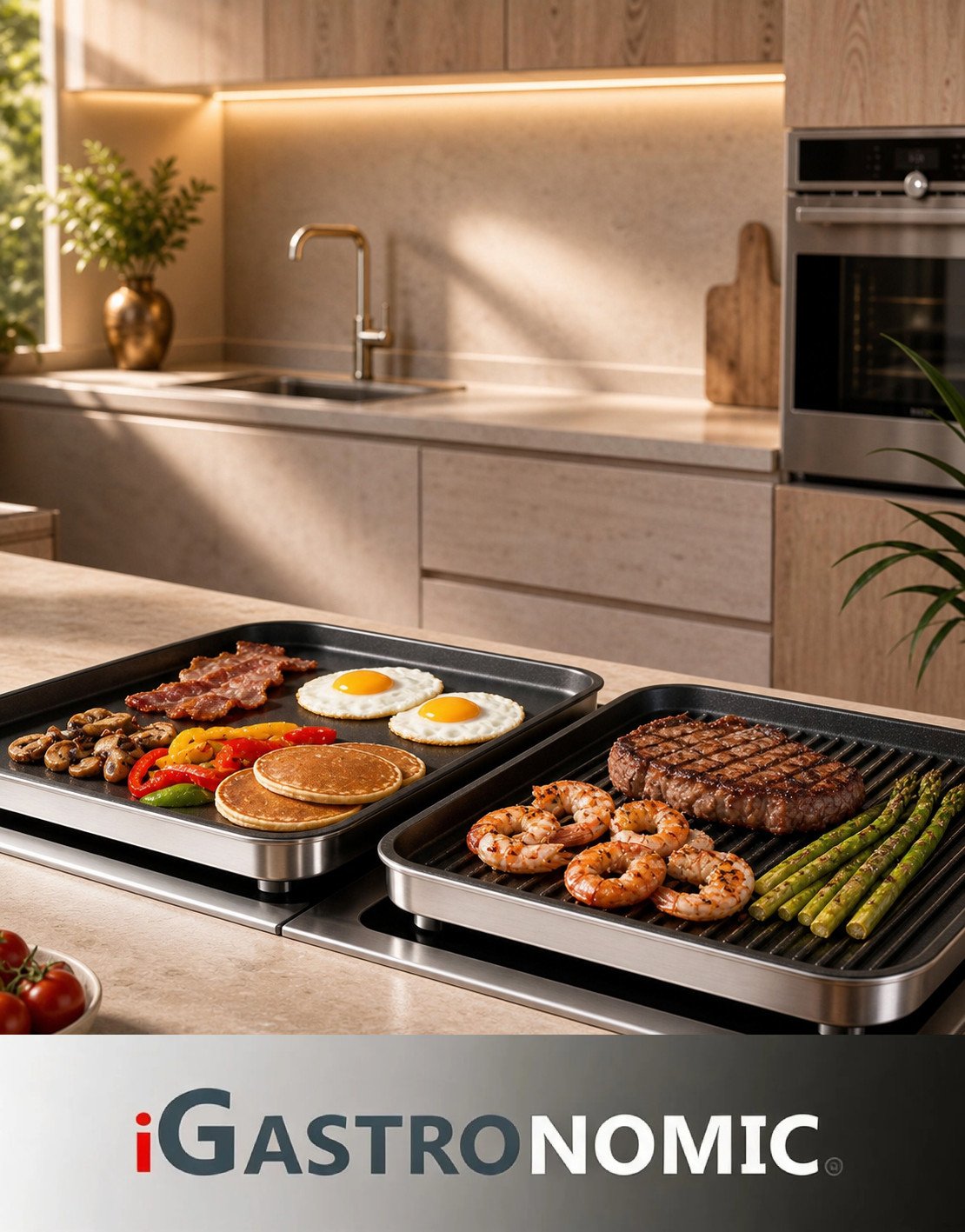 What Can You Cook on an Electric Fry Top? A Complete GuideRead more
An electric fry top is a versatile kitchen appliance that offers a large, evenly heated cooking surface perfect for a...
-
 Fry Top Smooth or Ribbed? Which Is Better for Cooking?Read more
Choosing between a smooth (liscio) and ribbed (rigato) fry top can significantly impact your cooking experience....
-
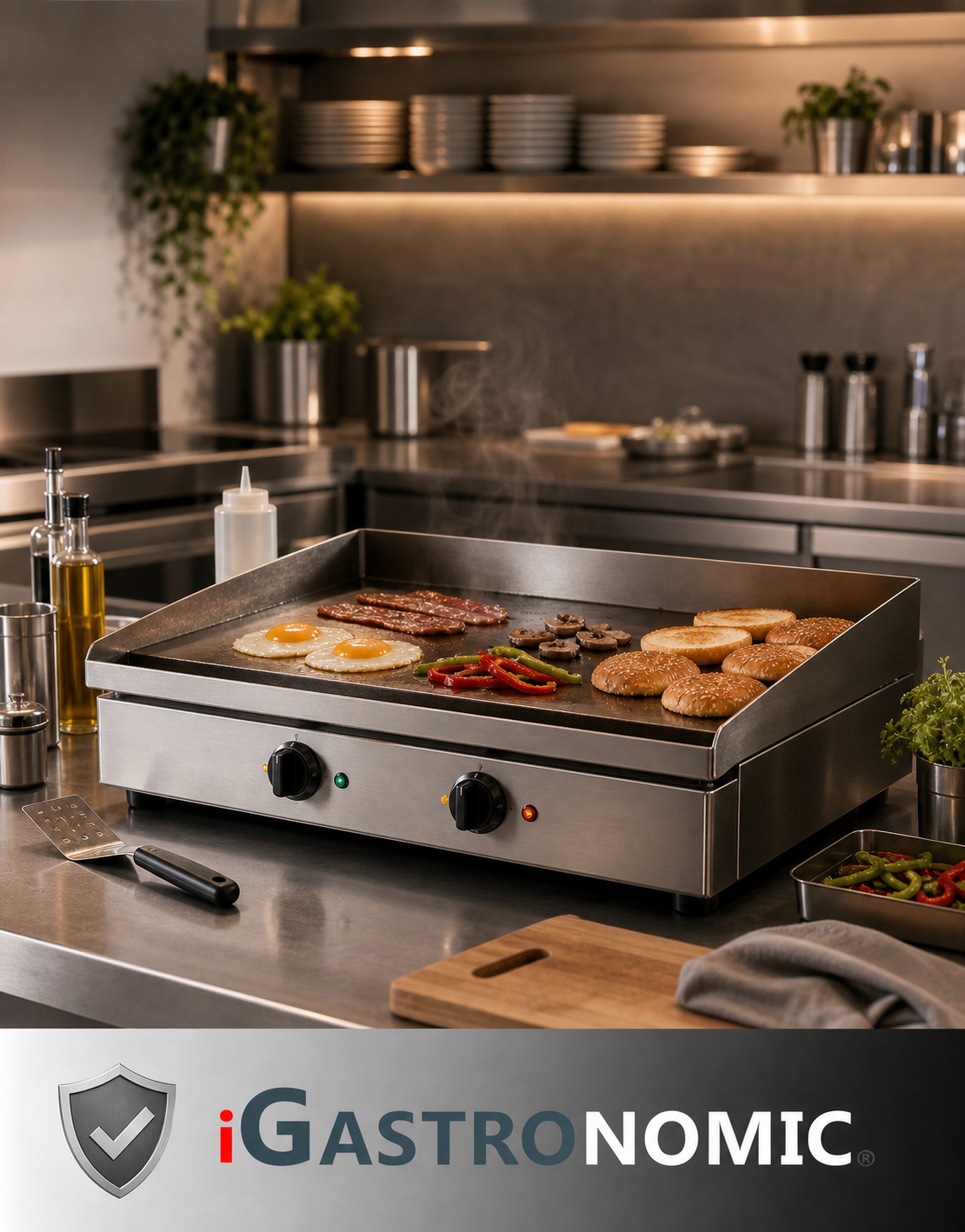 How to Use a Fry Top: A Complete Beginner's GuideRead more
A fry top is a flat, smooth cooking surface that offers even heat distribution and a large area to cook multiple...
-
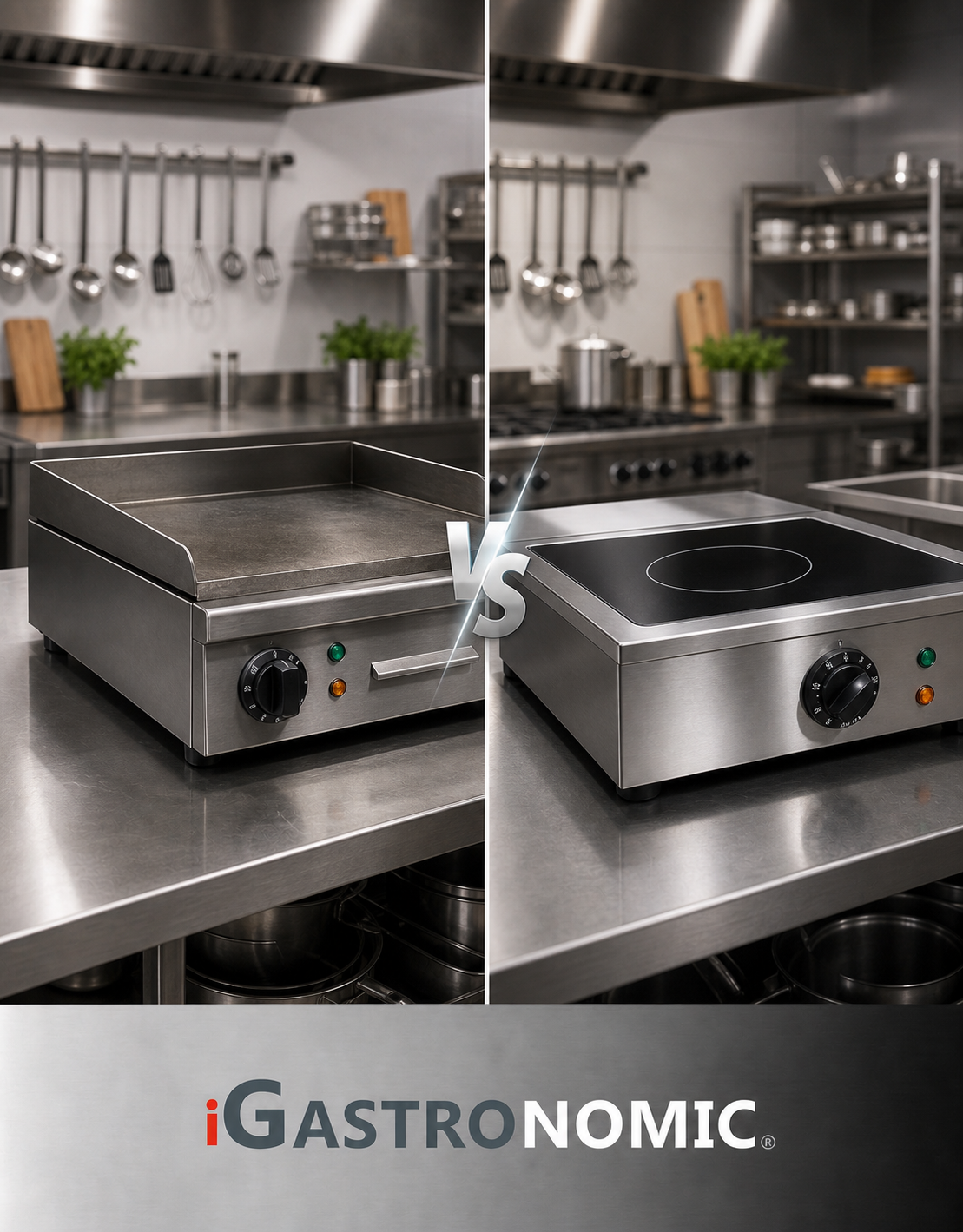 Fry Top vs Piastra Elettrica: Which One Should You Choose for Your Kitchen?Read more
Choosing the right cooking appliance can transform your kitchen experience. Two popular options are the Fry Top and...
-
 Which Kitchen Appliances Do I Really Need for My Restaurant?Read more
Opening a restaurant requires careful planning, especially when it comes to kitchen equipment. Not every kitchen...
Blog categories
Search in blog
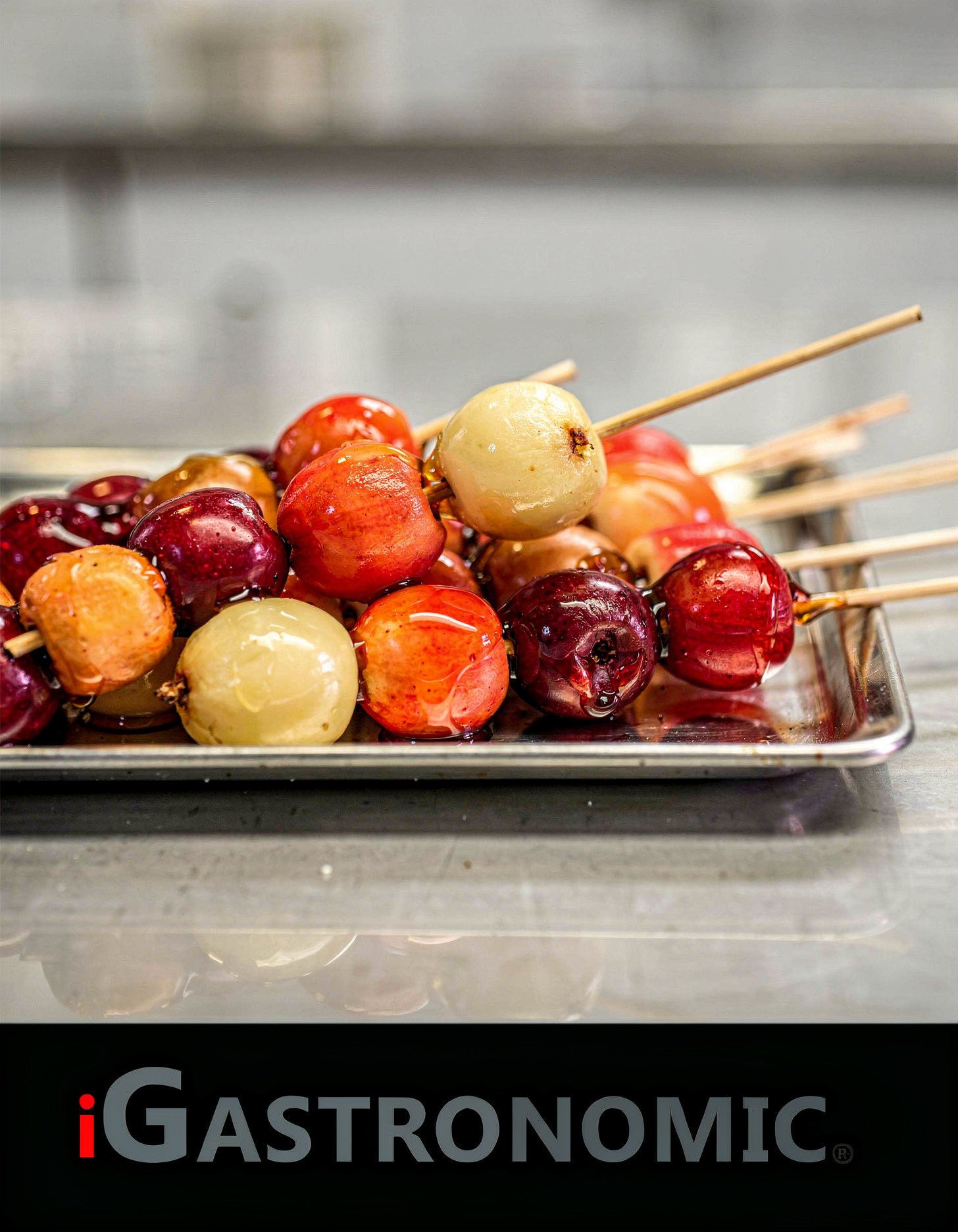
Best Tanghulu Recipe: How to Make Traditional Chinese Candied Fruit at Home
Best Tanghulu Recipe: How to Make Traditional Chinese Candied Fruit at Home
If you've ever wandered through the bustling streets of Beijing or other parts of China, you might have encountered a delightful treat called Tanghulu. This traditional snack, featuring skewered fruits coated in a hard, glossy sugar shell, is not only delicious but also visually irresistible. In this comprehensive guide, we'll explore the origins of Tanghulu, the best fruits to use, and a foolproof recipe to create this sweet and crunchy delicacy right in your own kitchen.
What is Tanghulu?
Tanghulu (糖葫芦), sometimes called Chinese candied hawthorn, is a traditional Northern Chinese snack consisting of fruits skewered on bamboo sticks and coated with a hardened sugar syrup. The most classic version uses Chinese hawthorn berries, which have a tart flavor that contrasts beautifully with the sweet candy shell. However, modern variations include strawberries, grapes, blueberries, kiwi, and even cherry tomatoes.
The candy coating is made by boiling sugar and water until it reaches the hard crack stage, then quickly dipping the fruit skewers into the syrup before it cools and hardens. The result is a crunchy, sweet exterior that encases the juicy fruit inside, creating a perfect balance of textures and flavors.
The History and Cultural Significance of Tanghulu
Tanghulu dates back over 700 years to the Song Dynasty. It was originally sold by street vendors as a popular winter snack, especially in Northern China where hawthorn berries grow abundantly. The bright red color of the candied fruit is considered auspicious, symbolizing good luck and happiness, making Tanghulu a festive treat during Chinese New Year and other celebrations.
Choosing the Best Fruits for Tanghulu
While hawthorn berries are the traditional choice, they can be hard to find outside of Asia. Luckily, many other fruits work wonderfully for Tanghulu. Here are some popular options:
- Hawthorn berries: Tart and tangy, the classic choice.
- Strawberries: Sweet and juicy, they pair well with the candy shell.
- Grapes: Both red and green grapes work well.
- Blueberries: Small and sweet, perfect for mini skewers.
- Kiwi slices: Add a tropical twist.
- Cherry tomatoes: For a savory-sweet variation.
- Mandarin orange segments: Bright and citrusy.
Make sure to wash and dry the fruits thoroughly before skewering. Any moisture on the fruit can prevent the sugar syrup from sticking properly.
Ingredients You’ll Need
- 1 cup granulated sugar
- 1/3 cup water
- Fresh fruit of your choice (about 15-20 pieces)
- Bamboo skewers >Optional: a few drops of lemon juice or a pinch of cream of tartar to prevent crystallization
Equipment Needed
- Heavy-bottomed saucepan
- Candy thermometer (highly recommended)
- Baking sheet lined with parchment paper or a silicone mat
- Heatproof spatula or spoon
- Cooling rack (optional)
Step-by-Step Tanghulu Recipe
Step 1: Prepare the Fruit
Wash your chosen fruits thoroughly and dry them completely. Remove any stems or leaves. For larger fruits like strawberries or kiwi, you can cut them into bite-sized pieces. Thread the fruits onto bamboo skewers, about 3-5 pieces per skewer, leaving some space at the bottom for holding.
Step 2: Make the Sugar Syrup
In a heavy-bottomed saucepan, combine the sugar and water. If you want, add a few drops of lemon juice or a pinch of cream of tartar to help prevent the sugar from crystallizing. Stir gently over medium heat until the sugar dissolves.
Once the sugar dissolves, stop stirring and allow the mixture to boil. Attach a candy thermometer to the side of the pan. Boil the syrup until it reaches the hard crack stage, which is between 300°F to 310°F (149°C to 154°C). This stage ensures the candy will harden into a brittle shell.
Important: Keep an eye on the syrup as it can quickly go from perfect to burnt. Avoid stirring once it starts boiling to prevent crystallization.
Step 3: Dip the Fruit Skewers
Once the syrup reaches the hard crack stage, remove the pan from heat immediately. Working quickly, dip each fruit skewer into the hot syrup, coating the fruit evenly. Let any excess drip off before placing the skewer onto the parchment-lined baking sheet or a cooling rack.
The candy coating will harden within seconds, forming a shiny, crunchy shell around the fruit.
Step 4: Let the Tanghulu Cool
Allow the skewers to cool completely at room temperature. Avoid placing them in the fridge as condensation can make the candy coating sticky.
Step 5: Enjoy!
Your homemade Tanghulu is ready to be enjoyed. The combination of the sweet, crunchy candy shell and the juicy fruit inside is simply irresistible.
Tips for Perfect Tanghulu
- Use a candy thermometer: Achieving the right temperature is key to getting a perfect hard candy shell.
- Dry fruit thoroughly: Moisture prevents the sugar from sticking properly.
- Work quickly: The syrup hardens fast, so have your skewers ready before the syrup reaches the right temperature.
- Prevent crystallization: Adding a small amount of lemon juice or cream of tartar helps keep the syrup smooth.
- Experiment with flavors: You can add a few drops of vanilla extract or a pinch of cinnamon to the syrup for a unique twist.
Variations and Creative Ideas
While the classic Tanghulu is simple and delicious, you can get creative with flavors and presentation.
1. Mixed Fruit Skewers
Combine different fruits like strawberries, grapes, and kiwi on one skewer for a colorful and flavorful treat.
2. Chocolate Drizzle
After the sugar coating hardens, drizzle melted dark or white chocolate over the Tanghulu for an extra indulgence.
3. Nut Toppings
Before the sugar hardens, sprinkle crushed nuts like pistachios or almonds on the candy shell for added texture and flavor.
4. Savory-Sweet Tomato Tanghulu
Use cherry tomatoes and add a pinch of sea salt to the syrup for a unique savory twist.
5. Tanghulu Popsicles
Freeze the fruit skewers before dipping in the sugar syrup to create a refreshing summer treat with a crunchy shell.
Storage and Shelf Life
Tanghulu is best enjoyed fresh on the day it’s made. The candy shell can become sticky if exposed to humidity or stored for too long. If you need to store them, keep them in an airtight container at room temperature in a dry place, but try to consume within 1-2 days for the best texture.
Health Considerations
While Tanghulu is a delightful treat, it is essentially sugar-coated fruit, so it should be enjoyed in moderation. Using fresh fruit adds vitamins and fiber, but the sugar coating adds calories and sugar content. For a healthier alternative, try using less sugar or experimenting with natural sweeteners, although the candy shell’s texture may vary.
Frequently Asked Questions (FAQs)
Can I use honey instead of sugar for the coating?
Honey has a different composition and doesn’t harden like sugar syrup, so it’s not suitable for making Tanghulu’s hard candy shell.
What if my sugar syrup crystallizes?
Crystallization happens when sugar forms grains instead of a smooth syrup. To prevent this, avoid stirring once the syrup starts boiling and add a bit of acid like lemon juice or cream of tartar.
Can I make Tanghulu without a candy thermometer?
While possible, it’s challenging to get the perfect hard crack stage without a thermometer. You can test the syrup by dropping a bit into cold water; it should harden and break easily.
Is Tanghulu gluten-free?
Yes, Tanghulu is naturally gluten-free as it consists of fruit and sugar syrup.
Conclusion
Tanghulu is a charming and delicious snack that brings a bit of Chinese street food culture into your home kitchen. With just a few simple ingredients and some careful attention to technique, you can create this beautiful candied fruit treat that’s perfect for parties, festivals, or a sweet snack anytime. Whether you stick to the traditional hawthorn berries or experiment with your favorite fruits, Tanghulu is sure to impress with its glossy, crunchy coating and juicy interior.
Give this recipe a try and enjoy a taste of authentic Chinese tradition with a modern twist!
Printable Recipe Summary
| Ingredients | Instructions |
|---|---|
|
|
Happy cooking and enjoy your homemade Tanghulu!
Posted in:
Recipes
Related posts
-
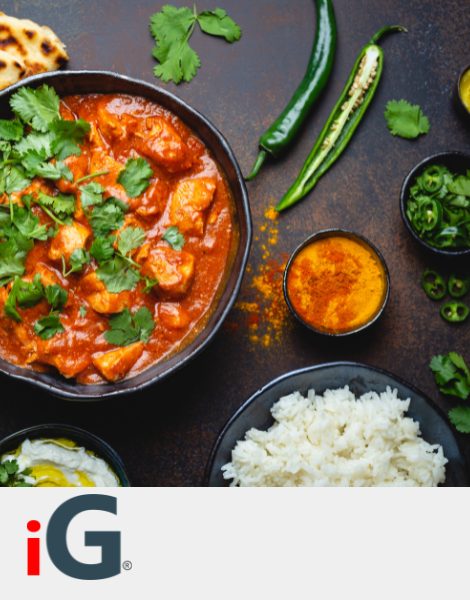 Butter Chicken: A Creamy Ode to India – Get it Perfect Every Time
Discover the authentic Butter Chicken recipe with precise measurements and detailed instructions. Bring the taste of...Read more
Butter Chicken: A Creamy Ode to India – Get it Perfect Every Time
Discover the authentic Butter Chicken recipe with precise measurements and detailed instructions. Bring the taste of...Read more -
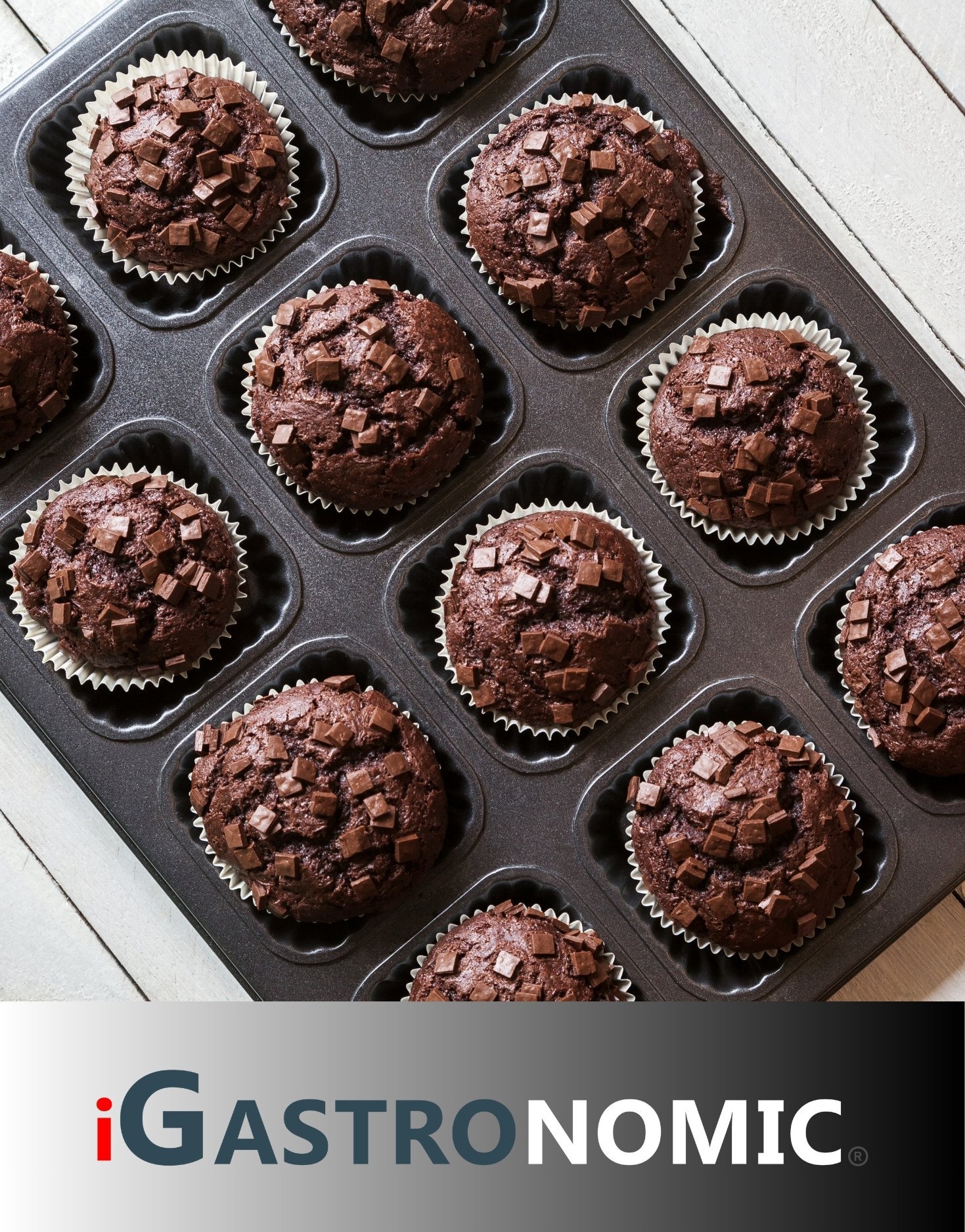 Olympic Chocolate Muffins Recipe: A Delicious Treat for Any Occasion
Are you looking for a delicious and indulgent treat to satisfy your sweet tooth? Look no further than these Olympic...Read more
Olympic Chocolate Muffins Recipe: A Delicious Treat for Any Occasion
Are you looking for a delicious and indulgent treat to satisfy your sweet tooth? Look no further than these Olympic...Read more -
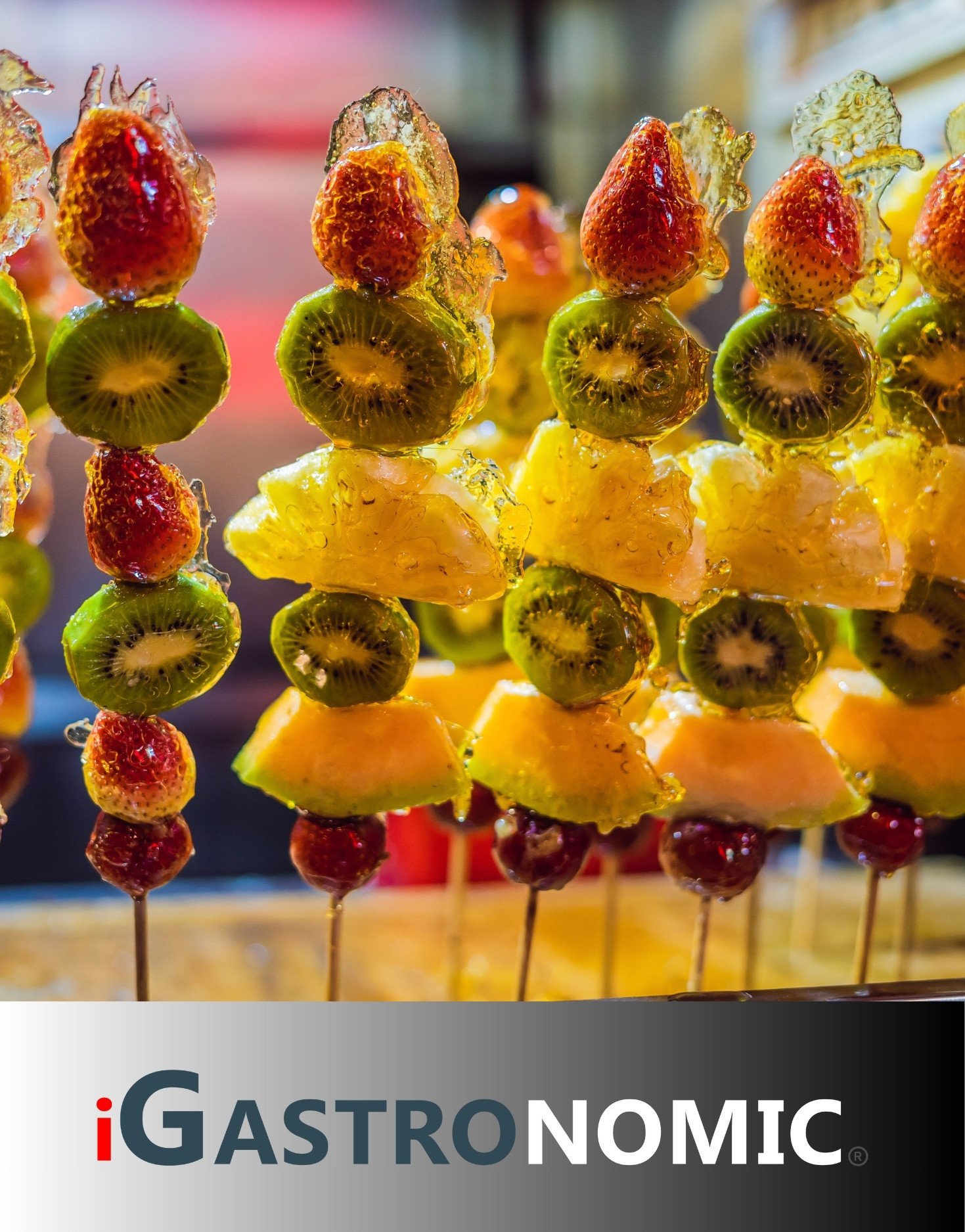 The Ultimate Tanghulu Recipe: A Delicious Treat for All Ages
Learn how to make the best tanghulu at home with this easy and delicious recipe. Tanghulu is a traditional Chinese...Read more
The Ultimate Tanghulu Recipe: A Delicious Treat for All Ages
Learn how to make the best tanghulu at home with this easy and delicious recipe. Tanghulu is a traditional Chinese...Read more -
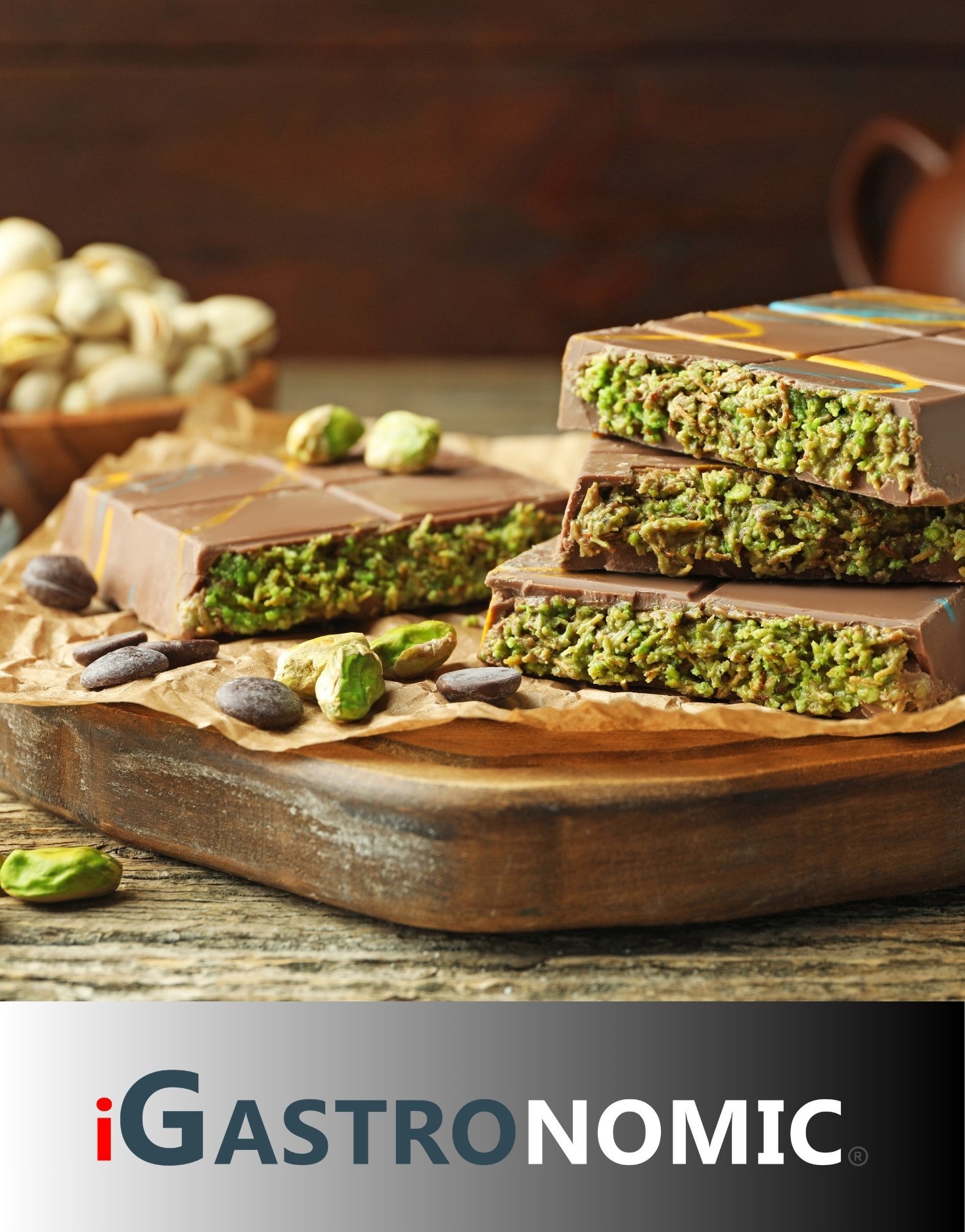 The Ultimate Guide to Making the Best Dubai Chocolate
Learn how to make the best Dubai chocolate at home with this comprehensive guide. Discover the equipment you need and...Read more
The Ultimate Guide to Making the Best Dubai Chocolate
Learn how to make the best Dubai chocolate at home with this comprehensive guide. Discover the equipment you need and...Read more -
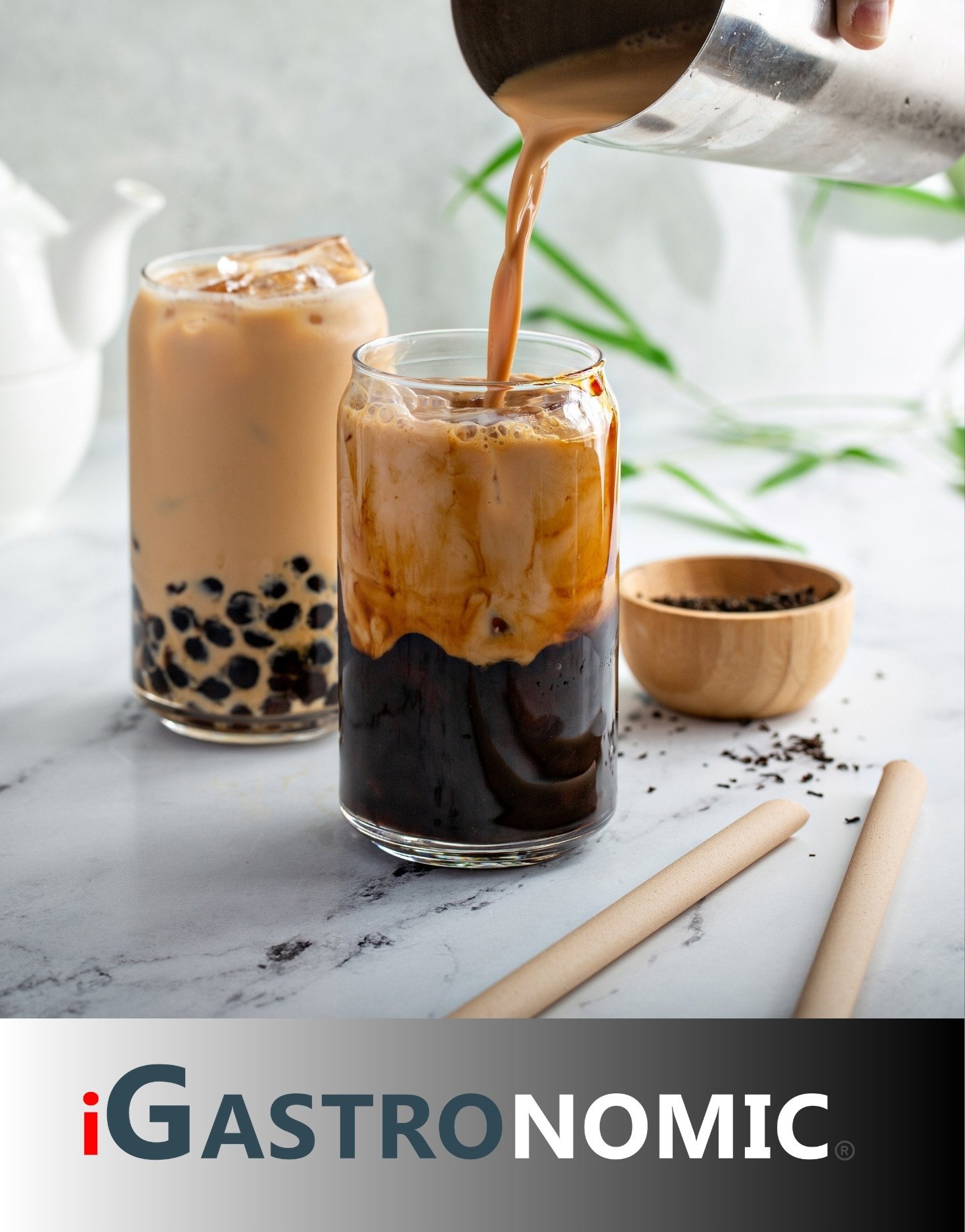 The Ultimate Guide to Making the Best Brown Sugar Bubble Tea
Sip into the ultimate guide for making the perfect brown sugar bubble tea, the sweet and trendy drink of the year.Read more
The Ultimate Guide to Making the Best Brown Sugar Bubble Tea
Sip into the ultimate guide for making the perfect brown sugar bubble tea, the sweet and trendy drink of the year.Read more
Leave a comment