
 Deutsch
 Türkçe
 Italiano

.jpg)
.jpg)
.jpg)
.jpg)
.jpg)
.jpg)
.jpg)
.jpg)
.jpg)
.jpg)

.jpg)

.jpg)
.jpg)
.jpg)
.jpg)
.jpg)
.jpg)
.jpg)
.jpg)
.jpg)
.jpg)



.jpg)
.jpg)
.jpg)
.jpg)
.jpg)
.jpg)
.jpg)
.jpg)
.jpg)



.jpg)
.jpg)

.jpg)
.jpg)
.jpg)
.jpg)


.jpg)

.png)
.jpg)
.jpg)
 (200 x 136 px) (5).png)
.png)

Electric fry tops are versatile and efficient kitchen appliances, but they can be prone to scratches during use....
-
 Cooking Appliances
add remove
Cooking Appliances
add remove -
-
Pizza & Grill
add remove
-
-
Refrigeration
add remove
-
-
Combi Steamer
add remove
-
-
Kitchen Appliances
add remove
-
-
Rinsing & Cleaning
add remove
-
-
Retail Refrigeration
add remove
-
-
Cafe & Ice Cream
add remove
-
-
Smart-Gastro
add remove
-
-
Event- & Cateringmöbel
-
Cooking Appliances
add remove
-
-
Pizza & Grill
add remove
-
-
Refrigeration
add remove
-
-
Combi Steamer
add remove
-
-
Kitchen Appliances
add remove
-
-
Rinsing & Cleaning
add remove
-
-
Retail Refrigeration
add remove
-
-
Cafe & Ice Cream
add remove
-
-
Smart-Gastro
add remove
-
-
Event- & Cateringmöbel


Call us:
+49 (0) 6135 7040 450Latest posts
-
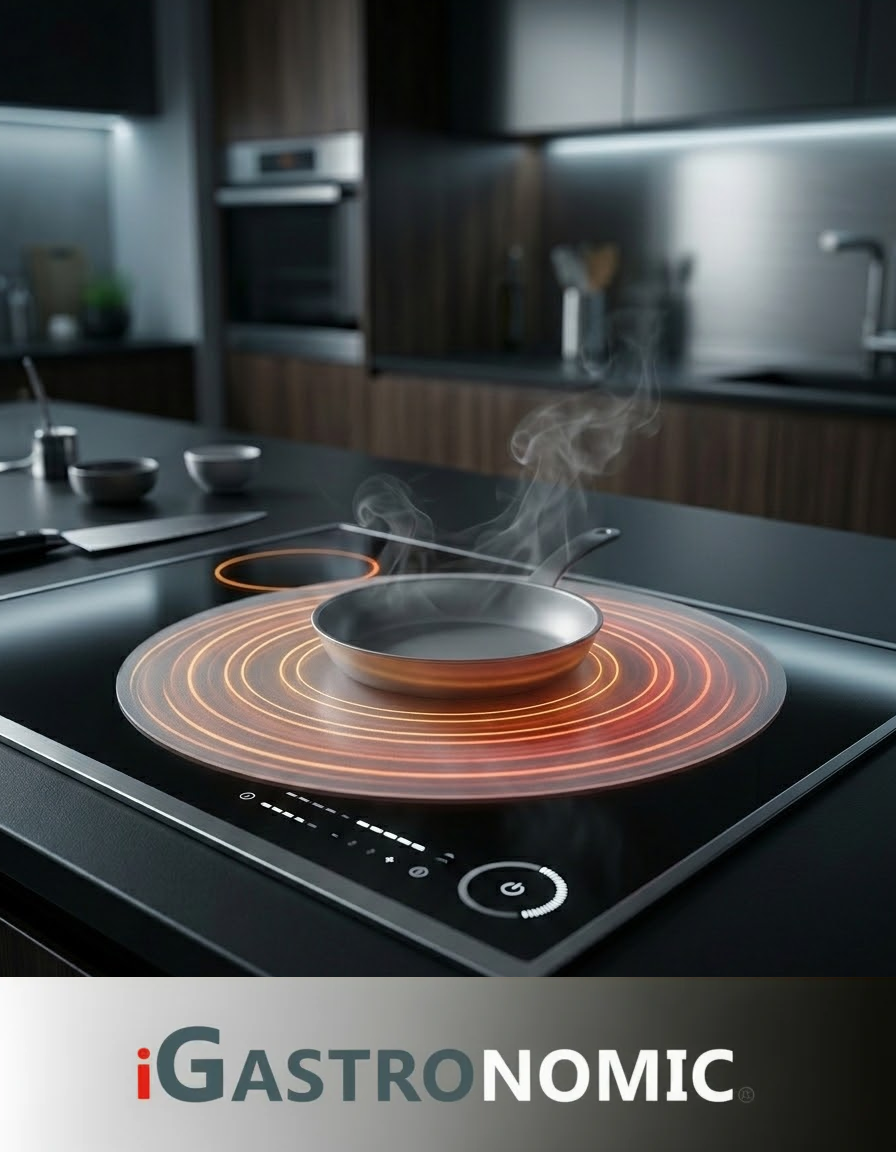 How to Prevent Scratches on Your Electric Fry Top During UseRead more
 -
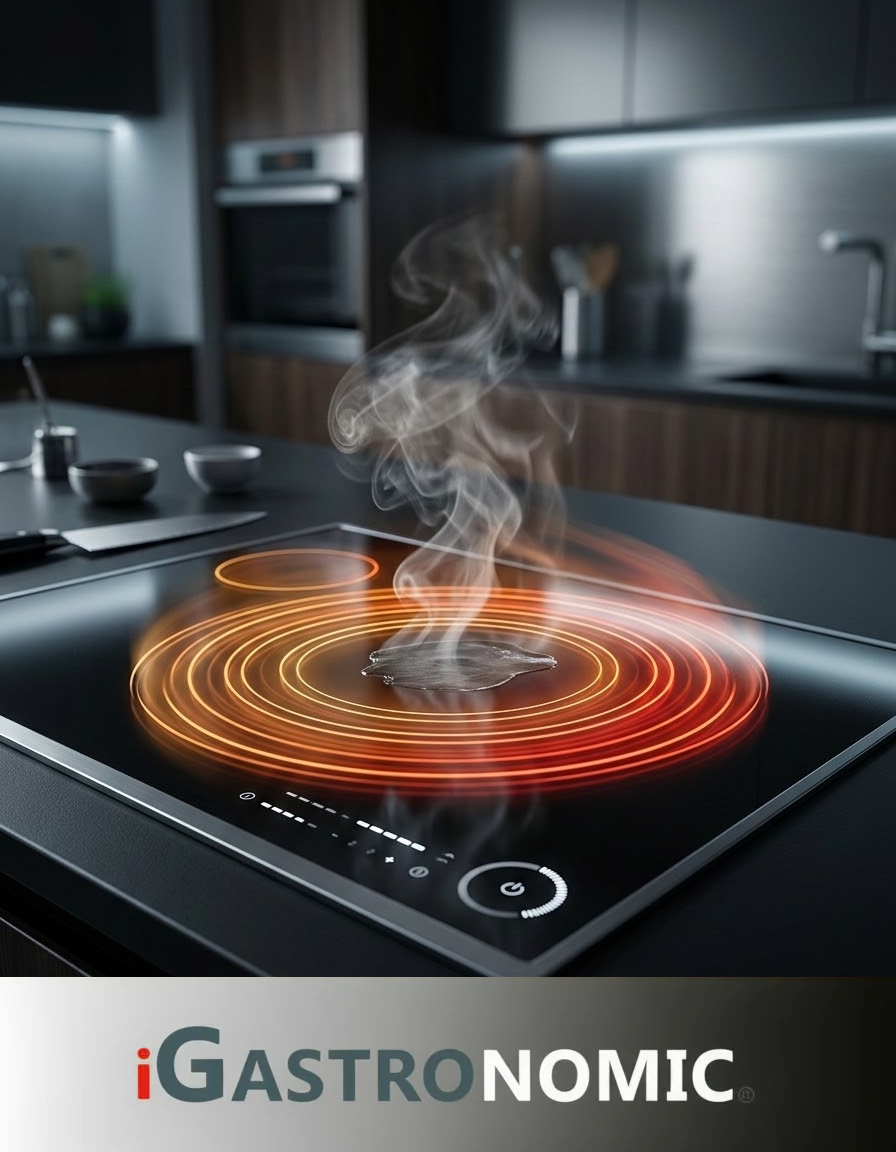 Are Contact Electric Plates Really That Slow? Debunking the MythsRead more
Contact electric plates, known as "piastre elettriche a contatto," are a common type of electric cooktop where the...
-
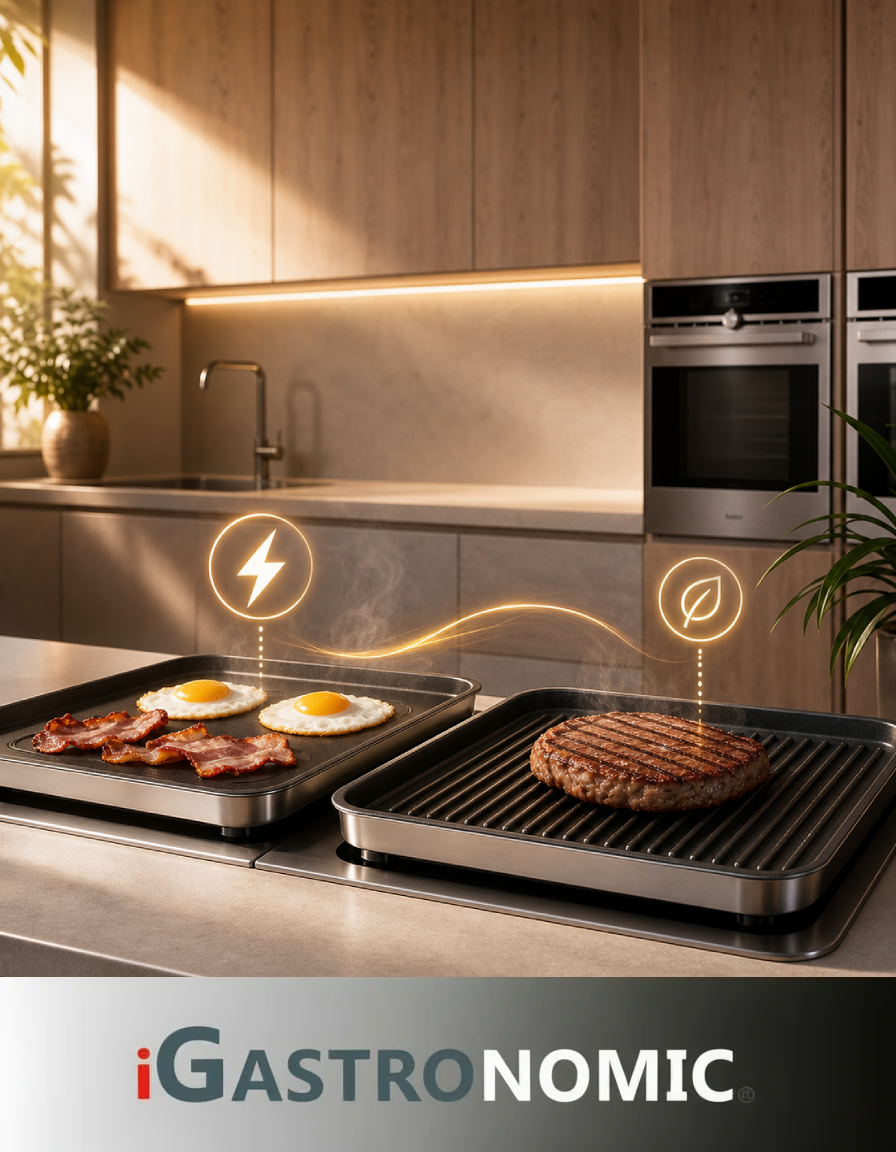 Does a Fry Top Consume a Lot of Energy? Tips to Save PowerRead more
Wondering if your fry top consumes a lot of energy? A fry top, or griddle, is a popular cooking appliance known for...
-
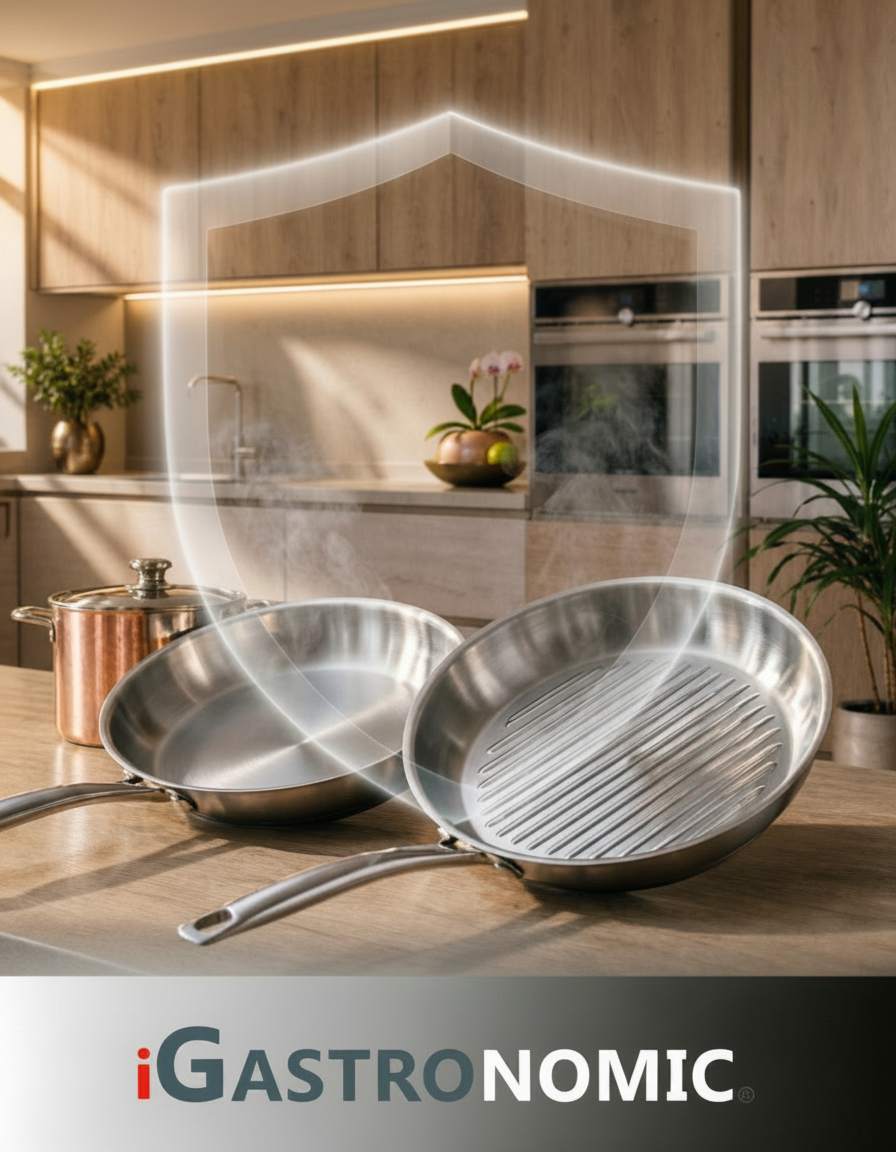 Cookware Compatible with Fry Top: Which Ones to Use?Read more
A fry top is a versatile flat cooking surface widely used in professional and home kitchens. To get the most out of...
-
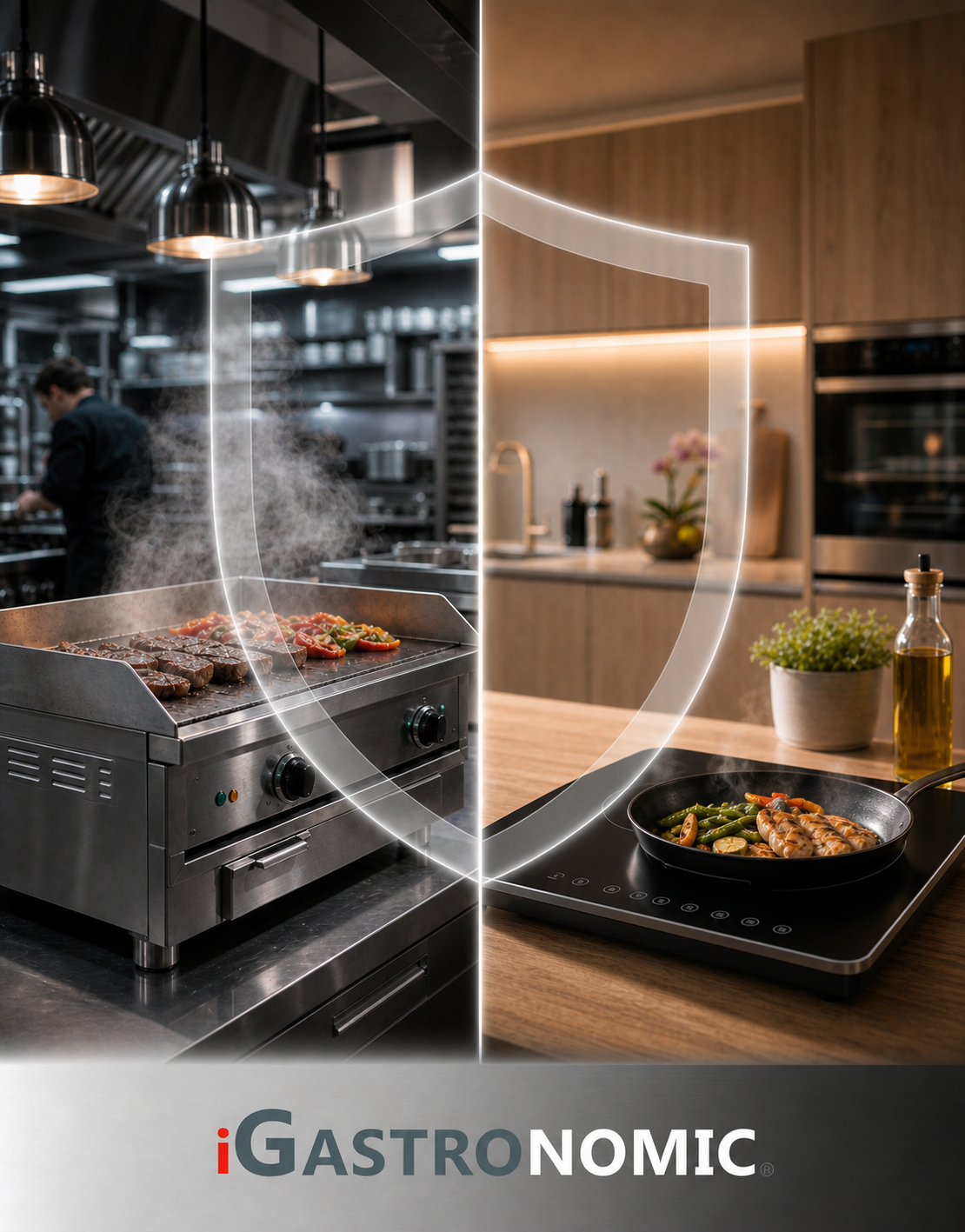 Fry Top or Induction Cooktop? Which Is the Best Choice?Read more
Choosing between a fry top and an induction cooktop can be challenging given their distinct features and advantages....
-
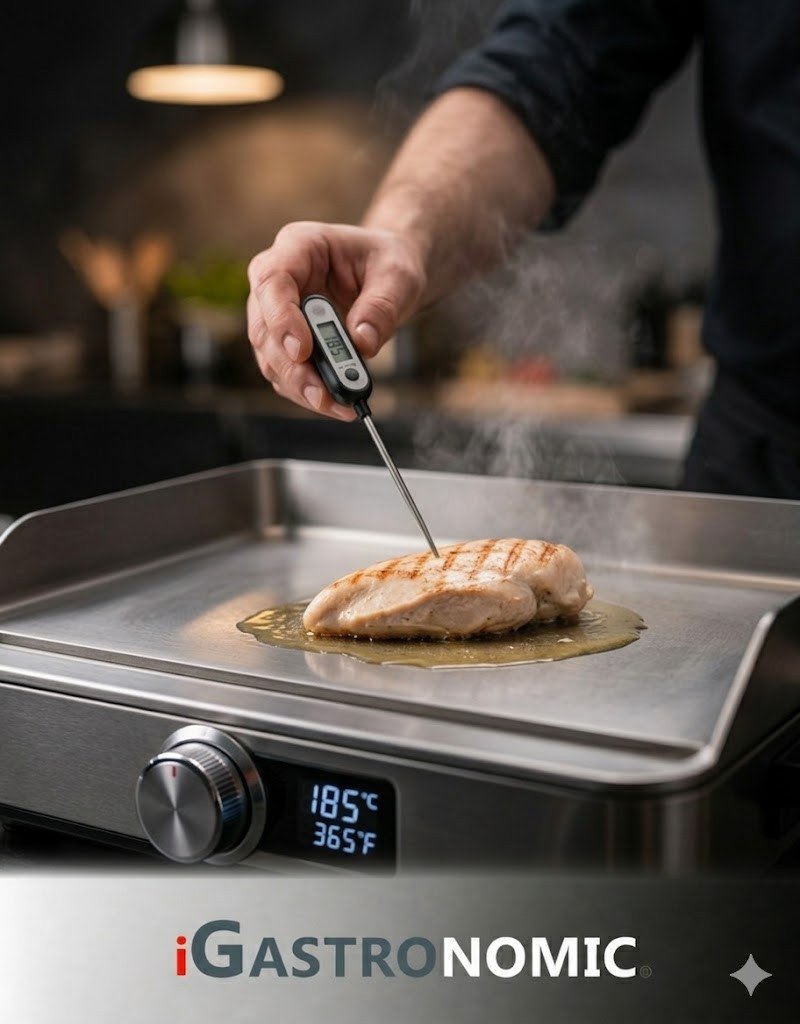 How to Achieve Precise Temperatures on an Electric Fry TopRead more
Cooking on an electric fry top can be incredibly rewarding, but achieving precise temperature control is essential...
-
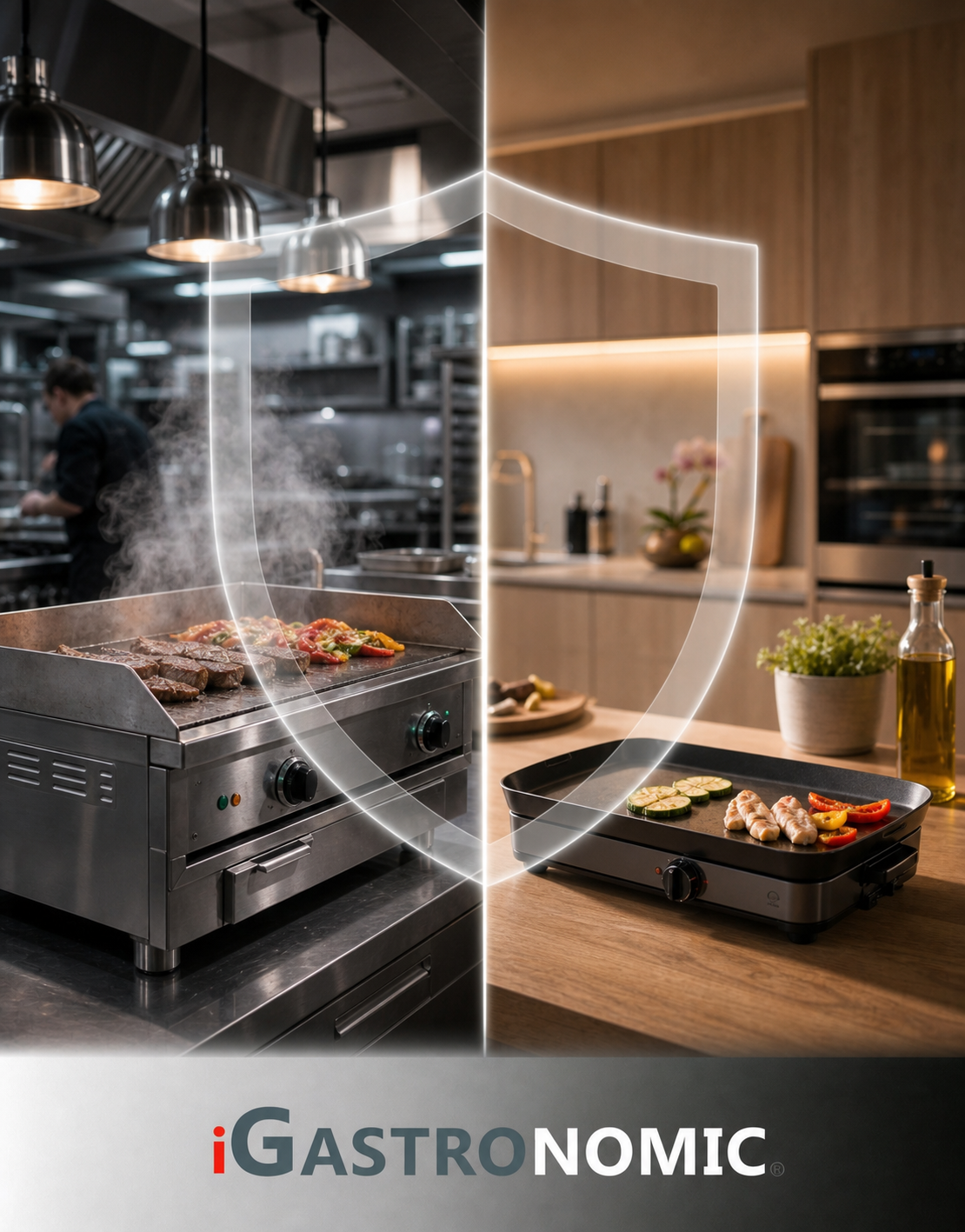 Fry Top Professionale vs Domestico: Which One Should You Buy?Read more
Fry tops are versatile cooking surfaces popular in both professional and home kitchens. When deciding between a...
-
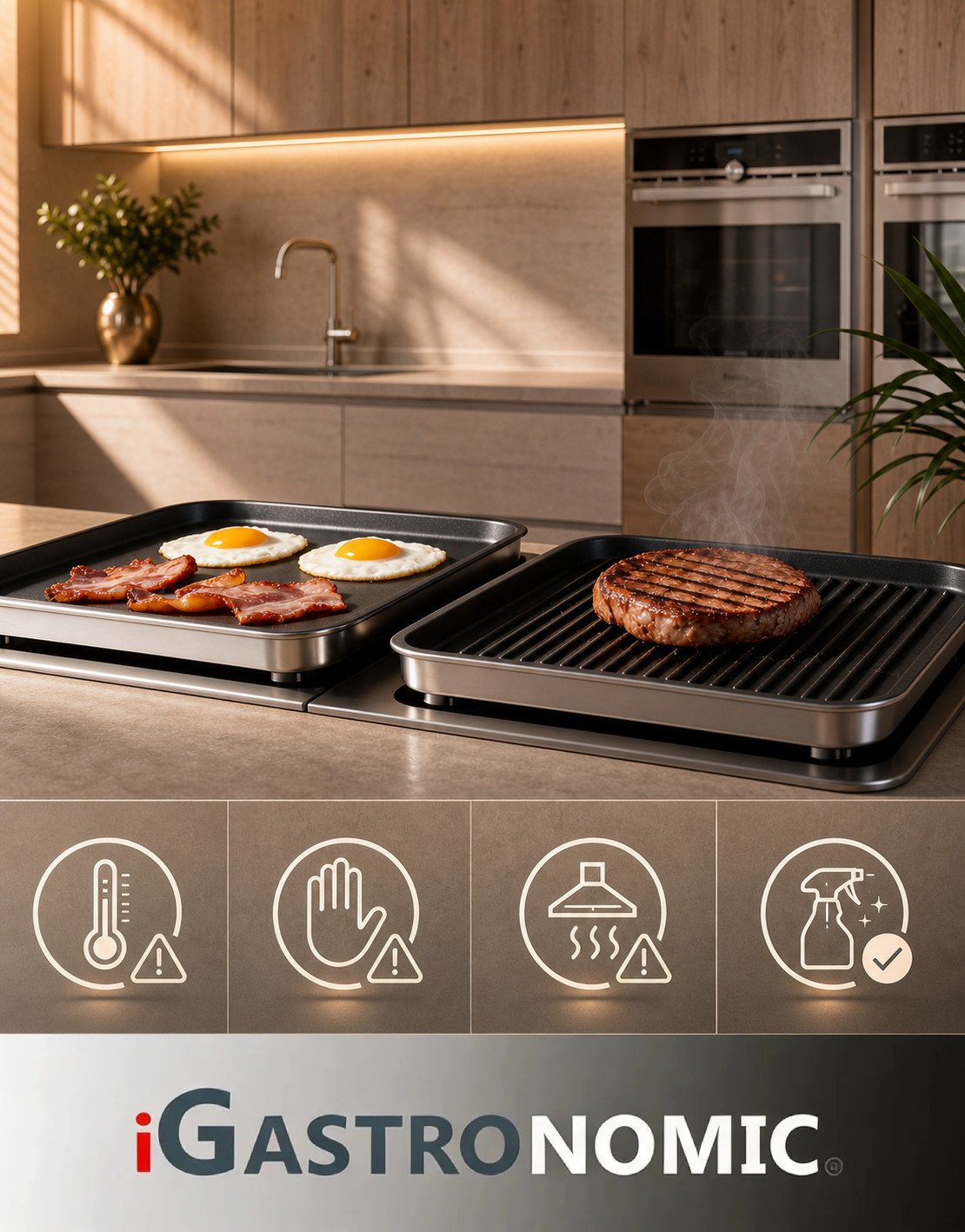 Is the Fry Top Safe to Use in the Kitchen? Risks and PrecautionsRead more
The fry top, or flat top grill, is a popular cooking appliance known for its versatility and efficiency. But is it...
-
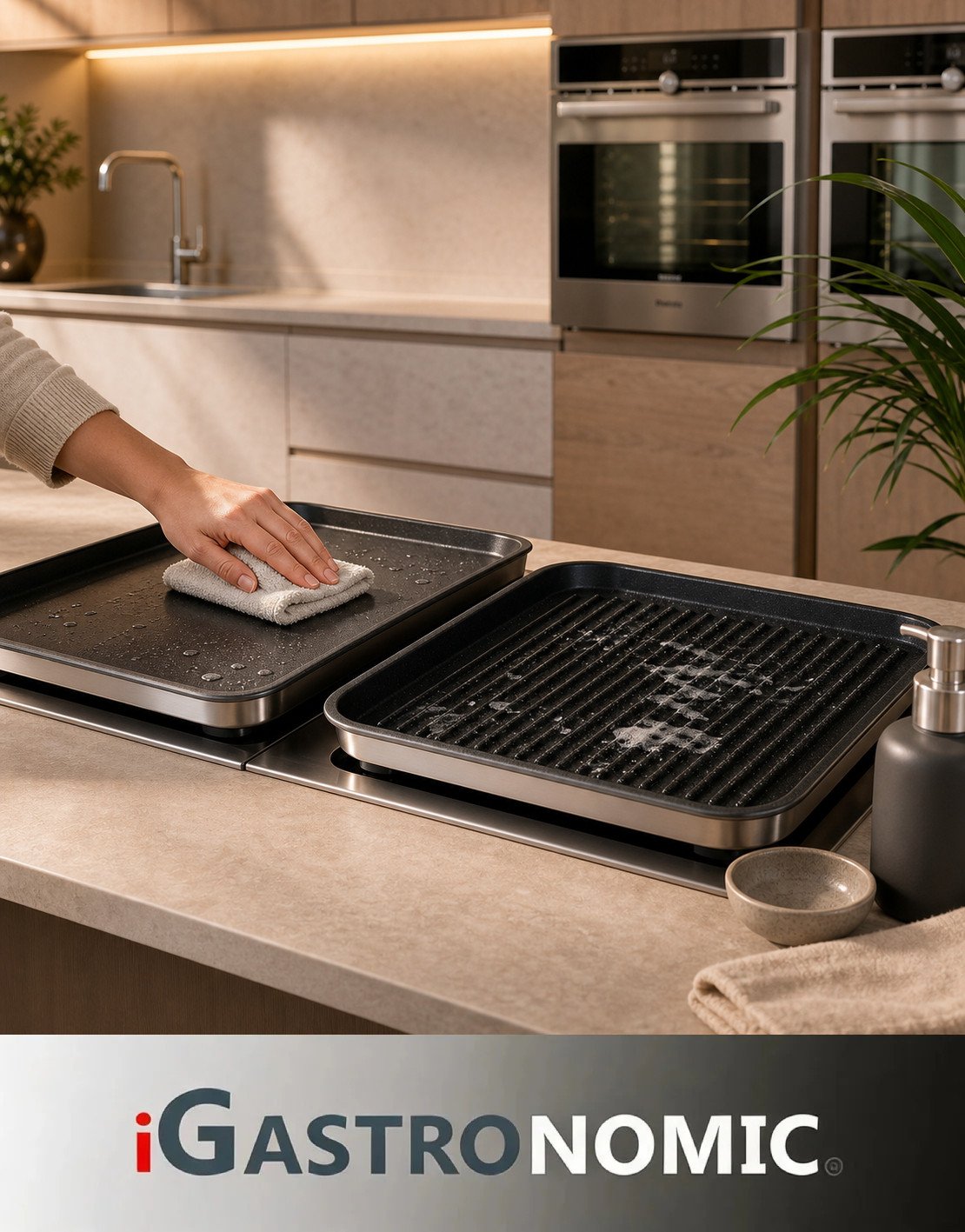 Electric Griddles: How to Clean Them Easily?Read more
Electric griddles are versatile and convenient kitchen appliances, but cleaning them can sometimes feel overwhelming....
-
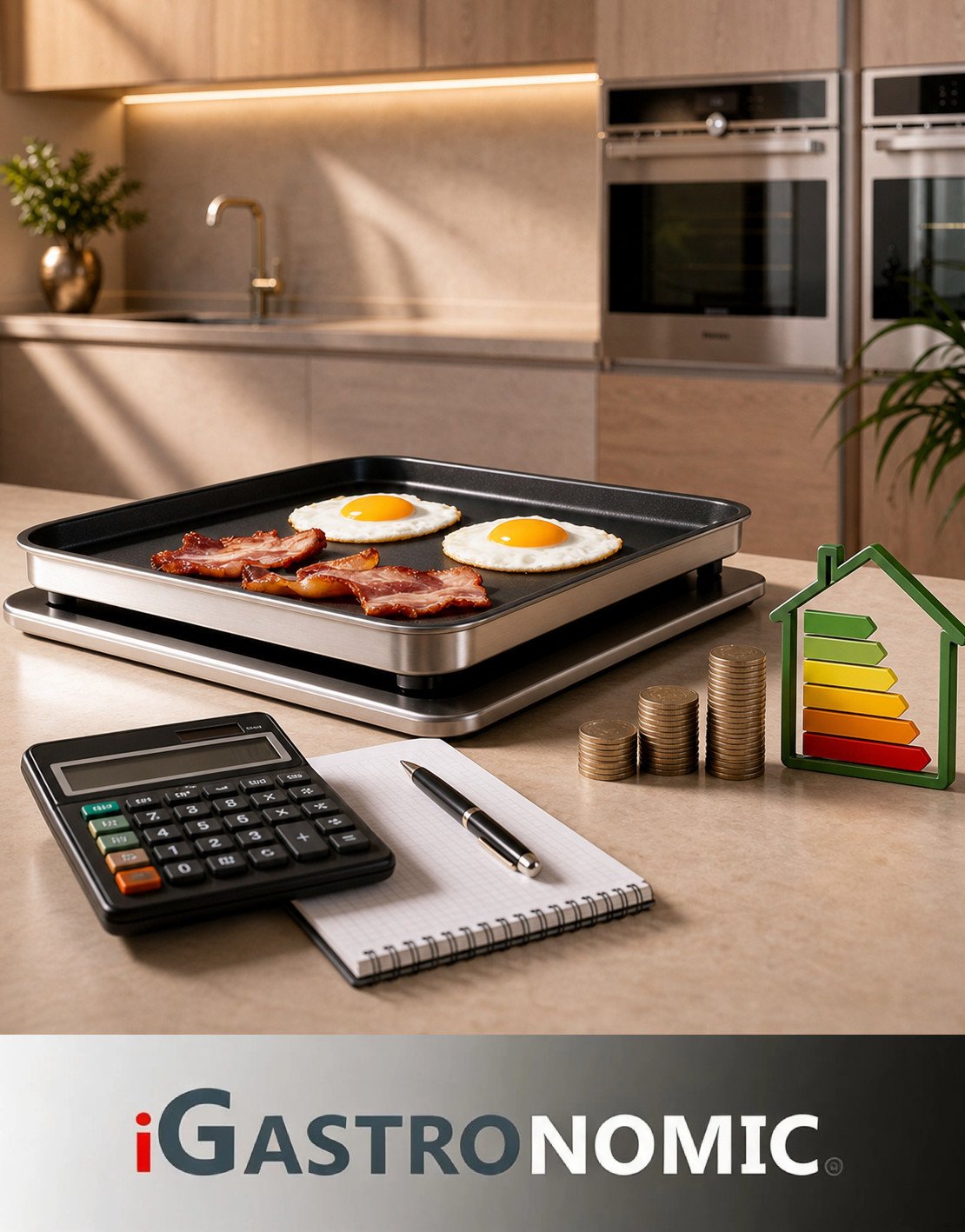 How Much Does It Cost to Operate a Fry Top? Energy Consumption and Expenses ExplainedRead more
Operating a fry top involves various costs, primarily energy consumption and maintenance expenses. Whether you use a...
Blog categories
Search in blog
What Is the Minimum Cost to Start a Restaurant in Europe?
What Is the Minimum Cost to Start a Restaurant in Europe?
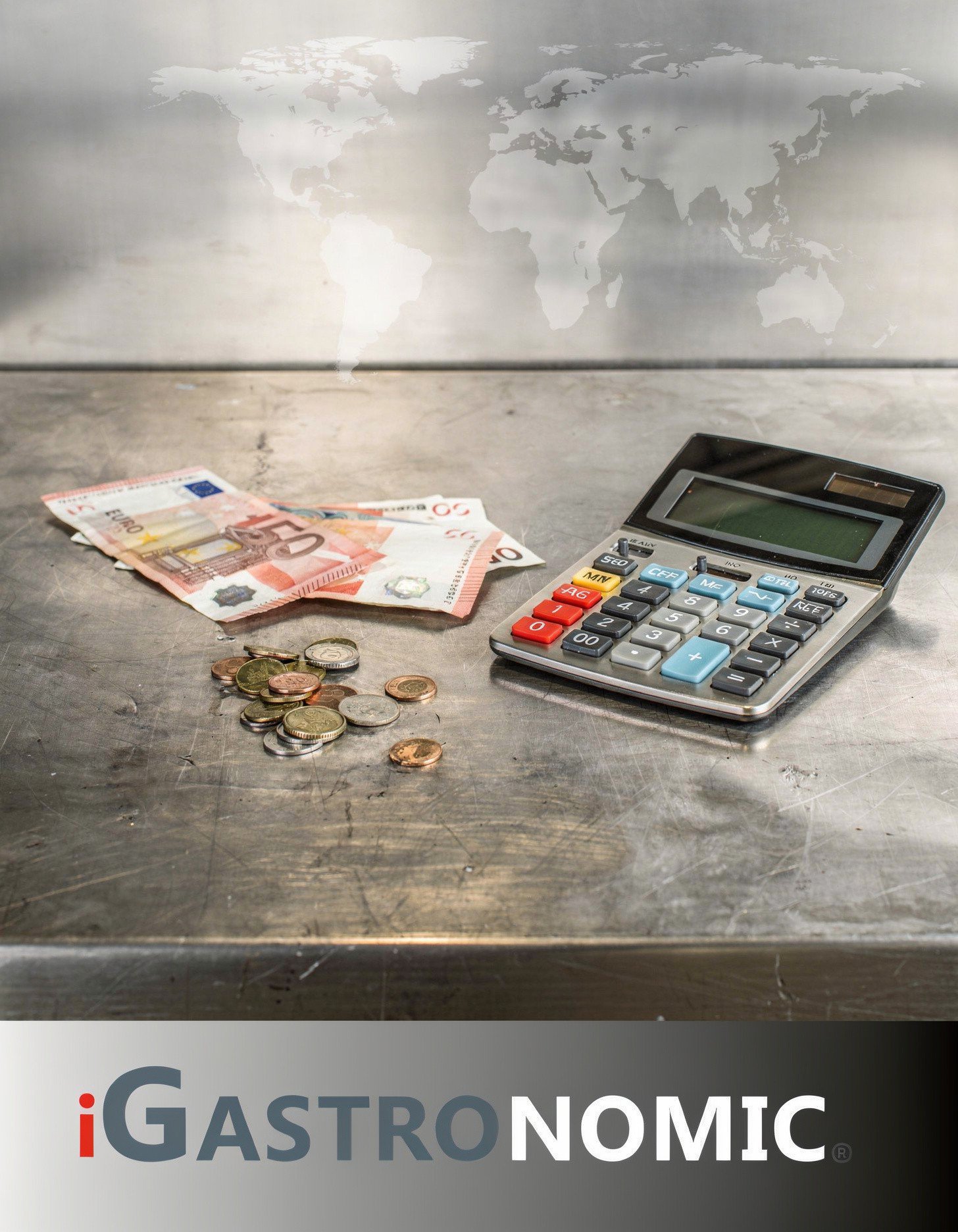
Starting a restaurant is a dream for many food enthusiasts and entrepreneurs alike. Europe, with its rich culinary heritage and diverse cultures, offers an exciting opportunity for restaurateurs. But one of the most common questions that arise before taking the plunge is: What is the minimum cost to start a restaurant in Europe? In this comprehensive guide, we’ll break down the essential costs, factors influencing expenses, and practical tips to help you estimate your budget accurately.
Understanding the Restaurant Business Landscape in Europe
Europe is not a monolith when it comes to the restaurant business. Costs can vary dramatically between countries, cities, and even neighborhoods. For example, opening a bistro in rural Spain will cost significantly less than launching a fine dining restaurant in central Paris or London.
Before diving into numbers, it’s important to understand the type of restaurant you want to open. Are you aiming for a casual café, a fast-food outlet, a mid-range family restaurant, or a high-end gourmet establishment? Each comes with different cost structures and operational requirements.
Key Cost Components When Starting a Restaurant
Here are the main categories of expenses you need to consider:
- Location and Rent
- Renovation and Interior Design
- Kitchen Equipment and Appliances
- Licenses and Permits
- Staffing and Training
- Initial Inventory and Supplies
- Marketing and Branding
- Contingency and Miscellaneous Costs
1. Location and Rent
Location is arguably the most significant factor affecting your startup costs. Prime city centers like London, Paris, or Amsterdam command high rents, often ranging from €3,000 to €15,000+ per month for small to medium-sized spaces. On the other hand, smaller towns or suburban areas can offer rents as low as €500 to €2,000 per month.
For a minimum cost restaurant startup, consider smaller towns or emerging neighborhoods where rents are affordable but foot traffic is growing. Alternatively, look for shared kitchen spaces or pop-up locations, which can drastically reduce initial rental expenses.
2. Renovation and Interior Design
Renovation costs depend on the condition of the space and your restaurant concept. A bare, unfurnished space will require more investment than a previously used restaurant location.
On average, expect to pay between €10,000 and €50,000 for basic renovations, including plumbing, electrical work, flooring, painting, and furnishing. For a minimalistic or fast-casual restaurant, you can keep costs on the lower end by opting for simple decor and second-hand furniture.
3. Kitchen Equipment and Appliances
The kitchen is the heart of your restaurant. Essential equipment includes ovens, refrigerators, freezers, stoves, dishwashers, ventilation systems, and food prep stations.
Starting small, you might spend anywhere from €15,000 to €40,000 on kitchen equipment. Buying used or leasing equipment can reduce upfront costs.
4. Licenses and Permits
Every country and city has its own regulations regarding food safety, health inspections, alcohol licenses, and business registration. These permits can cost between €1,000 and €5,000 depending on location and type of license.
It’s crucial to research local laws early on to avoid unexpected delays or fines.
5. Staffing and Training
Labor costs vary widely across Europe. Countries with higher living standards like Sweden, Germany, or France have higher minimum wages compared to Eastern European countries.
Initially, you may need to hire a small team of chefs, servers, and cleaners. Budget at least €10,000 to €20,000 for the first month’s salaries and training, depending on your location and staff size.
6. Initial Inventory and Supplies
Food and beverage inventory, cleaning supplies, utensils, and disposables are ongoing expenses but require upfront investment. Expect to spend €3,000 to €7,000 initially to stock your kitchen.
7. Marketing and Branding
Launching your restaurant requires marketing efforts to attract customers. This includes website development, social media campaigns, signage, and local advertising.
For a minimum budget, allocate around €1,000 to €5,000 to marketing.
8. Contingency and Miscellaneous Costs
Unexpected expenses always arise. Setting aside 10-15% of your total budget as contingency is wise to cover unforeseen costs.
Estimated Minimum Cost to Start a Restaurant in Europe
Combining all the above factors, here’s a rough estimate for a small, budget-friendly restaurant startup in Europe:
| Expense Category | Estimated Minimum Cost (EUR) |
|---|---|
| Total Estimated Minimum Cost | €50,600 - €89,100 |
| Location Rent (3 months deposit + 1st month) | €6,000 - €10,000 |
| Renovation and Interior | €10,000 - €20,000 |
| Kitchen Equipment | €15,000 - €25,000 |
| Licenses and Permits | €1,000 - €3,000 |
| Staff Salaries (1 month) | €10,000 - €15,000 |
| Initial Inventory and Supplies | €3,000 - €5,000 |
| Marketing | €1,000 - €3,000 |
| Contingency (10%) | €4,600 - €8,100 |
So, realistically, the minimum cost to start a small restaurant in Europe ranges from approximately €50,000 to €90,000. This estimate can be lower if you choose very small-scale operations, shared kitchen spaces, or countries with lower costs of living.
Country-Specific Cost Variations
Here’s a brief overview of how costs differ in some popular European countries:
- United Kingdom: High rent and labor costs, especially in London. Minimum startup costs usually exceed €80,000.
- Germany: Moderate rent and labor costs. Berlin and smaller cities offer more affordable options, with startups possible around €60,000.
- France: Paris is expensive, but smaller cities like Lyon or Bordeaux are cheaper. Expect €70,000+ in Paris, less elsewhere.
- Spain: Lower rent and labor costs, especially outside Madrid and Barcelona. Startup costs can be as low as €40,000.
- Poland and Eastern Europe: Significantly lower costs for rent, labor, and permits. Restaurants can start for under €30,000 in some cities.
Tips to Reduce Startup Costs
If your budget is tight, here are some strategies to lower your initial investment:
- Start Small: Launch a food truck, pop-up, or small café before expanding.
- Shared Kitchens: Rent kitchen space in a communal facility to avoid high rent and equipment costs.
- Buy Used Equipment: Purchase second-hand kitchen appliances and furniture.
- Negotiate Rent: Look for flexible lease terms or rent-free periods.
- Limit Menu: A smaller menu reduces inventory and kitchen complexity.
- DIY Marketing: Use social media and word-of-mouth instead of expensive campaigns.
Conclusion
Opening a restaurant in Europe is an exciting but costly venture. While the minimum cost varies widely depending on location, concept, and scale, budgeting between €50,000 and €90,000 is a realistic starting point for a small restaurant in many parts of Europe.
Careful planning, research, and cost-saving strategies can help you launch your dream restaurant without breaking the bank. Remember that success in the restaurant business depends not only on money but also on passion, quality, and excellent customer service.
Ready to start your culinary journey? Begin by researching your preferred location and creating a detailed business plan to map out your expenses and goals.
Disclaimer: The figures provided are estimates based on market research as of 2024 and can vary depending on specific circumstances and market changes.
Posted in:
Tips & Tricks
Related posts
-
 More Than Just Fast Food - All You Need to Know
System Gastronomy: Learn more about this exciting business model. From Fast Food to Casual Dining - we explain...Read more
More Than Just Fast Food - All You Need to Know
System Gastronomy: Learn more about this exciting business model. From Fast Food to Casual Dining - we explain...Read more -
 The 10 Most Expensive Restaurants in the World
When it comes to fine dining and luxurious culinary experiences, some restaurants around the globe capture attention...Read more
The 10 Most Expensive Restaurants in the World
When it comes to fine dining and luxurious culinary experiences, some restaurants around the globe capture attention...Read more -
 Which Restaurant Makes the Most Revenue? A Deep Dive into the World of Gastronomy
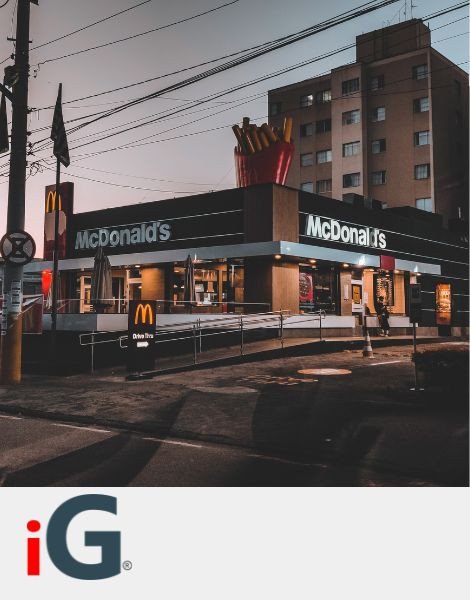
Who are the revenue giants in the gastronomy industry? We reveal the top players and analyze why they are so...Read more
Which Restaurant Makes the Most Revenue? A Deep Dive into the World of Gastronomy
Who are the revenue giants in the gastronomy industry? We reveal the top players and analyze why they are so...Read more -
 Boost Your Restaurant's Revenue with Pergolas and Louvered Roofs
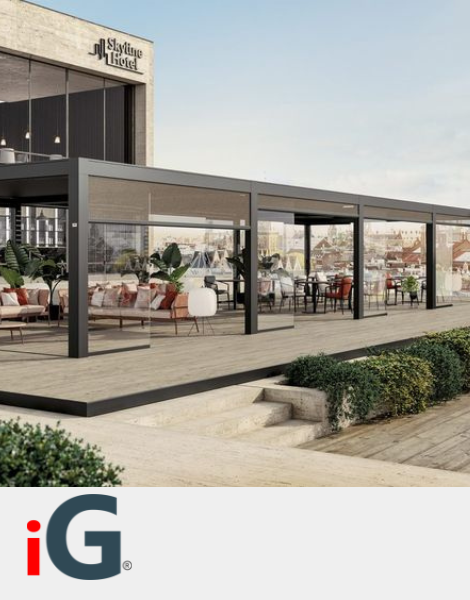
Ever wondered how to make your restaurant more appealing and increase your sales? The answer might be simpler than...Read more
Boost Your Restaurant's Revenue with Pergolas and Louvered Roofs
Ever wondered how to make your restaurant more appealing and increase your sales? The answer might be simpler than...Read more -
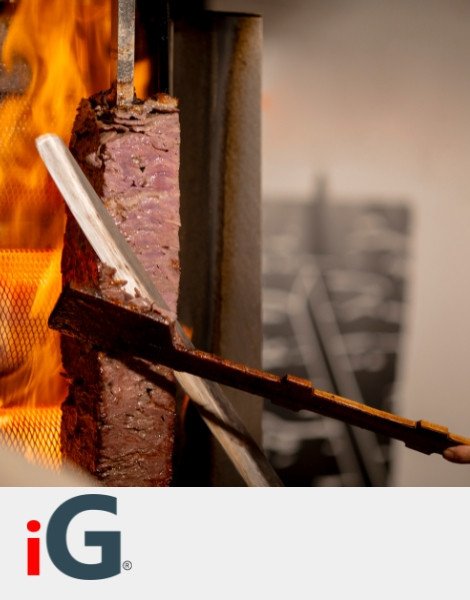 The World of Döner: From Traditional Recipes to the Best Döner Spots Worldwide
Learn how to make authentic Yaprak Döner, discover the best döner spots in Germany and worldwide, and explore the...Read more
The World of Döner: From Traditional Recipes to the Best Döner Spots Worldwide
Learn how to make authentic Yaprak Döner, discover the best döner spots in Germany and worldwide, and explore the...Read more
Leave a comment